Home Blog Page 497

Hindi Diwas 2024: Celebrating 75 Years of Linguistic Unity and Cultural Pride

0

Hindi Diwas, observed annually on September 14, is a day dedicated to celebrating the Hindi language and its integral role in India’s cultural, social, and linguistic heritage. As Hindi Diwas 2024 marks the 75th anniversary of Hindi being recognized as one of India’s official languages by the Constituent Assembly in 1949, this year holds special significance. The day reaffirms the importance of Hindi in uniting India’s diverse linguistic communities and highlights its enduring impact on the nation’s identity.

The History of Hindi Diwas

Hindi Diwas was first celebrated in 1953 to commemorate the historic decision of the Constituent Assembly, which adopted Hindi in the Devanagari script as one of the official languages of the newly independent India on September 14, 1949. The move was a significant step toward linguistic unity in a nation with over 1,500 spoken languages and dialects. Since then, Hindi Diwas has become an annual observance, celebrating Hindi’s cultural relevance and promoting its use across the country.

Theme for Hindi Diwas 2024

Each year, Hindi Diwas is celebrated with a specific theme that underscores different aspects of the Hindi language. While the theme for 2024 has yet to be officially announced, it is expected to focus on the growing significance of Hindi in bridging cultural gaps and promoting linguistic inclusivity. The Akhil Bhartiya Rajbhasha Sammelan, scheduled for September 14-15, 2024, will also mark this momentous occasion, bringing together scholars, writers, and government officials to discuss the language’s future.

The Significance of Hindi Diwas

Hindi holds a special place in India’s linguistic landscape. Not only is it the third most spoken language in the world, but it also plays a pivotal role in unifying India’s diverse regions. Here’s why Hindi is so important:

  • Official Language: Along with English, Hindi is recognized as one of the official languages of India. It is spoken as a primary language by 44% of the Indian population and is officially recognized in 11 Indian states.
  • Cultural Symbol: Hindi serves as a symbol of national pride and a medium through which India’s rich heritage is expressed. Its literature, cinema, and media have significantly shaped Indian culture.
  • Global Influence: With a considerable number of Hindi speakers in countries like Mauritius, Nepal, Fiji, Trinidad and Tobago, and more, Hindi has a global presence and contributes to India’s soft power.

Government Initiatives Promoting Hindi

To ensure Hindi’s continued growth and relevance, the Government of India has implemented several initiatives:

  • Hindi Pakhwada: Observed from September 1-15 every year, this event promotes the use of Hindi in government offices and institutions through various competitions, seminars, and events.
  • Rajbhasha Awards: The government honors individuals and organizations for their contributions to promoting Hindi through awards like Rajbhasha Gaurav Puraskar and Rajbhasha Kirti Puraskar.
  • Hindi in Technology: Efforts are being made to increase the use of Hindi in the digital space, including Unicode-enabled technology, making it easier for users to engage with the language online.
  • World Hindi Secretariat: In collaboration with Mauritius, India established the World Hindi Secretariat to promote the language on an international level, advocating for its recognition as a UN official language.

Educational and Cultural Impact

Hindi Diwas is not only a celebration of a language but also a reflection of its role in India’s educational system and literary contributions. Educational institutions across the country hold essay-writing competitions, debates, and cultural programs to encourage students to embrace Hindi and appreciate its literary richness.

Rashtriya Hindi Diwas vs. World Hindi Day

It’s important to distinguish Rashtriya Hindi Diwas from World Hindi Day. While Hindi Diwas is celebrated on September 14 to mark the adoption of Hindi as an official language of India, World Hindi Day is observed on January 10 to promote the global use of Hindi, commemorating the first time it was spoken in the United Nations General Assembly in 1949.

Summing Up

As India celebrates Hindi Diwas 2024, it is an opportunity to reflect on the language’s enduring legacy and its role in shaping India’s national identity. It is a day to honor Hindi’s profound influence, not just within the borders of India, but across the world. The government’s ongoing initiatives, coupled with the active participation of citizens, ensure that Hindi continues to thrive as a vibrant and dynamic language that bridges cultures and communities.

Do you know about this Kishore Kumar’s Iconic Juhu Bungalow that is now transformed into a homage Restaurant by Virat Kohli

0

In a unique blend of Bollywood legacy and modern gastronomy, Virat Kohli has transformed the iconic Juhu bungalow of late singer Kishore Kumar into a chic new restaurant. The bungalow, Gouri Kunj, has been reborn as one8 Commune, an upscale eatery offering a diverse range of global cuisines, from North Indian to Mediterranean. This venture not only pays homage to Kishore Kumar’s artistic spirit but also reflects Kohli’s passion for fine dining and healthy living.

Do you know about this Kishore Kumar's Iconic Juhu Bungalow that is now transformed into a homage Restaurant by Virat Kohli

A Culinary Journey Across the Globe

One8 Commune is more than just a restaurant; it’s a tribute to world culture and cuisine. The menu, curated by chef Pawan Bisht, boasts a rich array of dishes, from traditional favorites to modern culinary experiments. Commenting on the unique location, Chef Bisht said, “The destination of one8 Commune is sitting on the property of a man that admired world culture and arts. As a tribute, it’s only fitting we offer the world’s cuisines from behind the doors of our kitchens.”

Guests can indulge in a vegetarian-friendly menu that includes dishes like Poke Bowls, Taro Leaf Wadi, and Cottage Cheese Steak with Fennel Stew. The restaurant also features more adventurous offerings such as the Deconstructed Picante, a liquid appetizer, and the Chocolate Punch, a delightful dessert.

Do you know about this Kishore Kumar's Iconic Juhu Bungalow that is now transformed into a homage Restaurant by Virat Kohli

Virat Kohli’s Favorite Picks

One of the highlights of the menu is the special section titled ‘Virat’s Favourites,’ which includes dishes handpicked by Kohli himself. The section features a healthy mix of wholesome and gourmet plates like Pearl Barley Risotto, Superfood Salad, Avocado Tartare, and the innovative Mushroom Googly Dimsums.

Kohli’s personal favorite, the Avocado Tartare, is a standout dish made with sliced avocado, tempura avocado, sweet corn sriracha mayonnaise, scallions, and ponzu soy. The cricketer was so impressed with the dish that he asked the chef to pack a portion for him. Other favorites like the Pearl Barley Risotto, with its rich combination of mushroom pâté, truffle oil, and baby cress, showcase the restaurant’s commitment to serving gourmet yet healthy meals.

A Vegetarian-Friendly Destination

Known for his focus on fitness and healthy eating, Kohli’s vision for one8 Commune centers on converting greens and grains into flavorful, wholesome dishes. “At the Commune, we wanted to push the concept of ‘good for the soul’ cooking. We focus on something that’s not just more wholesome in nature but serves a gourmet experience. You’ll find the menu pleasantly vegetarian-friendly, retaining a promise of refinement in plates inspired by global tastebuds,” Kohli shared.

This emphasis on health-conscious, light dishes is reflected in options like the Superfood Salad, loaded with assorted greens, amaranth seeds, roasted pumpkin seeds, and cantaloupe melon.

Drinks and Light Bar Snacks

In addition to its extensive food menu, one8 Commune also offers an impressive selection of cocktails and a light bar snacks menu, making it a perfect spot for those seeking a relaxed evening with great food and drinks. The restaurant promises a contemporary dining experience that blends global influences with a focus on healthy, vegetarian-friendly dishes.

A New Chapter in Mumbai’s Dining Scene

The transformation of Kishore Kumar’s Gouri Kunj into one8 Commune is a celebration of both the legendary singer’s legacy and Kohli’s innovative approach to dining. This new-age restaurant brings together the best of global cuisine, wholesome eating, and a touch of Bollywood nostalgia, making it a must-visit destination for food lovers in Mumbai.

With its blend of rich history and modern flavors, one8 Commune is set to become a hotspot in Juhu, offering a unique dining experience that honors the past while embracing the future.

B Praak to Perform at Opening Ceremony of Uttarakhand Premier League 2024

0

In an exciting announcement for cricket and music fans alike, the Uttarakhand Premier League (UPL) 2024 will kick off with a grand opening ceremony in Dehradun featuring a live performance by popular singer and music sensation, B Praak. The opening ceremony, set to take place on September 15, 2024 from 3pm IST onwards, at the Rajiv Gandhi International Cricket Stadium, promises to be a star-studded event filled with music, entertainment, and excitement.
In addition to the thrilling music performance, fans will be delighted to know that entry to the opening ceremony and all UPL matches is absolutely free. Cricket enthusiasts can register themselves on PayTM Insider to secure access to the opening ceremony and matches. Fans can log onto the below link and follow the process to register for tickets:
https://insider.in/go/uttarakhand-premier-league-2024-25
Speaking on the occasion, Rajeev Khanna, Founder, SSPARK Sports and Entertainment, shared his excitement: “We are thrilled to have B Praak perform at the opening ceremony of the UPL 2024. The opening ceremony offers a perfect opportunity for the people of Uttarakhand, especially Dehradun, to enjoy world-class music and performances before the cricketing action begins. The UPL is not just about cricket; it’s a celebration for fans to experience a complete day out with family and friends. With music and performances planned throughout the tournament, we aim to make this a memorable experience for all.”


The UPL 2024 will see top domestic and IPL talents competing across various teams, with exciting head-to-head matchups in store. Icon players such as Akash Madhwal, Kunal Chandela, Aditya Tare, Samarth Ravikumar, Rajan Kumar, Ekta Bisht, Neelam Bisht and Mansi Joshi will lead their respective franchises, with the Pithoragarh Hurricanes, USN Indians, Dehradun Warriors, Haridwar Spring Elmas, Nainital SG Pipers and Mussoorie Thunders among the teams to watch out for.
Apart from the cricketing action, there will be daily performances and music events to entertain fans at the stadium, creating a festival-like atmosphere throughout the tournament. The UPL 2024 promises a perfect blend of cricket and entertainment, ensuring a fun-filled experience for all attendees.
The tournament will be broadcast live on Sony Sports Ten 2 SD, Sony Sports Ten 2 HD, and FanCode. With free entry, top-notch cricket, and musical performances, fans are encouraged to register on PayTM Insider and be part of this exciting event.

Anushka Sharma’s Parenting Tips to Creating a Healthy Routine for Kids

0

Anushka Sharma, a celebrated actress and mother, recently opened up about her parenting journey, offering valuable insights that can inspire parents worldwide. Alongside her husband, cricket star Virat Kohli, Anushka has chosen to keep their children, daughter Vamika and son Akaay, away from the public eye. However, during a rare appearance at an event in Mumbai, she shared some of the parenting practices that have helped them raise their kids in a balanced and healthy environment.

The Power of Early Dinners and Beating “Brain Fog”

One of the standout revelations Anushka made was her family’s early dinner routine. The family eats together at 5:30 p.m., a practice that started out of necessity. “It started out as convenience because my daughter would want her dinner early. She would eat at around 5:30 and most of the time, it would be me and her home alone. So, I’d think what am I going to do now? Might as well sleep,” she shared.

What started as a simple adjustment soon proved to have numerous health benefits. Anushka noted how the early meal schedule helped her sleep better, wake up feeling fresher, and reduced her experience of “brain fog.” “That works for me,” she added, emphasizing that it wasn’t a practice she adopted based on expert advice but rather something that evolved naturally within the family and has now become a regular habit.

The Importance of Routine Amidst a Busy Schedule

Despite frequent travels as a family, both Anushka and Virat maintain a strict routine for their kids. Anushka explained how a well-structured routine is essential for children’s sense of stability and control. “We travel a lot as a family, and my kids experience many changes in their lives. So, by creating a routine for them, I am giving them a sense of control. Meal times are fixed—no matter where we are, we eat at the same time and sleep at the same time. It helps regulate them much better.”

Establishing a routine amidst the whirlwind of their busy schedules is something both Anushka and Virat prioritize, understanding how it brings consistency to their children’s lives, even when their surroundings are constantly changing.

Bollywood star Anushka Sharma shares tips and tricks of being a good mom. video courtesy Brut

Family Values Through Actions, Not Words

Anushka also touched on the significance of leading by example rather than giving direct lessons. “My daughter is very young, and I don’t think I can teach her anything directly. It’s more about how we live our lives,” she said. The actress emphasized that the values they hope to pass on, like gratitude, are not taught through lectures but through everyday actions. “Are we showing gratitude to others in our daily lives? That’s what children learn from.”

This approach aligns with Anushka’s belief in teaching children life lessons through observation rather than imposing ideals or expectations.

Embracing Imperfection as Parents

Anushka and Virat are also committed to showing their children that it’s okay to be imperfect. Rather than trying to portray themselves as flawless parents, they allow their kids to see their human side. “We complain about things in front of our kids to show that we are flawed and that it is okay to have flaws,” Anushka revealed. This practice helps reduce the pressure on their children to be perfect, encouraging them to embrace their own imperfections.

Homemade Meals

Another aspect of their parenting style that Anushka shared is their hands-on approach to meal preparation. She and Virat personally cook meals for their children to pass on traditional family recipes. By doing so, they ensure that their kids grow up appreciating home-cooked food and the cultural significance behind it.

A Balanced Approach to Parenting

Anushka Sharma’s parenting tips offer a thoughtful blend of structure, values, and self-acceptance. Her practices—ranging from early dinners and strict routines to embracing imperfection and leading by example—are grounded in creating a nurturing, healthy, and balanced environment for her children. Whether it’s about teaching gratitude through actions or simply maintaining stability in a fast-paced world, Anushka and Virat’s approach to parenting is one many families can learn from.

Take inspiration from this power couple to bring up your little ones in a way that encourages health, happiness, and discipline.

Mumbai to Get London-Style Pod Taxis on BKC Streets, A Game-Changer in Urban Mobility

1

Mumbai’s congested streets are set to witness a revolutionary shift in urban transport with the introduction of a London-style pod taxi service connecting the bustling Bandra-Kurla Complex (BKC) to key locations. The Mumbai Metropolitan Region Development Authority (MMRDA) has given the green light to this futuristic mode of transport, which will link Bandra and Kurla railway stations via BKC, drastically cutting down travel time for commuters. The project is expected to hit the roads within three years.

The Solution to Mumbai’s Congestion Woes

Currently, commuters face severe traffic congestion when travelling between Bandra, Kurla, and BKC, with the journey taking up to 45 minutes during peak hours. The introduction of pod taxis is aimed at providing efficient last-mile connectivity, drastically reducing this time and easing the pressure on the city’s already strained public transportation system.

Sai Green Mobility, in collaboration with Ultra PRT, a renowned technology provider behind similar systems at London’s Heathrow Airport, has been awarded the contract to bring this project to life. An MMRDA official explained, “With the anticipated increase in foot traffic due to projects like the bullet train and new commercial developments, efficient last-mile connectivity has become increasingly essential.”

A Well-Researched Project

The decision to implement the pod taxi system followed a comprehensive techno-economic feasibility study (TEFS) conducted by MMRDA. The study, reviewed by Tata Consulting Engineers, assessed various global technologies before concluding that the pod taxi system is best suited for BKC’s topography and growing traffic demands.

Chief Minister Eknath Shinde, who also serves as the MMRDA Chairman, expressed optimism about the initiative: “This pod taxi system will set a new standard for urban transport projects across India, advancing sustainable and efficient mobility.”

A Modern Leap for Mumbai’s Business District

The BKC pod taxi project is expected to be a game-changer for one of Mumbai’s busiest business hubs. MMRDA Commissioner Sanjay Mukherjee highlighted its significance: “The BKC pod taxi project marks a significant leap in urban mobility for one of Mumbai’s busiest business districts. It will improve last-mile connectivity, alleviate congestion, and offer a modern, efficient transportation option for daily commuters.”

Approved during MMRDA’s 156th authority meeting on March 6, 2024, the project carries a price tag of Rs 1,016 crore. It will be developed under a public-private partnership (PPP) model, ensuring a financially sustainable approach with a three-year construction timeline and a 30-year concession agreement. The plan includes a fixed concession fee along with a revenue-sharing model between the private developers and MMRDA.

The Future of Pod Taxis in Mumbai

Once operational, the pod taxis are expected to transform the commuting experience for thousands of daily travelers to and from BKC. These automated, eco-friendly vehicles will reduce not only travel time but also the city’s carbon footprint by offering a green alternative to conventional transport.

With this project, Mumbai will join the ranks of global cities utilizing advanced technology to tackle urban mobility challenges, marking a significant step towards a smarter, more sustainable future.

While the city awaits the arrival of these high-tech pod taxis, the initiative stands as a beacon of hope for Mumbai’s notoriously congested streets.

Now, comes Neemrana Day celebrations in Japan

0

Neemrana, a Japanese Industrial Zone cluster situated in Rajasthan’ Alwar district accommodating a number of Japanese companies, in its vicinity will witness a new story to be scripted in Japan. As Rajasthan CM Bhajan Lal Sharma is on a trip to Japan and South Korea from September 9 to 11 to invite companies to invest in Rajasthan in the Rising Rajasthan Global Investment Summit, Neemrana Day celebrations will be made in Japan during this period.

The delegation led by Hon’ble CM will also partake in the ‘Neemrana Day’ celebrations in the Japanese capital. Neemrana is a Japanese Industrial Zone cluster in Rajasthan’s Alwar district that hosts a number of Japanese companies, said officials. 

It needs to be mentioned here that in view of the upcoming ‘Rising Rajasthan’ Global Investment Summit 2024, a high-level delegation led by Chief Minister Bhajan Lal Sharma will visit South Korea and Japan for a series of Investors’ Meet to be held between 9th and 14th September. The delegation led by Hon’ble CM will meet business leaders based out of the two countries and invite them to make investments in Rajasthan across various sectors. 

The Chief Minister-led delegation will also meet industry leaders from the Infrastructure, Steel, Automotive, Renewable Energy, Electronics, Heavy Industries and Education sector among others and invite them to invest in Rajasthan.

The team consists of Prem Chand Bairwa, Hon’ble Deputy Chief Minister (II), Government of Rajasthan and other top officials will also meet representatives from Japanese and Korean firms such as POSCO International, Daikin, Hitachi, Beltecno, Samsung Healthcare, Hanwha Solution etc. to explore the possibility of investment in Rajasthan.

The key focus areas for seeking investment into Rajasthan during the Japan and South Korea investors’ meet will be Infrastructure, Tourism, Food Processing, Chemicals, Electronics System and Design Manufacturing, Stone, Education etc. The delegation led by the Chief Minister will also meet a group of Non-Resident Rajasthani (NRR) during their Japan visit and also participate in the community programs. The delegation will also partake in two round-table discussions in the capital city of South Korea Seoul – one with the Tourism Association and the other with Korean Stone Association.

Sibi George, Ambassador of India to Japan and Shri Amit Kumar, Indian Ambassador to The Republic of Korea, will also host a special dinner for the CM-led delegation and other industry representatives. In addition to the Hon’ble CM and Dy. CM (II), other members of the high-level delegation who will be travelling to South Korea and Japan include Shri Shikhar Agrawal, ACS to CM, Government of Rajasthan,  Ajitabh Sharma, Principal Secretary, Industries and Commerce, Government of Rajasthan and other top officials from RIICO and BIP.

In the run-up to the ‘Rising Rajasthan’ Global Investment Summit 2024, the government of Rajasthan is going to organize investors’ meets around the country as well as overseas. The domestic investors’ meet has been planned at commercial centers such as Mumbai, Delhi, Hyderabad and Chennai. On the global front, the investors’ meet has been planned in South Korea, Japan, The United Kingdom, Germany, UAE, Qatar, Saudi Arabia, Singapore among others. Last month, the first domestic Investors’ Meet of ‘Rising Rajasthan’ Global Investment Summit 2024 was held in India’s commercial capital Mumbai, signing investment MoUs worth INR 4.5 lakh Crore.

Story of Apple from Apple-1 to iPhone 16, Steve Jobs Didn’t Wanted to Make the iPhone

0

On the night of November 7, 2004, Steve Jobs, co-founder of Apple, received an email from Apple’s Vice President Mike Bell. The message read, “Steve, I know you don’t want to work on the smartphone project, but we have some compelling reasons to do it…”. This email sparked a heated debate between Jobs and Bell, lasting several hours. At that time, the market was dominated by phones like the Nokia 7610 and BlackBerry 7100t. For music, people relied on Walkmans and iPods. Jobs didn’t believe that smartphones could ever dominate the market. However, this email marked the beginning of a two-and-a-half-year journey that would eventually give the world the iPhone.

Fast forward to today, Apple has seven major product lineups, with nearly 50% of its revenue coming from the iPhone. But the journey to this success wasn’t easy, and it all started in a garage.

Apple’s Humble Beginnings

The origins of Apple trace back to a time when computers were as large as six refrigerators. Steve Jobs and Steve Wozniak, two friends, were bothered by this inconvenience. In Jobs’ garage, they began working on a compact computer that could easily fit in homes or offices. On April 1, 1976, the Apple-1 computer was launched, a breakthrough in its time, though it didn’t have a monitor or CPU. The real revolution came with the launch of Apple-2 in 1978, which drastically changed the computer industry, and over the next two years, Apple’s sales skyrocketed 16 times to reach $117 million.

The Birth of the iPhone Idea

The idea of the iPhone wasn’t initially embraced by Jobs. In 2004, mobile devices were defined by brands like Nokia, Palm, and BlackBerry. During this time, Steve Jobs and then Motorola CEO Ed Zander were good friends and discussed the possibility of a collaboration. This led to the release of the Motorola ROKR on September 7, 2005, the first phone to integrate Apple’s iTunes software. However, its slow software and limited storage disappointed users.

At Apple, voices started rising that the company should create its own smartphone. However, Jobs remained unconvinced, driven by two main reasons. Firstly, the dominance of telecom companies like Verizon and AT&T in the US made it difficult for him to see a seamless customer experience. Secondly, he didn’t want to divert focus from Apple’s core products, believing that a smartphone would only cater to a limited market.

The Email That Changed Everything

As revealed by senior iPhone engineer Andy Grignon in an interview with tech journalist Brian Merchant, the push to convince Jobs came from Mike Bell and former VP Steve Iskoman. Mike’s email suggested using one of Jony Ive’s innovative designs for future iPods to build Apple’s own phone instead of licensing its software to other manufacturers. Soon after, Jobs met with Bell, Ive, and Iskoman over lunch, and the iPhone project was born under the codename “Purple.”

The Secret Lab and Relentless Work

The iPhone project was so secretive that even many within Apple didn’t know about it. A special lab was set up in Cupertino, known as the Purple Dorm. Engineers worked tirelessly for two and a half years, often sleeping and eating at the lab. Posters from the movie Fight Club adorned the walls, reminding everyone of the first rule: don’t talk about the project. The team worked under immense pressure, producing hundreds of prototypes, many of which were rejected before the final design emerged.

The Historic Launch of the iPhone

On January 9, 2007, at San Francisco’s Macworld Center, Jobs unveiled the iPhone. In his iconic presentation, he introduced the device as a combination of three products: a touch-screen iPod, a communication device, and a phone—all in one. The iPhone’s groundbreaking features included a 3.5-inch touchscreen, 2 MP camera, and up to 8GB storage. When it hit the market on June 29, 2007, it sold 270,000 units in just two days.

Behind the Scenes

Although the iPhone was a massive success, the pressure to launch was intense. According to reports, Apple’s engineers and managers were so stressed during the launch event that many were drinking scotch and whiskey in the audience to calm their nerves. The first iPhone presented by Jobs had several flaws, and the software wasn’t fully developed. Engineers feared that the phone might crash during the demo, which thankfully, didn’t happen.

Personal Sacrifices of the iPhone Team

For some members of the iPhone team, like senior engineer Andy Grignon, the project came at a personal cost. Grignon revealed in an interview that the immense pressure to deliver the iPhone led to the breakdown of his marriage. He described the experience as one of the most challenging periods of his career, working under an “impossible” deadline, with the future of the company resting on their shoulders.

A Legacy of Innovation

The skepticism surrounding the iPhone was widespread. In an April 2007 interview, Microsoft’s then-CEO Steve Ballmer famously claimed there was “no chance” the iPhone would gain significant market share. Similarly, BlackBerry’s executives were shocked by the iPhone’s launch. However, the critics were soon proven wrong. By 2018, Apple became the first company to reach a market capitalization of $1 trillion, and in 2023, it surpassed $3 trillion.

As of 2023, Apple has sold over 1.5 billion iPhones globally, with 21.67 crore sold in that year alone. The iPhone, once doubted, now makes up 50% of Apple’s revenue and has revolutionized the smartphone industry.

Innovation in Every iPhone

Since its debut in 2007, every new iPhone has brought something innovative to the table, ensuring that it stays ahead of its competitors. The legacy of the iPhone is not just one of groundbreaking technology but also of the persistence and vision that turned Steve Jobs’ reluctance into one of the most successful products in history.

This story of the iPhone is a testament to the power of innovation, even when faced with uncertainty and doubt. Today, as Apple continues to dominate the global smartphone market, the journey that began with a reluctant Steve Jobs reminds us that sometimes, the biggest revolutions come from the smallest of ideas.

All About Mirzapur’s Haveli, the Moti Jheel Mahal in Varanasi

0

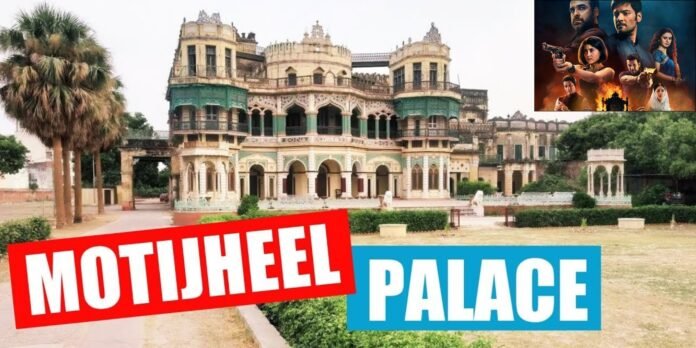
The world of Mirzapur, with its gripping storyline, intense characters, and thrilling action, is complemented by stunning real-world locations that give the show an authentic, raw appeal. Among these locations is the grand Tripathi Kothi, home to the notorious Kaleen Bhaiya in the series, which, in reality, is the historic Azmatgarh Palace, also known as Moti Jheel Mahal in Varanasi. This majestic palace, with its regal architecture and historical significance, has captured the attention of viewers just as much as the characters themselves.

Moti Jheel Mahal: A Historical Gem

Located in Mahmoorganj, Varanasi, the Moti Jheel Mahal was built between 1904 and 1908 by Raja Moti Chand, a prominent zamindar of Banaras. The palace reflects the architectural grandeur of its time, standing out with its distinctive design and strategic location. Raja Moti Chand was honored with the title ‘Rajaji’ by the British, further cementing his influential role in the region’s history. Today, the palace is privately owned and maintained by his grandson, Ashok Kumar Gupta, who resides there with his family.

While the mansion remains off-limits to the public, Gupta did allow the palace to be used for the shooting of Mirzapur, lending the series an air of authenticity. This decision has brought the palace into the spotlight, transforming it from a hidden historical treasure into a famous landmark among fans of the show.

Why the Name ‘Moti Jheel Mahal’?

The name of the palace, Moti Jheel, has an interesting origin. In 1913, Raja Moti Chand sought and received permission to construct a lake behind the palace, hence the word ‘Jheel’ (lake) was added to its name. This lake further enhanced the beauty of the palace, creating a serene backdrop that perfectly complements the grandeur of the building itself.

A Visual Delight

What sets Moti Jheel Mahal apart is its striking architectural design, which differs from most structures in the surrounding areas. The palace stands as an eye-catching monument that draws attention, whether you’re a fan of architecture or simply passing by. Located just 10 minutes from central Varanasi, the palace is also only 4 kilometers from Varanasi railway station, making it easily accessible.

The intricate architecture, combined with the scenic surroundings, made it the ideal choice for depicting the opulent life of Kaleen Bhaiya in Mirzapur. The scenes shot here are not enhanced or artificial; they showcase the true beauty of the palace, further immersing viewers in the show’s world.

A Popular Filming Location

Varanasi has long been a popular destination for filmmakers, known for its timeless ghats, spiritual aura, and historical significance. Films like Raanjhanaa (2013) and Masaan (2015) beautifully captured the essence of the city, while the Moti Jheel Mahal itself has been featured in movies such as Shubh Mangal Saavdhan, starring Ayushmann Khurrana.

Despite its newfound fame, Moti Jheel Mahal remains private property, and visitors are not allowed to tour the palace itself. However, the Moti Jheel Lake, adjacent to the palace, is accessible to the public, allowing people to explore and enjoy the scenic beauty that complements the grandeur of the Mahal.

The Intersection of History and Pop Culture

While Moti Jheel Mahal is steeped in history and tradition, its role in Mirzapur has brought it into the realm of modern pop culture. The palace now stands as a bridge between the past and present, a historical gem that has found new life in one of the most popular OTT series.

Though the palace remains private, its iconic role in Mirzapur has cemented its place in the hearts of fans and history enthusiasts alike. With its rich history, stunning architecture, and cinematic appeal, the Moti Jheel Mahal continues to be one of Varanasi’s most intriguing and visually captivating landmarks.

Kotilingeshwara Temple: Karnataka’s Sacred Site with 1 Crore Shiva Lingas

0

Karnataka, known for its rich cultural heritage and spirituality, is home to some of the most revered temples in India. Among these, the Kotilingeshwara Temple in Kammasandra village, Kolar district, stands out for its extraordinary devotion to Lord Shiva. What makes this temple truly unique is the presence of 1 crore (10 million) Shiva Lingas, making it one of the most awe-inspiring pilgrimage sites in the country.

The Temple of 1 Crore Shiva Lingas

The Kotilingeshwara Temple derives its name from its incredible collection of Shiva Lingas. In Kannada, “Koti” means crore, referring to the vast number of Lingas installed within the temple grounds. These Lingas range in size, varying from 1 to 3 feet, and are spread across an impressive 15 acres of land. Visitors are greeted by a spectacular sight—millions of sacred Lingas stretching as far as the eye can see, creating a spiritually charged atmosphere that attracts both devotees and tourists.

At the heart of this temple complex stands the towering main Shiva Linga, one of the tallest in the world, rising to a majestic 108 feet. This massive structure is a symbol of devotion and awe, drawing visitors from across the globe.

A Unique Spiritual Experience

One of the most distinctive aspects of Kotilingeshwara Temple is that devotees have the opportunity to install their own Shiva Linga. This act of devotion is believed to either fulfill a wish or serve as a gesture of gratitude after a wish has been granted. Pilgrims can personally participate in this ritual, which adds a deeply personal element to their spiritual journey.

Beyond the installation of Lingas, the temple also offers serene meditation halls where visitors can meditate in peace, further enhancing their connection with the divine.

Other Deities and Temples Within the Complex

In addition to its vast collection of Shiva Lingas, the Kotilingeshwara Temple complex is home to 11 smaller shrines dedicated to various deities, enriching the spiritual diversity of the site. These shrines are dedicated to:

  • Lord Panduranga
  • Lord Panchmukha Ganapathi
  • Lord Brahma
  • Lord Vishnu
  • Goddess Annapoorneshwari
  • Lord Venkataramani Swamy
  • Lord Rama, Sita, and Lakshmana
  • Goddess Kannika Parameshwari
  • Goddess Karumaari Amma
  • Lord Maheshwara
  • Lord Anjaneya

The temple also houses an impressive 35-foot-tall statue of Nandi, the sacred bull and vehicle of Lord Shiva, adding to the grandeur of the site.

Mass Marriages and Community Services

The Kotilingeshwara Temple is not only a place of worship but also a center for community service. Every year, the temple conducts free mass marriages, helping couples unite in holy matrimony without the burden of financial constraints. This tradition reflects the temple’s role in fostering social harmony and inclusivity.

History of Kotilingeshwara Temple

Founded in 1980 by Swami Sambha Shiva Murthy, the Kotilingeshwara Temple has grown into a major pilgrimage destination in Karnataka. Over the years, it has gained immense popularity, not only for its religious significance but also for its unique and inspiring display of devotion through the installation of millions of Shiva Lingas.

A Pilgrimage Unlike Any Other

For devotees of Lord Shiva, a visit to Kotilingeshwara Temple offers a once-in-a-lifetime spiritual experience. Whether it’s the sight of 1 crore Lingas, the towering main Linga, or the chance to install a personal Shiva Linga, the temple provides an unparalleled sense of divine connection.

Set in the tranquil surroundings of Kammasandra village, the Kotilingeshwara Temple invites pilgrims to immerse themselves in a profound spiritual journey, making it one of Karnataka’s most revered and unique religious sites.

Now, Jumping Spider Species Discovered in Tamil Nadu

0

In a remarkable discovery highlighting the rich biodiversity of Tamil Nadu, a new species of jumping spider, Carrhotus piperus, has been identified in the lower Palani Hills. This discovery brings the total number of Carrhotus species found in India to 10, with 37 known worldwide. The findings shed light on the region’s unique ecosystems and underscore the importance of continued research in India’s lesser-explored habitats.

Discovery Details

The spider was discovered in 2016 during a biodiversity survey in Thadiyankudisai, Dindigul district, nestled in the Palani Hills. A team of researchers led by John Caleb T.D. from Saveetha Institute of Medical and Technical Sciences and M. Sampathkumar from the ICAR-National Bureau of Agricultural Insect Resources played a key role in identifying and scientifically describing the new species. Their discovery has been published in the Journal of Insect Biodiversity and Systematics.

The name Carrhotus piperus was chosen to reflect the spider’s unique habitat—Piper nigrum, commonly known as the black pepper plant, where it was found living about two meters above ground. This species exhibits a close relationship with the plant, from which it draws its name, indicating a symbiotic connection between the spider and its environment.

Habitat and Physical Features

The discovery of Carrhotus piperus among black pepper plants adds a new dimension to the understanding of the ecological balance within the Palani Hills. The spider was observed residing on the plants, which are cultivated for their spices, suggesting that the spider might play a role in maintaining the health of these plants or the ecosystem around them.

The newly discovered spider stands out due to its distinct physical features. It has a prolateral protrusion—a unique bump on its body—and a beak-shaped embolus, part of its reproductive anatomy. These characteristics helped scientists classify it as part of the Carrhotus genus, a group of spiders known for their ability to leap and hunt without the use of webs.

Importance of the Discovery

This discovery expands the knowledge of the Carrhotus genus and provides further insight into the biodiversity of Tamil Nadu’s Palani Hills. The findings highlight the need for ongoing research into India’s rich ecosystems, particularly in under-explored areas like the Palani Hills, which serve as habitats for a range of undiscovered species.

John Caleb T.D. and M. Sampathkumar emphasize the importance of biodiversity conservation, stressing that new species discoveries contribute to a greater understanding of ecological health and the relationships between organisms and their habitats.

Facts About Jumping Spiders

Jumping spiders, belonging to the family Salticidae, are among the most fascinating members of the spider world:

  • Superior Vision: They have excellent vision and are capable of seeing in color, making them effective hunters that can detect and track prey with remarkable precision.
  • Incredible Leaping Ability: Jumping spiders can leap up to 50 times their body length using a hydraulic pressure system in their legs.
  • Active Hunters: Unlike most spiders, jumping spiders do not rely on webs to catch prey. They stalk and pounce on their targets.
  • Global Presence: There are over 6,000 species of jumping spiders, and they are found on every continent except Antarctica.
  • Courtship and Color: Many species have vibrant colors and complex courtship rituals, making them popular subjects for study.

The discovery of Carrhotus piperus adds to the wealth of knowledge about jumping spiders, which continue to intrigue scientists and arachnophiles alike.

Summing Up

The discovery of Carrhotus piperus in Tamil Nadu’s Palani Hills is a testament to the untapped biodiversity within India’s ecosystems. As scientists continue to explore these habitats, new species emerge, enhancing our understanding of the complex interactions between species and their environments. This find not only highlights the importance of biodiversity conservation but also contributes to global research on jumping spiders and their ecological significance.