Home Blog Page 497

No more toll tax for private vehicles up to 20 km

0

In a new initiative aimed at improving toll collection efficiency and reducing traffic congestion at toll plazas, the Ministry of Road Transport and Highways has announced that vehicles equipped with the Global Navigation Satellite System (GNSS) can now travel up to 20 kilometers for free on national highways. This rule, introduced under the amended National Highways Fee (Determination of Rates and Collection) Rules, 2008, marks a significant shift in how tolls are collected and aims to streamline road travel across India.

What Does the New Rule Mean?

According to the latest notification, vehicles fitted with GNSS devices can enjoy a zero-toll journey for up to 20 kilometers in each direction on national highways and expressways. This exemption applies daily and covers private vehicles but excludes national permit vehicles. The aim is to implement GNSS-based electronic toll collection across the country, allowing drivers to pay tolls based on the actual distance traveled instead of fixed toll points, ultimately reducing congestion at toll plazas.

The ministry’s notification explained, “A driver, owner, or person in charge of a mechanical vehicle, other than National Permit Vehicles, using the same section of a national highway, bridge, bypass, or tunnel, shall be charged zero user fees for up to 20 kilometers of travel in each direction under the GNSS-based fee collection system. If the distance exceeds 20 kilometers, the fee will be charged based on the actual distance traveled.”

How GNSS Works

The GNSS device will be fitted into vehicles and will be non-transferable, ensuring that the user fee is collected automatically based on the distance covered. This advanced system will replace traditional toll collection methods, including the widely used FASTag. Vehicles with GNSS will not need to stop at toll plazas, as the system will automatically deduct toll fees for the distance traveled.

However, there’s a catch—vehicles not equipped with GNSS that attempt to use GNSS-exclusive lanes will be penalized by paying double the toll amount. This measure ensures compliance with the new system and discourages non-GNSS vehicles from using dedicated GNSS lanes. The system also includes advanced reading, identification, and enforcement equipment to ensure smooth toll collection and monitoring.

Distance-Based Tolling

The introduction of GNSS in toll collection is part of India’s broader effort to modernize its road infrastructure and make highway travel more efficient. Under this system, vehicles will be charged only for the stretch they have actually traveled, moving away from fixed toll rates that apply to entire sections of highways. This change is expected to not only ease congestion but also make toll payments more fair and transparent.

With this system, private vehicle owners can now look forward to hassle-free highway journeys, reduced waiting times at toll plazas, and payments that better reflect their usage of national highways. However, for those yet to adopt the GNSS system, the penalty for entering GNSS lanes will serve as a strong motivator to switch to the new technology.

The Future of Toll Collection

The move to GNSS-based tolling aligns with India’s growing emphasis on using technology to solve infrastructure challenges. It also complements ongoing efforts to create a seamless travel experience on national highways, promoting safety, speed, and efficiency. As the GNSS system rolls out across the country, it has the potential to significantly change how road travel is managed and monitored in India, enhancing both the user experience and the efficiency of toll collection.

With this system, the journey towards a smarter, more efficient road network in India takes a significant step forward, benefiting millions of drivers and easing the burden on toll infrastructure.

From Earning ₹80 a Month to Running an ₹8 Crore Annual Business — The Inspiring Journey of Ramesh Ruparelia

0

Ramesh Ruparelia, a man who once earned just ₹80 a month herding cows, now runs a thriving dairy business with an annual turnover of ₹8 crores. His journey from a small village in Gujarat to becoming a successful entrepreneur is a testament to perseverance, hard work, and seizing the right opportunities.

Humble Beginnings and Early Struggles

Ramesh Ruparelia hails from a small village in Gujarat and faced financial hardships from a young age. With education only up to the seventh grade, he tried opening a cowshed (Gaushala) on his father’s advice, but this venture plunged his family into debt. By 2005, he moved to Gondal and began farming. At the time, he earned just ₹80 a month herding cows, barely making ends meet. However, his love for cows and determination to succeed never wavered.

A Turning Point in Farming

The major turning point in Ramesh’s life came when his onion crop yielded a profit of ₹35 lakh. This windfall gave him the financial boost and confidence to pursue his true passion — working with cows. With the funds, Ramesh started caring for stray cows and eventually purchased Gir cows, a breed known for their high-quality milk. This decision laid the foundation for his dairy business.

Starting a Dairy Business

Ramesh founded a cowshed under the name Shri Gir Gau Krishi Jatan Sanstha, focusing on organic dairy products made from Gir cow milk. Initially, Ramesh faced challenges, as he lacked land of his own and had to lease a plot from a Jain family in Gondal. Committed to natural farming, he used only organic fertilizers like cow dung and urine, which he sourced from various regions to enrich the soil.

Cycling His Way to Success

In the early days, Ramesh sold milk but received complaints about its odor, prompting him to shift his focus to making ghee. Starting from a small rented room, he produced ghee and sold it in plastic and glass jars, pedaling from one place to another on his bicycle. His ghee quickly gained popularity among customers, encouraging him to expand production. As he learned more about proper cow feeding and high-quality ghee manufacturing, his business began to flourish.

Expanding to Global Markets

Ramesh’s innovation didn’t stop with traditional ghee; he also produced medicinal ghee from Gir cows, which became highly sought after. His commitment to quality and organic methods led to a surge in demand, and today, he exports ghee to 123 countries around the world. From a modest start, Ramesh now manages a herd of 250 Gir cows and earns close to ₹8 crores annually.

A Story of Resilience and Success

Ramesh Ruparelia’s inspiring journey from herding cows for ₹80 a month to running a multimillion-rupee global dairy business proves that with passion, perseverance, and a strong work ethic, no dream is too big. His story stands as a beacon of hope, demonstrating that even the most challenging circumstances can be overcome with determination and the right opportunities.

Ramesh’s success showcases the power of following one’s passion and the rewards of hard work. His journey reminds us that even the toughest of beginnings can lead to incredible success, as long as one keeps moving forward.

Dubai Princess Launches Bold New Perfume ‘Divorce’

0

Sheikha Mahra Al Maktoum, the 30-year-old daughter of Dubai’s ruler, is making waves with the launch of her new perfume line, aptly named “Divorce,” under her luxury brand Mahra M1. The release of this fragrance comes on the heels of her public divorce, which captivated global audiences just weeks ago. The strikingly symbolic name of the perfume has drawn widespread attention, reflecting a bold move by the princess as she reclaims her narrative post-split.

A Teaser with Symbolism

The perfume’s launch was teased on Sheikha Mahra’s Instagram, where she has a following of 980,000. In a dramatic post on Monday, she unveiled a sleek black bottle engraved with the word “Divorce,” a name that resonates with the very public breakup from her husband, Sheikh Mana bin Mohammed bin Rashid bin Mana Al Maktoum. Accompanying the teaser was a moody video featuring powerful imagery—broken glass, black petals, and a prowling black panther—symbolizing the end of a chapter and the strength that follows.

The fragrance, much like the video, seems to capture the essence of resilience and empowerment. Its launch comes just weeks after Sheikha Mahra declared her divorce from her husband in a surprising Instagram post, where she used the traditional Islamic practice of triple talaq to sever ties.

A Divorce in the Spotlight

In July 2024, Sheikha Mahra made headlines worldwide with a direct and unflinching Instagram post announcing her split from Sheikh Mana. “Dear husband, as you are occupied with other companions, I hereby declare our divorce. I divorce you, I divorce you, and I divorce you. Take care. Your ex-wife,” she wrote. The bold move not only drew attention for its openness but also for using social media to broadcast a deeply personal decision, reflecting a new era of transparency among the global elite.

The couple had been married since May 2023 and had welcomed their first child just two months before the announcement. Despite the short-lived union, Sheikha Mahra’s decision to move forward so publicly with the divorce—and now with a product named after it—highlights her desire to take control of the narrative surrounding her life.

From Personal Struggles to Entrepreneurial Ventures

The launch of the “Divorce” perfume is part of Sheikha Mahra’s broader business pursuits under her Mahra M1 brand. Known for her luxurious lifestyle and entrepreneurial ventures, the Dubai princess has been making her mark in the world of fashion and beauty. This latest fragrance line could be seen as a statement—transforming a difficult personal experience into a symbol of empowerment.

Who Is Sheikha Mahra Al Maktoum?

Sheikha Mahra is the daughter of Sheikh Mohammed bin Rashid Al Maktoum, the vice president, prime minister, and minister of defense of the UAE, and one of the world’s wealthiest royals, with an estimated net worth between $14 and $18 billion. Her mother, Zoe Grigorakos, hails from Greece, and the two are divorced.

Active on Instagram, Sheikha Mahra often shares glimpses of her life with her nearly one million followers, offering insights into her world of luxury, business ventures, and now, her personal triumphs.

A New Chapter

As Sheikha Mahra steps into a new chapter of her life, the launch of the “Divorce” perfume represents not only her ability to rise above personal challenges but also her knack for turning personal moments into powerful, marketable symbols. The fragrance promises to carry a bold statement, much like its creator, as it takes the world of luxury perfumes by storm.

NASA’s Europa Clipper Mission Set for Historic Launch in 2024

0

NASA’s highly anticipated Europa Clipper mission has officially been approved for launch, with liftoff scheduled for October 10, 2024. This milestone follows a successful review of the spacecraft’s design, which has been optimized to withstand the intense radiation it will encounter near Jupiter. The announcement, made on September 10, addresses prior concerns about the spacecraft’s electronic systems and ensures the mission is on track to explore one of the most intriguing moons in the solar system—Europa.

Launch Details and Timing

With a budget of $5 billion, the Europa Clipper will launch aboard a SpaceX Falcon Heavy rocket. The timing of this launch is critical, as the mission must take off within a narrow three-week window to make use of gravity assists from both Mars and Earth. These assists will help propel the spacecraft on its trajectory toward Jupiter, ensuring that it can efficiently reach its destination. The precision of this timing reflects NASA’s intricate planning, which is crucial for the success of this complex interplanetary journey.

Overcoming Technical Challenges

The Europa Clipper’s electronics have undergone rigorous testing over the last several months, particularly in regard to the spacecraft’s transistors, which could be compromised by the high levels of radiation near Jupiter. To address these concerns, NASA engineers conducted extensive tests to determine how radiation might degrade the transistors and affect the spacecraft’s overall performance. Thanks to this thorough testing, all major concerns have been addressed, and the team is confident in the spacecraft’s ability to withstand the harsh conditions of the Jupiter system.

Project manager Jordan Evans emphasized the team’s preparedness: “We’ve spent the last four months putting the spacecraft through the most intense tests to make sure every system works as it should. We are confident that we’ve taken the right steps to ensure mission success.”

Mission Objectives

The Europa Clipper’s primary mission is to investigate whether the vast ocean beneath Europa’s icy crust could support life. As one of Jupiter’s most enigmatic moons, Europa has long intrigued scientists due to its potential to harbor liquid water beneath its frozen surface. The spacecraft will conduct 49 close flybys of Europa, at times coming as near as 16 miles (25 kilometers) to the surface. During these flybys, the Clipper will utilize cutting-edge instruments to map and analyze Europa’s ice shell and search for signs of organic compounds, which could provide clues about the potential for life.

A Six-Year Journey to Jupiter

The spacecraft’s journey to Jupiter will take approximately six years, with arrival expected in the early 2030s. Once in orbit, the Europa Clipper will perform a flyby of Europa every three weeks, collecting critical data that will enhance our understanding of the moon’s composition and conditions. This close monitoring will allow scientists to explore the possibility of habitability in Europa’s subsurface ocean, advancing the field of astrobiology and potentially revealing new insights into life beyond Earth.

About the Europa Clipper

The Europa Clipper is one of NASA’s most ambitious astrobiology missions, designed to explore the icy moon Europa, a prime candidate in the search for extraterrestrial life. The spacecraft will carry 10 sophisticated scientific instruments, including cameras, spectrometers, and ice-penetrating radar. These instruments will be used to study the thickness of Europa’s ice shell, investigate the composition of its subsurface ocean, and search for organic materials that could hint at the existence of life.

The mission’s focus on remote sensing and detailed analysis of Europa’s surface will help scientists determine whether the moon has the necessary ingredients to support life. By conducting close flybys and collecting data over an extended period, the Europa Clipper will provide the most comprehensive look at Europa to date.

A New Era of Exploration

The Europa Clipper mission marks a significant step forward in humanity’s quest to understand the potential for life elsewhere in the universe. With its launch on the horizon, NASA is set to unlock the secrets of Europa, potentially answering one of the most profound questions in science: Are we alone?

The countdown to October 10, 2024, has begun, and with it, the hope of discovering new, life-changing insights about our solar system.

Chandrayaan-3 Detects Historic 250 Seismic Signatures on the Moon

0

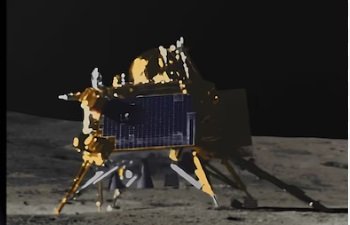
India’s Chandrayaan-3 mission has marked a groundbreaking achievement in lunar exploration, becoming the first mission since Apollo to detect seismic signals from the Moon’s south pole. Over 250 seismic events have been recorded, with this milestone representing a major leap forward in understanding the Moon’s seismic landscape.

The Significance of Seismic Signals

Among the 250 seismic signatures detected by Chandrayaan-3, 50 have been classified as unique, potentially indicating the occurrence of “moonquakes.” Similar to earthquakes on Earth, moonquakes provide valuable information about the Moon’s internal structure and tectonic activity. However, this is the first time seismic data has been successfully collected from the Moon’s elusive south pole—a region previously unexplored in this context. The insights gained from these signals could offer clues about the Moon’s composition and its evolution over billions of years.

Cutting-edge Instrumentation and Data Collection

At the heart of this discovery is the Instrument for Lunar Seismic Activity (ILSA), housed within the Vikram Lander. Operating from August 24 to September 4, 2023, at coordinates 69.37° S and 32.32° E, ILSA is the first instrument based on MEMS (Micro-Electro-Mechanical Systems) technology designed to measure lunar seismic activity. Using advanced silicon micromachining techniques, it captured these seismic signals with unprecedented precision. The ILSA’s success marks a major advancement in lunar seismic monitoring, providing more detailed insights than ever before.

The Nature of Detected Signals

Of the 250 seismic events detected, about 200 were found to be related to mission activities. These included movements of the Pragyan rover and the operation of scientific instruments like the ChaSTE thermal probe and the Alpha Particle X-ray Spectrometer (APXS). However, the remaining 50 signals were categorized as “uncorrelated,” meaning they may be genuine moonquakes, unrelated to mission operations. This classification makes them of particular interest to scientists.

One of the most striking findings was the longest continuous seismic signal, which lasted for 14 minutes, raising new questions about its source. This uncorrelated seismic activity could help unravel mysteries about the Moon’s tectonics and could have implications for future lunar missions aimed at deeper exploration.

Scientific Implications and Future Investigation

These seismic findings, published in the renowned scientific journal ICARUS, have already captured the attention of the scientific community. Dr. Sriram, Director of the Laboratory for Electro-Optical Systems (LEOS), emphasized that further analysis of these uncorrelated signals is necessary to fully understand their origins. Investigating these unique seismic events could lead to significant breakthroughs in understanding the Moon’s interior structure, which has remained elusive since the Apollo missions.

Chandrayaan-3: A Mission of Historic Importance

Chandrayaan-3, India’s third lunar mission, was launched on July 14, 2023, with the specific goal of achieving a soft landing on the Moon’s surface. The mission consists of a lander, Vikram, and a rover, Pragyan. Unlike Chandrayaan-2, it does not include an orbiter. After a successful landing on August 23, 2023, Chandrayaan-3’s focus has been on exploring the Moon’s south pole, a region considered key to understanding the lunar environment and potentially hosting water ice—crucial for future lunar colonization.

India’s Chandrayaan-3 mission has opened a new chapter in lunar exploration. Its detection of over 250 seismic signals, particularly from the Moon’s south pole, represents an extraordinary achievement, positioning India as a leader in lunar science. These findings not only contribute to our understanding of the Moon but also pave the way for future missions to delve deeper into its seismic mysteries.

Apple iPhone 16 Launch Event 2024: Highlights of the New iPhone 16 Series, Watch Series 10, and AirPods 4

0

Apple’s much-anticipated iPhone 16 launch event, titled “It’s Glowtime”, took place in San Francisco, marking a significant milestone in the tech giant’s yearly calendar. Along with the reveal of the iPhone 16 series, the event also introduced the Apple Watch Series 10 and AirPods 4, with exciting new features and cutting-edge advancements.

iPhone 16 Series: Four Models Unveiled

Continuing its tradition, Apple introduced four models in the iPhone lineup: iPhone 16, iPhone 16 Plus, iPhone 16 Pro, and iPhone 16 Pro Max. All models are powered by the latest A18 Pro chipset, promising enhanced performance, faster processing speeds, and improved battery efficiency.

  • iPhone 16 & iPhone 16 Plus: These models sport a revamped design, with a vertical camera setup reminiscent of the iPhone X, featuring a 48-megapixel primary sensor and 2x optical zoom. The iPhone 16 Plus, with a larger display, is ideal for those who enjoy gaming and streaming.
  • iPhone 16 Pro & iPhone 16 Pro Max: These premium models boast 48-megapixel ultra-wide cameras and longer battery life, catering to photography enthusiasts. New features like 4K120 video recording and HDR are integrated, allowing users to record in stunning detail.

iPhone 16 Pro: Enhanced Media and Camera Capabilities

A key highlight was the camera system of the iPhone 16 Pro and Pro Max, featuring the 48MP Fusion camera with a second-gen quad-pixel sensor, eliminating shutter lag. The 5x telephoto lens with a tetraprism design adds versatility, while the audio mix feature allows users to isolate and adjust individual voices in recordings. The iPhone 16 Pro models offer ProRes video recording, spatial audio capture, and studio-quality microphones, enhancing media experiences.

iPhone 16 Pro Max: Larger and Better

The iPhone 16 Pro Max, with a 6.9-inch display, has been termed Apple’s “best iPhone display ever.” The device also supports spatial video capture, making it perfect for immersive content creation. The advanced cooling chamber ensures that the phone remains cool during heavy usage, even when running Apple Intelligence.

Apple Watch Series 10: Slimmer, Smarter, Healthier

The Apple Watch Series 10 debuted with a slimmer design and thinner bezels, offering screen sizes of 45mm and 49mm. New health monitoring features include blood pressure tracking and sleep apnea detection, further expanding the watch’s wellness capabilities. Apple claims it’s the “thinnest and lightest” watch they’ve ever made, cementing its position as a leading wearable.

AirPods 4: Noise Cancellation and USB-C Charging

Apple introduced AirPods 4, which comes in two versions. The budget model lacks noise cancellation, while the mid-range option features active noise cancellation. Both versions now support USB-C charging, with the higher-tier model offering wireless charging as well. Apple also announced updates to AirPods Max and HomePod during the event.

Apple Intelligence: Stepping Up in AI

Apple unveiled its latest leap in AI with Apple Intelligence integrated into the iPhone 16 series. The AI platform allows users to interact more intuitively with their devices, offering on-screen awareness through Siri and visual intelligence capabilities. Users can now ask their iPhones questions about objects they capture on camera, offering a more interactive user experience. With privacy in mind, Apple emphasized that user data is processed securely on dedicated servers running on renewable energy.

Pricing and Availability

The iPhone 16 series is priced starting at INR 79,900, with the iPhone 16 Plus beginning at INR 89,900. The iPhone 16 Pro starts at INR 1,19,900, and the Pro Max is priced from INR 1,44,900. Pre-orders for the iPhone 16 series begin on September 13 at 5:30 PM IST, and sales will start on September 20.

In the U.S., the iPhone 16 Pro is priced at $999, while the Pro Max starts at $1,199. Apple also updated its MagSafe ecosystem with new cases, offering faster charging and Qi2 wireless support.

Final Thoughts

Apple’s 2024 event was filled with exciting announcements and significant upgrades across its product line. The new iPhone 16 series, with its powerful A18 Pro chip, improved camera capabilities, and advanced AI integration, promises to push the boundaries of smartphone technology. The introduction of Apple Watch Series 10 and AirPods 4 further solidifies Apple’s position as a leader in innovation. With the release dates approaching, Apple fans can expect to get their hands on these devices soon.

Last Chance Tourism: Tourists Rushing to Get Glimpse of Glaciers Before They Disappear

0

Rush up to see glaciers which can disappear soon! This seems to be the current trend amongst avid travellers who are not missing out any chance to visit places with glaciers.

Basically, climate change has given rise to this new trend in travel known as “Last Chance Tourism,” where tourists rush to visit destinations which are at risk of disappearing due to environmental changes. One of the primary attractions in this trend is the world’s rapidly melting glaciers.

According to a survey, the number of tourists visiting glaciers has seen a staggering 17-fold increase over the past 18 years. In 1998, around 210,000 tourists visited these fragile ecosystems, but by 2016, that number had soared to 3.84 million.

One of the most famous cities now under threat is Venice, Italy, which is grappling with rising sea levels. Venice has become a key destination in Last Chance Tourism. In 2023, the city welcomed 5.7 million tourists, an increase of 119.19% compared to the previous year. The spike in visitors is due to concerns that the city may soon be submerged, making it a prime location for tourists wanting to see it before it’s too late.

Global Attractions Under Threat

The trend of Last Chance Tourism extends beyond Europe. According to a 2017 survey, 69% of tourists visiting Australia’s Great Barrier Reef are driven by the desire to see the world’s largest coral reef before its potential demise due to coral bleaching and rising ocean temperatures.

Ladakh

In India, Ladakh has emerged as a favorite destination for Last Chance Tourism. This high-altitude region is home to some of the world’s most significant glaciers, including the Siachen Glacier, the second-largest glacier outside the polar regions and the largest in the Himalayas. Every year, 6-7 lakh tourists visit Ladakh, many of them eager to witness these glaciers before climate change takes its toll. Additionally, the elusive snow leopard, found in Ladakh’s rugged terrain, attracts thousands of wildlife enthusiasts from around the globe.

Environmental Impact of Tourism

While Last Chance Tourism might offer a once-in-a-lifetime experience, experts warn of its detrimental impact. These sensitive environments, already vulnerable to climate change, are struggling to cope with the surge in human activity. The recent collapse of an ice cave in Iceland, which tragically killed an American tourist, serves as a stark reminder of the potential dangers associated with this type of tourism.

India’s Ladakh region faces similar challenges. The delicate ecosystem of this region cannot withstand the increasing influx of visitors. The pressure of tourism, combined with the fragility of these environments, raises concerns about potential accidents and irreversible damage.

The Carbon Footprint of Tourism

Tourism contributes to 8% of global carbon emissions, and the situation is expected to worsen. Projections indicate that by 2030, carbon emissions from tourism will increase by 25%, rising from 15,970 million tons in 2016 to 19,980 million tons. Additionally, around 8 million tons of plastic waste generated by tourism end up in the oceans each year.

Summing Up

As climate change continues to affect some of the world’s most iconic and fragile destinations, Last Chance Tourism is gaining momentum. While these once-in-a-lifetime trips offer an opportunity to witness natural wonders before they disappear, the unintended consequences of mass tourism pose a serious threat to the very ecosystems visitors seek to experience. The challenge moving forward will be finding a balance between satisfying tourists’ desires and preserving these irreplaceable environments for future generations.

Researchers Discover New ‘Dancing Girls’ Ginger Species in India

0

In an exciting breakthrough for botanical science, researchers from the Indian Institute of Science Education and Research (IISER) Bhopal have discovered three new species of ginger in the northeastern states of Mizoram and Meghalaya. These unique species, characterized by their ornamental flower shapes, have been collectively named the “dancing girls” ginger species due to their graceful appearance.

This discovery not only adds to India’s rich plant biodiversity but also underscores the need to protect the natural habitats where these rare plants thrive.

The Discovery

The remarkable find was made by scientists Ritu Yadav and Vinita Gowda during their field research in the dense forests of northeastern India. Their work highlights the rich biodiversity of the region and offers new insights into the Globba genus, a group of plants known for their beautiful flowers.

About the Globba Genus

The newly discovered ginger species belong to the Globba genus, a member of the Zingiberaceae (ginger) family. Globba is known for its striking ornamental flowers, and it ranks as the fourth-largest genus in the ginger family, consisting of around 136 species. The discovery of three new species adds to the already diverse collection of the Globba genus, further showcasing the extraordinary biodiversity of the Eastern Himalayas.

Newly Discovered Ginger Species

The three species discovered by the team are:

  • Globba tyrnaensis: Found near the famous Double Decker Living Root Bridge in Meghalaya, this species grows in the understory (lower forest levels) at an elevation of around 731 meters. It has an important role in the ecosystem by attracting various bee species that assist with pollination.
  • Globba janakiae: Named after Dr. E.K. Janaki Ammal, a pioneering Indian botanist, this species was also discovered in Meghalaya, near the same area as Globba tyrnaensis. Its name pays tribute to Ammal’s contributions to the field of botany.
  • Globba yadaviana: Discovered along Reiek Tlang Road in Mizoram, this species was named in honor of Rajesh Yadav, the father of Ritu Yadav. The species has distinct floral features and was found growing in limited numbers, making it particularly rare.

Unique Floral Characteristics and Habitat

Each of the newly discovered ginger species boasts unique floral traits, earning them evocative nicknames like weeping goldsmith and white dragon due to their dramatic appearance. These plants grow in specific, often hard-to-reach habitats. For instance, Globba tyrnaensis thrives in the forest understory, a habitat characterized by low light and dense vegetation, making it an ideal environment for the plant’s growth.

Conservation Concerns

One of the species, Globba yadaviana, has been found in extremely small populations, with only about 30 individual plants identified along the Reiek Tlang Road in Mizoram. This makes the species vulnerable to environmental changes and habitat destruction. The researchers emphasize the need for conservation efforts to protect these rare species and ensure they continue to thrive in their natural habitats.

Significance of the Discovery

This discovery not only sheds light on the underexplored biodiversity of India but also highlights the importance of continued botanical research in the region. The findings serve as a reminder of India’s rich botanical heritage and the need for sustainable conservation practices.

By uncovering new species like the dancing girls ginger, scientists are able to further explore the delicate ecosystems of northeastern India, an area renowned for its unique flora and fauna. Additionally, this discovery emphasizes the ongoing role of taxonomic research in understanding and protecting the natural world.

Summing Up

The identification of these three new ginger species in India is a major contribution to the field of botany, enhancing our knowledge of the natural world and its diversity. As researchers continue to explore India’s diverse landscapes, it is likely that many more hidden species await discovery.

What is Barakah Nuclear Energy Plant?

0

The United Arab Emirates (UAE) has reached a significant milestone with the completion of the Barakah Nuclear Energy Plant, marking the first nuclear power facility in the Arab world. This project stands as a critical step in the UAE’s mission to diversify its energy sources and enhance its energy security while reducing its dependence on fossil fuels.

Location and Structure

The Barakah Nuclear Energy Plant is situated in Al Dhafra, approximately 53 kilometers from Ruwais in the Emirate of Abu Dhabi. The plant consists of four nuclear reactors, making it one of the largest nuclear projects globally. The sheer scale and sophistication of the facility underscore its importance in meeting the growing energy needs of the region.

Energy Production and Economic Impact

Once fully operational, the Barakah plant is expected to generate 25% of the UAE’s electricity, equivalent to the annual energy consumption of an entire country like New Zealand. This massive output will not only power homes and businesses but also support energy-intensive industries such as oil production, steel manufacturing, and aluminum production—key sectors driving the UAE’s economy.

By generating clean and reliable energy, the plant is poised to reduce the country’s reliance on traditional energy sources and fuel its economic diversification efforts.

Supporting the UAE’s Environmental Goals

The completion of the Barakah Nuclear Energy Plant plays a central role in the UAE’s ambitious net-zero emissions targets. Sheikh Mohamed bin Zayed Al Nahyan, the UAE’s President, has emphasized the plant’s role in the nation’s long-term commitment to sustainability. As part of the UAE’s overall strategy to ensure energy security and sustainability, the plant aligns with the country’s 2050 energy vision, which aims to generate 50% of its electricity from clean energy sources.

The Barakah plant represents not only a move towards sustainable energy but also a significant contribution to the global fight against climate change. By significantly reducing carbon emissions, the UAE is positioning itself as a leader in renewable and clean energy technologies.

A Technological Feat

The Barakah Nuclear Energy Plant features four reactors, each capable of producing 1,400 megawatts of electricity. Construction on the project began in 2012, with the first reactor becoming operational and connected to the UAE’s electricity grid in 2020. The plant is operated by the Emirates Nuclear Energy Corporation (ENEC) and uses the latest advancements in nuclear safety technologies, ensuring the highest safety standards.

A New Era of Energy Sustainability

As the Arab world’s first nuclear power plant, the Barakah Nuclear Energy Plant stands as a monumental achievement in the region’s journey toward energy sustainability. It not only ensures a stable and clean energy supply for the UAE but also sets a precedent for future energy projects in the Middle East. With the plant’s completion, the UAE has taken a giant leap towards reducing carbon emissions, advancing its leadership role in clean energy, and securing a sustainable future for generations to come.

In the broader scope of the UAE’s energy ambitions, the Barakah Nuclear Energy Plant is just one part of a larger, multifaceted approach to achieving a greener and more sustainable future. By investing in nuclear power alongside solar and wind energy, the UAE is setting an example for how countries can transition to low-carbon economies while maintaining energy security and supporting industrial growth.

Who is Lance Naik Charan Singh?

0

Lance Naik Charan Singh (retired), a valiant World War II veteran, recently celebrated a remarkable milestone—his 100th birthday. Honored by the Indian Army with a special ceremony at his home in Himachal Pradesh, Singh’s long and devoted service to his country was recognized, shedding light on the sacrifices made by veterans of his era.

Early Life and Enlistment in the Indian Army

Born on September 7, 1924, Charan Singh’s early years were marked by a strong sense of duty. At the tender age of 18, during the height of World War II, he enlisted in the Indian Army on August 26, 1942, at the Firozepur Cantonment. At the time, India was actively supporting the Allied forces, and Singh was eager to serve his nation and contribute to the global war effort.

Singh joined the Army Service Corps and embarked on a career that spanned 17 years, including during the Second World War. His service took him to various regions, including Singapore, Lahore, and Yol Cantonment in Himachal Pradesh, where he eventually concluded his military service.

A Decorated Career of Service and Sacrifice

Throughout his career, Lance Naik Charan Singh was recognized for his bravery and unwavering dedication. His contributions during the Burma campaign earned him the Burma Star Award, a prestigious honor given to soldiers who played a vital role in the conflict. He was also awarded the Indian Independence Medal, a tribute to his service during the momentous years leading to India’s independence.

After a long and distinguished career, Singh retired from the Indian Army on May 17, 1959, returning to his village, Dekwala, in Himachal Pradesh. Today, he lives surrounded by his loving family, including his four sons and two daughters, continuing to inspire those around him with stories of his experiences and bravery.

A Centenary Celebration by the Indian Army

In celebration of his 100th birthday, the Indian Army honored Lance Naik Charan Singh with a visit from a team led by a Brigadier. The ceremony at his home was a testament to the Army’s enduring respect for its veterans, reinforcing the sentiment that “once a soldier, always a soldier.” This special event highlighted the deep bond between the Army and its retired soldiers, ensuring that veterans like Singh are never forgotten.

The Indian Army used this opportunity to remind the nation of the sacrifices made by soldiers like Charan Singh, whose commitment to duty and country serves as an inspiration for future generations. His life story stands as a reminder of the dedication of India’s veterans, who have played a critical role in shaping the nation’s history.

Remembering His Role in the Indo-Pakistani War of 1971

While Charan Singh’s service during World War II is widely recognized, he also played a significant role in the Indo-Pakistani War of 1971. As part of the 4 Jat Regiment, Singh displayed extraordinary courage and resilience on the battlefield. His bravery earned him the Vir Chakra, one of India’s highest gallantry awards, though his contributions have not garnered as much public attention.

In his hometown and within the military community, Singh’s story continues to resonate. His life of service and sacrifice is cherished, and he remains a symbol of courage, inspiring not only his family but also the larger community.

A Legacy of Service and Inspiration

Lance Naik Charan Singh’s journey from a young recruit during World War II to a decorated veteran is a tale of dedication, honor, and resilience. As India honors its military heroes, Singh’s 100th birthday stands as a celebration of not only his life but the values of duty and service that he embodies. His story will continue to inspire generations of Indians, reminding them of the sacrifices made by soldiers who fought for their country’s future.