Home Blog Page 492

Coldplay Announces 2025 India Tour as Part of Music of the Spheres World Tour: All You Need to Know

0
CORRECTION / Singer Chris Martin of British rock band Coldplay performs on stage during a concert at the Ernst Happel Stadium in Vienna, Austria on August 21, 2024. Security measures have been tightened in Vienna for a series of concerts by British band Coldplay this week, Austrian police said on August 20, 2024, after Taylor Swift's shows were cancelled after a suicide bombing plot. (Photo by TOBIAS STEINMAURER / APA / AFP) / Austria OUT / RESTRICTED TO EDITORIAL USE - MANDATORY MENTION OF THE ARTIST UPON PUBLICATION - TO ILLUSTRATE THE EVENT AS SPECIFIED IN THE CAPTION - NO MARKETING NO ADVERTISING CAMPAIGNS - DISTRIBUTED AS A SERVICE TO CLIENTS - NO ARCHIVE / “The erroneous mentions appearing in the metadata of this photo by TOBIAS STEINMAURER has been modified in AFP systems in the following manner: ADDING THE RESTRICTION 'NO ARCHIVE'. Please immediately remove the erroneous mentions from all your online services and delete them from your servers. If you have been authorized by AFP to distribute them to third parties, please ensure that the same actions are carried out by them. Failure to promptly comply with these instructions will entail liability on your part for any continued or post notification usage. Therefore we thank you very much for all your attention and prompt action. We are sorry for the inconvenience this notification may cause and remain at your disposal for any further information you may require.”

In thrilling news for music enthusiasts across India, British rock band Coldplay has officially confirmed their Music of the Spheres World Tour will include a stop in Mumbai in 2025. This globally acclaimed tour, captivating audiences since 2022, is set to bring the band’s unique sound and spectacular live performance to Indian fans with two major shows scheduled in January 2025.

Coldplay’s Indian Tour Dates and Venue

Coldplay will be performing at the iconic D.Y. Patil Sports Stadium in Mumbai on January 18 and 19, 2025. This highly anticipated visit is part of their Music of the Spheres World Tour, which has been celebrated for its immersive experience and stunning visuals.

Ticket Information

Tickets for the Mumbai concerts will be available starting September 22, 2024, at noon IST, exclusively through BookMyShow. Prices will range from ₹2,500 to ₹35,000, catering to a variety of budgets. Additionally, Coldplay will offer a limited number of Infinity Tickets for each show. These special tickets, priced at the local equivalent of €20 (approximately ₹2,000), will be available in pairs and must be purchased together. The Infinity Tickets will go on sale on November 22, 2024, at 12 PM IST.

Infinity Tickets are part of Coldplay’s initiative to ensure their Music of the Spheres World Tour remains accessible to fans from all walks of life. These tickets will be available on BookMyShow alongside regular ticket sales.

What to Expect

Coldplay’s Mumbai concerts promise an unforgettable experience, featuring a mix of tracks from their critically acclaimed album Music of the Spheres and new singles such as “We Pray” and “feelslikeimfallinginlove” from their upcoming release, Moon Music. Fans can also look forward to classic hits like “Yellow,” “The Scientist,” “Clocks,” “Fix You,” “Viva La Vida,” “Paradise,” “A Sky Full of Stars,” and “Adventure of a Lifetime.”

The concerts will be set against a mesmerizing backdrop of lasers, fireworks, and LED wristbands, enhancing the already immersive live experience that Coldplay is renowned for.

Seating and Ticket Collection

Details about specific seating locations will be provided when fans collect their tickets in person at the box office on the day of the show. The venue will offer a range of seating options, including floor seats, upper levels, and side views, ensuring a memorable experience for all attendees.

Get Ready for the Show

Coldplay’s announcement of their 2025 India tour is generating buzz and excitement among fans. Mark your calendars for September 22, 2024, to secure your tickets and be part of this extraordinary musical event. As Coldplay takes the stage at D.Y. Patil Stadium, prepare for a night of breathtaking performances and unparalleled energy.

Stay tuned for further updates and prepare to witness one of the biggest musical events of the year. For more information and ticketing, keep an eye on BookMyShow and Coldplay’s official social media channels.

National Cinema Day 2024, Watch Movies for Just Rs 99!

0

Movie enthusiasts, rejoice! The highly anticipated third edition of National Cinema Day is back, giving cinephiles across India the chance to experience the magic of the big screen at an unbeatable price of just Rs 99. Set to take place on September 20, 2024, this event is a grand celebration of cinema and a way to express gratitude to moviegoers for their support during a successful year for the box office.

With more than 4,000 screens participating nationwide, National Cinema Day 2024 promises to be bigger and better than ever before, offering an unmissable opportunity for audiences to watch their favorite films in theatres without breaking the bank.

What Is National Cinema Day?

National Cinema Day is an annual event organized by the Multiplex Association of India (MAI), a trade body representing major cinema chains and multiplexes across the country. Its primary goal is to encourage audiences to return to theatres, especially in an era dominated by OTT platforms. The Rs 99 ticket offer is designed to boost footfall in cinemas and allow everyone to enjoy the magic of the big screen at an affordable price.

The 2024 edition marks the third year of this celebration, with previous editions drawing millions of moviegoers. Last year alone, over 6 million admissions were recorded, proving that the allure of cinema is as strong as ever.

How to Avail the Rs 99 Offer

Getting your hands on this incredible deal is as simple as it gets. On National Cinema Day, select cinemas across the country will offer movie tickets for just Rs 99. To grab your tickets, you can book them online via popular platforms like BookMyShow or Paytm, or purchase them directly at the cinema box office.

However, since the demand is expected to be high, it’s advisable to book your tickets early. Be sure to check whether your chosen cinema is participating in this offer before proceeding with your booking.

Why National Cinema Day Matters

National Cinema Day is not just a promotional event; it serves as a reminder of the magic that can only be experienced in a theatre. In a time when streaming services are easily accessible and viewers have grown accustomed to watching films from the comfort of their homes, this day is a celebration of the communal joy that cinema brings.

For movie lovers who haven’t visited a theatre in a while, this event is an open invitation to relive the excitement of the big screen, complete with immersive sound and shared audience reactions. The Rs 99 ticket price also makes this experience accessible to a broader audience, encouraging families, friends, and solo moviegoers to enjoy an affordable day of cinematic entertainment.

What Films Will Be Available?

Audiences will have a wide variety of films to choose from on National Cinema Day 2024. The lineup includes a mix of the latest blockbusters, highly anticipated sequels, and timeless classics. Among the new releases are films like Yudhra, Kahan Shuru Kahan Khatam, Navra Maza Navsacha – 2, Sucha Soorma, and Never Let Go.

For fans of Hollywood franchises, Transformers One will also be available. Additionally, recent hits like The Buckingham Murders and Ardaas Sarbat De Bhale Di will be screening, ensuring there’s something for everyone. To top it off, beloved classics like Veer Zaara and Tumbbad will be re-released in select cinemas.

One of the biggest attractions of the day will undoubtedly be Stree 2, which has been a massive box-office hit since its release on August 15, 2024. Its continued popularity makes it a perfect choice for moviegoers looking for a thrilling experience.

The Impact of National Cinema Day

Beyond just boosting ticket sales, National Cinema Day serves as a testament to the resilience of the cinema industry. Despite the growing popularity of OTT platforms, the theatre experience remains irreplaceable for many. The event showcases the enduring appeal of communal film-watching, with millions expected to flock to theatres for the Rs 99 deal.

This year’s event also highlights the success of the Indian film industry in 2024, celebrating the box-office triumphs that have marked the year. It strengthens the bond between cinemas and audiences, fostering a renewed appreciation for the big screen experience.

A Day of Cinematic Bliss

National Cinema Day 2024 is not just about watching movies; it’s a day to celebrate the joy of cinema. Whether you’re a die-hard movie buff or just looking for a fun outing with friends and family, this event offers a unique opportunity to reconnect with the magic of theatres.

Mark your calendars for September 20, 2024, and be sure to take advantage of the Rs 99 ticket offer. It’s a chance to enjoy the latest blockbusters, timeless classics, and everything in between, all while celebrating the community that cinema creates.

Haryana Becomes First State to Procure All Crops at MSP

0

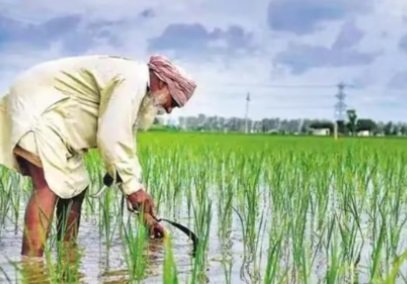
On August 4, 2024, Haryana made history when Chief Minister Nayab Singh Saini announced that the state would purchase all crops at the Minimum Support Price (MSP). This move marks Haryana as the first state in India to implement such an extensive policy, encompassing a wide range of crops that go beyond the national norm of MSP procurement. The announcement comes ahead of the state’s upcoming Assembly elections and is seen as a strategic measure aimed at benefiting farmers and regaining political momentum.

Key Announcements

The key highlights of this bold policy initiative are:

  1. All-Crops MSP Procurement: The state government’s decision to buy all crops at MSP is a significant shift from the current practice, where only 14 crops were covered under the policy. Now, nine additional crops will also be procured, ensuring farmers receive fair compensation for all their produce.
  2. Waiving Irrigation Charges: The government will waive Rs 133 crore in outstanding canal water irrigation charges. This move will directly benefit farmers, potentially saving them Rs 54 crore annually, alleviating financial burdens related to irrigation.
  3. Compensation for Natural Disasters: In a relief measure for farmers affected by natural disasters, the Chief Minister announced that Rs 137 crore in pending compensation payments would be made promptly, ensuring farmers are compensated within a week.
  4. Expanded Motor Purchase Options: Farmers will now have the option to purchase three-star motors for their tube-wells from any registered company in India, giving them greater flexibility and access to efficient equipment.

Political Implications

The comprehensive policy is seen as a strategic move by the ruling Bharatiya Janata Party (BJP) to bounce back after its lackluster performance in the 2024 Lok Sabha elections, where its vote share dropped from 58% in 2019 to 46%. The opposition Congress has gained ground, winning five Lok Sabha seats and increasing its voter base.

With the Haryana Assembly elections looming, Saini’s government is striving to win a third consecutive term. During a rally, the Chief Minister urged BJP workers to actively engage with citizens, highlighting the government’s achievements and progressive policies aimed at benefiting the agricultural sector, especially the significant reforms in MSP procurement.

About Minimum Support Price (MSP)

Minimum Support Price (MSP) is a key mechanism in India’s agricultural policy, designed to protect farmers from volatile market prices. Introduced in 1966, MSP guarantees farmers a minimum price for their crops, regardless of market fluctuations, providing them with financial security. It is currently set for 23 crops, including cereals, pulses, and oilseeds.

MSP is crucial for agricultural stability and food security, as it encourages production and ensures farmers have a reliable buyer in the government. However, there are challenges associated with MSP, such as regional disparities in its implementation and concerns about overproduction of certain crops. Despite these challenges, the MSP system plays a vital role in shaping India’s agricultural landscape and directly impacts farmer incomes.

A Farmer-Centric Strategy

Haryana’s expansion of MSP to all crops is a landmark decision that places the welfare of farmers at the forefront. It aims to ensure agricultural sustainability and enhance farmer incomes, while also playing a pivotal role in the state’s political landscape as the elections approach. The effectiveness of this move, both in securing livelihoods and restoring political favor, will be watched closely in the coming months.

Meet Mohana Singh: The First Woman Fighter Pilot in LCA Tejas Fighter Fleet and Naari Shakti Awardee

0

Squadron Leader Mohana Singh made history by becoming the first woman fighter pilot in the elite 18 ‘Flying Bullets’ squadron, operating India’s indigenous LCA Tejas fighter jets. Her groundbreaking achievement not only reflects her personal grit but also underscores the Indian Air Force’s (IAF) commitment to gender equality and empowerment. In recognition of her remarkable contribution, she was honored with the prestigious Naari Shakti Award in 2020, alongside two other pioneering women fighter pilots, Avani Chaturvedi and Bhawna Kanth.

A Historic Milestone in Indian Aviation

Mohana Singh’s induction into the LCA Tejas fleet is a significant milestone for both her and the Indian Air Force. As the first woman pilot in the 18 ‘Flying Bullets’ squadron, she now commands the advanced, indigenously designed Light Combat Aircraft (LCA), a symbol of India’s growing self-reliance in defense. Her participation in Exercise Tarang Shakti in Jodhpur, where she flew alongside the Vice Chiefs of the three defense forces, further highlights her role in India’s air superiority and defense strategies.

The LCA Tejas is known for its cutting-edge design, agility, and state-of-the-art avionics, making it a formidable asset in the IAF’s fleet. Mohana Singh’s proficiency in piloting this advanced fighter aircraft speaks volumes about her skill and training, marking her as a trailblazer in India’s defense sector.

A Trailblazing Career

Mohana Singh was one of the first three women to be inducted into the fighter stream of the Indian Air Force when the government opened the role to women in 2016. Along with Avani Chaturvedi and Bhawna Kanth, she broke barriers and entered the male-dominated world of fighter aviation. In 2019, Singh became the first IAF woman pilot to be fully operational by day on the Hawk advanced trainer aircraft, another notable accomplishment in her aviation career.

Before joining the LCA Tejas fleet, Mohana Singh flew MiG-21 fighter jets as part of the No. 3 Squadron Cobras, based at NAL Air Force Station in Bikaner. Her experiences in the MiG-21, a challenging aircraft to fly, honed her skills as a fighter pilot, preparing her for her current role with the LCA Tejas squadron stationed at Naliya Air Base in Gujarat, along the border with Pakistan.

Commitment to Gender Equality

Throughout her career, Mohana Singh has been a vocal advocate for gender equality within the Indian Air Force. In an interview with Hindustan Times in 2023, she stated, “In the IAF, we have embraced gender equality in the truest sense. The three of us work alongside our male colleagues to accomplish the tasks assigned to the squadron.” Her words resonate with the broader movement toward empowering women in roles traditionally dominated by men, demonstrating that women are equally capable of excelling in high-pressure, high-risk environments like the fighter stream of the Air Force.

Honors and Recognition

In 2020, Singh’s achievements were celebrated on a national level when she received the Naari Shakti Award, India’s highest civilian honor for women, alongside her fellow fighter pilots Avani Chaturvedi and Bhawna Kanth. The Indian Air Force’s official post on X (formerly Twitter) lauded the trio for their contributions, with Air Chief Marshal RKS Bhadauria and Mrs. Asha Bhadauria personally congratulating them.

Women in Indian Air Force

Since 2016, when the government opened the fighter pilot stream to women, the Indian Air Force has seen significant progress in gender inclusion. Today, the IAF boasts around 20 women fighter pilots, with Singh’s compatriots, Sqn Ldr Bhawna Kanth and Sqn Ldr Avni Chaturvedi, flying Su-30 MKI jets in the western desert. Their collective presence in the fighter stream is a testament to the growing role of women in India’s defense services, helping to pave the way for future generations.

A Role Model for Future Generations

Mohana Singh’s journey as a fighter pilot is an inspiring story of dedication, skill, and perseverance. As the first woman to fly the LCA Tejas, she not only sets new standards in aviation but also serves as a role model for young women aspiring to careers in the armed forces. Her legacy is one of breaking barriers and pushing boundaries, embodying the spirit of Naari Shakti (Women Power) in every sense of the word.

Amrit Mohan Prasad Appointed Director General of SSB

0

Amrit Mohan Prasad, a seasoned Indian Police Service (IPS) officer from the Odisha cadre, has been appointed as the new Director General (DG) of the Sashastra Seema Bal (SSB). His appointment was approved by the Appointments Committee of the Cabinet and facilitated by the Ministry of Home Affairs. Prasad, who previously served as the Special Director General of the Central Reserve Police Force (CRPF), brings a wealth of experience in law enforcement and security operations to his new role.

Role of the Sashastra Seema Bal (SSB)

The Sashastra Seema Bal (SSB) is one of India’s Central Armed Police Forces, originally established in 1963 to safeguard the Indo-Nepal border. Headquartered in New Delhi, the SSB is entrusted with a wide range of responsibilities, including anti-smuggling operations, preventing cross-border crime, counter-terrorism activities, and assisting in disaster relief efforts. The personnel of SSB are highly trained in specialized fields such as mountaineering and jungle warfare, reflecting the dynamic nature of their duties.

The force’s motto, “Service, Security, and Brotherhood,” emphasizes the SSB’s dual role in both security and community development. Beyond its role in protecting the borders, the SSB also actively engages in community development and civic programs, which foster stronger ties with border communities and reinforce India’s commitment to national and regional security.

Amrit Mohan Prasad’s New Responsibilities

As the Director General of SSB, Amrit Mohan Prasad will take on the critical task of leading the force in securing India’s borders with Nepal and Bhutan. His new responsibilities include overseeing the SSB’s border security operations, strategizing to prevent cross-border crime, and maintaining peace along the borders. Given the ongoing challenges related to cross-border crime and security threats, Prasad’s leadership will be pivotal in ensuring the effectiveness of the SSB’s operations.

Prasad’s role also involves strengthening collaborations with local communities in the border areas to promote social and civic programs that further enhance security and regional stability. His experience in handling large-scale security operations, especially during his time with the CRPF, positions him well to guide the SSB in tackling the increasingly complex security dynamics along India’s northern borders.

Term of Service

Amrit Mohan Prasad will serve as the DG of SSB until his retirement on August 31, 2025, unless extended by the government through further orders. His appointment comes at a crucial time, with increasing attention on border management and security enforcement along India’s northern frontiers.

A Leader with Extensive Experience

With decades of experience in law enforcement and security under his belt, Prasad is well-prepared to assume the leadership of the SSB. His extensive career highlights the government’s focus on bringing seasoned, capable leaders into key positions to address ongoing and emerging security challenges. Prasad’s appointment is seen as a significant step towards bolstering border security in India, ensuring that the nation’s borders remain secure against external threats while promoting harmony and cooperation within border communities.

This leadership change not only marks a new chapter for the SSB but also reflects the government’s broader strategy to enhance national security through experienced, focused, and dedicated leadership.

India Water Week 2024: A Call for Water Conservation and Global Cooperation

0

Droupadi Murmu, the President of India, inaugurated the 8th India Water Week in New Delhi, running from 17th to 20th September 2024. The event, a key platform for addressing global water conservation challenges, brought together Union Ministers, international representatives, experts, and technocrats to discuss the importance of water management and sustainability in both India and across the world.

Significance of the Event

India Water Week serves as a critical reminder of the essential role water plays in sustaining life and the need for its conservation. During the inauguration, a symbolic “Jal Bharo” (filling of water) ceremony was held, symbolizing the significance of saving and protecting water resources for future generations.

The event features 18 sessions, providing a platform for experts, technocrats, and water practitioners to share their knowledge and strategies for effective water management. These discussions aim to address national and global challenges, focusing on conserving water through innovative solutions and collaborative efforts.

President Murmu’s Address: A Call to Action

In her speech, President Droupadi Murmu drew from ancient wisdom found in the Vedas, which consider water sacred. She highlighted the importance of water conservation, particularly for the well-being of future generations, and urged young people to take an active role in protecting this essential resource.

Union Minister C. R. Paatil also emphasized the need for global cooperation in addressing the ongoing water crisis. He pointed out that international ministers had shared valuable insights and solutions on managing water resources, underscoring the importance of working together to tackle these challenges.

Inspiring Stories of “Water Warriors”

A highlight of the event was the recognition of grassroots efforts in water conservation. Two women, Ujiaro Bai and Lakmen Mary Nongkhlaw, known as “Water Warriors,” shared their inspirational stories about how their communities are actively involved in conserving water. These examples demonstrate the powerful impact that community-driven initiatives can have on overcoming water-related challenges, offering a blueprint for other regions to follow.

Exhibitions and International Forums

The event also featured an exhibition showcasing cutting-edge technologies for water management, highlighting the role of innovation in addressing water scarcity. The Global Water Leaders’ Plenary and Country Forum provided a platform for countries to exchange ideas and best practices, fostering international cooperation on water management. This international collaboration is key to finding sustainable solutions to water conservation challenges.

The first day of India Water Week concluded with a cultural program, which emphasized the unity and shared purpose of the participants. The program reinforced the event’s central theme of working together toward sustainable water management, reflecting a collective commitment to preserving water for future generations.

About India Water Week

First established in 2012, India Water Week is an annual event aimed at promoting the sustainable use of water resources. Each year, it focuses on topics such as water conservation, pollution prevention, and innovative water management practices. The event brings together policymakers, experts, and stakeholders to exchange ideas and drive collective action on critical water issues.

India, home to vital rivers like the Ganges, Brahmaputra, and Yamuna, faces significant water challenges, with around 600 million people affected by water scarcity. About 60% of the country’s irrigation depends on groundwater, making the efficient use of water resources crucial to the nation’s agricultural and economic future. The National Water Policy and initiatives such as the River Linking Project aim to balance water availability across different regions, ensuring equitable distribution and sustainable use.

A Collective Effort for a Sustainable Future

India Water Week 2024 is more than just an event—it’s a call to action. With global water crises becoming more pressing, the discussions and solutions shared during the week are pivotal to ensuring the sustainable management of water resources. By bringing together experts, technocrats, and community leaders, the event fosters international collaboration and emphasizes the shared responsibility we all have in conserving one of the world’s most precious resources—water.

Angkor Wat Named Most Photogenic UNESCO Site in Asia

0

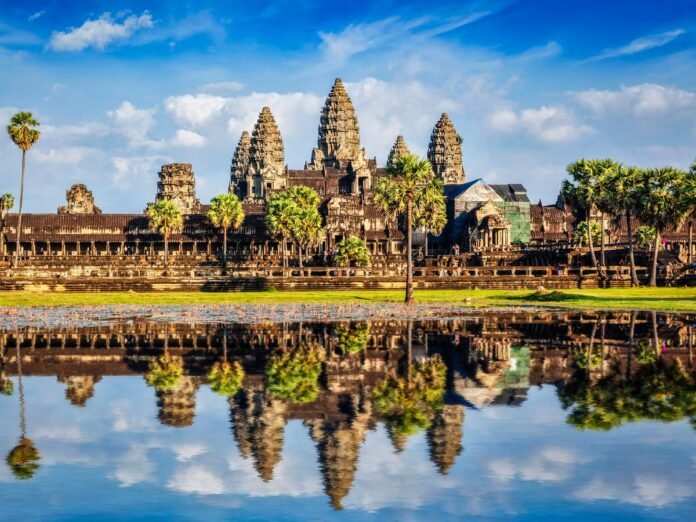
Cambodia’s iconic Angkor Wat has been named the most photogenic UNESCO World Heritage site in Asia, according to Times Travel. Cambodian Prime Minister Hun Manet proudly announced this recognition, highlighting Angkor Wat’s extraordinary cultural significance and visual appeal. The accolade was part of a list published by the Times of India, which also celebrated several other breathtaking landmarks across Asia.

Stunning Sites in the Top Ten

The list of the top ten most photogenic UNESCO World Heritage sites in Asia features some of the continent’s most visually striking and historically rich locations, including:

  • Taj Mahal (India): Famous for its pristine marble architecture, this monument of love is admired worldwide for its symmetry and ethereal beauty.
  • Hampi (India): This ancient city, known for its spectacular temples and ruins, offers a fascinating glimpse into India’s rich past.
  • Great Wall of China (China): Stretching over mountains and valleys, the Great Wall offers awe-inspiring views and a deep sense of history.
  • Ancient City of Bagan (Myanmar): Known for its thousands of temples and pagodas, Bagan’s vast landscape is a photographer’s paradise.
  • Borobudur (Indonesia): As the world’s largest Buddhist temple, Borobudur stands as a monumental testament to Indonesia’s spiritual heritage.
  • Ha Long Bay (Vietnam): With its emerald waters and striking limestone islands, Ha Long Bay provides stunning, otherworldly scenes.
  • Historic Monuments of Kyoto (Japan): Kyoto’s beautiful temples and serene gardens capture the essence of Japan’s cultural legacy.
  • Petra (Jordan): Carved into pink sandstone cliffs, Petra’s unique architecture and dramatic landscapes are unforgettable.
  • Rice Terraces of the Philippine Cordilleras (Philippines): These breathtaking rice terraces, carved into mountains centuries ago, continue to inspire awe.

These sites, celebrated not only for their historical significance but also for their visual splendor, are popular among travelers and photographers alike, capturing the essence of Asia’s diverse heritage.

Cambodia’s Cultural Gem

Angkor Wat is Cambodia’s most visited and revered cultural site, attracting millions of tourists every year. In the first eight months of 2024 alone, the temple welcomed 651,857 international visitors, marking a 30.7% increase compared to the previous year. This surge in tourism generated $30.3 million in ticket sales, reflecting a 31% rise in revenue. Angkor Wat’s continued appeal underscores its status as a must-visit destination in Southeast Asia.

A Glimpse into Angkor Wat’s History

Built in the early 12th century, Angkor Wat stands as the largest religious monument in the world, originally constructed as a Hindu temple dedicated to Vishnu. Over time, it transformed into a Buddhist site, continuing to serve as a spiritual hub. Spanning over 162 hectares (approximately 400 acres), the temple complex features more than 5,000 intricately carved sculptures and stunning bas-reliefs that depict historical and mythological scenes.

Angkor Wat’s architectural design is a masterpiece, symbolizing a miniature model of the universe, with its towers and corridors representing the cosmic structure. Despite its grandeur and historical significance, the temple remained largely unknown to the Western world until the 19th century, when it was rediscovered and brought back into global consciousness.

In 1992, Angkor Wat was officially designated a UNESCO World Heritage Site, further cementing its status as a cultural and historical treasure.

Tourism and Cultural Significance

Angkor Wat’s recognition as the most photogenic UNESCO World Heritage site not only honors its breathtaking beauty but also highlights its cultural and historical significance. As a major tourist destination, it continues to captivate visitors from all over the world, offering a unique blend of spirituality, history, and architectural brilliance.

This recognition will likely boost Cambodia’s tourism even further, drawing attention to the country’s rich cultural heritage and ensuring that Angkor Wat remains a symbol of global admiration.

Angkor Wat Shines On

Angkor Wat’s latest accolade as the most photogenic UNESCO site in Asia is a testament to its timeless allure. As Cambodia’s crowning jewel, this magnificent temple continues to inspire awe and reverence, reminding the world of the enduring beauty of ancient civilizations. With increasing numbers of visitors and growing global recognition, Angkor Wat stands tall as a beacon of cultural pride and architectural wonder.

Periyar E.V. Ramasamy Remembered on 146th Birth Anniversary

0

On September 17, 2024, Chennai celebrated the 146th birth anniversary of Periyar E.V. Ramasamy, one of Tamil Nadu’s most revered social reformers and rationalists. The Chief Minister of Tamil Nadu, M.K. Stalin, led the tributes, honoring Periyar’s unwavering commitment to social justice, equality, and rationalist ideals. Periyar’s legacy continues to resonate in Tamil society, inspiring generations to work toward a more equitable world.

Early Life and Political Awakening

Periyar E.V. Ramasamy, born in 1879 in Erode, Tamil Nadu, started his political journey as a member of the Indian National Congress. However, his early experiences with the party revealed deep-rooted caste inequalities. A turning point came when he witnessed Brahmin and non-Brahmin students being segregated in a Congress-run school. This discriminatory practice profoundly impacted him, leading him to question the party’s commitment to social equality and inclusivity.

Disillusioned with the Congress’s approach to caste issues, Periyar left the party in 1925 and joined the Justice Party, a political group that championed the rights of non-Brahmin communities. This move marked the beginning of Periyar’s lifelong crusade against caste-based oppression and social injustice.

The Birth of the Self-Respect Movement

Periyar’s dissatisfaction with the existing social structure led him to create the Self-Respect Movement in the late 1920s. The movement aimed to challenge the entrenched dominance of Brahmins in Tamil society and promote social equality for all, regardless of caste or religion. The Self-Respect Movement was a revolutionary force that questioned traditional religious practices, gender inequalities, and caste-based hierarchies, advocating for a society rooted in rationalism and humanism.

The Vaikom Satyagraha

Periyar’s activism gained national attention during the Vaikom Satyagraha of 1924, a protest in Kerala that sought to secure public access for lower-caste individuals to areas around the Vaikom temple, a space traditionally reserved for upper castes. His leadership in the movement was instrumental in elevating the fight for social justice beyond Tamil Nadu, establishing him as a key figure in India’s broader struggle against caste oppression.

Founding of Dravidar Kazhagam

In the 1940s, Periyar took his advocacy further by founding the Dravidar Kazhagam (DK), a political organization that sought to unite the Dravidian-speaking populations of southern India under the banner of “Dravida Nadu.” This proposed sovereign state would encompass Tamil, Telugu, Malayalam, and Kannada speakers, reflecting Periyar’s vision of a shared cultural and linguistic identity among the southern states, separate from the Aryan-dominated North. While his vision of Dravida Nadu never materialized, the Dravidar Kazhagam laid the foundation for Dravidian politics, which continues to shape Tamil Nadu’s political landscape.

Social Reforms and Gender Equality

Periyar’s advocacy wasn’t limited to caste issues. He was a staunch proponent of gender equality and championed women’s rights long before it became a mainstream issue. He advocated for women’s right to own property, the right to divorce, and the right to live independently, free from the patriarchal norms that restricted their autonomy.

Periyar’s progressive views extended to his push for inter-caste marriages and inter-dining, where individuals from different castes would eat together to break down societal barriers. He believed that dismantling caste identities was essential for building a truly equal society, free from the oppressive structures of the past.

Periyar’s Enduring Legacy

Periyar E.V. Ramasamy passed away in 1973, but his revolutionary ideas continue to inspire and influence Tamil society today. Revered as “Thanthai Periyar” or the Father of Modern Tamil Nadu, his efforts to promote self-respect, equality, and rationalism have left an indelible mark on the region’s political and social fabric.

Periyar’s influence is especially evident in the evolution of Dravidian politics, which draws heavily from his ideology of social justice, anti-casteism, and rationalist thinking. His vision for a just and equal society remains deeply relevant, as India continues to grapple with issues of caste, gender, and religious inequality.

A Beacon for Social Justice

As Tamil Nadu and the world commemorate the 146th birth anniversary of Periyar, his legacy stands as a powerful reminder of the need for ongoing social reform. His fight against caste discrimination, gender inequality, and irrational beliefs challenged centuries of entrenched societal norms. In remembering Periyar, we celebrate not only his contributions but also the enduring spirit of his movement, which calls for a society where every individual is treated with dignity, respect, and equality.

Scotland to Host 2026 Commonwealth Games

0

Scotland has been chosen to host the 2026 Commonwealth Games after Victoria, Australia, withdrew due to escalating costs. This announcement marks the return of the prestigious sporting event to Glasgow, a city that successfully hosted the Games in 2014. However, the 2026 edition will be a more streamlined and cost-effective event, tailored to Scotland’s current economic and infrastructural capabilities.

Why Australia Withdrew

Victoria, Australia, had initially been selected to host the 2026 Commonwealth Games but made a surprise withdrawal due to concerns over skyrocketing costs. An investigation later revealed that their financial projections had been overly conservative, with estimated expenses far exceeding initial calculations. As costs continued to rise, Australian officials made the difficult decision to back out, leaving the future of the event uncertain—until Scotland stepped in with a viable solution.

Scotland’s Plan to Host

The Scottish government quickly stepped forward with a plan to host the Games, committing to do so without the need for additional public funding. Health Secretary Neil Gray outlined the country’s strategy, confirming that the Commonwealth Games Federation (CGF) would provide £20 million in financial support. A portion of this, £5 million, will be allocated towards upgrading and maintaining the existing sports facilities that will be used for the event.

This approach highlights Scotland’s focus on sustainability, efficiency, and utilizing existing infrastructure, avoiding the extensive new construction projects that can drive up costs.

Financial Support and Contingency Plans

In addition to the funding from the CGF, the UK government has pledged £2.3 million in reserve funding to ensure that the Games remain financially manageable. This backup support is designed to safeguard against unforeseen expenses, ensuring that Scotland can host the event without straining public resources.

Despite the smaller scale of the 2026 Games compared to the 2014 edition, First Minister John Swinney has emphasized that the event will still serve as a significant celebration of athletic excellence and international unity. The Games will showcase Scotland’s ability to host large-scale international events in a financially sustainable way, reinforcing its global standing as a hub for sports and culture.

About the Commonwealth Games

The Commonwealth Games, established in 1930, is one of the most prestigious sporting events in the world, bringing together athletes from 72 member nations. Originally known as the British Empire Games, the event was designed to foster peace and friendship across the Commonwealth. The Games are held every four years and feature over 20 different sports, including athletics, swimming, and cycling.

One of the most iconic traditions of the Commonwealth Games is the Queen’s Baton Relay, which travels across all participating nations before the event begins, symbolizing unity and solidarity among the member states.

The Legacy of the Commonwealth Games

Australia holds the record for the most medals won in the history of the Commonwealth Games. The 2022 Birmingham Games introduced several new milestones, including the first-ever women’s T20 cricket competition, demonstrating the event’s evolving inclusivity and diversity. The Games also celebrate cultural diversity through colorful opening and closing ceremonies that highlight the traditions and heritage of participating nations.

A Streamlined Yet Meaningful 2026 Commonwealth Games

As Glasgow prepares to host the 2026 Commonwealth Games, it does so with a renewed focus on sustainability, efficiency, and global unity. While this edition may be smaller in scale than previous years, it will still hold its place as a major event in the international sports calendar. Scotland’s ability to host the Games without additional financial burden underscores its commitment to responsible and impactful event management, making 2026 a celebration not just of sport, but of smart, sustainable planning for the future.

Hottest August on Record: A Grim Reminder of Climate Change’s Toll

0

The Earth continues to break alarming climate records, with August 2024 officially becoming the hottest August in 175 years of recorded history. This disturbing pattern of extreme temperatures serves as a stark reminder of how climate change is dramatically reshaping the planet.

Global Temperature Averages: Record Highs in August 2024

According to the National Oceanic and Atmospheric Administration (NOAA), the global land and ocean surface temperature for August 2024 was 2.29°F (1.27°C) higher than the 20th-century average of 60.1°F (15.6°C). These figures cement August 2024 as the hottest ever documented, surpassing previous years that already hinted at escalating climate shifts. This rise in global temperatures isn’t just an anomaly; it’s part of a larger, long-term trend showing how human activity has accelerated global warming.

Regional Heatwaves and Temperature Extremes

While the world as a whole experienced an intense heatwave, certain regions were particularly hard-hit:

  • Europe and Oceania: Both regions endured their hottest Augusts ever recorded, breaking previous regional records.
  • Asia: Asia experienced its second-warmest August, continuing its trend of high-temperature summers.
  • Africa and North America: Both continents saw their third-warmest August in history, underscoring the global scale of these temperature surges.
  • Northern Hemisphere: The summer of 2024 became the hottest ever recorded, marking a historic shift.
  • Southern Hemisphere: In contrast to the Northern Hemisphere’s scorching summer, the Southern Hemisphere experienced its warmest winter ever recorded, with temperatures 0.96°C above the historical average.

These record-setting temperatures are more than just statistics; they represent dangerous conditions that exacerbate wildfires, droughts, and heat-related health risks, while pushing ecosystems to their limits.

Declining Sea Ice Levels

The heatwave isn’t the only red flag. Sea ice levels are shrinking at an unprecedented rate. The total global sea ice extent in August 2024 was the second smallest ever recorded at 8.32 million square miles. This is 1.05 million square miles below the average from 1991 to 2020, revealing how drastically the planet’s ice reserves are diminishing.

  • Arctic Sea Ice: The ice extent in the Arctic region was notably lower, ranking as the fourth-lowest ever documented.
  • Antarctic Sea Ice: The situation in Antarctica is similarly dire, with its sea ice levels recorded as the second-lowest in history.

Shrinking sea ice not only raises global sea levels but also disrupts marine ecosystems, putting countless species at risk. The loss of reflective ice surfaces also intensifies global warming, creating a feedback loop that makes future heat records even more likely.

Urgency for Climate Action

The continuous breaking of heat records and the alarming decline of sea ice are clear warnings that climate change is accelerating, and its consequences are becoming more severe. If these trends continue unchecked, the world will face even greater challenges, from more extreme weather events to rising sea levels and shrinking biodiversity.

As global temperatures continue to soar, the need for decisive and immediate action to combat climate change has never been more critical. The urgency to reduce greenhouse gas emissions, transition to renewable energy sources, and implement sustainable practices must take center stage to protect the planet from further devastation.

A Global Call to Action

The record-breaking heat and declining sea ice in August 2024 are not just fleeting moments; they are part of a larger, ongoing crisis that demands attention. It is imperative for governments, industries, and individuals to take bold, collective action to mitigate the effects of climate change. Without immediate intervention, the world will continue to witness the catastrophic consequences of a warming planet.