Uber has launched a feature allowing female drivers and passengers across the US to request trips with other women on the ride-hailing app. The feature was piloted in the US last year and led to women feeling “more comfortable in the back seat” and “more confident behind the wheel”, Uber said.
The rollout comes despite an ongoing class action lawsuit in California, filed by Uber drivers who argue the move discriminates against men. Uber said around one-fifth of its drivers in the US are women, although the ratio varies by city.
Uber’s Women Preferences was launched on Monday in response to women riders and drivers who told the firm they wanted “more control over how they ride and earn”. Women can reserve a trip with a woman driver in advance or set their preference in the app to increase the likelihood of being matched with a woman. In cities where teen accounts are available, teens and their parents can also request women drivers.
Uber already offers the woman-matching option for drivers in more than 40 countries and for riders across seven countries, including Spain, Brazil and Saudi Arabia.
Sounding a global alarm over the persistence of child marriage, India’s noted child rights activist and internationally acclaimed lawyer Bhuwan Ribhu has called on the United Nations to declare a dedicated ‘World Day for the Elimination of Child Marriage’.
Speaking at an event alongside the 70th session of the United Nations Commission on the Status of Women, he said that while India has made significant progress in recent years with child marriages declining substantially, even today a child marriage takes place somewhere in the world every three seconds.
Emphasising the need for a dedicated global day to strengthen accountability and enforcement of laws against child marriage which is no less than child rape, Bhuwan Ribhu, Founder, Just Rights for Children, said, “India has shown that ending child marriage is possible. Through a whole-of-government and whole-of-society approach focused on prevention, protection, prosecution, and the participation of children, communities, and faith leaders our country is advancing in mission mode to end child marriage by 2030. In less than three years, the prevalence has fallen from 23% to below 15%. Child marriage is nothing less than impending rape and sexual abuse of a child, often hidden behind culture or tradition. The United Nations must establish a World Day for the Elimination of Child Marriage to showcase global commitment, strengthen accountability, and mobilise governments and societies worldwide to end this crime.”
Sierra Leone’s First Lady H.E. Dr. Fatima Maada Bio and Shradha Shrestha, Minister for Women, Children and Senior Citizens, Government of Nepal along with other global dignitaries unanimously supported the demand for a dedicated day for the elimination of child marriage.
Bhuwan Ribhu, who is the first Indian lawyer to be conferred with the ‘Medal of Honour’ by the World Jurist Association (WJA) at the World Law Congress 2025, was speaking online at an event convened by Just Rights for Children in partnership with the office of Sierra Leone’s First Lady and President of the Organisation of African First Ladies for Development (OAFLAD), H.E. Dr. Fatima Maada Bio.
Other speakers at the event included HE Mr. Pio Smith, Assistant Secretary-General and Deputy Executive, Director – Programme, UNFPA; HE Ambassador Isabelle Rome, Ambassador At Large for Human Rights, Government of France; HE Ambassador Thomas Zahneisen, Deputy Permanent Representative of Germany; Dr. Angela Martins, (on behalf of H.E. Ambassador Amma Twum-Amoah, Commissioner for Health, Humanitarian Affairs and Social Development, The African Union); Ligia Jeannette Pérez Peña, Executive President of the National Council for Children and Adolescents (CONANI), Government of Dominican Republic; Ana Rold, Founder and CEO of The Diplomatic Courier; Jaha Dukureh, Regional UN Women Ambassador and Founder, Regenerative Hubs; Divya Srinivasan, Director of Ending Gender-Based Violence, Equality Now; and Rachna Tyagi, General Counsel, Just Rights for Children.
Speaking during the event, participants, including ministers, senior UN officials, jurists, civil society leaders, and survivor advocates, unanimously asked the member states to establish an International Day to End Child Marriage, arguing it would elevate the issue as a global enforcement and accountability priority.
Advocates at the event said strict legal frameworks against child marriage already exist in many countries but are unevenly enforced, allowing the practice to persist.
Just Rights for Children is country’s largest network of NGOs working with over 250 partners in 451 districts for child protection and child rights and aims to end child marriage by 2030. The network has, in coordination with government agencies, local administrations, law enforcement agencies and frontline workers, has stopped almost 500,000 child marriages in the last three years in India.
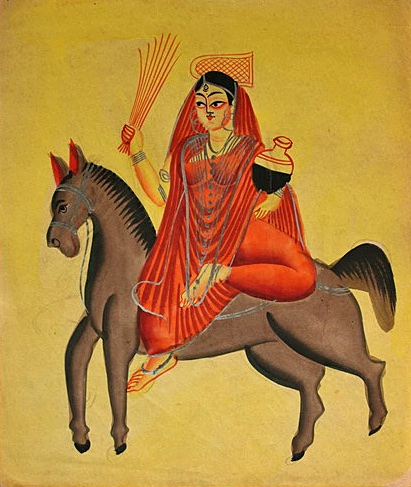
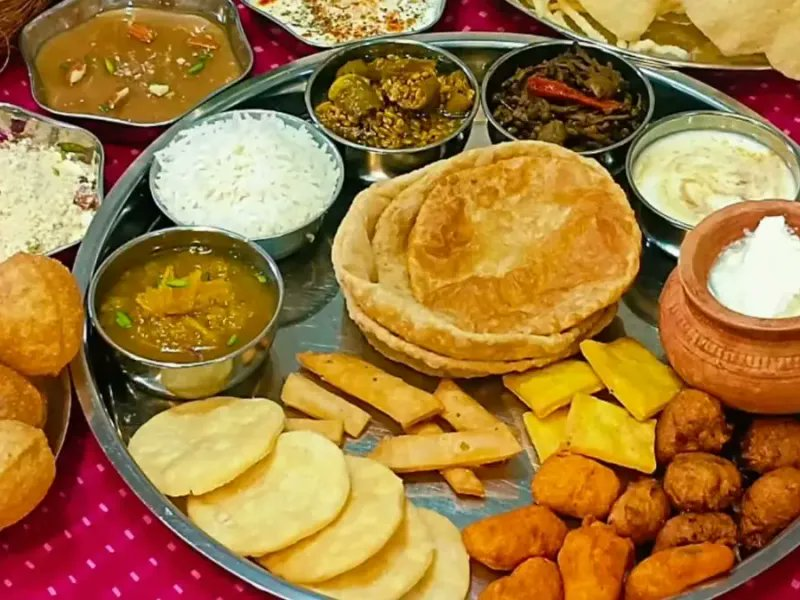
Sheetala Ashtami 2026: Also known as Basoda, is one of the auspicious days for Hindus. The religious day falls on Krishna Paksha Ashtami after Holi. Usually, it falls after eight days of Holi, but many people observe it on the first Monday or Friday after Holi. This year, it falls on Wednesday, March 11. On this day, people don’t cook food in their houses and are supposed to eat stale food.
As Sheetala Astami falls in the midst of summer and monsoon, during which a tropical country like India suffers from humidity, foods that are condensed with heat and spices only worsen the state of the body and are harder to digest. The name Sheetal itself means cold, depicting that our state of body and mind should be calm this season. As a result, people believe in having simple food for at least a day.
The festival falls during the Krishna Paksha Saptami of the Chaitra month and is observed one day before Sheetala Ashtami. Many people look up the Sheetala Saptami 2026 date, puja muhurat and vrat rituals to follow the observance properly.
Sheetala Ashtami 2026: Shubh Timing
Sheetala Ashtami Puja Muhurat – 06:50 AM to 06:47 PM
Ashtami Tithi Begins – 01:54 AM on March 11, 2026
Sheetala Ashtami 2026: What is Basoda?
Dedicated to Goddess Sheetala, according to Basoda culture, Hindu families don’t like fire for cooking, hence are supposed to eat stale food. This belief also stays true to science. On this day, offer cold food to Goddess Sheetala. It is believed that Goddess Sheetala controls smallpox, chickenpox and measles, so to seek her blessings, people worship her to ward off any outbreak of such diseases.
Sheetala Ashtami is more popular in North Indian states like Rajasthan and Uttar Pradesh. In Gujarat, a similar ritual, called Shitala Satam, is observed just a day before Krishna Janmashtami.
Sheetala Ashtami 2026: Puja Rituals
Wake up early in the morning, take a bath and wear fresh clothes. Clean the house temple and offer a prayer to Goddess Sheetala Mata and offer her cold stale food. While praying, read Sheetala Ashtakam and seeking for her blessings.
SHEETALA SAPTAMI 2026 DATE AND PUJA MUHURAT
According to the Hindu calendar, Sheetala Saptami in 2026 will be observed on March 10.
A strategy by Donald Trump’s administration to reduce India’s dependence on Russia’s oil is facing new challenges as rising tensions in the Middle East disrupt global energy supplies. The recent conflict involving Iran has effectively threatened shipping routes through the critical Strait of Hormuz, forcing India to reconsider its energy sourcing strategy.
For much of the past year, Washington attempted to weaken Moscow’s finances by limiting its oil revenues. The US pressured India—one of Russia’s largest crude buyers—to reduce purchases. Measures included imposing high tariffs on Indian exports and sanctioning major Russian oil companies. The goal was to cut a key source of funding for Russia following the Russian invasion of Ukraine.
The policy appeared to be working. While India did not completely stop buying Russian oil, it significantly reduced imports and increasingly relied on supplies from Middle Eastern producers such as Saudi Arabia, Iraq, Kuwait and the United Arab Emirates.
However, the situation changed dramatically after a joint military escalation involving the United States and Israel against Iran. The conflict has threatened maritime traffic in the Strait of Hormuz, a narrow passage through which a significant share of the world’s oil supply flows. Nearly 2.5–2.7 million barrels of India’s daily crude imports pass through this route.
As the security situation worsened and Iran warned of potential attacks on regional energy infrastructure, global oil markets reacted sharply. Oil prices recently crossed $100 per barrel for the first time since 2022, reflecting fears of supply disruptions.
With Middle Eastern supplies uncertain, India is now looking again toward Russian crude to maintain energy security. Recognising the situation, the United States recently granted Indian refiners a 30-day waiver allowing them to purchase Russian oil shipments already at sea. US Treasury Secretary Scott Bessent said the decision was intended to keep oil flowing into global markets and avoid a supply shock.
Energy analysts say the shift could push India back toward earlier import levels, when as much as 40–45% of its crude oil came from Russia. However, Russian supplies cannot fully replace the volumes typically shipped from the Gulf, and transport times to India are longer.
India currently holds roughly eight weeks of combined crude and petroleum product reserves, providing short-term stability. Officials say the country is also exploring alternative supply routes and sources.
Experts warn that if tensions in the Middle East continue, global energy markets could face prolonged instability—posing significant challenges for oil-importing economies like India.
Shah Rukh Khan has entered the Hurun Global Rich List 2026 with an estimated net worth of $1.3 billion, marking a significant milestone in the actor’s global financial standing. The list, released on 5 March, ranks the world’s US dollar billionaires with wealth calculations recorded up to 15 January 2026. Khan’s inclusion highlights the growing financial influence of entertainment personalities who combine film careers with business ventures and brand ownership.
Hurun Global Rich List 2026 Overview
The Hurun Global Rich List 2026 recorded a strong presence of billionaires worldwide. China topped the ranking with 1,110 billionaires, followed by the United States with 1,000. India secured the third position with 308 billionaires, reflecting the country’s expanding economic and entrepreneurial landscape. The list also emphasised the rising wealth of celebrities who have diversified income streams through technology investments, brand ownership and media enterprises.
Rise of Celebrity Billionaires
According to the Hurun Report leadership, the 2026 list reflects a shift in how celebrities accumulate wealth. Strategic ownership of brands and business investments now often generates greater value than traditional performance earnings. Music icons Jay-Z, Taylor Swift and Rihanna were among the prominent entertainment figures on the list, alongside sports legends Michael Jordan and Tiger Woods. The year also saw several new entrants from entertainment and sports sectors, including Shah Rukh Khan.
Upcoming Film ‘King’ and Major Collaboration
On the professional front, Shah Rukh Khan is currently working on the action thriller “King”, directed by Siddharth Anand. The film marks a notable reunion between the actor and the director after the blockbuster “Pathaan”. It also introduces Suhana Khan in her theatrical debut, following her earlier acting appearance in a streaming production released in 2023. The film features an ensemble cast including Rani Mukerji, Deepika Padukone, Abhishek Bachchan, Anil Kapoor, Jackie Shroff, Arshad Warsi, Jaideep Ahlawat, Abhay Verma, Raghav Juyal and Akshay Oberoi.
Important Facts for Exams
Hurun Global Rich List ranks individuals worldwide with wealth exceeding US$1 billion.
The list is compiled by the Hurun Report, founded by researcher Rupert Hoogewerf.
China, the United States and India rank among the countries with the highest number of billionaires.
Celebrity wealth increasingly comes from brand ownership and investments rather than only professional earnings.
Production and Release Details of ‘King’
The film “King” is produced by Red Chillies Entertainment, owned by Shah Rukh Khan and Gauri Khan, in collaboration with Marflix Pictures. The project is expected to feature a high-stakes narrative with Abhishek Bachchan reportedly portraying the antagonist. With its large ensemble cast and action-driven storyline, the film is scheduled for theatrical release on 24 December 2026.
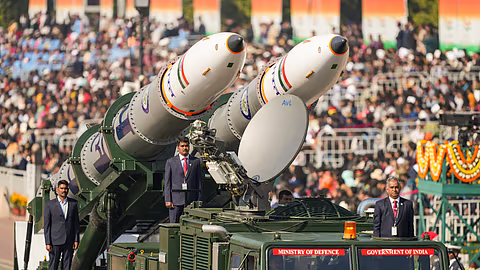
India continues to be the world’s second-largest arms importer despite a marginal decline in defence imports in recent years, according to a new report released by the Stockholm International Peace Research Institute (SIPRI). The report highlights shifting patterns in India’s defence procurement as the country gradually diversifies suppliers and pushes for greater self-reliance in military production. While imports declined by around 4 per cent between 2016–20 and 2021–25, India still remains heavily dependent on foreign suppliers for key defence platforms and technologies.
Decline in Arms Imports Amid Self-Reliance Push
The SIPRI report notes that India’s arms imports saw a modest decline between the two reporting periods. This reduction is largely attributed to the government’s efforts to strengthen domestic defence manufacturing through initiatives such as “Atmanirbhar Bharat” in the defence sector. Increased indigenous production of equipment, including missiles, artillery systems, and naval platforms, has slightly reduced dependence on foreign procurement. However, India continues to import advanced systems such as fighter aircraft, air defence systems, and specialised military technology.
Russia continues to be India’s largest supplier of major arms, accounting for about 40 per cent of total imports during 2021–25. However, this represents a significant decline compared with earlier periods when Russia’s share stood at 51 per cent in 2016–20 and nearly 70 per cent during 2011–15. The fall indicates India’s growing diversification of defence purchases and its increasing engagement with Western defence manufacturers.
France and Israel Expand Role in Indian Defence Imports
France has emerged as the second-largest supplier of major arms to India, contributing about 24 per cent of imports, though this share has slightly declined from 29 per cent earlier. The defence partnership between the two countries is expected to strengthen further as India moves forward with plans to procure 114 additional Rafale fighter aircraft. Israel remains another key defence partner, maintaining a 15 per cent share of India’s arms imports, particularly in areas such as drones, missiles, and air defence technologies.
Important Facts
Stockholm International Peace Research Institute (SIPRI) is a Sweden-based think tank tracking global arms transfers.
India is the world’s second-largest arms importer according to SIPRI’s 2021–25 report.
The United States accounts for the largest share of global arms exports at 42 per cent.
Israel overtook the United Kingdom in global arms exports during the 2021–25 period.
Global Arms Trade Rises Amid Geopolitical Tensions
Globally, the volume of major arms transfers increased by about 9.2 per cent between 2016–20 and 2021–25. Rising geopolitical tensions and ongoing conflicts such as the Russia–Ukraine war have significantly driven demand for advanced military equipment. The United States remained the largest exporter of arms globally, accounting for 42 per cent of total international transfers and supplying weapons to nearly 99 countries. Europe emerged as the largest recipient region for American arms exports, reflecting growing security concerns across the continent.
Rising tensions in the Middle East have brought renewed attention to Kharg Island, Iran’s most critical oil export hub in the Persian Gulf. Reports suggest that the United States is considering the possibility of capturing or disabling the island as part of a broader strategy to limit Iran’s oil revenues. Such a move could significantly weaken Tehran’s financial capacity and its ability to sustain military operations during the ongoing regional tensions.
Why Kharg Island Is Strategically Important
Kharg Island serves as Iran’s primary oil export terminal, handling the majority of the country’s crude oil shipments. Vast storage tanks, loading facilities and offshore terminals on the island form the backbone of Iran’s oil export system.
Because so much of Iran’s crude passes through this single location, any disruption to operations on Kharg Island could sharply reduce the country’s ability to sell oil in global markets. Analysts say this would directly affect Iran’s government revenue, which relies heavily on energy exports.
Potential Military Implications
Officials in Washington are reportedly examining different options to restrict Iran’s oil trade and safeguard regional energy routes. Some strategic experts argue that taking control of Kharg Island could significantly limit Iran’s ability to finance military activities and reduce its influence in regional conflicts.
However, such a move would carry serious risks. Iran has deployed missiles, drones and naval assets across the Persian Gulf region, and any military action could trigger retaliatory attacks on US forces or allied shipping routes.
Impact on Global Oil Markets
Energy analysts warn that conflict involving Kharg Island could have major consequences for global oil markets. The Middle East remains one of the world’s most important energy-producing regions, and disruptions to Iran’s exports could lead to supply shortages and rising oil prices.
Even the possibility of conflict has already heightened concerns about market volatility, with traders closely watching developments in the region.
Key Strategic Facts
Kharg Island is Iran’s largest and most important oil export terminal.
The nearby Strait of Hormuz is one of the world’s most critical oil transit chokepoints.
Nearly one-fifth of global oil trade passes through the Strait of Hormuz.
Kharg Island was repeatedly targeted during the Iran–Iraq War in the 1980s because of its strategic value.
Regional Security Concerns
The debate over Kharg Island comes amid rising tensions around the Strait of Hormuz, a narrow maritime corridor linking the Persian Gulf to the Gulf of Oman. Because a significant share of the world’s oil shipments moves through this passage, any military escalation could disrupt shipping routes and threaten global energy security.
As geopolitical tensions intensify, Kharg Island has once again become a focal point in the strategic balance of power in the Middle East.
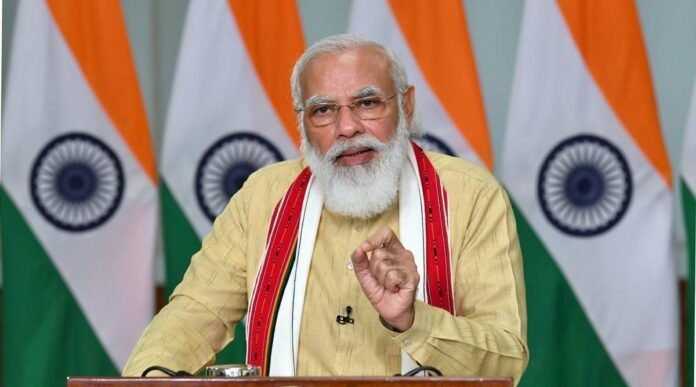
Prime Minister Narendra Modi will visit Kerala and Tamil Nadu on March 11, 2026, to inaugurate, dedicate to the nation, and lay foundation stones for multiple infrastructure and development projects worth over ₹16,450 crore. The projects span sectors such as petroleum and natural gas infrastructure, highways, railway connectivity, rural roads, and renewable energy. The Prime Minister will first attend programmes in Ernakulam, Kerala, followed by a visit to Tiruchirappalli in Tamil Nadu.
Major Projects in Ernakulam, Kerala
In Ernakulam, the Prime Minister will launch development projects worth around ₹10,800 crore. A key initiative includes laying the foundation stone for a Polypropylene Unit at the Kochi Refinery of Bharat Petroleum Corporation Limited, built with an investment of over ₹5,500 crore. The unit will have a production capacity of 400 kilo tonnes per annum and will strengthen domestic manufacturing of polymers used in packaging, textiles, medical devices, automotive components and household goods.
Highway and Rail Infrastructure Boost
Two major highway projects will also be inaugurated during the visit. The six-laning of the Thalapady–Chengala section of NH-66, developed at a cost of over ₹2,650 crore, forms part of the Mumbai–Kanyakumari Economic Corridor and will improve connectivity across northern Kerala and neighbouring Karnataka. The Prime Minister will also inaugurate the six-laning of the Kozhikode Bypass from Vengalam to Ramanattukara, built at a cost of about ₹2,140 crore, which will significantly reduce travel time and ease congestion in the region.
In the railway sector, three redeveloped stations—Shoranur Junction, Kuttippuram and Changanassery—under the Amrit Bharat Station Scheme will be inaugurated. The Shoranur–Nilambur railway line electrification project will also be dedicated to the nation, and a new train service between Palakkad and Pollachi will be flagged off to improve connectivity between Kerala and Tamil Nadu.
Development Projects in Tiruchirappalli
Later in the day, the Prime Minister will launch development projects worth around ₹5,650 crore in Tiruchirappalli, Tamil Nadu. A major initiative includes laying the foundation stone for Bharat Petroleum Corporation Limited’s City Gas Distribution Network in The Nilgiris and Erode districts with an investment exceeding ₹3,680 crore. The project aims to provide piped natural gas connections to over 8.8 lakh households and establish more than 200 compressed natural gas stations.
Important Facts
The Mumbai–Kanyakumari Economic Corridor is part of India’s major national highway connectivity programme.
Polypropylene is a widely used polymer in packaging, textiles and automotive components.
The Amrit Bharat Station Scheme aims to redevelop railway stations across India with modern passenger amenities.
City Gas Distribution networks supply piped natural gas (PNG) and compressed natural gas (CNG) for domestic and transport use.
Energy, Rural Connectivity and Railway Expansion
The Prime Minister will also dedicate to the nation the Lube Blending Plant of Indian Oil Corporation at Manali in Chennai, developed with an investment of about ₹1,490 crore to strengthen domestic lubricant production. Additionally, several rural road projects under the Pradhan Mantri Gram Sadak Yojana will be inaugurated in both states to improve connectivity to markets, schools and healthcare facilities. Multiple train services, including Amrit Bharat Express trains, will also be flagged off to enhance rail connectivity between Tamil Nadu and other regions of India.
Human Rights Watch (HRW) has accused Israel of unlawfully using white phosphorus munitions over residential areas in southern Lebanon during recent military operations. The allegation comes amid escalating tensions along the Israel–Lebanon border following renewed clashes with the Iran-backed militant group Hezbollah. According to the rights organisation, the use of such munitions in populated areas poses serious risks to civilians and may violate international humanitarian law.
HRW Report on Incident in Yohmor
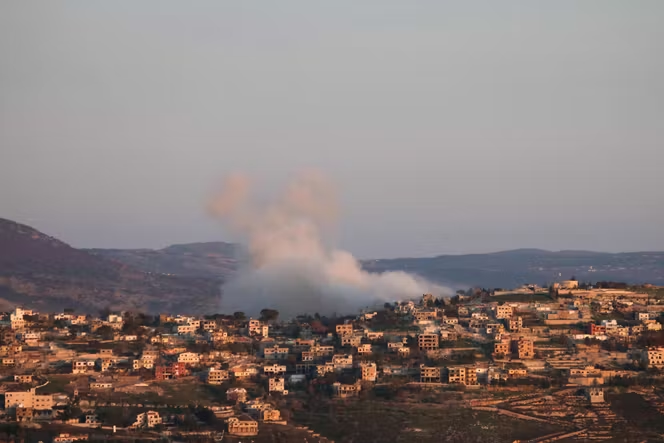
The New York-based rights group said Israeli forces fired artillery shells containing white phosphorus over the southern Lebanese town of Yohmor on March 3, 2026. HRW reported that it verified and geolocated several images showing airburst white phosphorus munitions exploding above residential neighbourhoods.
The organisation said the images also showed civil defence workers attempting to extinguish fires in homes and vehicles in the town, suggesting damage to civilian property. HRW stated that such incidents raise concerns about the safety of civilians living in conflict zones.
What Is White Phosphorus
White phosphorus is a chemical substance that ignites immediately when exposed to oxygen. Militaries commonly use it to create smoke screens, illuminate battlefields or mark targets during military operations.
However, when used as an incendiary weapon, the substance can cause severe burns, respiratory damage, organ failure and even death. Because it burns intensely and spreads rapidly, its use in populated areas is highly controversial and restricted under international humanitarian law.
Rising Tensions Along the Israel–Lebanon Border
The allegations come as Israel continues military operations targeting Hezbollah positions in southern Lebanon. Israeli forces have conducted multiple air strikes and ground operations in border regions following attacks by the militant group.
Lebanese authorities report that hundreds of people have been killed in recent strikes, while more than half a million residents have been displaced as the conflict intensifies. The situation has increased fears of a broader regional escalation.
Key Facts
White phosphorus ignites instantly when exposed to oxygen and produces thick smoke.
The Chemical Weapons Convention does not classify white phosphorus as a chemical weapon.
International humanitarian law restricts the use of incendiary weapons in civilian areas.
The Litani River in Lebanon is a key geographical reference line in Israel–Lebanon security arrangements.
Calls for Investigation
Human Rights Watch has urged Israel to immediately stop using white phosphorus in residential areas and called on countries supplying weapons to Israel to review military assistance.
Lebanese authorities have also raised concerns about the humanitarian and environmental consequences of the attacks. The accusations add to growing international scrutiny of the conflict and its impact on civilians in the region.
Dramatic Volatility in Global Energy Markets as Geopolitical Tensions Ease Slightly
West Texas Intermediate (WTI) crude oil futures experienced extreme turbulence, plunging as much as 10% to $85.02 per barrel on Tuesday. This sharp drop followed a dramatic surge earlier in the week, with prices briefly crossing $115 per barrel on Monday. The intraday trading range spanned an astonishing -$38 – the widest since the chaotic days of the 2020 pandemic, when oil prices infamously turned negative for a brief period.
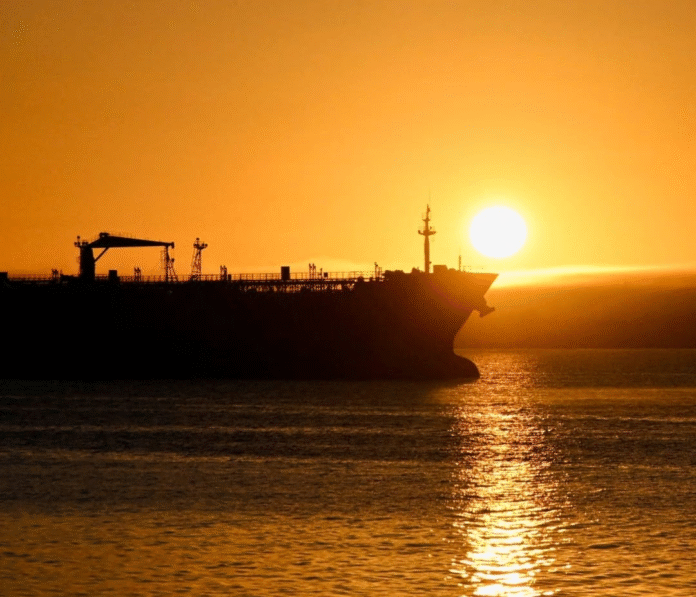
The wild swings stem directly from the ongoing war involving Iran, which has severely disrupted oil flows through the Strait of Hormuz – the critical chokepoint carrying roughly 20% of the world’s oil supply. Uncertainty persists over whether tankers are safely transiting the strait, prompting major Gulf producers like Saudi Arabia to curtail output due to overflowing storage facilities. The conflict has rippled beyond crude, driving up prices for natural gas, gasoil, and other energy products. In the US, retail gasoline prices have climbed to their highest levels since August 2024, adding pressure on consumers and raising inflation concerns.
Trump Outlines Plan to Stabilize Prices
In a news conference held in Florida, President Donald Trump announced steps aimed at cooling the overheated market. He stated plans to waive certain oil-related sanctions and deploy the US Navy to escort tankers through the Strait of Hormuz. “We’re looking to keep the oil prices down,” Trump said. “They went artificially up because of this excursion.” Trump revealed he had discussed the matter in a phone call with Russian President Vladimir Putin earlier on Monday but provided no further specifics on the sanctions relief or escort operations.
G7 Monitors Situation, Holds Off on Emergency Reserves
Oil prices began retreating during Monday’s session after the Financial Times reported that the G7 nations were convening to consider releasing emergency strategic reserves. However, France – the current G7 president – clarified that the group is “not there yet” on agreeing to such a move, though members are closely watching energy market developments.
The G7 finance ministers, in coordination with the International Energy Agency, have indicated readiness to take “necessary measures” to support global energy supplies, including potential stockpile releases, but emphasized the need for more analysis before acting. As the situation in the Middle East remains fluid, markets continue to react to every signal of de-escalation or prolonged disruption. Trump’s comments and the prospect of restored tanker flows have provided some relief, but analysts warn that sustained clarity on the strait and broader conflict resolution will be key to stabilizing prices.