Home Blog Page 49

Celebrating Bhil Heritage: Lalita Tahed’s Solo Exhibition at Madhya Pradesh Tribal Museum

0

PC: (Memeraki.com, Magicdecor.com)

In the heart of Bhopal, amidst the serene Shyamala Hills, the Madhya Pradesh Tribal Museum is currently hosting a captivating exhibition-cum-sale of paintings by Lalita Tahed, a prominent artist from the Bhil community. instagram.com This event, part of the museum’s “Shalaka” series-the 70th and 71st installments-runs from March 3 to March 30, 2026, at the Likhandra Exhibition Gallery.
The “Shalaka” initiative is a monthly program designed to empower tribal artists by providing them a dedicated platform to showcase and sell their works directly to art enthusiasts and collectors. It underscores the museum’s commitment to preserving and promoting India’s indigenous art forms.

About the Artist: Lalita Tahed

Lalita Tahed, a young and talented Bhil tribal artist hailing from the Jhabua district of Madhya Pradesh, was born in Antarvelia village. Growing up enveloped by nature without formal education, she developed an early affinity for traditional wall art. Her artistic journey took a significant turn after relocating to Bhopal, where she honed her skills in the traditional Bhil style under the mentorship of her mother-in-law, the esteemed Padma Shri awardee Lado Bai.
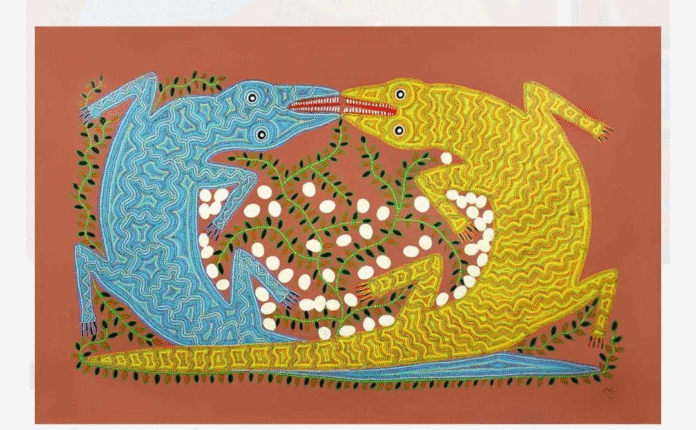
As a resident artist at the museum and associated with spaces like Pratibha Veethi, Lalita’s paintings vividly capture the stories, traditions, and lived experiences of the Bhil community. Her style is marked by vibrant colors, intricate lines, and the signature use of multi-hued dots to depict themes of nature, wildlife, spirituality, and tribal customs.

This exhibition marks her first solo

show, a milestone in her career. Her works have previously been displayed in major Indian cities such as New Delhi and Hyderabad, with pieces adorning international collections in France, the USA, and Australia. Among her accolades is a Gold Medal from an art competition at the Manikarnika Art Gallery in Delhi.

The Essence of Bhil Art

Bhil painting stands as one of India’s oldest tribal art forms, practiced by the Bhil community across Madhya Pradesh, Rajasthan, Gujarat, and Maharashtra. Its defining characteristic is the intricate dot patterns that fill large, bold shapes-these dots symbolize ancestors, deities, grains like maize, or raindrops, embodying life and prosperity.
Traditionally, Bhil art utilized a vibrant palette derived from natural materials: turmeric for yellow, clay for red, and leaves for green. Today, contemporary artists like Lalita incorporate bright acrylics on canvas, blending ancient techniques with modern narratives. The paintings serve as visual records of tribal life, folklore, and spiritual beliefs, often eschewing Western perspectives for a more narrative, flat style.
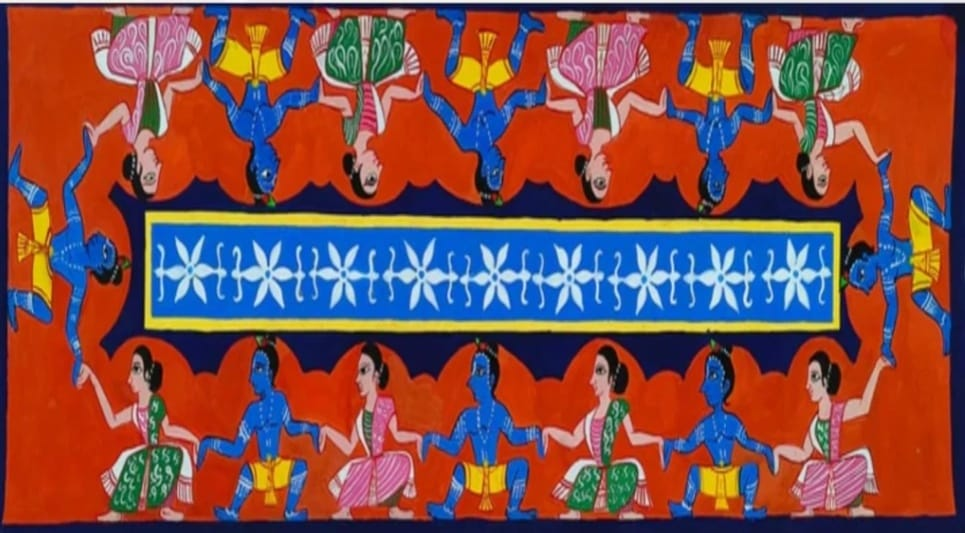
Celebrating Bhil Heritage: Lalita Tahed's Solo Exhibition at Madhya Pradesh Tribal Museum

Common themes include: Nature and Wildlife: Depictions of trees,
peacocks, horses, and tigers, highlighting the community’s profound environmental bond.

Daily Tribal Life: Scenes of farming, hunting,
dancing (such as the Ghoomar), and community rituals.

Rituals: Particularly the Pithora ritual-sacred wall murals painted by men known as Likhandras to invoke blessings for homes.

The term “Likhandra” honors the traditional Bhil painters who created ritualistic murals on tribal home walls. The museum’s gallery name pays homage to this storytelling heritage.

Historical Evolution of Bhil Art

The roots of Bhil art trace back to ancient times, with scholars linking it to prehistoric rock paintings in the Bhimbetka caves. Tribal lore attributes its origins to a divine gift from Goddess Parvati, inspired by the Bhils’ harmony with nature. Historically ritualistic, Pithora paintings adorned mud walls plastered with cow dung and clay, using neem twigs as brushes and natural pigments. These ephemeral artworks were created for occasions like births, weddings, or festivals, with ritualistic murals traditionally handled by men (Lakharas) and everyday art passed matrilineally from mothers to daughters.
The modern evolution began in the 1980s at Bharat Bhavan in Bhopal, where artist J. Swaminathan encouraged tribal talents like Bhuri Bai and Lado Bai to transition to paper and canvas using acrylics. Bhuri Bai pioneered painting on paper, paving the way for artists like Lalita Tahed to professionalize their heritage. Contemporary Bhil art now integrates modern elements like airplanes, buses, and cell phones alongside traditional motifs, reflecting the community’s evolving lifestyle.

Exhibition Details and Visitor Information

Venue: Likhandra Exhibition Gallery, Madhya Pradesh Tribal Museum, Shyamala Hills, Bhopal.
Dates: March 3 – March 30, 2026.
CISF Raising Day 2026: Celebrating 57 Years of India’s Industrial Security Force

0

CISF Raising Day: India observes CISF Raising Day every year on March 10 to mark the establishment of the Central Industrial Security Force (CISF) in 1969 under the CISF Act, 1968. In 2026, the force will celebrate its 57th Raising Day, honouring more than five decades of service in safeguarding India’s critical infrastructure and strategic institutions.

Functioning under the Ministry of Home Affairs, CISF has evolved into one of the country’s most specialized security forces, playing a crucial role in protecting national assets and ensuring public safety.

Role of CISF in National Security

Over the years, CISF has expanded significantly in both size and responsibility. Today, the force secures 361 vital installations across the country, including about 70 airports, along with major government buildings, industrial units, metro networks, and energy facilities. It has also been designated as the nodal agency for drone security, reflecting its growing role in addressing emerging security challenges.

Apart from infrastructure protection, CISF contributes to disaster management, fire services, and counter-insurgency support, making it a key pillar of India’s internal security architecture.

Major Event Held Ahead of Raising Day

As part of this year’s celebrations, a major ceremony for the 57th CISF Raising Day was held earlier at the CISF Training Centre, Mundali in Cuttack, Odisha, where Amit Shah, India’s Union Home Minister, attended as the chief guest.

During the event, he praised the CISF for its bravery, dedication, and modernization over the past decades, calling the force a “shield safeguarding the nation’s security.” Several dignitaries, including Odisha Chief Minister Mohan Charan Majhi and Union Minister Dharmendra Pradhan, were also present.

Announcements and Developments

On the occasion, the Home Minister laid the foundation stone for three residential complexes for CISF personnel in Kamrup, Nashik, and Sehore, and inaugurated two completed residential complexes in Rajarhat and Delhi. These projects, worth around ₹890 crore, aim to improve housing facilities for CISF personnel and their families.

The government also highlighted that CISF will increasingly take on new responsibilities, including security of ports and private industrial establishments through a hybrid security model, reflecting the expanding scope of the force.

A Tribute to the Guardians of India’s Infrastructure

As the nation prepares to mark CISF Raising Day 2026, the occasion serves as a tribute to the dedication, courage, and professionalism of thousands of CISF personnel who protect India’s economic and strategic lifelines every day. With growing responsibilities and modernization, the CISF continues to stand as a vital guardian of the nation’s security and development.

Mojtaba Khamenei Named Iran’s New Supreme Leader After Death of Ali Khamenei

0

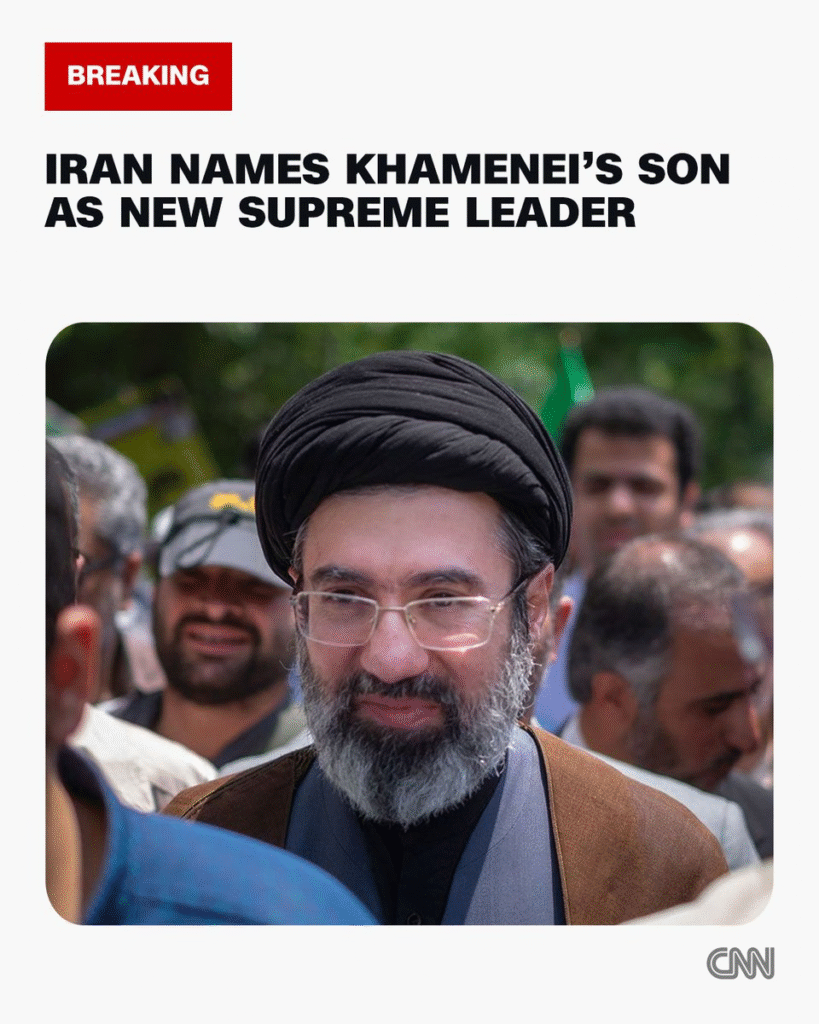
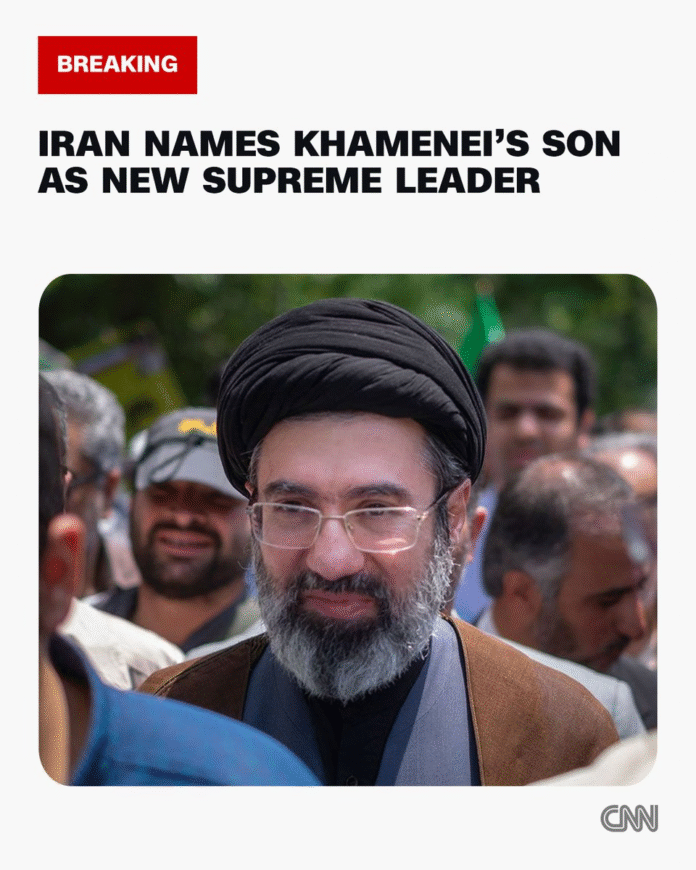
Mojtaba Khamenei, son of Iran’s late Supreme Leader Ali Khamenei, has been chosen as the country’s new Supreme Leader, according to an announcement broadcast on Iranian state television early Monday.

Mojtaba Khamenei Named Iran’s New Supreme Leader After Death of Ali Khamenei

The development comes amid escalating tensions in the Middle East following the death of Ali Khamenei in an alleged U.S.–Israeli attack on February 28. His death has significantly intensified the ongoing regional conflict involving Iran, Israel, and the United States.

Mojtaba Khamenei had long been viewed as a strong contender to succeed his father, despite never holding any elected or formal government position. His selection marks a historic and controversial transition in Iran’s political and religious leadership.

Trump and Israel react

Following the announcement, Donald Trump, President of the United States, said that Iran should not appoint a new Supreme Leader without U.S. involvement. Meanwhile, Israel issued a warning that it would target Khamenei’s successor, further raising fears of escalation in the region.

Ali Khamenei’s 35-year rule

Ali Khamenei had held supreme authority in Iran for 35 years. He became the country’s Supreme Leader in 1989, following the death of Ruhollah Khomeini, the founder of the Islamic Republic.

Khamenei had earlier served as President of Iran from 1981 to 1989. He was a key figure in the Iranian Revolution of 1979, which led to the overthrow of Mohammad Reza Pahlavi, the Shah of Iran.

In Iran’s political system, the title “Ayatollah” refers to a high-ranking Shiite religious authority. Under Iran’s Islamic governance structure, the Supreme Leader is traditionally a senior religious scholar, and the title reflects significant religious authority.

Escalating conflict in the region

Meanwhile, the ongoing conflict between Iran, Israel and the United States has intensified:

  • A building caught fire in Kuwait City after an alleged Iranian drone strike on Saturday night.
  • Videos circulating online showed Israeli airstrikes in Tehran, the capital of Iran.
  • Iran reportedly launched cluster bomb attacks on Israel late Saturday.
  • Following Israeli strikes on oil storage facilities in Tehran, large quantities of oil spilled into the city’s drainage systems, creating river-like flows along nearby roads.

The developments signal a rapidly escalating geopolitical crisis in the Middle East, with analysts warning that the conflict could widen further in the coming days.

International Women’s Day: Consulate General of India Toronto Celebrates in Association With Elspeth Heyworth Centre for Women 

0

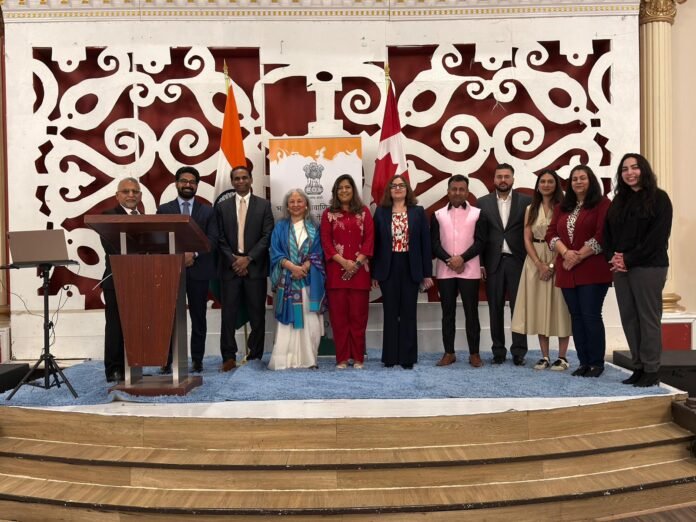
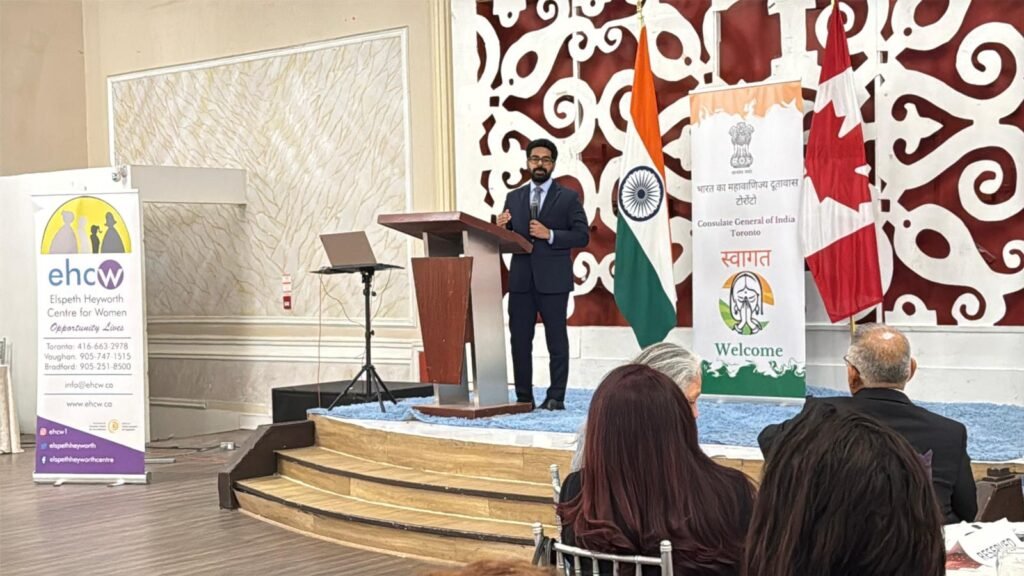
The Consulate General of India Toronto celebrated International Women’s Day in partnership with the Elspeth Heyworth Centre for Women (EHCW), to honor women’s achievements while spotlighting the critical support systems for Indian women in need.

International Women’s Day: Consulate General of India Toronto Celebrates in Association With Elspeth Heyworth Centre for Women 

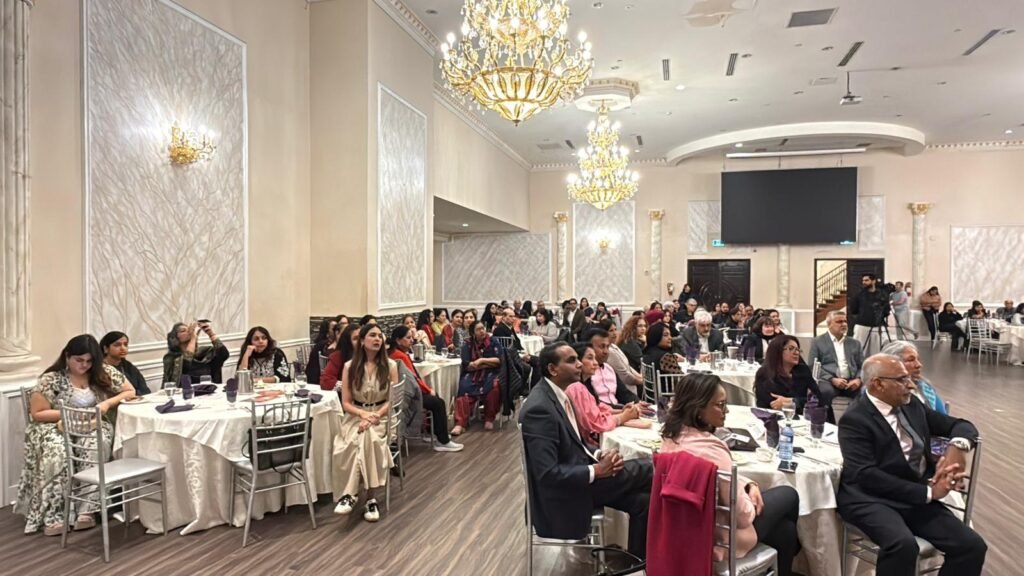
The event brought together community leaders, civic partners, representatives from law enforcement, speakers from community services & diverse professional fields who shared insights on safety, empowerment, and well-being of women. The event received a tremendous response and was well attended by members of the Indian diaspora.

From Gatekeeper to Ally: US Ditches ‘Permitting’ for ‘Partnering’ as Gulf War Shakes Global Oil

0

PC: (Money Digest, The News International )

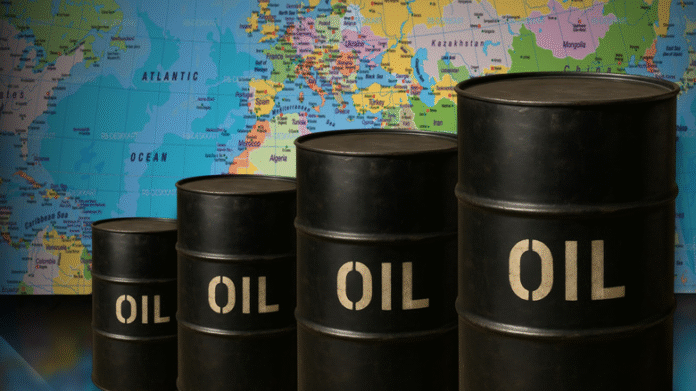
As the escalating Iran-Israel war in the Middle East disrupts shipping through the Strait of Hormuz, squeezes global oil supplies, and drives prices higher, the Trump administration appears to be softening its tone on international energy cooperation.

Two recent posts on X-one from the White House and another from Treasury Secretary Scott Bessent-posted within a day of each other, highlight this shift. While no explicit policy change has been announced, the evolution in language-from commanding to collaborative-suggests a pragmatic recalibration in how Washington engages with key global players amid crisis.

The White House shared a photograph of President Donald Trump flanked by leaders from across Latin America at the Shield of the Americas Summit. The image projected hemispheric solidarity at a time when energy markets face acute strain, emphasizing unity with regional oil producers and partners in the
Western Hemisphere (Venezuela’s situation notwithstanding).

“The United States is the biggest and most powerful economy in the world. Under President Trump’s leadership we are working with the world’s largest producers, consumers, and refiners to maintain stability in the world’s energy markets while we eliminate threats to our safety and security. This is a shared purpose towards which we are all working, and we thank our international partners sharing this same goal.” This stands in sharp contrast to Bessent’s earlier statement regarding a 30-day waiver allowing Indian refiners to purchase stranded Russian oil. In that instance, the language was authoritative: the U.S. was “issuing” waivers, “allowing” actions, and “anticipating” compliance from New Delhi in return. It framed Washington as a gatekeeper granting conditional access.

The latest messaging eliminates that hierarchical tone. The U.S. is no longer “permitting”-it is partnering. It is not “allowing”-it is thanking. The emphasis on a “shared purpose” and collective effort marks a meaningful departure, signaling recognition that unilateral pressure is counterproductive in a volatile market.

The trigger appears clear: the Middle East conflict has closed key routes, surged oil prices, and exposed the limits of U.S. unilateral action. Stabilizing global energy flows requires cooperation from producers, refiners, and major consumers alike-coercive rhetoric risks alienating essential allies. India, which sources nearly 40% of its crude from the Middle East and faced U.S. pressure to halt Russian oil imports, received the short-term waiver. Far from a mere concession, it reflects pragmatic acknowledgment: disrupting a major refining partner during a supply crunch benefits no one. This broader pivot extends to Latin America, where the Shield of the Americas Summit engaged key oil-producing neighbors to foster alignment rather than alienation. In a world where the U.S. cannot single-handedly control energy markets, partnership has become a strategic necessity. The shift in tone may be subtle, but in diplomacy, words are rarely accidental. As the Gulf crisis persists, Washington’s evolving language could pave the way for more collaborative-and effective-global energy stability efforts.

Witness Nature’s Miracle: The Velas Turtle Festival 2026 – A Celebration of Conservation and Wonder

0

PC: (Thrillophilia, Instagram)

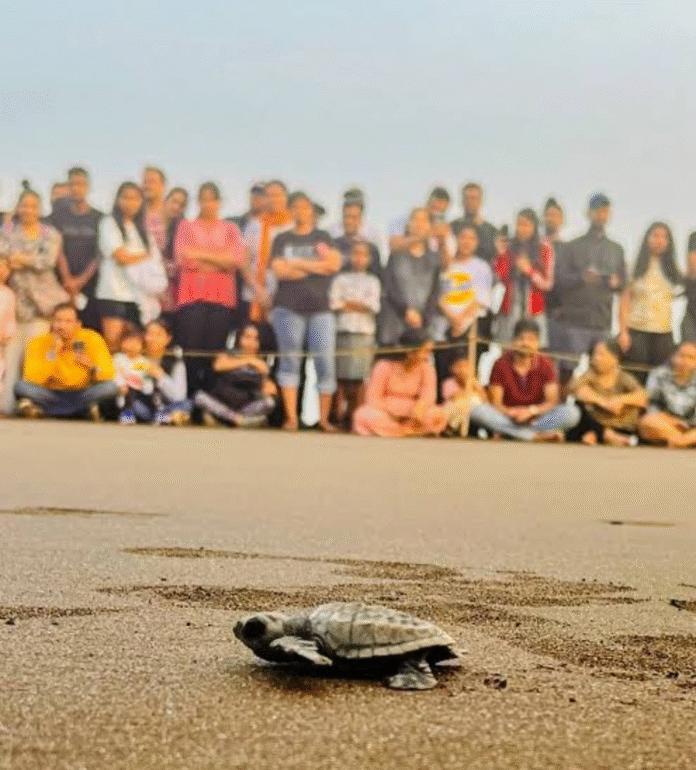
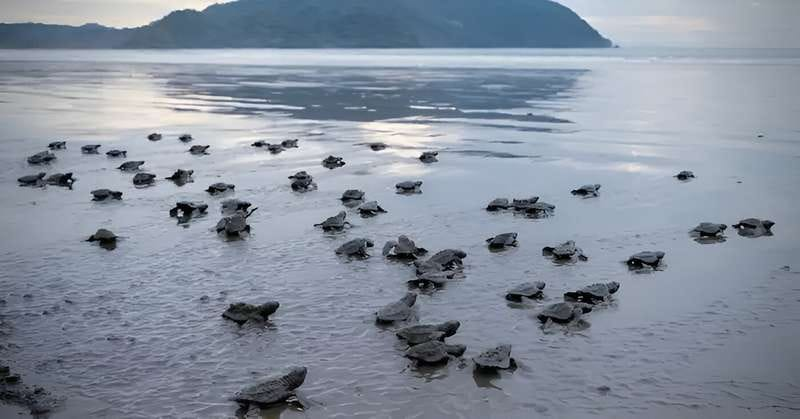
Nestled in the serene coastal village of Velas in Maharashtra’s Konkan region, the Velas Turtle Festival stands out as one of the most extraordinary and meaningful experiences in India. Every year, this quiet beach transforms into a living classroom of nature, where endangered Olive Ridley turtles complete one of life’s most remarkable journeys: hatching from their nests and racing toward the Arabian Sea. Far more than a tourist attraction, the festival is a powerful conservation movement that brings together local villagers, dedicated volunteers, and wildlife enthusiasts to protect these vulnerable creatures.

About the Velas Turtle Festival 2026

The Velas Turtle Festival typically runs from March to April, aligning with the peak hatching season for Olive Ridley turtles. In 2026, visitors will have the rare opportunity to witness this natural spectacle from March 15 to April 26 (with the season often starting as early as early March and extending into late April, based on nesting patterns and official updates).
The best time to visit is early morning, as hatchlings usually emerge at dawn, making their tiny, determined trek across the sand to the waves. Evening releases are also common, adding to the magic of the experience.

A Natural Spectacle Like No Other

Imagine standing on the soft sands of Velas Beach as dozens – sometimes hundreds – of baby Olive Ridley turtles burst from their buried nests. These tiny creatures, no bigger than a palm, instinctively head toward the sea, guided by the light of the horizon. It’s a breathtaking reminder of nature’s resilience and fragility.
This event highlights the life cycle of one of the world’s most endangered sea turtles and the real threats they face, from predators to human interference and climate change.

Promoting Eco-Tourism and Marine Conservation

The Velas Turtle Festival goes beyond observation -it actively promotes eco-tourism and raises awareness about marine conservation. By encouraging responsible travel, it educates visitors on the importance of preserving delicate coastal ecosystems.
Volunteers and local villagers play a central role, working hand-in-hand to safeguard nests from predators and disturbances. Their efforts significantly boost hatchling survival rates, showcasing the power of community-driven conservation.

Witness Nature's Miracle: The Velas Turtle Festival 2026 - A Celebration of Conservation and Wonder

Immerse Yourself in Konkan Culture

While the turtles steal the show, the festival offers much more. Enjoy vibrant cultural programmes featuring traditional Konkani dance, music, and performances that celebrate Maharashtra’s rich heritage.
Explore local food stalls serving authentic Konkani cuisine, participate in eco-workshops, and connect with the warm hospitality of the region. For the ultimate immersive experience, opt to stay in nearby homestays or eco-lodges – or even with local families – to savor home-cooked meals and soak in the authentic rhythm of village life.

The Velas Turtle Festival is a perfect blend of wonder, education, and meaningful action. Whether you’re a wildlife lover, adventure seeker, or simply someone who appreciates nature’s quiet miracles, this event offers an unforgettable experience that leaves a lasting impact.

Five Heroes Who Helped India Win the T20 World Cup

0

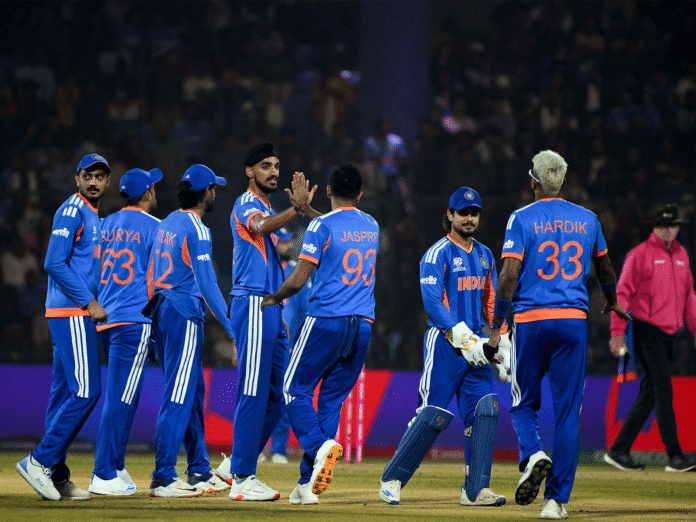
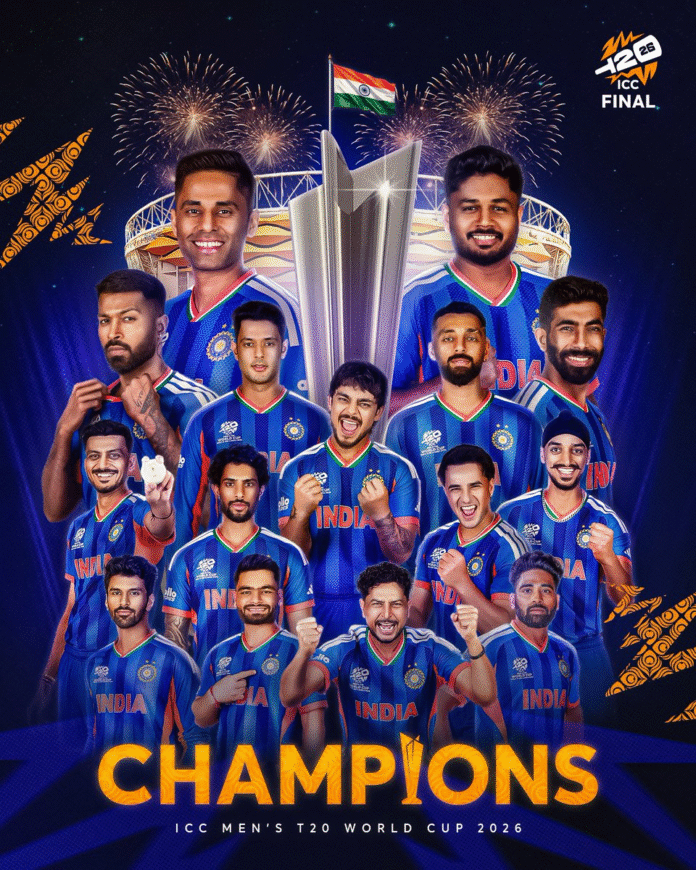
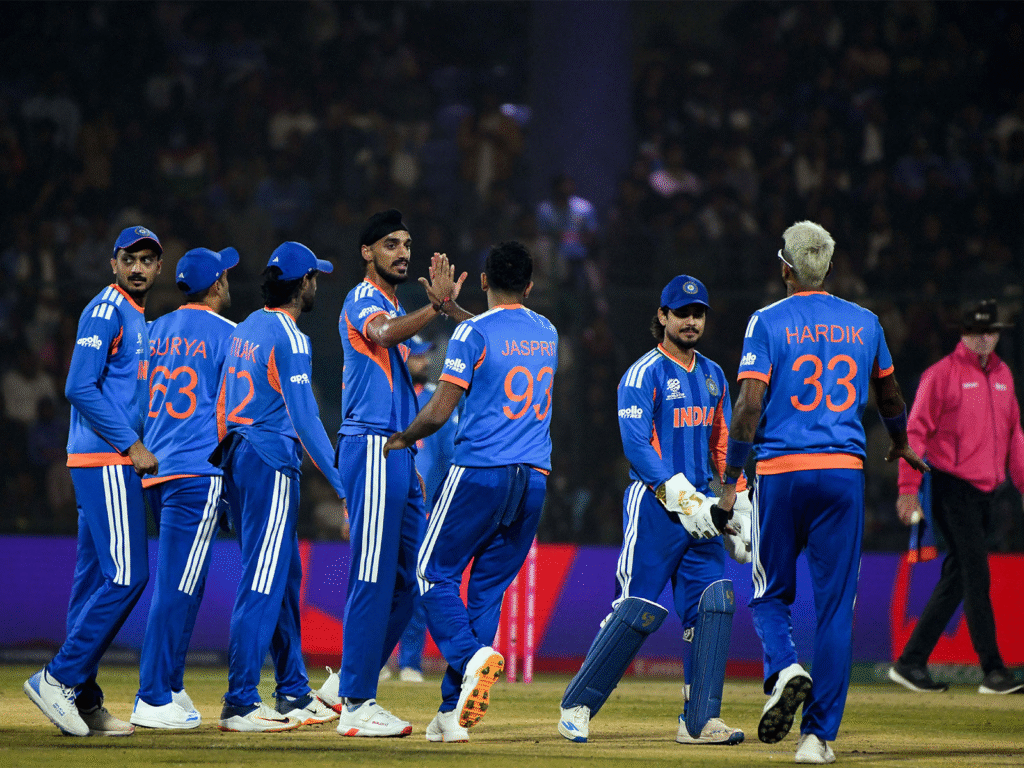
The India national cricket team lifted the ICC Men’s T20 World Cup title after defeating the New Zealand national cricket team by 96 runs on Sunday night. While the victory was a collective effort, a few players delivered standout performances in crucial moments and played a key role in making India world champions.

Here are the five heroes behind India’s T20 World Cup triumph:

1. Sanju Samson: Big-match performer with consecutive fifties

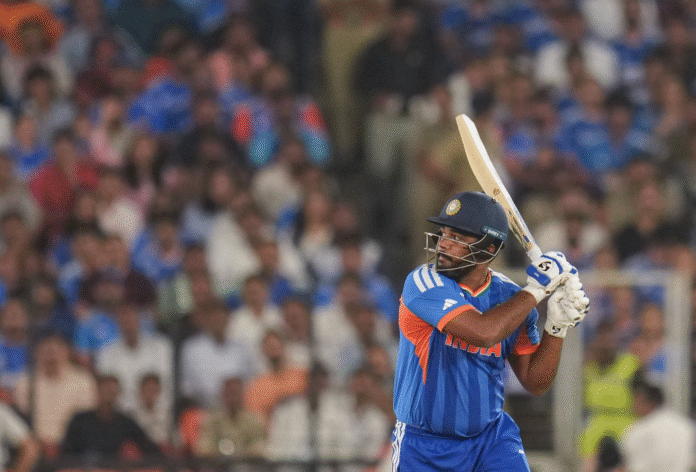
Wicketkeeper-batter Sanju Samson emerged as India’s trump card in the tournament. He scored three consecutive fifties for the team.

Samson, who initially struggled to secure a place in the playing XI during the league stage, finally got an opportunity against the West Indies in Kolkata when India needed a win. On a challenging pitch, he played a remarkable unbeaten 97-run knock, guiding India to a competitive total.

He continued his form in the knockout stage, scoring 89 runs in the semifinal against England and another 89 in the final against New Zealand. Samson finished as India’s highest run-scorer in the tournament and was named Player of the Tournament.

2. Jasprit Bumrah: Tournament’s leading wicket-taker

Fast bowler Jasprit Bumrah was named Player of the Final for his outstanding bowling performance. Against New Zealand, he picked up 4 wickets for just 15 runs in his four overs. Bumrah also finished as the highest wicket-taker of the tournament, claiming 14 wickets in eight matches.

In the semifinal against England national cricket team, his precise bowling turned the match in India’s favor. England were chasing 254 runs and had reached 185/5 in 15 overs, looking set for victory. At that crucial moment, captain Suryakumar Yadav handed Bumrah the ball. His tight two-over spell conceded just 14 runs, creating pressure and helping India secure a seven-run win.

3. Ishan Kishan: Three fifties in the tournament

Opener Ishan Kishan, who was selected in the squad at the last moment, proved his worth by scoring three half-centuries in the tournament.

In the final, he smashed 52 runs off just 21 balls at a blistering strike rate of 247.61. Kishan also shared a 105-run partnership in 48 balls with Sanju Samson, setting the platform for India’s massive total.

Earlier, against Pakistan national cricket team, he built a crucial 88-run partnership with Tilak Varma after Abhishek Sharma was dismissed for zero. Kishan scored 77 runs in that match. He also hit a half-century against Namibia national cricket team.

Overall, Kishan scored 317 runs in nine matches at a strike rate of 193.29, making him India’s second-highest run-scorer in the tournament.

4. Hardik Pandya: All-round brilliance

All-rounder Hardik Pandya played a crucial role with both bat and ball. In nine matches, he scored 217 runs, including a half-century, at a strike rate of 160.74. He also picked up nine wickets.

In the semifinal against England, Pandya delivered an outstanding all-round performance. He scored 27 runs off 12 balls at a strike rate of 225, helping India cross the 250-run mark.

With the ball, he struck immediately, dismissing Phil Salt on his very first delivery. Pandya later bowled a tight 19th over, conceding just nine runs, which proved decisive in India’s victory.

5. Shivam Dube: Crucial finishing touch in the final

All-rounder Shivam Dube played a key cameo in the final. India had reached 203 runs in 15 overs, but a sudden collapse followed when Jimmy Neesham dismissed Sanju Samson (89), Ishan Kishan (52) and Suryakumar Yadav (0) in the 16th over.

In the next 24 balls, India managed only 28 runs, and even reaching 250 seemed difficult.

However, in the 20th over, Dube attacked Neesham, smashing two sixes and three fours. His quick 26 runs off just eight balls powered India to a massive 255-run total in the final.

Dube had also played a key role in the semifinal against England, scoring 43 runs off 25 balls, helping India post a formidable score.

T20 World Cup Final: India Clinch Third T20 World Cup Title, Beat New Zealand by 96 Runs in Historic Final

0

T20 World Cup Final: India becomes the third T20 World Cup champions: The hosts won the title for the first time, scoring a record 255 runs in the final, and New Zealand’s biggest defeat by 96 runs.

Ahmedabad: India national cricket team defeated New Zealand national cricket team to win the ICC Men’s T20 World Cup for the third time, creating history in the process. With this victory, India also became the first team to win the T20 World Cup in two consecutive editions. Notably, this was also the first time a host nation has won the T20 World Cup.

The final was played at the iconic Narendra Modi Stadium in Ahmedabad on Sunday.

New Zealand won the toss and opted to bowl first. Batting first, India produced a dominant performance, posting a record 255/5 in 20 overs, the highest total ever in a T20 World Cup final.

Leading the charge was Sanju Samson, who smashed 89 runs, the highest individual score in a T20 World Cup final. He was well supported by Ishan Kishan, who scored 54, and Abhishek Sharma, who contributed 52 runs. In the final overs, Shivam Dube provided a quick flourish with 26 runs off just 8 balls, helping India reach the massive total.

For New Zealand, Jimmy Neesham was the most successful bowler, claiming three wickets.

Chasing a daunting target of 256, New Zealand got off to a shaky start and struggled to build partnerships against the disciplined Indian bowling attack. Tim Seifert scored 52 runs, while captain Mitchell Santner added 43, but the rest of the batting lineup failed to withstand the pressure.

The New Zealand team was eventually bowled out for 159 runs in 19 overs, handing India a 96-run victory. It also marked New Zealand’s biggest defeat by runs in a T20 World Cup final.

Final Scorecard

India: 255/5 (20 overs)
New Zealand: 159 all out (19 overs)

Special Records Set During India’s Innings in T20 World Cup Final

Several remarkable records were created during the innings of the India national cricket team in the final of the ICC Men’s T20 World Cup against the New Zealand national cricket team at the Narendra Modi Stadium in Ahmedabad.

India reached 100 runs in just 7.2 overs, the fastest century by any team in a T20 World Cup knockout match. The team also equaled the highest powerplay score in T20 World Cup history, matching the 92/1 record set by the West Indies during the 2024 tournament.

Wicketkeeper-batter Sanju Samson created history by becoming the highest run-scorer in a T20 World Cup final, scoring 89 runs and breaking the previous record of 85 runs held by West Indies’ Marlon Samuels.

Another special moment before the match saw former Indian captains MS Dhoni and Rohit Sharma present the T20 World Cup trophy after the toss ceremony.

Playing XI

India

India national cricket team

  • Sanju Samson (wicketkeeper)
  • Abhishek Sharma
  • Ishan Kishan
  • Suryakumar Yadav (captain)
  • Hardik Pandya
  • Tilak Varma
  • Shivam Dube
  • Axar Patel
  • Arshdeep Singh
  • Jasprit Bumrah
  • Varun Chakravarthy

New Zealand

New Zealand national cricket team

  • Finn Allen
  • Tim Seifert (wicketkeeper)
  • Rachin Ravindra
  • Glenn Phillips
  • Mark Chapman
  • Daryl Mitchell
  • Mitchell Santner (captain)
  • Jacob Duffy
  • Matt Henry
  • Jimmy Neesham
  • Lockie Ferguson

Jasprit Bumrah claimed his fourth wicket, bowling Mitchell Santner for 43 runs on the third ball of the 18th over, leaving New Zealand nine wickets down.

  • Earlier, Bumrah struck twice in two balls in the 16th over, dismissing Matt Henry (0) and Jimmy Neesham (8). However, he missed out on a hat-trick.
  • Daryl Mitchell was dismissed for 17 runs on the fifth ball of the 13th over, caught by Ishan Kishan off the bowling of Axar Patel, who picked up his third wicket.

With a dominant all-round performance, India sealed another memorable chapter in T20 World Cup history in front of a packed stadium in Ahmedabad.

T20 World Cup Final: India Clinch Third T20 World Cup Title, Beat New Zealand by 96 Runs in Historic Final

T20 World Cup Final: Sanju Samson Smashes Highest Individual Score. Know Other Such Scores in History

0

A new record was created in the final of the ICC Men’s T20 World Cup as Sanju Samson smashed the highest individual score in a T20 World Cup final, scoring 89 runs against New Zealand national cricket team in the 2026 final. His innings surpassed several memorable performances from previous finals and now sits at the top of the list of highest scores in a T20 World Cup summit clash.

Over the years, several star players have produced remarkable innings in T20 World Cup finals. West Indies legend Marlon Samuels appears twice on the list for his match-winning knocks in 2012 and 2016, while India’s Virat Kohli also features twice for his performances in 2014 and 2024.

Below is the list of the highest individual scores in T20 World Cup finals:

ScorePlayerMatchYear
89Sanju SamsonIndia vs New Zealand2026
85*Marlon SamuelsWest Indies vs England2016
85Kane WilliamsonNew Zealand vs Australia2021
78Marlon SamuelsWest Indies vs Sri Lanka2012
77Virat KohliIndia vs Sri Lanka2014
76Virat KohliIndia vs South Africa2024

Sanju Samson’s 89-run knock now stands as the highest score ever in a T20 World Cup final, highlighting one of the most memorable batting performances in the tournament’s history. His innings places him ahead of legendary performances like Marlon Samuels’ unbeaten 85 in the 2016 final and Kane Williamson’s 85 in the 2021 final.

Such performances underline how crucial individual brilliance can be in high-pressure finals, where one exceptional innings can shape the outcome of the biggest match in the tournament.

Major Records in ICC Men’s T20 World Cup Final: India Set 256-Run Target for New Zealand

0

ICC Men’s T20 World Cup history witnessed a record-breaking moment as India national cricket team set a massive 256-run target for New Zealand national cricket team in the final.

Major Records in ICC Men's T20 World Cup Final: India Set 256-Run Target for New Zealand

New Zealand won the toss and opted to bowl first at the iconic Narendra Modi Stadium in Ahmedabad. Batting first, India posted 255/5 in 20 overs, smashing 19 fours and 18 sixes.

This total is now the highest score ever in a T20 World Cup final, surpassing the previous record of 176 runs.

Samson Leads India’s Batting Charge

India’s explosive start was led by opener Sanju Samson, who scored 89 runs, while Abhishek Sharma contributed 52 and Ishan Kishan added 54. The aggressive batting helped India cross the 200-run mark in just 15 overs, putting immense pressure on New Zealand’s bowling attack.

However, in the 16th over, New Zealand all-rounder James Neesham slowed India’s momentum with a dramatic spell. He dismissed Suryakumar Yadav for 0, along with Ishan Kishan (54) and Sanju Samson (89) in quick succession.

As a result, India managed 52 runs in the final five overs, with 24 runs coming in the 20th over.

Key Records Created in the Indian Innings

  • Highest total in a T20 World Cup final: 255/5.
  • Fastest team 100 in a World Cup knockout match: Reached in 7.2 overs.
  • Highest powerplay score in a T20 World Cup: Surpassed the previous record of 92/1 set in 2024.
  • Highest individual score in a T20 World Cup final: Sanju Samson’s 89, breaking Marlon Samuels record of 85 for the West Indies cricket team.

With a record target of 256, New Zealand now faces one of the biggest run chases ever in a T20 World Cup final.