Home Blog Page 489

Union Cabinet Approves Development of India’s Next Generation Launch Vehicle (NGLV)

0

In a significant milestone for India’s space exploration ambitions, the Union Cabinet, chaired by Prime Minister Narendra Modi, has approved the development of the Next Generation Launch Vehicle (NGLV). This decision is poised to propel India’s space program to new heights, as the country sets its sights on bold projects such as building the Bharatiya Antariksh Station (Indian Space Station) and achieving a crewed lunar mission by 2040. The approval marks a pivotal moment in the evolution of India’s space capabilities.

What is the Next Generation Launch Vehicle (NGLV)?

The NGLV is an advanced rocket system designed to meet the growing demands of India’s space program. Developed by the Indian Space Research Organisation (ISRO), the NGLV will serve as the backbone for India’s future space missions, enabling the country to undertake larger, more complex projects. With its enhanced payload capacity, cost-efficiency, and reusability features, the NGLV represents a new chapter in India’s pursuit of space exploration excellence.

Enhanced Payload Capacity

One of the standout features of the NGLV is its impressive payload capacity. The rocket is capable of carrying up to 30 tonnes to Low Earth Orbit (LEO), which is three times the capacity of India’s current workhorse, the LVM3. This expanded capability opens up new possibilities for launching heavier satellites, conducting large-scale scientific missions, and supporting ambitious space exploration ventures, including human spaceflight and the development of space infrastructure.

Cost-Efficiency and Affordability

Despite its enhanced capabilities, the NGLV remains a cost-effective solution for India’s space ambitions. While it can carry significantly heavier payloads, the NGLV will only cost 50% more than the LVM3, making it a financially viable option for both government and commercial space missions. This balance of capacity and cost-efficiency is critical as India positions itself as a competitive player in the global space industry.

Reusability: A Game-Changing Innovation

The NGLV brings with it a transformative innovation in the form of reusability. Unlike traditional rockets, which are single-use, the NGLV will feature reusable components, allowing for multiple launches with the same vehicle. This innovation will drastically reduce the cost of space missions by eliminating the need to build new rockets for each launch. Reusability is a key factor in making space exploration more affordable and accessible, enabling India to conduct more frequent and sustainable missions.

Green Propulsion Technology

In keeping with the global shift toward sustainability, the NGLV will be equipped with green propulsion systems that minimize environmental impact. This move toward cleaner, more eco-friendly technologies is part of India’s commitment to responsible space exploration. As space agencies worldwide focus on reducing the carbon footprint of space missions, the NGLV’s green propulsion technology positions India as a leader in sustainable space practices.

Supporting India’s Future Space Missions

The NGLV will play a central role in many of India’s future space missions, particularly those that require larger payloads or involve human spaceflight. It will be integral to the construction of the Indian Space Station, a key project in India’s long-term space strategy. Additionally, the NGLV will be critical for India’s planned crewed mission to the Moon, slated for completion by 2040. These missions are part of India’s broader vision under the “Amrit Kaal” period, which emphasizes national growth and technological advancement.

India’s Next Generation Launch Vehicle (NGLV)

Designed by ISRO with a focus on improving reliability and scalability, the NGLV is expected to take its maiden flight around 2025. Featuring a modular design, the NGLV can be adapted for various missions, ranging from satellite launches to deep-space exploration. This flexibility makes it a vital asset in India’s growing commercial space sector, allowing the country to cater to a wide range of clients and mission requirements. The use of indigenous materials in the NGLV’s construction also underscores India’s commitment to achieving self-reliance in space technology, reducing dependence on foreign suppliers.

A New Era for India’s Space Exploration

The approval of the Next Generation Launch Vehicle (NGLV) by the Union Cabinet marks a significant leap forward in India’s space exploration journey. With its enhanced payload capacity, cost-efficiency, reusability, and green technology, the NGLV is set to revolutionize how India conducts its space missions. As the country gears up for major projects like the Indian Space Station and a manned mission to the Moon, the NGLV will serve as the foundation of India’s ambitious space agenda, reinforcing the nation’s growing stature as a global space power.
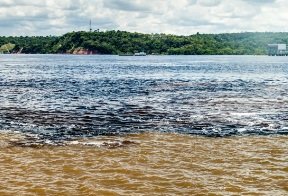
Amazon Faces Severe Drought and Record Wildfires in 2024: A Growing Environmental Crisis

0

In 2024, the Amazon region continues to experience severe drought conditions, compounding the environmental crisis that began in 2023. The region, known as the world’s largest rainforest and a critical component of Earth’s ecological balance, has seen a drastic decline in water levels across its major rivers. The Brazilian government was forced to declare a state of emergency in six cities as the water level in the Madeira River in Porto Velho fell to just 48 cm by September 2024, far below its usual 332 cm. This unprecedented drought, coupled with record-breaking wildfires, has sparked concern worldwide.

Impact of the Drought on Biodiversity and Communities

The drought has taken a devastating toll on both wildlife and the human population in the Amazon. The region, home to around 47 million people, relies heavily on its rivers for transportation, particularly Indigenous and riverine communities who depend on these waterways for access to food, fuel, and medical supplies. With river levels dropping to historic lows, these populations have been cut off from essential resources, amplifying the challenges they face in an already remote and often underserved region.

Biodiversity in the Amazon has also been deeply affected. The rainforest’s complex ecosystem, which includes countless species of plants, animals, and insects, is highly sensitive to changes in water availability. As water bodies shrink and disappear, the habitats of aquatic species are threatened, and forest wildlife faces the added danger of dehydration and food scarcity. The drought has caused ecosystems that are vital to maintaining the Amazon’s ecological balance to begin collapsing, threatening the survival of species already at risk due to deforestation and human activity.

Record-Breaking Wildfires

The drought has also triggered an alarming increase in wildfires across the Amazon. In July 2023, there were 11,500 fires reported, but this number skyrocketed to 38,000 in August 2023—marking the highest level of wildfires in over two decades. These fires are not only devastating the rainforest but are also releasing massive amounts of carbon into the atmosphere. Carbon emissions from the Amazon reached their highest levels since 2005, further exacerbating the global climate crisis.

Wildfires, fueled by the drier conditions, are devastating large tracts of forest, and the smoke generated by these fires is severely impacting air quality in surrounding areas. This increase in fires is a vicious cycle—burning trees release carbon into the atmosphere, contributing to global warming, which in turn leads to even drier conditions, increasing the likelihood of more fires.

What is Causing the Drought?

The Amazon’s current drought can largely be attributed to climate change and the El Niño weather phenomenon, which significantly reduces rainfall in the region. The intertropical convergence zone (ITCZ), a crucial weather pattern that dictates rainfall in the tropics, has shifted further north due to rising ocean temperatures in the tropical Atlantic. This has resulted in a severe reduction in rainfall across the Amazon basin, drying up rivers and stressing local ecosystems.

The 2024 drought is part of a troubling pattern, as the Amazon has experienced more frequent and intense droughts over the past few decades. Significant droughts in 2005, 2010, and 2015-2016 serve as stark reminders of the ongoing shift toward a hotter, drier Amazon. In just 25 years, the region has faced four severe droughts, reflecting a disturbing trend of climate instability in one of the world’s most vital ecological regions.

Long-Term Consequences of the Drought

The long-term effects of the current drought in the Amazon are likely to be profound. Drier conditions not only increase the risk of wildfires but also lead to a higher mortality rate among trees. This reduces the forest’s capacity to absorb carbon dioxide, making it less effective as a carbon sink—a critical function of the Amazon that helps mitigate the effects of global warming.

As more trees die and ecosystems falter, the rainforest could reach a tipping point, after which it may not be able to recover fully. The degradation of the Amazon would not only harm the plants and animals that depend on it but would also have catastrophic global consequences. The Amazon plays a pivotal role in regulating the Earth’s climate, and its decline could accelerate global warming, making extreme weather events more frequent and intense.

A Call for Action

The ongoing drought and wildfires in the Amazon are clear indicators that the world is facing a severe environmental crisis. The region’s biodiversity, its people, and its role as a global carbon sink are all at risk. Addressing this crisis requires urgent, coordinated global action to reduce carbon emissions, protect natural habitats, and support the communities that rely on the Amazon for their survival.

Without decisive intervention, the Amazon—often referred to as the “lungs of the Earth”—could be irrevocably damaged, with dire consequences not only for the region but for the entire planet.

Kaziranga Achieves 86% Drop in Rhino Poaching Since 2016: A Conservation Success Story

0

Kaziranga National Park, a UNESCO World Heritage Site in Assam, India, has made a significant breakthrough in wildlife conservation, recording an 86% reduction in rhino poaching since 2016. This remarkable achievement, highlighted by Assam’s Chief Minister Himanta Biswa Sarma during World Rhino Day celebrations, stands as a testament to the park’s ongoing efforts to protect the endangered one-horned rhinoceros. The success underscores Assam’s dedication to preserving its biodiversity and combating the illegal wildlife trade.

The Poaching Crisis

Between 2000 and 2021, a total of 190 rhinos were killed by poachers in Assam, with Kaziranga National Park being one of the hardest-hit areas. The primary driver of this poaching was the illegal trade in rhino horns, which are coveted in certain regions for their supposed medicinal properties and as status symbols. The poaching epidemic posed a grave threat not only to the survival of the species but also to the overall ecological balance in Assam.

Government’s Commitment

In 2016, when the “double-engine government” — a strong partnership between state and central governments — led by Prime Minister Narendra Modi came into power, a renewed focus on wildlife protection emerged. The Indian government prioritized the protection of the one-horned rhinoceros, recognizing its critical role in maintaining the region’s biodiversity. The administration introduced enhanced conservation strategies aimed at curbing poaching and ensuring the survival of the species.

Conservation Strategies That Delivered Results

Since 2016, Kaziranga National Park has implemented several key conservation measures, contributing to the dramatic decline in rhino poaching:

  • Increased Protection: The government established new anti-poaching camps, boosting surveillance across the park. A special protection force was also created to specifically guard rhinos from poachers.
  • Expanded Habitat: Efforts were made to expand the natural habitat for rhinos, ensuring they had more space to roam and thrive. This not only enhanced their safety but also supported the overall health of the park’s ecosystem.
  • Kaziranga Model of Conservation: The park’s globally recognized conservation model was further strengthened. Anti-poaching camps, set up every 5.82 square kilometers, now total 233 across the park, each staffed with dedicated personnel. These teams work tirelessly to deter poachers and protect the rhinos.

Role of Local Communities

An often-overlooked aspect of conservation is the involvement of local communities. In Kaziranga, local people have been integral to the protection of rhinos. The government has actively engaged communities in conservation efforts, fostering a strong connection between wildlife preservation and the local populace. This collaboration has been crucial in maintaining the park’s safety and safeguarding its iconic wildlife.

Rhino Population on the Rise

The results of these conservation efforts are clear. According to the 2022 census, Assam is now home to over 2,850 one-horned rhinos, with Kaziranga alone hosting 2,613 of them. This growing population serves as a powerful indicator of the effectiveness of the protective measures, as well as the strong partnership between government authorities and local communities.

Kaziranga National Park

Kaziranga National Park, established in 1905 to protect the dwindling rhino population, has grown into one of the world’s premier wildlife sanctuaries. Spanning more than 430 square kilometers, the park boasts a rich diversity of ecosystems, including grasslands, marshlands, and dense forests. In addition to rhinos, the park is home to endangered species such as the Bengal tiger and Asian elephant, along with more than 300 bird species.

Kaziranga’s success story is rooted in its effective anti-poaching measures, community involvement, and habitat expansion. With continued efforts, the park remains a global symbol of wildlife conservation and a beacon of hope for the protection of endangered species.

A Victory for Conservation

The 86% reduction in rhino poaching in Kaziranga is not just a victory for the one-horned rhino, but a triumph for conservation efforts worldwide. It shows that with strong government policies, community involvement, and strategic protection measures, even the most endangered species can be safeguarded for future generations. Kaziranga’s story serves as an inspiring example of what can be achieved when the protection of wildlife is given the priority it deserves.

Electricity Cut in Jaipur for Diwali Maintenance on 24th September 2024

0

Jaipur will experience an electricity cut on Tuesday, 24th September 2024, as part of Diwali maintenance work. Various areas, including Mansarovar, Jagatpura, Sanganer, Adarsh Nagar, and Mahesh Nagar, along with more than 100 other regions, will face power outages between 10 AM and 6 PM. The cuts will occur in shifts, affecting different locations at different times. Here is a breakdown of the areas impacted and the schedule for the electricity cut:

Mansarovar Region (10 AM – 2 PM):

  • Areas: Vardhman Sarovar, Gantpura, Sukheja Vihar, Chopra Farm, Narayan Bihar, Khushi Bihar, Sitaram Bihar, Kailash Sarovar, Jai Shree Vihar, Mangyawas, Hans Bihar, 200 Feet Road, Vastu Shree Nagar Phase 7, Lakshmi Narayan Bihar, Vinayak Vihar, Shri Nidhi Vihar, Teeja Vihar, Diva Wali Dhani, and nearby areas in Pratap Nagar Sector 10.

Jagatpura Region (10 AM – 2 PM):

  • Areas: Kusum Vihar JDA Scheme, A Block, Kusum Vihar D Block, Shiksha Bihar, Shiksha Vihar C Block, Bhairav Karol Ka Bagh, and surrounding regions.

Sanganer Region (10:30 AM – 3:30 PM):

  • Areas: Police Station Circle, Ganesh Colony, Namdev Colony, Nagar Nigam, Sanganer Police Station, and nearby localities.
  • Goner Road Region (10 AM – 2 PM): Luniyawas, Bajrang Vihar, Hanuman Nagar, Hari Om Nagar, Khandelwal Colony, Vishnu Bihar, Jawahar Baatika, Sadbhavana Nagar, Mukhiya Vihar, Baniyan Wali Dhani, Chetak Bhatta, Shankar Vihar, Rao Ki Dhani, Noor Nagar, and surrounding areas.

Adarsh Nagar and Mahesh Nagar (10 AM – 3 PM):

  • Areas: Murtikala Colony, Somani Hospital, Ram Mandir, Sharda Colony, Talwariya Garden, Swaiz Farm, Nandpuri, Kataria Colony, Indrapuri, Everest Colony, Krishna Nagar, Lal Kothi, PL Panwar Hospital, Rup Vihar, Hathkarta Bhavan, Chaumu House, Jagan Path, Bapu Nagar, Devi Nagar Gali No. 8, Kasturba Nagar, Ranisati Nagar, Gayatri Nagar B, Chandrakala Colony, Keshav Vihar Park, and surrounding neighborhoods.

Vaishali and Chitrakoot Areas (10 AM – 3 PM):

  • Areas: Gautam Marg, Amrapali Marg, Vaishali Marg, National Handloom, Narang Hospital, Vaishali Tower, Government Dispensary, Hanuman Nagar, Bhrigu Nagar, Mahatma Gandhi Nagar, Neelkanth Colony, Lalarpura, Satya Nagar, Ram Nagar, Vishwamitra Marg, Karni Marg, Chand Bihari Nagar, Janak Marg, Officer Campus, Rajendra Nagar, Bhumi, Narayanpuri, Prince Road, Queens Road, Vashisth Marg, Sushilpura, Ajmer Road, MES, Melodia, and nearby areas.

Mansarovar and Sanganer (2 PM – 6 PM):

  • Mansarovar Region: Hanumant Vihar, Sukheja Vihar, Mohit Vihar, Adinath Vihar, Hanumant Vihar, Kala Kaenchi, Chopra Garden, KK Garden, Kuntisagar, Ganga Vihar, Vedira Factory, Vatsalya Bhavan, 200 Feet Golu Chicken, Riddhi Siddhi, and surrounding areas.
  • Sanganer Region: Krishi Nagar, Uday Hostel, Taro Ki Koot, Metro Enclave, Dairy Wali, Kusum Vihar (C Block, B Block, A Block), Income Tax Colony, Kesar Vihar, Hanuman Colony, Ashish Vihar, and nearby areas.

Mahesh Nagar Region (2 PM – 5 PM):

  • Areas: 80 Feet Road, JDA Park, Divine School, Mahesh Nagar Tempo Stand, SBI Bank, Mahadev Nagar, Chandra Bhan Hospital, Ganesh Nagar, Sudama Kutir, Surya Nagar, Gayatri Nagar, Durga Marriage Garden, Saini Colony, Nandpuri Ladli Path, Shiveera Path, Moti Marg, Gulab Marriage Garden, G100 Jagan Path, Shyam Nagar, Vishkarma Nagar, Shri Vihar, and surrounding neighborhoods.

Adarsh Nagar Region (11 AM – 3 PM):

  • Areas: Dussehra Maidan, Khadda Basti, Adarsh Nagar Police Station, Pink City Tent House, Saket Colony, Gokhale Park, Kalgiri Eye Hospital, Jhalana Pyao, A Block, Usha Colony, Income Tax Colony, Malviya Nagar Police Station, Malviya Nagar Sector 1 Petrol Pump, Guru Nanak Institute, Ashok Chowk, Geeta Bhawan, Bees Dukan, and nearby areas.

Residents are advised to plan their day accordingly and complete any urgent tasks before the scheduled power cuts.

Project Water Security: Know more how The Art of Living is serving the great cause

0

Gurudev Sri Sri Ravi Shankar, the esteemed founder of The Art of Living and a renowned global spiritual leader, highlights a fundamental truth: “Our survival depends on water. It is the basis of our life force. We need to protect and nurture the source of water.” This guiding principle is vividly demonstrated through The Art of Living’s River Rejuvenation Projects, which have revitalised regions from Karnataka’s rugged landscapes to Rajasthan’s arid stretches. Touching over 34.5 million people in 19,400 villages, these projects have established more than 92,000 groundwater recharge structures, removed 270 lakh cubic metres of silt from water bodies, and rejuvenated 59,000 square kilometres of land, conserving approximately 125.54 billion litres of water annually.

The Art of Living stands out for its holistic approach, partnering with governments, corporates, NGOs, and communities to create water management models that go beyond conservation. Their efforts are restoring ecosystems and empowering communities, demonstrating how integrated solutions can tackle environmental challenges.

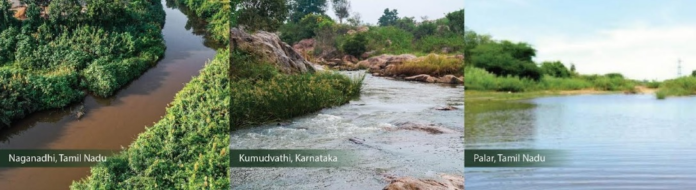
The efforts in Karnataka have been nothing short of transformative in regions such as the Kumudvathi, Vedavathi, and Palar river basins.
 

  • 40,000+ structures designed to let rainwater naturally recharge the groundwater. 
  • 1,50,000+ trees planted
  • 1,00,000+ cubic metres of desilting completed
  • 13,000+ villages benefited

Bangalore, once known for its lakes and greenery, now exemplifies the impact of uncontrolled urban sprawl. The Art of Living is tackling this challenge:
 

  • 14,000 groundwater recharge structures planned across the most affected areas.. 
  • 500 JalTara structures already installed in Tumkur, Kolar, and Kanakapura

Plans are afoot to add about 10,000 groundwater structures in Chikballapur, Malur, and Devanahalli talukas – including 2,450 structures to be completed this year.

Sangareddy District, Telangana: Addressing Water Scarcity with JalTara

  • 1,000 JalTara structures being built to enhance rainwater harvesting and boost groundwater levels 
  • 300 recharge structures completed
  • Ongoing work progressing steadily with CSR collaboration

44,000 Women Revive Naganadhi – after a 20 year dry spell!

This project showcases the power of combining grassroots efforts with innovative solutions, driving significant environmental and social change.

  • Revitalised the Naganadhi River and empowered over 44,000 women through MGNREGA
  • Providing employment, income stability, and technical training for women leaders
  • Rejuvenating 25 river streams across 15 districts in Tamil Nadu

Key Recognitions:

  • Highlighted by Prime Minister Narendra Modi in “Mann Ki Baat”
  • Awarded by Tamil Nadu Governor R. N. Ravi for exceptional contribution

Reviving Andhra’s Rivers: A Bold Step Toward Water Restoration

Issue: Declining rivers and groundwater due to deforestation, soil erosion, and overuse

Focus: Revitalising Cuddapah and Anantapur river basins

Progress: Phase 1 training completed in Kadapa

Current Work: 1,000 recharge structures planned for Muddanur Mandal, with 400 already in place

The Bhujal Shakti River Rejuvenation Project, Uttar Pradesh

  • Chamraua Block: Previously labelled “overexploited” in 2017 by the Groundwater Authority of Uttar Pradesh.
  • Achievements: 283 recharge shafts installed across 120 ponds and Subsurface dyke (SSD) implemented across 74 villages in six talukas.
  • Recognition: Water Conservation Appreciation Award by Uttar Pradesh Chief Minister Yogi Adityanath for 2022-23.

Gobind Sagar Catchment Project in Lalitpur District, Uttar Pradesh demonstrates effective water management:

  • 106 groundwater recharge structures installed (52 recharge wells, 52 boulder checks, 2 recharge bore wells).
  • New initiative to build 130 additional structures (boulder checks, recharge wells and more) across six villages in Lalitpur district.

Addressing water pollution & resource restoration with Jal Shuddhi & Pond Rehabilitation Projects in Punjab & Rajasthan

  • Punjab: Implemented 2 constructed wetlands (Jal Shuddhi tanks) to reduce pollution and improve water quality
  • Bhiwadi, Rajasthan: Rehabilitating a village pond to enhance ecological health and beautify the area

JalTara’s Groundbreaking Triumph in Maharashtra

  • 57,480+ structures constructed
  • 2,01,200 acres covered
  • Groundwater levels increased by 14 feet
  • Crop yield rose by 42%
  • Zero water logging, increased crop production and enhanced economic benefits 

Through projects like these, The Art of Living isn’t just addressing the immediate water crisis – it is setting the stage for a future where communities live in harmony with their natural resources. Their initiatives demonstrate the potential of combining scientific know how, grassroots mobilisation, and a deep commitment to sustainability.The ripple effect of the organisation’s work will be felt for generations to come, proving that when we act with purpose and vision, we can truly change the world.

About The Art of Living Social Projects 

Inspired by the world renowned humanitarian and spiritual leader Gurudev Sri Sri Ravi Shankar; The Art The Art of Living champions various initiatives, including water conservation, sustainable agriculture, afforestation, free education, skill development, women empowerment, integrated village development, renewable energy and waste management. 

Laapata Ladies selected in Oscars 2025

0


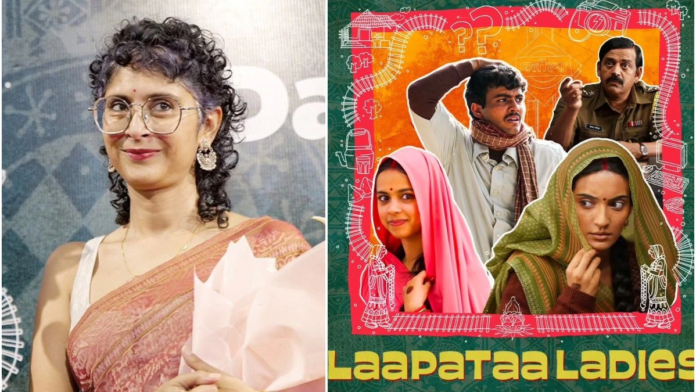
It’s official! Kiran Rao’s Laapataa Ladies is India’s official entry for Oscars. Basically, a satire on patriarchy, the film has been chosen from 29 contenders out of a list of 29 films including Bollywood hit Animal, Malayalam National Award winner “Aattam” and Cannes winner “All We Imagine As Light”. The film has been selected under best foreign language category. 

The 13-member select committee headed by Assamese director Jahnu Barua unanimously decided on Laapataa Ladies, which has been produced by veteran actor Aamir Khan and Kiran Rao, for reckoning in the best international film category at the Academy Awards. Tamil film Maharaja, Telugu titles Kalki 2898 AD and Hanu-Man, as well as the Hindi films Swatantraya, Veer Savarkar and Article 370 were also on the list. Malayalam superhit 2018: Everyone is a Hero was sent last year. In 2023, RRR, The Elephant Whispers, All That Breathes have notched Oscars under different categories.

Dream Come True!

In an interview with PTI, Kiran said, “My dream would be fulfilled if it was, if it would go (to Oscars). But it’s a process, and I’m hoping it’ll (Laapataa Ladies) be considered. I’m sure the best film will go, whoever they choose in the scheme of things.”

It has long been Kiran Rao’s dream for her film to represent India on the Oscar stage. However, she acknowledged that the Film Federation of India (FFI) will ultimately decide which film will be selected.

“Laapataa Ladies” is a heartwarming tale of two rural Indian brides who accidentally switch places during a train ride in 2001. Produced by Rao’s Kindling Productions and Aamir Khan Productions, the film empowers women and received widespread critical acclaim upon its release in March. Starring Nitanshi Goel, Pratibha Ranta, Sparsh Shrivastav, Ravi Kishan, Chhaya Kadam, and Geeta Aggarwal Sharma, “Laapataa Ladies” is a heartwarming and empowering story.

Last month, Rao and Khan participated in a special screening of the film at the Supreme Court of India, which was organized for judges, their families, and officials.

“It’s the vision and foresight of our chief justice to screen a film like this for staff and for justices to start conversations on gender parity, gender equality, women’s empowerment. The fact that he watched the film and reached out to us, we couldn’t believe it. We were so grateful and excited. It really gave us a chance to take this film to a wider consciousness and audience because the Supreme Court and the chief justice himself have in some way endorsed the film or put their goodwill into promoting the film in their circle. It really made or did a lot for our film, even for audiences as they felt that, ‘wow, there’s merit in watching this film’. It really helped our film even get out further,” Kiran Rao further said as she was overwhelmed by the positive response that her film received.

The film aims to promote gender equality and women’s education and empowerment in the rural areas of India, garnering critical praise.

Milan Fashion Week Concludes with a Gala Celebrating Sustainability and Diversity

0

MILAN — Milan Fashion Week ended in spectacular fashion as designers wrapped up six days of womenswear runway previews with a gala at Milan’s iconic Teatro alla Scala. The event wasn’t just about the glamour of the fashion world—it was an awards ceremony focused on celebrating sustainability and innovation within the industry.

This year’s gala highlighted the ongoing efforts to promote green innovations, a recognition that began in 2017. The awards aim to spotlight brands and designers making meaningful strides in reducing their carbon footprint and improving sustainability practices. These initiatives reflect a growing awareness of fashion’s impact on the environment, a shift from the industry’s historical association with excess and waste.

Milan Fashion Week Concludes with a Gala Celebrating Sustainability and Diversity

Black Carpet Awards Honor Excellence Among People of Color

Alongside the sustainability awards, Milan also hosted the second edition of the Black Carpet Awards, a ceremony that recognizes and celebrates contributions from people of color living and working in Italy. British fashion designer Ib Kamara and Angolan supermodel Maria Borges were among those presenting honors at the event, which aims to promote equity and acknowledge achievements across various sectors.

This year’s honorees included:

  • Danielle Madam, a shot-putter champion,
  • Alberto Malachino, an actor making waves in Italian cinema,
  • Cinzia Adanna Ebonine, an educator who founded a platform to advocate for inclusive education,
  • Justin Randolph Thompson, founder of Black History Month Florence,
  • Alice Edun, the entrepreneur behind Italy’s first haircare brand designed for curly hair.

Many of the award recipients delivered their speeches in Italian, a deliberate choice to underscore their integration into Italian society. Cinzia Adanna Ebonine expressed her gratitude, saying, “This award makes me seen in my entirety, not just as a Black person working in a predominantly white context, but as a professional striving to make a difference.”

The event attracted international attention, with Anna Wintour making an appearance to meet the honorees before the ceremony. Michelle Francine Ngonmo, founder of Afro Fashion Week and the driving force behind the Black Carpet Awards, emphasized her hope that future editions will include prize money, potentially expanding the impact of the awards.

Ferrari’s Fashion Revolution

Meanwhile, Ferrari demonstrated its blend of high fashion and automotive excellence during Milan Fashion Week. Rocco Iannone, Ferrari Style’s creative director, drew inspiration from the brand’s iconic sports cars for this season’s collection. Key pieces included supple leather looks reminiscent of car interiors and denim with unique tactile pinstripes. The standout accessory remained the hard-case clutch, designed in the shape of a Ferrari sports car.

Iannone described the brand’s commitment to craftsmanship, stating, “Performance for us is craftsmanship, and it is conveyed through fabrics.”

Tokyo James: Challenging Perfection in Fashion

British-Nigerian designer Tokyo James used his Milan Fashion Week collection to challenge the industry’s obsession with perfection. His pieces featured intentional imperfections, such as misaligned seams, which served as a commentary on the need for fluidity in fashion. James, who made his Milan debut during what was hailed as a “Black Renaissance” in Italian fashion, remains one of the few Black designers in the country.

Reflecting on the future, James said, “We have to stop pursuing perfection all the time. It’s a fight against the way the industry is. We need to be more fluid.”

Francesca Liberatore: A Sculptor’s Tribute

Designer Francesca Liberatore paid homage to her father, sculptor Bruno Liberatore, with a collection inspired by his pyramidal structures. The designs included playful bell skirts featuring jutting pyramid shapes, which transitioned into more wearable styles, such as a mini version with pink cotton panels. Liberatore also featured intricate floral patterns, embroidered white-on-white, symbolizing the importance of roots and family heritage.

Speaking about her collection, Liberatore said, “It was my personal story, with my father.”

A Future Focused on Sustainability and Diversity

Milan Fashion Week 2024 closed on a powerful note, with the industry not only pushing boundaries in fashion but also emphasizing sustainability and inclusivity. As the fashion world continues to evolve, the gala at Teatro alla Scala demonstrated that innovation, diversity, and environmental responsibility are becoming integral components of the industry’s future.

Top 10 U.S. Sea Locations for Marine Wildlife Viewing in 2024

0

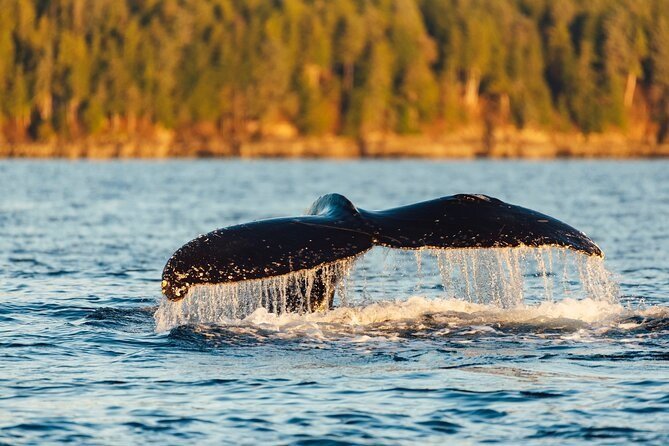
A recent study by DIPNDIVE has identified the top ten sea locations in the United States for marine wildlife viewing, considering factors like activity costs, estimated annual visitors, and Instagram posts. Whether it’s whale watching, dolphin sightings, or shark diving, these destinations offer diverse experiences for ocean enthusiasts. Let’s dive into the top spots for observing marine life and what makes them stand out.

1. Malibu, California

Score: 59.9
Topping the list is Malibu, California, with a strong combination of high visitor numbers and social media buzz. Attracting 15 million annual visitors and generating 4.1 million Instagram posts, Malibu ranks third in both categories. Offering shark diving opportunities with sevengill and leopard sharks for $199, it is a premier destination for ocean enthusiasts seeking an adventure-filled experience.

2. Santa Monica, California

Score: 57.6
Ranking second is Santa Monica, which leads with the most Instagram location posts at 5.7 million. Despite welcoming fewer visitors—4.6 million annually—Santa Monica remains a social media favorite, drawing attention to its bottlenose dolphin watching tours. Priced at $35, the activity offers a balance between affordability and an engaging marine experience, making it a hotspot for dolphin enthusiasts.

3. Newport Beach, California

Score: 53.8
Known for its whale watching, Newport Beach takes third place with 10 million visitors and 4.3 million Instagram posts. The location is popular for blue and gray whale sightings, offering an accessible whale-watching experience priced at $36. Its combination of high visitor engagement and reasonable pricing makes it a popular choice for both locals and tourists.

4. San Diego, California

Score: 52.5
With the highest number of annual visitors—a staggering 31.8 millionSan Diego proves its popularity as a tourist hub. However, it ranks lower in the overall list due to its higher cost for shark diving with blue and mako sharks, priced at $499. Despite its steep price, San Diego remains a must-visit for adventure seekers, though its Instagram posts—at just 228,000—are relatively low compared to other destinations.

Top 10 U.S. Sea Locations for Marine Wildlife Viewing in 2024

5. Galveston, Texas

Score: 40.9
For budget-conscious travelers, Galveston stands out as the most affordable location for marine wildlife viewing, offering dolphin watching tours for only $25. With 19 million annual visitors—the second-highest in the study—and 1.2 million Instagram posts, Galveston provides a cost-effective yet engaging experience for families and nature lovers alike.

6. Virginia Beach, Virginia

Score: 38.1
Virginia Beach ranks sixth with a smaller crowd of 1 million annual visitors, but its Instagram presence is strong with 4.1 million posts—matching Malibu. Visitors can enjoy dolphin watching tours for $27, making Virginia Beach an affordable option for observing bottlenose dolphins in a scenic coastal setting.

7. Hilton Head Island, South Carolina

Score: 29.2
With 7 million visitors annually and 2 million Instagram posts, Hilton Head Island offers a tranquil yet engaging environment for dolphin watching, priced at $30. Its balance of visitor numbers, Instagram presence, and affordability makes it a noteworthy spot for those traveling in the Southeastern U.S.

8. Sarasota, Florida

Score: 24.2
Known for its bottlenose dolphin sightings, Sarasota takes eighth place but comes with a higher price tag of $45 per dolphin-watching tour. Despite attracting 2.7 million visitors and accumulating 2.2 million Instagram posts, Sarasota’s relatively higher costs push it further down the list compared to more affordable destinations.

9. Cape May, New Jersey

Score: 23.5
At $55 per dolphin-watching tour, Cape May offers the second-highest pricing on the list. With 10 million visitors annually but a more modest 803,000 Instagram posts, Cape May is a popular yet quieter option for those looking to enjoy bottlenose dolphins without the crowd-heavy atmosphere of other top destinations.

10. Pensacola, Florida

Score: 15.3
Rounding out the top ten is Pensacola, which offers shark diving with bull and sandbar sharks for $195. With 2 million visitors and 1.3 million Instagram posts, Pensacola caters to those seeking a more intimate, less tourist-heavy marine wildlife adventure, perfect for thrill-seekers looking for a unique experience.

Social Media’s Influence on Marine Tourism

A spokesperson from DIPNDIVE commented on the findings, saying, “The fascination with marine wildlife experiences is not just about the animals, but also about how accessible and shareable these experiences have become. With social media boosting the appeal of destinations, places with strong Instagram presence are increasingly attracting visitors, making digital visibility almost as important as the wildlife itself.”

Summing Up

From affordable dolphin-watching tours in Galveston to adventure-filled shark diving in Malibu, these top sea locations offer a wide range of marine wildlife experiences across the U.S. Whether you’re looking for budget-friendly activities or once-in-a-lifetime encounters, these destinations combine scenic beauty, engaging wildlife, and an undeniable social media appeal. If you’re a marine wildlife lover or simply looking for your next ocean adventure, these locations are certainly worth considering.

New COVID Variant XEC, All you need to know

0

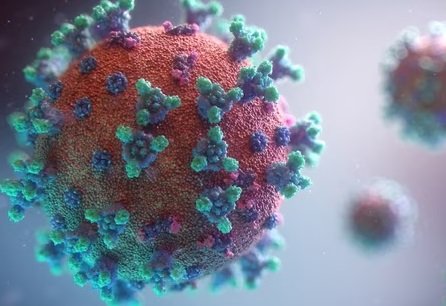
A newly discovered COVID-19 variant, XEC, is spreading rapidly across several regions of the world. First detected in Germany in August 2024, scientists are now closely monitoring this variant, as it is expected to become the dominant strain globally. XEC is a recombinant variant, which means it was formed through a genetic combination of two distinct strains of the virus. Here’s a detailed look at this new variant and its potential impact.

Understanding Recombinant Variants

Recombinant variants, like XEC, emerge when an individual is infected with two different COVID-19 variants simultaneously. In such cases, these two variants can mix their genetic material, leading to the creation of a new, combined version of the virus. In the case of XEC, it is a blend of the KS.1.1 and KP.3.3 variants, which are both derived from an earlier strain known as JN.1.

Spread and Current Prevalence

Since its discovery, XEC has spread to 27 countries, with over 600 reported cases. The variant has primarily gained traction in Europe, North America, and Asia. Germany currently reports the highest number of cases at 13%, followed by the UK at 7%, and the US with under 5% of global cases. Other variants, such as KP.3.1.1 and KP.3.3, remain more prevalent in these regions, but XEC’s rapid growth suggests it could soon surpass them.

Growth Advantage and Mutations

The rapid spread of XEC can be attributed to specific mutations that may enhance its transmissibility. The variant carries mutations in its spike protein, the part of the virus that enables it to enter human cells. Notably, the T22N mutation from KS.1.1 and the Q493E mutation from KP.3.3 could make it easier for XEC to infect people by increasing its ability to bind to cells. However, researchers are still investigating whether these changes will impact the severity of the illness caused by the variant.

Impact on Disease Severity

While XEC’s rapid spread is a cause for concern, there is no clear evidence to suggest that it leads to more severe illness compared to other COVID-19 variants. The symptoms of XEC infections are expected to mirror those of previous variants, including high fever, sore throat, cough, headaches, and fatigue. Further research is needed to determine whether XEC could lead to more serious health outcomes, but as of now, its clinical impact appears to be similar to existing strains.

Monitoring and Vaccination Efforts

As XEC continues to spread, vaccination remains a critical tool in combating the virus. The UK is preparing to roll out a new booster vaccine in October, targeting the JN.1 variant, which is closely related to XEC. This booster is expected to offer some level of protection against XEC as well. Meanwhile, global health authorities are actively monitoring XEC alongside other variants, such as MV.1, to stay ahead of potential new waves of infections.

Despite XEC’s fast spread, it is important to note that other variants may still pose a higher threat. Continuous genomic surveillance is essential to track the evolution of COVID-19 and ensure timely responses to new developments. In addition, maintaining high vaccination rates will help limit the spread of emerging variants and reduce the risk of severe illness.

About COVID-19 Variants

COVID-19 variants arise when the SARS-CoV-2 virus undergoes mutations. Some mutations have given rise to well-known variants like Alpha, Beta, Delta, and Omicron, each differing in their transmissibility, disease severity, and ability to evade vaccine-induced immunity. The World Health Organization (WHO) labels certain variants as “variants of concern” (VOC) or “variants of interest” (VOI) based on their potential to impact public health. Identifying and tracking these variants through genomic surveillance is crucial to managing the ongoing pandemic.

Summing Up

XEC represents a new chapter in the evolving story of the COVID-19 pandemic. While it may spread more easily due to its recombinant nature and specific mutations, there is currently no evidence to suggest it causes more severe illness. Vaccination campaigns and continued monitoring will play a key role in managing this variant, as well as any others that might emerge in the future. Staying informed and vigilant remains essential as the global fight against COVID-19 continues.

National Achievement Survey 2024 Set for December 4

0

The National Achievement Survey (NAS) 2024 is scheduled to take place on December 4, 2024, marking an important event in India’s education system. This nationwide survey will evaluate the learning outcomes of school students and provide a comprehensive snapshot of academic progress across the country. In this edition, the survey is set to assess around five million students from Classes 3, 6, and 9, a significant increase from the 3.7 million students evaluated in the previous survey conducted in 2021.

Survey Coverage

The NAS 2024 will cover students from 792 districts spread across 36 States and Union Territories. The survey will target three crucial levels of education—Class 3, Class 6, and Class 9—which represent key milestones in a student’s educational journey, transitioning from foundational learning to more advanced concepts. These grades provide a clear insight into how well students are grasping core subjects as they progress to higher levels of learning.

A distinctive feature of NAS 2024 is its inclusivity. The survey will be conducted in 26 languages, allowing students from various linguistic backgrounds to participate. Notably, six new languages—Kashmiri, Sanskrit, Sindhi, Santhali, Maithili, and Dogri—have been added to the existing 20 languages used in previous surveys, further enhancing the diversity of the assessment.

Assessment Methodology

To ensure fair representation, the NAS will employ random sampling to select the schools and students that will participate. Each grade level will have a tailored set of questions designed to test their understanding in various subjects:

  • Class 3 students will answer 45 multiple-choice questions (MCQs) in subjects like language, mathematics, and environmental science. They will have 90 minutes to complete the test.
  • Class 6 students will tackle 51 MCQs, focusing on the same subjects but with a greater degree of difficulty to match their academic level.
  • Class 9 students will face 60 MCQs, which will assess their knowledge of subjects learned in Classes 6 to 8. They will have 120 minutes to finish the test.

Competency-Based Assessment

The NAS uses a competency-based assessment model, which goes beyond testing rote memorization. It evaluates not only what students know but also how well they can apply that knowledge to real-world situations. This approach ensures a deeper understanding of students’ competencies in practical applications, critical thinking, and problem-solving.

Additionally, the survey will consider external factors that might impact students’ performance, such as the learning environment and socio-economic conditions. The results will be presented in the form of district-level report cards, offering granular insights into the performance of students in different regions, thereby allowing for more targeted interventions to improve education quality.

Trends and Expectations

Past NAS surveys have highlighted the challenge of declining student performance as they advance through school, especially from Class 3 to Class 10. This year’s survey is expected to shed light on how well students have recovered from the learning losses caused by the COVID-19 pandemic, which significantly disrupted education across the globe. The results, which are expected to be available by February 2025, will provide critical insights into the effectiveness of remedial measures taken since the pandemic and the overall health of India’s education system.

About the National Achievement Survey

The National Achievement Survey was first conducted in 2001 and is organized by the National Council of Educational Research and Training (NCERT). Held every three years, the survey evaluates student performance in key subjects such as math, science, and language. It also takes into account the social and economic factors that affect learning outcomes, making it a holistic tool for assessing the state of education in India.

By including students from both urban and rural areas, NAS is one of the most comprehensive and extensive educational assessments conducted in the country. The data collected through NAS helps shape national education policies and informs efforts to improve teaching methods and curricula, ensuring that Indian students are equipped with the knowledge and skills they need to succeed.

Summing Up

As India prepares for NAS 2024, the survey stands as a vital tool in assessing the quality of education and understanding the academic achievements of millions of students. By offering a detailed look at student performance, socio-economic conditions, and the effectiveness of current educational strategies, the National Achievement Survey plays a key role in shaping the future of learning in India.