Home Blog Page 481

WETEX 2024: A Global Showcase of Sustainable Innovation

0

The 26th Water, Energy, Technology, and Environment Exhibition (WETEX) 2024 has officially commenced at the Dubai World Trade Centre, drawing global attention to the latest advancements in renewable energy, water treatment, and environmental technologies. Organized by the Dubai Electricity and Water Authority (DEWA), this prominent event features participation from 29 esteemed Indian companies, reflecting India’s commitment to fostering a green economy.

Significance of Indian Participation

Sunjay Sudhir, the Indian Ambassador to the UAE, underscored the importance of India’s involvement in WETEX 2024, emphasizing the country’s focus on promoting technologies and projects that align with the Sustainable Development Goals (SDGs). These initiatives target critical areas such as clean energy, water conservation, and environmental protection, highlighting India’s proactive role in addressing global sustainability challenges.

Strengthening UAE-India Economic Ties

India’s participation also signifies the strengthening economic relationship between India and the UAE. Since the implementation of the Comprehensive Economic Partnership Agreement (CEPA) in May 2022, trade between the two nations surged to an impressive $84.5 billion from April 2022 to March 2023, with projections suggesting it could reach $100 billion by 2027. This partnership underscores the mutual benefits and collaborative potential between the two countries.

Investment Landscape and Future Prospects

The UAE stands as a significant investor in India, ranking seventh among foreign investors. In 2023, the UAE invested $18 billion across various sectors in India, further cementing the growing economic ties. This investment landscape not only fosters bilateral cooperation but also creates new opportunities for innovation and sustainable development.

A Global Platform for Sustainable Technologies

WETEX 2024 is a landmark event on the global stage, featuring 16 international pavilions from 14 countries, all united in promoting sustainable technologies related to water, energy, and the environment. The exhibition serves as a vital platform for countries and companies to collaborate in addressing pressing environmental challenges, fostering innovative solutions for a sustainable future.

About WETEX 2024

Organized by DEWA, WETEX 2024 hosts over 1,500 exhibitors from approximately 50 countries, showcasing cutting-edge innovations in renewable energy and smart technologies aimed at enhancing resource management. The exhibition will also feature a series of conferences where experts will engage in discussions on critical environmental issues. Anticipated to attract over 20,000 visitors, WETEX 2024 plays a crucial role in the UAE’s strategy to promote sustainability and conserve water, solidifying its position as a leader in environmental innovation.

Dussehra celebration in India: from Kullu to Mysore

0

Vaidehi Bhargava

Dussehra, the vibrant festival symbolizing the triumph of good over evil, is fast approaching, and with it comes a kaleidoscope of celebrations across India. From the grand processions in Kullu to the royal pageantry in Mysore, each region adds its unique cultural flavor to this age-old festival. Let’s take a journey through the diverse ways Dussehra is celebrated across the country, showcasing the rich traditions and colorful festivities that make it a truly pan-Indian experience.

In the heart of every Indian festival lies the celebration of life, where faith, family, and festivities come together in perfect harmony. In India, every festival is a bridge connecting us to our roots, our beliefs, and to one another. Dussehra, also known as Vijayadashami, is a grand celebration of the eternal triumph of good over evil, deeply rooted in Hindu mythology.

India, known for its vibrant culture and diverse traditions, celebrates Dussehra with grandiosity across different regions, from the majestic hills of Himachal Pradesh to the royal city of Mysore. This festival showcases a colorful tapestry of customs, values, and local flavor.

Nestled amid the breathtaking landscape of the Himalayas, Kullu Dussehra offers a unique experience that stands apart from the rest of the country. Dussehra culminates in the burning of Ravan’s effigy, but Kullu celebrates this festival with a distinct spiritual fervor. The week-long celebrations begin on Vijayadashami when a procession of deities from surrounding villages is carried to Dhalpur Maidan. The presiding deity, Lord Raghunath, is at the heart of this procession, flanked by thousands of other deities. This event is not just a religious gathering but also a cultural carnival, with performances, folk dances, and fairs adding to the festive vibes. The key aspect of Kullu Dussehra is its deep connection to nature and divinity.

In stark contrast, Mysore Dussehra is known for its opulence and grandeur, a legacy that dates back to the era of the Wodeyar dynasty. This celebration seamlessly blends religious rituals with royal splendor, making it one of the most famous and widely attended Dussehra events in the country. The Mysore Palace becomes the epicenter of the celebration, adorned with thousands of lights, giving it an ethereal glow. A series of events unfold over ten days, culminating in the grand Jumbo Savari procession on Vijayadashami. Elephants, adorned in regal finery, carry the golden idol of Goddess Chamundeshwari, the royal family’s deity, through the city streets, accompanied by music and a parade of decorated horses and camels.

The cultural richness of Mysore Dussehra shines through in its variety of performances, from traditional Carnatic music to modern plays, art exhibitions, and wrestling matches. The festival symbolizes the victory of Goddess Chamundeshwari over the demon Mahishasura, after whom the city is named. It is a journey through tradition and culture.

Both Kullu and Mysore offer a unique experience of Dussehra—one spiritual and serene, the other royal and majestic. Together, they demonstrate the diversity of India’s culture and landscape, and the myriad ways in which festivals reflect a region’s history, people, and beliefs. Dussehra is a reminder that no matter how long darkness reigns, the light of truth and righteousness will always rise to conquer.

National Wildlife Week 2024: Celebrating Nature’s Beauty and Promoting Conservation

0

On the occasion of National Wildlife Week 2024, the Department of Wildlife Protection in Jammu and Kashmir kicked off the celebrations with an engaging inaugural event at the picturesque Dachigam National Park. Held from October 2 to 8, this year’s theme focuses on celebrating the beauty of nature and raising awareness about the urgent need to conserve wildlife. The week-long activities are designed to foster a deeper understanding of wildlife protection and encourage participation in conservation efforts.

Gathering of Young Minds

The event attracted an enthusiastic crowd of school students, who participated in various educational and interactive activities aimed at promoting wildlife conservation. These young minds were given a chance to explore nature and learn about the vital role wildlife plays in maintaining ecological balance. The participation of students is central to instilling the values of environmental responsibility from an early age.

Activities That Made an Impact

A variety of activities were organized for the students, including nature walks, hands-on workshops, and interactive sessions with wildlife experts. These sessions provided invaluable insights into the importance of protecting wildlife, illustrating how ecosystems depend on biodiversity for stability and health. Through these activities, students were not only educated but also inspired to take action for wildlife conservation.

Statements from Officials

In his opening remarks, Tawheed Ahmad Deva, Regional Wildlife Warden, stressed the importance of such events in rekindling the commitment to safeguarding nature. He highlighted that teaching young people about environmental responsibility is crucial, as they are the future guardians of our planet. Deva expressed hope that these initiatives would inspire a generation of wildlife advocates and environmental stewards.

Wildlife Week 2024: Ongoing Celebrations

The celebrations for Wildlife Week 2024 extend beyond the inaugural event at Dachigam. A series of activities have been planned throughout the week, including:

  • Nature-themed movie screenings to emphasize the beauty of wildlife and the need for conservation.
  • Art competitions, where students can creatively express their thoughts on nature and wildlife.
  • Expert discussions and talks, fostering community engagement and encouraging individuals to become active participants in wildlife protection efforts.

Each of these activities is designed to build a stronger connection between people and nature, while fostering a sense of responsibility for the environment.

Notable Attendees

The event was graced by several key figures dedicated to wildlife conservation, including Rashid Y. Naqash, Parvez Wani, Intesar Suhail, Aliya Mir, and Nadeem Qadri. Their presence underscored the importance of the occasion and highlighted the collaborative efforts required to protect wildlife in the region.

Summing Up

National Wildlife Week 2024 serves as a vital platform to remind us of the importance of conserving our natural world. Through educational programs, community involvement, and a celebration of nature’s beauty, Jammu and Kashmir’s Department of Wildlife Protection is actively promoting wildlife conservation. The ongoing efforts this week are a powerful call to action for future generations to protect and cherish the diverse ecosystems that sustain life on Earth.

Dandiya nights – fusion of different cultures and attires

0

Vaidehi Bhargava

Jhankaar ghungroo ki , chamak rango ki, dandiya ki raat mein , hai muskaan dilon ki .

Dandiya nights are a dazzling symphony of tradition and festivity, where the air is filled with rhythmic beats and vibrant colors. Navratri is a celebration of life, love and devotion. The nights are live with the swirls of lehengas, the shimmer of ornaments and the infectious energy of synchronised dance steps. Rhythmic beats of the dhol reverberates through the air.

Dandiya nights are incomplete without the iconic ghagra choli. The attire, a symbol of cultural pride is worn with grace and joy, adding colours and charms to the festive nights. Nowadays fusion of attires are stealing the spotlight. Fusion grabs the attention. Embroidered jackets can never go wrong whether it’s western, Indian or Indo – Western. It elevates and enhance the looks. It’s unmatched versatility allows it to be styled in a myriad of ways . You’ re donning a simple jacket with sarees or jumpsuits
Layer on a lavishly embroidered jacket accessorize with a oxidised jewellery as it elevates your look and you’re effortlessly poised to shine at dandiya nights.


A white crisp shirt , is an essential staple in every girl’s wardrobe effortlessly transforms and elevates your look. It adds more beauty to the swirls. Pair it with a flowing skirt, palazzos and sarees. It creates a look that is both elegant and versatile. A flowy skirt vibe embrace with every twirl.

A girl can accessorize thoughtfully with striking earings, a delicate necklace, mang tika, bold kadas and nose pin. Choose one standout piece to enhance your look without overwhelming it , ensuring an effortlessly chic appearance.
Lehenga with a contemporary twist , pair a mirror work lehenga with an off- shoulder blouse or go for a cape . A vibrant palette like mustard, teal or fuchsia will make you look different.


Shararas are not only super comfortable but also add flare to your look. Pair a vibrant, heavily embroidered shararas with a simple crop top or blouse . Play with contrast opt for muted top with a heavily worked bottoms or vice versa. Add some jhumkas and a sleek ponytail or bun to complete the look . Dandiya nights is choosing, outfits that blends traditional with current fashion trends while allowing you to dance freely

25 New films will be shot in the PinkCity within next coming 6 months

0

Jaipur, also known as the Pink City, is becoming a preferred destination for filmmakers across the country, boosting not only the tourism industry but also providing employment opportunities to local youth. In the past year alone, over 150 films have been shot across Rajasthan, and the momentum continues to grow. The state’s Department of Tourism is actively promoting film tourism, which not only showcases the beauty of Rajasthan but also strengthens its cultural appeal on a global platform.

Surge in Applications for Filming Locations

Every month, the tourism department receives three to four applications from production houses looking to shoot in Jaipur. The city’s iconic landmarks, historical monuments, and picturesque locations have captured the attention of filmmakers, making it a sought-after location for shoots. According to officials, the trend is expected to gain even more traction, with over 25 films scheduled to be shot in Jaipur over the next six months, turning the city into a vibrant hub for film productions.

Jaipur’s Stunning Locations Favored by Filmmakers

Among the most popular locations in Jaipur is the stunning Patrika Gate at Jawahar Circle. With its vibrant colors and intricate designs, this site has become a favorite for film crews, and at least three to four upcoming films will feature this beautiful backdrop. Additionally, other iconic locations such as Amer Fort, Statue Circle, and Birla Temple are regularly chosen by filmmakers. These settings not only enhance the visual appeal of films but also bring attention to Jaipur’s rich architectural heritage.

This continuous influx of film crews will also bring several prominent stars to Jaipur, boosting the city’s global presence as a filming destination. As film shoots continue, Jaipur is set to gain international recognition through the branding created by these productions.

Film Shoots Across Rajasthan

While Jaipur stands at the forefront of film tourism, other cities in Rajasthan have also become popular filming locations. According to recent data, 35 films were shot in Jaipur, followed by 19 in both Udaipur and Jodhpur. Other districts such as Ajmer, Jaisalmer, Nagaur, and Chittorgarh have also witnessed a surge in film shoots. The unique landscapes and heritage sites in these regions provide filmmakers with diverse and breathtaking options for their projects.

Breakdown of Film Shoots by District (October 2023 – September 2024):

  • Jaipur: 35 films
  • Udaipur: 19 films
  • Jodhpur: 19 films
  • Ajmer: 10 films
  • Jaisalmer: 9 films
  • Nagaur: 4 films
  • Kota: 4 films
  • Bharatpur: 1 film
  • Bikaner: 2 films
  • Chittorgarh: 2 films
  • Hanumangarh: 1 film

These figures highlight the increasing demand for Rajasthan’s scenic beauty in films, which is helping the state’s tourism sector expand beyond traditional sightseeing.

Employment and Opportunities

Film tourism in Rajasthan has not only promoted the state’s culture and heritage but has also created numerous job opportunities for local residents. From providing technical support to acting as extras in films, local talent is getting a chance to be part of the booming film industry. The continuous rise in film tourism is expected to generate more such employment opportunities in the coming years.

Summing Up

With over 150 films shot in the past year and many more in the pipeline, Rajasthan is fast emerging as a preferred filming location in India. The combination of the state’s rich history, stunning architecture, and active promotion by the tourism department has placed it firmly on the map for filmmakers. As Jaipur and other cities in Rajasthan continue to attract filmmakers from across the country, the state’s cultural and tourism sectors are set to flourish further, benefiting both the local economy and its global reputation.

Do you know about this Dant Mata in Jamwa Ramgarh known for divine magic where wishes of the devotees are fulfilled..

0

Located 30 kilometers northeast of Jaipur, nestled in the hills of Jamwa Ramgarh, lies the ancient temple of Dant Mata, a shrine with a rich history and deep-rooted faith. Built 1,729 years ago by King Rao Seengoji of the Sehra dynasty, this temple is a revered Shakti Peeth, dedicated to Dant Mata, considered the family deity of the Meena community’s Sehra Rajvansh.

The Legend and Significance of Dant Mata

According to local lore, Dant Mata was riding a golden chariot through the hills when she was spotted by shepherds. Upon being seen, she chose to remain there, and ever since, the front portion of her chariot has been worshipped as a manifestation of Dant Mata. The temple is perched atop a hill at an elevation of 500 feet, and devotees must ascend 400 steps to seek her blessings. These steps are covered with a tin roof and a mesh to protect pilgrims from the elements.

The temple, made from a large stone slab, stands as a testament to centuries of devotion and the unwavering faith of the local community. Dant Mata is revered as a goddess who fulfills the wishes of her devotees, particularly those seeking blessings for the growth of their children’s teeth. The temple is considered sacred by families who come here with hopes and prayers for their little ones.

Pilgrimage During Navratri

During the auspicious nine days of Navratri, the temple becomes a hub of activity, drawing pilgrims not only from nearby villages but from distant regions as well. Devotees from Jaipur, Alwar, Dausa, Karauli, Bharatpur, Dholpur, Tonk, Sawai Madhopur, and Kota travel here, often on foot, to offer their prayers to Dant Mata. The temple, with its divine energy and scenic surroundings, serves as a spiritual retreat for these pilgrims.

Miraculous Blessings of Dant Mata

There is a long-standing belief that if a child’s teeth do not emerge naturally, parents should visit Dant Mata’s temple and seek her blessings. A sacred ash, known as bhubhuti, is taken from the temple and given to the child, after which it is believed that the child’s teeth will grow. Apart from this, the temple is known for fulfilling other wishes and devotees often visit the shrine to offer prayers for various personal desires.

Proximity to Jamwa Mata Temple and Jamwa Ramgarh Dam

The temple of Dant Mata is located just 2 kilometers away from the famous Jamwa Ramgarh Dam. Nearby, at the base of the hill, lies the ancient temple of Jamwa Mata, another important religious site. The entire area, with its temples and scenic landscape, offers a peaceful spiritual experience for devotees and visitors alike.

The Power of the Mountain

The ancient scriptures refer to Goddess Durga residing on a mountain, and it is believed that such a location amplifies the spiritual energy of the deity. Professor Anil Pratap Giri explains, “The goddess who resides on the Vindhya mountain is referred to as Vindhyavasini in the Puranas. Worshipping the goddess with unwavering devotion in such a location brings about spiritual blessings. Mountains naturally attract positive energy and elevate the consciousness of those who visit.”

Dant Mata’s temple, perched on the hill, symbolizes this connection between divine energy and nature. It stands as a beacon of faith for those who seek spiritual growth and fulfillment of their wishes.

Summing Up

The Dant Mata temple in Jamwa Ramgarh is not just a historical monument; it is a living testament to the power of faith and tradition. The temple’s rich history, combined with the devotion of its pilgrims, creates a sacred atmosphere where spirituality thrives. As Navratri brings a surge of pilgrims to its doors, the temple continues to be a source of hope, blessings, and divine grace for all who visit.

Navratri Festivities Begin at Vaishno Devi Shrine with Religious Fervour

0

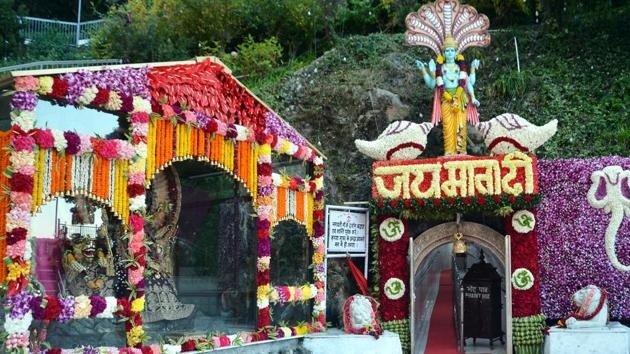
The nine-day Navratri festival commenced on Thursday at the sacred cave shrine of Shri Mata Vaishno Devi, nestled in the Trikuta Hills. The festival began with deep religious fervour as thousands of pilgrims made their way to the holy site to seek blessings. By 5 PM on the first day of Navratri, a remarkable 33,000 devotees had already arrived in Katra, the base camp for the upward journey to the revered shrine.

New Free Langar Sewa Launched

In an effort to enhance the pilgrimage experience, the Shri Mata Vaishno Devi Shrine Board (SMVDSB) launched a free langar sewa (community kitchen) on Thursday at the Ardhkuwari complex. This significant addition coincided with the commencement of the Shatchandi Yagya, a sacred fire ritual conducted at the shrine to mark the beginning of the Shardiya Navratri. The langar was inaugurated by the Shrine Board’s chief executive officer, Anshul Garg, under the direction of Lieutenant Governor Manoj Sinha.

The free langar sewa is now the fourth such initiative by the Shrine Board, joining other community kitchens located at Tarakote Marg, Sanjichhat, and Bhairon Ji. These langars have garnered widespread appreciation from pilgrims, providing nourishing meals as prasad to thousands of devotees. The newly inaugurated langar at Ardhkuwari, located on the terrace of Sheetla Bhawan, can accommodate up to 150 pilgrims at a time, offering a clean, welcoming space for nourishment during their spiritual journey.

Shatchandi Yagya and Religious Ceremonies

The nine-day long Shatchandi Yagya, an essential part of the Navratri festivities, was inaugurated amidst the recitation of Vedic hymns and religious chants. The yagya is being telecast live on MH1 Shraddha from 12 noon to 1:30 PM daily, allowing devotees across the country to witness the sacred rituals from afar.

In addition to the yagya, the Shrine Board has meticulously planned several other religious ceremonies and activities to enhance the spiritual atmosphere of the pilgrimage during Navratri.

Extensive Arrangements for Pilgrims

With a large number of devotees expected to visit the sanctum sanctorum during Navratri, the SMVDSB has made extensive arrangements to ensure a smooth pilgrimage experience. Key facilities include round-the-clock water and electricity supply along the tracks leading to the shrine, enhanced sanitation measures, and medical services for the comfort and safety of pilgrims. Special “fast-related” food items are also being provided at the Board’s bhojanalay for those observing religious fasts during the festival.

Furthermore, a 24×7 call center (18001807212) has been set up to provide additional support to pilgrims, addressing their inquiries and ensuring they have all the necessary information for a seamless pilgrimage.

As the Navratri festival unfolds, the Shri Mata Vaishno Devi Shrine becomes a beacon of devotion, drawing thousands of worshippers who come to offer their prayers, partake in the langar, and experience the divine atmosphere at this sacred site.

Survey Uncovers New Reptile and Amphibian Species in Mudumalai Tiger Reserve

0

A recent survey of reptiles and amphibians, known as herpetofauna, in the Mudumalai Tiger Reserve (MTR) has led to exciting new discoveries. Conducted in the Masinagudi Division from September 7th to 9th, 2024, the survey identified 33 species of reptiles and 36 species of amphibians. Among these, four species are potentially new to science, marking a significant breakthrough in biodiversity research.

Survey Overview

The survey covered various elevations ranging from 300 to 2,000 meters above sea level, exploring a diverse array of habitats within the Masinagudi Division. Led by Deputy Director Arun Kumar P. and guided by Field Director D. Venkatesh, this was the first comprehensive study of herpetofauna in this part of the reserve. The findings not only reveal the rich biodiversity of the region but also hold the potential to expand scientific knowledge on previously undocumented species.

Discovery of Potential New Species

During the survey, researchers discovered four species that may be entirely new to science:

  • Two gecko species: One from the Cnemaspis genus and another from the Hemidactylus genus.
  • One skink (a type of lizard).
  • One frog from the Sphaerotheca genus.

Further research, including taxonomic and molecular studies, will be required to confirm the novelty of these species. Scientists will analyze both the physical characteristics and genetic material of the collected specimens to officially classify them as new.

Endangered Species Identified

The survey also documented several endangered species, highlighting the ecological significance of the reserve. Notable findings include:

  • Cave dancing frog (Micrixalus spelunca).
  • Indraneil’s night frog (Nyctibatrachus indraneili).
  • Striped coral snake (Calliophis nigrescens).
  • King cobra (Ophiophagus hannah).
  • Nilgiri burrowing snake (Plectrurus perrotetii).

These species are either endangered or endemic to the region, making their presence critical for conservation efforts.

Ecological Importance of Masinagudi Division

The Masinagudi Division within MTR is a vital ecological zone, consisting of a mix of forests and shrub jungles that provide ideal habitats for a wide variety of species. This area is also a biodiversity hotspot within the Western Ghats, one of the world’s most diverse ecosystems. Its rich flora and fauna, along with its key role as a water source for wildlife and nearby human communities, underscore its importance for ecological balance.

Future Surveys and Discoveries

This survey is only the beginning of efforts to explore the biodiversity of the Mudumalai Tiger Reserve. Additional surveys are planned for the upcoming monsoon season, particularly in more remote and difficult-to-reach areas. These surveys will focus on species that are active during dry periods, potentially leading to the discovery of even more new species. With these efforts, researchers hope to deepen their understanding of the region’s herpetofauna and its role within the larger ecosystem.

Conservation Implications

The findings from this survey are invaluable for wildlife conservation in the Mudumalai Tiger Reserve. With this new data, conservationists can develop more effective strategies for managing the reserve and protecting its wildlife. Including previous studies, a total of 55 reptile species and 39 amphibian species have now been documented in the reserve, with around 40% being endemic to the Western Ghats. Additionally, 16 of these species are considered threatened, highlighting the need for ongoing conservation measures to preserve the region’s biodiversity.

This groundbreaking survey not only adds to the understanding of India’s rich wildlife but also emphasizes the critical need for continued efforts to protect and conserve these species for future generations.

IIT Madras Researchers Develop Groundbreaking Retinal Treatment Technique

0

In a significant breakthrough, researchers at the Indian Institute of Technology (IIT) Madras have developed an innovative method to treat retinal disorders such as retinal tears and diabetic retinopathy. Affecting approximately 11 million people in India, these eye conditions can lead to serious vision impairment if untreated. The novel technique, based on mild laser-induced convection, is set to make treatment more effective and significantly faster, offering hope to millions.

How the Technique Works

This pioneering research is the result of over a decade of collaboration between Professor Arunn Narasimhan from IIT Madras and renowned eye specialist Dr. Lingam Gopal. Their work focused on understanding how heat from lasers could be used to accelerate drug delivery to the retina. By conducting extensive computer simulations and laboratory experiments, they discovered that gently heating the eye could enhance the speed and efficacy of retinal treatments.

The method involves using controlled laser-induced heat to create convection currents that drive medication more quickly and accurately to the retina. Traditional treatments rely on the slow, natural diffusion of drugs, but this new technique cuts the process from 12 hours to just 12 minutes.

Key Findings

The research team tested their method using a glass model of a human eye. They found that with conventional diffusion, it took around 12 hours for the medication to reach the required concentration on the retina. However, with their laser-induced heating method, the same result was achieved in just 12 minutes—a remarkable reduction in treatment time.

Safety and Future Applications

One of the most critical findings from the study is that the gentle heating process does not harm eye tissues, making it safe for clinical use. The researchers are optimistic that this technique could revolutionize the treatment of various retinal disorders, potentially improving patient outcomes and reducing recovery times.

The research has been published in the prestigious Wiley Heat Transfer Journal and will be presented at the upcoming International Conference on Computational Heat and Mass Transfer (ICCHMT), further solidifying its importance in the scientific and medical communities.

The Impact of Retinal Disorders

Retinal disorders affect the light-sensitive tissue at the back of the eye, leading to a variety of vision problems. Common retinal conditions include:

  • Retinitis pigmentosa: A genetic condition that diminishes peripheral vision over time.
  • Age-related macular degeneration (AMD): Common in older adults, this condition impacts central vision.
  • Diabetic retinopathy: A complication of diabetes that causes damage to the blood vessels in the retina, often leading to vision loss.
  • Retinal detachment: A medical emergency in which the retina separates from the underlying tissue, requiring immediate intervention.
  • Stargardt disease: A hereditary disorder that causes progressive vision loss, typically affecting younger individuals.

Symptoms of retinal disorders can include blind spots, flashes of light, or floating shapes, and timely diagnosis is crucial. Regular eye exams are essential to detect these issues early and prevent severe vision loss.

The Future of Retinal Treatment

With this groundbreaking research, IIT Madras has opened new avenues for the treatment of retinal diseases. The ability to speed up drug delivery to the retina without compromising safety is a game-changer, and the medical community is eager to explore the full potential of this technique. In the future, millions of patients could benefit from faster, safer, and more effective treatments for debilitating eye conditions.

This advancement underscores the importance of interdisciplinary collaboration in scientific research, as well as the potential for innovative technologies to transform medical care.

FCI Launches Digital Transformation with ANNA DARPAN Initiative

0

The Food Corporation of India (FCI) is undergoing a significant digital transformation as part of its 100 Days Achievements program. At the heart of this transformation is a new system known as ANNA DARPAN, designed to enhance the efficiency and management of FCI’s supply chain. This initiative aims to streamline operations, reduce redundancies, and leverage technology to better manage India’s vast food distribution network.

What is ANNA DARPAN?

ANNA DARPAN is a cutting-edge digital platform set to replace FCI’s outdated Depot Online System. The platform integrates advanced technology to improve the management of food supply chains, encompassing the entire network—from mandis (local markets) to mills and depots. By automating and optimizing various processes, ANNA DARPAN is poised to bring a seamless and efficient workflow to FCI’s operations.

Goals of ANNA DARPAN

The ANNA DARPAN project has been designed with several strategic goals in mind to transform how FCI functions:

  • Improved Efficiency and Productivity: By automating manual processes and introducing advanced tools, ANNA DARPAN will significantly speed up operations and reduce delays.
  • User-Friendly Design: One of the core aspects of ANNA DARPAN is its user-friendly interface, ensuring that people at all levels of the supply chain can easily navigate and work with the system.
  • Data-Driven Decision-Making: By utilizing analytics, the platform will enable smarter, data-driven decisions, allowing for more effective planning and forecasting.
  • System Integration: ANNA DARPAN will seamlessly integrate with other systems, both internal and external to FCI, creating a cohesive and interconnected digital ecosystem.
  • Consolidation of Existing Systems: The platform will merge FCI’s current systems into a single unified platform, reducing the duplication of efforts and streamlining operations.
  • Mobile Accessibility: Recognizing the need for flexibility, ANNA DARPAN will be mobile-friendly, allowing users to manage their tasks on the go, further enhancing productivity.

How is ANNA DARPAN Being Built?

FCI has partnered with Coforge Limited, a leading global IT solutions provider, to design, develop, and maintain the ANNA DARPAN platform. The system will be built on a cloud-based infrastructure, ensuring scalability, flexibility, and robust data management. Coforge will also focus on facilitating smooth communication between different parts of the system, ensuring that information flows efficiently between all stakeholders.

Current Development Phase

The development process of ANNA DARPAN is already underway. Coforge and FCI’s IT team are conducting a thorough analysis of FCI’s current operations by visiting field offices and gathering detailed insights into the existing processes. This research phase is crucial to ensure that the new system is tailored to meet the specific needs of FCI’s supply chain.

Once fully implemented, ANNA DARPAN is expected to revolutionize the way FCI manages food distribution across India. The platform will not only enhance operational efficiency but also contribute to a more streamlined, transparent, and responsive supply chain. This digital transformation marks a significant step forward in ensuring that India’s food distribution network meets the challenges of the future, ultimately providing better services to the public.

As FCI embraces this new era of digital innovation, ANNA DARPAN is set to be a cornerstone of its efforts to modernize food supply chain management and build a more efficient and sustainable system for the nation.