Home Blog Page 48

Who Is Protecting Iran’s New Supreme Leader Mojtaba Khamenei? Inside the Secretive NOPO Force

0

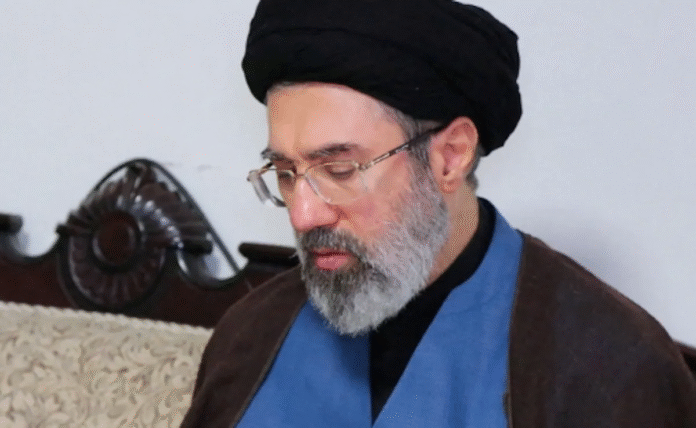
Following the assassination of Iran’s long-time Supreme Leader Ali Khamenei in reported US–Israel strikes, security around his successor Mojtaba Khamenei has been significantly tightened.

Iranian authorities have reportedly deployed one of the country’s most secretive and elite security units — the Counterterrorism Special Force, commonly known as NOPO — to protect the new leader amid continuing threats from the United States and Israel.

Mojtaba Khamenei’s security heightened

The 56-year-old cleric was elevated to the top leadership position by the Assembly of Experts on March 8. Since the early days of the conflict, he has remained largely out of public view.

Some reports suggest he may have been injured during the initial airstrikes that killed several senior Iranian military figures and members of his family, though Iranian authorities have denied the claims.

According to media reports citing Iranian sources, Mojtaba is currently believed to be in a highly secure location with restricted communications while the conflict continues.

Elite counterterror force deployed

Iran has reportedly assigned the protection of its new leader to NOPO, a specialised counterterrorism unit known for handling high-risk operations such as hostage rescues and tactical missions.

The deployment reportedly occurred shortly after the assassination of Ali Khamenei during the strikes on February 28.

Ali Safavi of the Paris-based National Council of Resistance of Iran told Fox News Digital that NOPO has now been tasked with securing Mojtaba Khamenei.

He noted that the unit typically conducts complex counterterror operations rather than personal protection duties.

What is NOPO?

NOPO was established in 1991 and operates as a specialised police force within Iran’s internal security structure. Although the powerful Islamic Revolutionary Guard Corps plays a central role in national defence, NOPO functions separately and focuses on high-risk tactical missions.

The force is relatively small but highly trained. It reportedly consists of six brigades — four based in Tehran and one each in Mashhad and Isfahan.

Security analysts say the unit is considered one of the most capable and heavily trained forces in Iran’s law-enforcement system.

Recruitment and training

Entry into NOPO is highly selective. Candidates are typically recruited from other special police units after rigorous screening that assesses physical fitness, intelligence and psychological stability.

Once selected, recruits undergo extensive tactical training including martial arts, urban combat, parkour-style mobility techniques, airborne operations and maritime training such as diving and water-based missions.

Role in internal security

Apart from counterterror operations, the force has also reportedly been deployed to maintain internal security during periods of unrest.

NOPO has been linked to crackdowns on protests, including demonstrations that followed the death of Mahsa Amini in 2022 and other economic protests in recent years.

The United States Treasury Department sanctioned the unit in 2021, accusing it of involvement in serious human rights abuses.

Uncertainty over Mojtaba Khamenei’s whereabouts

Despite his appointment earlier this month, Mojtaba Khamenei has not appeared publicly. Iranian state media has referred to him as a “wounded veteran”, a phrase that has fuelled speculation about his health.

While some international reports suggest he may have suffered injuries in the initial strikes, Iranian officials insist that the country’s new supreme leader is safe.

For now, his exact location remains undisclosed as tensions with the United States and Israel persist and Iran tightens security around its leadership.
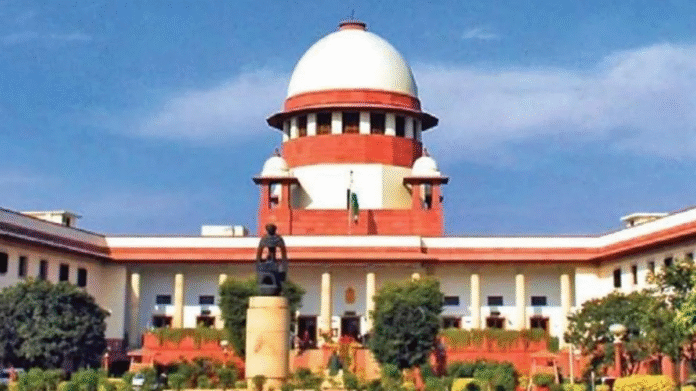
Supreme Court’s First Passive Euthanasia Order on Harish Rana Rekindles Debate on ‘Right to Die with Dignity’

0

In a landmark decision, the Supreme Court of India recently permitted passive euthanasia for a man who had remained in a persistent vegetative state for over 13 years, marking one of the first practical applications of India’s euthanasia framework. The patient, Harish Rana, had suffered severe brain injuries after a fall in 2013 and had since been dependent on life-support systems with little hope of recovery. After medical evaluation and a legal review, the court allowed the withdrawal of life-sustaining treatment, emphasising the constitutional principle of the “right to die with dignity.”

The ruling is significant because it operationalises legal principles laid down earlier by the Supreme Court on passive euthanasia. It also brings renewed attention to the ethical, legal and medical debates surrounding end-of-life decisions in India.

What is Passive Euthanasia?

Euthanasia broadly refers to intentionally ending a person’s life to relieve suffering. In legal and medical discussions, a distinction is made between active and passive euthanasia.

Active euthanasia involves deliberately administering a substance or action that causes death, such as a lethal injection. This remains illegal in India.

Passive euthanasia, on the other hand, involves withholding or withdrawing life-support treatment, allowing the patient to die naturally when recovery is medically impossible.

Passive euthanasia is allowed under strict conditions, particularly in cases where patients are terminally ill or in a permanent vegetative state.

The Legal Journey of Euthanasia in India

The debate over euthanasia in India entered the legal arena prominently with the case of Aruna Shanbaug case in 2011. Shanbaug, a nurse who had been in a vegetative state for decades after a brutal assault in 1973, became the face of the national debate. Although the Supreme Court rejected the plea to end her life, it issued guidelines that legalised passive euthanasia under certain circumstances, requiring medical board review and judicial oversight.

The issue evolved further with the 2018 judgement in Common Cause v. Union of India. In this case, the Supreme Court recognised that the right to die with dignity is part of the fundamental right to life under Article 21 of the Constitution. The court also introduced the concept of a “living will” or advance medical directive, allowing individuals to specify that they do not wish to receive life-prolonging treatment if they become terminally ill or incapacitated.

Later, in 2023, the court simplified procedures for implementing such directives to make end-of-life decisions more practical for families and doctors.

Ethical and Social Debates

Despite legal clarity, euthanasia continues to raise complex ethical questions. Supporters argue that it respects personal autonomy and prevents prolonged suffering when medical recovery is impossible. Critics, however, warn about potential misuse, pressure on vulnerable patients, and the moral implications of allowing death through medical decisions.

Religious beliefs, cultural attitudes toward life and death, and concerns about healthcare infrastructure also shape the debate in India.

A Continuing Conversation

The latest Supreme Court order is likely to reignite discussions on whether India should enact a comprehensive law governing euthanasia rather than relying primarily on judicial guidelines. As medical technology advances and life can be prolonged artificially for years, society is increasingly confronted with difficult questions: Should life always be preserved at any cost, or does dignity sometimes lie in allowing a natural death?

For now, the judiciary continues to navigate this delicate balance between the sanctity of life and the right to die with dignity.

Strait of Hormuz: What Happens if Iran Shuts the Global Oil Corridor?

0

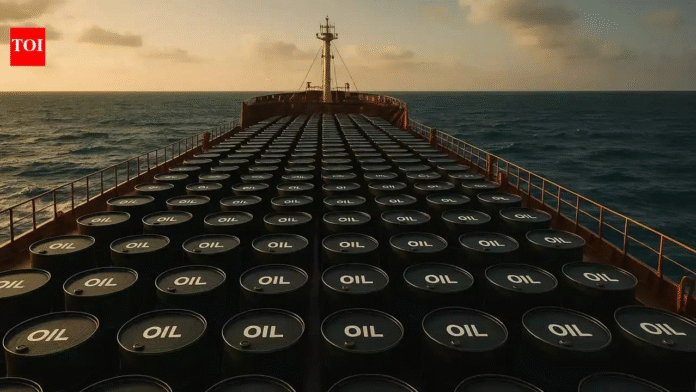
Tensions in the Middle East have raised fresh concerns over the security of the Strait of Hormuz, the world’s most critical oil shipping route. Recent incidents involving damaged vessels and military activity in the region have highlighted the vulnerability of the narrow corridor through which a significant portion of global energy supplies passes.

According to the UK Maritime Trade Operations, three ships were struck by “unknown projectiles” in the strait. One commercial vessel was damaged off the coast of the United Arab Emirates, while another vessel north of Oman was evacuated after a fire broke out. A third ship was also reported damaged at an undisclosed location on March 11.

Meanwhile, the United States military said it had eliminated 16 Iranian mine-laying vessels in the waterway.

A Vital Global Oil Route

The Strait of Hormuz is widely regarded as the world’s most important oil transit chokepoint. Bordered by Iran to the north and Oman and the UAE to the south, the passage connects the Persian Gulf with the Arabian Sea.

Although roughly 50 km wide at its entrance and exit, the strait narrows to about 33 km at its tightest point. Despite its narrow size, it is deep enough for the world’s largest oil tankers.

According to estimates from the U.S. Energy Information Administration, around 20 million barrels of oil pass through the strait daily, representing nearly 20 percent of global oil supply and about $600 billion worth of energy trade annually.

The oil originates not only from Iran but also major Gulf producers such as Saudi Arabia, Iraq, Kuwait, Qatar and the UAE.

Global Economic Impact

About 3,000 ships typically transit the strait each month. However, escalating tensions have significantly reduced maritime traffic and pushed oil prices higher.

Analysts warn that prolonged threats to shipping could sharply raise oil prices and global transportation costs. The cost of chartering a supertanker to ship oil from the Middle East to China has reportedly surged to more than $400,000, nearly double recent levels.

Oil prices recently crossed $100 per barrel amid fears of supply disruption, though prices later stabilised near $90 per barrel.

A closure of the strait would have major consequences for energy-importing economies such as India, China and Japan, which rely heavily on crude shipments from the Gulf.

How Iran Could Block the Strait

Under international law, countries control territorial waters up to 12 nautical miles from their coastlines. At its narrowest point, the shipping lanes of the Strait of Hormuz fall within the territorial waters of Iran and Oman.

Experts say Iran could disrupt traffic by deploying naval mines using fast attack boats or submarines. The country’s naval forces, including the Islamic Revolutionary Guard Corps navy, also operate anti-ship missiles, submarines and fast attack vessels capable of targeting commercial shipping.

However, such actions would risk military retaliation, particularly from the United States.

Limited Alternative Routes

Over the years, Gulf countries have developed pipelines to reduce dependence on the Strait of Hormuz. Saudi Arabia operates a 1,200-km pipeline capable of transporting about 5 million barrels of crude oil per day, while the UAE has built a pipeline linking its oilfields to the port of Fujairah on the Gulf of Oman.

Despite these alternatives, analysts estimate that a full blockade could still reduce global oil supply by 8–10 million barrels per day, potentially triggering major disruptions in energy markets and the global economy.

G7 Energy Ministers Hold Off on Releasing Strategic Oil Reserves, Task IEA with Urgent Market Assessment

0

PC (The Times of India)

G7 Opts for Measured Response Amid Soaring Oil Prices Triggered by Middle East Conflict

G7 energy ministers, representing major economies including the United States, France, the United Kingdom, and others, have decided against an immediate release of strategic oil reserves. Instead, during their meeting on Tuesday, they requested the International Energy Agency (IEA) to conduct a comprehensive assessment of the current oil market situation and supply security before any coordinated action is taken. This cautious approach comes in the wake of extreme volatility in global energy markets, driven primarily by the ongoing conflict in the Middle East involving the US, Israel, and Iran. Oil prices surged to nearly four-year highs earlier in the week, briefly approaching or exceeding levels last seen in 2022, before dropping sharply by around 11% on Tuesday following
optimistic comments from U.S. President Donald Trump about a potential swift resolution to the war.

IEA to Convene Extraordinary Meeting for In-Depth Review

The IEA, which coordinates emergency oil stockpiles among its member countries (holding over 1.2 billion barrels in public reserves plus additional industry stocks), has responded by calling an extraordinary meeting of its member governments. This session aims to evaluate market conditions and determine whether releasing emergency stocks is necessary to address any critical supply shortages.
France’s Finance Minister Roland Lescure, whose country currently holds the G7 presidency, emphasized that while no release has been ordered yet, all G7 members-including the United States-stand ready to act decisively if the IEA’s findings indicate a severe disruption. He described the decision as a commitment to a coordinated, data-driven strategy rather than a hasty reaction.

U.S. Considers Measures to Secure Key Oil Transit Routes

Adding to efforts to stabilize supplies, the United States is exploring options such as providing naval escorts for commercial vessels transiting the Strait of Hormuz-a critical chokepoint through which roughly one-fifth of global oil flows and potentially backstopping war risk insurance for tankers. These steps are intended to reassure shippers, encourage the resumption of normal traffic, and prevent prolonged disruptions amid heightened regional tensions.

Why the Decision Matters: Preserving the Emergency Safety Net

Strategic oil reserves are designed as a last-resort tool for major supply crises, not routine price fluctuations. By deferring action and prioritizing the IEA’s expert analysis, the G7 signals a preference for evidence-based intervention to calm markets without prematurely depleting these vital buffers. This measured stance reflects broader concerns over inflation risks and economic stability, especially as the conflict has already strained global energy flows and forced some producers to curtail output due to export constraints.

Flexible Bracelets: The Perfect Blend of Comfort and Style

0

The design of jewellery today is more concerned with the ones that are not only alluring and beautiful but also functional. Accessories are not only selected to be worn as appearance any more; they also should be convenient and multifunctional. The jewellery in the wrist has been developed to suit the requirement of individuals who desire fashionable jewellery which can be easily adjusted to daily activity.

Go with trendy designs of flexible bracelets here which present a new craftsmanship, smooth lines and a wide choice of styling of any new jewellery among modern jewellery desirers. The bracelets would be styled in a way that would follow the movements of the wrist, being comfortable and stylishly elegant, suitable both as college accessories and those to be put on during special events.

1. Comfortable for Everyday Wear

The comfort that these bracelets have is one of the primary factors behind their popularity. The adjustable design of the bracelet enabled it to move with the wrist motion without being stiff and tight. A flexible bracelet is the ideal answer to the people who are interested in jewellery that could be worn during the day and not irritated.

2. Stylish Yet Practical Design

Flexible bracelets have a smooth and smart look, they are easy to wear. This makes them look polished, and not heavy and so by sheer natural structure fits into the wrist making them still appear natural. This combination of both the design and functionality enables them to be worn both casually and officially.

3. Perfect for Both Daily and Occasion Wear

These bracelets can be shifted to daily dresses or night time clothes. The flexible bracelet will fit in the office wear, celebrating or in western wear but will not overpower an individual but will create a balanced and graceful image. Its modernistic shape makes it one that harmonizes with a broad range of styles.

4. Easy to Pair with Other Accessories

A flexible bracelet would be worn well with watches, stacked bangles or fine rings. Given that it fits easily on the wrist, it will easily integrate with other jewellery pieces, so you can develop a coordinated accessory without making your outfit look overdone.

5. Ideal for Active Lifestyles

Active lifestyles mean that people wear jewellery that does not limit them to move freely. Flexible bracelets are also compatible with the natural wrist movement in comparison to the rigid bangles since the former is always suitable to all people in constant motion.

6. Elegant Addition to Modern Jewellery Collections

The trends in jewellery collections are now revolving around luxurious items that are comfortable. An elegant and convenient bracelet is a well-designed flexible bracelet, which can be worn as an impressive object and is a versatile solution to add to numerous events and attire.

7. Timeless Style with Modern Comfort

Although the trends on jewellery are ever changing, jewellery designs that are both comfortable and fashionable always enjoy popularity. This balance is also echoed by the refined looks of a flexible bracelet and its capacity to be worn day in and out. Such fusion of functionality and beauty makes it be applicable over the fluctuating fashion trends.

Jewellery Designed for Modern Living

The accessories we have at the present times are supposed to fit both lifestyle and fashion. Jewels that blend both aesthetic and convenient workmanship enable the users to have the best of style and at the same time remain practical.

To gain a larger overview of the way modern bracelet design marries comfort, craftsmanship, and the ability to wear them every day, this style guide will examine how modern wrist jewellery carries on evolving in relation to the changing fashion demands.

US-Israel Vs Iran: Erroneous Claim Sparks Overnight Sell-Off

0

On Tuesday, US Secretary Wright posted on his X account (formerly Twitter) that the US Navy had successfully escorted an oil tanker through the Strait of Hormuz, a critical chokepoint for global oil shipments amid ongoing tensions in the region. The post praised President Trump for “maintaining stability of global energy” during military operations against Iran.
The claim sent crude prices tumbling overnight, as traders interpreted it as a sign of easing supply disruptions in the strategically vital waterway.

However, the White House swiftly denied the report.

Press Secretary Karoline Leavitt told reporters: “The US has not carried out such an operation… The US Navy has not escorted a tanker or vessel at this time.” She added that President Trump, Secretary Wright, and the administration’s energy team continue to monitor the situation closely. Wright deleted the post shortly after it was published, but the damage was done-contributing to extreme intraday swings in an already volatile market.

Broader Market Pressures: IEA Reserves and Geopolitical Risks

Prices have also been whipsawed by reports surrounding the International Energy Agency (IEA). The IEA convened discussions on potentially releasing emergency oil reserves to counteract supply risks from the Strait of Hormuz disruptions. The agency oversees 1.2 billion barrels of public emergency stocks among its 30 member nations (primarily in North America, Europe, and Northeast Asia), plus an additional 600 million barrels held in industry stocks under government obligations.
Sources indicated to CNBC that the US views a coordinated release of 300 million to 400 million barrels as “appropriate”-a massive volume that could represent 25-30% of available emergency
stocks and dwarf previous interventions.

Adding to the uncertainty, President Trump issued a stern warning to Iran against mining the Strait of Hormuz, responding to reports that the country had deployed dozens of naval mines to hinder transit. This came amid broader geopolitical tensions, with the strait handling roughly one-fifth of global oil flows.

Trader Sentiment Amid “Fog of War”

Rebecca Babin, senior energy trader at CIBC Private Wealth Group, captured the market mood: “It very much feels like a market trading in the fog of war, reacting in real time as events unfold, rather than one moving in an orderly fashion. Traders continue to get whipsawed by intense price action and extreme volatility in crude, with headlines driving sharp intraday swings.”

As developments continue to unfold rapidly, oil markets remain highly sensitive to any fresh headlines on military actions, diplomatic efforts, or reserve releases. The rebound reflects relief over the corrected Strait escort claim, but underlying supply risks persist.

Breaking Borders for Wildlife: India-Nepal Unite to Safeguard the Terai Arc Landscape

0

PC(Mondabay-India, Nepal Minute)

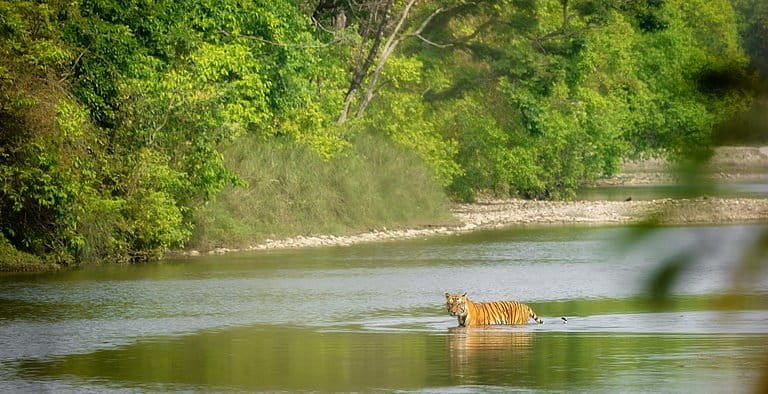
For the first time, India and Nepal are treating their shared forests not as separate territories but as one connected lifeline for endangered species. The agreement emphasizes the Terai Arc Landscape (TAL)—a vast, biodiversity-rich region spanning over 51,000 square kilometers across the Indo-Nepal border. This landscape is home to nearly 50% of the world’s remaining wild tigers, around 7,500 Asian elephants, and significant populations of one-horned rhinos, Gangetic dolphins, snow leopards, and vultures.

Key protected areas now linked under joint management include:

India’s Valmiki Tiger Reserve, Dudhwa Tiger Reserve, and Katerniaghat Wildlife Sanctuary
Nepal’s Chitwan National Park, Bardia National Park, and Parsa Wildlife Reserve corridors like the Khata Corridor (connecting Nepal’s Bardia to India’s Katerniaghat) and the Valmiki-Chitwan linkage will be restored to allow seamless animal movement, genetic exchange, and better climate resilience.

Key Highlights of the India-Nepal Environmental Partnership

Landscape-Level Biodiversity Strategies: Both countries will collaborate on conservation plans for transboundary ecosystems, including the Terai Arc, Kangchenjunga, and high Himalayan landscapes, prioritizing six flagship species: Royal Bengal Tiger, Asian Elephant, Greater One-Horned Rhinoceros, Snow Leopard, Gangetic Dolphin, and vultures.

Breaking Borders for Wildlife: India-Nepal Unite to Safeguard the Terai Arc Landscape

Wildlife Corridor Restoration: Efforts to

reconnect fragmented habitats will reduce genetic isolation and support viable populations, especially for migratory species crossing the 1,850+ km shared border.

Combating Wildlife Crime: Joint intelligence sharing, capacity building for frontline staff, and coordination through networks like the South Asia Wildlife Enforcement Network (SAWEN) will tackle poaching, illegal trade in rhino horns, tiger parts, and elephant ivory. Climate Action and Green Infrastructure: The MoU promotes climate-resilient strategies, smart green infrastructure, structured data sharing on threats and trends, and adaptation to Himalayan challenges like glacial lake outburst floods (GLOFS).

Capacity Building and Knowledge Exchange:

Training programs, technical expertise sharing, and best practices will strengthen enforcement and monitoring. The MoU was signed between India’s Ministry of Environment, Forest and Climate Change and Nepal’s Ministry of Forests and Environment, in the presence of Union Minister Bhupender Yadav and Nepal’s Minister Madhav Prasad Chaulagain.

Why This Matters: A Win for Wildlife, People, and the Planet. This shift from isolated protected areas to integrated transboundary management addresses real challenges: Reducing Human-Wildlife Conflict: In border districts of Uttar Pradesh, Bihar, and Nepal’s Province 2, crop damage and casualties from elephants and tigers affect thousands annually-connected corridors can minimize these. Boosting Species Recovery: Building on past successes (like Nepal’s zero-poaching achievements and tiger population growth), joint efforts support global targets such as “30 by 30” under the Convention on Biological Diversity.

Climate Resilience: The Himalayan region warms

faster than average; shared strategies protect water sources from Nepal’s glaciers that feed Indian rivers.This partnership not only strengthens India-Nepal ties but positions both nations as regional leaders in biodiversity conservation. As one minister noted, it’s a “historic” step that builds on deep cultural and environmental bonds-proving that when borders fade for wildlife, everyone benefits.

Reliance Makes History With $300-billion U.S. Refinery Deal Announced by Donald Trump

0

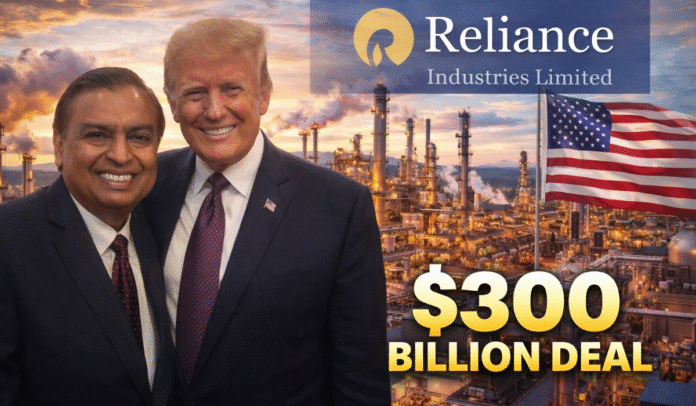
U.S President Donald Trump has announced that the United States will build its first new oil refinery in nearly 50 years, funded through investments linked to Indian billionaire Mukesh Ambani’s Reliance Industries. Calling it a landmark development, Trump said the agreement represents a massive economic commitment.

“This is a historic $300 billion deal — the biggest in U.S. history,” Trump wrote in a post on Truth Social. He also thanked Reliance Industries for what he described as a “tremendous investment.”

Reliance, India’s largest private-sector company and operator of the world’s biggest refining complex in Jamnagar, currently has a market capitalisation of around $206 billion.

First U.S. refinery in five decades

The proposed refinery will be located at the port of Brownsville in the U.S. state of Texas. According to Trump, the facility will strengthen national energy security, boost domestic oil production, and generate billions of dollars in economic impact. He also claimed the project would become “the cleanest refinery in the world.” The facility will be designed to process 100 percent American shale oil and is being developed by America First Refining.

Long-term supply agreement

The refinery announcement comes at a time of heightened volatility in global oil markets due to escalating tensions in the Middle East. Oil prices have surged amid the ongoing Israel–Iran conflict escalation 2026, with crude briefly approaching $120 per barrel earlier this week.

At the time of reporting, U.S. crude oil was trading at about $84.71 per barrel, while Brent crude rose to around $88.98.

Donald Trump Israel-Iran War: Watch Out How Destruction is Getting Redefined as War Escalates…

0

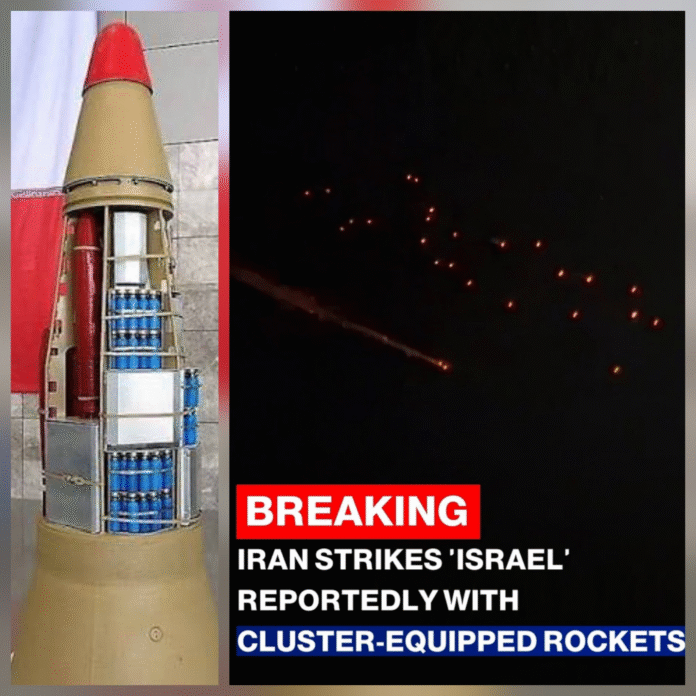
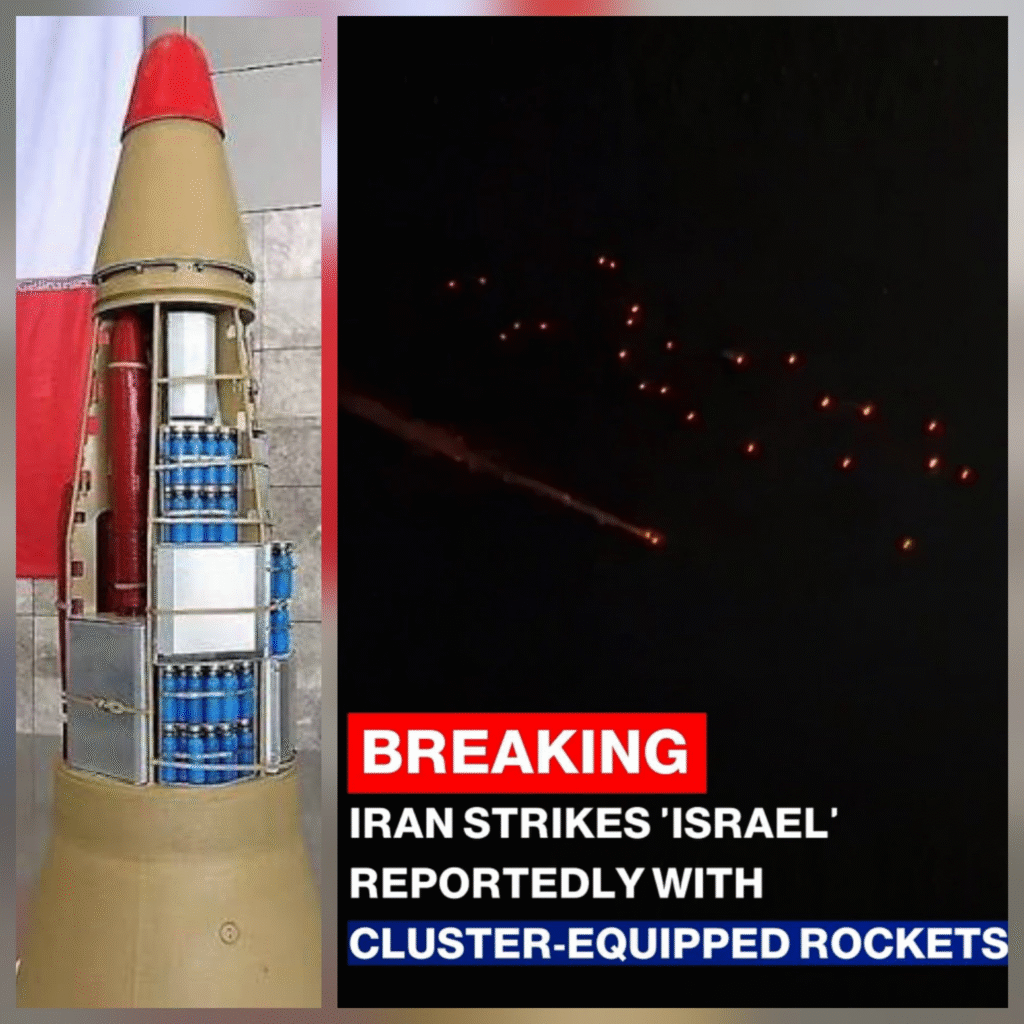
Iran continues launching missiles and drones at Israel and the UAE following Israeli and U.S. strikes on its sites in late February. Israel’s Foreign Ministry released footage of cluster warheads targeting civilian areas near Tel Aviv and Jerusalem, while the UAE intercepted most of nine missiles and 35 drones on Tuesday, with cumulative defenses downing nearly all threats since the campaign began. The barrages have killed six people of various nationalities and injured 122 others, forcing airlines like British Airways to cancel flights and Gulf oil producers to cut 6.7 million barrels per day amid Strait of Hormuz risks.

Donald Trump Israel-Iran War: Watch Out How Destruction is Getting Redefined as War Escalates...


BREAKING: British Airways cancels all flights to and from Abu Dhabi until later this year.

Explore Pristine Amer Fort While Boating at Maota Lake. Know More Details on Boating Here…

0

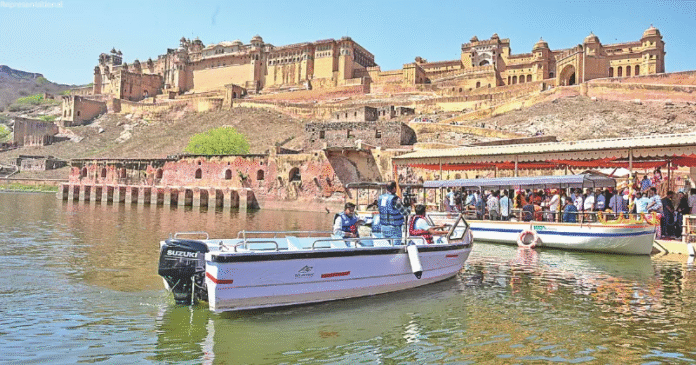
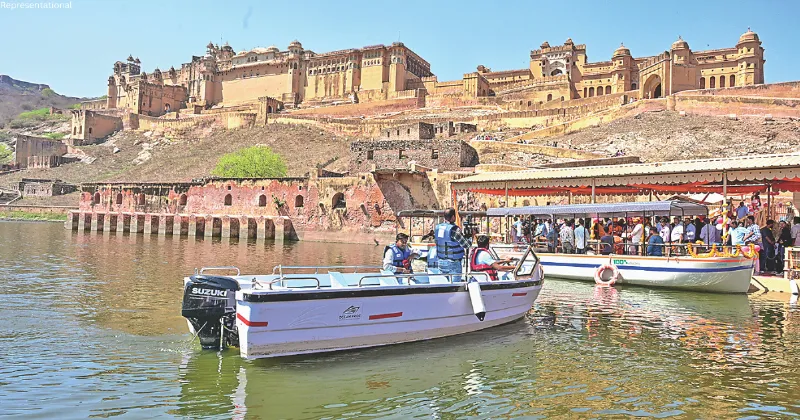
Jaipur, till date, was known for its palaces and forts. However, tourists can now feel cool while boating at Amert Fort. The tourism landscape in the Pink City received a fresh boost recently with the inauguration of boating services at Maota Lake, set against the backdrop of Amer Fort.

Explore Pristine Amer Fort While Boating at Maota Lake. Know More Details on Boating Here...

The launch event featured cultural performances by local artisans playing traditional instruments, adding a lively Rajasthani touch to the experience. Tourists enjoyed picturesque boat rides while soaking in panoramic views of the iconic Amer Fort.

Dr Rakesh Chholak, Superintendent of Amer Palace, said the initiative is expected to enhance the visitor experience and promote tourism in the region. “This project will offer tourists a unique perspective of Amer Fort and encourage more visitors to explore the heritage site,” he said.

The boating service, introduced by Jasraj Infra, includes 50 ecofriendly boats such as paddle boats, shikaras, speedboats, aquacycles, and a 30-seater luxury boat as its centerpiece.

To ensure visitor safety, authorities have arranged life jackets, trained sailors, divers, and rescue boats. The facility will also allow tourists to enjoy leisure rides, adventure activities, and pre-wedding photo shoots amid the fort’s stunning surroundings.

Why boating at Amer Fort is special

There are many places in India where you can go boating, but Amer’s Maota Lake has a very different feel. Here your boat moves slowly under the shadow of a 16th‑century fort, with high defensive walls, watchtowers and gateways watching over you from the hill. The view keeps changing as the boat turns: sometimes you see the full front face of the fort, sometimes a side angle with the hills behind, and sometimes just the reflection of yellow sandstone in the water around you.

If you enjoy photography, this experience is gold. The best shots often come just before sunset, when the sky starts turning orange and the fort glows in warm light. On calm days the water is almost still, so the reflection becomes sharp and clear. You can also get nice portraits on the boat itself – especially in the shikara‑style boats with cushions and curved roofs. Even if you are not a serious photographer, the whole ride feels peaceful and a bit cinematic.

Types of boats available in 2026

From 2026, Rajasthan Tourism and Jaipur authorities have introduced several different types of boats on Maota Lake. The idea is simple: some options are relaxed and romantic, some are fun for families with kids, and some are for people who like a little speed and adventure. Here is a quick overview so you can choose what suits you best.

Amer Fort Boating Ticket Prices 2026

The table below gives an easy snapshot of the latest proposed ticket prices for Maota Lake boating at Amer Fort in 2026. Prices can change slightly with time, so always treat this as an approximate guide and confirm at the counter when you go.

Boat TypeDurationIndian Ticket (Approx)Foreign Ticket (Approx)Notes
Paddle boat (4‑seater)30 minutes₹200₹400Good for small families or groups
Paddle boat (2‑seater special)30 minutes₹300₹600Relaxed option for couples
Electric motor boat20 minutes₹400₹800No pedalling, driven by staff
Luxury electric music boat30 minutes₹800₹1600Comfortable seating, folk music on board
Shikara ride30 minutes₹500₹1000Very scenic and relaxed
Shikara ride (special)45 minutes₹700₹1400Extra time on the water
Speed boatPer round₹400₹800Short, fast and fun

Many operators also offer half fares for Indian children between 3 and 8 years old, while kids below 3 years usually ride free with their parents. Rules can vary slightly, so do confirm at the ticket counter before paying.