Home Blog Page 476

UN Report Warns of Unpredictable Water Cycle Due to Climate Change

0

On October 7, 2024, a United Nations report highlighted an alarming shift in the world’s water cycle, driven by climate change. According to the report, global rivers have experienced their driest conditions in over 30 years, and glaciers have undergone the largest mass loss in five decades. The findings raise urgent concerns about the increasingly erratic nature of the water cycle and the far-reaching effects on ecosystems, human populations, and economies.

How Climate Change Disrupts the Water Cycle

The UN’s World Meteorological Organization (WMO) describes water as an early indicator of climate change’s impacts, comparing it to a “canary in the coal mine.” Rising global temperatures have caused the water cycle to become increasingly unpredictable, leading to both excessive rainfall and prolonged droughts. These irregular weather patterns are wreaking havoc on agriculture, water supplies, and natural habitats, threatening food security and economic stability.

As the atmosphere warms, it can hold more moisture, resulting in heavier rainfall and more frequent flooding. Simultaneously, higher temperatures accelerate evaporation, exacerbating drought conditions. This dual threat is making weather events more extreme and less predictable, putting millions of lives at risk.

Extreme Weather Events Escalate

Over the past year, extreme weather has intensified. The planet has experienced severe droughts, widespread flooding, and unprecedented glacier melting. Natural climate phenomena like El Niño and La Niña have traditionally influenced global weather patterns, but human-caused climate change has amplified their severity. This leads to more frequent and destructive weather events that strain resources and endanger communities.

Glacier Melting and Freshwater Shortages

The report underscores the growing concern over glacier melting, which is accelerating at an alarming rate. Between September 2022 and August 2023, glaciers lost over 600 gigatonnes of water—the most in the last 50 years. This mass loss is contributing to water shortages in regions dependent on glaciers for freshwater.

Currently, around 3.6 billion people—nearly half the global population—lack sufficient access to freshwater for at least one month per year. This number could rise to 5 billion by 2050 if current trends continue. More than half of the world’s river basins have seen below-average water levels for three consecutive years, further compounding the issue.

The Path Forward: Urgent Action Required

The UN stresses the need for immediate action to mitigate the effects of this growing water crisis. Key measures include improved monitoring of freshwater resources and the development of early warning systems to protect people and wildlife from both water shortages and floods.

Most importantly, the report calls for a significant reduction in greenhouse gas emissions to address the root cause of climate change. Without decisive action, the unpredictable water cycle will continue to threaten global water security, leaving millions more vulnerable to the devastating impacts of floods, droughts, and shrinking water supplies.

The UN’s findings serve as a stark reminder of the need for global cooperation in combating climate change and safeguarding the planet’s most vital resource—water.

Visit the Creative Pandals of Durga Puja with us

0


Vaidehi Bhargava

Kolkata,the city of joy is one of the largest and culturally rich cities in the country known for its literary, artistic and intellectual heritage. Durga Puja one of the most important and widely celebrated hindu festival especially in West Bengal and particularly in Kolkata. The Durga Puja is celebrated with great enthusiasm, lasts ten days culminating in the grand immersion of the idols on the last day, Vijayadashmi.

Durga Puja, one of India’s most revered festivals, celebrates the divine victory of Goddess Durga over the demon Mahishasura, symbolizing the eternal triumph of good over evil. This year, Kolkata’s Durga Puja pandals have surpassed all expectations, dazzling with their inventive themes, awe-inspiring craftsmanship, and meticulous attention to detail. These temporary sanctuaries, where the goddess’s idols are enshrined, stand as magnificent testaments to the festival’s grandeur and creativity.


Las Vegas Sphere (Santosh Mitra Square)Inspired by the famous Las Vegas Sphere, this pandal takes visitors on a journey to the “city of lights,” featuring bright neon lights and flashy decorations. Last year, they recreated Ayodhya’s Ram Mandir.

Visit the Creative Pandals of Durga Puja with us


Green Durga Puja (Lalabagan)
The unique Durga Puja pandal in Kolkata’s Lalabagan, created with 8,000 live plants, highlights the importance of protecting the environment and promoting eco-friendliness.

Visit the Creative Pandals of Durga Puja with us


Rainwater Conservation Pandal (Salt Lake)
The Rainwater Conservation Pandal in Salt Lake is not only stunning but also environmentally friendly. It features a lovely waterfall and green decorations, creating a peaceful vibe. The sound of water droplets falling on different containers mimics the rhythm of Pujor Dhaak, adding to the festive atmosphere and making visitors feel truly immersed in the celebration.

Visit the Creative Pandals of Durga Puja with us


Metro Rail Pandal (Jagat Mukherjee Park)
This pandal, complete with life-size train models and intricate details, replicates Kolkata’s metro rail system.

Visit the Creative Pandals of Durga Puja with us


Sati Pratha (Kashi Bose Lane Sarbojanin)
The theme highlights Bengal’s important role in ending the practice of Sati and raises awareness about the ongoing issue of child marriage in some parts of India.

Visit the Creative Pandals of Durga Puja with us


Idol made of waste materials (Dakshin Para)
Dakshinpara Durgotsav has become one of the most popular Durga Puja celebrations this year. The pandal showcases impressive creativity, being made entirely from waste materials like tools and metal sheets. The artist behind this unique creation is Debashish Barui.

Visit the Creative Pandals of Durga Puja with us


Live pandal (Baguihati)
The Arjunpur Amra Sabai Club in Baguihati presents a stunning live pandal that showcases the true spirit of Kolkata’s Durga Puja. The theme addresses growing economic inequality and cultural discrimination under the current regime.

Eco-friendly designs to vibrant cultural tributes, these pandals are not just showcases of craftsmanship, but living expressions of devotion, innovation, and the festive spirit of Durga Puja. In their beauty, they invite us to see the world anew, celebrating both heritage and creativity with every intricate detail.

India’s Fifth Lunar Mission, Lupex, Approved by National Space Commission

0

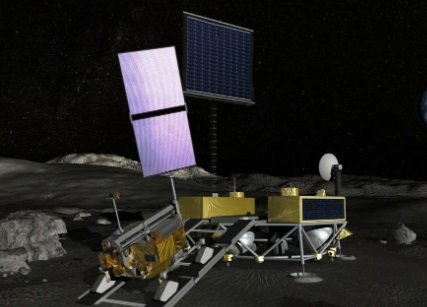
Following the success of Chandrayaan-3 in August 2023, India’s National Space Commission has approved a new and ambitious lunar mission—Lunar Polar Exploration Mission (Lupex). This venture is a collaborative effort between the Indian Space Research Organisation (ISRO) and the Japan Aerospace Exploration Agency (JAXA), designed to explore the Moon’s south pole, specifically its water and other valuable resources. Lupex marks a significant step in India’s continued advancements in space exploration.

Objectives of the Lupex Mission

The primary goal of the Lupex mission is to investigate the Moon’s water content, especially in the permanently shadowed regions at the lunar south pole. These areas, which are never exposed to sunlight, are believed to hold large quantities of water in the form of ice. Lupex aims to determine the amount of water present, its exact location, and whether it exists only on the surface or is also embedded deep within the lunar regolith (the Moon’s soil).

Understanding the distribution and state of water on the Moon is crucial for the future of space exploration. Water is a key resource for supporting long-term human missions, as it can be used for drinking, oxygen production, and fuel generation. Lupex is positioned to provide valuable data that could influence not just future lunar missions but also missions to Mars and beyond.

Mission Duration and Operations

The Lupex mission is designed to operate for up to 100 days on the Moon’s surface, significantly longer than India’s previous lunar missions. This extended timeline will allow scientists to gather comprehensive data and conduct detailed experiments, particularly in areas that have remained in permanent shadow and are difficult to explore. Special instruments aboard the rover will be used to drill into the lunar surface and analyze samples, offering insights into the subsurface composition of the Moon.

Collaboration Between India and Japan

The Lupex mission represents a unique collaboration between India and Japan, with each country taking on specific roles. JAXA will be responsible for developing the rover, which will weigh approximately 350 kg—significantly larger than the 26 kg Pragyan rover from Chandrayaan-3. JAXA will also provide the launch vehicle, while ISRO will focus on building the lander that will transport the rover safely to the Moon’s surface. This partnership not only strengthens scientific ties between the two countries but also advances their shared interests in space exploration.

Significance of the Lupex Mission

The Lupex mission holds immense significance for the future of lunar exploration. By uncovering vital information about the Moon’s resources, particularly water, Lupex will pave the way for more ambitious missions, including those that aim to return lunar samples to Earth. Moreover, the mission aligns with India’s broader goals of establishing a human presence on the Moon by 2040, and even sending Indian astronauts there in the coming decades.

Lupex is also expected to contribute valuable knowledge about the Moon’s geological history and composition. Its findings could guide future exploration strategies, making the Moon a stepping stone for deeper space exploration. Additionally, the mission is a testament to the growing role of international collaboration in space research, enhancing ties between India, Japan, and other space-faring nations.

Lupex and the Future of Space Exploration

As part of India’s long-term vision for space exploration, the Lunar Polar Exploration Mission (Lupex) is a bold initiative that aims to deepen our understanding of the Moon’s polar regions. By focusing on the search for water ice and other critical resources, Lupex takes a crucial step toward the possibility of building a sustainable human presence on the Moon. It also fosters increased international cooperation in space research, as India and Japan combine their expertise to unlock the mysteries of the lunar surface.

With Lupex, India continues to push the boundaries of its space program, further cementing its place as a key player in global space exploration. The mission is not just a scientific endeavor; it represents a leap toward the future of humanity in space.

Nobel Prize in Physics 2024 Awarded to John J. Hopfield and Geoffrey E. Hinton for Breakthroughs in Machine Learning

0

In a landmark decision that bridges the worlds of physics and artificial intelligence (AI), the Nobel Prize in Physics 2024 was awarded to John J. Hopfield and Geoffrey E. Hinton. Both have been recognized for their pioneering contributions to machine learning, particularly in the realm of artificial neural networks. Their work laid the foundation for modern AI technologies, which have transformed industries from healthcare to autonomous vehicles.

John J. Hopfield: Associative Memory and the Hopfield Network

John J. Hopfield’s contributions to AI began with his development of the Hopfield network, a model that simulates how memory is stored and recalled in the human brain. Drawing inspiration from the behavior of atomic spins—microscopic physical particles that interact to reach stable states—Hopfield applied similar principles to artificial neural networks.

The Hopfield network operates as a memory system, composed of interconnected nodes that resemble the pixels in an image. These nodes communicate with one another, much like the neurons in our brains. The network is engineered to minimize energy, akin to how atomic spins settle into stable configurations. As the network is trained, it adjusts the strength of its connections, enabling it to store specific patterns as low-energy states. These patterns represent stored memories, and the network becomes adept at recalling them even when presented with incomplete or noisy information.

For instance, if the network is given a blurred or fragmented image, it processes the information by updating the nodes to reduce energy, eventually reconstructing the closest matching image from its memory. This remarkable feature has applications in image recognition and pattern matching, key elements in today’s AI systems.

Geoffrey E. Hinton: The Boltzmann Machine and Statistical Learning

Geoffrey E. Hinton built on Hopfield’s framework by introducing the Boltzmann machine, another neural network model that integrates ideas from statistical physics. While the Hopfield network is adept at recalling specific patterns, the Boltzmann machine excels at recognizing common features and patterns within large datasets. Its strength lies in its ability to learn from complex data and create new examples based on what it has already seen.

The Boltzmann machine works by examining numerous examples of data and learning to recognize patterns and features over time. It can classify data, identify hidden structures, and even generate new data that shares similarities with the original dataset. This innovation became a crucial tool in advancing machine learning, enabling AI systems to handle vast amounts of information and perform complex tasks, such as language processing and image classification.

Impact on AI and Physics

The revolutionary work of Hopfield and Hinton has not only transformed the field of AI but also made significant contributions to physics. Their models of neural networks have become instrumental in various applications, such as pattern recognition, where they are used to identify faces, objects, and even medical anomalies in images. These networks also facilitate data analysis, allowing scientists to decipher patterns in enormous datasets.

In physics, their models assist researchers in discovering new materials with unique properties. The crossover between AI and physics demonstrates the versatility and far-reaching impact of Hopfield and Hinton’s work, influencing both technological advancements and scientific research.

Background of the Laureates

  • John J. Hopfield, born in 1933 in Chicago, USA, completed his Ph.D. at Cornell University in 1958. He is a professor at Princeton University, where his interdisciplinary work has influenced both physics and biology.
  • Geoffrey E. Hinton, born in 1947 in London, UK, earned his Ph.D. from The University of Edinburgh in 1978. He is a professor at The University of Toronto and has made monumental contributions to the development of deep learning, a key component of modern AI.

A Lasting Legacy

Hopfield and Hinton’s achievements have laid the foundation for many of the AI-driven innovations we see today. Their neural network models have opened doors to new possibilities in technology, healthcare, and science, and their impact will continue to resonate for generations to come. As AI becomes increasingly integrated into daily life, the work of these two laureates will remain central to the field’s progress.

Their 2024 Nobel Prize in Physics stands as a testament to the transformative power of interdisciplinary research, celebrating the intersection of physics and AI that is shaping the future.

Ratan Tata: The Legacy of an Iconic Industrialist and Philanthropist

0

On October 9, 2024, India mourned the loss of one of its most cherished business leaders, Ratan Tata, who passed away at the age of 86 in Mumbai. A towering figure in India’s corporate world and a dedicated philanthropist, Ratan Tata was renowned for transforming Tata Group into a global powerhouse and for his lifelong commitment to social causes. His death leaves a significant void in the nation’s business landscape and in the hearts of those inspired by his leadership and humanitarian efforts.

Early Life and Education

Ratan Tata was born on December 28, 1937, in Bombay, British India (now Mumbai), to Naval Tata and Sooni Commissariat. His parents separated when he was just 10 years old, and he was raised by his grandmother, Navajbai Tata, who formally adopted him. Tata grew up with his half-brother, Noel Tata, and attended prestigious institutions such as Campion School and Cathedral and John Connon School in Mumbai, Bishop Cotton School in Shimla, and Riverdale Country School in New York. He pursued higher education at Cornell University and completed a management program at Harvard Business School.

Ascension to Tata Sons and Global Expansion

In 1991, Ratan Tata succeeded his uncle J.R.D. Tata as the Chairman of Tata Sons. His leadership, though initially met with resistance from within, proved transformative. He instituted a retirement age for top executives, consolidated overlapping entities, and required all companies within the group to report to the central office, streamlining the vast Tata conglomerate.

Tata’s vision extended far beyond India. Under his stewardship, Tata Group acquired global giants such as Tetley Tea, Jaguar Land Rover, and Corus Steel, turning what was once an India-centric business into a global player. His conceptualization of the Tata Nano, a compact, affordable car designed for the Indian market, remains one of his most iconic initiatives.

Stepping Down and the Search for Successors

Upon turning 75 in 2012, Ratan Tata stepped down as Chairman of Tata Sons, handing over the reins to Cyrus Mistry. However, in a dramatic turn of events, Mistry was ousted in 2016, and Tata briefly returned as interim chairman. A selection committee, including Tata himself, eventually appointed Natarajan Chandrasekaran as the new chairman in 2017.

A Lifelong Commitment to Philanthropy

Beyond business, Ratan Tata’s true passion lay in philanthropy. He was an advocate for education, healthcare, and rural development, using his wealth and influence to uplift communities. The Tata Trusts, under his guidance, supported numerous causes, including a $28 million endowment to Cornell University and substantial contributions to Harvard Business School and Carnegie Mellon University. Tata’s philanthropic efforts also extended to India, with significant donations to institutions such as IIT Bombay and the Indian Institute of Science.

Personal Life: A Private Gentleman

Ratan Tata was known for his humility and private nature. Despite his vast wealth and influence, he lived a simple life and never married. In a candid interview, he once shared that he had come close to marriage several times but ultimately chose to remain single.

Awards and Honors

Throughout his life, Ratan Tata received numerous awards and accolades. Notably, he was honored with India’s highest civilian awards—the Padma Bhushan in 2000 and the Padma Vibhushan in 2008. His contributions were also recognized globally, with awards such as the Knight Grand Cross of the Order of the British Empire and the Carnegie Medal of Philanthropy.

Net Worth and Legacy

Ratan Tata’s net worth was estimated at ₹3800 crores, but his legacy extends far beyond material wealth. His famous quotes, such as “Power and wealth are not two of my main stakes,” reflect his belief in values over riches. He often emphasized that true success lies in contributing to the betterment of society.

Lessons from Ratan Tata

Ratan Tata’s life is a masterclass in leadership, vision, and compassion. His famous saying, “I don’t believe in taking the right decisions. I take decisions and then make them right,” embodies his fearless approach to life and business. Tata was a visionary who believed in thinking beyond conventional boundaries, empowering others, and leaving behind a legacy of integrity and responsibility.

A National Loss

Ratan Tata’s death marks the end of an era in Indian business and philanthropy. His contributions to industry, society, and the global community have left an indelible mark. As tributes pour in from all over the world, it’s clear that Ratan Tata was not just a corporate leader but a beacon of inspiration, whose values will continue to guide future generations.

Kota’s Allen Career Institute Expands to Hyderabad

0

Allen Career Institute is extending its legacy from Kota to Hyderabad, South India. Known for producing top rankers and driving academic excellence, Allen continues its expansion by launching five new campuses in key locations across Hyderabad. 

This strategic step reflects Allen’s commitment to serving aspirants of NEET, JEE, and other competitive exams across India, ensuring that students in South India can now benefit from the same high standards that have been established in Kota.

Allen’s five new campuses in Hyderabad are part of the institute’s broader vision to serve over 20,000 students within the next three years, leveraging its 36-year legacy of excellence. These campuses will be equipped with experienced faculty members trained in Kota’s renowned classroom ecosystem, ensuring that students receive the highest level of instruction and guidance.

The Hyderabad campuses will feature star faculty members from across India, including those who have been trained in Kota’s renowned classroom ecosystem, a team of experienced academicians, ensuring a high caliber of pedagogy and instruction. Besides its impeccable focus on curriculum, Allen places a strong emphasis on student well-being. Like all our other campuses across the country, the Hyderabad campuses will also offer one-on-one sessions with faculty and psychological counselors for all students. This invaluable support helps students maintain a balanced approach to their studies and well-being.

 P. Gopichand, India’s celebrated Chief National Coach of the National Badminton Team, was present at the launch event along with Nitin Kukreja, CEO, Allen, and the Allen Hyderabad team.

Speaking at the event, Gopichand said, “Allen has been synonymous with success and discipline for decades. As they enter Hyderabad, they’re not just setting up centers — they’re setting a new benchmark for excellence in academics. I believe this move will not only produce more top rankers from Telangana but will inspire a generation of students to push the boundaries of what’s possible, with the right guidance and care.”

“Hyderabad represents the next chapter in Allen’s journey of empowering students across India. With a commitment to excellence and a focus on holistic development, we aim to transform not just academic outcomes, but lives. Our entry into this dynamic city is a testament to our belief that every student, with the right support, can excel at the highest levels,” said Nitin Kukreja, CEO, Allen.

Allen Career Institute’s 36-year legacy in India’s coaching industry is marked by consistent success in national exams. The institute has produced 25 All India Rank-1 holders across IIT-JEE and NEET/AIPMT over the last 15 years. In 2024, 1 in 5 students entering IITs was from Allen classrooms,

with our student Ved Lahoti securing All India Rank-1 in JEE Advanced. In NEET 2024, five of our students, Mazin Mansoor, Prachita, Divyansh Jitendra, Neha Mane, and Tejas Singh secured All India Rank-1.

India and Mental Health: Policy Recommendations by Economic Survey 2023-24

0

India, home to one of the largest populations in the world, faces unique challenges in addressing mental health issues. With a history of underfunded mental health services and significant stigma surrounding mental illness, the country has taken significant steps toward improving mental health care infrastructure and policies.

For the first time ever, the Economic Survey 2023-24 tabled by the Union Minister of Finance and Corporate Affairs Nirmala Sitharaman in Parliament on July 22, 2024, talked about mental health, its significance and implications on policy recommendations. 

Acknowledging mental health as a principally impactful driver of individual and national development, the Survey notes that as per the National Mental Health Survey (NMHS) 2015-16, 10.6% adults in India suffered from mental disorders while treatment gap for mental disorders ranged between 70% and 92% for different disorders. Further, the prevalence of mental morbidity was higher in urban metro regions (13.5%) as compared to rural areas (6.9%) and urban non-metro areas (4.3%). Citing NCERT’s Mental Health and Well-being of School Students Survey, the Survey highlights an increasing prevalence of poor mental health among adolescents exacerbated by the COVID-19 pandemic, with 11% of students reported as feeling anxious, 14% as feeling extreme emotion and 43% experiencing mood swings.

The survey points out that at an aggregate economic level, mental health disorders are associated with significant productivity losses due to absenteeism, decreased productivity, disability, increased healthcare costs, etc. There is also evidence of poverty affecting the risk of mental health via stressful living conditions, financial instability, and a lack of opportunities for upward mobility, which contribute to heightened psychological distress.

Policy Recommendations on Mental Health

The Economic survey emphasizes the need for effective implementation to accelerate progress in mental healthcare, addressing existing gaps to ensure maximum impact. Key policy recommendations include:

  • Re-doubling efforts to increase the number of psychiatrists, from 0.75 psychiatrists per lakh population in 2021 to the WHO norm of 3 per lakh population
  • Developing comprehensive guidelines for the excellence centers’ services alongside mental healthcare professionals and users to understand their needs.
  • Assessing the effectiveness of the programmes by gathering feedback from the users, professionals, and stakeholders to make necessary changes and meet the needs of a wider population.
  • Nurturing peer support networks, self-help groups, and community-based rehabilitation programmes can help de-stigmatization of mental disorders and develop a sense of belonging.
  • Partnering with NGOs to scale up efforts, share knowledge, and leverage resources to enhance future policies, to aid in identifying areas of improvement.
  • Involving individuals with personal experience with mental health problems in decision-making, service planning, and advocacy efforts can increase the person-centricity and recovery orientation of mental healthcare services.
  • Sensitization of mental health at the preschool, Anganwadi level to provide precious early identification of disorders.
  • Standardization of guidelines for mental-health services across government and private sector.
  • Effective pathways for integrating mental health interventions in schools including developing an age-appropriate mental health curriculum for teachers and students, encouraging early intervention and positive language in schools, promoting community-level interactions, and balancing the role of technology.
  • A bottom-up, whole-of-community approach in addressing the topic of mental health and breaking the stigma.
  • For public health officials, tackling mental health by acknowledging and addressing the fundamental reluctance at personal level.

Key Initiatives: Efforts by Government for a Better Tomorrow

The Government of India, through the National Institute of Mental Health and Neurosciences (NIMHANS), Bengaluru, conducted the National Mental Health Survey (NMHS) in 2016. According to the survey, approximately 10.6% of adults over the age of 18 suffer from mental disorders.

To address this, the District Mental Health Programme (DMHP), a key component of the National Mental Health Programme (NMHP), has been rolled out in 767 districts, with support provided to States/UTs under the National Health Mission. The DMHP aims to deliver services such as suicide prevention, workplace stress management, life skills training, and counseling for schools and colleges. Facilities at district hospitals, Community Health Centres (CHCs), and Primary Health Centres (PHCs) offer outpatient services, counselling, psycho-social interventions, continued care for severe mental disorders, drugs, outreach programs, and ambulance services. Additionally, a 10-bed in-patient facility is available at the district level. Furthermore, over 1.73 lakh Sub Health Centres (SHCs) and PHCs have been upgraded to Ayushman Arogya Mandirs, integrating mental health services into their care packages.

To further enhance mental healthcare capacity, the government has expanded the NMHP’s tertiary care component. This includes sanctioning, 25 Centres of Excellence have been sanctioned to increase the intake of students in PG departments in mental health specialities as well as to provide tertiary level treatment facilities. Additionally, 47 postgraduate departments in mental health have been strengthened across 19 government medical colleges, with mental health services also provisioned in 22 newly established AIIMS. Across India, there are 47 government-run mental hospitals, including three central mental institutions: National Institute of Mental Health and Neuro Sciences, Bengaluru, Lokopriya Gopinath Bordoloi Regional Institute of Mental Health, Tezpur, Assam and Central Institute of Psychiatry, Ranchi.

In a significant initiative, the government launched the National Tele Mental Health Programme (NTMHP) on October 10, 2022, to improve access to quality mental health counselling and care. A total of 53 Tele MANAS Cells are operational across 36 states /union territories. As of October 08, 2024, more than 14.5 lakh calls have been handled on the helpline number.

Conclusion

World Mental Health Day serves as a critical reminder of the importance of mental health care in our lives and workplaces. With mental health and work being so closely linked, it is essential for governments, employers, and stakeholders to take action in creating safe, inclusive, and supportive environments where mental well-being can thrive. Global initiatives, driven by organizations like WHO and WFMH, are making progress, but there is still much work to be done in raising awareness, reducing stigma, and improving access to mental health services.

India’s recent efforts to address mental health challenges through policies, surveys, and programs are commendable. By increasing mental health resources and integrating services into primary healthcare, India is making strides toward reducing the treatment gap and addressing the country’s mental health burden. As these efforts continue, the focus must remain on creating inclusive systems that enable individuals to thrive both at work and in society. In the coming years, continued collaboration between governments, organizations, and individuals is essential to ensure that mental health care is accessible, effective, and free from stigma. This will help create a future where mental health is recognized as a fundamental right, and everyone can participate fully in both work and life.


World Mental Health Day 2024: Know Theme and More..

0

World Mental Health Day, observed annually on October 10, was first initiated in 1992 by the World Federation for Mental Health (WFMH). This global observance aims to raise awareness about mental health issues and mobilize efforts in support of mental health care worldwide. Over the years, the day has grown into a significant platform for governments, organizations, and individuals to collaborate on initiatives that drive lasting change in mental health care. The importance of World Mental Health Day is underscored by the growing recognition of the profound impact mental health has on individuals, families, and communities.

The theme for 2024, Mental Health at Work, highlights the critical connection between mental health and the workplace. With an estimated 60% of the global population in some form of employment, addressing mental health at work has become imperative. Safe and inclusive work environments can promote mental well-being, whereas poor working conditions can result in significant mental health risks. The theme emphasizes the importance of taking collective action to ensure that workplaces foster mental health, protect against harm, and support those who need help.

Mental Health in the Workplace: Key Factors and Considerations

  • Mental Health and Work Are Closely Related: A positive and supportive work environment is critical for fostering mental well-being, providing employees with a sense of purpose, stability, and job satisfaction. On the other hand, adverse working conditions can negatively affect mental health, lowering productivity and morale. Employees tend to be more motivated in an inclusive and respectful workplace. Conversely, stress, discrimination, abuse, and micromanagement can create a hostile environment that diminishes motivation and job satisfaction.
  • Risks to Workers’ Mental Health: Employees face various risks to their mental health, such as poor working conditions, discrimination, and limited autonomy. Jobs that are low-paid or insecure often come with insufficient protections, making workers in these roles more vulnerable to psychosocial risks, which can further impact their overall well-being.
  • Impact on Employees: Without adequate support, individuals dealing with mental health challenges can experience diminished self-confidence, reduced enjoyment at work, and frequent absences. The effects can extend beyond the workplace, impacting the ability to find or maintain employment. These challenges also affect family members and caregivers, adding further stress to their lives.
  • Broader Effects on Work and Society: Mental health issues in the workplace are not isolated to individual workers; they have a wider societal impact. Poor mental health can result in reduced performance, absenteeism, and higher staff turnover. Globally, depression and anxiety alone contribute to the loss of approximately 12 billion workdays each year, underscoring the economic and social consequences of untreated mental health conditions.
  • Stigma and Barriers to Employment: Stigma surrounding mental health is a significant barrier that prevents individuals from seeking help and maintaining employment. Workplace discrimination against those with mental health conditions can hinder their ability to thrive. Awareness programs, training, and engagement with employees who have mental health conditions can contribute to more inclusive, supportive work environments that break down these barriers.
  • Supporting Workers to Thrive: Employers play a crucial role in ensuring that workers with mental health conditions can succeed in the workplace. Reasonable accommodations, such as regular supportive meetings, scheduled breaks, and a gradual reintroduction to tasks, help employees manage their conditions and stay productive. Offering simple supports like medication storage can also make a significant difference.
  • Training Managers to Support Mental Health: Employers should invest in training for managers to identify and address mental health stressors in the workplace. Trained managers are better equipped to foster a positive and supportive work environment, which is key to reducing stress and promoting mental well-being among staff.
  • Government Action and Collaboration: For meaningful change, governments, employers, and representative organizations must collaborate on creating policies that prevent mental health risks and promote mental well-being. Such efforts should aim to create workplaces where mental health is prioritized, and protective measures are in place for employees.
  • Taking Care of Your Own Mental Health: While governments and employers are responsible for promoting mental health at work, individuals can also take steps to support their own well-being. Learning stress management techniques and staying mindful of changes in mental health are important. If necessary, reaching out to a trusted person or mental health professional can provide essential support.

Rajasthan Roads Leads to Nowhere?

0

By Sunita Sharma

The desert state is abuzz with widely advertised Rising Rajasthan Global Investors summit and other big events like IIFA or Diljit music concert.

Hectic arrangements are made by officials and others to make these events a success. Funds to the tune of millions and billions are going down the drain to ensure that these programmes go hit.
Big time efforts are being made awaiting the most profitable foreign tourists visit Rajasthan.
However, the question is are we ready????

When was it that any of you last travelled by roads around Rajasthan ???
In fact, not just any road but a highway that connects the Pink City to country’s Capital, New Delhi ?

This 300 km stretch from New Delhi to Jaipur starts with a fancy vision of old world charm of historical palaces and bright vibrant state taking strides towards just the perfect balance of AI powered modern development and extensive history & culture to savour in.


But alas, the vision soon starts to fade and as soon as one crosses Gurgaon traffic mayhem, one encounters unending road blocks on the highway to reach to Jaipur.


Unfinished dusty highway bridges for over past 5 years or more becomes a constant sight and reason for traffic jams of few kilometres at a stretch and surprisingly, there is no highway police to manage it.


Uncountable badly done road repair jobs and potholes all along the highway take us back to the camel cart days .


Jaipur city roads definitely don’t look any different and are prepared for Dusshera / diwali festivities or for all those big talked about events .
In this time and era when technology is taking over and reaching supersonic levels, where is the infrastructure in Rajasthan??


Cars are being designed to zoom at 200 kms/sec but where are the roads or pavements in Rajasthan where you can take a ride on these glitzy vehicles.
Talking about green City and moving the citizens towards bicycling is easy but where are the dedicated safe tracks for cycling or footpaths for citizens to walk on??

Has anyone every thought of giving Right to Walk to people across.

Take a close look at public transport … Can you see the filth and dirt smudged all over the buses or trains or e rickshaws ??? And add to that complete lack of discipline and manners in the drivers / staff in public transport.

Why does an honest tax payer not deserve a better road and infrastructure to travel on to ???


Why is there no timeline to development programmes ??
Why is not anyone accountable in the government system ??
Unfortunately maybe these issues are too lame to take centre stage ??
But the reality is that these are the most basic infrastructure needs in a developing state / city .
We need to go beyond creating headlines by bringing in business or glamour celebrities and instead need to get to real time on-ground sustainable development.
It’s high time now…!

OMG: Cancer causing elements found in Karnataka ‘s bakeries

0

Cancer is a group of diseases characterized by the uncontrolled growth and spread of abnormal cells in the body. These cells can invade and damage surrounding tissues and organs. Cancer can arise in various parts of the body and is often classified by the type of cell.

OMG: Cancer causing elements found in Karnataka 's bakeries


Cancer can be caused by a combination of genetic, environmental, and lifestyle factors, including exposure to carcinogens, infections, and inherited mutations. Recently, news emerged that cancer-causing elements were found in cakes from Karnataka. Karnataka government issued a warning after carcinogenic substances were detected in 12 out of 235 cake samples tested throughout the state.
A senior government official with his discussion with Hindustan Times said, “We found harmful, cancer-causing substances in some of the cake samples we tested.” He explained that these additives are tightly controlled by the Food Safety and Standards Act of 2006 and other food safety rules from 2011.The official further warned that bakeries must immediately comply with safety standards or face stringent action.Reports indicate that cakes from bakeries in Bengaluru were tested, revealing the presence of potentially harmful substances. In response, Food Safety Commissioner Srinivas K warned bakeries statewide to avoid using unsafe chemicals and additives in their products.The Karnataka Food Safety and Quality Department previously stated that out of 235 cake samples tested, “12 were found to contain artificial colors like Allura Red, Sunset Yellow FCF, Ponceau 4R, Tartrazine, and Carmoisine.” These ingredients were present in amounts that exceeded safety limits, according to the department.
Hindustan Times reported that “these chemicals, commonly used to make cakes like red velvet and black forest look more appealing, have been linked to cancer and other serious health issues. Using too many of these additives could also harm mental and physical health.”

After the tests, the Karnataka government reportedly directed bakeries to follow safety standards and avoid using artificial colors like Allura Red, Sunset Yellow FCF, Ponceau 4R, Tartrazine, and Carmoisine, among others.
According to The Hindu, State Health Minister Dinesh Gundu Rao stated that bakeries and other establishments found to have harmful coloring agents in their samples were warned to adhere to food safety and quality standards. He said that using these additives is banned under the Food Safety and Standards Act of 2006 and the Food Safety and Standards (Food Products, Standards and Food Additives) Regulations of 2011 because they can seriously harm consumers’ health.
The minister also mentioned that strict action will be taken against anyone who does not follow these rules.