Home Blog Page 476

Come let’s take you the tour of Reverse zoo of China where animals are free to roam but humans are behind bars..

0


Vaidehi Bhargava

China has garnered attention for its innovative “reverse zoo” concept, a unique twist on traditional zoos that flips the roles of humans and animals. In these zoos, instead of animals being enclosed in cages or small spaces while people walk around freely, the animals roam in large open spaces, and humans are confined to secure, mobile enclosures, typically inside vehicles like buses or glass pods. This concept has been adopted in several wildlife parks across China, including places like Lehe Ledu Wildlife Zoo in Chongqing.

The reverse zoo concept aims to offer a more ethical approach to wildlife viewing. Unlike conventional zoos where animals are often kept in restricted environments, reverse zoos provide animals with vast natural habitats to roam. Predators like lions, tigers, and bears, as well as other animals, can move around more freely, allowing them to exhibit behaviors closer to what they would in the wild. In contrast, human visitors are enclosed in vehicles that are specially designed for safety and comfort, often with large glass windows that offer unobstructed views of the animals in their natural surroundings.

This method not only enhances the visitor experience by offering a thrilling, immersive encounter with wildlife but also serves as an educational tool. Visitors gain a better understanding of the natural behaviors of wild animals, which they can observe up close in a more humane setting. Additionally, the reverse zoo model aligns with a growing global consciousness about animal welfare, emphasizing the need to create spaces where animals can live with fewer restrictions and greater autonomy.

Critics of traditional zoos often highlight the stress and negative psychological effects that captivity has on animals. By providing animals with larger, less restrictive environments, reverse zoos present a compromise that prioritizes the well-being of animals while still maintaining the appeal of wildlife tourism. As awareness of animal rights continues to grow, the reverse zoo concept may inspire other countries to rethink how they approach animal captivity and welfare.

Do you know about the “Resturant of Mistaken orders” where you don’t know what will come in your plate..

0

Vaidehi Bhargava

In Japan, often referred to as a super-aging society, it is anticipated that by 2025, one in five individuals will be affected by dementia. In this context, an extraordinary social experiment has captured the imagination of both Japan and the global community.


Welcome to the “Restaurant of Mistaken Orders,” a dining experience where the waitstaff, all of whom live with varying degrees of cognitive impairment, sometimes deliver orders that don’t quite match what was requested. The inspiration for this unique pop-up restaurant arose from a meeting between its creator, Shiro Oguni, and residents of a group home for people with dementia. Oguni reflects, “Like many, my initial perception of dementia was dominated by negative stereotypes—images of individuals who were ‘hopelessly forgetful’ or ‘wandering aimlessly.’ But in reality, they can cook, clean, shop, and do many ‘normal’ tasks. Up close, they may occasionally veer off track, but…”


At lunchtime, Oguni ordered a hamburger steak but was instead served a plate of gyoza. “Seeing everyone around me eating with such enthusiasm, I felt unsure—was it I who had made the mistake?” Oguni recalls. “Why fuss over the difference between a sizzling steak and gyoza? ‘So it’s a mistake, well, that’s fine.’ With that kind of openness, the dining experience transforms into something relaxed and joyous.”


Thanks to the efforts of many, the “Restaurant of Mistaken Orders” has become a place where imperfections are expected and even embraced. An elderly woman might lead guests to a table, only to join them in their seats. Another might serve hot coffee with a straw. One struggles to twist a pepper mill, uncertain if the seasoning will land where intended. In each case, the diners eagerly lend a hand, and laughter follows each small success. However, as Oguni emphasizes, “The point isn’t whether the orders are right or wrong. What truly matters is the interaction with people living with dementia.”


Though initially concerned about potential backlash—criticisms such as, “Don’t turn dementia into a spectacle!”—Oguni was heartened to see how guests reacted. They weren’t laughing at the staff but with them. The joy and pride of the servers—who often say things like, “I’m still capable. This gave me confidence”—shift the negative narrative around dementia to one of warmth and possibility. Oguni notes, “Calling someone ‘the demented Mrs. Whozit’ is very different from ‘Mrs. Whozit, who has dementia.’ Dementia is just a part of who they are, not the whole person. The change must come from society, not from them.”

Oguni envisions not only a “Cool Japan” but also a “Warm Japan”—a nation that fosters kindness and inclusion, where people leave with both smiles on their faces and warmth in their hearts.

Do you know Aarya S. Gadiya? The 4-Year-Old Wonder Who Set a World Record for the Heaviest Deadlift

0

In a stunning display of strength and determination, Aarya S. Gadiya has made history by becoming the youngest girl to perform a deadlift of 30 kilograms. On her 4th birthday, she achieved a feat that not only broke records in India but also set new benchmarks across Asia and the world for children her age.

What began as a playful activity alongside her father when she was just 3 years and 2 months old soon turned into an extraordinary display of raw talent and strength. Aarya’s journey into weightlifting started casually, as she lifted small weights for fun under her father’s guidance. Little did anyone know that this seemingly innocuous pastime would lead her to break world records at such a tender age.

Her family and those around her were astounded by her natural ability and the ease with which she began lifting progressively heavier weights. By the time her 4th birthday approached, Aarya was already preparing for what would become her record-setting moment—a deadlift of 30 kilograms.

This accomplishment is nothing short of remarkable. At an age when most children are exploring playgrounds, Aarya has shown the world that strength, both physical and mental, can emerge at any stage of life. Her record-breaking lift has not only earned her recognition in India but also across the globe, as she now holds the title of the heaviest deadlift by a 4-year-old girl worldwide.

Aarya’s achievement is a testament to her dedication, the support of her family, and the limitless potential of young minds and bodies when given the right encouragement. While her journey in the world of weightlifting has just begun, her story is already inspiring countless people, proving that greatness knows no age.

As she continues to grow and push boundaries, Aarya is set to become a symbol of strength, resilience, and the power of pursuing one’s passion—even at the age of four.

What is Marburg Virus? Rwanda Faces First Outbreak

0

Rwanda is currently battling its first outbreak of the Marburg virus, a deadly disease with 46 confirmed cases and 12 fatalities so far. Alarming statistics show that healthcare workers make up 80% of the infected individuals, placing immense pressure on the country’s already strained healthcare system. With only about 1,500 doctors serving a population of over 13 million, Rwanda’s medical infrastructure is facing an enormous challenge.

Understanding the Marburg Virus

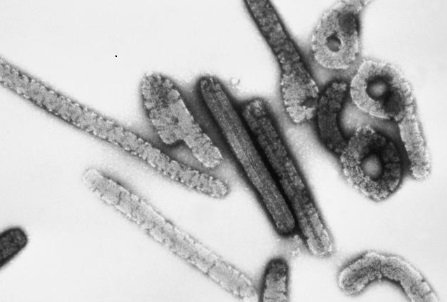
The Marburg virus is one of the most dangerous pathogens known to humankind, causing a disease known as Marburg Virus Disease (MVD). The fatality rate of MVD can range from 24% to 88%, depending on how effectively an outbreak is managed. First identified in 1967 in Marburg, Germany, the virus is closely related to Ebola, as both are filoviruses. While the initial discovery occurred in Europe, most subsequent outbreaks have been reported in Africa.

How MVD Spreads

The Marburg virus was first transmitted to humans through contact with fruit bats, specifically the Rousettus species, which live in caves and mines. Once a human is infected, the virus spreads through direct contact with bodily fluids such as blood, vomit, or urine, or through contaminated surfaces. Healthcare workers are particularly vulnerable due to their close interaction with infected patients.

Symptoms of Marburg Virus Disease (MVD)

Symptoms of MVD usually appear between 2 to 21 days after infection and include:

  • High fever
  • Severe headache
  • Muscle pain
  • Watery diarrhea
  • Abdominal pain
  • Vomiting

In severe cases, patients may experience hemorrhaging, leading to internal bleeding. Most deaths occur within 8 to 9 days after symptom onset due to severe blood loss and shock.

Prevention and Treatment

Currently, there are no approved vaccines or specific treatments for Marburg virus disease. Supportive care, including intravenous fluids and symptom management, is the primary method of treatment. Rwanda is working to protect healthcare workers and patients by exploring experimental vaccines and treatments. The Sabin Vaccine Institute has already provided 700 doses of an experimental vaccine to frontline medical staff in the country.

About the Marburg Virus

The Marburg virus was initially identified during outbreaks in Marburg and Frankfurt, Germany, and in Belgrade, Serbia, in 1967. It causes a form of hemorrhagic fever, characterized by severe bleeding and organ failure. The virus spreads between humans through contact with bodily fluids, and its natural host is believed to be fruit bats.

While Marburg outbreaks are rare, their effects are often devastating. Rwanda’s swift response, including the exploration of experimental vaccines, is crucial to containing this outbreak and protecting its healthcare system from further strain.

Looking Ahead

Rwanda’s first encounter with the Marburg virus highlights the ongoing global challenges posed by emerging infectious diseases. With healthcare workers at high risk and no specific treatment available, the country faces an uphill battle. However, the experimental vaccine and heightened awareness offer a glimmer of hope in controlling the outbreak and preventing further fatalities.

WHO Honors India for Eliminating Trachoma as Public Health Issue

0

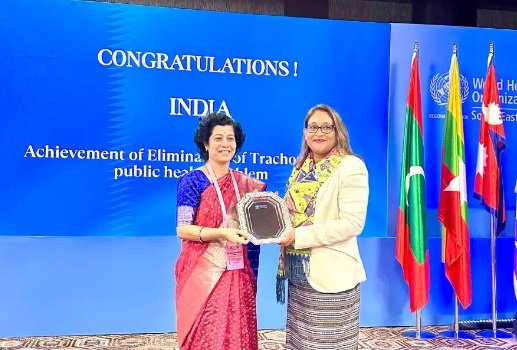
The World Health Organization (WHO) recently commended India for its remarkable achievement in eliminating trachoma as a public health problem. With this accomplishment, India joins Nepal and Myanmar as the third country in the WHO Southeast Asia Region to achieve this significant milestone.

The Significance of the Achievement

This recognition by the WHO underscores India’s dedicated efforts to enhance eye health and prevent diseases through its robust healthcare programs. Trachoma, once a leading cause of blindness globally, has now been successfully controlled in India. This victory reflects the country’s progress in improving public health and hygiene standards.

Understanding Trachoma

Trachoma is a bacterial infection that affects the inner lining of the eyelids, leading to painful inflammation and, if left untreated, blindness. The disease thrives in areas with poor hygiene and unsanitary living conditions. In the 1950s and 60s, trachoma was a major public health challenge in India, contributing significantly to the country’s blindness rates.

Government Initiatives to Combat Trachoma

India launched its National Trachoma Control Program in 1963, laying the foundation for the country’s fight against this debilitating disease. Over time, the program merged with the broader National Programme for Control of Blindness, further strengthening efforts to reduce trachoma-related blindness.

As a result of these concerted efforts, the percentage of blindness due to trachoma fell dramatically—from 5% in 1971 to less than 1% today. This significant reduction showcases India’s success in implementing effective public health measures and improving access to healthcare.

WHO’s SAFE Strategy: The Key to Success

India’s fight against trachoma was guided by the WHO’s SAFE strategy, a comprehensive approach designed to combat the disease at multiple levels. The acronym SAFE stands for:

  • Surgery to correct eyelid deformities caused by trachoma.
  • Antibiotics to treat active infections and prevent further spread.
  • Facial cleanliness to reduce transmission of the disease.
  • Environmental hygiene to improve living conditions and reduce the factors that contribute to the disease.

By employing this strategy, India was able to eliminate infective trachoma by 2017, a critical step in its journey toward eradicating the disease entirely.

Ongoing Surveillance and Research

Despite this success, India remains vigilant to ensure that trachoma does not resurface. Since 2019, the government has implemented ongoing surveillance measures, including the National Trachomatous Trichiasis Survey (2021-2024). This survey monitors the prevalence of trachoma and ensures that the disease remains under control across the country.

Health Outcomes and Future Impact

India’s efforts to eliminate trachoma have led to impressive health outcomes. In 2021 alone, more than 69,000 individuals received surgical treatment for trachoma-related complications, while around 64.6 million people were treated with antibiotics to prevent the disease from spreading. These measures have drastically reduced the number of people affected by trachoma, improving the overall quality of life and health across the country.

The elimination of trachoma in India represents a critical victory in the global fight against preventable blindness. Through sustained efforts and continued vigilance, India is leading the way in improving eye health and ensuring a brighter future for its citizens.

Good bye to man who introduced nationalism to business in India…Tata Motors acquired Jaguar Land Rover, Tata Steel took over Corus & Tata Tea bought Tetley under Ratan Tata’ tenure…

0

By Vaidehi Bhargava

Ratan Tata was an Indian industrialist, philanthropist, and former chairman of Tata Sons, the holding company of the Tata Group, India’s largest conglomerate. Born on December 28, 1937, he is known for transforming the Tata Group into a global powerhouse during his tenure from 1991 to 2012 and briefly in 2016-2017.

Under his leadership, Tata Motors acquired Jaguar Land Rover, Tata Steel took over Corus, and Tata Tea bought Tetley, making Tata Group internationally recognized.

Ratan Tata is highly respected for his integrity, business acumen, and philanthropic efforts. He contributed significantly to causes like education, healthcare, and rural development through the Tata Trusts, which control a majority of Tata Sons’ shares.

Despite his success, Tata has maintained a humble and down-to-earth persona. He has received several national and international honors, including the Padma Bhushan and Padma Vibhushan, two of India’s highest civilian awards. Ratan Tata, beloved industrialist and one of India’s most admired figures, passed away today at the age of 86. He had been admitted to a Mumbai hospital in critical condition.

N Chandrasekaran, Chairman of Tata Sons, confirmed this tragic news.

In a statement, Chandrasekaran expressed, “With deep sorrow, we say goodbye to Mr Ratan Naval Tata, an extraordinary leader whose invaluable contributions have not only transformed the Tata Group but also significantly influenced the essence of our nation.”

“We bid farewell to Mr. Ratan Naval Tata with a profound sense of loss. He was a truly exceptional leader whose immeasurable contributions have shaped both the Tata Group and the very fabric of our countryRatan Tata, the former chairman of Tata Sons, is renowned for his visionary leadership and philanthropic contributions and he has done many inspirational work .

  1. Tata Group’s Expansion: Under Ratan Tata’s leadership, the Tata Group expanded significantly, acquiring companies like Jaguar Land Rover and Corus Steel. His vision transformed Tata into a global powerhouse while retaining its commitment to ethical business practices.
  2. Tata Nano: Ratan Tata championed the development of the Tata Nano, aimed at providing an affordable car for the masses. This innovative approach addressed the needs of low-income families, demonstrating Tata’s commitment to social responsibility.
  3. Philanthropy and Education: Ratan Tata has been a strong advocate for education and healthcare. He has supported numerous initiatives, including the Tata Trusts, which fund various social causes, from healthcare to education and rural development.
  4. Social Initiatives: He has been instrumental in supporting projects like the Tata Institute of Social Sciences and the Tata Medical Center in Kolkata, which focus on education, healthcare, and community development.
  5. Mentorship and Leadership: Ratan Tata has inspired many young entrepreneurs and leaders through his mentorship. He emphasizes the importance of ethical leadership, innovation, and resilience in overcoming challenges.
  6. COVID-19 Response: During the COVID-19 pandemic, Ratan Tata made significant donations to help provide medical aid and support to frontline workers, showcasing his commitment to public welfare during crises.
  7. Sustainable Business Practices: He has been a proponent of sustainable and responsible business practices, focusing on environmental sustainability and social responsibility, ensuring that businesses contribute positively to society.”
    The world dimmed with sorrow as Ratan Tata, a beacon of compassion and vision, departed, leaving behind a legacy of hope and a heartache that echoes in the lives he touched.”

UN Report Warns of Unpredictable Water Cycle Due to Climate Change

0

On October 7, 2024, a United Nations report highlighted an alarming shift in the world’s water cycle, driven by climate change. According to the report, global rivers have experienced their driest conditions in over 30 years, and glaciers have undergone the largest mass loss in five decades. The findings raise urgent concerns about the increasingly erratic nature of the water cycle and the far-reaching effects on ecosystems, human populations, and economies.

How Climate Change Disrupts the Water Cycle

The UN’s World Meteorological Organization (WMO) describes water as an early indicator of climate change’s impacts, comparing it to a “canary in the coal mine.” Rising global temperatures have caused the water cycle to become increasingly unpredictable, leading to both excessive rainfall and prolonged droughts. These irregular weather patterns are wreaking havoc on agriculture, water supplies, and natural habitats, threatening food security and economic stability.

As the atmosphere warms, it can hold more moisture, resulting in heavier rainfall and more frequent flooding. Simultaneously, higher temperatures accelerate evaporation, exacerbating drought conditions. This dual threat is making weather events more extreme and less predictable, putting millions of lives at risk.

Extreme Weather Events Escalate

Over the past year, extreme weather has intensified. The planet has experienced severe droughts, widespread flooding, and unprecedented glacier melting. Natural climate phenomena like El Niño and La Niña have traditionally influenced global weather patterns, but human-caused climate change has amplified their severity. This leads to more frequent and destructive weather events that strain resources and endanger communities.

Glacier Melting and Freshwater Shortages

The report underscores the growing concern over glacier melting, which is accelerating at an alarming rate. Between September 2022 and August 2023, glaciers lost over 600 gigatonnes of water—the most in the last 50 years. This mass loss is contributing to water shortages in regions dependent on glaciers for freshwater.

Currently, around 3.6 billion people—nearly half the global population—lack sufficient access to freshwater for at least one month per year. This number could rise to 5 billion by 2050 if current trends continue. More than half of the world’s river basins have seen below-average water levels for three consecutive years, further compounding the issue.

The Path Forward: Urgent Action Required

The UN stresses the need for immediate action to mitigate the effects of this growing water crisis. Key measures include improved monitoring of freshwater resources and the development of early warning systems to protect people and wildlife from both water shortages and floods.

Most importantly, the report calls for a significant reduction in greenhouse gas emissions to address the root cause of climate change. Without decisive action, the unpredictable water cycle will continue to threaten global water security, leaving millions more vulnerable to the devastating impacts of floods, droughts, and shrinking water supplies.

The UN’s findings serve as a stark reminder of the need for global cooperation in combating climate change and safeguarding the planet’s most vital resource—water.

Visit the Creative Pandals of Durga Puja with us

0


Vaidehi Bhargava

Kolkata,the city of joy is one of the largest and culturally rich cities in the country known for its literary, artistic and intellectual heritage. Durga Puja one of the most important and widely celebrated hindu festival especially in West Bengal and particularly in Kolkata. The Durga Puja is celebrated with great enthusiasm, lasts ten days culminating in the grand immersion of the idols on the last day, Vijayadashmi.

Durga Puja, one of India’s most revered festivals, celebrates the divine victory of Goddess Durga over the demon Mahishasura, symbolizing the eternal triumph of good over evil. This year, Kolkata’s Durga Puja pandals have surpassed all expectations, dazzling with their inventive themes, awe-inspiring craftsmanship, and meticulous attention to detail. These temporary sanctuaries, where the goddess’s idols are enshrined, stand as magnificent testaments to the festival’s grandeur and creativity.


Las Vegas Sphere (Santosh Mitra Square)Inspired by the famous Las Vegas Sphere, this pandal takes visitors on a journey to the “city of lights,” featuring bright neon lights and flashy decorations. Last year, they recreated Ayodhya’s Ram Mandir.

Visit the Creative Pandals of Durga Puja with us


Green Durga Puja (Lalabagan)
The unique Durga Puja pandal in Kolkata’s Lalabagan, created with 8,000 live plants, highlights the importance of protecting the environment and promoting eco-friendliness.

Visit the Creative Pandals of Durga Puja with us


Rainwater Conservation Pandal (Salt Lake)
The Rainwater Conservation Pandal in Salt Lake is not only stunning but also environmentally friendly. It features a lovely waterfall and green decorations, creating a peaceful vibe. The sound of water droplets falling on different containers mimics the rhythm of Pujor Dhaak, adding to the festive atmosphere and making visitors feel truly immersed in the celebration.

Visit the Creative Pandals of Durga Puja with us


Metro Rail Pandal (Jagat Mukherjee Park)
This pandal, complete with life-size train models and intricate details, replicates Kolkata’s metro rail system.

Visit the Creative Pandals of Durga Puja with us


Sati Pratha (Kashi Bose Lane Sarbojanin)
The theme highlights Bengal’s important role in ending the practice of Sati and raises awareness about the ongoing issue of child marriage in some parts of India.

Visit the Creative Pandals of Durga Puja with us


Idol made of waste materials (Dakshin Para)
Dakshinpara Durgotsav has become one of the most popular Durga Puja celebrations this year. The pandal showcases impressive creativity, being made entirely from waste materials like tools and metal sheets. The artist behind this unique creation is Debashish Barui.

Visit the Creative Pandals of Durga Puja with us


Live pandal (Baguihati)
The Arjunpur Amra Sabai Club in Baguihati presents a stunning live pandal that showcases the true spirit of Kolkata’s Durga Puja. The theme addresses growing economic inequality and cultural discrimination under the current regime.

Eco-friendly designs to vibrant cultural tributes, these pandals are not just showcases of craftsmanship, but living expressions of devotion, innovation, and the festive spirit of Durga Puja. In their beauty, they invite us to see the world anew, celebrating both heritage and creativity with every intricate detail.

India’s Fifth Lunar Mission, Lupex, Approved by National Space Commission

0

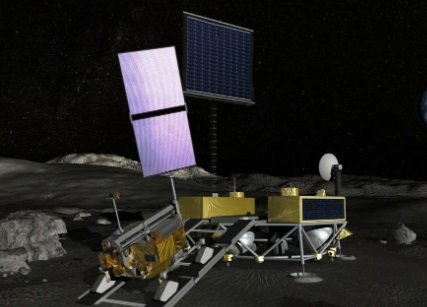
Following the success of Chandrayaan-3 in August 2023, India’s National Space Commission has approved a new and ambitious lunar mission—Lunar Polar Exploration Mission (Lupex). This venture is a collaborative effort between the Indian Space Research Organisation (ISRO) and the Japan Aerospace Exploration Agency (JAXA), designed to explore the Moon’s south pole, specifically its water and other valuable resources. Lupex marks a significant step in India’s continued advancements in space exploration.

Objectives of the Lupex Mission

The primary goal of the Lupex mission is to investigate the Moon’s water content, especially in the permanently shadowed regions at the lunar south pole. These areas, which are never exposed to sunlight, are believed to hold large quantities of water in the form of ice. Lupex aims to determine the amount of water present, its exact location, and whether it exists only on the surface or is also embedded deep within the lunar regolith (the Moon’s soil).

Understanding the distribution and state of water on the Moon is crucial for the future of space exploration. Water is a key resource for supporting long-term human missions, as it can be used for drinking, oxygen production, and fuel generation. Lupex is positioned to provide valuable data that could influence not just future lunar missions but also missions to Mars and beyond.

Mission Duration and Operations

The Lupex mission is designed to operate for up to 100 days on the Moon’s surface, significantly longer than India’s previous lunar missions. This extended timeline will allow scientists to gather comprehensive data and conduct detailed experiments, particularly in areas that have remained in permanent shadow and are difficult to explore. Special instruments aboard the rover will be used to drill into the lunar surface and analyze samples, offering insights into the subsurface composition of the Moon.

Collaboration Between India and Japan

The Lupex mission represents a unique collaboration between India and Japan, with each country taking on specific roles. JAXA will be responsible for developing the rover, which will weigh approximately 350 kg—significantly larger than the 26 kg Pragyan rover from Chandrayaan-3. JAXA will also provide the launch vehicle, while ISRO will focus on building the lander that will transport the rover safely to the Moon’s surface. This partnership not only strengthens scientific ties between the two countries but also advances their shared interests in space exploration.

Significance of the Lupex Mission

The Lupex mission holds immense significance for the future of lunar exploration. By uncovering vital information about the Moon’s resources, particularly water, Lupex will pave the way for more ambitious missions, including those that aim to return lunar samples to Earth. Moreover, the mission aligns with India’s broader goals of establishing a human presence on the Moon by 2040, and even sending Indian astronauts there in the coming decades.

Lupex is also expected to contribute valuable knowledge about the Moon’s geological history and composition. Its findings could guide future exploration strategies, making the Moon a stepping stone for deeper space exploration. Additionally, the mission is a testament to the growing role of international collaboration in space research, enhancing ties between India, Japan, and other space-faring nations.

Lupex and the Future of Space Exploration

As part of India’s long-term vision for space exploration, the Lunar Polar Exploration Mission (Lupex) is a bold initiative that aims to deepen our understanding of the Moon’s polar regions. By focusing on the search for water ice and other critical resources, Lupex takes a crucial step toward the possibility of building a sustainable human presence on the Moon. It also fosters increased international cooperation in space research, as India and Japan combine their expertise to unlock the mysteries of the lunar surface.

With Lupex, India continues to push the boundaries of its space program, further cementing its place as a key player in global space exploration. The mission is not just a scientific endeavor; it represents a leap toward the future of humanity in space.

Nobel Prize in Physics 2024 Awarded to John J. Hopfield and Geoffrey E. Hinton for Breakthroughs in Machine Learning

0

In a landmark decision that bridges the worlds of physics and artificial intelligence (AI), the Nobel Prize in Physics 2024 was awarded to John J. Hopfield and Geoffrey E. Hinton. Both have been recognized for their pioneering contributions to machine learning, particularly in the realm of artificial neural networks. Their work laid the foundation for modern AI technologies, which have transformed industries from healthcare to autonomous vehicles.

John J. Hopfield: Associative Memory and the Hopfield Network

John J. Hopfield’s contributions to AI began with his development of the Hopfield network, a model that simulates how memory is stored and recalled in the human brain. Drawing inspiration from the behavior of atomic spins—microscopic physical particles that interact to reach stable states—Hopfield applied similar principles to artificial neural networks.

The Hopfield network operates as a memory system, composed of interconnected nodes that resemble the pixels in an image. These nodes communicate with one another, much like the neurons in our brains. The network is engineered to minimize energy, akin to how atomic spins settle into stable configurations. As the network is trained, it adjusts the strength of its connections, enabling it to store specific patterns as low-energy states. These patterns represent stored memories, and the network becomes adept at recalling them even when presented with incomplete or noisy information.

For instance, if the network is given a blurred or fragmented image, it processes the information by updating the nodes to reduce energy, eventually reconstructing the closest matching image from its memory. This remarkable feature has applications in image recognition and pattern matching, key elements in today’s AI systems.

Geoffrey E. Hinton: The Boltzmann Machine and Statistical Learning

Geoffrey E. Hinton built on Hopfield’s framework by introducing the Boltzmann machine, another neural network model that integrates ideas from statistical physics. While the Hopfield network is adept at recalling specific patterns, the Boltzmann machine excels at recognizing common features and patterns within large datasets. Its strength lies in its ability to learn from complex data and create new examples based on what it has already seen.

The Boltzmann machine works by examining numerous examples of data and learning to recognize patterns and features over time. It can classify data, identify hidden structures, and even generate new data that shares similarities with the original dataset. This innovation became a crucial tool in advancing machine learning, enabling AI systems to handle vast amounts of information and perform complex tasks, such as language processing and image classification.

Impact on AI and Physics

The revolutionary work of Hopfield and Hinton has not only transformed the field of AI but also made significant contributions to physics. Their models of neural networks have become instrumental in various applications, such as pattern recognition, where they are used to identify faces, objects, and even medical anomalies in images. These networks also facilitate data analysis, allowing scientists to decipher patterns in enormous datasets.

In physics, their models assist researchers in discovering new materials with unique properties. The crossover between AI and physics demonstrates the versatility and far-reaching impact of Hopfield and Hinton’s work, influencing both technological advancements and scientific research.

Background of the Laureates

  • John J. Hopfield, born in 1933 in Chicago, USA, completed his Ph.D. at Cornell University in 1958. He is a professor at Princeton University, where his interdisciplinary work has influenced both physics and biology.
  • Geoffrey E. Hinton, born in 1947 in London, UK, earned his Ph.D. from The University of Edinburgh in 1978. He is a professor at The University of Toronto and has made monumental contributions to the development of deep learning, a key component of modern AI.

A Lasting Legacy

Hopfield and Hinton’s achievements have laid the foundation for many of the AI-driven innovations we see today. Their neural network models have opened doors to new possibilities in technology, healthcare, and science, and their impact will continue to resonate for generations to come. As AI becomes increasingly integrated into daily life, the work of these two laureates will remain central to the field’s progress.

Their 2024 Nobel Prize in Physics stands as a testament to the transformative power of interdisciplinary research, celebrating the intersection of physics and AI that is shaping the future.