Home Blog Page 472

26 New Sculptures to Elevate the 2025 Maha Kumbh Mela in Prayagraj

0

The grand Maha Kumbh Mela in Prayagraj, one of the world’s largest spiritual gatherings, is set to become even more enchanting in 2025 with the addition of 26 new sculptures aimed at enhancing the spiritual experience for millions of pilgrims. The event, which is held once every 12 years, draws people from across the globe, all seeking a transformative experience during the holy dip in the Triveni Sangam – the confluence of the Ganges, Yamuna, and mythical Saraswati rivers.

These sculptures are being strategically installed at key locations across the Kumbh Mela grounds to evoke a deeper sense of divinity and serenity. Created by renowned sculptors, they will depict various deities, sages, and mythological figures from Hindu tradition, allowing visitors to connect with the rich spiritual heritage of India. Among the most notable sculptures will be images of Lord Shiva, Goddess Ganga, and sage Bhagirath, among others, reflecting the importance of these figures in the Kumbh’s religious significance.

The installation of these sculptures is part of a larger initiative by the Uttar Pradesh government to elevate the experience of the devotees and pilgrims, who come in search of spiritual rejuvenation. The sculptures are designed to blend seamlessly with the natural surroundings of the Mela and are expected to create an atmosphere of peace and reflection. Each sculpture is crafted with intricate details, ensuring that they resonate with the profound symbolism of the event.

In addition to the sculptures, the Prayagraj administration is also working on enhancing infrastructure and facilities, including better accessibility, improved sanitation, and more. The city is expected to host over 100 million people during the event, making it a monumental task to ensure a smooth and memorable experience for all.

Beyond their artistic appeal, the sculptures are expected to serve as a powerful reminder of the deep spiritual and cultural traditions of India, offering a moment of reflection for everyone who passes by. Whether it’s the breathtaking image of a deity or the powerful symbolism of a sage meditating by the river, these sculptures will undoubtedly leave a lasting impact on all who come to witness this incredible spiritual gathering.

The Maha Kumbh Mela in Prayagraj, with its new sculptures, promises to be an even more awe-inspiring event, blending faith, art, and spirituality in an experience that is bound to be etched in the hearts of millions.

Pushpa 2 Creates Unstoppable Craze: Skyrocketing Ticket Prices Can’t Deter Fans from Buying!

0

The pre-sale ticket sales for Pushpa 2: The Rule have been remarkable, setting new benchmarks even before the film’s release. As of late November 2024, the film has crossed the $1 million mark in pre-sales for its USA premiere, with over 35,000 tickets sold across 3,200 shows in 850 locations. This achievement has made Pushpa 2 the fastest Indian film to reach this milestone.

Moreover, the excitement around the film has only grown since the trailer’s release on November 17, 2024. This surge in ticket sales indicates that the movie could achieve one of the biggest premieres for an Indian film in North America. The film has also been breaking records in other regions, including Australia and Oceania.

In India, the movie has similarly gained traction, with pre-sale figures already topping ₹25 crore for its opening day. These numbers point to a massive box-office opening, marking Pushpa 2 as one of the most anticipated films of 2024.

Fans of Allu Arjun, Rashmika Mandanna, and Fahadh Faasil are eagerly awaiting the sequel, which promises to delve deeper into the intense struggles and relationships of Pushpa Raj. The film is scheduled for a December 5 release.

One of the most awaited sci-fi shows: Dune Prophecy builds a new genre of woman dominated sci-fi world

0

The much-anticipated Dune: Prophecy, a prequel series to Frank Herbert’s Dune, premiered on JioCinema Premium in India on November 18, 2024. The six-episode series, co-produced by HBO and Legendary Television, is inspired by Sisterhood of Dune, a novel by Brian Herbert and Kevin J. Anderson. It delves into the origins of the Bene Gesserit sisterhood, set 10,000 years before the rise of Paul Atreides.

The show focuses on Valya and Tula Harkonnen, played by Emily Watson and Olivia Williams, as they navigate personal challenges and form the foundations of the Bene Gesserit order. Their story intertwines with broader political and social struggles, adding layers of complexity to the narrative. Travis Fimmel stars as Desmond Hart, whose enigmatic link to Arrakis amplifies the intrigue. Bollywood star Tabu is set to appear in the fifth episode, further heightening excitement among Indian audiences.

Critics have praised the series for its intricate storytelling, visually stunning scenes, and balanced exposition. The premiere episode, The Hidden Hand, lays a strong foundation for exploring the sisterhood’s dynamics, while the second episode, Two Wolves, highlights the show’s cinematic brilliance. The series releases new episodes every Monday, simultaneously with its U.S. broadcast.

Fans of the Dune franchise and newcomers alike can experience this sci-fi saga that combines political intrigue, philosophical undertones, and breathtaking visuals, making it a must-watch on JioCinema Premium.

Elton John unable to ‘watch own musical’ after eyesight loss

0

Sir Elton John, a musical genius whose melodies have graced countless stages and hearts, recently revealed the challenges he’s facing due to the loss of his eyesight. At 77, the legendary artist shared his inability to visually experience The Devil Wears Prada: The Musical, for which he composed the music. Despite this, his love for his craft remains undiminished.

Speaking at a star-studded charity gala for the Elton John AIDS Foundation, Sir Elton said, “I have lost my sight and haven’t been able to see the performance, but I have enjoyed listening to it.” His poignant words reflect his resilience and undying connection to music, even as he faces health struggles.

A Gala to Remember

The gala performance, held in London’s West End, brought together luminaries from the worlds of fashion, film, and music. Among the notable attendees were Anna Wintour, Lily Collins, Donatella Versace, and Betsey Johnson. The evening was a celebration of art, fashion, and philanthropy, with proceeds supporting Sir Elton’s tireless efforts in the fight against AIDS.

Wintour, Vogue’s editor-in-chief, described the musical as “entertaining” and left it to audiences to decide whether the character of Miranda Priestly—a fearsome fashion magazine editor—bore any resemblance to her.

A Story That Resonates

The Devil Wears Prada: The Musical is based on the iconic 2006 film and tells the story of Andy, a young journalist navigating the cutthroat world of fashion under the domineering editor Miranda Priestly. In this theatrical adaptation, Vanessa Williams steps into the role of Priestly, bringing her distinctive flair to the stage.

Actress Michelle Visage praised Williams, calling her the “perfect person to play Miranda,” while fashion designer Betsey Johnson reflected on how the story depicts the intensity of the fashion industry. “Everyone in the fashion industry loves the show,” she said, adding, “I was lucky I didn’t have to play the game.”

Shifting Perspectives on Fashion

The production sparked conversations about the evolving nature of the fashion industry. Model Elizabeth Hurley noted that “every woman’s body is now celebrated,” a sentiment echoed by many. However, singer Beverley Knight pointed out that progress remains slow, particularly in how the industry perceives body diversity.

Luke Evans, the actor known for his role in Beauty and the Beast, shared his love for the film, saying it provides a unique peek into the egos and dynamics of the fashion world. “Fashion changes all the time, but the people at the top never do,” he quipped.

An Artist’s Resilience

Elton John’s admission of his struggle with vision, caused by an infection in his right eye in July, underscores the personal challenges faced by even the brightest stars. While he can no longer see the vibrancy of the stage, he continues to hear and feel the power of his music.

“It’s been four months since I haven’t been able to see, and my left eye is not the greatest,” he revealed in a prior interview. Yet, Sir Elton’s dedication to his craft and charity work shines as brightly as ever, inspiring both fans and peers alike.

A Legacy That Transcends Challenges

The gala performance of The Devil Wears Prada: The Musical served as a reminder of Elton John’s indomitable spirit. His music continues to enchant, his philanthropy to impact lives, and his journey to inspire countless admirers around the globe.

As the curtains rise and fall on the musical, one thing remains constant: Elton John’s unparalleled ability to connect with audiences, proving that while he may have lost his sight, his vision for storytelling and impact remains as clear as ever.

Indian Navy Day 2024: Honoring the Guardians of India’s Maritime Glory

0

Every year on December 4th, India proudly commemorates Navy Day, a tribute to the valor, commitment, and indomitable spirit of the Indian Navy. This day marks the anniversary of Operation Trident, a pivotal mission during the Indo-Pakistani War of 1971, where the Navy showcased unparalleled courage by launching a successful attack on Karachi harbor. Beyond its historical significance, Navy Day honors the men and women who safeguard India’s maritime interests, ensuring the nation’s security and prosperity across its vast coastlines and strategic waters. It is a day to reflect on their dedication and the Navy’s unwavering resolve to serve and protect.

The Backstory

The origins of Indian Navy Day trace back to Operation Trident, a daring naval operation launched on 4th December 1971 during the conflict with Pakistan. The Indian Navy’s Western Naval Command, using missile boats, conducted a surprise attack on Pakistan’s Karachi port, destroying fuel tanks and crippling naval assets. It was the first time anti-ship missiles were used in combat in the region, and it left a lasting impact on Pakistan’s naval capabilities. The operation resulted in no Indian casualties, making it a textbook example of precision and efficiency.

Significance of the Day

  1. Commemoration of Bravery: The day serves as a tribute to the courage and professionalism of Indian naval personnel.
  2. Maritime Security Awareness: It highlights the importance of maritime security, especially for a nation with a vast coastline of 7,500 kilometers.
  3. Showcasing Naval Power: Through events like demonstrations, exhibitions, and open ship visits, the Navy showcases its advancements in technology and capabilities.

Role of the Indian Navy

The Indian Navy is not just a defender of the nation’s shores but also a symbol of India’s growing maritime influence. Its responsibilities include:

Protecting India’s maritime trade routes.

Conducting humanitarian missions during disasters.

Safeguarding India’s exclusive economic zone and contributing to global maritime peace.

Celebrations and Events

Indian Navy Day is celebrated with great enthusiasm across naval bases. Activities include:

Beating Retreat Ceremonies: Showcasing naval discipline and tradition.

Maritime Demonstrations: Exhibiting warships, submarines, and aircraft in action.

Open Ship Days: Allowing civilians to explore naval vessels.

Wreath-Laying Ceremonies: Honoring naval martyrs at war memorials.

A Proud Legacy

The Indian Navy, since its establishment as the Royal Indian Navy in 1612, has evolved into a modern force that embodies “Silent Service, Supreme Duty.” Navy Day is a reminder of its contributions and the strategic importance of oceans in national security.

Let us celebrate the indomitable spirit of the Indian Navy that keeps our waters safe and our nation strong.

Major Dhyan Chand: The Hockey Wizard Who Shaped India’s Sporting Legacy

0

Major Dhyan Chand, often referred to as the “Wizard of Hockey,” was an Indian field hockey legend whose extraordinary skills and achievements have made him an icon in the world of sports. Born on August 29, 1905, in Allahabad (now Prayagraj), he followed in his father’s footsteps by joining the British Indian Army at the age of 16. His passion for hockey blossomed while serving in the army, where he practiced under moonlight after duty, earning him the nickname “Chand” (moon in Hindi).

Dhyan Chand’s international career began in 1926 with a successful tour in New Zealand, where his team won 18 out of 21 matches. He played a pivotal role in India’s first Olympic hockey gold medal victory in 1928, followed by two more gold medals in 1932 and 1936, scoring over 400 goals in his illustrious career. As the captain during the 1936 Berlin Olympics, he led India to a resounding 8-1 victory against Germany in the final, cementing India’s dominance in field hockey.

Despite his unparalleled success, Dhyan Chand faced challenges, including financial hardships and limited recognition during his lifetime. After retiring from the army as a Major in 1956, he was awarded the Padma Bhushan, India’s third-highest civilian award. He later dedicated his life to coaching young hockey players, inspiring future generations.

Dhyan Chand’s legacy lives on through the National Sports Day, celebrated annually on his birthday, and through numerous honors, including the Dhyan Chand Award for Lifetime Achievement in Sports. His life story is a testament to perseverance, passion, and excellence, making him an enduring source of inspiration.

Celebrating the 140th Birth Anniversary of Dr. Rajendra Prasad with his Inspirational quotes

0

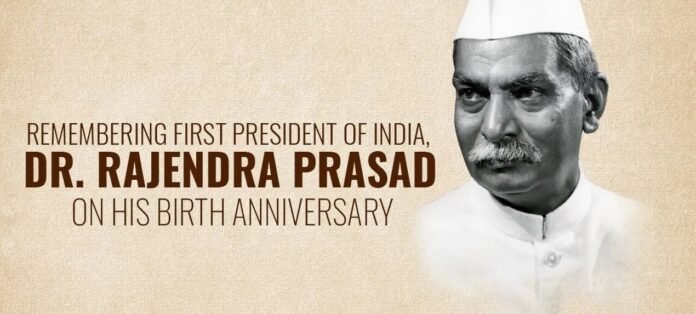
On December 3, 2024, India celebrates the 140th birth anniversary of Dr. Rajendra Prasad, the first President of independent India and one of the greatest statesmen in the country’s history. A symbol of humility, simplicity, and integrity, Dr. Prasad’s life is an enduring inspiration for generations.

Born in 1884 in Ziradei, Bihar, Dr. Prasad’s extraordinary journey from a modest village to becoming the highest constitutional authority in India reflects his dedication to the nation. His life was a testament to perseverance and selfless service. He played a pivotal role in the freedom movement, working closely with Mahatma Gandhi and other stalwarts, while also leaving an indelible mark as a scholar, lawyer, and reformer.

A Leader of the People

Dr. Prasad’s leadership was rooted in his unwavering commitment to the well-being of the people. As a freedom fighter, he was at the forefront of movements like the Champaran Satyagraha, which aimed to uplift the oppressed indigo farmers of Bihar. His deep connection to the grassroots made him a beloved leader who truly understood the pulse of the nation.

When the Constituent Assembly of India was tasked with drafting the Constitution, Dr. Prasad was elected as its President, a role he carried out with grace and vision. His contributions ensured the Constitution reflected India’s aspirations for equality, justice, and liberty.

A President Like No Other

In 1950, Dr. Prasad became the first President of India. During his tenure, he set a high standard for the office by upholding democratic values and maintaining a non-partisan approach. Known for his humility, he famously said:
“The greatest reward for public service is the satisfaction that comes from serving others.”

Dr. Prasad’s tenure as President was marked by his dedication to the ideals of self-reliance, national integration, and education. His efforts to promote these values continue to resonate today.

Timeless Wisdom: Quotes That Inspire

Dr. Rajendra Prasad’s words remain a guiding light for those striving to serve society with sincerity and purpose. Some of his most inspirational quotes include:

  • “In attaining our ideals, our means should be as pure as the end.”
    This reflects his Gandhian belief that integrity in action is as crucial as the goal itself.
  • “Success comes to those who work hard, have patience, and believe in themselves.”
    A reminder that perseverance is key to overcoming challenges.
  • “Real education makes us humble and builds a sense of service towards humanity.”
    His emphasis on education as a tool for character-building is a timeless lesson.

Legacy That Lives On

Dr. Rajendra Prasad’s life exemplified the ideals of duty, humility, and patriotism. His contributions laid the foundation for modern India’s democratic ethos, and his values continue to inspire leaders and citizens alike.

As we commemorate his 140th birth anniversary, let us draw inspiration from his life and words to work towards a more inclusive, compassionate, and progressive India.

World’s richest cricketer retired at 22, made Rs70,000 crore & never played IPL

0

Aryaman Birla, the son of billionaire industrialist Kumar Mangalam Birla, holds the distinction of being the richest cricketer in the world, surpassing legends like Sachin Tendulkar, MS Dhoni, and Virat Kohli. Unlike these icons, whose fortunes are built on their cricketing brilliance and endorsements, Aryaman’s wealth primarily stems from his position in the family-owned Aditya Birla Group, one of India’s largest conglomerates. His estimated net worth of ₹70,000 crore far exceeds the combined wealth of his cricketing peers.

Aryaman’s journey began with a genuine passion for cricket. He debuted for Madhya Pradesh in the Ranji Trophy in 2017 and soon made headlines by scoring an unbeaten century at the Eden Gardens in 2018. His performance earned him recognition as a cricketer in his own right, separate from his family name. That same year, he secured an IPL contract with the Rajasthan Royals, highlighting his potential as a young talent.

However, Aryaman’s cricketing journey was short-lived. In 2019, he announced an indefinite sabbatical, citing injuries and mental health challenges. This decision marked a pivotal shift in his career. While the sporting world lost a promising talent, Aryaman turned his focus to the corporate world, embracing the legacy of the Aditya Birla Group.

In 2023, Aryaman was inducted as a director at Aditya Birla Fashion and Retail Limited, a key player in India’s fashion industry. He also holds significant positions on the boards of Grasim Industries and Aditya Birla Management Corporation. These roles showcase his ability to navigate the complex demands of leading a multi-billion-dollar empire, balancing his personal aspirations with the weight of family expectations.

Aryaman’s wealth starkly contrasts with the fortunes of cricketing legends Tendulkar, Dhoni, and Kohli, whose net worths are $170 million, $111 million, and $92 million, respectively. While their success is rooted in their on-field achievements and marketability, Aryaman’s fortune highlights the influence of inherited wealth and business acumen.

Despite his early retirement from cricket, Aryaman Birla has carved out a unique legacy. He stands as a testament to the ability to straddle two distinct worlds — sports and business — with determination and grace, leaving an indelible mark in both. His story serves as an inspiring blend of personal passion and professional responsibility.

SIDH in Mussorie is Serving the Cause of Redefining Education For Generations to Come…

0

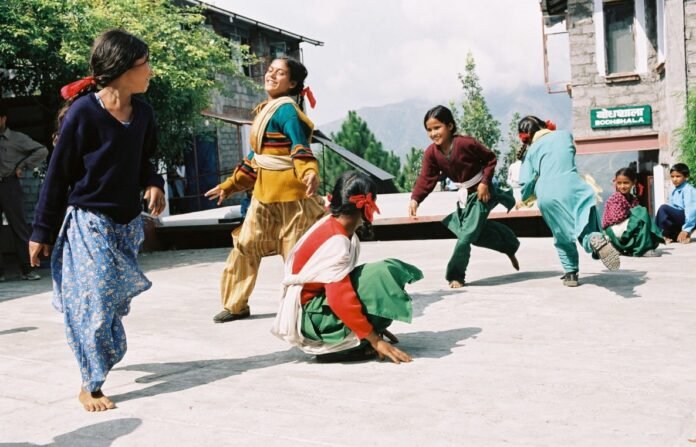
Imagine a small Himalayan village where mothers gather, their hopes resting on the promise of education to empower their children. It was here, in 1989, that SIDH was born—an initiative inspired by these women’s dreams for a better future. But three years later, those same mothers voiced an unexpected concern. They said the education system, instead of bringing harmony, had sown a divide between their children and their roots, fostering a sense of superiority that alienated them from their culture and community.

Their heartfelt observation—“Teach children how to be, not how to appear to be”—became a catalyst for transformation. What followed was a remarkable journey of introspection, innovation, and reimagination that challenged conventional ideas of education and explored its deeper purpose.

This is the story of SIDH—a story of listening, learning, and lighting the way for generations to come.

In 1989, SIDH began as a dream sparked by the voices of village women in the Himalayan foothills. They approached Pawan Gupta and Anuradha Joshi, two visionaries who shared their aspirations, with a simple yet profound request—to start a school for their children. These women believed education would open doors to a brighter future for the next generation.

Three years later, the same women returned, but their words now carried a tone of concern and disillusionment. They spoke not of pride but of pain, expressing that the school had, in their words, “ruined” their children. The mothers noticed a growing disconnect between their homes and the classroom. The children, influenced by the education system, were developing a false sense of superiority and looking down on their families and traditions.

One non-literate mother summarized their anguish with a poignant insight:
“बच्चों को होना सिखाओ, दिखना नहीं !”
(Teach them how to be, not how to appear to be.)

This simple yet profound wisdom struck a chord with Pawan and Anuradha. It was a turning point that would reshape SIDH’s mission and philosophy.

Rethinking Education

The women’s plea prompted deep introspection. What was the true purpose of education? Could learning lead not only to academic success but to a harmonious life? These questions led SIDH to explore the intrinsic links between education, lifestyle, and happiness.

This shift in perspective gave rise to a transformative journey. What began as a single school evolved into a movement—a living experiment to redefine learning. SIDH developed alternative educational models that celebrated local knowledge, fostered community connection, and nurtured children’s innate potential without alienating them from their roots.

The Journey of Growth

Over the years, SIDH expanded its reach, establishing 35 village schools and producing numerous publications that questioned the prevailing education system. These efforts sparked dialogues across communities, challenging traditional notions of progress and advocating for a more grounded, meaningful approach to learning.

SIDH’s evolution saw it transition from running schools to influencing educators and policymakers. Workshops, seminars, and courses became vehicles to disseminate its learnings and inspire a broader change. Today, SIDH stands as a research-driven organization, dedicated to uncovering the deeper implications of education on individuals and society.

A Legacy of Transformation

SIDH’s story is not just about schools or classrooms; it’s about rediscovering the essence of learning. It’s about reconnecting children with their environment, families, and themselves. It’s about honoring the wisdom of a mother’s heartfelt advice and transforming it into a philosophy that can inspire the world.

At its heart, SIDH’s journey reflects a simple truth: education is not just about what we learn but who we become.

Gharchola: Gujarat’s Iconic Wedding Drape Earns Prestigious GI Tag

0

Gujarat’s iconic Gharchola, a traditional wedding drape, has recently received the Geographical Indication (GI) tag, a recognition that ensures its authenticity and promotes its rich heritage. This textile, deeply rooted in Gujarat’s cultural identity, symbolizes blessings, prosperity, and the sacred union of marriage.

Historical Roots

The Gharchola traces its origins to the royal courts and affluent merchant families of Gujarat during the 12th century. It flourished under the patronage of the Solanki dynasty, which encouraged the development of intricate handwoven textiles. Traditionally, this saree was crafted in Jamnagar and Rajkot districts, famous for their expert weavers and dyers.

The name Gharchola translates to “home square,” a reference to the saree’s characteristic checkered patterns, each square often embellished with symbolic motifs such as peacocks, elephants, and lotus flowers, representing love, wealth, and purity.

Significance and Craftsmanship

The Gharchola is not just a piece of clothing; it is a cultural artifact. Crafted using the bandhani (tie-dye) technique and woven with zari (gold or silver threads), this saree showcases the meticulous skills of artisans. The process begins with weaving silk or cotton yarn into a grid-like design. Artisans then tie and dye the fabric multiple times to achieve its vivid red and green hues. Each saree can take weeks, sometimes months, to complete, underscoring the labor-intensive craftsmanship behind it.

Historically, the saree was gifted to brides as part of their dowry, symbolizing the merging of two families. It also carried religious significance, often worn during auspicious ceremonies and temple offerings.

Modern Revival and GI Tag Significance

Over the years, industrialization posed a threat to the Gharchola’s traditional production, with machine-made imitations flooding the market. However, the GI tag aims to protect this cultural treasure by ensuring that only sarees crafted using authentic techniques in designated regions can bear the name. This recognition not only boosts the livelihoods of artisans but also preserves an age-old heritage.

Today, Gharchola continues to be a preferred choice for brides in Gujarat and beyond, representing a blend of tradition and artistry. Its GI tag reaffirms its status as a timeless symbol of Gujarat’s textile legacy.

By honoring the Gharchola, we celebrate not just a fabric but the stories, emotions, and skilled hands that bring it to life.