Home Blog Page 470

Do you know these 10 U.S. Presidents Who Came from Humble Background..

0

Achieving the U.S. presidency often requires immense resources and political support, but some of the most influential presidents came from backgrounds marked by hardship and resilience. These leaders embodied the American dream, rising from modest beginnings to hold the nation’s highest office. Here’s a closer look at ten U.S. presidents who turned humble origins into historical legacies.

1. Abraham Lincoln

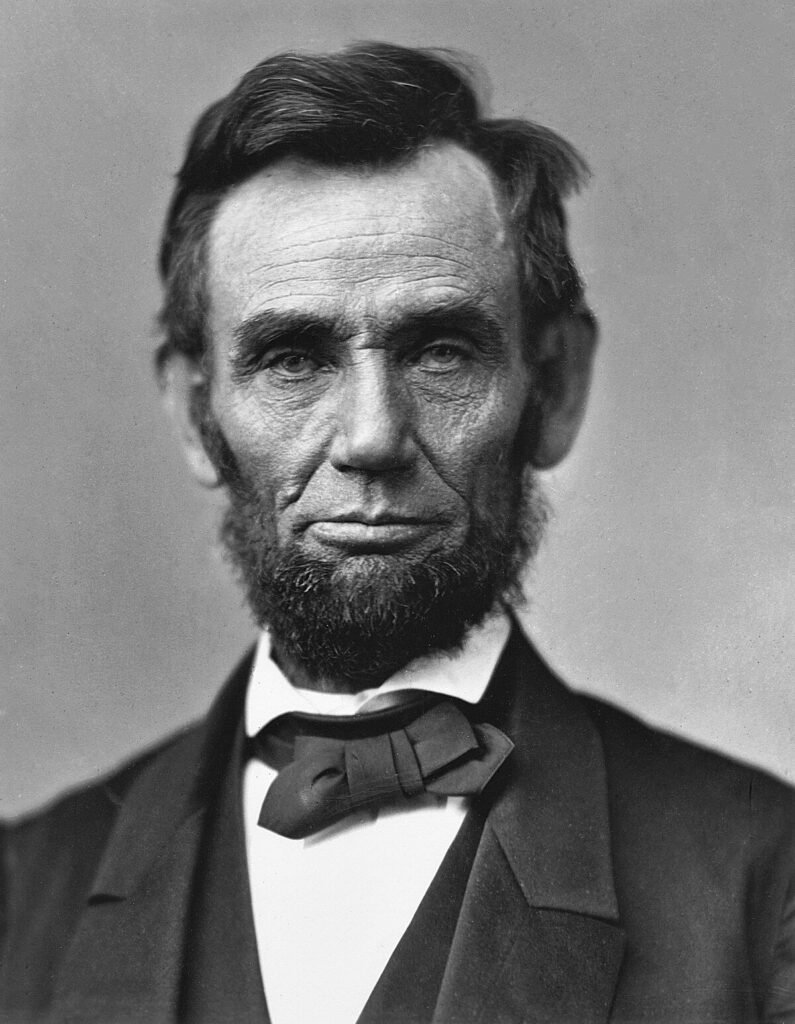
Abraham Lincoln, the 16th president of the United States, grew up in extreme poverty on the Kentucky frontier. Born in a one-room log cabin in 1809, Lincoln’s family struggled with financial instability and lacked formal education. His father, a farmer, expected him to work hard from a young age, and Lincoln had minimal schooling. Yet, through his dedication to self-education and perseverance, Lincoln transformed himself from a self-taught lawyer to one of the nation’s most revered leaders. He famously guided the country through its Civil War and played a pivotal role in abolishing slavery.
Do you know these 10 U.S. Presidents Who Came from Humble Background..

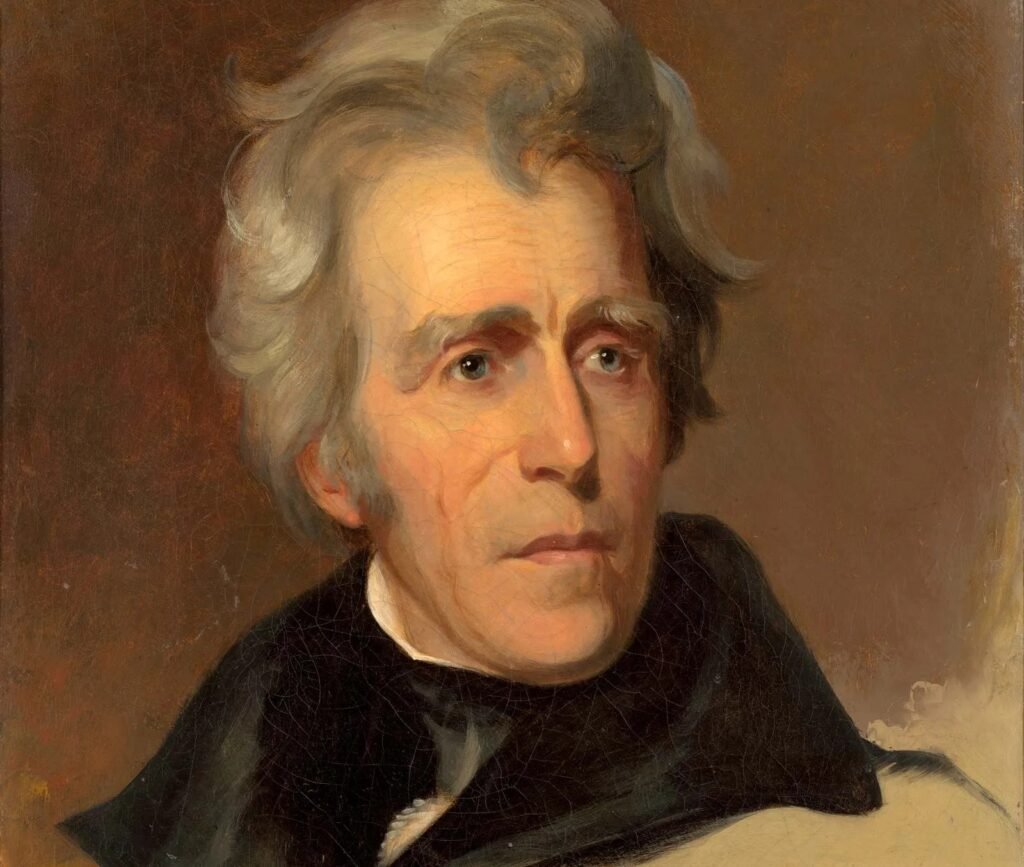
2. Andrew Jackson

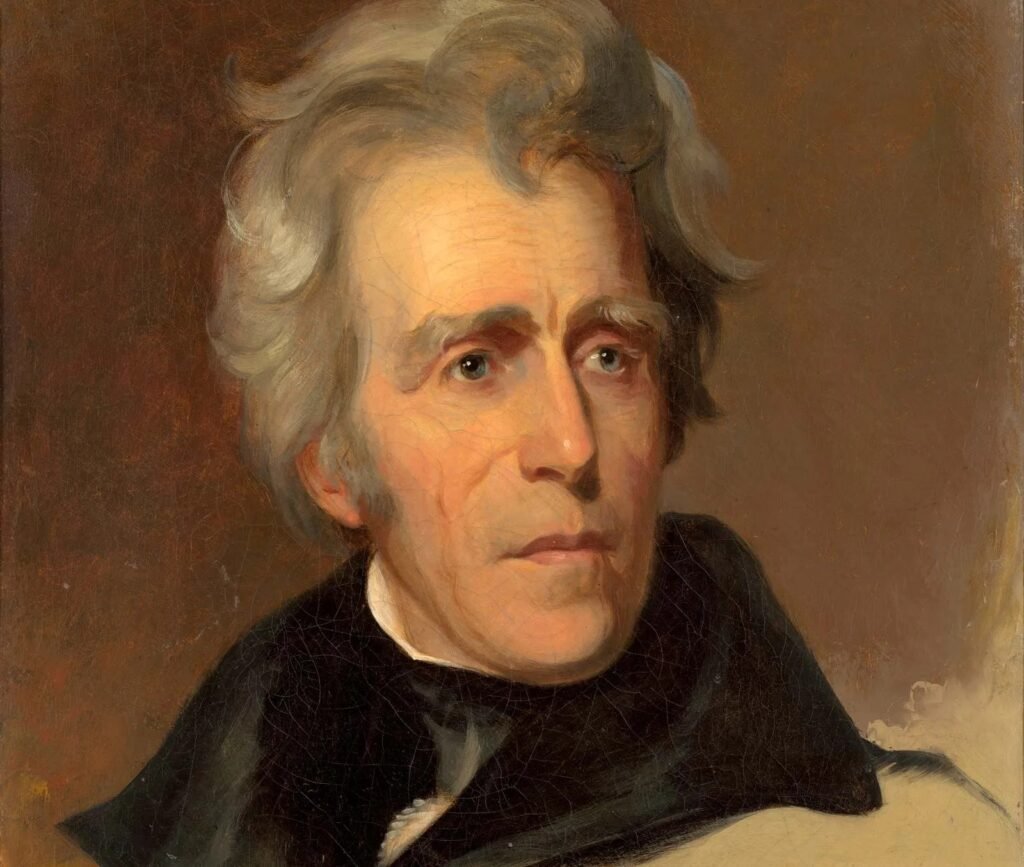
Known as the “people’s president,” Andrew Jackson hailed from the rugged mountains of Tennessee and served as the 7th president from 1829 to 1837. Jackson’s story was marked by tragedy even before his birth; his father died, leaving his mother to raise him in poverty. By age 14, he was an orphan, his mother having passed away. Despite this, Jackson’s resilience and force of will took him from a self-made military career to the highest office. His legacy includes shaping the modern Democratic Party and promoting populist ideals that resonated with the common people.
Do you know these 10 U.S. Presidents Who Came from Humble Background..

3. Harry S. Truman

The only 20th-century president without a college degree, Harry S. Truman was born in a small Missouri town in 1884. He spent much of his early life working on his family’s farm, helping his father manage the land. Truman’s modest upbringing instilled a sense of discipline and pragmatism that later defined his political career. As president from 1945 to 1953, he led the nation through the end of World War II and the beginning of the Cold War, making momentous decisions such as authorizing the use of atomic bombs and establishing NATO.
Do you know these 10 U.S. Presidents Who Came from Humble Background..

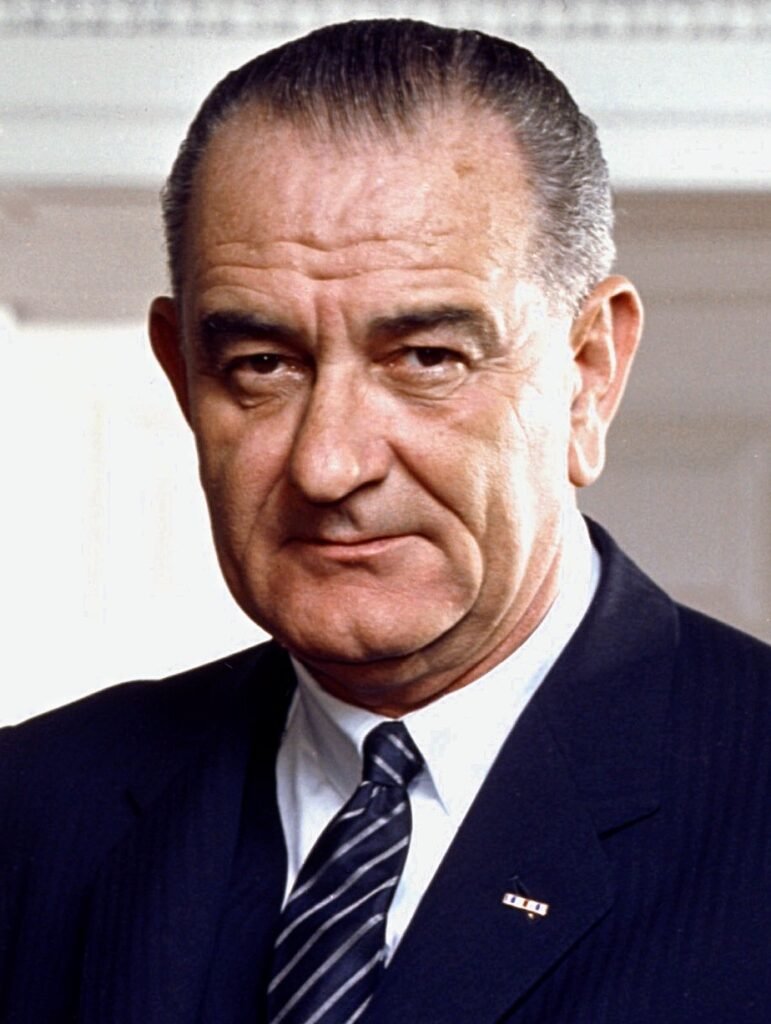
4. Lyndon B. Johnson

Lyndon B. Johnson, the 36th president, was raised in the harsh landscape of Texas Hill Country. Born to two former schoolteachers who became farmers, Johnson grew up in a household that struggled without basic utilities. His mother instilled in him a love for education, which he eventually used to ascend from teaching to politics. When he assumed the presidency after John F. Kennedy’s assassination in 1963, Johnson became a champion for civil rights and social programs, establishing Medicare and pushing forward significant advancements through his “Great Society” initiatives.
Do you know these 10 U.S. Presidents Who Came from Humble Background..

5. Richard Nixon

Born into poverty in California, Richard Nixon was raised in a modest home that his father built. His family’s financial struggles meant that Nixon often worked to support them. Despite the hardships, he excelled academically, eventually attending law school. Nixon’s journey to the presidency was driven by determination and self-discipline, yet his time in office was ultimately marred by scandal. Serving from 1969 to 1974, Nixon opened relations with China and initiated critical environmental reforms, though he resigned following the Watergate scandal.
Do you know these 10 U.S. Presidents Who Came from Humble Background..

6. James A. Garfield

One of the most remarkable “rags-to-riches” stories among presidents, James A. Garfield grew up in poverty in rural Ohio. His father died when he was just two years old, leaving his mother to raise him and his siblings on a meager income. Garfield worked on the Erie Canal and attended school sporadically, eventually securing an education through sheer determination. Serving as president in 1881, his term was cut tragically short by assassination, yet his story remains inspirational as an example of overcoming hardship.
Do you know these 10 U.S. Presidents Who Came from Humble Background..

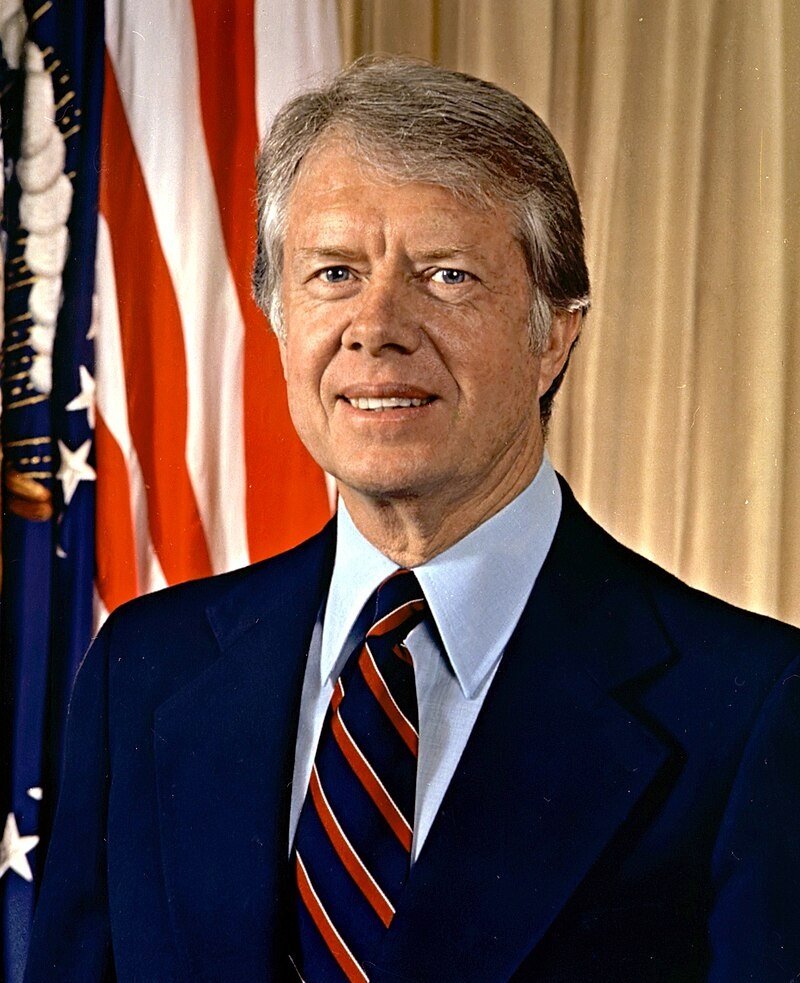
7. Jimmy Carter

Raised on a farm outside Plains, Georgia, Jimmy Carter grew up in a home without electricity or running water. His parents were dedicated farmers, and Carter worked on the family farm while attending school. Carter’s experiences taught him values of humility, hard work, and compassion. Elected as the 39th president in 1977, he emphasized human rights and was instrumental in the Camp David Accords. Post-presidency, Carter’s humanitarian work earned him the Nobel Peace Prize in 2002.
Do you know these 10 U.S. Presidents Who Came from Humble Background..

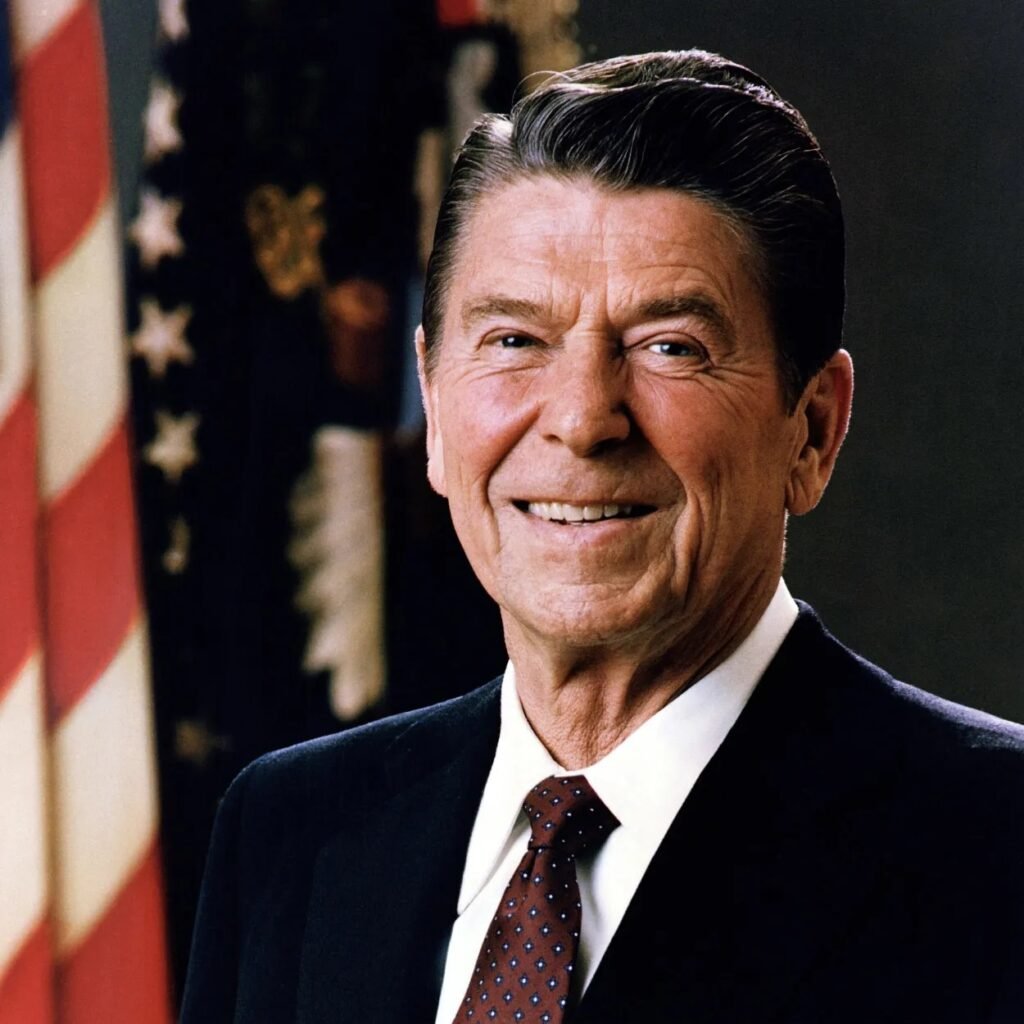
8. Ronald Reagan

Born to a poor family in Illinois, Ronald Reagan’s upbringing was challenging. His father, an itinerant salesman who struggled with alcoholism, provided an unstable environment. Yet, Reagan’s mother fostered in him a sense of optimism and compassion. He built a successful career as a radio broadcaster and Hollywood actor before entering politics. Serving as the 40th president from 1981 to 1989, Reagan’s presidency is remembered for his conservative policies and efforts to end the Cold War.
Do you know these 10 U.S. Presidents Who Came from Humble Background..

9. Calvin Coolidge

The 30th president, Calvin Coolidge, was raised on a family farm in rural Vermont. His father worked as a storekeeper, and Coolidge often helped with farm duties and the store. Though known for his quiet demeanor, Coolidge’s early life taught him self-reliance and a commitment to simplicity. As president from 1923 to 1929, he championed small government and conservative fiscal policies, gaining the nickname “Silent Cal” for his reserved style and steady leadership.
Do you know these 10 U.S. Presidents Who Came from Humble Background..

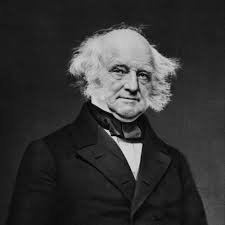
10. Martin Van Buren

Martin Van Buren, the 8th president of the United States, was born to a family of Dutch immigrants in New York. He grew up in a household with six children, three of whom were from his mother’s first marriage. His parents, tavern owners, had limited means, yet Van Buren worked his way up, first as a lawyer and then as a politician. Elected in 1837, he became the first U.S. president born after the American Revolution and helped lay the foundation for the modern Democratic Party.
Do you know these 10 U.S. Presidents Who Came from Humble Background..

A Legacy of Resilience and Triumph

These presidents remind us that greatness can emerge from any background. Rising from hardship, each of these leaders brought unique perspectives, shaped by their challenges, to the presidency. Their lives demonstrate that while wealth may offer advantages, it is resilience, courage, and determination that truly lead to lasting impact.
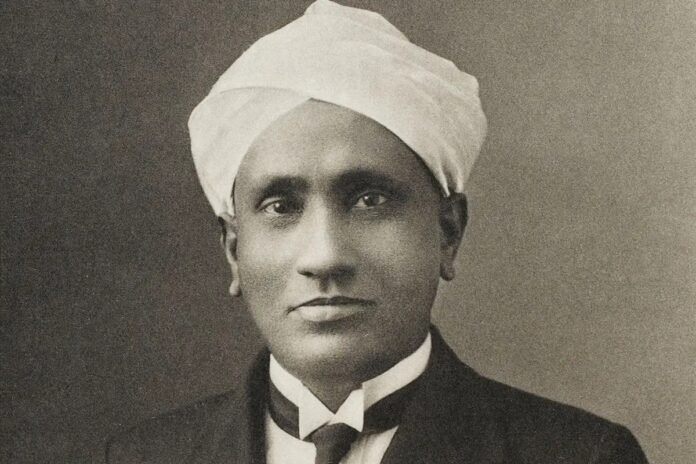

Who is Chandrasekhara Venkata Raman (C.V. Raman)?

0

Vaidehi Bhargava

On November 7, India celebrates the birth anniversary of Sir Chandrasekhara Venkata Raman, widely known as C.V. Raman, one of the country’s most distinguished physicists. Born in 1888 in Tiruchirappalli, Tamil Nadu, C.V. Raman’s contributions to science, particularly in the field of physics, have earned him a place among the world’s greatest scientific minds. His discovery of the Raman Effect, which describes the change in wavelength of light that occurs when it is deflected by molecules, won him the Nobel Prize in Physics in 1930—the first Asian to receive this honor in science.

Early Life and Academic Journey

Raman’s journey in science began at a young age. Coming from a family that valued education, he was an exceptional student with a keen interest in science and mathematics. His father was a teacher, which fostered an environment of learning and curiosity. At just 16, Raman graduated with a degree in Physics from Presidency College, Chennai, where he later completed his master’s degree, topping his class. Despite his achievements, Raman’s path to scientific success was not without struggles.

Career and Struggles

In early 20th-century India, opportunities in scientific research were limited, and funding was scarce. Raman joined the Indian Finance Service in Calcutta (Kolkata) as an Assistant Accountant General. Despite the demands of his job, Raman’s passion for science was unwavering. He conducted research at the Indian Association for the Cultivation of Science (IACS) during his spare time, often working late into the night. His determination paid off, as his work on acoustics and optics began to gain attention in the scientific community.

In 1917, Raman was offered a professorship at the University of Calcutta, allowing him to leave his government job and focus on scientific research. This transition marked a pivotal point in his career, leading to groundbreaking discoveries in the field of light scattering. Raman’s work was innovative and daring, as he ventured into areas of physics that were largely unexplored.

The Discovery of the Raman Effect and Nobel Prize

In 1928, while studying the scattering of light, Raman made a discovery that would change the course of physics—the Raman Effect. This phenomenon revealed that when light passes through a transparent material, a small fraction of the light emerges in a different direction with a different wavelength. This discovery provided new insights into molecular and atomic structure and laid the foundation for advancements in various scientific fields. In 1930, Raman became the first Indian to win the Nobel Prize in Physics, bringing immense pride to India.

Legacy and Impact

Raman’s legacy goes beyond his scientific achievements. He inspired generations of Indian scientists and laid the groundwork for India’s scientific research institutions. He later served as the director of the Indian Institute of Science in Bangalore and established the Raman Research Institute. His commitment to scientific inquiry and his belief in India’s potential in the field of science continue to inspire to this day.

On C.V. Raman’s birthday, we celebrate not only his groundbreaking contributions to science but also his unwavering spirit, which triumphed over the limitations of his time, proving that dedication and perseverance can indeed change the world.

Know more about National Cancer Awareness Day 2024…

0

Vaidehi Bhargava

National Cancer Awareness Day, observed on November 7 each year in India, is dedicated to raising awareness about cancer, promoting early detection, and encouraging healthier lifestyles to reduce cancer risk. Instituted in 2014 by the Government of India, the day underscores the importance of early diagnosis, preventive measures, and accessible treatment to curb the rise of this life-threatening disease. With cancer cases steadily increasing in India, National Cancer Awareness Day serves as a reminder that timely action and awareness are crucial for reducing the impact of cancer on individuals and society.

Cancer is one of the leading causes of death worldwide, and in India, it is responsible for millions of lives affected each year. In 2022, India reported more than 1.4 million new cases, with breast, oral, and cervical cancers being the most common types. Early detection and preventive measures, however, can significantly improve survival rates. National Cancer Awareness Day plays a vital role in educating people about the symptoms and risk factors of cancer, aiming to reduce stigma and promote early diagnosis.

One of the key aspects of the day is to encourage people to undergo regular screenings. The Indian government offers free cancer screenings and runs numerous awareness programs through its National Programme for Prevention and Control of Cancer, Diabetes, Cardiovascular Diseases, and Stroke (NPCDCS). Screening for cancers like breast, cervical, and oral cancer has proven effective in detecting the disease early, making treatment less invasive and more successful.

The day also sheds light on lifestyle changes that can help reduce cancer risk. Tobacco use, excessive alcohol consumption, unhealthy diets, and physical inactivity are some of the major risk factors associated with various cancers. By advocating for healthier choices, National Cancer Awareness Day promotes preventive measures that can lower the likelihood of developing cancer. Simple steps like avoiding tobacco, eating a balanced diet, staying physically active, and limiting alcohol intake can play a critical role in cancer prevention.

Access to affordable and effective treatment remains a challenge for many cancer patients in India. National Cancer Awareness Day emphasizes the need for accessible healthcare facilities and financial support for those who cannot afford cancer treatment. The government has launched initiatives like the Ayushman Bharat scheme, which provides financial assistance to lower-income groups for treatment of critical illnesses, including cancer.

National Cancer Awareness Day is a call to action for individuals, healthcare providers, and policymakers to work together in the fight against cancer. Through greater awareness, early screening, and a focus on prevention, the day aims to reduce the cancer burden in India. By taking proactive steps, embracing healthy lifestyles, and supporting accessible treatment, we can collectively make a difference in combating this deadly disease. Observing this day not only spreads hope but also strengthens the resolve to make cancer a curable, preventable disease in the near future.

Do you know this unique tradition of Jaisalmer where wedding invitations are painted on the walls…

0

Vaidehi Bhargava

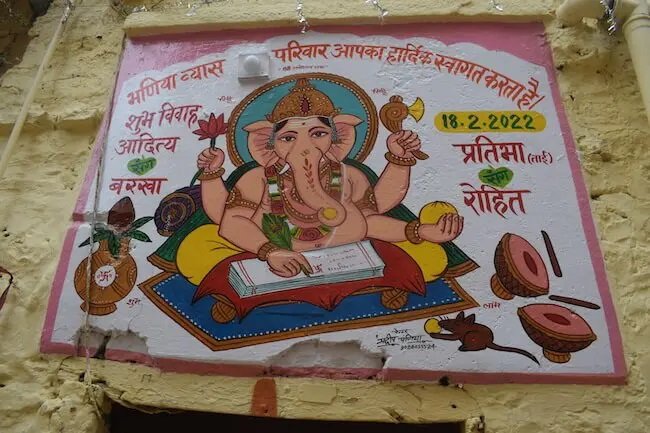
In Jaisalmer, Rajasthan, a unique and deeply rooted tradition stands out in the way wedding announcements are made. Rather than printed or digital invitations, many families in this part of Rajasthan choose to display wedding invitations directly on the walls of their homes. This custom, known as likhavat, combines art, tradition, and community engagement, and has been practiced for centuries.

Tradition of Likhavat

The tradition of painting wedding invitations on the walls is particularly meaningful in a close-knit society like Jaisalmer’s, where news travels through communities by word of mouth and shared customs. When a wedding is planned, skilled artists known as chitera are invited to decorate the front wall of the family’s home. These artisans use a combination of natural paints and pigments, and each design reflects a blend of local artistic styles and vibrant colors, often including floral patterns, auspicious symbols, and elaborate borders.

The actual content of the wall invitation includes details like the names of the bride and groom, the date of the wedding, the time, and sometimes specific rituals or ceremonies planned for the event. The writing is typically in Hindi or Marwari, honoring the local language and culture. Displaying these details on the wall creates a public statement about the joyous event and invites the whole community to take part. The message stays on the wall long after the wedding, often serving as a beautiful reminder of the occasion and a mark of family heritage.

While urbanization and modernity have introduced printed invitations and social media announcements, likhavat remains valued, especially in Jaisalmer’s rural areas. Families continue to embrace this tradition, believing it brings good luck and keeps the cultural spirit alive.

Camel Milk Chocolates: An Exotic Taste of Rajasthan

Jaisalmer and the broader Rajasthan region are also known for camel milk, a unique and nutritious ingredient that’s increasingly used in making chocolate. Known for its rich, slightly salty flavor, camel milk contains higher levels of iron, magnesium, and vitamin C than cow’s milk and is lower in fat. These qualities make it an appealing base for chocolate, especially as more people seek healthier and unique alternatives to regular chocolate.

Camel milk chocolates are crafted by carefully balancing the distinct flavor of the milk with various flavors like dark chocolate, saffron, pistachios, and other Indian spices to create an exotic treat. Many of these chocolates are produced locally and are sold in Rajasthan’s markets and tourist areas, providing visitors with an authentic, memorable experience.

Additionally, camel milk has lactose levels that are lower than cow’s milk, making it easier to digest for many people with lactose intolerance. Studies have shown camel milk’s potential health benefits, as it is thought to boost immunity and aid in conditions like diabetes and digestive disorders.

In recent years, various Rajasthani chocolate brands have emerged, drawing upon the novelty of camel milk to cater to both domestic and international customers. With growing interest in unique regional foods, camel milk chocolates are gaining attention not just as a snack but as a unique culinary experience that connects people to the desert culture of Rajasthan. Together with the likhavat tradition, camel milk chocolates are part of the region’s vibrant identity.

Thailand announces indefinite visa-free entry for Indians

0

Vaidehi Bhargava

Thailand has indefinitely extended its visa-free entry policy for Indian travelers, making travel to the country even more accessible and convenient. Initially set to end on November 11, 2024, the policy now allows Indian nationals to stay in Thailand for up to 60 days without a visa, with the option to extend by an additional 30 days at a local immigration office. This change is a boost to Thailand’s tourism industry, as Indian tourists—already a significant demographic in Thailand—are now even more likely to plan spontaneous and budget-friendly trips.

The visa-free policy eliminates the prior requirement of a visa costing around INR 3,000 and simplifies the process by removing the need for bank statements and other documents. From January to mid-October 2024, this ease of entry contributed to a surge of about 16.17 million Indian visitors, enhancing Thailand’s appeal for family vacations, destination weddings, and corporate retreats. To enter, travelers need a passport valid for six months, a return or onward ticket, and proof of funds (though the latter may not always be checked).

Thailand’s diverse attractions—from Bangkok’s bustling markets and iconic temples to Phuket’s beaches and the scenic landscapes of Chiang Mai—continue to attract Indian tourists. The visa-free policy encourages more frequent, last-minute trips, making Thailand a top choice for Indian travelers seeking everything from adventure to luxury at affordable rates.

Happy Birthday Virat Kohli, greatest batsman in modern cricket

0

Vaidehi Bhargava

On November 5, as the cricketing world lights up to celebrate Virat Kohli’s birthday, fans are reminded of the thrilling journey of one of the greatest batsman in modern cricket. Known as the “Chase Master” for his ability to guide India to thrilling victories, Virat has cemented his legacy as a true icon of the game. His journey is not just about the records but about the passion, discipline, and grit that have defined his career.

Kohli, born in Delhi in 1988, displayed his cricketing talent early on. His resilience shone through when he captained India’s Under-19 team to a World Cup victory in 2008. That victory was a prelude to the greatness that lay ahead. By 2011, Virat became an integral part of the senior Indian team, playing a key role in India’s historic World Cup win.

Over the years, Kohli has consistently set and shattered records, scoring over 12,000 runs in ODIs with 46 centuries, placing him close to Sachin Tendulkar’s long-standing record. In Test cricket, too, he has proven his prowess, scoring over 8,000 runs and reaching 29 centuries. Kohli’s mastery in all formats, his unparalleled chase records, and his consistency under pressure make him one of the finest players cricket has ever seen.

One of Kohli’s defining qualities is his fiery leadership. As India’s captain from 2013 to 2021, he transformed the team with his aggressive approach, fostering a fearless, cohesive unit that dominated world cricket. Under his captaincy, India achieved landmark series wins, including the historic Test series victory against Australia in 2020-21, and consistently reached the top of the ICC rankings.

Beyond statistics and awards, Kohli’s impact lies in the inspiration he provides to millions. His commitment to fitness, mental strength, and his ability to lift his game in crucial moments serve as an example for aspiring cricketers worldwide.

As Virat Kohli turns a year older, cricket fans everywhere celebrate not only his past achievements but also the promise of many more unforgettable innings from this living legend. Here’s to the King of modern cricket—may the records continue to fall, and the cheers grow louder.

Who all are planning to visit this beautiful, Golden city this winter?

0

Vaidehi Bhargava

Known as the “Golden City” for its stunning yellow sandstone architecture that radiates under the sun, Jaisalmer stands as one of Rajasthan’s most captivating destinations. Founded in 1156 AD by Maharawal Jaisal Singh, this city was strategically positioned along ancient trade routes, facilitating commerce with regions like Persia and Arabia. The wealth generated from trade allowed for the construction of magnificent havelis, temples, and Jaisalmer Fort, now a UNESCO World Heritage Site. This fort, also called Sonar Quila or Golden Fort, is one of the few forts worldwide that remains inhabited. It houses elaborate Jain temples and royal palaces, adding to its timeless allure.

The culture of Jaisalmer reflects the richness of its history. The annual Desert Festival, held each February, is a vibrant celebration featuring traditional music, dance, camel races, and art exhibits, attracting visitors globally. Folk music and dance, particularly the soulful tunes of the Manganiyars and the rhythmic Kalbeliya dance, are integral to Jaisalmer’s cultural identity. These performances, often held amid the golden sands of the Thar Desert, capture the essence of Rajasthan’s cultural heritage.

Jaisalmer’s architecture is a testament to its artistic heritage. The city’s havelis, such as Patwon Ki Haveli, Salim Singh Ki Haveli, and Nathmal Ki Haveli, are adorned with intricate carvings and decorative facades, showcasing the wealth and craftsmanship of past merchant families. Nearby, Gadsisar Lake, created as a reservoir in the 14th century, serves as a tranquil reminder of the region’s resourcefulness and offers scenic views surrounded by temples and archways.

The culinary traditions in Jaisalmer are equally unique. Visitors can indulge in traditional Rajasthani dishes like Dal Baati Churma, Ker Sangri, and Gatte Ki Sabzi. Sweet treats such as Ghotua Ladoo and Mawa Kachori further highlight the city’s flavors, providing an authentic taste of Rajasthan’s gastronomic legacy.

In recent years, conservation efforts have been prioritized to preserve Jaisalmer’s heritage, with various initiatives supporting the maintenance of its historic structures and promoting eco-friendly tourism. As a result, Jaisalmer not only offers an immersion into its ancient past but also a sustainable model for cultural tourism.

Want to experience the real culture of Rajasthan? Come to Devmali village of Ajmer district

0

Vaidehi Bhargava

Devmali village, located near Ajmer in Rajasthan’s Beawar district, offers a remarkable glimpse into a unique cultural heritage. Awarded “India’s Best Tourist Village” in 2024, Devmali is renowned for its strict traditions and spiritual practices that have preserved its authentic way of life for centuries. Unlike other villages, Devmali’s residents live in traditional mud-and-thatch houses, as they believe constructing concrete homes would dishonor Lord Devnarayan, their revered deity. The land, considered sacred, is devoted entirely to Lord Devnarayan, with no individual ownership documents for the 3,000 bighas where they reside.

This village stands out for its vegetarian, alcohol-free lifestyle, and its residents rely primarily on animal husbandry. Devmali also holds a unique reputation for being crime-free, with no recorded instances of theft or violence over the past 50 years. Remarkably, villagers leave their doors unlocked, reflecting the deep trust within the community. Additionally, they adhere to a practice of not using neem wood or kerosene in their households, further emphasizing their commitment to eco-friendly living and conservation.

Devotees frequently visit the village’s hilltop temple, which is dedicated to Lord Devnarayan, considered an incarnation of Lord Vishnu. This temple draws thousands of pilgrims, and the village’s award highlights its appeal as a cultural and spiritual destination. The government’s recognition aims to encourage sustainable tourism, inviting visitors to experience Rajasthan’s rich heritage firsthand through places like Devmali.

Mumbai airport introduces therapy dogs to de-stress flyers

0

Vaidehi Bhargava

Mumbai’s Chhatrapati Shivaji Maharaj International Airport (CSMIA) recently reintroduced its unique “Pawfect” program, featuring a team of nine specially trained emotional support dogs designed to bring joy and ease to travelers. This initiative, which was temporarily halted due to the COVID-19 pandemic, has returned to help passengers at Terminal 2 manage travel-related anxiety by providing soothing interactions with friendly, therapeutic dogs. The “Pawfect” program is available every Friday to Sunday, from 3 PM to 11 PM, in key areas such as the Domestic Level 3 departure and post-immigration zones.

This team includes a variety of breeds, from a playful Golden Retriever to a calm Maltese, a rescued Husky, a Shih Tzu, a Lhasa Apso, and a Labrador. Each dog has been specially trained to recognize and respond to human emotions, offering comforting support to travelers. The presence of these dogs not only brightens the airport’s atmosphere but also fosters social interaction among passengers, who often share stories and memories about their pets, enhancing the sense of community. According to a CSMIA spokesperson, the dogs provide a calming experience that helps reduce pre-flight stress, especially for passengers who may find air travel challenging.

Since its initial launch in 2015, CSMIA’s “Pawfect” initiative has been a first-of-its-kind program in India, setting a standard for other airports. The program highlights the positive impact that animal-assisted therapy can have in high-stress environments like airports. Passengers have praised the initiative, with many, including children and individuals with special needs, finding comfort in spending time with these dogs. The airport’s program has received a warm response online, with social media users applauding this thoughtful approach to enhancing the passenger experience.

The dogs, provided by organizations like Fur Ball Story, are selected for their friendly nature and ability to interact gently with people of all ages. This initiative represents a broader trend toward incorporating pet therapy into public spaces to provide mental health benefits. By continuing to run the “Pawfect” program, CSMIA hopes to create a welcoming environment that promotes well-being and reduces travel anxiety among its passengers

North Sentinel Island: A Forbidden World of the Sentinelese Tribe’s Defiant Isolation

0

Vaidehi Bhargava

North Sentinel Island, part of India’s Andaman and Nicobar archipelago in the Bay of Bengal, is one of the most isolated places on Earth. It’s home to the Sentinelese, a tribe that has fiercely maintained their seclusion from the outside world for tens of thousands of years. Known for resisting contact with outsiders, the Sentinelese remain one of the few uncontacted tribes, preserving an ancient way of life.

The mystery surrounding North Sentinel Island is rooted in the islanders’ defiant isolation. Protected by dense forests and encircled by dangerous reefs, North Sentinel is not easily accessible. The Sentinelese actively repel anyone attempting to reach their shores. Accounts of explorers or fishermen who drift too close typically end in hostility; visitors are met with a barrage of arrows and stones. The Indian government, respecting their isolation, has enforced a no-contact policy, banning visitors from approaching within a five-kilometer radius. This rare measure is meant to protect both the Sentinelese and outsiders. The tribe, with limited immunity to modern diseases, would be extremely vulnerable if exposed.

The origins of the Sentinelese isolation date back millennia. Anthropologists believe the ancestors of the Sentinelese migrated from Africa around 60,000 years ago, making them direct descendants of some of the earliest humans to settle in Asia. Over the centuries, they developed unique cultural and survival practices suited to their island home. Unlike other indigenous groups in the Andaman Islands, who gradually adapted to outsiders, the Sentinelese chose to remain entirely separate, avoiding assimilation or influence from the broader world.

Despite attempts, little is known about Sentinelese culture, language, or daily life. The Indian anthropologist Triloknath Pandit led expeditions to the island in the 1960s, bringing gifts as tokens of goodwill. However, even these efforts saw limited success, with only fleeting encounters and brief exchanges. One of the most notorious incidents occurred in 2006 when two fishermen accidentally drifted too close to the island and were killed by the Sentinelese. More recently, in 2018, an American missionary, John Allen Chau, illegally ventured to North Sentinel to preach Christianity and met the same fate. These tragic events highlight the tribe’s strong stance against foreign influence.

North Sentinel Island has sparked global intrigue, with its isolation raising questions about human survival, untouched cultures, and the ethics of contact. Some view the Sentinelese as symbols of resilience and autonomy, while others see them as relics of an ancient past. North Sentinel’s mystery endures because it challenges our understanding of humanity: it represents a civilization that exists without reliance on technology, governments, or modern conveniences. In a world that is more connected than ever, North Sentinel Island stands as a reminder that some societies choose to remain beyond the reach of the global network, embracing a life known only to themselves.