Home Blog Page 461

Happy Birthday Virat Kohli, greatest batsman in modern cricket

0

Vaidehi Bhargava

On November 5, as the cricketing world lights up to celebrate Virat Kohli’s birthday, fans are reminded of the thrilling journey of one of the greatest batsman in modern cricket. Known as the “Chase Master” for his ability to guide India to thrilling victories, Virat has cemented his legacy as a true icon of the game. His journey is not just about the records but about the passion, discipline, and grit that have defined his career.

Kohli, born in Delhi in 1988, displayed his cricketing talent early on. His resilience shone through when he captained India’s Under-19 team to a World Cup victory in 2008. That victory was a prelude to the greatness that lay ahead. By 2011, Virat became an integral part of the senior Indian team, playing a key role in India’s historic World Cup win.

Over the years, Kohli has consistently set and shattered records, scoring over 12,000 runs in ODIs with 46 centuries, placing him close to Sachin Tendulkar’s long-standing record. In Test cricket, too, he has proven his prowess, scoring over 8,000 runs and reaching 29 centuries. Kohli’s mastery in all formats, his unparalleled chase records, and his consistency under pressure make him one of the finest players cricket has ever seen.

One of Kohli’s defining qualities is his fiery leadership. As India’s captain from 2013 to 2021, he transformed the team with his aggressive approach, fostering a fearless, cohesive unit that dominated world cricket. Under his captaincy, India achieved landmark series wins, including the historic Test series victory against Australia in 2020-21, and consistently reached the top of the ICC rankings.

Beyond statistics and awards, Kohli’s impact lies in the inspiration he provides to millions. His commitment to fitness, mental strength, and his ability to lift his game in crucial moments serve as an example for aspiring cricketers worldwide.

As Virat Kohli turns a year older, cricket fans everywhere celebrate not only his past achievements but also the promise of many more unforgettable innings from this living legend. Here’s to the King of modern cricket—may the records continue to fall, and the cheers grow louder.

Who all are planning to visit this beautiful, Golden city this winter?

0

Vaidehi Bhargava

Known as the “Golden City” for its stunning yellow sandstone architecture that radiates under the sun, Jaisalmer stands as one of Rajasthan’s most captivating destinations. Founded in 1156 AD by Maharawal Jaisal Singh, this city was strategically positioned along ancient trade routes, facilitating commerce with regions like Persia and Arabia. The wealth generated from trade allowed for the construction of magnificent havelis, temples, and Jaisalmer Fort, now a UNESCO World Heritage Site. This fort, also called Sonar Quila or Golden Fort, is one of the few forts worldwide that remains inhabited. It houses elaborate Jain temples and royal palaces, adding to its timeless allure.

The culture of Jaisalmer reflects the richness of its history. The annual Desert Festival, held each February, is a vibrant celebration featuring traditional music, dance, camel races, and art exhibits, attracting visitors globally. Folk music and dance, particularly the soulful tunes of the Manganiyars and the rhythmic Kalbeliya dance, are integral to Jaisalmer’s cultural identity. These performances, often held amid the golden sands of the Thar Desert, capture the essence of Rajasthan’s cultural heritage.

Jaisalmer’s architecture is a testament to its artistic heritage. The city’s havelis, such as Patwon Ki Haveli, Salim Singh Ki Haveli, and Nathmal Ki Haveli, are adorned with intricate carvings and decorative facades, showcasing the wealth and craftsmanship of past merchant families. Nearby, Gadsisar Lake, created as a reservoir in the 14th century, serves as a tranquil reminder of the region’s resourcefulness and offers scenic views surrounded by temples and archways.

The culinary traditions in Jaisalmer are equally unique. Visitors can indulge in traditional Rajasthani dishes like Dal Baati Churma, Ker Sangri, and Gatte Ki Sabzi. Sweet treats such as Ghotua Ladoo and Mawa Kachori further highlight the city’s flavors, providing an authentic taste of Rajasthan’s gastronomic legacy.

In recent years, conservation efforts have been prioritized to preserve Jaisalmer’s heritage, with various initiatives supporting the maintenance of its historic structures and promoting eco-friendly tourism. As a result, Jaisalmer not only offers an immersion into its ancient past but also a sustainable model for cultural tourism.

Want to experience the real culture of Rajasthan? Come to Devmali village of Ajmer district

0

Vaidehi Bhargava

Devmali village, located near Ajmer in Rajasthan’s Beawar district, offers a remarkable glimpse into a unique cultural heritage. Awarded “India’s Best Tourist Village” in 2024, Devmali is renowned for its strict traditions and spiritual practices that have preserved its authentic way of life for centuries. Unlike other villages, Devmali’s residents live in traditional mud-and-thatch houses, as they believe constructing concrete homes would dishonor Lord Devnarayan, their revered deity. The land, considered sacred, is devoted entirely to Lord Devnarayan, with no individual ownership documents for the 3,000 bighas where they reside.

This village stands out for its vegetarian, alcohol-free lifestyle, and its residents rely primarily on animal husbandry. Devmali also holds a unique reputation for being crime-free, with no recorded instances of theft or violence over the past 50 years. Remarkably, villagers leave their doors unlocked, reflecting the deep trust within the community. Additionally, they adhere to a practice of not using neem wood or kerosene in their households, further emphasizing their commitment to eco-friendly living and conservation.

Devotees frequently visit the village’s hilltop temple, which is dedicated to Lord Devnarayan, considered an incarnation of Lord Vishnu. This temple draws thousands of pilgrims, and the village’s award highlights its appeal as a cultural and spiritual destination. The government’s recognition aims to encourage sustainable tourism, inviting visitors to experience Rajasthan’s rich heritage firsthand through places like Devmali.

Mumbai airport introduces therapy dogs to de-stress flyers

0

Vaidehi Bhargava

Mumbai’s Chhatrapati Shivaji Maharaj International Airport (CSMIA) recently reintroduced its unique “Pawfect” program, featuring a team of nine specially trained emotional support dogs designed to bring joy and ease to travelers. This initiative, which was temporarily halted due to the COVID-19 pandemic, has returned to help passengers at Terminal 2 manage travel-related anxiety by providing soothing interactions with friendly, therapeutic dogs. The “Pawfect” program is available every Friday to Sunday, from 3 PM to 11 PM, in key areas such as the Domestic Level 3 departure and post-immigration zones.

This team includes a variety of breeds, from a playful Golden Retriever to a calm Maltese, a rescued Husky, a Shih Tzu, a Lhasa Apso, and a Labrador. Each dog has been specially trained to recognize and respond to human emotions, offering comforting support to travelers. The presence of these dogs not only brightens the airport’s atmosphere but also fosters social interaction among passengers, who often share stories and memories about their pets, enhancing the sense of community. According to a CSMIA spokesperson, the dogs provide a calming experience that helps reduce pre-flight stress, especially for passengers who may find air travel challenging.

Since its initial launch in 2015, CSMIA’s “Pawfect” initiative has been a first-of-its-kind program in India, setting a standard for other airports. The program highlights the positive impact that animal-assisted therapy can have in high-stress environments like airports. Passengers have praised the initiative, with many, including children and individuals with special needs, finding comfort in spending time with these dogs. The airport’s program has received a warm response online, with social media users applauding this thoughtful approach to enhancing the passenger experience.

The dogs, provided by organizations like Fur Ball Story, are selected for their friendly nature and ability to interact gently with people of all ages. This initiative represents a broader trend toward incorporating pet therapy into public spaces to provide mental health benefits. By continuing to run the “Pawfect” program, CSMIA hopes to create a welcoming environment that promotes well-being and reduces travel anxiety among its passengers

North Sentinel Island: A Forbidden World of the Sentinelese Tribe’s Defiant Isolation

0

Vaidehi Bhargava

North Sentinel Island, part of India’s Andaman and Nicobar archipelago in the Bay of Bengal, is one of the most isolated places on Earth. It’s home to the Sentinelese, a tribe that has fiercely maintained their seclusion from the outside world for tens of thousands of years. Known for resisting contact with outsiders, the Sentinelese remain one of the few uncontacted tribes, preserving an ancient way of life.

The mystery surrounding North Sentinel Island is rooted in the islanders’ defiant isolation. Protected by dense forests and encircled by dangerous reefs, North Sentinel is not easily accessible. The Sentinelese actively repel anyone attempting to reach their shores. Accounts of explorers or fishermen who drift too close typically end in hostility; visitors are met with a barrage of arrows and stones. The Indian government, respecting their isolation, has enforced a no-contact policy, banning visitors from approaching within a five-kilometer radius. This rare measure is meant to protect both the Sentinelese and outsiders. The tribe, with limited immunity to modern diseases, would be extremely vulnerable if exposed.

The origins of the Sentinelese isolation date back millennia. Anthropologists believe the ancestors of the Sentinelese migrated from Africa around 60,000 years ago, making them direct descendants of some of the earliest humans to settle in Asia. Over the centuries, they developed unique cultural and survival practices suited to their island home. Unlike other indigenous groups in the Andaman Islands, who gradually adapted to outsiders, the Sentinelese chose to remain entirely separate, avoiding assimilation or influence from the broader world.

Despite attempts, little is known about Sentinelese culture, language, or daily life. The Indian anthropologist Triloknath Pandit led expeditions to the island in the 1960s, bringing gifts as tokens of goodwill. However, even these efforts saw limited success, with only fleeting encounters and brief exchanges. One of the most notorious incidents occurred in 2006 when two fishermen accidentally drifted too close to the island and were killed by the Sentinelese. More recently, in 2018, an American missionary, John Allen Chau, illegally ventured to North Sentinel to preach Christianity and met the same fate. These tragic events highlight the tribe’s strong stance against foreign influence.

North Sentinel Island has sparked global intrigue, with its isolation raising questions about human survival, untouched cultures, and the ethics of contact. Some view the Sentinelese as symbols of resilience and autonomy, while others see them as relics of an ancient past. North Sentinel’s mystery endures because it challenges our understanding of humanity: it represents a civilization that exists without reliance on technology, governments, or modern conveniences. In a world that is more connected than ever, North Sentinel Island stands as a reminder that some societies choose to remain beyond the reach of the global network, embracing a life known only to themselves.

What is Dev Uthani Ekadashi? History and Significance..

0

Vaidehi Bhargava

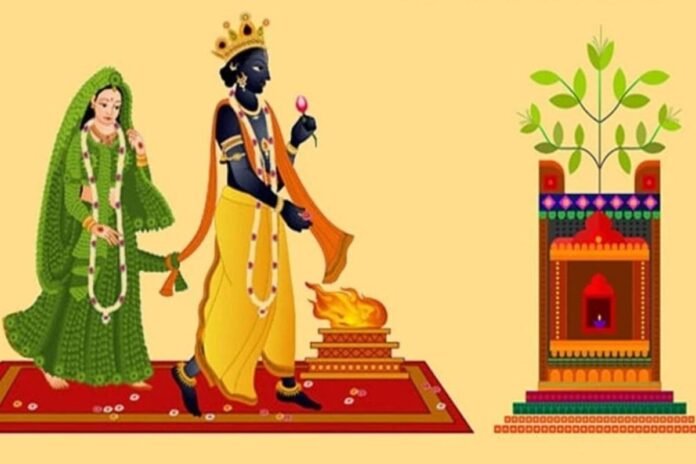
Dev Uthani Ekadashi, also known as Prabodhini Ekadashi, holds a special significance in Hindu culture. Celebrated on the eleventh day (Ekadashi) of the Kartik month’s bright half, it usually falls eleven days after Diwali. This day marks the end of Chaturmas, a four-month period when Lord Vishnu is believed to be in a deep cosmic sleep. Dev Uthani Ekadashi is the day Lord Vishnu wakes up, symbolizing the return of auspicious times for both the deities and the people on Earth.

Mythological Background

According to legend, after completing his duties of preserving the world, Lord Vishnu takes a brief rest during Chaturmas, beginning on Devshayani Ekadashi in the month of Ashadha. During these months, the gods also rest, and auspicious ceremonies such as weddings, housewarmings, and other rituals are traditionally paused. With the arrival of Dev Uthani Ekadashi, Lord Vishnu awakens from his cosmic slumber, and auspicious events can resume.

Spiritual Significance and Traditions

Dev Uthani Ekadashi is a day of spiritual renewal and devotion. Devotees wake up early to perform a ritual bath and observe a fast, offering prayers to Lord Vishnu. In many regions, they prepare an altar with tulsi (holy basil) and light lamps around it, as tulsi is closely associated with Lord Vishnu. The day is filled with devotional songs, mantras, and bhajans, expressing gratitude for Lord Vishnu’s protection and blessings. This day also represents a symbolic end to the monsoon season, bringing a transition into cooler months and a season of festivals and celebrations.

Importance of Marriages on Dev Uthani Ekadashi

The day of Dev Uthani Ekadashi is especially favorable for marriages. With Lord Vishnu’s awakening, all gods are believed to resume their blessings upon the world, making it an auspicious time to start new relationships and take on new responsibilities. Many people wait for this day to begin the wedding season, and in some places, mass weddings are organized to celebrate this momentous occasion. The Tulsi Vivah, a ritual marriage of the tulsi plant (symbolizing Goddess Lakshmi) and the Shaligram stone (symbolizing Lord Vishnu), is also performed on this day, symbolizing the union of divine feminine and masculine energies.

Dev Uthani Ekadashi in Modern Times

Today, Dev Uthani Ekadashi is celebrated with as much devotion and enthusiasm as in ancient times. It is a day to reconnect with one’s spiritual roots, celebrate the divine presence in life, and begin a new phase of auspicious activities. The fast and rituals observed help devotees cultivate discipline, inner peace, and devotion, bringing positivity and joy into their lives as they embark on new beginnings blessed by Lord Vishnu.

World Tsunami Awareness Day: A Call for Preparedness and Resilience

0

Vaidehi Bhargava

World Tsunami Awareness Day, observed on November 5 each year, aims to raise awareness about the devastating impacts of tsunamis and promote strategies to reduce their destructive effects. The day encourages people worldwide to take preventive measures and support efforts toward risk reduction. Established by the United Nations in 2015, World Tsunami Awareness Day highlights the importance of disaster preparedness, warning systems, and community resilience.

The Origin and Significance of World Tsunami Awareness Day

The idea for World Tsunami Awareness Day originated in Japan, a country that has experienced numerous tsunamis throughout its history. The date, November 5, was chosen to honor the story of “Inamura-no-Hi,” or “The Burning of the Rice Sheaves.” In 1854, a farmer in Japan set fire to his rice sheaves to warn his village of an approaching tsunami, saving countless lives. This act of selflessness and quick thinking is a symbol of the importance of awareness, preparedness, and community response to natural disasters.

World Tsunami Awareness Day serves as a reminder of the catastrophic impact tsunamis can have, especially in coastal regions. Tsunamis can cause widespread destruction, uprooting communities and leaving behind a trail of loss and devastation. The day brings attention to the need for global cooperation to address this natural hazard, as tsunamis know no borders and can affect multiple countries across ocean basins.

Understanding Tsunamis and Their Devastating Impact

Tsunamis are large sea waves typically triggered by underwater seismic activity, such as earthquakes, volcanic eruptions, or landslides. When these disturbances occur, they displace massive amounts of water, creating waves that travel across the ocean at high speeds. Although they may be barely noticeable in the deep ocean, tsunamis grow in height as they approach shallow coastal areas, often resulting in destructive waves that flood the land and cause widespread devastation.

The impact of a tsunami can be catastrophic, destroying infrastructure, displacing populations, and causing significant economic damage. The 2004 Indian Ocean Tsunami is a tragic example, killing over 230,000 people across 14 countries and highlighting the urgent need for early warning systems and international cooperation.

Raising Awareness and Strengthening Preparedness

World Tsunami Awareness Day emphasizes the importance of risk reduction, particularly in vulnerable coastal communities. Through education, communities can be better prepared to respond effectively in the event of a tsunami. Knowledge about evacuation routes, understanding warning signals, and having emergency plans in place are crucial steps toward reducing casualties and property damage.

The day also promotes the use of technology in tsunami detection and early warning systems. Many countries now have tsunami warning centers that monitor seismic activity and send alerts to potentially affected areas. These systems have proven invaluable in giving coastal communities time to evacuate and take necessary precautions.

Global Cooperation and the Role of the UN

World Tsunami Awareness Day also underscores the importance of global cooperation. The United Nations, along with organizations like the Intergovernmental Oceanographic Commission (IOC) and other stakeholders, supports initiatives for building resilient communities and developing disaster response plans. International frameworks such as the Sendai Framework for Disaster Risk Reduction provide guidelines for countries to enhance their disaster preparedness and resilience to natural hazards, including tsunamis.

World Tsunami Awareness Day is a reminder that while tsunamis cannot be prevented, their impact can be mitigated through preparedness, education, and international cooperation. By fostering awareness, building resilient infrastructure, and strengthening early warning systems, we can reduce the loss of lives and property. This day is a call to action for individuals, communities, and governments to work together in creating a safer world for those living in tsunami-prone regions.

Who is Sharda Sinha? All you need to know in detail..

0

Vaidehi Bhargava

Sharda Sinha, celebrated as the “Bihar Kokila,” is an iconic figure in Indian folk music, particularly known for her contributions in the Maithili, Bhojpuri, and Magahi languages. Born on October 1, 1952, in Hulas, Bihar, her voice has become synonymous with Bihar’s traditional music, especially during festivals like Chhath Puja. Known for her resonant renditions of “Vivah Geet” and “Chhath Geet,” Sinha has played a significant role in bringing Bihari folk culture to the national stage. She has lent her voice to popular Bollywood soundtracks as well, including the films Hum Aapke Hain Koun..! and Gangs of Wasseypur, which introduced her unique style to a broader audience.

Sinha’s remarkable achievements have been acknowledged with several prestigious honors, including the Padma Shri in 1991 and the Padma Bhushan in 2018, India’s fourth and third-highest civilian awards, respectively. Her dedication has inspired countless artists in the regional music domain, and she remains a beloved figure in Indian folk music.

However, Sinha’s health has recently declined. Diagnosed with multiple myeloma, a type of blood cancer, in 2017, she has been receiving treatment at AIIMS, New Delhi. Her condition took a serious turn in October 2024, shortly after her husband’s passing, and she is currently on a ventilator, receiving intensive care. Her critical state has moved fans across India, who are expressing their prayers and support for her recovery on social media.

Sharda Sinha’s contributions continue to resonate deeply within Indian music, and her legacy as a preserver of folk traditions endures as a cultural treasure. Her resilience and artistry inspire many, and the nation holds her in its thoughts, hoping for her swift recovery.

US Presidential Election 2024: Who is going to make the History today?

0

In a landmark election, American voters are heading to the polls today to decide who will lead the country as its 47th president. It’s a historic moment, with Vice President Kamala Harris from the Democratic Party running against former President Donald Trump of the Republican Party. If Kamala Harris wins, she will make history as the first female President of the United States. A Trump victory, on the other hand, would mark a rare comeback, as he would be the first president in modern American history to return to office after an electoral defeat.

With over 75 million votes already cast through early voting and postal ballots—amounting to about 37% of registered voters—turnout is projected to be high, with approximately 60% of eligible voters expected to participate by the end of today. Polls close at 7 pm (Indian time 4:30 am on November 6), and vote counting will begin immediately afterward.

Anticipating the Results: When Will We Know?

While results traditionally come within a day of voting, the 2020 election saw a four-day delay due to the high volume of mail-in ballots during the COVID-19 pandemic. This year, with fewer mail-in votes, election officials anticipate a quicker count, though a final declaration could take 1 to 2 days, depending on the margins in key states. If the margin between the two candidates is large enough, results could be confirmed sooner. However, if the margin is narrow, a recount may be required to confirm the winner.

The Key Issues: Immigration and Abortion

This election cycle has centered on two pivotal issues: immigration and abortion rights, both divisive and impactful topics with widespread implications.

  • Immigration: Immigration has long been a contentious issue in U.S. politics. The country has seen a significant influx of immigrants, with over 14 million people moving to the U.S. between 2000 and 2010 alone. Out of these, around one million immigrants obtained U.S. citizenship, hailing from countries like China, India, Mexico, and the Philippines. Donald Trump has adopted a hardline stance, pledging to impose stricter penalties for immigrants who commit violent crimes. His controversial comments, referring to some immigrants as “demons” and “animals,” have intensified the debate over border security and immigration reform.
  • Abortion: Abortion rights remain a hot-button issue in American politics. After the landmark Roe v. Wade decision in 1973 that legalized abortion, the battle over access to abortion has continued, with hundreds of restrictions enacted in the past decades. The issue has polarized American voters, with pro-choice and pro-life movements vying for influence in shaping national policy. As the Supreme Court continues to review and occasionally overturn longstanding precedents, the right to abortion remains at the center of heated political and societal debates.

A Two-Party Tradition and Its Legacy

Since 1856, America has seen the Republican and Democratic parties dominate its political landscape, having contested 42 presidential elections between them. Republicans have won 24 of these, while Democrats have taken 18 victories. The past six elections have been evenly split between the two, a testament to the polarized political environment in the U.S.

Today’s election is not only a choice between two leaders but a referendum on issues that will shape the future of the United States. Whether Kamala Harris or Donald Trump emerges victorious, this election marks a pivotal moment in the history of American democracy. Voters and the world alike wait in anticipation, knowing that, by tomorrow, the 47th president will be decided.

India’s $500 million bet on plant protein industry: growth, innovation

0

As the global food landscape shifts towards more sustainable and health-conscious choices, the plant protein industry in India is experiencing a remarkable surge. This industry, driven by a growing consumer base that values nutrition, environmental sustainability, and animal welfare, is poised to revolutionise how we perceive and consume protein.

India is emerging as a key player in the global plant-based protein market. Despite its large population, per capita protein consumption is low, creating a significant opportunity for companies to introduce healthy, affordable plant-based protein products. Over the past few years, the plant protein sector in India has grown exponentially. The market is expected to witness a compound annual growth rate (CAGR) of over 10% to reach US$ 1.2 billion by 2030. The India plant protein market size reached US$ 78.6 Million in 2023 and is projected to soar from approximately $340 million to $500 million, achieving a compound annual growth rate (CAGR) of 20.7% by 2030.

Abhishek Sinha, Founder of GoodDot, exclaimed, “At GoodDot, we are delighted to see this hypothesis come to fruition with our growth in revenue and B2B partnerships across India. Plant-based proteins offer chefs a versatile base to create unique flavours and textures, expanding vegetarian protein options beyond paneer. Our team at GoodDot is dedicated to promoting compassionate and healthy food choices in India and globally.” A shift in consumer preferences towards healthier and more sustainable food options fuels this growth. “The increasing awareness of health benefits, ethical concerns regarding animal welfare, and the need for environmental sustainability are key drivers behind this remarkable growth. With a large vegetarian population and a growing number of flexitarians, India is perfectly poised to become a leader in the plant protein industry.”, he said.

The United Nations has been a staunch advocate for sustainable food practices, and its support has played a crucial role in the development of the plant protein industry in India. Initiatives like the UN’s “Act Now” campaign emphasise the importance of sustainable diets and encourage the consumption of plant alternatives to reduce the environmental impact of food production. The UN’s backing provides a significant boost to the credibility and acceptance of plant proteins, aligning global sustainability goals.

The shift towards plant protein is not only a health-conscious choice but also a significant step in protecting our environment. Traditional meat production is a major contributor to greenhouse gas emissions, deforestation, and water scarcity. By contrast, plant protein production reduces carbon emissions by up to 90%, uses 46% less energy, and requires 99% less water. The Food and Agriculture Organization (FAO) estimates that livestock farming accounts for 14.5% of all human-induced emissions. A study published in the journal Science found that a global shift to plant diets could reduce food-related greenhouse gas emissions by up to 70%. By adopting plant proteins, consumers can play a crucial role in mitigating climate change and preserving natural resources for future generations.

Prosenjit Roychoudhury, CEO, Absolute Barbecues said, “At Absolute Barbecues, our priority is always to deliver exceptional taste and a unique dining experience for our guests. Introducing plant-based proteins like those from GoodDot has also allowed our chefs to explore new culinary possibilities, offering protein dishes that are rich in texture, packed with dietary fibre, and high in protein. This isn’t just about adding another option to our menu, but it is about providing something truly different and exciting for our customers. We’re thrilled to offer these plant-based dishes that appeal to both vegetarians and others eager to try something new. While our focus remains on delivering great taste, we’re also pleased to incorporate a sustainable product into our offerings, adding extra value without compromising the experience our guests expect.”

Hotels and restaurants are showing support for the inclusion of plant protein in the menus, which has significantly increased the usage and consumption of plant-based protein. This step aims to promote sustainable eating habits and cater to the growing number of health-conscious and environmentally aware consumers. Integrating plant options into mainstream dining, this does not only expands consumer choice but also drives demand for plant protein products.

Jasmit Tibb and Harpreet Tibb, Founders, Tibbs Frankie, said, “The plant-based meat industry is rapidly evolving, and it’s an exciting time for culinary innovation. At Tibbs, we recognise the immense potential of this industry to offer sustainable and healthy alternatives without compromising on taste. We are proud to be at the forefront of this revolution, particularly through our collaboration with GoodDot. Their expertise in plant-based protein has allowed us to create a product that not only meets the growing demand for high-protein, plant-based options but also aligns perfectly with our commitment to delivering delicious and wholesome food. The launch of this product marks a significant step in redefining fast food in India, offering our customers nutritious, flavorful choices that cater to their evolving tastes and dietary preferences. We believe that the plant-based meat industry is poised to become the future of the food landscape that offers better options for our health and the environment.”

Top hotels and restaurants in India, like Taj, The Park, HRH Group, and Bademiya, are embracing plant proteins, adding sustainable options to their gourmet menus and embracing their commitment towards sustainability and evolving customer demands. Compass Group also offers plant-based toppings in its corporate cafeterias, catering to diverse dietary preferences.The plant protein industry in India is not just a fleeting trend; it is a transformative movement towards a healthier and more sustainable future. With robust support from the UN, progressive government policies, and enthusiastic adoption by top restaurant chains and innovative brands, this industry is set to redefine the Indian food landscape. The environmental benefits, coupled with the health advantages and ethical considerations, make plant proteins a compelling choice for consumers and businesses alike.