India’s Gen Z generation, which includes over 377 million individuals born between 1997 and 2012, is set to be a transformative force in the nation’s economy. According to a report by Snap Inc. and Boston Consulting Group (BCG), Gen Z’s influence on consumer spending is already significant, amounting to around $860 billion, or nearly half of India’s total consumption. This impact is projected to grow to an astounding $2 trillion by 2035, meaning Gen Z will drive half of all consumer spending in India.
Gen Z’s spending patterns and behaviors reveal some unique trends. Compared to previous generations, Gen Z is more likely to focus on trends over specific brands, and they highly value visual experiences. For instance, 77% of Gen Z find interactive visuals like augmented reality more engaging, which is influencing trends such as “shopcializing,” where they share shopping experiences with friends through images and videos. Moreover, their reliance on “inner circles” for advice—where 70% seek guidance from friends and family on purchasing decisions—demonstrates a collective approach to shopping and decision-making.
By 2035, Gen Z’s direct spending power alone is expected to hit $1.8 trillion. Already, one in four members of Gen Z are in the workforce, with nearly half expected to be working by 2035. This income, combined with their tech-savvy nature and preference for personalized and omnichannel shopping experiences, is prompting businesses to adapt their strategies. However, there is a disconnect: only 15% of brands are actively engaging this demographic, despite recognizing their potential impact.
For businesses, effectively reaching Gen Z will involve offering immersive and visually rich experiences, leveraging social and digital platforms, and connecting through influencers. Brands that adapt to Gen Z’s preferences and align with their values are likely to succeed in tapping into this generational shift in India’s economy.
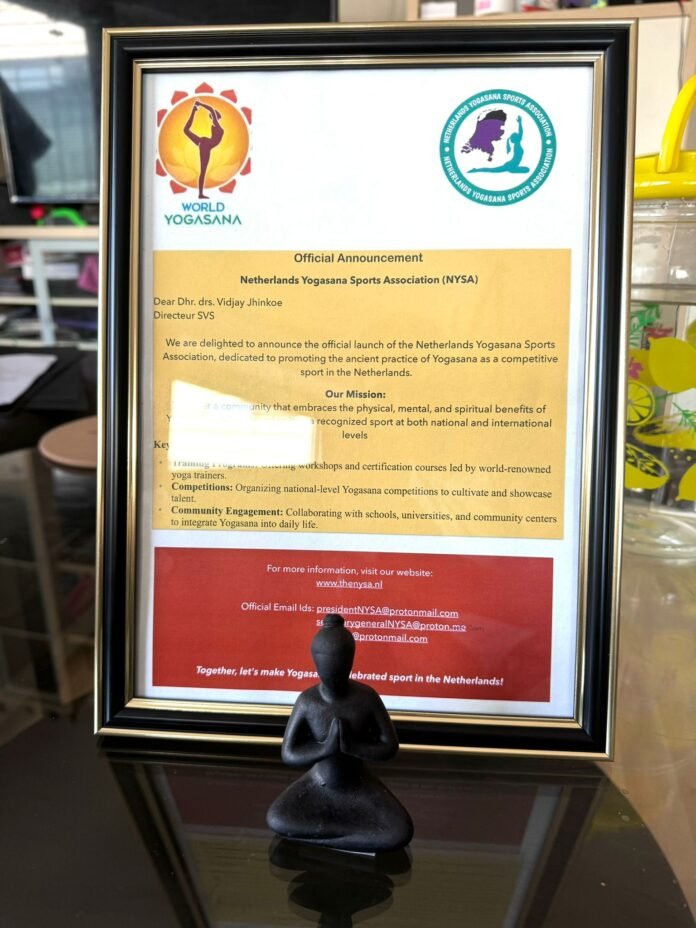
The Dutch landscape has entered a new era with the establishment of the Stichting Netherlands Yogasana Sports Association (SNYSA), a pioneering organization committed to promoting Yogasana as both a competitive sport and a pathway to holistic wellness. Affiliated with World Yogasana, SNYSA aspires to transform Yogasana into a celebrated national and international sport while cultivating its ancient practices to foster physical and mental well-being.
Mission and Vision
At its core, SNYSA seeks to inspire a vibrant Yogasana community, embracing the practice’s multi-faceted benefits and building a supportive environment that merges tradition with contemporary athleticism. As Yogasana prepares for its historic inclusion in the 2026 Asian Games, the association is dedicated to enhancing the sport’s status in the Netherlands and beyond.
To accomplish these goals, SNYSA is focused on:
Community Building: Cultivating an engaged and supportive community of Yogasana practitioners and enthusiasts across the Netherlands.
Sport Recognition: Elevating Yogasana as a recognized and respected sport at national and global levels.
Skill Development: Hosting certified training programs led by expert trainers to ensure quality instruction.
Talent Promotion: Organizing national-level competitions to identify promising athletes and support their growth.
Educational Outreach: Collaborating with schools, universities, and community centers to introduce Yogasana into everyday life.
Global Partnerships: Forging relationships with international Yogasana organizations and industry experts to align Dutch efforts with global standards.
Leadership Team: Driving the Mission Forward
The association’s mission is powered by a dedicated leadership team:
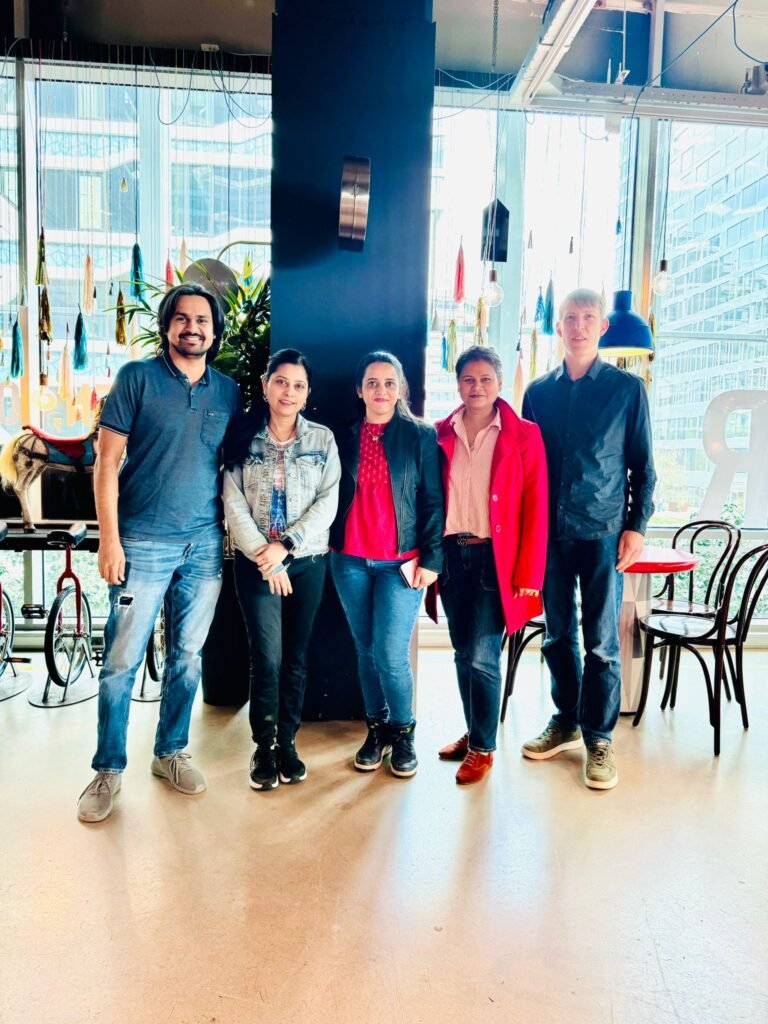
President: Ms. Pranita Adwait Deshpande
Secretary General: Ms. Manasi Mohril
Director of Public Relations: Mr. Mayur Muley
Zonal Head: Ms. Harvinder Chahal
Members: Ms. Pinky Ratan Slager and Mr. Richard Lucien Slager
This team brings together years of expertise, passion, and commitment to ensure SNYSA’s objectives resonate at every level of Dutch society. They are actively working to build a strong network of practitioners, trainers, and Yogasana advocates dedicated to advancing the sport.
A Collective Vision for Yogasana in the Netherlands
By uniting Yogasana enthusiasts, practitioners, and professionals, the Stichting Netherlands Yogasana Sports Association aims to make a profound impact on the Dutch community. With its strategic focus on nurturing Yogasana both as a sport and a means of self-care, SNYSA is poised to contribute meaningfully to the global growth of Yogasana, marking a transformative chapter in the world of yoga and competitive sports.
Three-year-old Anish Sarkar from Kolkata has recently become the world’s youngest chess player to achieve an official FIDE rating, surpassing the previous record held by a five-year-old. Born on January 26, 2021, Anish developed a fascination with chess from a young age. His parents, from a lower-middle-class background with little knowledge of chess, initially introduced him to educational videos on YouTube. However, Anish’s natural curiosity led him to gravitate towards chess content, particularly videos from influencers like GothamChess and games by his idol, Magnus Carlsen. Recognizing his growing interest, his mother purchased a chessboard for him to play with, setting him on a remarkable journey at an age when most children are just beginning to explore toys.
Anish’s first competitive experience was in October 2024 at the West Bengal state Under-9 Open, where he impressed with 5.5 out of 8 points, even defeating two rated players. Soon after, he competed in the state Under-13 Open and met the requirement of facing five rated players, ultimately earning a rating of 1555. His accomplishments have drawn attention from chess enthusiasts, and Anish now trains for up to eight hours daily under the guidance of Grandmaster Dibyendu Barua. Barua sees immense potential in him, though he emphasizes the long journey Anish still has ahead.
Despite his rapid progress, Anish’s family is determined to keep a low profile. His mother, who holds a master’s degree, has chosen to stay home to fully support his development, stating that their primary wish is for him to enjoy the game without pressure. They hope to reveal their identities more openly if Anish achieves a grandmaster title someday. For now, they focus on encouraging his passion quietly while helping him make his mark as India’s youngest chess prodigy.
Uttarakhand Foundation Day, celebrated annually on November 9, marks the creation of India’s 27th state, Uttarakhand, in the year 2000. This day holds significant importance for the people of Uttarakhand, as it commemorates their long and determined struggle for a separate state that recognized their unique culture, geographical conditions, and socio-economic needs.
The demand for Uttarakhand as a separate state was born out of the challenges faced by the people of the Garhwal and Kumaon regions. Despite being a part of Uttar Pradesh, these regions felt neglected in terms of development and governance. The challenging terrain of the Himalayas, combined with issues such as lack of infrastructure, limited access to healthcare and education, and unemployment, exacerbated the hardships faced by the local people. Furthermore, the distinct cultural and linguistic identity of the region, which is influenced by its mountainous topography, created a strong sense of belonging among the people and a desire for a state that would cater specifically to their needs.
The call for a separate state gained momentum in the 1990s when various social and political groups united under the Uttarakhand movement. Activists, intellectuals, students, and the local population came together to voice their demand for a distinct administrative entity. The movement saw several protests and demonstrations, many of which were met with resistance and, at times, violence. A tragic incident in 1994, where several protesters were killed in Muzaffarnagar during a rally, became a pivotal moment that intensified the resolve of the people to secure a separate state. This incident highlighted the sacrifices and hardships endured by the people in their quest for Uttarakhand and created national awareness about their struggle.
In response to this persistent movement and the growing demand for recognition, the Indian government took steps toward statehood. Finally, on November 9, 2000, the state of Uttarakhand was officially carved out from the Himalayan and adjoining northern districts of Uttar Pradesh. Initially named Uttaranchal, the state’s name was changed back to Uttarakhand in 2007 to reflect its cultural heritage. The name “Uttarakhand” is derived from the Sanskrit words “uttara” (north) and “khand” (land), meaning the “northern land.”
The significance of Uttarakhand Foundation Day lies not only in the achievement of statehood but also in honoring the identity and aspirations of the people. Since its formation, Uttarakhand has grown considerably in terms of infrastructure, tourism, and agriculture. Known as the “Land of Gods” due to its numerous pilgrimage sites like Kedarnath, Badrinath, and Haridwar, it has become a prominent tourist destination. Its natural beauty, rich cultural traditions, and strategic location have made it a region with immense potential.
Foundation Day celebrations across Uttarakhand are marked with cultural programs, processions, and commemorative events that showcase the state’s journey and progress. The day serves as a reminder of the resilience and dedication of those who fought for Uttarakhand’s recognition, as well as a moment to reflect on its future growth.
In Rajasthan, nature preservation is deeply ingrained in the daily lives of its people, and this is reflected in their unique practices to minimize environmental impact. One such inspiring example is the use of fallen leaves as eco-friendly cups for drinking chai (tea), instead of disposable paper or plastic cups. This practice not only conserves resources but also brings various medicinal benefits, making it a truly sustainable and health-conscious choice.
In villages across Rajasthan, people collect leaves from native trees like the banyan, peepal, sal, and banana trees to make cups. These leaves are chosen for their sturdy texture and are often stitched together to create a functional, biodegradable cup. Unlike single-use paper or plastic cups, which contribute to pollution and waste, leaf cups decompose naturally without harming the environment. Additionally, this practice reduces the demand for paper, thereby conserving trees and reducing deforestation. In a region with a semi-arid climate and limited water resources, such practices play a vital role in reducing waste and preserving the natural ecosystem.
Beyond their environmental benefits, leaf cups bring certain health advantages. Each type of leaf used offers unique medicinal properties. For instance, the leaves of the banyan tree are known for their anti-inflammatory properties and have been traditionally used in Ayurvedic medicine to aid in digestion and relieve stomach ailments. Peepal leaves are also considered beneficial for digestive health, believed to promote metabolism and improve gut health. Banana leaves, another common choice, contain polyphenols that act as antioxidants, which are thought to provide detoxifying effects. When hot tea is served in these leaf cups, the slight infusion of these natural compounds may offer added health benefits, making each sip a medicinal boost for digestion and overall well-being.
These trees—banyan, peepal, sal, and banana—grow in various regions of Rajasthan, especially in and around villages and forested areas. The banyan and peepal trees are considered sacred in Hindu culture and are often found near temples and community areas. They are widely revered, and their preservation aligns with traditional values of respecting nature. The banana tree, though more common in tropical areas, also grows in pockets of Rajasthan, particularly in areas with access to groundwater. The sal tree, primarily found in forest regions, has sturdy leaves that can be used for various purposes, including making plates and cups, due to their durability and thickness.
Using these fallen leaves for tea cups is more than a sustainable choice—it’s a practice that reflects the close relationship between the people of Rajasthan and their natural environment. By choosing biodegradable, medicinal leaf cups, villagers contribute to a cleaner environment while preserving their cultural heritage and promoting wellness. This practice highlights a deep-seated respect for nature and emphasizes the importance of simple, eco-conscious actions in daily life.
In a world where disposable culture has led to increasing pollution and waste, Rajasthan’s leaf cup tradition serves as a reminder of how time-honored practices can have modern relevance, offering solutions that are not only sustainable but beneficial for health and well-being.
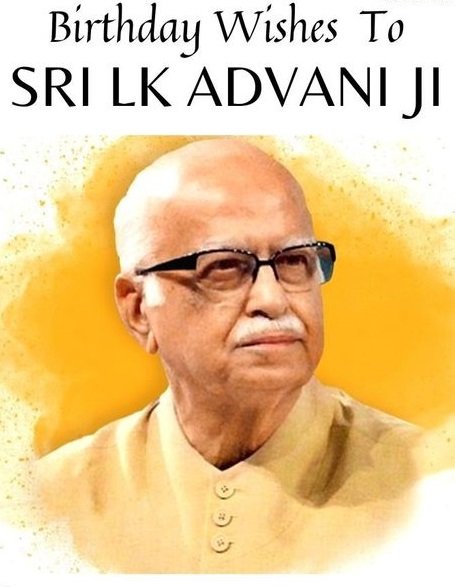
Lal Krishna Advani, born on November 8, 1927, is one of India’s most prominent political figures, particularly known for his role in shaping the Bharatiya Janata Party (BJP) and the political ideology that has come to define the party. His journey from a young volunteer to a national leader and a veteran politician has been marked by significant struggles, ideological growth, and notable contributions to Indian politics.
Advani’s career began with the Rashtriya Swayamsevak Sangh (RSS), an organization dedicated to promoting Hindu nationalism, where he became an active worker in his early teens. His journey within the RSS laid a strong foundation for his lifelong dedication to the ideology of Hindutva, which later became central to his political identity. In the 1950s, he was introduced to the political wing of the RSS, the Bharatiya Jana Sangh (BJS), under the mentorship of Syama Prasad Mukherjee. Advani quickly gained a reputation for his organizational skills and discipline, which eventually led to his rise within the ranks.
However, it was not an easy climb to prominence. Following the emergency declared by Prime Minister Indira Gandhi in 1975, Advani, along with several other leaders of the opposition, was arrested. His opposition to the emergency solidified his commitment to a democratic framework and brought him significant recognition as a staunch defender of democracy. When the Janata Party, an amalgamation of various opposition groups, came to power in 1977, Advani became the Minister of Information and Broadcasting. His tenure saw the loosening of restrictions on the press, a stance he strongly advocated as a response to the censorship imposed during the Emergency.
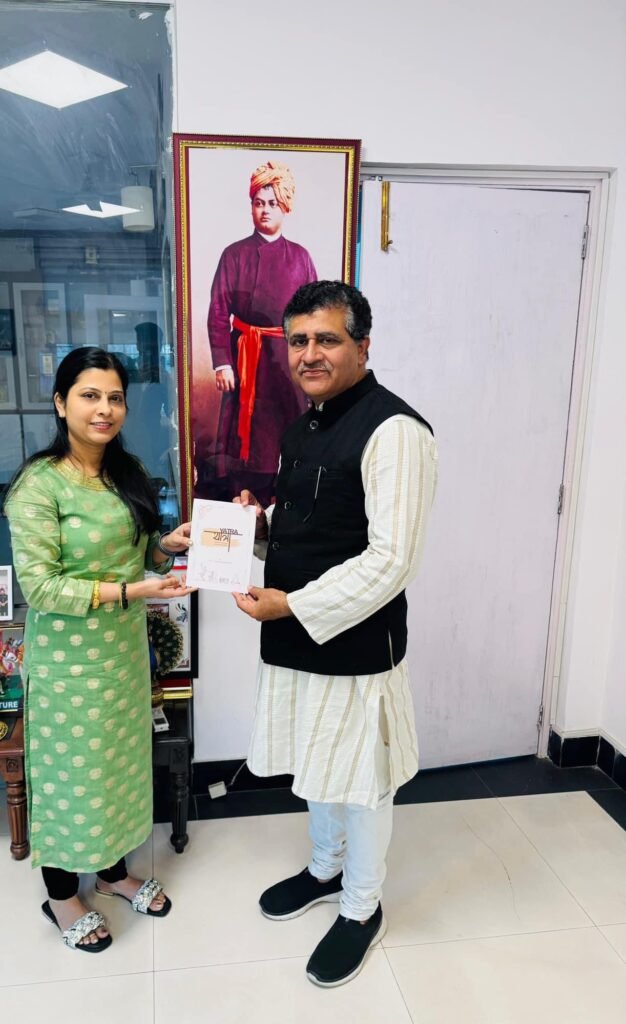
In 1980, following the dissolution of the Janata Party, Advani co-founded the Bharatiya Janata Party (BJP) alongside Atal Bihari Vajpayee. Although the party initially struggled to gain widespread support, Advani’s leadership and strategic approach started to bring Hindutva politics to the forefront. His “Rath Yatra” in 1990, a nationwide tour to rally support for the construction of a Ram Temple in Ayodhya, marked a turning point. The tour not only energized the BJP’s base but also brought Advani national fame as a charismatic, if controversial, leader. While the movement around Ayodhya led to communal tensions, it significantly raised the BJP’s profile, eventually contributing to the party’s rise as a dominant political force in the 1990s.
Advani served as the Home Minister and later as Deputy Prime Minister in the Vajpayee-led government from 1998 to 2004, where he was influential in shaping policy on security, defense, and internal governance. Although he faced challenges and criticisms, particularly around the handling of communal issues, his contributions to policy and governance were widely acknowledged. Over the years, Advani’s image transformed from a hardline Hindutva advocate to a seasoned statesman who played a crucial role in Indian politics.
Today, L.K. Advani remains a respected figure, often seen as the architect of the BJP’s ideological framework and growth, with a legacy that reflects both his accomplishments and the controversies of his time. His journey exemplifies a commitment to his beliefs and a steady rise through perseverance and strategic political acumen.
The European Space Agency (ESA) has embarked on the initial planning stages of a critical mission, the Rapid Apophis Mission for Space Safety (RAMSES). This project aims to closely examine Apophis, a massive near-Earth asteroid officially designated as asteroid (99942). Scheduled to arrive at its target in February 2029, the RAMSES mission will coincide with NASA’s own mission, Osiris-Apex, which has also set its sights on Apophis. Together, these missions represent a concerted effort to deepen our understanding of asteroid behavior and, ultimately, refine planetary defense strategies.
What Is Apophis?
Discovered in 2004, Apophis spans approximately 340 meters (1,115 feet) in diameter, large enough to cause significant damage should it collide with Earth. Fortunately, Apophis will pass safely by on April 13, 2029, at a distance of about 19,794 miles (31,860 kilometers) from Earth. Though not a direct threat, this close flyby will bring Apophis within a range suitable for high-resolution observations, making it a rare and valuable opportunity for scientists to study its physical and orbital characteristics.
Why Are Asteroids a Threat?
Asteroids, remnants of the solar system’s formation, orbit the Sun in vast numbers. Although many remain in the asteroid belt, some venture closer to Earth, posing a potential threat. Earth faces constant risk from these near-Earth objects (NEOs), which total roughly 35,000. Among them, about 2,300 are deemed “potentially hazardous” due to their size and proximity. While most NEOs are small, larger asteroids like Apophis carry the potential for massive destruction in the event of a collision.
Historical Impact of Asteroids
Earth has faced catastrophic asteroid impacts before, with some events reshaping the planet’s biological landscape. A notable example is the asteroid impact 66 million years ago, widely believed to have contributed to the extinction of the dinosaurs. If a large asteroid were to collide with Earth, the resulting release of energy would be devastating, comparable to multiple nuclear explosions. This historical context underscores the importance of tracking and understanding NEOs, particularly those of Apophis’s scale.
Tracking and Mitigating Asteroid Impacts
The scientific community employs advanced surveys and telescopes to locate and monitor potentially hazardous asteroids. However, identifying these threats is only the first step. Preparing for potential future collisions also requires developing methods to redirect or deflect an asteroid’s path if it is found to be on a collision course with Earth. Both RAMSES and NASA’s Osiris-Apex missions offer a chance to gather critical data that may one day inform these protective measures.
Mission Details: RAMSES and Osiris-Apex
The RAMSES mission will investigate changes in Apophis’s orbit, rotation, and shape as it passes near Earth, which will help scientists understand how gravitational forces affect asteroids. Concurrently, NASA’s Osiris-Apex mission will examine Apophis’s surface, with plans to disturb surface dust and analyze the asteroid’s layers. Together, RAMSES and Osiris-Apex may reveal insights essential for future planetary defense tactics, particularly in how to influence an asteroid’s trajectory in the event of a predicted collision.
A Rare Opportunity to Study Asteroids
The chance to observe an asteroid of Apophis’s size and proximity occurs only once every 5,000 to 10,000 years. This unique flyby offers a pivotal opportunity to gather detailed information that could ultimately prove vital in protecting Earth from future asteroid threats. Through this mission, scientists aim to unravel the complexities of asteroid composition, behavior, and potential vulnerabilities.
The Symbolic Connection to Egyptian Mythology
The mission names, RAMSES and Osiris-Apex, draw from ancient Egyptian mythology, which lends a symbolic layer to humanity’s ongoing efforts to defend against cosmic threats. Apophis, named for a mythical force of chaos and darkness, represents a dangerous and uncontrollable power in Egyptian lore. Just as the sun god Ra fought off Apophis to protect the world, these missions metaphorically embody humanity’s struggle to “conquer” potentially hazardous space objects, ensuring Earth’s safety through knowledge and innovation.
As RAMSES and Osiris-Apex prepare to meet Apophis in 2029, scientists and engineers around the world eagerly anticipate the wealth of data these missions will provide. This coordinated effort between ESA and NASA signifies a crucial step forward in planetary defense research, underscoring the power of international collaboration and scientific inquiry in safeguarding our planet.
Toyota Motor Corporation and Joby Aviation recently marked a major milestone in electric air mobility with the first international demonstration flight of Joby’s electric air taxi at Toyota’s Higashi-Fuji Technical Center in Japan. The flight demonstrated Joby’s low-noise, emissions-free electric vertical takeoff and landing (eVTOL) aircraft near Mount Fuji, showcasing the potential for clean, urban air travel solutions. This demonstration follows a nearly seven-year collaboration between the two companies, with Toyota bringing manufacturing expertise and a recent $500 million investment to support Joby’s commercial production efforts.
Toyota has invested around $894 million in Joby to date, positioning itself as a key partner in developing Joby’s eVTOL aircraft, which can carry four passengers and a pilot at speeds up to 200 mph with a range of 100 miles. This new form of mobility aims to alleviate urban congestion and reduce environmental impacts, offering a quieter and sustainable alternative to traditional air travel. The aircraft is particularly suited for urban and intercity routes, aiming to provide efficient, noise-minimized transportation for crowded environments.
Toyota’s executives, including Chairman Akio Toyoda and executive vice president Hiroki Nakajima, attended the event. Nakajima emphasized the transformative potential of air mobility to change how people perceive distance and time. As part of the partnership, Toyota will supply essential powertrain and actuation components for Joby’s production models, reinforcing its commitment to the future of clean air mobility.
Looking ahead, Joby and Toyota’s joint efforts will likely contribute to the growing field of urban air mobility, with Joby planning to begin U.S. operations by 2025, potentially in partnership with Delta Air Lines for airport routes. While there are no official plans yet for commercial operations in Japan, the demonstration flight signals an important step toward a future where sustainable air mobility could be widely available.
Donald Trump, a name synonymous with wealth, influence, and controversy, rose from a background steeped in hard work, ambition, and transformation. Born into a family with a complex history, Trump’s ascent to the highest office in the United States is a tale of fortune, ambition, and an unbreakable determination to defy expectations. However, his path has not been without its fair share of controversies, including an unprecedented incident in American history: the storming of the U.S. Capitol by his supporters. This article explores the incredible journey of Donald Trump, from his family’s humble beginnings to his historic – and tumultuous – presidency.
A Modest Beginning
Donald Trump’s story begins not with luxury, but with his grandfather, Friedrich Trump, who emigrated from Germany to America in 1885. Friedrich, the son of a barber, left Germany at 16 to avoid compulsory military service. In America, he first worked as a barber before trying his luck in the Klondike Gold Rush, where he made his fortune operating hotels and taverns. His wealth enabled him to return to Germany, marry Elizabeth Christ, and eventually settle in New York, where they raised their children, including Fred Trump, Donald’s father.
Fred Trump carried the family’s ambition forward, founding the Elizabeth Trump & Son real estate company. Over the years, he built low-cost housing across New York’s boroughs and became a prominent figure in real estate. However, Fred’s business practices also brought controversies, particularly in the 1970s when he faced accusations of housing discrimination. Despite these issues, his success established a foundation for the Trump family, one that would shape Donald’s future.
Donald Trump Driven by Ambition
Donald Trump was born on June 14, 1946, into wealth and privilege, and he began accumulating money from his father’s business even as a child. Trump’s early education was marked by aggression, leading his father to enroll him in a military academy. This disciplined environment honed his competitive nature and leadership skills, which he later utilized in the world of business. After studying economics at the University of Pennsylvania, Trump joined his father’s company, soon rebranding it as the Trump Organization.
With a loan from his father and connections within New York’s political landscape, Trump rapidly expanded the company. He completed the Trump Tower in 1983 and dabbled in casinos, launching Trump Plaza and the Trump Taj Mahal. Known for his flair, Trump called the Taj Mahal casino “the eighth wonder of the world,” though it eventually led him into debt. Despite financial setbacks, Trump remained a larger-than-life figure in the real estate industry and American culture, even becoming a television celebrity with “The Apprentice.”
Personal Life
Trump’s personal life has been no less dramatic than his professional one. In 1977, he married Ivana Zelnickova, a Czech model, with whom he had three children: Donald Jr., Ivanka, and Eric. The marriage unraveled due to his affair with Marla Maples, whom he later married after his divorce from Ivana. This relationship, too, ended in divorce, though they had one daughter, Tiffany. In 2005, Trump married Slovenian model Melania Knauss, with whom he shares a son, Barron.
Throughout his life, Trump has been labeled a “ladies’ man” and faced multiple allegations of misconduct. His relationships and high-profile divorces have been closely watched and scrutinized, adding to his complex and controversial public image.
From Celebrity Businessman to the Oval Office
Despite—or perhaps because of—his public persona, Donald Trump’s transition from business to politics was unprecedented. His television show, “The Apprentice,” showcased his authoritative style, endearing him to many Americans. Leveraging this popularity, Trump launched his presidential campaign in 2015, campaigning on themes of American nationalism, economic reform, and immigration control.
Trump’s presidential tenure, however, was marked by polarizing policies and public controversies, culminating in the January 6 Capitol riot. His supporters, outraged by alleged election fraud, stormed Capitol Hill, clashing with security forces and forcing Vice President Mike Pence to evacuate. Trump was criticized for his response to the incident, watching the chaos unfold from the White House.
Trump’s Legacy: A Political Force in America
With another bid for the presidency in 2024, Trump remains a formidable force in American politics. His story is one of resilience, defiance, and reinvention—a journey from a barber’s grandson to a billionaire, television star, and President of the United States. Yet, the controversies and challenges he faces serve as reminders of the tumultuous legacy he has left on America.
Through it all, Trump’s life and career reveal a deeply American story: one of ambition, opportunity, and the power of personal reinvention. Whether as a business mogul or a politician, Donald Trump’s impact on the U.S. remains undeniable. As he once again seeks the presidency, the nation and the world watch to see what lies ahead for one of the most polarizing figures of our time.
Virat Kohli, one of cricket’s most celebrated icons, marked his 36th birthday with fans and the cricketing world alike applauding his legacy. His career, now spanning over 15 years since his debut in 2008, has been filled with remarkable records and consistent high-level performances that have solidified his place among the sport’s greatest players.
This year, Mumbai artist Yash Prajapati paid a touching tribute to Kohli by gifting him a hand-painted portrait of Lord Hanuman. Kohli received the artwork warmly, showcasing his appreciation and connection with fans. Kohli’s gratitude and openness toward admirers have made him a beloved figure beyond his cricketing achievements, creating a deep bond with supporters.
In the world of cricket, Kohli’s records are exceptional. He recently set a monumental record of 50 centuries in One Day Internationals (ODIs), surpassing his hero Sachin Tendulkar. This feat not only highlights his skill and resilience but also his ability to perform under pressure. He is also the highest run-scorer in T20 World Cup history, amassing 1,292 runs, and he’s the only player to have been named Player of the Tournament twice in the T20 World Cup. Kohli has achieved significant milestones in Test cricket, too, with over 9,000 runs and 29 centuries, and he led India to an impressive 40 Test victories as captain, holding the highest win percentage among Indian Test captains.
While Kohli recently faced challenges in form, his fans are hopeful for a resurgence, especially with the upcoming Border-Gavaskar Trophy series against Australia. Historically, Kohli has excelled against Australia, scoring 2,042 runs against them in Tests, and his past performances suggest that he could once again be pivotal in the matches ahead.
As Kohli continues his journey, his contributions are celebrated not only for his record-breaking achievements but for his relentless commitment, passion, and the inspiration he brings to fans worldwide.