Home Blog Page 452

Symbiosis University Launches First Overseas Campus in Dubai

0

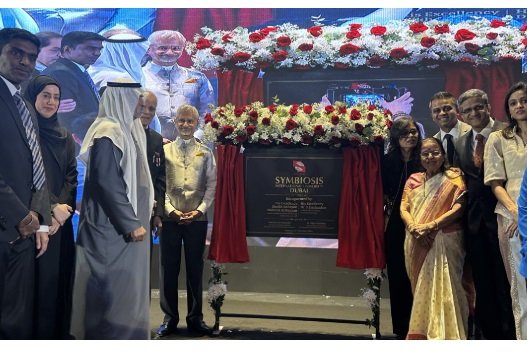
In a landmark step that deepens the educational partnership between India and the UAE, Symbiosis International University has inaugurated its first overseas campus at Dubai Knowledge Park. This development marks a significant milestone in the bilateral relationship, further cementing ties in education and innovation.

A Star-Studded Inauguration

The campus inauguration was graced by prominent figures, including Dr. S. Jaishankar, India’s External Affairs Minister, and Sheikh Nahyan bin Mubarak Al Nahyan, UAE’s Minister of Tolerance and Coexistence. The event highlighted the mutual commitment of both nations toward fostering quality education.

Symbiosis University has received full accreditation from the UAE’s Commission for Academic Accreditation, reflecting its dedication to maintaining high educational standards.

Diverse Program Offerings

The Dubai campus will offer a range of programs in management, technology, and media, equipping students with critical 21st-century skills. Guided by the philosophy of Vasudhaiva Kutumbakam—the belief that “the world is one family”—the university seeks to nurture global collaboration and cultural harmony.

This expansion aligns with India’s National Education Policy 2020 (NEP), which emphasizes the internationalization of higher education and encourages the establishment of offshore campuses to enhance global educational outreach.

Enhancing Student Opportunities

The UAE is already home to over 300,000 Indian students benefiting from its robust educational framework. The addition of Symbiosis University’s campus will further enrich these opportunities, building on the momentum generated during Prime Minister Narendra Modi’s 2015 visit and the Comprehensive Economic Partnership Agreement (CEPA) signed between India and the UAE.

Building Human Capital

In his address, Dr. Jaishankar underlined the importance of investing in human capital for India’s progress, with a focus on artificial intelligence, clean energy, and sustainable development. The Dubai campus stands as a testament to this vision, offering programs that align with these critical areas.

Sheikh Nahyan bin Mubarak Al Nahyan emphasized the UAE’s commitment to becoming a knowledge-based economy, where education plays a vital role in fostering mutual understanding and stability. He highlighted Dubai’s cosmopolitan appeal, with expatriates making up nearly 85% of its population, making it an ideal location for an institution like Symbiosis University.

A Step Toward Economic Transformation

The establishment of the Symbiosis Dubai campus also aligns with Dubai’s Economic Agenda 33, a strategic plan focused on transforming the emirate’s economy over the next decade. By prioritizing human capital development and fostering international educational collaborations, the initiative reinforces the city’s position as a global knowledge hub.

Bridging Cultures Through Education

The launch of this overseas campus is not merely an academic milestone but a bridge fostering cultural and intellectual exchange between India and the UAE. Both nations aspire to elevate their global educational competitiveness, and initiatives like this strengthen their shared vision.

Key Highlights:

  • Vasudhaiva Kutumbakam: This ancient Indian philosophy, meaning “the world is one family,” underscores the university’s global approach to education.
  • Dubai Knowledge Park: A hub for education and research, supporting Dubai’s ambition to become a global knowledge economy.
  • Comprehensive Economic Partnership Agreement (CEPA): A bilateral agreement that fosters trade, investment, and educational collaboration between India and the UAE.
  • Economic Agenda 33: Dubai’s roadmap for economic transformation, prioritizing education and human capital development over the next decade.

Symbiosis University’s entry into Dubai is a promising step toward shaping a more interconnected and knowledge-driven future, with profound benefits for students, educators, and economies alike.


What is Mechanical Qubit?

0

Quantum computing, a revolutionary technology, is gaining momentum by solving problems that classical computers cannot. The building blocks of quantum computers, qubits, are pivotal in this process. A new development in quantum technology—mechanical qubits—has opened exciting possibilities by addressing some of the challenges faced by traditional qubits.

Understanding Mechanical Qubits

Mechanical qubits are tiny, drum-like systems that rely on vibrational states rather than electronic states to store quantum information. Unlike traditional electromagnetic qubits, mechanical qubits can exist in multiple states simultaneously, making them a novel and promising addition to quantum technology.

A key advantage of mechanical qubits is their potential for longer coherence times—the duration for which a qubit retains its quantum state. Electromagnetic qubits often suffer from short coherence times, limiting their utility. In contrast, mechanical qubits, due to their vibrational nature, may offer greater stability, paving the way for more efficient quantum computing.

Breakthrough at ETH Zurich

The first operational mechanical qubit was developed by researchers at the Swiss Federal Institute of Technology (ETH) Zurich, a groundbreaking achievement in quantum research. Led by doctoral student Yu Yang, the team published their findings in Science on November 15.

To overcome the challenges of creating mechanical qubits, the ETH team employed advanced fabrication techniques, integrating a piezoelectric disk with a superconducting qubit. This innovative design enhanced the coherence time and manipulation capabilities of the mechanical qubit.

Challenges in Development

The development of mechanical qubits has not been without challenges. Traditional electromagnetic qubits behave anharmonically, meaning their energy levels are unevenly spaced. Mechanical systems, however, are harmonic, with evenly spaced energy levels. This difference complicates the creation of mechanical qubits and requires new approaches to ensure quantum behavior.

Hybrid Qubit Systems

To bridge the gap between mechanical and electromagnetic qubits, researchers have explored hybrid systems. These combine mechanical resonators with electromagnetic qubits, aiming to harness the advantages of both. Hybrid systems could achieve longer coherence times while maintaining the operational benefits of electromagnetic qubits.

Performance and Future Prospects

The prototype mechanical qubit developed at ETH Zurich demonstrated a coherence time of approximately 200 microseconds. While this is shorter than the best-performing superconducting qubits, it is a significant step forward for mechanical qubits. This advancement underscores the potential for mechanical qubits to complement and enhance current quantum computing technologies.

Why Mechanical Qubits Matter

The introduction of mechanical qubits addresses critical issues in quantum computing, particularly coherence time and stability. By leveraging vibrational states, mechanical qubits offer a pathway to more robust quantum systems, potentially expanding the scope of quantum computing applications.

Key Takeaways:

  • Qubits: The fundamental units of quantum information, capable of existing in multiple states simultaneously.
  • Coherence Time: A measure of how long a qubit retains its quantum state. Mechanical qubits promise longer coherence times compared to traditional qubits.
  • Piezoelectric Disk: A component used in mechanical qubit design to convert mechanical energy into electrical energy, contributing to improved performance.
  • Hybrid Systems: Combining mechanical and electromagnetic qubits could yield systems with enhanced coherence times and operational efficiency.

As quantum research advances, mechanical qubits may become a cornerstone of next-generation quantum computers, unlocking new possibilities for solving complex problems across various fields.

Pando: World’s Oldest Living Organism

0

Nestled in the heart of Utah, Pando is a natural marvel, recognized as one of the world’s oldest and most extraordinary living organisms. Often mistaken for a forest, Pando is actually a massive clonal colony of quaking aspen trees (Populus tremuloides), all interconnected by a single, extensive underground root system. This unique characteristic unites approximately 47,000 trees across 106 acres, making it a single, colossal organism that has intrigued scientists and nature enthusiasts alike.

A Journey Through Time

Pando’s origins trace back to an astonishing timeline. Researchers estimate that it may have sprouted from a single seedling around 34,000 years ago. Some even suggest that its roots might stretch back as far as 80,000 years, placing it among Earth’s most ancient living entities. Such longevity underscores its resilience and ecological importance, standing as a testament to nature’s enduring power.

The Genetics of a Giant

Unlike most forests, all the trees within Pando are genetically identical, a result of asexual reproduction through root cloning. This genetic uniformity was confirmed through extensive research involving 500 samples, which identified 4,000 distinct mutations. The findings revealed a surprising complexity: trees situated close together shared only slightly more genetic mutations than those farther apart. This discovery adds an intriguing layer to Pando’s genetic story, challenging conventional notions of clonal organism simplicity.

A Pillar of the Ecosystem

Pando is not just a botanical wonder; it is a vital component of its surrounding ecosystem. Its vast network of roots stabilizes soil, preventing erosion and supporting the health of the environment. Additionally, it provides a sanctuary and sustenance for a diverse array of wildlife, from insects and birds to deer and elk. The organism’s survival is intertwined with the well-being of the ecosystem it sustains.

Challenges to Survival

Despite its ancient legacy, Pando faces significant threats. Climate change, human activities, and grazing pressure from deer and elk jeopardize its delicate balance. Understanding its resilience and ecological contributions is imperative for devising strategies to protect this natural treasure.

Rivals in Longevity

Pando’s age, while remarkable, may not be unique. For instance, Posidonia oceanica, a seagrass species found off the Spanish island of Formentera, could be over 200,000 years old. These discoveries emphasize the need for continued research into ancient clonal organisms, offering insights into the secrets of longevity and environmental adaptation.

Preservation and Future Insights

Efforts to study and conserve Pando are crucial for maintaining its ecological legacy. Researchers like Rozenn Pineau from the University of Chicago have been pivotal in uncovering its genetic complexities, providing valuable knowledge to guide conservation efforts. Protecting Pando is not just about preserving a singular organism—it’s about safeguarding an ecosystem and understanding nature’s capacity for endurance and renewal.

Fast Facts

  • What is Pando? A clonal colony of quaking aspen trees in Utah, spanning 106 acres and comprising 47,000 genetically identical trees.
  • Age: Estimated at 34,000 to possibly 80,000 years old.
  • Ecological Role: Stabilizes soil, prevents erosion, and supports diverse wildlife.
  • Competitor: Posidonia oceanica seagrass, potentially over 200,000 years old.
  • Scientific Research: Led by Rozenn Pineau, findings highlighted unexpected genetic variations within Pando.

Pando stands as a symbol of nature’s resilience and interconnectedness. As we deepen our understanding of this extraordinary organism, we also gain insights into preserving Earth’s delicate ecosystems for generations to come.

International Men’s Day 2024: History, Date and Significance

0

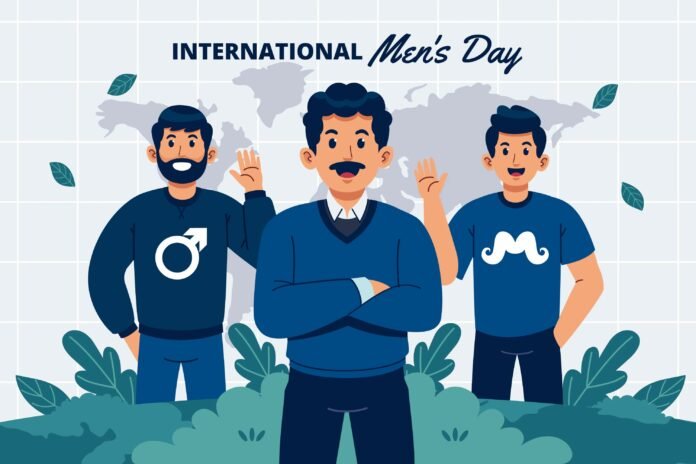
Every year on November 19, the world comes together to observe International Men’s Day (IMD)—a day dedicated to recognising the invaluable contributions of men to families, communities, and society at large. Beyond celebration, this day also fosters crucial conversations about men’s mental health, societal pressures, and the importance of gender equality. Here’s a comprehensive look at the date, theme, history, significance, and celebrations of International Men’s Day 2024.

International Men’s Day 2024: Date and Theme

This year, International Men’s Day falls on Tuesday, November 19, 2024. The theme for 2024, “Positive Male Role Models,” emphasizes the importance of fostering a culture where men are supported to thrive emotionally and socially. By promoting open discussions about mental health and challenging negative stereotypes, this theme encourages society to celebrate men who inspire others through kindness, resilience, and authenticity.

The History of International Men’s Day

The idea of International Men’s Day was introduced in 1992 by Dr. Jerome Teelucksingh, a Trinidadian scholar. His vision was to establish a day dedicated to celebrating men’s achievements while addressing critical issues such as:

  • Male health,
  • Gender-based violence, and
  • The importance of positive male role models.

Dr. Teelucksingh believed that men’s contributions to nation-building, family, and community deserved recognition. The movement gained traction globally, with various countries adopting the observance to advocate for men’s well-being and create awareness campaigns for societal progress.

Significance of International Men’s Day

International Men’s Day is more than just a celebration—it’s a call for action. This day:

  • Acknowledges men’s contributions: From their roles in families to their efforts in community and nation-building, it celebrates the positive impact of men.
  • Promotes mental health awareness: Men often face societal pressures to suppress emotions, leading to significant mental health challenges. This day aims to break that stigma by encouraging dialogue.
  • Challenges gender stereotypes: It advocates for dismantling harmful stereotypes, fostering a culture of equality and mutual respect.
  • Highlights male role models: By celebrating individuals who inspire others through positive actions, it provides young boys with examples of integrity, compassion, and strength.

Ultimately, International Men’s Day aspires to build an inclusive, supportive society where every individual’s contributions are valued and well-being is prioritized.

How is International Men’s Day Celebrated?

International Men’s Day celebrations span a wide range of activities aimed at education, appreciation, and community support:

  1. Workshops and Seminars: Discussions about mental health, gender roles, and societal expectations provide a platform for open dialogue and education.
  2. Health Campaigns: Many organizations offer free check-ups and host wellness drives to encourage men to prioritize their health.
  3. Community Events: Volunteering initiatives, social gatherings, and public campaigns honor men’s contributions while fostering camaraderie.
  4. Educational Programs: These focus on sharing the stories of positive male role models, inspiring young boys to embrace values like empathy, respect, and perseverance.
  5. Gratitude Messages: People take to social media and personal interactions to express appreciation for the men who make a positive difference in their lives.

Why International Men’s Day Matters

In a world where traditional gender roles often place undue pressure on men, International Men’s Day provides a much-needed opportunity to shift perspectives. It encourages society to move beyond stereotypes, offering men the space to be their authentic selves while contributing positively to the world around them.

As we celebrate International Men’s Day 2024, let us champion the theme of “Positive Male Role Models” by appreciating the men who inspire us and committing to creating a more inclusive, compassionate future for all.

Netherlands Special Series: Meet the man who went beyond borders to make many firsts… He is Jasbir Singh, the first European lawyer from India…

0

Inspiring stories have been motivating us all; but when a real life story of a real life hero comes to fore, we all bow our head in respect and take away some inspiring lessons from his life. In our Netherland Special Series, we bring one such story of a man who went beyond borders to make a mark and became a global leader while overcoming all odds.

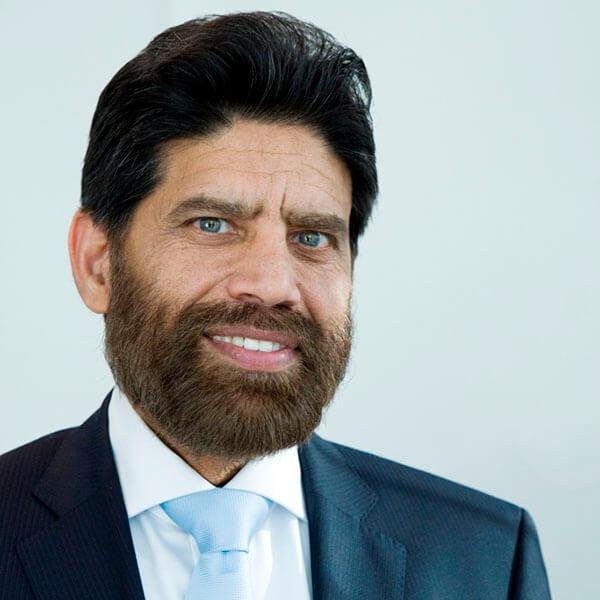
Jasbir Singh from Netherland is one such man who gives a message that ‘it is never too late to start’. After a break of 18 years, he earned a dual degree of L.L.B and L.L.M in just two years.

Let’ have a glimpse into this inspirational tale of this man who despite. being born in a farmer’s family, knew no full stops and earned the credential of being the first lawyer in European nation. Meet the man who made many firsts after stepping into foreign nation: A Lawyer, Leader, and Advocate

Early Life

Born on March 4, 1953, in a small village near Kapurthala, Punjab, Jasbir Singh’s early life was shaped by the simplicity and hard work of his family’s farming background. Growing up, he witnessed the challenges of rural life, where every day was a testament to perseverance and dedication. His parents instilled in him a deep sense of responsibility and a strong work ethic—values that would guide him throughout his life.

A bright student, Jasbir completed his early education in local government schools and went on to graduate with honors from Guru Nanak University in 1972. At just 19, with a heart full of hope and determination, he set off on an uncertain journey to the Netherlands, leaving behind the only world he had known, in search of better opportunities.

The Struggles of a New Life Abroad

Moving to a foreign country with no support system and limited resources was no easy feat for a young man from a farming family. Jasbir Singh found himself starting from the very bottom. He took up jobs in the food industry, initially working in manual labor. The work was tough, and the challenges many, but he never gave up. His ability to persevere and his relentless drive helped him rise through the ranks, moving from manual labour to managerial roles. Despite the difficulties, he never stopped believing that something greater awaited him.

Deep inside, though, he knew that his journey was far from complete, he yearned to further his education and make a lasting impact. Despite the 18-year gap in formal education, in 1989, he took the bold step of enrolling in Leiden University, known for its prestigious law program.

A Record-Breaking Academic Achievement

In a remarkable display of determination, Jasbir Singh earned his L.LB and L.LM degrees in just two years (1989-1991), a feat that was unprecedented in the Netherlands. He became the first Indian lawyer in mainland Europe, setting a new record and proving that anything is possible when one is driven by passion and purpose. This academic achievement marked the beginning of his transition from a migrant worker to a legal pioneer, breaking barriers for others in the Indian community.

His success wasn’t just personal—it was a beacon of hope for countless others. It demonstrated that no matter where you come from or how long the road is, hard work and persistence can lead to incredible accomplishments.

Building a Legacy: A Lawyer, Leader, and Advocate

In 1992, Jasbir Singh founded his own law practice, Singh Law Firm (previously Roest Singh Advocates), where he became a symbol of justice and integrity. His firm became known for its commitment to excellence, and he quickly earned the respect of colleagues and clients alike.

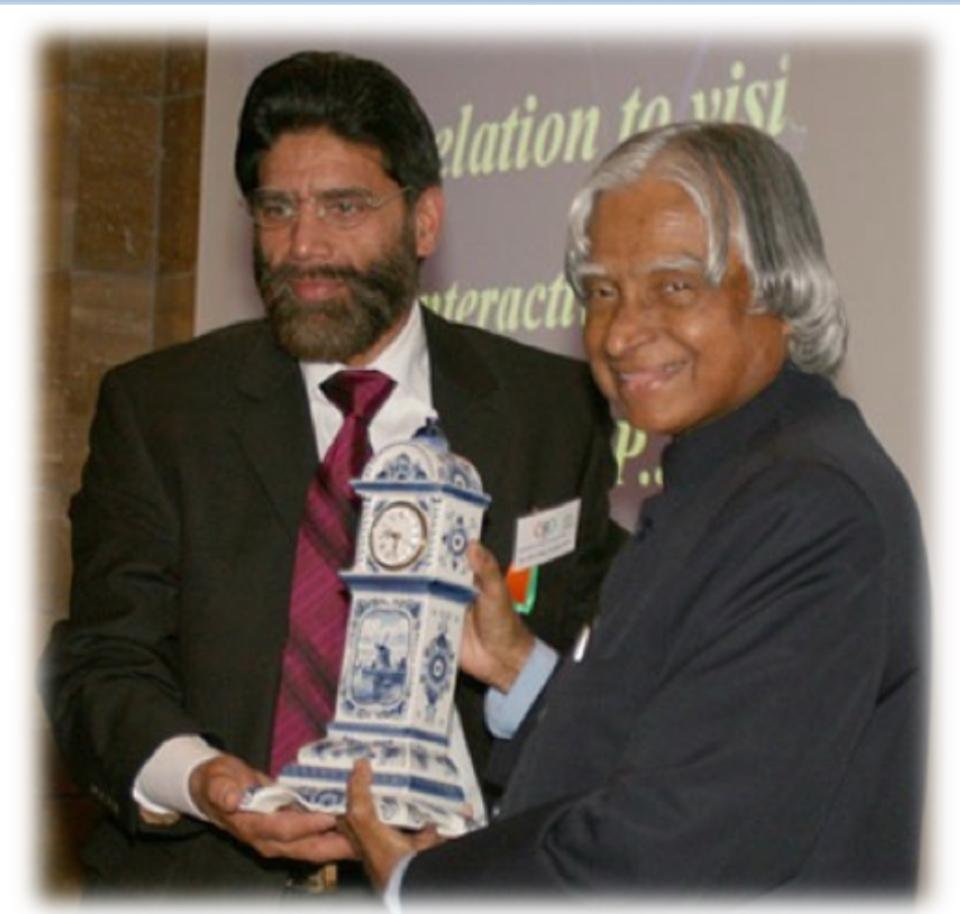
But his impact didn’t stop there. As much as he excelled professionally, Jasbir also saw a greater need in the community. In 1975, he founded the Indians Welfare Association to address the challenges faced by Indian migrants in the Netherlands. He went on to establish the Foundation for Indian Diaspora in Europe (FIDE) in 2009, and served as the president of the Foundation for Critical Choices for India (FCCI), the oldest overseas Indian think tank. Through these organisations, Jasbir worked tirelessly to preserve Indian culture and address the concerns of the Indian community abroad.

Netherlands Special Series: Meet the man who went beyond borders to make many firsts... He is Jasbir Singh, the first European lawyer from India...

A Political Trailblazer

Jasbir’s desire to create change didn’t stop at the legal and social levels. In 1978, he became an active member of a national political party in the Netherlands, aiming to shape policies that impacted the Indian community. In 1996, he made history by becoming the first Indian national to be elected to a local government body, bridging cultural divides and ensuring Indian voices were heard on a political platform.

His appointment to the Governing Council of the Overseas Indian Facilitation Centre (OIFC) in 2010 marked another milestone in his political journey. Jasbir became a global leader, addressing issues that affected not only the Indian diaspora but the relationship between India and the rest of the world.

A Passionate Cultural Ambassador

While Jasbir’s professional and political accomplishments are remarkable, he remains deeply connected to his roots. He has always been passionate about Indian culture—its literature, music, philosophy, and yoga. He believes in the power of cultural preservation, advocating for the importance of keeping Indian traditions alive, even while living abroad. His love for sports, particularly hockey and long-distance running, reflects his balanced approach to life, where physical endurance and intellectual curiosity go hand in hand.

Inspiring Future Generations

From a small village in Punjab to becoming a respected lawyer and leader in Europe, Jasbir Singh’s journey is an inspiring story of resilience, hope, and vision. His life is a reminder that no matter the circumstances of our birth, we have the power to shape our own future. His story proves that with hard work, determination, and a willingness to follow your dreams, anything is possible.

As the President of FIDE and FCCI, Singh’s tireless work has uplifted the Indian diaspora, providing opportunities and paving the way for future generations. His journey continues to inspire, showing us all that with courage and purpose, we can rise above our challenges and leave a legacy that lasts for generations.

Nepal Exports Electricity to Bangladesh

0

On November 15, 2024, Nepal officially began exporting electricity to Bangladesh through India’s electricity grid. The event was marked by a ceremonial launch attended by key officials from Nepal, Bangladesh, and India, signifying a milestone in sub-regional connectivity within the power sector.

The Agreement That Made It Possible

This initiative stems from a tripartite power sales agreement signed on October 3, 2024, involving:

  • Nepal Electricity Authority (NEA)
  • Bangladesh Power Development Board (BPDB)
  • NTPC Vidyut Vyapar Nigam (NVVN), an Indian electricity trading company

The agreement was designed to facilitate cross-border electricity trade, laying the groundwork for enhanced energy cooperation among the three nations.

Nepal’s Untapped Hydropower Potential

Nepal boasts abundant hydropower resources, much of which remain untapped. The country’s rugged terrain and extensive river systems provide ideal conditions for generating clean, renewable energy. This electricity export represents a significant step in Nepal’s vision of becoming a regional power hub. It also underscores Kathmandu’s commitment to cross-border energy collaboration, aligning with its broader economic goals.

Bangladesh’s Energy Crisis and the Role of Nepal

Bangladesh is grappling with an energy crisis, exacerbated by the suspension of power supply from Adani’s Godda power plant in India. This disruption has intensified the need for alternative energy sources, making Nepal’s hydropower a timely and crucial addition to Bangladesh’s energy mix.

  • Initial Power Supply: The current arrangement involves the supply of 40 MW of electricity from Nepal to Bangladesh.
  • Economic and Industrial Impact: The introduction of cost-effective hydroelectricity is expected to stabilize energy supplies, reducing reliance on expensive imports and boosting industrial productivity.

Nepal’s Minister of Energy, Dipak Khadka, hailed this development as a milestone, emphasizing its potential to foster industrial growth and regional prosperity through green energy.

Political Challenges in Bangladesh

Political instability in Bangladesh has compounded its energy issues. A recent High Court petition sought to review the terms of the agreement with Adani, with critics voicing concerns over potential hikes in electricity prices. This makes the introduction of Nepalese electricity particularly significant, offering a more sustainable and cost-effective alternative.

Future Prospects for Regional Energy Cooperation

The trilateral electricity trade arrangement highlights the potential for deeper regional energy integration:

  • Stabilizing Electricity Supply: With Nepal’s proximity and abundant hydropower resources, energy imports from Nepal could provide long-term stability for Bangladesh’s power grid.
  • Economic Growth: Enhanced energy cooperation is poised to drive economic development and strengthen ties among South Asian nations.

Looking ahead, officials from all three countries see this collaboration as a model for regional energy security, paving the way for future agreements.

Key Takeaways

  1. NTPC Vidyut Vyapar Nigam (NVVN): This Indian company plays a vital role in facilitating cross-border electricity trade and fostering regional energy cooperation.
  2. Pushpa Kamal Dahal’s Role: As Nepal’s Prime Minister, Dahal’s 2023 visit to India laid the foundation for this historic trilateral agreement.
  3. Hydroelectric Potential: Nepal’s rivers offer immense opportunities for renewable energy development, strengthening its position as a clean energy provider in South Asia.

Summing Up

Nepal’s electricity export to Bangladesh through India marks a historic achievement in regional energy collaboration. It addresses pressing energy needs, promotes economic growth, and sets the stage for further integration among South Asian nations. This initiative exemplifies the transformative power of green energy alliances, fostering sustainability and prosperity across borders.

India’s Sports Industry to Surge to $130 Billion by 2030

0

India’s sports sector is poised for a transformative leap, with projections estimating its growth to a staggering $130 billion by 2030, driven by a 14% annual growth rate—nearly double that of the country’s GDP. This remarkable expansion is attributed to increased government investments, the rise of a multi-sport culture, and the influence of digital platforms reshaping fan engagement.

Economic Impact and Job Creation

The sports industry is not just about games; it’s a catalyst for economic growth. By 2030, the sector could:

  • Create 10.5 million jobs, spanning areas such as event management, sports goods manufacturing, and coaching.
  • Generate $21 billion in indirect tax revenue, benefiting industries like tourism, media, and retail.

This thriving ecosystem will boost demand for sports goods, services, and infrastructure, reinforcing its position as a key driver of India’s economic progress.

Emergence of a Multi-Sport Culture

While cricket remains India’s most beloved sport, there is a clear shift toward a multi-sport culture:

  • 90% of fans now actively follow multiple sports.
  • Kabaddi has grown to attract 120 million fans, while football boasts an impressive 85 million supporters.

This diversification creates opportunities for investments, sponsorships, and cross-promotion across different sports, encouraging broader participation at grassroots levels.

Digital Revolution in Sports Engagement

The rise of digital platforms is redefining how Indians consume sports content:

  • Gen Z, comprising 43% of the fan base, prefers on-demand, personalized content over traditional live broadcasts.
  • Fans are spending 20% more time on non-live content, including highlights, player interviews, and interactive polls.

Short-form, mobile-friendly content is becoming the norm, making digital platforms indispensable for enhancing fan engagement and accessibility.

The Role of Women and Rural Fans

India’s sports demographics are becoming increasingly inclusive:

  • Women now make up 36% of the country’s 655 million sports fans.
  • A significant 59% of fans reside in rural areas, reflecting the sector’s growing reach.

This inclusivity also benefits the sports goods and apparel market, which is projected to double in value to $58 billion by 2030.

Technological Innovations in Sports

Advancements in technology are opening new avenues for India’s sports sector:

  • The sports tech market is expected to reach $1 billion by 2030, with a CAGR of 19%.
  • Technologies like AI, cloud platforms, and data analytics are revolutionizing talent development, operational efficiency, and fan engagement.

For instance, grassroots-level initiatives can leverage these technologies to identify and nurture emerging talent, enhancing India’s competitive edge on the global stage.

Challenges and the Way Forward

Despite its promising trajectory, India’s sports industry faces significant challenges:

  • Access and infrastructure gaps in rural and underprivileged areas.
  • The need for equitable development across all regions and sports disciplines.

Building strong public-private partnerships (PPPs) will be crucial to addressing these issues. Such collaborations can facilitate the development of world-class infrastructure, promote health awareness, and elevate India’s standing in international sports.

Key Takeaways for Aspiring Professionals and Enthusiasts

  • Kabaddi’s Rise: With 120 million fans, Kabaddi is emerging as a major player in India’s sports ecosystem, showcasing the potential of traditional sports.
  • Gen Z’s Influence: This tech-savvy demographic, comprising 43% of fans, is driving digital consumption trends in sports.
  • CAGR of 14%: The impressive growth rate highlights the sector’s robustness and potential for long-term investments.
  • PPPs for Growth: Public-private partnerships will play a pivotal role in overcoming challenges and sustaining growth.

Summing Up

India’s sports industry is on the cusp of unprecedented growth, fueled by innovation, inclusivity, and a cultural shift toward multi-sport engagement. As the nation embraces these changes, the sector will not only contribute to economic prosperity but also foster a healthier, more dynamic society. The future of Indian sports is bright, and 2030 promises to be a landmark year in its evolution.

Chang’e-6: Unveiling the Moon’s Far Side Through Historic Sample Retrieval

0

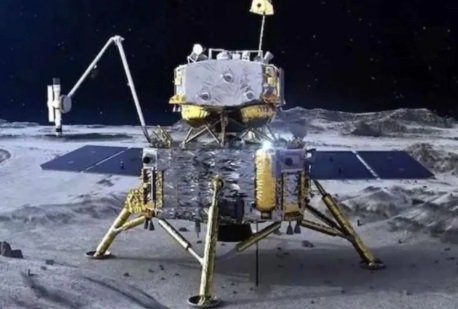
In a groundbreaking achievement, China’s Chang’e-6 spacecraft made history in June 2024 by retrieving surface samples from the far side of the moon—an unexplored and mysterious region until now. The mission is a significant step forward in lunar exploration, shedding new light on the moon’s geological history and ancient volcanic activity.

A Landmark Achievement in Lunar Research

The Chang’e-6 mission stands out as a landmark in space exploration, marking the first-ever collection of lunar samples from the moon’s far side. Unlike the near side, which has been extensively studied, this region holds critical clues about the moon’s evolution. The collected samples reveal evidence of ancient volcanic activity, challenging previous assumptions and providing deeper insights into the moon’s dynamic past.

What the Samples Reveal

The retrieved material consists of volcanic rock fragments, primarily basalt, dating back between 4.2 billion and 2.8 billion years. These findings suggest:

  • Prolonged volcanic activity: The moon experienced active volcanism for at least 1.4 billion years during its early history.
  • Diverse magma sources: The varying composition of the basalt fragments points to multiple origins for the volcanic rocks, highlighting a more complex geological history than previously understood.

South Pole-Aitken Basin: A Geologist’s Treasure Trove

The Chang’e-6 spacecraft landed in the South Pole-Aitken Basin, a massive impact crater with the thinnest crust on the moon. This unique location offered an ideal environment to uncover volcanic evidence. The crater’s geological context provided researchers with unprecedented access to ancient layers of the moon’s surface, enabling a detailed analysis of its volcanic history.

Scientific Methodology

The research team employed radioisotope dating, a technique critical for determining the age of the basalt samples. The analysis compared these new samples to those collected during earlier lunar missions, revealing key differences:

  • Near-side volcanic activity: Previously studied samples showed activity dating back 4.0 billion years.
  • Far-side volcanic activity: The Chang’e-6 samples indicate a more prolonged and varied history of volcanism on the far side.

Understanding Lunar Volcanism

Volcanism on the moon has long ceased, a stark contrast to active planetary bodies like Earth and Venus. The cessation is attributed to the depletion of the moon’s internal heat sources, which initially sustained volcanic activity through radioactive decay and residual heat.

Key differences in volcanic activity across the moon’s surface include:

  • Near-side activity: Continued until approximately 120 million years ago, as evidenced by volcanic glass beads from the Chang’e-5 mission.
  • Far-side activity: The Chang’e-6 samples suggest a distinct and older timeline.

Implications for Lunar and Planetary Studies

The Chang’e-6 mission offers invaluable data for future lunar exploration and planetary studies. These samples:

  • Enhance our understanding of the moon’s geological processes.
  • Aid in comparative analysis with other celestial bodies, such as Earth and Mars.
  • Lay the foundation for designing more targeted lunar missions.

This mission underscores the importance of studying the moon’s far side, which has been a blind spot in lunar science for decades.

Fast Facts for Enthusiasts and Students

  • Chang’e-6 Mission: The first mission to retrieve samples from the moon’s far side, offering new insights into its volcanic and geological history.
  • South Pole-Aitken Basin: The landing site of Chang’e-6, known for its thin crust and rich geological diversity.
  • Radioisotope Dating: A critical method used to date the lunar basalt samples, revealing the timeline of volcanic activity.
  • Lunar Volcanism: Unlike Earth and Venus, the moon has no active volcanism due to depleted heat sources.

A Giant Leap for Lunar Science

The Chang’e-6 mission not only advances our understanding of the moon but also highlights the untapped potential of its far side for future research. As scientists delve deeper into these samples, they may unlock secrets that redefine our knowledge of planetary formation and evolution.

Discovery of a New Freshwater Fish Genus

0

In a groundbreaking study, researchers from the Kerala University of Fisheries and Ocean Studies and Shiv Nadar Institution of Eminence have discovered a new genus of freshwater fish, Koima, endemic to the Western Ghats, a biodiversity hotspot. Published in the prestigious journal Zootaxa, this discovery underscores the ecological richness of the region and highlights the need for extensive taxonomic studies to understand its aquatic biodiversity better.

The Significance of the Western Ghats

The Western Ghats, recognized as a UNESCO World Heritage Site, is home to an astonishing array of endemic species, particularly freshwater fish. Its unique ecosystems not only support incredible biodiversity but also provide critical resources for local communities. The discovery of Koima adds to the growing list of species exclusive to this region, emphasizing the importance of ongoing conservation and scientific documentation.

Taxonomic Revision: A Growing Necessity

Researchers stress the urgent need for a comprehensive taxonomic revision of freshwater fish groups. Many species, especially small ones like nemacheilid loaches, are often overlooked due to their size and subtle morphological variations. The study highlights how misclassification can obscure our understanding of biodiversity, urging scientists to revisit existing classifications with modern methodologies.

Unique Characteristics of Koima

Koima is distinguished by several defining traits:

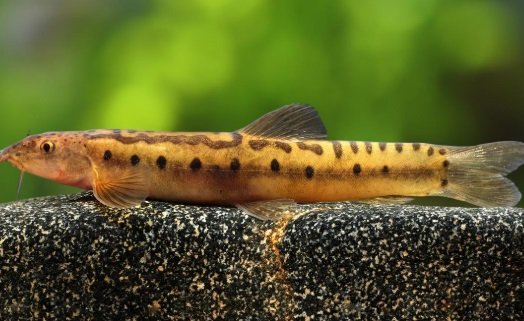
  • A yellowish-brown body adorned with a single row of black spots along the lateral line.
  • Hyaline fins and the absence of a uniform banding pattern on the dorsal side.

These features set Koima apart from other genera in the Nemacheilidae family, making it a significant addition to taxonomy.

Correcting Misclassifications

The study revealed that two species, previously misclassified under other genera, belong to the newly identified Koima:

  1. Mesonoemacheilus remadevii is now recognized as Koima remadevii.
  2. Nemacheilus monilis is reclassified as Koima monilis.

This reassessment underscores the importance of accurate taxonomic studies in revealing biodiversity’s true scope.

Habitat and Distribution

  • Koima remadevii: Found in the Kunthi River within Silent Valley National Park, Kerala, this species thrives in fast-flowing streams with rocky substrates, often seeking shelter in crevices.
  • Koima monilis: Inhabits various tributaries of the Cauvery River, adapting to microhabitats at elevations ranging from 350 to 800 meters.

Research Approach and Methodology

The study adopted an integrative taxonomic approach, combining morphological and genetic analyses. Specimens were collected from rivers such as Kunthi, Bhavani, Moyar, Kabini, and Pambar, ensuring a comprehensive assessment of their characteristics. This meticulous process highlights the importance of advanced methods in uncovering new species.

Cultural Connection: The Name Koima

The genus Koima derives its name from the Malayalam word for loaches, reflecting the cultural significance of the species in the region. This choice underscores the role of local knowledge in scientific discovery and strengthens the bond between science and community heritage.

Conservation Implications

The discovery of Koima serves as a reminder of the fragility of aquatic ecosystems in biodiversity hotspots like the Western Ghats. With threats such as habitat destruction and climate change looming, the study calls for intensified efforts to conserve these unique habitats and their species.

Key Takeaways

  • Koima Genus: A new freshwater fish genus endemic to the Western Ghats, characterized by unique physical traits.
  • Nemacheilidae Family: A diverse group of freshwater fish requiring further taxonomic exploration.
  • Silent Valley National Park: A vital conservation area in Kerala, home to Koima remadevii.
  • Zootaxa: The leading journal in taxonomy, highlighting the importance of accurate species classification.

The discovery of Koima not only enriches our understanding of the Western Ghats’ biodiversity but also serves as a rallying cry for continued research and conservation efforts in one of the world’s most ecologically significant regions.

Breakthrough in Quantum Magnetic Materials

0

Recent advancements in material science have brought researchers closer to achieving the elusive Kitaev quantum spin liquid state, a milestone in the field of quantum magnetism. By employing a ruthenium-based framework, scientists have made significant progress in creating quantum magnetic materials, marking a pivotal moment in material engineering.

Understanding Quantum Spin Liquids

Quantum spin liquids fundamentally differ from traditional magnets. Unlike conventional magnets, which rely on ordered interactions between electrons, quantum spin liquids exhibit disordered magnetic properties driven by quantum entanglement. This unique behavior provides a richer understanding of magnetic interactions and holds promise for revolutionary applications in quantum technology.

Role of Ruthenium-Based Frameworks

The breakthrough lies in using a ruthenium-based framework, enabling researchers to engineer materials with tailored magnetic properties. The open structure of this framework allows precise manipulation of interactions between ruthenium metal ions, crucial for exploring quantum states of matter.

Overcoming Challenges in Quantum Magnetism

Previous research in creating quantum spin liquids faced significant obstacles, particularly in overcoming the effects of densely packed crystal structures. These structures often led to conventional magnetic ordering due to direct interactions between ions. The new open framework design addresses these limitations, paving the way for stable quantum spin liquid states.

Advanced Experimental Techniques

To achieve these results, researchers utilized cutting-edge tools at the UK’s ISIS Neutron and Muon Source and the Diamond Light Source. These facilities provided the precision needed to control magnetic interactions and refine the ruthenium-based material’s properties, ensuring its suitability for quantum experiments.

Significance and Future Potential

While the material does not yet achieve a perfect Kitaev quantum spin liquid state, the findings represent a critical step forward. The research bridges the gap between theoretical models and experimental applications, unlocking new possibilities for quantum material design. The study highlights a largely untapped family of materials, encouraging further exploration.

Applications in Quantum Technologies

The implications of these findings extend to quantum computing, advanced magnetic storage devices, and other technologies reliant on novel magnetic properties. By laying the groundwork for future studies in quantum magnetism, this research sets the stage for transformative advancements in the field.

Expert Insights

Dr. Lucy Clark, the study’s lead researcher, emphasized the significance of the work, stating, “This is an important step in understanding and engineering quantum materials. The advancements we’ve achieved could lead to groundbreaking developments in quantum technologies.”

Key Takeaways

  • Kitaev Quantum Spin Liquid State: A disordered magnetic state governed by quantum entanglement, rather than classical magnetic behavior.
  • Ruthenium-Based Framework: Essential for manipulating interactions between ions, enabling the exploration of quantum states.
  • Quantum Spin Liquids: Unlike traditional magnets, these exhibit disordered magnetic properties rooted in quantum physics.

This landmark research opens new avenues in quantum magnetism and material science, bringing us closer to the next generation of quantum technologies.