Home Blog Page 451

National Espresso Day 2024: History and Significance

0

Vaidehi Bhargava

National Espresso Day, celebrated annually on November 23, honors the rich history, artistry, and global impact of espresso, a coffee brewing method renowned for its bold and concentrated flavor. This day not only celebrates the drink itself but also its cultural and historical significance in coffee culture worldwide.

Origins and History

Espresso originated in Italy with Luigi Bezzera’s 1901 invention of the first espresso machine. By using steam pressure to brew coffee quickly and intensely, this innovation transformed coffee preparation and culture. The introduction of the crema, a hallmark of modern espresso, further elevated its appeal. Over the decades, espresso transcended its Italian roots to become a global phenomenon, inspiring coffee shops and baristas worldwide to experiment with its flavors and applications

How to Celebrate

On National Espresso Day, coffee lovers can:

Enjoy Espresso: Visit local coffee shops or prepare espresso-based drinks like lattes or macchiatos at home.

Experiment with Recipes: Use espresso in desserts like tiramisu, espresso brownies, or cocktails.

Enhance Skills: Attend workshops on espresso brewing or latte art.

Explore Coffee Culture: Learn about espresso’s history, participate in tastings, or connect with fellow enthusiasts

Cultural and Economic Impact

Espresso has significantly influenced global coffee culture, shaping urban spaces through cafes and enhancing social interactions. Economically, it powers a multi-billion-dollar industry involving local cafes, international chains, and innovative brewing technologies. Its enduring appeal lies in its versatility, from being a standalone beverage to a base for countless drinks

Why Celebrate?

This day reminds us of espresso’s rich heritage and its role in uniting coffee lovers globally. It’s an opportunity to indulge in its flavors, experiment creatively, and appreciate its journey from an Italian innovation to a worldwide symbol of sophistication

So, whether you’re savoring a single shot, exploring creative espresso uses, or delving into its history, National Espresso Day is the perfect occasion to celebrate this iconic beverage!


Floating Tennis Court: Raising Awareness About Plastic Waste Through Innovation

0

In an innovative move to tackle the growing problem of plastic waste, adidas, in collaboration with the Parley for the Oceans initiative, constructed a floating tennis court in Brisbane, Australia. The court, located amid the breathtaking Great Barrier Reef, served as a platform for promoting sustainability and encouraging people to refrain from polluting oceans with plastic waste.

Sports Meets Sustainability

The floating tennis court witnessed an extraordinary game featuring Australian Olympian swimmer Ian Thorpe, rugby star Nathan Cleary, and canoeist Jessica Fox, among others. These athletes played tennis on water to highlight the urgent need to address marine plastic pollution. Their performance not only captivated audiences but also delivered a powerful message about environmental responsibility.

A Step Beyond the Court

Post the Australian Open, the floating court is recycled and repurposed for a noble cause. It is donated to a school, ensuring its life extends beyond the tournament and contributes to education.

Shannon Morgan, Senior Director at adidas, emphasized the company’s commitment to sustainability, stating their goal to reduce carbon footprints by 30% by 2030. For the past nine years, adidas has been producing apparel and footwear from recycled plastic waste, which has also been utilized in the Australian Open.

A Global Call for Action

This initiative underscores the importance of innovation in tackling global challenges. By merging sports with sustainability, adidas and Parley for the Oceans are inspiring millions to adopt eco-friendly practices and protect the oceans.

As plastic waste continues to threaten marine ecosystems, initiatives like the floating tennis court offer hope and solutions, showcasing how creativity can lead to meaningful environmental impact.

What is Cloud Seeding? The science behind artificial rain that Delhi’s air needs

0

Cloud seeding, a fascinating weather modification technique, has emerged as a powerful tool for enhancing precipitation and addressing weather challenges. By improving a cloud’s capacity to produce rain or snow, this method can be a lifeline in regions facing water scarcity or extreme weather events. Just like currently Delhi is planning for it.

A Brief History of Cloud Seeding

The concept of cloud seeding was first explored in 1946 by scientists at the General Electric Research Laboratory. They discovered that silver iodide, an inorganic compound, and dry ice could catalyze the formation of ice crystals in clouds, thus enhancing rainfall. Over the past six decades, advancements in meteorological science have refined these methods, boosting our understanding of precipitation processes and improving the efficacy of cloud seeding.

How Does Cloud Seeding Work?

Clouds do not always produce rain, and those that do may not generate sufficient moisture for substantial precipitation. This could be due to a lack of ice particles or cloud droplets necessary to form large raindrops.

Cloud seeding addresses this limitation by introducing materials like silver iodide or hygroscopic compounds (e.g., salt) into clouds. Silver iodide mimics the structure of natural ice crystals, allowing moisture in clouds to condense and form heavy raindrops that eventually fall to the ground.

The process is executed using two main methods:

  1. From Below: Planes release silver iodide flares below the cloud base. The cloud’s updraft carries the particles into its core, initiating precipitation.
  2. From Above: Planes deploy pyrotechnics over the cloud, where the flares ignite and disperse into the cloud, accelerating droplet formation.

For drought-stricken regions with minimal cloud droplets, alternative materials like salt or liquid propane may be used to stimulate rain.

In recent years, innovations like the UAE’s use of drones to electrify clouds with laser beams have expanded the horizons of cloud seeding, proving it to be a versatile and evolving technology.

Benefits of Cloud Seeding

Cloud seeding holds promise in various applications:

  • Enhancing Snowfall: It increases mountain snowpack, crucial for water supply in colder regions.
  • Boosting Water Resources: It provides an additional water supply for communities.
  • Reducing Hailstorms: By redistributing water vapor in clouds, it minimizes the size of hailstones.

Environmental and Health Concerns

Current research indicates that cloud seeding with silver iodide has minimal environmental impact. The concentration of silver in seeded rain is far below harmful levels and is negligible compared to iodine levels in iodized salt. Studies spanning decades have shown no significant adverse effects on health or ecosystems.

However, there is ongoing debate about potential risks, including silver toxicity and disruption of natural precipitation cycles if cloud seeding becomes widespread.

Challenges and Public Perception

Despite its potential, cloud seeding is not without challenges. Misconceptions and conspiracy theories surrounding the practice have fueled public skepticism. Moreover, its effectiveness depends on the presence of specific weather conditions, which limits its applicability.

Cloud Seeding in Delhi: A Possible Solution to Air Pollution

In India, cloud seeding has gained attention as a potential solution for addressing Delhi’s recurring air quality crisis. With the Air Quality Index (AQI) consistently exceeding 450 in the “severe plus” category, Delhi’s Environment Minister, Gopal Rai, recently urged the Central government to explore artificial rain to combat pollution.

While cloud seeding could provide temporary relief by clearing particulate matter, experts stress the importance of long-term strategies to tackle the root causes of pollution.

A Promising Yet Limited Tool

Cloud seeding remains a promising technology for augmenting water resources and mitigating weather challenges. However, its limitations and potential ecological implications underscore the need for careful implementation and broader solutions to address underlying environmental issues.

As Delhi and other regions grapple with climate and pollution crises, cloud seeding continues to spark interest and debate, symbolizing the complex interplay between science, technology, and sustainability.

World Philosophy Day 2024: Theme, Significance and History

0

Vaidehi Bhargava

World Philosophy Day is celebrated annually on the third Thursday of November to emphasize the significance of philosophical thought in addressing contemporary global challenges and promoting intercultural dialogue. Initiated by UNESCO in 2002, the day highlights the enduring relevance of philosophy in fostering critical thinking, tolerance, and peace. In 2024, it falls on November 21.

The primary objectives of this day include encouraging philosophical dialogue at various levels, promoting the teaching of philosophy in schools, and raising public awareness about its importance in modern society. Events such as debates, conferences, and workshops are held worldwide, inviting participation from philosophers, educators, and students to engage in meaningful discussions.

Philosophy explores fundamental questions about existence, knowledge, values, and reason. It not only aids individuals in navigating personal and ethical dilemmas but also serves as a framework for understanding societal issues. In today’s interconnected world, philosophy provides tools to critically evaluate assumptions, appreciate diverse perspectives, and work toward a more inclusive and equitable future.

Celebrating World Philosophy Day reminds us of the transformative power of philosophical inquiry in shaping societies. It encourages reflection on universal challenges such as sustainability, cultural diversity, and ethical governance, making it a vital practice for both personal growth and societal advancement.

Two friends create ‘Leather’ out of cactus, saving 1 billion animals killed for fashion

0

Vaidehi Bhargava

Adrián López Velarde and Marte Cázarez, two innovative entrepreneurs from Mexico, have developed Desserto, a vegan leather made from Nopal cactus. Their product is a sustainable alternative to traditional leather, combining durability, flexibility, and environmental consciousness.

How Desserto is Made?

The cactus is grown organically in Zacatecas, Mexico, without irrigation, relying solely on rainwater. The process begins with harvesting mature cactus leaves, which are sun-dried for three days to achieve optimal moisture levels. These leaves are then processed into a bio-based material using a patented formula. The plants remain undamaged, allowing repeat harvesting every 6–8 months, which promotes sustainable agricultural practices.

Two friends create 'Leather' out of cactus, saving 1 billion animals killed for fashion

Environmental Benefits

Desserto eliminates the need for toxic chemicals, phthalates, and PVC commonly used in synthetic leathers. It is partially biodegradable and offers a lifespan of up to 10 years. Additionally, cactus plantations act as carbon sinks; for example, Desserto’s farm absorbs 8,100 tons of CO2 annually while generating only 15.3 tons.

The production of Desserto reduces water consumption significantly compared to animal leather, which requires vast amounts of water. By choosing cactus leather, industries like fashion and automotive can lower their water usage and plastic waste by up to 42%.

Applications and Global Impact

Desserto is widely used across industries, including fashion, automotive, and interior design. Brands like Adidas, H&M, BMW, and Karl Lagerfeld have incorporated it into their products. Beyond leather, Desserto’s bio-based materials are being expanded into yarns and other applications.

Adrián and Marte’s innovation highlights the potential of sustainable materials in combating environmental challenges like deforestation, pollution, and excessive resource consumption. Their work exemplifies how eco-conscious entrepreneurship can drive global change.

What is World Television Day? Why is this celebrated?

0

Vaidehi Bhargava

World Television Day, observed annually on November 21, celebrates the profound influence of television as a medium for communication, education, and entertainment. Established by the United Nations in 1996, the day recognizes television’s role in shaping public opinion and fostering global understanding. This date was chosen following the first World Television Forum held on November 21-22, 1996, where media leaders highlighted its growing impact on society.

Television has evolved from black-and-white screens to modern, interactive platforms accessible on multiple devices. It remains a powerful tool for disseminating information, promoting cultural diversity, and connecting communities across borders. Through news broadcasts, educational programming, and entertainment, television informs, inspires, and fosters shared experiences.

World Television Day also underscores the importance of responsible programming. The medium plays a critical role in addressing global issues, promoting sustainable development, and encouraging dialogue on social and economic challenges. Events marking the day often include discussions, documentaries, and campaigns to celebrate the medium’s contributions.

As we commemorate this day, we are reminded of television’s enduring ability to educate, entertain, and unite people worldwide, transcending boundaries to create a more informed and connected global community.

Universal Children’s Day 2024: History, Theme, and Significance

0

Every year on November 20, the world comes together to observe Universal Children’s Day, a day dedicated to promoting international togetherness, raising awareness about children’s welfare, and emphasizing the importance of children’s rights. Children are society’s most vulnerable yet vital members, requiring care, nurturing, and protection to shape a brighter future. This day serves as a poignant reminder of the collective responsibility to ensure every child is given the opportunity to thrive.

History of Universal Children’s Day

The United Nations established Universal Children’s Day in 1954, with the goal of fostering solidarity and enhancing the well-being of children worldwide. The significance of November 20 lies in its historical milestones:

  • In 1959, the Declaration of the Rights of the Child was adopted by the UN General Assembly.
  • In 1989, the UN General Assembly ratified the Convention on the Rights of the Child, a landmark treaty that defines children’s rights to protection, education, healthcare, and more.

Since 1990, Universal Children’s Day has marked the anniversaries of these pivotal events, uniting nations, communities, and individuals in celebrating progress while addressing challenges in children’s welfare.

Theme for Universal Children’s Day 2024

The theme for Universal Children’s Day 2024 is “For every child, every right.”

This theme underscores the importance of ensuring every child has access to their fundamental rights, including education, healthcare, safety, and an environment where they can thrive. It calls for collective action to eliminate barriers that hinder children from achieving their full potential, encouraging a global commitment to equity and inclusion.

Significance of Universal Children’s Day

Universal Children’s Day is more than a celebration; it is a movement toward securing a better future for children everywhere. The day holds profound significance in several ways:

1. Raising Awareness

The day amplifies awareness about children’s rights, as outlined in the Convention on the Rights of the Child, urging governments, organizations, and individuals to protect and uphold these rights.

2. Promoting Equity

It shines a light on the disparities faced by children worldwide, advocating for equal opportunities in education, healthcare, and protection, especially for marginalized groups.

3. Celebrating Progress

While challenges persist, the day celebrates the strides made in improving the lives of children globally, inspiring optimism and continued efforts.

4. Inspiring Action

Through campaigns, events, and individual contributions, the day mobilizes people to contribute to creating a world where every child can flourish.

How to Celebrate Universal Children’s Day

Celebrating Universal Children’s Day can be both impactful and enjoyable. Here are a few ways to make a difference:

  1. Volunteer: Spend time with children in your community, educate them about their rights, or organize workshops focused on their welfare.
  2. Donate: Contribute to organizations working for child welfare, education, and health. Small donations can have a lasting impact.
  3. Sponsor a Child: Consider sponsoring a child’s education or healthcare through reliable organizations.
  4. Raise Awareness: Use social media platforms to share information about children’s rights and the day’s theme.
  5. School or College Events: Organize events in educational institutions to celebrate achievements aligned with the day’s values.
  6. Participate in UN Events: Join activities organized by the UN and other groups to show solidarity and support.

Inspirational Quotes for World Children’s Day

  • “Every child comes with the message that God is not yet discouraged of man.” – Rabindranath Tagore
  • “There can be no keener revelation of a society’s soul than how it treats its children.” – Nelson Mandela
  • “Let us sacrifice our today so that our children can have a better tomorrow.” – A. P. J. Abdul Kalam

Summing Up

Universal Children’s Day is a call to action for all of us to champion the rights and welfare of children. By protecting their innocence, nurturing their potential, and ensuring their rights, we lay the foundation for a brighter, more equitable future. Let us use this day to reaffirm our commitment to creating a world where “every child enjoys every right.”

This November 20, let’s celebrate the spirit of childhood and work collectively to build a better tomorrow for the youngest members of our global community.

Dicliptera srisailamica: A New Floral Discovery in the Eastern Ghats

0

In a remarkable breakthrough, botanists from the Botanical Survey of India (BSI) have identified a new flowering plant species in the Eastern Ghats of Andhra Pradesh and Telangana. The plant, named Dicliptera srisailamica, was discovered in the Nagarjunasagar-Srisailam Tiger Reserve, a region celebrated for its biodiversity. The research, led by L. Rasingam from BSI’s Deccan Regional Centre, adds a significant species to India’s botanical wealth.

Taxonomy and Global Context

Dicliptera srisailamica belongs to the Acanthaceae family, a group of plants comprising 223 species worldwide. The genus Dicliptera is represented by 27 species in India, with eight endemic to the country. Of these, Andhra Pradesh alone is home to seven recorded species, showcasing the state’s ecological richness.

Distinct Characteristics of Dicliptera srisailamica

The plant displays several unique features that distinguish it from related species:

  • Growth and Structure: Dicliptera srisailamica is an erect herb that can grow up to 90 cm in height. Its stems are four-angled and bear fine hairs during their early stages.
  • Leaves: The ovate leaves have prominent veins and smooth margins, adding to the plant’s visual appeal.
  • Flowers: The species produces small, pink, bi-lipped flowers arranged in clusters. These blooms contribute to the area’s floral diversity and beauty.
  • Unique Features: It differs from Dicliptera beddomei in stem hair characteristics and bract structure. The tertiary bracts are linear and spathulate, unlike the ovate bracts of other species.

Flowering Period and Habitat

The flowering period for Dicliptera srisailamica spans October to January, during which the plant thrives along stream banks and rocky edges. However, these habitats are fragile and susceptible to environmental disturbances, highlighting the urgency of conservation measures.

Conservation and Future Studies

Although its conservation status is yet to be formally assessed, the plant’s limited habitat underscores the need for immediate attention. Key steps include:

  1. Preservation: Specimens of Dicliptera srisailamica have been stored in major Indian herbaria to support further research.
  2. Extended Surveys: Studies in nearby regions aim to explore the plant’s distribution and ecological requirements.
  3. Habitat Protection: Conservation efforts for stream banks and rocky habitats are critical for the survival of this rare species.

Significance of the Discovery

This discovery emphasizes the Eastern Ghats’ ecological importance and the role of the Nagarjunasagar-Srisailam Tiger Reserve as a sanctuary for rare species. The identification of Dicliptera srisailamica also highlights the contributions of the Botanical Survey of India, which continues to advance research in plant diversity and conservation.

Key Takeaways for Botanical Enthusiasts and Exams

  • Dicliptera srisailamica: A newly identified flowering plant endemic to India, belonging to the Acanthaceae family.
  • Habitat: Found in the Nagarjunasagar-Srisailam Tiger Reserve, a biodiversity hotspot in Andhra Pradesh and Telangana.
  • Unique Features: Distinguished by its pink flowers, ovate leaves, and linear tertiary bracts.
  • Conservation Priority: The species requires habitat protection and further studies for ecological preservation.

This discovery is a testament to the rich, unexplored biodiversity of India and the ongoing efforts to document and protect its natural treasures.

Rare Red-Headed Vulture Spotted in Kasaragod

0

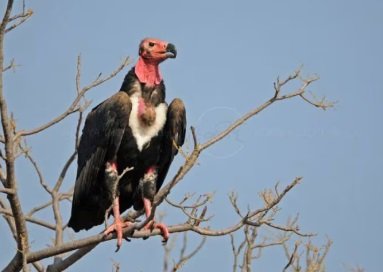
In a significant development for bird conservation in India, the critically endangered Red-Headed Vulture has been sighted in Kasaragod, Kerala, marking the first recorded appearance of this species in the district. The discovery was made by bird watcher Sreelal K. Mohan, who documented the vulture near Mavungal. This rare sighting highlights Kasaragod’s growing reputation as a hotspot for avian biodiversity.

The Status of the Red-Headed Vulture

Known as the Asian King Vulture, the Red-Headed Vulture is among the rarest birds in the region. Its population has experienced a dramatic decline over the past few decades due to several environmental and human-induced factors.

Historically abundant in Kerala until the 1970s, vultures have faced significant threats, including:

  • Habitat Loss: Urbanization and deforestation have reduced nesting and feeding grounds.
  • Food Scarcity: The decline in available carrion has further strained their survival.
  • Diclofenac Toxicity: The widespread use of diclofenac, a veterinary drug used to treat cattle, has been a major factor. The drug is lethal to vultures that feed on contaminated carcasses, leading to widespread fatalities.

Characteristics of the Red-Headed Vulture

The Red-Headed Vulture is distinguished by its:

  • Striking Appearance: A vivid red head contrasting with its black body.
  • Impressive Wingspan: Reaching up to 2.5 meters.
  • Size: Weighing around 5 kg, with a body length exceeding 80 cm.
  • Solitary Nature: Typically spotted alone or in pairs, it is less social than other vulture species.
  • Distinctive Markings: A white patch on its abdomen adds to its unique identification features.

Habitat and Breeding

The species primarily resides in Central India, Nepal, and parts of Southeast Asia. In India, it has been recorded in Kerala, Karnataka, and Tamil Nadu. Breeding occurs between November and January, often in undisturbed forests.

The sighting in Kasaragod underscores the district’s emerging role as an avian biodiversity hotspot, which has already recorded over 407 bird species. This new addition reinforces the importance of the region for rare and endangered birds.

Conservation Significance

The sighting offers renewed hope for vulture conservation efforts. Key measures being advocated include:

  1. Reducing Diclofenac Use: Conservationists have pushed for alternatives to the drug, and its restricted use in veterinary medicine has shown positive effects.
  2. Protecting Habitats: Preserving natural landscapes and creating vulture-friendly zones can ensure their survival.
  3. Increasing Awareness: Educating communities about the ecological role of vultures as nature’s scavengers is vital.

Ornithologists see the presence of the Red-Headed Vulture as a symbol of resilience, urging enhanced conservation measures to prevent further declines in vulture populations.

Key Takeaways for Bird Enthusiasts and Conservationists

  • Species Spotlight: The Red-Headed Vulture (Asian King Vulture) is critically endangered, with a dwindling population.
  • Diclofenac Danger: The drug remains a key factor in vulture mortality, emphasizing the need for safer alternatives.
  • Kasaragod’s Significance: The district, with over 407 recorded bird species, is solidifying its status as a vital sanctuary for rare birds.

The sighting of the Red-Headed Vulture in Kasaragod not only enriches the district’s biodiversity but also serves as a reminder of the critical need for sustained conservation efforts to protect these magnificent birds from the brink of extinction.

Odisha Unveils ‘Compendium of Regenerative Agriculture’ for Sustainable Farming

0

In a pioneering move toward sustainable agricultural practices, the Government of Odisha, in collaboration with the International Crops Research Institute for the Semi-Arid Tropics (ICRISAT), has launched the ‘Compendium of Regenerative Agriculture.’ The launch, held at the International Symposium on Shree Anna and Forgotten Foods in Bhubaneshwar, underscores Odisha’s commitment to transforming its agricultural landscape.

Key Principles of Regenerative Agriculture

The compendium focuses on five fundamental principles designed to promote sustainability and soil health in farming:

  1. Minimizing Soil Disturbance: Reducing tillage to preserve soil structure and microbiome.
  2. Maximizing Crop Diversity: Encouraging crop rotation and intercropping to enhance biodiversity.
  3. Maintaining Soil Cover: Using cover crops or mulching to protect soil from erosion and nutrient loss.
  4. Keeping Living Roots Year-Round: Ensuring continuous plant growth to support soil organisms.
  5. Integrating Livestock: Using livestock to contribute to nutrient cycling and land fertility.

These principles aim to foster a holistic approach to farming, ensuring long-term productivity and ecological balance.

A Resource for Sustainable Agriculture

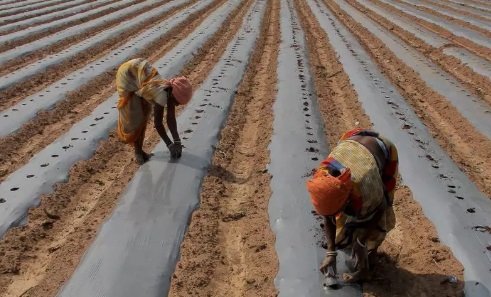
Arabinda K. Padhee, Principal Secretary of Agriculture, highlighted the compendium’s importance as a roadmap for scaling regenerative agricultural practices. With a specific focus on millets, pulses, and oilseeds, the initiative seeks to improve soil health, enhance carbon sequestration, and bolster climate resilience.

The compendium is expected to empower farmers with knowledge and techniques to transition from conventional to regenerative farming, benefiting both the environment and livelihoods.

Insights from the International Symposium

The symposium, which drew over 400 participants, including international experts, served as a platform to discuss research priorities and strategies for promoting millets and other nutrient-dense crops in Odisha. Presentations emphasized the role of regenerative agriculture in addressing pressing global challenges like food security and climate change.

Collaborative Efforts

A delegation from the Confederation of Indian Industry (CII) Telangana engaged with ICRISAT to explore collaborative opportunities in agriculture and food processing. Discussions centered around mechanization and its potential to enhance efficiency and sustainability in farming.

M. Raghunandan Rao, Commissioner of Agriculture and Cooperation, underscored the importance of prioritizing smallholder farmers in these efforts. He stressed the need for systems that ensure sustainable incomes and resilience against production and marketing risks.

Krishna Ella, founder of Bharat Biotech, echoed this sentiment, advocating for a farmer-first approach. He highlighted the dual risks faced by farmers and emphasized that empowering them is the first step toward achieving sustainability in agriculture.

A Step Forward for Odisha’s Farmers

The launch of the compendium signifies a transformative step for agriculture in Odisha, particularly for smallholder farmers. It aligns with global efforts to adopt climate-smart practices and improve livelihoods, positioning Odisha as a leader in regenerative farming.

Key Takeaways:

  • ICRISAT’s Role: ICRISAT is a global leader in improving crop production in semi-arid regions, focusing on millets, pulses, and oilseeds.
  • Carbon Sequestration: Regenerative agriculture enhances carbon storage in soil, contributing to climate change mitigation.
  • Bhubaneshwar’s Significance: As a cultural and educational hub, Bhubaneshwar serves as a fitting venue for initiatives promoting sustainable agriculture.

This initiative marks a major step toward achieving a sustainable agricultural ecosystem in Odisha, balancing environmental conservation with the welfare of its farmers.