On October 4, 2024, India achieved a significant milestone in astronomical research with the inauguration of the Major Atmospheric Cherenkov Experiment (MACE) telescope in Hanle, Ladakh. Situated at an altitude of 4.3 kilometers above sea level, MACE is the world’s highest imaging atmospheric Cherenkov telescope and boasts a 21-meter-wide dish, making it the largest of its kind in Asia. This state-of-the-art facility has been developed by leading Indian research institutions and is set to revolutionize the study of gamma rays.
What Are Gamma Rays?
Gamma rays are the most energetic form of electromagnetic radiation. Characterized by their extremely short wavelengths and immense energy, each gamma ray carries over 100,000 electron volts (eV), far surpassing visible light photons, which have an energy range of 1.63 to 3.26 eV. These high-energy waves are invisible to the human eye and are produced by some of the most dynamic cosmic phenomena.
Sources of Gamma Rays
Gamma rays originate from a variety of astronomical and cosmic events, including:
Supernovae – Explosions marking the end of a massive star’s life.
Black Holes – Energetic jets from material falling into black holes.
Gamma-Ray Bursts (GRBs) – Brief, intense emissions of gamma rays associated with catastrophic cosmic events.
Earth’s Atmosphere: A Natural Shield
The Earth’s atmosphere provides a natural barrier against gamma rays, protecting life on the planet from their harmful effects. Due to their high energy, gamma rays can damage cells and DNA. While this atmospheric shielding is beneficial for life, it poses a challenge for astronomers who wish to study these rays. Traditionally, space-based observatories have been employed to overcome this limitation.
Detecting Gamma Rays from the Ground
Ground-based observatories like MACE use an indirect method to detect gamma rays. When gamma rays penetrate the atmosphere, they interact with air molecules, producing electron-positron pairs—charged particles that travel faster than light in air. This interaction generates Cherenkov radiation, a faint blue glow that provides crucial data about the gamma rays.
What is Cherenkov Radiation?
Cherenkov radiation occurs when charged particles travel through a medium, such as air, at speeds exceeding the speed of light in that medium. This phenomenon produces faint blue light, similar to the blue-violet light visible in the spectrum. The light spreads across a wide area, making it an ideal signal for detection by telescopes like MACE.
How MACE Works
The MACE telescope operates as an Imaging Atmospheric Cherenkov Telescope (IACT). It captures Cherenkov radiation, allowing astronomers to study high-energy gamma rays and gain insights into cosmic phenomena. By analyzing this data, MACE contributes to understanding some of the universe’s most enigmatic events, such as supernovae, pulsars, and gamma-ray bursts.
Significance of MACE
Global Leadership: With its advanced capabilities and record-breaking altitude, MACE positions India as a global leader in gamma-ray astronomy.
Cosmic Insights: MACE is expected to deepen our understanding of high-energy cosmic phenomena, unveiling the mysteries of the universe.
Technological Achievement: The successful development and operationalization of MACE highlight India’s growing expertise in cutting-edge scientific research and technology.
Key Takeaways for Enthusiasts and Aspirants
MACE: The highest imaging Cherenkov telescope in the world, operational in Hanle, Ladakh.
Cherenkov Radiation: A faint blue light emitted when charged particles surpass light speed in a medium, crucial for gamma-ray detection.
Gamma Rays: High-energy electromagnetic waves originating from cosmic events like supernovae and black holes.
Electron-Positron Pairs: Formed when gamma rays interact with the atmosphere, these pairs play a vital role in Cherenkov radiation studies.
Summing Up
The MACE telescope represents a monumental step forward for India’s astronomical community. By leveraging its unique location and cutting-edge technology, the facility is poised to make groundbreaking contributions to gamma-ray research, expanding humanity’s understanding of the universe’s most energetic events.
In a push to enhance regional connectivity and boost accessibility across the country, the Ministry of Civil Aviation (MOCA) has announced plans to operationalize several airports and heliports under the Regional Connectivity Scheme – UDAN (Ude Desh ka Aam Naagrik) in 2024-25. The initiative aims to provide affordable air travel options, connecting remote and underserved regions to the national air network.
Upcoming Airports for 2024-25
Here is the list of airports slated for operationalization:
Andaman & Nicobar Islands
Shibpur – Boosting connectivity to the archipelago, enhancing tourism, and aiding local economic development.
Chhattisgarh
Ambikapur – Opening up opportunities for trade and tourism in this emerging region.
Haryana
Ambala – Strengthening connectivity in northern India and supporting regional commerce.
Madhya Pradesh
Rewa – Offering new avenues for development and tourism in this historic city.
Datia – Enhancing air connectivity in the Bundelkhand region.
Maharashtra
Sholapur – Bridging the gap between Maharashtra’s smaller cities and the major hubs.
Amravati – A step forward in boosting connectivity in the Vidarbha region.
Tamil Nadu
Neyveli – Connecting this industrial hub to the aviation map.
Vellore – Providing a vital link to this historically significant and rapidly developing city.
Uttar Pradesh
Saharanpur (Sarsawa) – Supporting economic and social development in western Uttar Pradesh.
Upcoming Heliports for 2024-25
In addition to airports, two heliports will also be operationalized, providing efficient and flexible travel options, particularly in hilly terrains:
Himachal Pradesh
Baddi (Kasauli): Facilitating better connectivity to industrial and tourist destinations.
Shimla (Sanjoli): Offering an improved travel experience to the state capital and popular tourist spots.
Significance of RCS-UDAN
The RCS-UDAN scheme has been a transformative initiative aimed at democratizing air travel in India. By subsidizing routes and offering affordable airfares, it has brought previously inaccessible regions closer to the mainstream.
Economic Impact: The operationalization of these airports and heliports is expected to drive regional economic development by boosting trade, tourism, and employment opportunities.
Social Benefits: Enhanced connectivity improves access to essential services, including healthcare and education, in remote areas.
Looking Ahead
The planned operationalization of these airports and heliports marks another milestone in India’s aviation expansion. By bridging the connectivity gap, the government reinforces its commitment to regional development and economic inclusivity.
As India continues to scale its aviation infrastructure under RCS-UDAN, these new hubs will play a crucial role in realizing the vision of affordable, widespread, and sustainable air travel.
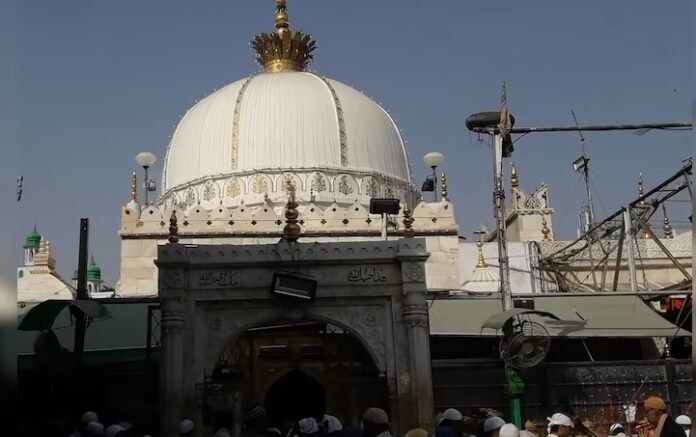
A recent petition filed by Vishnu Gupta has reignited debates about the origins of the Ajmer Sharif Dargah in Rajasthan. Gupta cites historical references and demands an investigation into claims that a Shiva temple exists beneath the dargah. His petition is based on three key arguments, prominently referencing Harbilas Sharda’s 1911 book, Ajmer: Historical and Descriptive.
Key Arguments in the Petition
Reference to Harbilas Sharda’s Book
Harbilas Sharda, a retired judge, authored the book Ajmer: Historical and Descriptive in 1911. The 168-page text includes a dedicated chapter titled ‘Dargah Khwaja Moinuddin Chishti’, which offers intriguing observations about the dargah’s structure.
Page 93: It mentions that the chhatri (umbrella-like structure) on the northern side of the Buland Darwaza’s third floor appears to be a remnant of a Hindu building. Sharda noted that intricate carvings on this chhatri’s surface were covered with lime and paint.
Page 94: The red sandstone used in the chhatri is identified as being sourced from a Jain temple.
Page 96: Sharda claims that subterranean vaults under the Buland Darwaza and the courtyard belonged to an ancient Hindu temple. He describes several rooms in these vaults that appear intact.
Page 97: According to Hindu traditions, Sharda states, the vaults housed a shrine dedicated to Lord Shiva, where a Brahmin family used to offer sandalwood and water daily. This location is now associated with the ghariyali (bell ringer) of the dargah.
Petitioner’s Call for Investigation
Gupta argues that these descriptions merit a thorough investigation into the site. He suggests that the claims made by Sharda, along with the architectural evidence, indicate the dargah’s possible construction over a pre-existing Hindu temple.
Historical Context and Controversy
The Ajmer Sharif Dargah, built in honor of Khwaja Moinuddin Chishti, a revered Sufi saint, has been a site of immense spiritual significance for centuries. However, claims of its origins as a Hindu or Jain temple are not new. These debates often emerge from differing historical interpretations and communal narratives.
While Sharda’s observations provide a detailed account of the site’s architectural elements, modern historians stress the importance of verifying these claims through archaeological investigations rather than relying solely on textual references.
Summing Up
The claims surrounding the Ajmer Sharif Dargah reflect the complexity of India’s layered history. Whether or not these assertions hold archaeological validity, they highlight the need for dialogue and scientific inquiry. As debates continue, it is crucial to approach such sensitive topics with respect for all faiths and a commitment to historical truth.
The much-anticipated 27th Kochi International Book Festival begins today at the Ernakulathappan Ground. The literary extravaganza will be inaugurated at 4:30 PM by Dr. C.V. Ananda Bose, Governor of West Bengal.
The inauguration ceremony will be presided over by Justice P.N. Ravindran. The event will also see the participation of prominent dignitaries, including Kochi Mayor M. Anil Kumar, MLA T.J. Vinod, and esteemed personalities like Bharat P. Somanathan and Sam Saric.
Honoring Young Literary Talent
During the festival, young poet Srinivasan Thuneri will be felicitated with the Governor’s Award in recognition of his contributions to literature. This initiative aims to inspire emerging poets and celebrate their creative talent.
Discussion on Books
At 5:30 PM, a special discussion will take place focusing on the works of Dr. C.V. Ananda Bose. Renowned literary figures such as Dr. Sri Thampan, Vechira Madhu, and Sukumaran Periyachur will share their insights, making the session a highlight of the opening day.
A Platform for Literary Exchange
The Kochi Book Festival goes beyond being a mere literary event; it seeks to foster dialogue among writers, readers, and literature enthusiasts. Over the years, it has become a beacon for creativity, enabling the exchange of ideas and perspectives.
What to Expect
In the days ahead, the festival will host a range of activities, including literary discussions, book launches, and interactive sessions. These events aim to engage participants across all age groups, making it a treasure trove of knowledge and creativity.
Summing Up
The Kochi International Book Festival not only celebrates Kerala’s rich literary heritage but also elevates it to a global stage. This festival promises to be a source of inspiration for both readers and writers, offering a space where literature and culture come alive.
The Kochi edition of the Kerala Bird Race 2024 brought excitement to birdwatchers with the sighting of the Dunlin, a small shorebird recently classified as “Near Threatened.” The bird, once listed as “Least Concern” in 2023, was spotted at Puthuvype Beach. This reclassification underscores the increasing threats to its habitat, making such sightings even more significant.
Highlights of the Bird Race
The event, organized by the Cochin Natural History Society, Kerala Agricultural University, and the State Forest and Wildlife Department, spanned around 100 locations in Kochi and central Kerala. Nearly 100 birdwatchers, divided into 25 teams, documented a total of 192 bird species.
However, the total bird count declined significantly this year, with only 4,885 individual birds recorded, compared to last year’s 8,639. While this drop raised concerns, experts emphasized the need for consistent monitoring to understand long-term trends.
Remarkable Sightings
In addition to the Dunlin, several other rare and noteworthy species were observed, including:
Red Avadavat
Blue-faced Malkoha
Banded Bay Cuckoo
Broad-billed Sandpiper
Eurasian Sparrowhawk
Spot-bellied Eagle-Owl
Mongolian Short-toed Lark
Rosy Starling
Tickell’s Blue Flycatcher
Richard’s Pipit
Tree Pipit
Brown Fish Owl
These sightings highlighted the rich avian diversity of Kerala, reinforcing the state’s importance as a haven for migratory and resident birds.
Spotlight on the Dunlin
The Dunlin’s classification as “Near Threatened” by conservation authorities reflects growing challenges to its survival. Often found in large flocks on mudflats and beaches, this small shorebird serves as an indicator of the health of coastal ecosystems. Its sighting at Puthuvype Beach underscores the ecological value of this birdwatching hotspot.
Encouraging Youth in Conservation
One of the key objectives of the Kerala Bird Race is to promote birdwatching among young people. Organizers emphasized the importance of engaging children and youth in nature conservation efforts. By fostering an early appreciation for birdlife, the event aims to cultivate a generation more attuned to preserving biodiversity.
A Call for Conservation
The Kerala Bird Race serves as a reminder of the need for sustained conservation efforts. While the sighting of rare species like the Dunlin brings joy to enthusiasts, the declining bird count highlights the challenges facing avian populations. Events like these not only celebrate Kerala’s rich birdlife but also inspire action toward protecting these invaluable ecosystems.
Quick Facts at a Glance
Dunlin: A small shorebird recently listed as “Near Threatened,” typically found on mudflats and beaches.
Puthuvype Beach: A key birdwatching site in Kochi, Kerala, known for its diverse avian population.
Cochin Natural History Society: A leading organization promoting biodiversity awareness and conservation in Kerala.
192 Bird Species: Observed during the race, with notable sightings including the Red Avadavat and Spot-bellied Eagle-Owl.
With continued efforts in monitoring and conservation, Kerala can remain a sanctuary for birds like the Dunlin while ensuring the ecological balance of its diverse habitats.
The Central Electricity Authority (CEA) has recently approved the use of Surface Hydrokinetic Turbine (SHKT) technology, marking a significant milestone in India’s journey toward sustainable and innovative energy solutions. This cutting-edge technology offers a transformative approach to electricity generation by utilizing the kinetic energy of flowing water, without the need for large dams or substantial water height differences, as seen in traditional hydroelectric systems.
What is SHKT Technology?
Surface Hydrokinetic Turbines (SHKT) are advanced devices designed to generate electricity directly from the movement of water. Unlike conventional hydropower systems, SHKTs:
Operate efficiently in low-flow environments.
Eliminate the need for costly and environmentally disruptive structures like dams and barrages.
Provide a versatile solution for energy generation in various watercourses.
Key Benefits of SHKT Technology
Cost-Effectiveness
SHKT technology is remarkably economical, with a generation cost of just ₹2-3 per unit, making it affordable for both energy producers and end-users.
Ease of Installation
These turbines are simple to install and require minimal infrastructure, making them ideal for remote and underserved regions.
Environmental Friendliness
By harnessing energy from flowing water without altering natural watercourses, SHKTs offer a low-impact renewable energy solution.
Energy Accessibility
Particularly useful in areas with limited grid access, SHKTs provide a reliable and sustainable energy alternative, addressing regional disparities in electricity availability.
Applications of SHKT Technology
One of the standout features of SHKT technology is its adaptability. It can be seamlessly integrated into existing water infrastructure, such as:
Canals: Leveraging the constant flow of water for energy production.
Hydropower Tailrace Channels: Maximizing energy generation from water exiting traditional hydropower plants.
This integration ensures the efficient use of India’s water resources, unlocking their full potential for renewable energy generation.
Future Potential and Scalability
The scalability of SHKT technology positions it as a promising tool in India’s renewable energy portfolio. Key benefits include:
Widespread Deployment
SHKTs can be implemented across diverse watercourses nationwide, contributing significantly to India’s renewable energy targets.
Net-Zero Emissions Goals
The adoption of SHKT aligns with India’s commitment to achieving net-zero emissions by leveraging sustainable and eco-friendly energy solutions.
Support for Sustainable Development Goals (SDGs)
This innovation complements broader SDG objectives, particularly those related to affordable and clean energy.
CEA’s Role in Promoting SHKT
The Central Electricity Authority of India has championed SHKT technology to foster innovation within the power sector. By endorsing this sustainable energy solution, the CEA highlights the critical role SHKT will play in transforming India’s energy landscape.
A Step Toward a Sustainable Future
The recognition of Surface Hydrokinetic Turbine technology marks a pivotal moment in India’s energy evolution. By offering a cost-effective, scalable, and environmentally friendly energy solution, SHKT represents a vital step toward achieving energy security and sustainability in the power sector.
As India continues to innovate and diversify its renewable energy sources, technologies like SHKT will pave the way for a greener and more sustainable future.
Key Facts at a Glance
SHKT (Surface Hydrokinetic Turbines): Generate electricity from flowing water without requiring large dams or barrages.
CEA (Central Electricity Authority): Promotes innovation and endorses sustainable technologies like SHKT.
Applications: Canals, hydropower tailrace channels, and other water infrastructures.
Energy Affordability: Generation cost of ₹2-3 per unit.
Renewable Energy Demand: SHKT addresses the increasing need for accessible energy in areas with limited grid access.
By embracing such forward-thinking solutions, India is poised to lead the global transition to renewable energy.
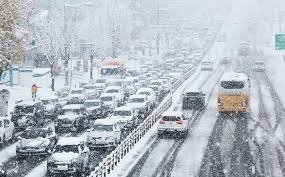
South Korea experienced its heaviest November snowfall in more than a century, with parts of northern Seoul blanketed by 20 to 26 centimeters of snow on Wednesday. This surpasses the previous record of 12 centimeters in November 1912, according to the Korea Meteorological Administration.
The snowstorm has claimed at least five lives, grounded hundreds of flights, and caused widespread power outages, affecting hundreds of households. Authorities issued a heavy snow warning, urging residents to avoid outdoor activities and vehicle use while cautioning against potential dangers like falling trees and debris.
The severe weather disrupted transportation across the country. At least 317 flights were canceled or delayed, while 90 ferries were ordered to stay docked at ports in Seoul. Hiking trails were also closed as a precaution. The snowstorm caused significant damage, with emergency workers responding to incidents involving fallen trees, toppled road signs, and other debris across affected areas.
President Yoon Suk Yeol directed safety and transport ministries to deploy all available resources to mitigate public inconvenience and damage. He emphasized the importance of swift action to ensure public safety during the ongoing crisis.
Despite the chaos, no school closures have been reported so far, though emergency responders remain on high alert. Authorities are closely monitoring conditions as the snowstorm continues to move across the country.
The Korea Meteorological Administration has forecast continued snowfall for most regions on Thursday, with rates potentially reaching up to 5 centimeters per hour. The interior ministry has reiterated warnings to residents, advising caution and preparedness as the weather worsens.
As South Korea grapples with its most significant November snowfall in over a century, officials are racing to manage the impact of the storm, ensuring minimal disruption to daily life while prioritizing public safety.
The Government of India is taking a significant leap in regional aviation with the launch of UDAN 2.0, a scheme designed to bolster last-mile air connectivity. Building upon the success of the original UDAN scheme, launched in 2016, this new initiative aims to operationalize over 100 underutilized airstrips across the country, ensuring affordable and accessible air travel for millions.
Expanding the Legacy of UDAN
Achievements of the Original UDAN Scheme
Since its inception, the original Ude Desh ka Aam Naagrik (UDAN) scheme has transformed regional air travel in India by making it both affordable and widespread.
86 aerodromes operationalized, including 71 airports, 13 heliports, and 2 water aerodromes.
Over 1.44 crore passengers have traveled on 2.8 lakh flights, connecting underserved and unserved regions.
The scheme has boosted connectivity and supported economic growth in smaller cities and remote areas.
UDAN is set to continue until 2026, with UDAN 2.0 extending the program and addressing the challenges of expanding regional air travel.
Key Features of UDAN 2.0
Targeting Underused Airstrips
The draft for UDAN 2.0 identifies over 100 airstrips with potential based on factors such as:
Proximity to population hubs, industries, and tourism attractions.
An assessment of viability for sustained flight operations.
This approach ensures that resources are directed where they can deliver maximum impact.
Reducing Operational Costs
Regional airports currently incur annual operational costs ranging between ₹7 and ₹10 crore, making them financially challenging. UDAN 2.0 aims to:
Deploy technological solutions to lower costs.
Enhance efficiency to make regional airports more sustainable.
Simplifying Regulations
To ease operations for airlines, UDAN 2.0 simplifies regulations and guidelines, particularly for seaplanes and other niche air services. Reduced infrastructure requirements are expected to encourage flights to smaller cities and remote areas.
Encouraging New Market Players
The revised scheme offers incentives to:
Attract helicopter and light aircraft operators.
Lower entry barriers for new players in the aviation market.
With these measures, UDAN 2.0 seeks to further expand India’s aviation network, which has grown from 74 operational airports in 2014 to 157 in 2024, with an ambitious target of 350-400 operational airports by 2047.
Key Innovations and Benefits
Viability Gap Funding (VGF)
The Viability Gap Funding mechanism continues to play a critical role in the success of the scheme.
VGF provides financial support to airlines operating in underserved areas.
It is backed by contributions from the government and airport operators, making routes more attractive for airlines.
Water Aerodromes
UDAN 2.0 also focuses on enhancing connectivity through water aerodromes, or landing zones on water bodies.
India already has two operational water aerodromes, enabling seaplane services and boosting tourism and regional connectivity.
Last-Mile Connectivity
The scheme prioritizes last-mile connectivity, the final leg of a traveler’s journey from an airport to their destination. By improving regional air travel, UDAN 2.0 bridges crucial gaps in India’s transportation infrastructure.
A Vision for the Future
UDAN 2.0 is more than just an extension of its predecessor. It is a bold vision to transform India’s regional aviation landscape, promoting economic growth and social inclusion. With a focus on affordable travel, efficient operations, and sustainable practices, the scheme is poised to make air travel a common reality for millions in India’s smaller towns and remote regions.
As India marches toward its goal of 400 operational airports by 2047, UDAN 2.0 will play a pivotal role in shaping the nation’s aviation future.
Marking a milestone in India’s journey toward sustainable energy, the country’s first green hydrogen fuelling station was inaugurated in Leh, Ladakh. The project, completed by Amara Raja Infra for NTPC Ltd, is a significant step in promoting emission-free transport and establishing India as a leader in green mobility.
Project Overview: Pioneering Green Mobility
The green hydrogen fuelling station is part of a larger initiative to introduce hydrogen fuel cell buses in the high-altitude region of Leh. Inaugurated by Union Minister Manohar Lal, the project showcases India’s commitment to decarbonizing transportation and aligning with global sustainability goals.
Specifications and Challenges
Production Capacity and Design
The station can produce 80 kilograms of green hydrogen per day, offering a reliable supply for the hydrogen fuel cell buses.
It is located at an altitude of 3,400 meters, making it one of the most challenging green energy projects undertaken in the region.
Extreme Climate Adaptations
Construction was carried out in a temperature range of -25°C to 30°C, reflecting innovative engineering solutions tailored to harsh climatic conditions.
The project took two years to complete, ensuring robust design and functionality suited to the high-altitude environment.
Operational Scope
NTPC will operate five hydrogen fuel cell buses in Leh, marking the beginning of green public transport in the region. The initiative includes three years of operation and maintenance, ensuring efficiency and longevity for the systems.
A Step Towards India’s Hydrogen Future
The Leh fuelling station is a flagship project under the National Hydrogen Energy Mission (NHEM), a government initiative to advance green hydrogen production, storage, and mobility solutions. By establishing this station, India is positioning itself to lead the global transition to hydrogen energy, particularly in remote and environmentally sensitive regions.
Leh, Ladakh: A Hub for Green Innovation
Known for its challenging geography and climatic extremes, Leh, Ladakh, is now emerging as a key hub for green hydrogen projects. The region’s unique conditions provide an ideal testing ground for scaling hydrogen mobility solutions across the country.
Important Facts for Reference
Leh, Ladakh: A high-altitude region (3,400 meters) with temperatures ranging from -25°C to 30°C, making it a prime location for green energy experiments.
National Hydrogen Energy Mission: A government-led initiative aimed at promoting hydrogen mobility and storage solutions, integral to India’s sustainable energy roadmap.
Summing Up
The inauguration of India’s first green hydrogen fuelling station in Leh is a testament to the nation’s growing emphasis on renewable energy and sustainable transport. It is a small but significant step toward a greener future, offering inspiration and a blueprint for similar projects across the country. This initiative not only aligns with India’s National Hydrogen Energy Mission but also sets the stage for greater adoption of clean energy in the mobility sector.
India’s pioneering festival curator and production house, Teamwork Arts, announced the first tranche of speakers for its much-awaited 18th edition of the iconic Jaipur Literature Festival, scheduled to take place from 30th January to 3rd February 2025, at Hotel Clarks Amer in Jaipur. Globally known as the ‘greatest literary show on Earth’, the Festival will once again bring together a vibrant mix of writers, thinkers and readers to explore the transformative power of literature and its unique ability to connect people across cultures.
The 2025 edition of the world’s grandest celebration of books and ideas will reinforce the timeless power of our stories to bridge divides, foster empathy, and celebrate our shared human experiences. In line with a commitment to sustainability, the 2025 iteration will feature environmentally conscious practices throughout the Festival. With an engaging lineup of debates, thought-provoking discussions, and unforgettable performances, this year’s programme promises a unique blend of cultural wealth, literary masterpieces, and a focus on a greener future, making it a literary festival like no other.
At its heart, the Jaipur Literature Festival remains a champion of linguistic diversity, providing a platform for a wide array of languages. This year’s sessions will feature works and discussions in languages including Hindi, Bengali, Rajasthani, Kannada, Tamil, Telugu, Odiya, Sanskrit, Assamese, Malayalam, Marathi, Punjabi, and Urdu emphasising the Festival’s commitment to inclusivity and representation of India’s rich literary heritage.
The 18th edition will feature over 300 speakers across five dynamic venues, offering attendees the chance to engage with a stellar lineup of global and Indian literary figures. The first list of speakers includes literary luminaries such as André Aciman, Anirudh Kanisetti, Anna Funder, Ashwani Kumar, Cauvery Madhavan, Claudia De Rham, David Nicholls, Fiona Carnarvon, Ira Mukhoty, Irenosen Okojie, Jenny Erpenbeck, John Vaillant, Kallol Bhattacherjee, Maithree Wickramasinghe, Manav Kaul, Miriam Margolyes, Nassim Nicholas Taleb, Nathan Thrall, Prayaag Akbar, Priyanka Mattoo, Stephen Greenblatt, Tina Brown, V. V. Ganeshananthan, Venki Ramakrishnan, and Yaroslav Trofimov, promising a series of stimulating and eclectic discussions.
Voices Behind the Festival:
Namita Gokhale, renowned writer and Festival Co-Director, said: “The Jaipur Literature Festival has always been a vibrant meeting place for stories, ideas, and cultures. As we prepare for our 18th edition, we celebrate literature’s power to inspire, challenge, and unite. This year, we welcome an incredible lineup of authors, poets, and thinkers, who will engage our audiences in unforgettable conversations and foster a shared love for the written word.”
William Dalrymple, acclaimed historian, writer and Festival Co-Director, shared: “The Jaipur Literature Festival has always been a celebration of the written word, a confluence of diverse voices, and a testament to the power of stories to inspire and connect. This year, as we gather again in the Pink City, we look forward to welcoming a stellar lineup of writers, thinkers, and dreamers from around the world. It’s a space where ideas spark, cultures converge, and conversations thrive—a true carnival of literature for all.”
Sanjoy K. Roy, MD of Teamwork Arts, remarked: “The Jaipur Literature Festival has become a global brand synonymous with culture, creativity, and collaboration. This year, we aim to amplify its impact, not just as a celebration of literature but as a powerful platform for storytelling that resonates with audiences worldwide. The festival offers unparalleled opportunities for partners, sponsors, and stakeholders to connect with a diverse and engaged audience, creating meaningful conversations and driving global visibility. It’s more than an event—it’s a movement that bridges cultures and inspires innovation.”
Highlights of the Jaipur Literature Festival 2025 Jaipur BookMark (JBM): Bridging Creativity and Commerce Celebrating its 11th edition, Jaipur BookMark (JBM) continues to shine as a premier B2B networking platform for the literary world. This hub for publishers, authors, literary agents, and industry leaders fosters innovation, collaboration, and new opportunities. As the business arm of the Festival, JBM serves as a meeting ground where creative ideas transform into impactful global projects.
Heritage Evenings and Jaipur Music Stage Beyond literature, the Festival extends its celebration to arts and culture, with Heritage Evenings set against Jaipur’s historical backdrops, offering attendees a taste of Rajasthan’s rich heritage. The Jaipur Music Stage, running parallel to the Festival, will showcase electrifying performances by renowned Indian and international musicians, adding rhythm and vibrancy to the festivities.
A Platform for Global Voices As the world’s most beloved literary gathering, the Jaipur Literature Festival has earned its place as a democratic, non-aligned platform, championing freedom of expression and inclusivity. Each year, it brings together voices that challenge the status quo, inspire innovation, and celebrate diversity, making it a beacon of intellectual and cultural exchange.
The Jaipur Literature Festival 2025 is not just an event; it is a celebration of ideas, cultures, and the universal love for storytelling. Whether you’re a passionate reader, a budding writer, or someone who simply loves great conversations, this Festival is the place to be.
Like each year, Festival will showcase an impressive range of authors, thinkers, and cultural icons, including Indian historian Anirudh Kanisetti, known for his deep dive into South Asian history, whose latest book, The Age of Wrath: A History of the Delhi Sultanate, explores the rise, rule, and impact of the Delhi Sultanate on medieval India, and bestselling British novelist David Nicholls, celebrated for works like One Day, that pivots around a poignant and evocative love story spanning two decades, and has inspired a Hollywood film and more recently, a widely-watched Netflix series.
The roster of speakers goes on to include historian and writer Ira Mukhoty, who brought the untold stories of powerful women from India’s Mughal Empire in Daughters of the Sun and in her latest book, The Lion and The Lily: The Rise and Fall of Awadh, tells a nuanced and richly layered account of the rise and fall of Awadh in the eighteenth century against the background of the international struggle between Britain and France. Canadian-American author and journalist John Vaillant, famed for his exploration of the conflict between nature and humankind in The Golden Spruce, who in his latest book, Fire Weather: The Making of a Beast, takes readers on a riveting journey through the intertwined histories of North America’s oil industry and the birth of climate science, to the devastation brought about by modern forest fires, and lives forever irrevocably impacted by these disasters. The book, a Pulitzer finalist and on the New York Times Top Ten list, won the 2024 Shaughnessy Cohen Prize for Political Writing and the 2023 Baillie Gifford Prize for Non-Fiction.
The Festival will also welcome Sri Lankan-American novelist V. V. Ganeshananthan, whose works address the complex legacies of the Tamil-Sri Lankan experience and whose latest book, Brotherless Night, is a novel set during the Sri Lankan Civil War, exploring the personal and political turmoil of a young woman navigating her way through the violence. Her evocative storytelling won her the prestigious Carol Shields Prize for Fiction in 2024. There will also be Miriam Margolyes, British-Australian writer and actress, best known for her role as Professor Sprout in Harry Potter and the Chamber of Secrets, who recently released her memoir, Oh Miriam: Stories from an Extraordinary Life, where she shares candid anecdotes from her life, including her experiences with famous personalities and behind-the-scenes stories from her career.
The Festival will feature journalist& author Nathan Thrall, whose latest book, A Day in the Life of Abed Salama: A Palestine Story, is a gripping portrayal of a fateful day in Palestine that upends lives, loves, enmities, and histories in an act of tragic violence, that won the 2024 Pulitzer Prize. Harvard academic Stephen Greenblatt will shed light on his latest book, Second Chances, co-authored with Adam Phillips, which examines the human capacity for renewal, as seen through Shakespeare and Freud, highlighting human resilience and the complexities of recovery.
Acclaimed authors Andre Aciman, best known for Call Me by Your Name, whose latest work is Roman Year: A Memoir, a deeply romantic memoir of his time in Rome while on the cusp of adulthood; Cauvery Madhavan, whose novels explore personal and family dynamics and the migrant identity; and British theoretical physicist Claudia De Rham, author of A Place in the Sun, will also share their narratives. Also featured are Irenosen Okojie, British-Nigerian writer whose works blend magical realism with contemporary themes, and economist Nassim Nicholas Taleb, author of The Black Swan, whose exploration of risk and uncertainty has reshaped global thinking. With speakers such as Indian author Prayaag Akbar, whose novel Leila explores themes of dystopia and social justice, and whose latest book Mother India, centres around the complexities of modern India through the lives of two young people in Delhi, along with and Sri Lankan academic Maithree Wickramasinghe, whose latest book is In My Mother’s House: Civil War in Sri Lanka,that delves into the profound impact of the Sri Lankan civil war on families, identity, and the broader social fabric of the country.
Attendees can also look forward to a session with Tina Brown, whose work includes The Palace Papers, that looks into the British royal family’s challenges and changes after Princess Diana, covering key events like the rise of Kate Middleton and Harry and Meghan’s royal exit. Ukrainian-born Italian journalist, chief foreign-affairs correspondent at The Wall Street Journal, Yaroslav Trofimov,a 2024 Pulitzer finalist, whose Our Enemies Will Vanish, a powerful account of Ukraine’s resistance to the Russian invasion, and Nobel Laureate Venki Ramakrishnan, whose latest book, a groundbreaking exploration of the science of why and how we age and die,Why We Die: The New Science of Ageing and the Quest for Immortality, will be in the spotlight at this truly enlightening Festival.