Home Blog Page 426

Royal Crafts Day 2: Timeless Creations Bespeak Handmade Tales

0

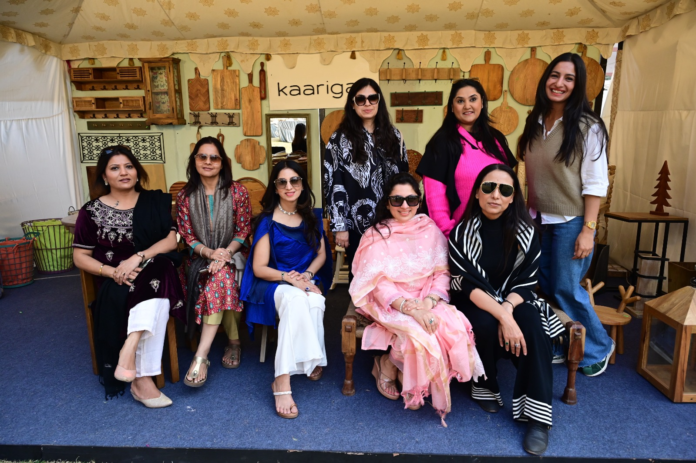
The second day of Royal Crafts concluded on a high note, leaving an indelible impression on craft enthusiasts, designers and visitors alike. Held at the Front Lawns, RIC (Rajasthan International Centre), Jhalana Doongri, Jaipur, the event continued to spotlight India’s finest craftsmanship while fostering cultural connections and global appreciation.

Building on the success of Day 1, Day 2 featured the largest curated crafts exhibition-cum-sale, showcasing an extraordinary range of Garments, Home Furnishings, Jewellery, Furniture, Handicrafts and Textiles. With 40 distinguished brands participating, each stall offered a unique blend of traditional artistry and modern design sensibilities. The brands displayed meticulously crafted products, from intricately embroidered textiles and handwoven sarees to artisanal jewellery, bespoke furniture and exquisite home décor.

Royal Crafts Day 2: Timeless Creations Bespeak Handmade Tales

The event attracted a remarkable footfall from Jaipur, including craft aficionados, designers and members of the FICCI FLO community. A significant highlight was the presence of 40+ foreign delegates, who were captivated by the artistry and cultural depth on display. Their engagement underscored the global appeal and relevance of India’s crafts in today’s design landscape.

Royal Crafts Day 2: Timeless Creations Bespeak Handmade Tales

The exhibition venue buzzed with activity as visitors explored the vibrant stalls, interacted with artisans and purchased one-of-a-kind pieces. Team FLO Jaipur Chapter (2024-25) played a key role in making the event a resounding success, ensuring every visitor experienced the warmth of Jaipur’s hospitality and the richness of its craft heritage.

Royal Crafts has not only celebrated the essence of Indian Crafts but has also elevated it to the global stage, cementing the country’s reputation as a hub of culture, creativity and craftsmanship.

Under the visionary leadership of Raghushree Poddar, Chairperson, FICCI FLO Jaipur Chapter (2024-25), and with the dedicated efforts of Team FLO Jaipur Chapter (2024-25), Royal Crafts showcased the immense potential of India’s artisans and their timeless creations.

Do you know about this Deadly Gympie-Gympie Plant which is known as the world’s most toxic plant….

0

The Gympie-Gympie, scientifically known as Dendrocnide moroides, is often regarded as the world’s most toxic plant. Native to Australia, it is infamous for its agonizing sting, which causes intense pain and discomfort that can persist for weeks or even months. In severe cases, the torment has driven some individuals to consider extreme measures.The Gympie-Gympie can reach heights of up to 10 meters and is covered in fine, needle-like hairs that deliver its notorious sting. These hair-like structures, called trichomes, are present on every part of the plant, including its stems, leaves, and fruits. The sting is often described as a combination of electrocution and burning, resulting in severe and enduring pain.Contact with the Gympie-Gympie causes pain that can last for a prolonged period. Studies suggest that the plant’s toxins can remain embedded in the skin for up to a year. Symptoms may intensify with exposure to water, temperature fluctuations, or repeated contact, making the pain and recovery process even more challenging.The Gympie-Gympie in Alnwick Garden
In 2023, the Gympie-Gympie (Dendrocnide moroides), the world’s most toxic plant, was displayed in the Poison Garden at Alnwick Garden, Northumberland. To ensure visitor safety, the plant is kept in a glass enclosure. The Poison Garden also houses over 100 other dangerous plants, making caution essential for visitors.

Expert Care and Warnings
A specialised gardener manages the Gympie-Gympie, ensuring its safe handling. John Knox, the head tour guide, stresses the importance of avoiding physical contact with the plant. He educates visitors on the dangers of the Gympie-Gympie and the need to respect all poisonous plants.
Key Facts for Exams
Gympie-Gympie: Known as the most toxic plant globally, its sting mimics the sensation of electrocution and burning, with pain that can last for weeks.
Trichomes: These fine, needle-like hairs on the plant contain potent toxins that can embed in the skin for up to a year, causing persistent pain.
Alnwick Garden: In 2023, the Gympie-Gympie was featured in the Poison Garden at Alnwick Garden, which is home to over 100 poisonous plants.
Daniel Emlyn-Jones: In 2022, Daniel Emlyn-Jones cultivated a Gympie-Gympie at home in a secured enclosure to educate others about its dangers.

From a ₹5 Lakh Idea to a ₹800 Crore Milestone: How RedBus Revolutionized Travel in India

0

Phanindra Sama’s story of founding RedBus is a remarkable journey of turning frustration into innovation. In 2005, Sama, a young engineer, struggled to secure a bus ticket home for Diwali, an experience that highlighted the inefficiencies in India’s bus ticketing system. This challenge sparked the idea for RedBus—a platform that would digitize and simplify the ticket booking process.

With an initial investment of ₹5 lakh and the collaboration of his engineering friends, Sudhakar Pasupunuri and Charan Padmaraju, Sama launched RedBus in 2006. The early days were challenging, especially in convincing bus operators to digitize their operations. However, the team’s persistence paid off, and RedBus introduced innovative features such as real-time seat availability and multiple payment options, making it a user-friendly platform.

By 2007, RedBus had secured its first funding of $1 million, which allowed the company to expand its reach and enhance its technology. Over the years, RedBus revolutionized bus travel in India, becoming synonymous with convenience. In 2013, the company was acquired by the Ibibo Group for ₹800 crore, marking one of the largest acquisitions in India’s startup history at the time. Even after the acquisition, Sama continued contributing to RedBus’s growth.

Today, RedBus operates in multiple countries, including Singapore, Malaysia, and Indonesia, showcasing its global appeal. Sama’s entrepreneurial journey, from a small-town boy to the founder of a multi-crore company, underscores the power of innovation and resilience. His story inspires countless entrepreneurs to identify real-world problems and solve them with determination.

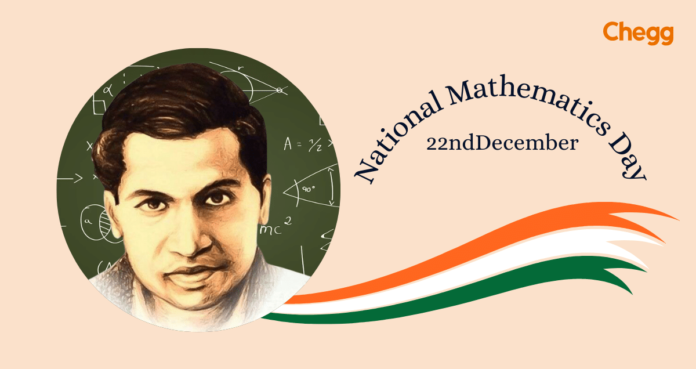
National Mathematics Day: Honoring Ramanujan’s Genius and the Infinite Power of Numbers!

0

Every year on 22nd December, India celebrates National Mathematics Day to honor the birth anniversary of the legendary mathematician Srinivasa Ramanujan (1887–1920). Known as a self-taught genius, Ramanujan made groundbreaking contributions to mathematical analysis, number theory, and infinite series. This day not only pays homage to his legacy but also emphasizes the significance of mathematics in our daily lives and its role in shaping the modern world.

The Legacy of Srinivasa Ramanujan

Hailing from a modest background in Erode, Tamil Nadu, Ramanujan displayed an extraordinary aptitude for mathematics from a young age. Despite limited formal education, he independently discovered mathematical concepts that later astonished the global mathematical community.
In 1913, his talent caught the attention of British mathematician G.H. Hardy, who invited him to Cambridge University. Their collaboration yielded numerous mathematical theories and formulas, many of which remain influential to this day.

Ramanujan’s contributions include:

Ramanujan’s Prime and Theta Functions

Partition Theory

Contributions to Continued Fractions and Infinite Series

Development of the famous Ramanujan-Hardy Number (1729), known as the smallest number expressible as the sum of two cubes in two different ways.

Ramanujan passed away at the young age of 32, but his genius continues to inspire mathematicians worldwide.

Importance and Significance of National Mathematics Day

  1. Promoting Mathematical Literacy: The day encourages students and teachers to engage with mathematics as a subject of exploration, creativity, and problem-solving.
  2. Inspiring Future Innovators: Ramanujan’s journey serves as an inspiration for young minds, emphasizing that determination and passion can overcome any obstacle.
  3. Highlighting Practical Applications: Mathematics is the backbone of science, technology, and economics, with applications ranging from architecture to artificial intelligence.
  4. Preserving India’s Mathematical Heritage: This day reminds us of India’s ancient contributions to mathematics, including Aryabhata’s work on zero and Bhaskara’s treatises on algebra.

Backstory

In 2012, then-Prime Minister Dr. Manmohan Singh declared Ramanujan’s birth anniversary as National Mathematics Day during the celebrations of his 125th birth anniversary. The day aims to foster a love for mathematics and keep alive Ramanujan’s unparalleled contributions to the field.


On this National Mathematics Day, let’s honor the legacy of Srinivasa Ramanujan by embracing the beauty of mathematics and nurturing young talents to shape a brighter future.

India on the Global Food Map: Punjab, Maharashtra, and Bengal Among Top 100 Culinary Destinations

0

India has made its mark on the global food map, with multiple regions earning spots in the TasteAtlas 2024 rankings of the top 100 food regions worldwide. Among them, Punjab, Maharashtra, and West Bengal shine brightly for their distinctive culinary offerings, reflecting India’s rich and diverse food culture.

Punjab, ranked an impressive 7th, is celebrated for its hearty and flavorful dishes. Staples like Amritsari kulcha, butter chicken, saag paneer, and lassi have captivated global palates. Known for its vibrant spices and robust cooking techniques, Punjab stands shoulder-to-shoulder with culinary powerhouses like Tuscany and Paris.

At 41st, Maharashtra impresses with its street food culture. Iconic dishes such as vada pav, pav bhaji, and aamras showcase the state’s ability to blend simplicity with taste. Its cosmopolitan capital, Mumbai, contributes significantly with its thriving food scene, offering everything from spicy Misal Pav to sweet Puran Poli.

West Bengal, ranked 54th, draws attention for its unparalleled love for sweets and subtle flavors. Renowned for treats like rasgulla, sandesh, and shukto, as well as iconic street foods like the kathi roll, Bengal seamlessly blends tradition with innovation in its cuisine. Darjeeling tea, a global favorite, adds another feather to the region’s culinary cap.

Additionally, Southern India, an amalgamation of states, ranks 59th, showcasing dishes like dosa, biryani, and Mysore pak. This highlights India’s versatility, with distinct culinary identities coexisting within its borders.

These rankings, based on thousands of ratings by TasteAtlas users, underscore how Indian food—from spicy curries to delicate desserts—has found global appeal. By celebrating regional specialties, these rankings not only honor India’s food diversity but also inspire food enthusiasts worldwide to explore its vast culinary heritage.

World Saree Day: Draping the Legacy of Grace, Culture, and Timeless Elegance!

0

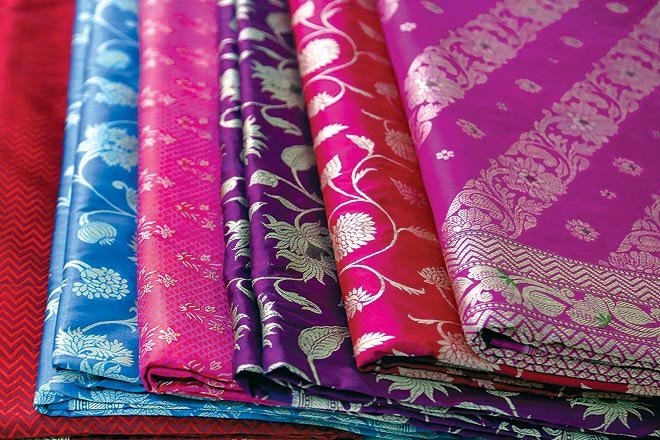
World Saree Day, celebrated every year on 21st December, is a global ode to the timeless grace and cultural richness of the saree. This day honors the saree as a symbol of heritage, femininity, and diversity, transcending borders and generations. The saree, a six to nine-yard unstitched garment, is not just a piece of clothing but a living testament to India’s craftsmanship and storytelling.

Legacy of the Saree

The saree dates back to the Indus Valley Civilization (2800–1800 BCE), where it was initially a simple, unstitched drape. Over centuries, it evolved into an intricate form of art, with each region in India contributing its unique style and technique. From the opulent Banarasi silk of Uttar Pradesh to the handwoven Kanjeevaram of Tamil Nadu and the vibrant Bandhani of Rajasthan, sarees represent the diversity and artistry of Indian culture.

The saree is more than a garment; it’s a legacy passed down from one generation to the next. Mothers gift sarees to their daughters, symbolizing love, continuity, and tradition.

Importance and Significance

World Saree Day is celebrated to:

  1. Preserve Heritage: To revive and sustain the traditional art of saree-making and promote handloom industries.
  2. Empower Women: As a versatile attire, the saree empowers women by celebrating their individuality, beauty, and confidence.
  3. Cultural Connection: It encourages people across the world to connect with India’s rich cultural tapestry and embrace traditional attire.
  4. Environmental Sustainability: With growing awareness of eco-friendly clothing, handwoven sarees highlight the importance of sustainable fashion.

Why December 21st?

The winter solstice marks the shortest day of the year, symbolizing the saree’s timeless presence amidst ever-changing times. It’s a reminder to pause, reflect, and celebrate enduring traditions in a modern world.


Poetry: A Tribute to the Saree

Oh, saree, drape of eternal grace,
You carry stories time cannot erase.
Threads of love in every fold,
A timeless saga, forever told.

From Kanjeevaram’s golden hue,
To Chikankari’s delicate dew,
You weave heritage, art, and pride,
A nation’s heart in you resides.

On this day, we honor your reign,
Through you, our culture shall sustain.
Oh, saree, symbol of unity’s thread,
Your legacy lives, never to fade.

Celebrate this World Saree Day by embracing the timeless charm of sarees and sharing the legacy with future generations!

Why Zurich Tops the List as the World’s Best City for Quality of Life in 2024

0

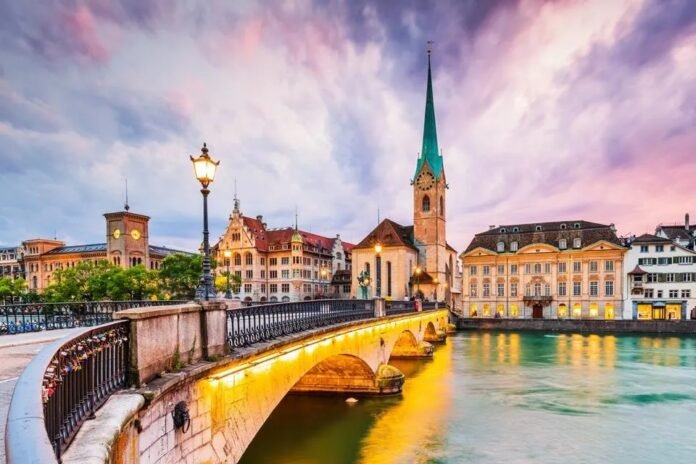
Zurich has solidified its reputation as the best city in the world for quality of life, according to Mercer’s annual survey for 2024. This Swiss metropolis stands out for its exceptional safety, healthcare, infrastructure, and overall livability. Zurich is not just a financial hub but also a vibrant cultural and environmental haven.

  1. Safety and Healthcare
    Zurich boasts extremely low crime rates, ensuring a secure environment for residents and visitors alike. Its healthcare system, ranked among the best globally, offers top-notch public and private services, making it a model for efficiency and accessibility.
  2. Infrastructure and Connectivity
    The city’s infrastructure is superb, with a well-planned public transport network and meticulously maintained public spaces. Zurich Airport, a key international gateway, has recently expanded its connectivity, making the city even more accessible to global travelers.
  3. Environmental Quality
    Zurich excels in sustainability, offering clean air, green spaces, and easy access to nature, including the stunning Swiss Alps and pristine lakes. The city’s commitment to preserving its natural environment aligns with its high ranking in urban livability.
  4. Education and Culture
    Home to renowned institutions like ETH Zurich, the city attracts students and professionals worldwide. Zurich also thrives as a cultural hotspot with museums, theaters, and a lively arts scene. Its blend of historical charm and modern amenities adds to its allure.
  5. Economic Strength
    Zurich’s economy is robust, characterized by high wages and low unemployment. It is a global financial center, attracting expats and professionals from diverse fields. However, the city’s high living costs may pose a challenge for some.

Zurich’s ability to balance urban sophistication with natural beauty, combined with its focus on safety and sustainability, makes it a global benchmark for quality of life. For anyone considering relocation or travel, Zurich represents the pinnacle of modern city living, offering an unmatched standard of well-being.

India’s Culinary Capitals Shine in Taste Atlas’ Top 100 Food Destinations for 2024

0

Taste Atlas’ 2024/25 awards have placed six Indian cities among the world’s top 100 food destinations, showcasing the country’s rich culinary diversity. Mumbai, known for its vibrant street food scene and local delicacies like vada pav, pav bhaji, and chaats, secured the 5th spot. Amritsar, ranked 43rd, is celebrated for its hearty Punjabi dishes such as butter chicken, sarson ka saag, and makki di roti. New Delhi (45th) and Hyderabad (50th) are famous for their diverse street food offerings—think kebabs, chaats, biryanis, and samosas. Kolkata (71st) is renowned for its sweets like rasgulla and mishti doi, while Chennai (75th) is known for its south Indian specialties like dosa, idli, and sambar.

These rankings highlight India’s culinary richness, blending traditional flavors with modern tastes. Mumbai’s food scene is particularly iconic with its bustling streets filled with stalls offering everything from crispy dosas and spicy pavs to tangy chaats. Amritsar’s food, deeply rooted in the Punjabi culture, is a testament to hearty and flavorful cooking, epitomized by dishes like dal makhani and kulcha. Delhi and Hyderabad, meanwhile, offer a mouth-watering mix of Mughlai and Hyderabadi cuisine, each a delightful exploration of spices and textures. Kolkata enchants with its sweets and seafood, reflecting the city’s cultural diversity and colonial history. Chennai’s food, with its emphasis on rice-based dishes and aromatic spices, offers a taste of South India’s rich culinary heritage.

Royal Crafts Day 1: A Tribute to India’s Timeless Heritage

0

The Pink City came live with the vibrant spirit of tradition as the Royal Crafts Exhibition opened its doors, celebrating India’s rich and diverse handicrafts. Organised by the FICCI FLO Jaipur Chapter under the leadership of President Raghushree Poddar, the event was a collaboration with the World Crafts Council – Asia Pacific Region (WCC-APR) and the Garment Exporters Association of Rajasthan (GEAR).

The grand exhibition was inaugurated on 16 December 2024 at the Front Lawn of the Rajasthan International Centre (RIC), Jhalana Dungri, Jaipur. It brought together artisans, designers, and craft enthusiasts to honor India’s unparalleled artistic legacy.

Royal Crafts Day 1: A Tribute to India’s Timeless Heritage

The inaugural ceremony, held at 10:30 a.m., was graced by Diya Kumari, Deputy Chief Minister of Rajasthan, who lit the ceremonial lamp. Among the distinguished attendees were Neeta Boochra, Founder of the FLO Jaipur Chapter, representatives of the WCC, FICCI FLO members, and other dignitaries. In her address, Diya Kumari Ji stressed the importance of preserving India’s traditional crafts and applauded the artisans whose talent continues to enrich the nation’s cultural heritage.

Throughout the day, the exhibition grounds buzzed with energy as visitors explored India’s largest curated crafts showcase, featuring textiles, home furnishings, jewellery, furniture, handicrafts, and clothing.

A key highlight of the day was a 3:00 p.m. talk show featuring Gaurang Shah, an esteemed figure in textile design. He captivated the audience with his insights into Jamdani weaving, Ikat artistry, and traditional embroidery techniques, offering a deeper appreciation for the enduring beauty and contemporary relevance of Indian textiles.

Royal Crafts Day 1: A Tribute to India’s Timeless Heritage

The first day of the Royal Crafts Exhibition proved to be an extraordinary celebration of heritage and innovation, providing a vibrant platform to showcase Indian handicrafts on a global scale, foster meaningful dialogue, and share the stories of artisans who keep these traditions alive.

What is Yakshagana? A timeless art of Karnataka..

0


Khushi Sharma

Yakshagana is traditional theatre, developed in Dakshina Kannada, Udupi, Uttara Kannada, Shimoga and western parts of Chikmagalur districts, in the state of Karnataka and in Kasaragod district in Kerala that combines dance, music, dialogue, costume, make-up, and stage techniques with a unique style and form. It is believed to have evolved from pre-classical music and theatre during the period of the Bhakti movement.

Origin
Yakshagana is believed to have evolved from ancient storytelling and performance art, and is rooted in Sanskrit literature and theater. It may have originated from the Bhutha-worship prevalent in the region, and was influenced by folk dance, Sanskrit drama, and Bharatha’s Natyashasthra.
Experts have placed the origin of Yakshagana somewhere in the period of the 11th to 16th centuries CE. Yakshagana was an established performance art form by the time of the noted Yakshagana poet, Parthi Subba (c. 1600).

Evolution
In the mid-20th century, Yakshagana began to change, with performances moving indoors and women participating in the art form. Over time, Yakshagana developed its own unique style, incorporating elements of mime, dance, and improvisation. It also became a way to spread religious beliefs and values.