Home Blog Page 423

Lab-Grown Wood created from stem cells could end deforestation completely

0

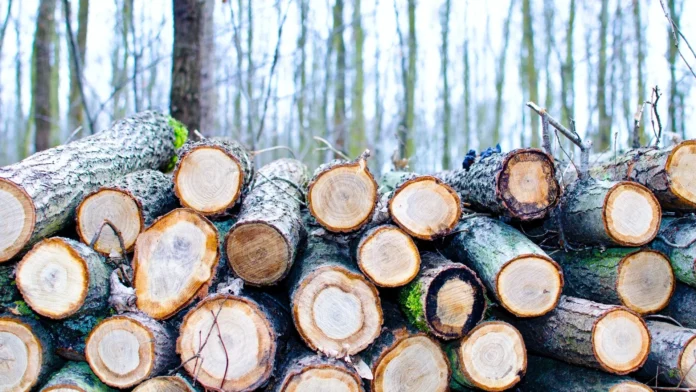
In an age where environmental sustainability is a global priority, lab-grown wood emerges as a groundbreaking innovation that redefines how we source and use timber. By cultivating plant cell cultures in controlled laboratory environments, this cutting-edge technology replicates the natural growth of wood without the need to cut down trees. The process not only conserves forests but also addresses pressing issues like biodiversity loss and climate change.

Lab-grown wood is produced by taking plant cells and placing them in nutrient-rich conditions that mimic the ideal growth environment. These cells develop into wood-like structures, which can be engineered to possess specific properties. Unlike conventional timber, this process allows for precise control over qualities such as density, strength, and resistance to pests. This customization opens doors to a wide array of applications, ranging from construction and furniture manufacturing to advanced uses in aerospace and automobile industries.

One of the most compelling aspects of lab-grown wood is its potential to significantly reduce resource consumption. Traditional logging often involves deforestation, habitat destruction, and high water and energy demands. In contrast, lab-grown wood requires fewer resources and produces minimal waste. Additionally, it eliminates the long growth cycles of trees, which can take decades to mature, offering a faster and more efficient alternative.

The environmental benefits are immense. Forest conservation helps preserve carbon sinks, reducing greenhouse gas emissions. Furthermore, by decreasing the dependency on natural forests, lab-grown wood contributes to protecting endangered species that rely on these habitats.

Despite its promise, lab-grown wood is still in its infancy. The challenges of scaling production and reducing costs remain significant barriers to widespread adoption. Current processes are labor-intensive and require expensive equipment, making it less competitive compared to traditional timber. However, with ongoing research and technological advancements, experts believe these hurdles can be overcome.

The implications of lab-grown wood extend beyond environmental conservation. It has the potential to revolutionize industries reliant on timber, offering a sustainable solution to meet growing global demand. As production methods become more efficient, lab-grown wood could become a mainstream material, aligning economic growth with ecological responsibility.

In conclusion, lab-grown wood represents a bold step toward a greener future. By addressing the challenges of deforestation and resource depletion, it offers hope for a world where innovation and sustainability go hand in hand.

Norway to become the first country with No petrol vehicles

0

Norway is setting a global benchmark in sustainable transportation, with the country rapidly transitioning from petrol cars to electric vehicles (EVs). In a world grappling with climate change, Norway’s success story showcases the impact of strong policies, innovation, and public participation.

According to Bloomberg, Norway is poised to become the first nation to completely phase out petrol car sales. As of October 2024, an impressive 94% of all vehicles sold were electric, reflecting the nation’s commitment to achieving carbon neutrality. This transition hasn’t been without its challenges. Yngve Slyngstad, the former head of Norway’s sovereign wealth fund, pointed out that the country’s cold climate, rugged mountainous terrain, and the necessity for long drives were once significant obstacles for EV adoption. However, Norway has effectively overcome these hurdles, setting an inspiring example for the world.

The government’s proactive approach has been central to this transformation. Generous incentives, such as tax exemptions, free tolls, and reduced parking fees for EV owners, have made electric cars more accessible. At the same time, investments in infrastructure, including an extensive network of fast-charging stations even in remote areas, have alleviated range anxiety. Furthermore, the focus on renewable energy ensures that the electricity powering these vehicles is as green as possible.

Norway’s efforts have not only slashed emissions but also shifted the narrative around EVs. Electric vehicles, once considered impractical, are now a symbol of resilience and innovation. The country’s achievement highlights that with determination and strategic planning, even the toughest barriers to sustainability can be overcome.

As Norway races towards completely phasing out petrol cars, it offers valuable lessons to the rest of the world. With its visionary leadership, robust policies, and citizen involvement, the nation is paving the way for a greener, cleaner future in transportation.

Karnataka’s 18-Year-Old Samaira Becomes India’s Youngest Commercial Pilot

0

At just 18 years old, Samaira Hullur from Vijayapura, Karnataka, has soared into the annals of Indian aviation history by becoming the nation’s youngest commercial pilot.

Early Life and Inspiration

Born to businessman Amin Hullur, Samaira’s fascination with aviation took flight during her early teens. Captivated by the mechanics of flight and the allure of the skies, she set her sights on becoming a pilot—a dream that would require unwavering determination and resilience.

Educational Journey and Training

Samaira’s pursuit of her aviation dreams began with an intensive six-month foundational program at the Vinod Yadav Aviation Academy. Under the mentorship of Vinod Yadav and Captain Tapesh Kumar, she demonstrated exceptional aptitude by clearing all Commercial Pilot License (CPL) examinations on her first attempt. Reflecting on this phase, Samaira remarked, “The training was rigorous, but with the constant support, it became easy. All credit for my achievement goes to the guidance and support of Captain Tapesh Kumar and Vinod Yadav.”

Following her success in ground school, Samaira advanced to Carver Aviation Academy in Baramati, Maharashtra, for seven months of flight training. Here, she accumulated over 200 hours of flying experience, mastering the complexities of piloting under diverse conditions. The academy’s comprehensive program not only honed her technical skills but also broadened her understanding of the limitless possibilities in aviation.

Challenges and Triumphs

Embarking on a career in aviation at such a young age presented numerous challenges, including the rigorous demands of training and the need to balance academic commitments. Samaira’s journey was further distinguished by her status as a trailblazer from Vijayapura, a region with limited representation in the field. Undeterred, she persevered, crediting her success to her mentors and the unwavering support of her family.

Achievements and Future Aspirations

Earning her CPL at 18, Samaira has not only set a national record but also become a beacon of inspiration for aspiring aviators, particularly young women from underrepresented regions. Her accomplishment underscores the impact of dedication, mentorship, and breaking traditional barriers.

Looking ahead, Samaira is poised to further her aviation career, with aspirations to pilot commercial airliners and contribute to the evolving landscape of Indian aviation. Her journey serves as a testament to the heights that can be reached with passion and perseverance, inspiring countless others to pursue their dreams, regardless of the obstacles.

Paris to replace 60,000 Parking Spaces to Urban Forests by 2030

0

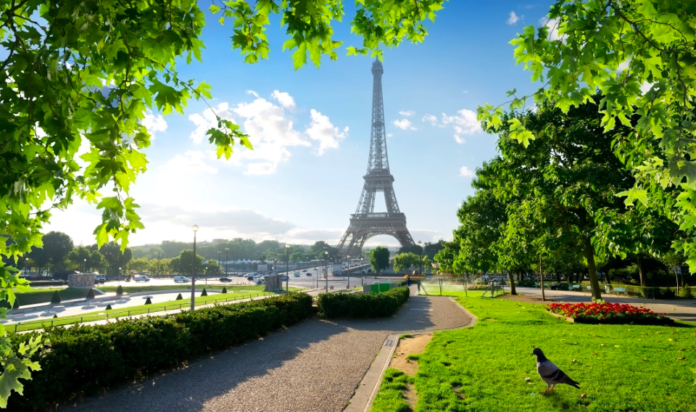
Paris is embarking on an ambitious plan to transform its urban landscape by replacing 60,000 parking spaces with trees by 2030. This initiative aims to combat rising temperatures and enhance the city’s livability.

Urban Heat Mitigation

The primary goal of this project is to address the urban heat island effect, which causes cities to experience higher temperatures than surrounding rural areas. By introducing more greenery, Paris seeks to create natural cooling zones, making the city more resilient to extreme heat events.

Expanding Green Spaces

This initiative is part of a broader strategy to add over 740 acres (approximately 300 hectares) of green space in Paris by 2030, with 10% of that target expected to be achieved by 2026. The plan includes creating “oasis squares” in each of the city’s 20 arrondissements, providing residents with shaded areas to escape the heat.

Environmental and Social Benefits

Replacing parking spaces with trees offers multiple advantages:

Improved Air Quality: Trees absorb pollutants and produce oxygen, contributing to cleaner air.

Enhanced Biodiversity: New green spaces support urban wildlife and promote ecological diversity.

Increased Property Values: Green neighborhoods are often more desirable, potentially boosting local property markets.

Social Well-being: Accessible green areas provide spaces for recreation and community engagement, improving residents’ quality of life.

Challenges and Considerations

Implementing this plan requires careful consideration of urban mobility and infrastructure. Reducing parking spaces may necessitate improvements in public transportation and the promotion of alternative mobility solutions, such as cycling and walking, to accommodate residents’ needs.

Global Implications

Paris’s initiative serves as a model for other cities facing similar challenges. By prioritizing green infrastructure, urban centers worldwide can enhance resilience to climate change, improve air quality, and create more livable environments for their inhabitants.

In summary, Paris’s plan to replace 60,000 parking spaces with trees by 2030 reflects a forward-thinking approach to urban planning. By expanding green spaces, the city aims to mitigate heat, enhance air quality, and improve the overall well-being of its residents, setting a precedent for sustainable urban development globally.

Say Goodbye to Needles, Tetanus Vaccine will be delivered by skin Cream soon

0

The days of needle phobia and painful vaccination shots may soon be a thing of the past, thanks to groundbreaking research on a needle-free vaccination method using a topical skin cream. This innovative approach employs the naturally occurring skin bacterium Staphylococcus epidermidis, which has shown the ability to trigger a robust immune response in humans.

How It Works

The method involves bioengineering Staphylococcus epidermidis to display specific proteins from pathogens. In a recent study, scientists modified these bacteria to carry tetanus toxin proteins. When applied as a skin cream to mice, it successfully vaccinated them against lethal doses of tetanus without causing side effects. This same approach was also effective for diphtheria, showcasing its adaptability.

The process capitalizes on the immune system’s interaction with skin-residing bacteria, a field that has remained largely untapped in traditional vaccination methods. By applying the modified bacteria directly to the skin, the immune system can be stimulated without causing the inflammation or discomfort often associated with needle-based vaccines.

Broad Potential

The implications of this technology extend far beyond tetanus and diphtheria. Researchers believe the method can be adapted to tackle a wide range of pathogens, including viruses, bacteria, fungi, and parasites. This versatility could make it a game-changer in global health, particularly in regions with limited access to healthcare infrastructure.

Unlike traditional vaccines that require refrigeration and trained personnel for administration, this needle-free cream could be easily stored, transported, and applied, making it ideal for remote or resource-poor settings.

Current Challenges and Future Prospects

While the results are promising, the method is still in its early stages. The success in mice is a significant milestone, but further testing on monkeys and humans is essential to confirm safety and efficacy. Researchers anticipate clinical trials to begin in the next two to three years.

If successful, this approach could revolutionize the way vaccines are developed and delivered, offering a painless, cost-effective, and scalable alternative to traditional methods. For those with a fear of needles or limited access to vaccination programs, this breakthrough could be life-changing.

As scientists continue to refine this technology, the potential to protect millions of lives with a simple skin cream brings us closer to a future where vaccination is not only effective but also accessible and convenient for everyone.

The Mesmerizing Rainbow Mountains of China are Earth’s Paint Palette

0

Nestled within the Zhangye Danxia Landform Geological Park in Gansu Province, China, the Rainbow Mountains are one of Earth’s most mesmerizing natural wonders. These vibrant, multicolored mountains appear as though an artist has painted streaks of red, yellow, orange, green, and blue across the undulating terrain, creating a breathtaking spectacle that captivates millions of visitors annually.

The mountains owe their striking appearance to a combination of geological processes spanning millions of years. Composed of cretaceous sandstones and siltstones, these rocks were deposited between 100 to 66 million years ago, during the Cretaceous period. At that time, the area was a flat expanse covered by lakes, rivers, and deserts. Layers of sand, silt, and other minerals gradually accumulated, with iron and trace minerals providing the base for the vivid colors seen today.

Around 55 million years ago, the Indian Plate collided with the Eurasian Plate, a monumental tectonic event that also gave rise to the Himalayan Mountains. This collision caused intense pressure, folding and faulting the previously flat strata into the rugged mountain ranges visible now. The uplift brought the deeply buried sedimentary layers to the surface, exposing their colorful bands. Over millennia, erosion sculpted the mountains into their current form, creating sharp ridges, rounded peaks, and deep valleys.

The colors of the Rainbow Mountains are not static but shift in intensity depending on weather conditions, sunlight, and moisture. Reds and oranges dominate due to the oxidation of iron within the sandstone, while greens, yellows, and blues arise from varying concentrations of trace minerals like copper and magnesium. The intricate interplay of these elements forms a natural palette that changes with the seasons and time of day.

Declared a UNESCO World Heritage Site in 2010, the Zhangye Danxia Landform Geological Park has become a symbol of China’s natural beauty. Visitors can explore a network of viewing platforms and trails, offering panoramic vistas of this geological masterpiece. The best time to visit is during sunrise or sunset when the colors are most vibrant.

The Rainbow Mountains serve as a testament to the power of Earth’s natural forces—millions of years of deposition, tectonic upheaval, and erosion converging to create a landscape unlike any other on the planet. They are a must-see for geologists, photographers, and nature enthusiasts alike.

Do you know about Golden Blood? The World’s Rarest Lifesaving Treasure

0

Rh-null blood, often referred to as “Golden Blood,” is the rarest blood type in the world. This extraordinary blood type is characterized by the complete absence of all Rh antigens on the surface of red blood cells. While the Rh system includes over 60 antigens, individuals with Rh-null blood lack every one of them, a condition first identified in 1961 in an Indigenous Australian woman.

The rarity of Rh-null blood cannot be overstated; fewer than 50 individuals worldwide are known to possess this blood type. Its scarcity presents significant challenges for those who have it, particularly concerning blood transfusions. In medical emergencies requiring a transfusion, individuals with Rh-null blood can only receive blood from other Rh-null donors, making the search for compatible blood both urgent and difficult. Conversely, Rh-null blood is highly valued in transfusion medicine because it can be donated to anyone with rare blood types within the Rh system, making it a universal donor for these cases.

The genetic basis for Rh-null blood involves mutations that prevent the expression of Rh antigens. These mutations are typically inherited in an autosomal recessive pattern, meaning both parents must carry the gene variant for a child to be born with Rh-null blood. This genetic rarity contributes to the blood type’s scarcity.

Living with Rh-null blood requires careful medical planning. Individuals are often advised to carry identification detailing their rare blood type and to establish connections with specialized blood banks and registries that can facilitate access to compatible blood in emergencies. International collaboration is crucial; organizations maintain registries of Rh-null donors to ensure that this precious resource is available when needed.

Beyond its clinical significance, Rh-null blood has been instrumental in scientific research. Studying this rare blood type has provided insights into the structure and function of Rh antigens, enhancing our understanding of blood group systems and improving transfusion medicine practices.

In summary, Rh-null or “Golden Blood” is a medical rarity with profound implications for those who possess it and for the broader field of medicine. Its scarcity poses challenges in transfusion compatibility, but its universal donor potential for rare blood types makes it invaluable. Ongoing research and international cooperation continue to be essential in managing and understanding this exceptional blood type.

Experience a Unique Hong Kong Chinese New YearTime-Honoured Traditions Meet Modern Innovations to Bring You Good Fortune All Year Round

0

Hong Kong, one of Asia’s most festive cities, offers an unparalleled experience during Chinese New Year, blending time-honored traditions with modern innovations. From captivating temple visits to vibrant festivals, Hong Kong’s celebrations promise a harmonious mix of culture, technology, and festivity.

Wong Tai Sin Temple: A Spiritual Journey Enhanced by Technology

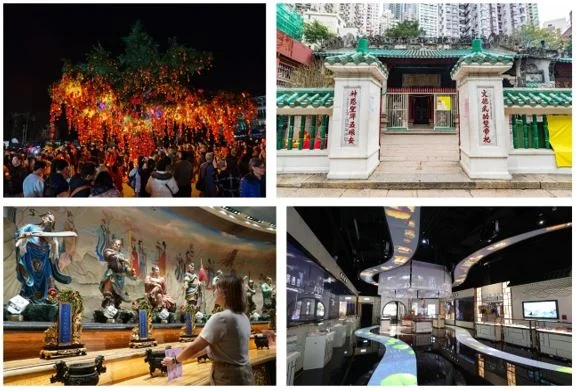
The iconic Wong Tai Sin Temple is renowned for its ability to fulfill wishes, attracting worshippers every Chinese New Year. On New Year’s Eve (January 28, 2025), devotees flock to the temple for the sacred “first incense” offering at midnight, a practice believed to bring blessings for the year ahead.

If you miss the midnight ceremony, you can still experience the temple’s auspicious atmosphere throughout the first lunar month. A visit to the Taisui Yuenchen Hall, home to the 60 deities of Chinese astrology, is particularly popular. The hall’s starry LED dome creates a celestial ambiance, amplifying the spiritual connection during prayers. When placing a petition document before the Tai Sui shrine, worshippers are greeted by a mesmerizing mist and glowing red light, symbolizing divine acknowledgment.

For a touch of modernity, the temple’s Cultural Centre offers an interactive LED wishing wall. Visitors can digitally submit their wishes via QR codes, watching as their hopes ascend to the illuminated ceiling.

Opening Hours for Key Areas:

  • Taisui Yuenchen Hall: Opens to the public from January 30, 2025 (12:00–17:00 initially).
  • Cultural Centre: Reopens on February 14, 2025, after the festive period.

For detailed timings, visit the temple’s official website: www.wongtaisintemple.org.hk.

Digital Fortune-Enhancing Experiences

Historical temples like Man Mo Temple in Sheung Wan and Tin Hau Temple in Yau Ma Tei have embraced digital innovation. These monuments now feature self-service kiosks for incense purchases, complete with blessing seals as keepsakes.

For those seeking prosperity, the “Kwun Yum Treasury Opening” on February 23, 2025, is a must-attend event. Symbolically “borrowing” wealth from Kwun Yum (the Goddess of Mercy) has never been easier, with online registrations making the process accessible to global visitors. Participants can later collect fortune tokens during their next visit to Hong Kong, ensuring their blessings are fulfilled.

For updates on these temples and online arrangements, visit: temples.tungwahcsd.org.

The Hong Kong Well-Wishing Festival: Tradition with a Modern Twist

The famed Wishing Trees in Lam Tsuen’s Tai Po are the centerpiece of the Hong Kong Well-Wishing Festival. Here, visitors attach their wishes to oranges and toss them onto the trees, with higher placements symbolizing greater chances of fulfillment.

Adding a magical touch, the wishing trees are now adorned with glowing placards and shimmering lights. Alongside traditional rituals, visitors can explore upgraded experiences like blessing lotus lanterns and love locks. Photo-worthy floats from the International Chinese New Year Night Parade will also be on display, enriching the festival’s allure.

Event Details:

  • Dates: January 29 – February 12, 2025
  • Transportation: Take Bus 63R from Tai Po Market or Tai Wo Railway Station.

For night market details and festival updates, follow: www.instagram.com/hkwellwishingfestival.

A Festive Symphony of Tradition and Modernity

From the spiritual serenity of temple hopping to the lively celebrations of the Well-Wishing Festival, Hong Kong’s Chinese New Year festivities are a perfect blend of tradition and innovation. Whether you seek blessings, cultural enrichment, or unique experiences, Hong Kong promises to fill your year with good fortune.

Start planning your Chinese New Year trip to Hong Kong today, and immerse yourself in a celebration like no other!

About the Hong Kong Tourism Board (HKTB)

The Hong Kong Tourism Board (HKTB) is dedicated to promoting Hong Kong as a premier travel destination. Through innovative campaigns and enhanced visitor experiences, the HKTB plays a pivotal role in strengthening the city’s reputation as a vibrant and welcoming hub for global travelers.

For more details, visit www.discoverhongkong.com.

Malaysia Welcomes Over 1 Million Indian Tourists in 2024

0

Malaysia proudly announces a monumental achievement in its tourism sector, welcoming over 1 million Indian tourists between January and November 2024. This remarkable milestone reflects a 47% growth compared to pre-pandemic levels in 2019 and an astonishing 71.7% increase from 2023. The accomplishment reaffirms Malaysia’s position as a preferred travel destination for Indian visitors.

Transformative Policies Driving Tourism Growth

The introduction of free visa entry in December 2023 emerged as a pivotal factor in boosting Indian tourist arrivals. This policy eliminated travel barriers and encouraged seamless exploration of Malaysia’s diverse attractions.

“The free visa entry initiative has proven to be a transformative step, driving significant growth in Indian tourist numbers. In addition, 2024 witnessed the launch of multiple new flight routes, including daily direct flights by Indigo Airlines to Penang and Langkawi, complementing existing routes to Kuala Lumpur. These developments strengthen Malaysia’s appeal as a top destination, particularly as we gear up for Visit Malaysia Year 2026,” said Dato Sri Tiong King Sing, Malaysia’s Minister of Tourism, Arts, and Culture.

Expanding Connectivity Between India and Malaysia

The addition of new routes has brought the total number of direct flights between India and Malaysia to 246, further enhancing accessibility for Indian travelers. The launch of Indigo’s direct flights to Penang and Langkawi in December 2024 provides more options for Indian tourists seeking Malaysia’s tropical allure, rich heritage, and adventure-filled destinations.

Targeted Promotions and Marketing Success

Tourism Malaysia’s collaborative efforts with Indian tour operators and online travel agencies (OTAs) played a crucial role in this success. Joint promotional campaigns effectively showcased Malaysia’s cultural richness, world-class attractions, and vibrant experiences to Indian audiences.

In addition, extensive digital advertising campaigns generated excitement and positioned Malaysia as a warm and welcoming destination. These innovative marketing strategies were instrumental in building awareness and driving higher tourist footfalls.

Recognized as the Best MICE Destination

Malaysia’s recognition as the Best MICE Destination 2024 in the Indian market highlights its appeal as a hub for corporate tourism. The seamless blend of Meetings, Incentives, Conferences, and Exhibitions (MICE) with leisure tourism enhances Malaysia’s reputation among Indian corporations. MICE activities also contribute significantly to the local economy, attracting business travelers and boosting overall tourist spending.

Paving the Path for Visit Malaysia Year 2026

Building on the successes of 2024, Malaysia is focused on enhancing its tourism offerings in 2025 by:

  • Expanding flight connectivity further.
  • Developing tailored tourism products to meet the needs of Indian travelers.
  • Strengthening partnerships with industry stakeholders.

As the nation gears up for Visit Malaysia Year 2026, it remains dedicated to providing Indian tourists with unforgettable experiences and ensuring Malaysia remains their preferred travel destination.

A New Era of India-Malaysia Travel

The growing demand for travel between India and Malaysia, coupled with strategic policies and enhanced connectivity, has set the stage for continued success. Malaysia’s achievement of surpassing the 1 million Indian tourist milestone is not just a celebration of numbers—it’s a testament to the nation’s commitment to excellence in tourism and hospitality.

For more information on planning your visit to Malaysia, explore the diverse travel options at www.tourism.gov.my.

Blue Christmas 2024: What Is The Meaning of Blue Christmas? Is It Really The Longest Night Of The Year?

0

As the holiday season unfolds with celebrations, joy, and togetherness, there is one day that stands out for its unique emotional and astronomical significance—Blue Christmas. Often lesser known yet deeply meaningful, Blue Christmas is a time for quiet introspection, emotional acknowledgment, and looking ahead to brighter days.

What Is Blue Christmas?

Traditionally, Blue Christmas is a term used to describe the feelings of sadness or loneliness that some people experience during the festive season. While this time of year is generally associated with warmth, laughter, and familial bonds, it can also be emotionally challenging for those grieving the absence of loved ones or reflecting on difficult past experiences.

The holiday season’s heightened emphasis on cheer and connection can amplify feelings of loss or solitude, making it important to pause and acknowledge these emotions. Blue Christmas serves as a gentle reminder that not all celebrations need to be filled with noise and lights; sometimes, quiet reflection can be just as meaningful.

Is Blue Christmas the Longest Night of the Year?

Yes, Blue Christmas has an astronomical connection, as it coincides with the winter solstice, which typically occurs on December 21st or 22nd each year. The winter solstice marks the longest night of the year and the turning point when the Earth’s axial tilt is farthest from the sun.

From this point onward, the days gradually start to lengthen, symbolizing the return of light and hope. This natural phenomenon aligns beautifully with the emotional essence of Blue Christmas—a moment to reflect on the darkness and look forward to brighter days ahead.

The Meaning of Blue Christmas

Blue Christmas embodies dual themes of sorrow and hope. It encourages people to process their emotions, embrace their vulnerabilities, and find comfort in the promise of renewal, much like the Earth’s transition from the longest night to increasingly longer days.

For those who feel the weight of loneliness during the festive season, Blue Christmas offers a space for healing. Many communities and churches hold special Blue Christmas services, providing solace and support for those navigating complex emotions during the holidays.

A Time for Reflection and Renewal

As we approach Blue Christmas 2024, let it be a time to honor both the light and the shadows in our lives. Whether it’s through lighting a candle for a loved one, journaling about the past year, or simply sitting in stillness, the essence of Blue Christmas lies in finding balance—acknowledging the darkness while welcoming the light.

This December 21st, as the longest night embraces the Earth, remember that it is also the harbinger of hope and renewal. Blue Christmas is not merely about sadness; it is about the courage to face it and the strength to move forward, one day—and one ray of sunlight—at a time.