Home Blog Page 422

Now you can have Affordable Food at Airports with Govt’s ‘Udaan Yatri Cafe’ Initiative

0

In a bid to enhance the passenger experience at airports, the Ministry of Civil Aviation has introduced the “Udaan Yatri Cafe” at Netaji Subhas Chandra Bose International Airport in Kolkata. This initiative, launched as a pilot project, aims to offer air travellers affordable and essential food and beverages, including water, tea, coffee, and light snacks. If successful, the program will be expanded to airports across the country.

Purpose and Vision

The Udaan Yatri Cafe seeks to address a common grievance among passengers—the lack of reasonably priced food options at airports. By offering quality food and beverages at affordable rates, the government aims to reduce the financial burden on travellers and make airports more passenger-friendly.

Pilot Launch in Kolkata

The first Udaan Yatri Cafe has been strategically set up at Kolkata airport. As a pilot project, its performance will be closely monitored by the Ministry of Civil Aviation. Based on feedback and results, the initiative will be scaled to other airports, with the Airports Authority of India overseeing its expansion.

Affordable Pricing for All

The pricing strategy of the Udaan Yatri Cafe is one of its standout features. With a focus on affordability, the cafe ensures value for money without compromising on quality. Items like bottled water, tea, coffee, and snacks will be priced reasonably to cater to a broad spectrum of passengers, including frequent flyers and budget-conscious travellers.

Expanding Accessibility

If the pilot project in Kolkata proves successful, the Udaan Yatri Cafe will be introduced at more airports across the country. This expansion aligns with the government’s vision of improving passenger convenience and accessibility at Indian airports.

Impact on Travel Experience

The introduction of the Udaan Yatri Cafe is expected to significantly enhance the overall travel experience by providing affordable, quality food options. It reflects the government’s commitment to elevating service standards at Indian airports, ensuring that air travel becomes more inclusive and passenger-friendly.

With this initiative, the Ministry of Civil Aviation is taking a significant step towards improving airport services, reinforcing its focus on convenience, affordability, and accessibility for all air travellers. The success of the Udaan Yatri Cafe in Kolkata could pave the way for a larger rollout, benefitting passengers across the nation.

Shyam Benegal (1934–2024): The Filmmaker Who Gave Voice to the Voiceless

0

Shyam Benegal, a towering figure in Indian cinema and a pioneer of the Indian New Wave, passed away on Monday, December 23, 2024, at the age of 90. Known for his unparalleled ability to depict the unvarnished reality of India, Benegal’s films gave voice to the voiceless and chronicled the evolving social fabric of the nation with unflinching honesty.

A Trailblazer of Indian New Wave

At a time when Bollywood celebrated the rebellious “Angry Young Man” archetype, Benegal chose a different path. His seminal works of the 1970s—Ankur (1974), Nishant (1975), and Manthan (1976)—focused on the quiet resistance of marginalized communities in feudal India. His protagonists—farmers, sex workers, and other downtrodden individuals—challenged societal norms with understated yet powerful defiance.

Benegal’s filmmaking was deeply humanistic, reflecting life in its rawest form. For the Dadasaheb Phalke Award winner, cinema was not just a medium of entertainment but a mirror to society—a tool to expose injustices and explore humanity.

The Journey of a Visionary

Born in Hyderabad to a photographer father, Benegal’s fascination with storytelling began early. Inspired by his second cousin Guru Dutt and profoundly influenced by Satyajit Ray’s Pather Panchali, he realized that cinema could capture the full breadth of the human experience.

Benegal began his career as an ad filmmaker and quickly earned recognition for his innovative approach to storytelling. Over time, he transitioned to feature films, breaking conventions and crafting narratives that were both socially conscious and artistically rich. Budgets were never a constraint for Benegal’s vision. His creative freedom allowed him to explore themes ranging from rural empowerment to corporate greed and women’s emancipation.

A Master of Form and Substance

Music played a central role in Benegal’s films, not as mere embellishment but as an emotional undercurrent that drove the narrative. The haunting strains in Bhumika, Mandi, and Sardari Begum left lasting impressions, delving into societal norms and questioning deeply ingrained traditions.

Benegal’s versatility shone in every genre. He blended mythology with modern corporate conflicts in Kalyug (1981), a retelling of the Mahabharata. He adapted Dharamvir Bharti’s novel Suraj Ka Satvan Ghoda into a poetic exploration of love and memory. Always ahead of his time, he pioneered crowdfunding for films like Manthan, Antarnaad, and Susman.

His trilogy—Mammo, Sardari Begum, and Zubeidaa—focused on Muslim women’s lives, earning him renewed acclaim in the 1990s. Each film was a heartfelt exploration of identity, tradition, and change.

Building a Creative Legacy

Benegal collaborated with stalwarts like Govind Nihalani, Shama Zaidi, and Vanraj Bhatia, forming a formidable creative team. He introduced a generation of actors, including Shabana Azmi, Naseeruddin Shah, Smita Patil, and Karisma Kapoor, to complex roles that transformed their careers.

Whether it was Smita Patil and Amol Palekar in Bhumika or Karisma Kapoor in Zubeidaa, Benegal had a rare ability to push actors beyond their comfort zones, unlocking their full potential.

Chronicler of India’s Spirit

Benegal’s films were not just stories; they were reflections of India’s socio-political reality. In The Making of the Mahatma (1996), he explored Gandhi’s transformation into the Mahatma. With equal finesse, he documented Subhas Chandra Bose’s life in The Forgotten Hero (2004).

His magnum opus, Bharat Ek Khoj (1988), based on Jawaharlal Nehru’s The Discovery of India, remains a definitive exploration of India’s history and cultural identity. He followed it with Samvidhan (2014), a series that introduced young Indians to the making of the Constitution.

A Humble Torchbearer of Pluralism

Despite his towering achievements, Benegal remained humble and open to criticism. A strong advocate for India’s pluralistic identity, he consistently spoke against intolerance and stood for the rights of minorities. “You can and you should and you must raise your voice against intolerance. We are constitutionally bound to protect our minorities,” he once said.

Even in his later years, Benegal remained creatively vibrant. His 2023 biopic of Sheikh Mujibur Rahman received widespread praise. As the head of a committee tasked with reforming India’s film certification process, he proposed groundbreaking changes that underscored his progressive outlook.

A Legacy That Lives On

Shyam Benegal was not just a filmmaker; he was a storyteller who brought the struggles, triumphs, and humanity of India to the silver screen. His films continue to inspire, reminding us of the power of cinema to effect change.

Benegal’s journey was one of relentless creativity, courage, and compassion. As we bid farewell to this master filmmaker, his works stand as timeless testaments to his enduring legacy.

Shyam Benegal, A Luminary of Indian Cinema Passes Away at 90

0

Renowned Indian filmmaker Shyam Benegal, a pioneer of parallel cinema, passed away at the age of 90 while receiving treatment for chronic kidney disease. Known for his deep narratives and thought-provoking storytelling, Benegal leaves behind a monumental legacy that transformed Indian cinema.

A Storied Life

Shyam Benegal was born on December 14, 1934, in Hyderabad, into a Konkani-speaking Chitrapur Saraswat Brahmin family. His father, Sridhar B. Benegal, was a celebrated photographer who gifted him his first camera, sparking a lifelong passion for filmmaking. At the age of twelve, Benegal made his first amateur film. He later completed a Master’s degree in Economics from Osmania University, during which he co-founded the Hyderabad Film Society, laying the foundation for his cinematic journey.

Family and Early Influences

Benegal shared a familial connection with legendary filmmaker Guru Dutt, as their grandmothers were sisters. This lineage perhaps contributed to his creative prowess and innate storytelling abilities.

The Rise of a Filmmaking Icon

Benegal began his career in 1959 as a copywriter at Lintas Advertising in Mumbai, eventually rising to the position of creative head. During this time, he directed over 900 sponsored documentaries and advertising films, including the notable documentary A Child of the Streets (1967). His directorial journey in feature films began with Ankur (1973), a seminal work exploring economic and sexual exploitation in rural Telangana. The film not only won the National Film Award but also introduced stalwarts like Shabana Azmi.

The New Wave of Indian Cinema

Benegal became a leading figure in India’s New Wave Cinema of the 1970s. His films like Nishant (1975), Manthan (1976), and Bhumika (1977) delved into themes of social justice, rural empowerment, and personal identity. He frequently collaborated with luminaries such as Naseeruddin Shah, Smita Patil, and Shabana Azmi, cementing his place as a torchbearer of meaningful cinema.

  • Nishant: A poignant tale of a teacher’s wife abducted by zamindars.
  • Manthan: A revolutionary story of rural development through a dairy cooperative.
  • Bhumika: A biopic exploring the life of actress Hansa Wadkar and the struggles of identity.

Transition to Television

In the 1980s, Benegal ventured into television, directing Bharat Ek Khoj (1988), an acclaimed series based on Jawaharlal Nehru’s Discovery of India. His foray into television kept his creative spirit alive during the decline of the New Cinema movement.

Biographical Narratives and Recent Works

Benegal’s later works focused on biographical themes. Notable among these were his trilogy on Indian Muslim women, comprising Mammo (1994), Sardari Begum (1996), and Zubeidaa (2001). He also directed Satyajit Ray (1985), a documentary on the legendary filmmaker. His last notable works included Welcome to Sajjanpur (2008) and Well Done Abba (2010), both of which showcased his enduring ability to weave socially relevant narratives.

Accolades and Recognition

Benegal received numerous accolades, including:

  • Dadasaheb Phalke Award: India’s highest honor in cinema (2005).
  • National Film Awards: Eighteen wins for his contributions to cinema.
  • Padma Shri (1976) and Padma Bhushan (1991): Recognitions for his artistic achievements.
  • International recognition at film festivals such as Cannes and Berlin.

A Legacy of Realism and Social Impact

Benegal’s work championed social causes, from gender equality to rural empowerment. His ability to blend artistic expression with commercial appeal redefined Indian cinema. Through his production company, Sahyadri Films, he continued promoting Indian cinema and served as president of the Federation of Film Societies of India.

Personal Life

Benegal was married to Nira Benegal, and the couple’s daughter, Pia Benegal, is a prominent costume designer in the film industry. His family played a pivotal role in supporting his creative endeavors.

Filmography Highlights

  • Ankur (1973)
  • Nishant (1975)
  • Manthan (1976)
  • Bhumika (1977)
  • Mammo (1994)
  • Sardari Begum (1996)
  • Zubeidaa (2001)

Published Works

Benegal authored insightful books like The Churning (1984) and The Marketplace (1989), offering valuable perspectives on his filmmaking philosophy.

The End of an Era

Shyam Benegal’s passing marks the end of an era in Indian cinema. His visionary storytelling, dedication to realism, and focus on social issues have left an indelible mark. As filmmakers and cinephiles alike mourn his loss, his legacy will continue to inspire genera

A Night for Stargazers: January 2025 Will Host A Rare Seven-Planet Vision For All

0

The night sky in January 2025 promises a breathtaking celestial spectacle as a rare planetary alignment takes center stage. This astronomical phenomenon, often referred to as a “planetary parade,” will bring together seven planets—Venus, Mars, Jupiter, Saturn, Neptune, Uranus, and later Mercury—in a stunning cosmic lineup.

When and Where to Watch

The planetary alignment will begin in the days leading up to January 21, 2025, and will remain visible for about four weeks. Observers in locations such as the United States, Mexico, Canada, and India will have prime viewing opportunities.

The best time to catch this celestial display is shortly after sunset, around 8:30 PM local time. However, visibility will vary for different planets:

  • Venus, Saturn, and Neptune: Visible for only a few hours before they dip below the horizon around midnight.
  • Mars, Jupiter, and Uranus: These planets will remain in the sky for most of the night, with Mars lingering until just before sunrise.

How to Observe

  • Naked Eye Viewing: Venus, Mars, Jupiter, and Saturn will shine brightly enough to be seen without any equipment.
  • Telescopic Viewing: A telescope will be essential to spot the dimmer Neptune and Uranus, adding an extra layer of excitement for seasoned stargazers.
  • Later Addition: As the weeks progress, Mercury will join the lineup, completing the rare seven-planet spectacle.

Why This Alignment Is Special

Planetary alignments of this scale are uncommon and offer a unique chance to witness the vastness and harmony of our solar system. The sight of multiple planets sharing the same region of the sky serves as a reminder of the beauty and interconnectedness of the universe.

Tips for Stargazing Success

  1. Choose a Clear Night: Check local weather forecasts to ensure optimal conditions.
  2. Find a Dark Sky Location: Avoid areas with light pollution for the best visibility.
  3. Bring Equipment: While some planets can be seen with the naked eye, a telescope or binoculars will enhance the experience.
  4. Arrive Early: Settle in before sunset to get acclimated and identify key planets as they begin to appear.

A Cosmic Welcome to the New Year

As we step into 2025, this celestial event offers a rare opportunity to pause and marvel at the wonders of the universe. Whether you’re a seasoned astronomer or a casual skywatcher, the January planetary parade is an event not to be missed.

Mark your calendars, gather your stargazing gear, and prepare for a night of awe and wonder as seven planets come together in a dazzling display of cosmic beauty.

There is Longneck Karen Village in Thailand where tribes cover their necks with long brass rings

0

During the late 1980s and early 1990s, numerous tribal communities fled Myanmar to neighboring Thailand to escape persecution and civil war. Among these groups, the Longneck Karen Tribe—also known as the Kayan Lahwi or Padaung—stands out for its distinct cultural identity and visual allure.

The Origins of the Longneck Karen Tribe

The Kayan Lahwi trace their roots to central China and are believed to have migrated to Myanmar around 1000 AD. Today, while a significant portion of the tribe remains in Myanmar, many sought refuge in Thailand during turbulent times.

The women of this tribe are renowned for wearing brass rings around their necks, a practice that begins as early as five years old. Over time, the coils are replaced with longer ones, and additional turns are added. This gives the illusion of an elongated neck, though the actual effect is the weakening and collapsing of the collarbone and rib cage under the weight of the ten-pound coils. Despite the physical strain, the women take pride in this cultural tradition, viewing it as a symbol of beauty and identity.

Life in Thailand: Tradition Meets Tourism

To support their livelihood, the Thai government facilitated the establishment of tourist villages where visitors can experience the tribe’s unique culture. These villages often feature traditional dress, crafts, and cultural performances. Entrance fees are typically retained by the government, which provides the tribespeople with stipends. However, income from selling souvenirs remains with the villagers, helping sustain their way of life.

The popularity of these villages has sparked both admiration and controversy. Critics, including the United Nations, have likened these villages to “human zoos,” highlighting cases where tribespeople were denied exit visas due to their economic value in tourism. Boycotts ensued, with the hope of pressuring the Thai government to grant citizenship to the tribes.

The Debate: Boycott or Support?

While well-intentioned, boycotts inadvertently harmed the tribespeople’s primary source of income. In a 2018 documentary by Marko Randelovic, a Kayan tribe member, Mu Tae, urged tourists to visit, emphasizing that tourism helps preserve their culture and provides financial stability. For the Kayan, returning to Myanmar is not an option, as they no longer have land or resources there.

A Personal Experience

Visiting the Union of Hill Tribe Villages was a memorable experience, marked by welcoming smiles and cultural insights. Although trekking into the deeper jungle for an authentic encounter was not feasible with two young children, the visit offered a glimpse into the tribes’ way of life. Purchasing trinkets and leaving cash tips felt like small yet meaningful contributions to their livelihood.

Looking Ahead: Hope for the Future

The Longneck Karen people dream of a future where they and their children gain Thai citizenship, unlocking opportunities for education and a better quality of life. Until then, tourism remains a crucial source of income and cultural preservation.

If you choose to visit these villages, take the time to learn about their heritage, support their crafts, and engage respectfully. Your presence can help sustain their traditions while advocating for their rights.

The genuine smiles and warmth of the villagers leave a lasting impression, serving as a reminder of their resilience and the importance of cultural exchange. With hope and continued support, the Longneck Karen people may one day find both economic stability and the recognition they deserve.

Stonex Partners with Umaid Bhawan Palace Cup for the 25th Jodhpur Polo Season

0

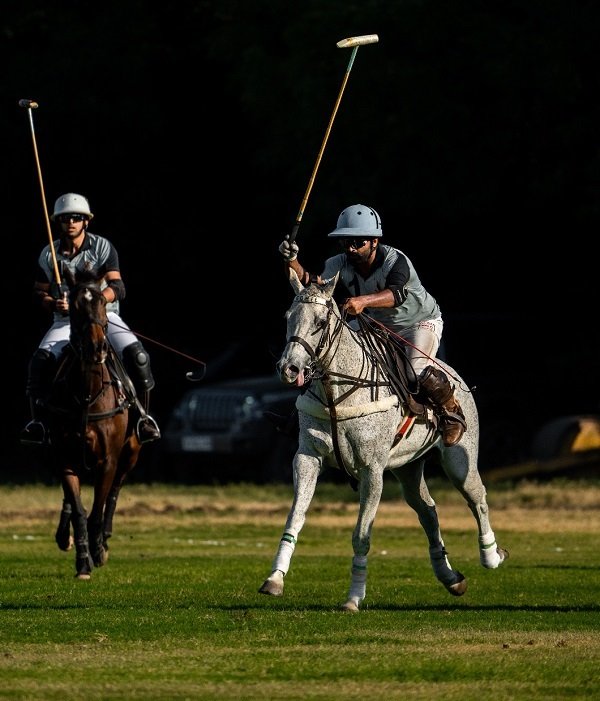
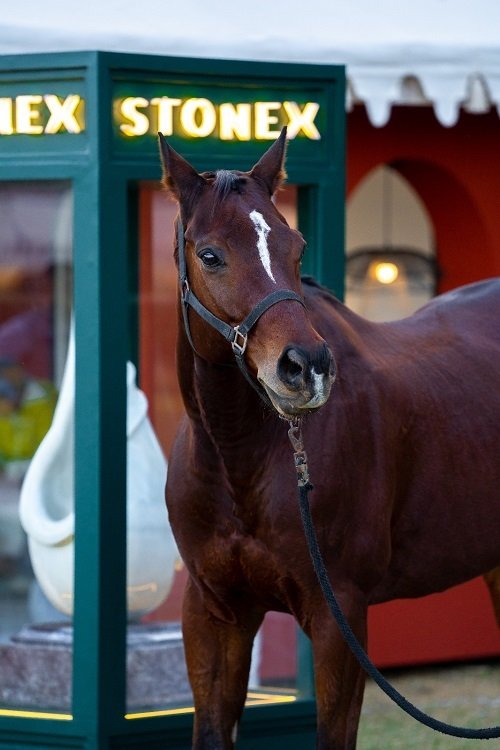
Celebrating the fusion of timeless artistry and luxury, Stonex unveiled an extraordinary marble art installation during the prestigious Umaid Bhawan Palace Cup Tournament, a highlight of the iconic 25th Jodhpur Polo Season.

A Celebration of Heritage and Innovation

Set against the opulent backdrop of the Umaid Bhawan Palace, the marble art installation seamlessly blended heritage with innovation. The intricately designed masterpiece, embodying Stonex’s unparalleled craftsmanship, resonated with the regal ambiance of Jodhpur’s polo legacy. This stunning creation symbolized the enduring cultural richness of the Blue City, complementing the elegance of the polo season.

The event was graced by the esteemed HH Maharaja Gaj Singhji of Jodhpur, whose unwavering support has been pivotal in nurturing the spirit of polo and preserving the city’s artistic heritage.

Stonex Partners with Umaid Bhawan Palace Cup for the 25th Jodhpur Polo Season

The 25th Jodhpur Polo Season: A Pinnacle of Prestige

As a crown jewel of India’s polo calendar, the 25th Jodhpur Polo Season attracted global attention with its perfect blend of sport, tradition, and luxury. In addition to the Umaid Bhawan Palace Cup, the season featured other prestigious tournaments, such as the coveted Hermes Cup, further elevating its stature as a premier event on the international stage.

Stonex’s partnership with the Umaid Bhawan Palace Cup underscored the season’s legacy, reclaiming its position as a top attraction in the polo world. The collaboration brought a unique artistic touch to the event, redefining the essence of luxury and elegance.

Reflections from Stonex

Speaking on the occasion, Mr. Sushant Pathak, CMO of Stonex India, said, “At Stonex, our creations transcend art, serving as a bridge between history and modernity. The Umaid Bhawan Palace Cup and the grandeur of the Jodhpur Polo Season embody the ideals we hold dear—timeless elegance, craftsmanship, and cultural legacy. We are deeply honored to have been part of this iconic celebration and to contribute to its enduring narrative.”

About Stonex

Since its inception in 2001, Stonex has redefined luxury through unmatched craftsmanship, offering over 500 exquisite varieties of marble and natural stone sourced globally. Renowned for its artistry and innovation, Stonex has become a symbol of sophistication, blending tradition with modernity. With a presence across the USA, UAE, Australia, the UK, and Singapore, Stonex continues to create timeless masterpieces that inspire awe and redefine lifestyle and design.

The partnership with the Umaid Bhawan Palace Cup further solidifies Stonex’s commitment to pushing the boundaries of creativity while celebrating India’s cultural and artistic legacy.

For more information, visit www.stonexindia.com.

Malaysia Extends Visa Exemption for Indian Nationals Until 2026

0

In a significant move to bolster tourism and economic growth, the Malaysian government has extended the visa exemption for Indian nationals until December 31, 2026. This initiative aligns with Malaysia’s preparations for its 2025 ASEAN chairmanship and the much-anticipated Visit Malaysia Year 2026.

Announcing the decision on Friday, December 20, Home Ministry Secretary-General Datuk Awang Alik Jeman highlighted that a similar extension has also been granted to Chinese nationals. These exemptions are part of Malaysia’s broader visa liberalisation plan, introduced on December 1, 2023, to enhance the country’s appeal as a premier travel destination while safeguarding national security.

A 30-Day Visa-Free Stay for Indian and Chinese Nationals

The visa exemption permits a 30-day visa-free stay for nationals of India and China. Awang Alik stated, “This initiative is part of broader efforts to enhance Malaysia’s appeal as a travel destination while ensuring the safety and security of the nation.” The exemption is expected to serve as a vital tool for attracting more tourists, boosting economic activity, and positioning Malaysia as a key player in the global tourism sector.

Tourism Malaysia’s Role

Tourism Malaysia, the promotional arm of the Ministry of Tourism, Arts & Culture, has been instrumental in establishing the country as a preferred destination on the international stage. With the next Visit Malaysia Year scheduled for 2026, the nation aims to showcase its commitment to sustainable tourism, aligning with the United Nations Sustainable Development Goals (UNSDG).

Additionally, Malaysia actively promotes regional collaboration through the Indonesia-Malaysia-Thailand Growth Triangle (IMT-GT). As part of the IMT-GT Visiting Year 2023-2025, the initiative seeks to position the region as a unified tourism hub.

The Road Ahead

The visa exemption extension is a strategic move to attract millions of tourists from two of the world’s largest outbound travel markets—India and China. It is expected to not only boost tourism revenue but also strengthen Malaysia’s ties with these nations.

Tourists can look forward to enjoying Malaysia’s rich cultural heritage, stunning landscapes, and vibrant cities. As the Visit Malaysia Year 2026 approaches, the country is set to leave an indelible mark on the global tourism map.

Swaraag performed their “Kesariya Balam Padharo Mharo Desh” in the Ranakpur Jawai Festival

0

The picturesque Sun Temple in Ranakpur, nestled amidst the Aravali hills of Rajasthan’s Pali district, became the epicenter of celebration during the Ranakpur Jawai Festival. On the second day of the festival, Sunday night witnessed an enchanting Star Night event, leaving the audience spellbound. The performance by Swaraag, an Indo-Western fusion band known for its soulful blend of Rajasthani folk, ghazals, and Sufi music, was the highlight of the evening.

A Night of Music and Lights

Under the open skies of the Sun Temple stage, Swaraag began their performance with the iconic Rajasthani welcome song “Kesariya Balam Padharo Mharo Desh.” Their melodious notes lit up the night, prompting the crowd to sway and cheer, holding their mobile torches high as a gesture of appreciation. The vibrant lights and serene surroundings amplified the charm of the evening.

The band captivated the audience with soulful renditions of songs like “Sanu Ek Pal Chain,” “Udja Kale Kawa,” “Mharo Hello Suno Ji Rama Pir,” and “Tere Naam Se Ji Loon.” They concluded the night with powerful patriotic performances of “Vande Mataram,” “Maa Tujhe Salaam,” and the emotional track “Mitwa.”

Swaraag performed their "Kesariya Balam Padharo Mharo Desh" in the Ranakpur Jawai Festival

Traditional Glory and Modern Festivities

The Ranakpur Jawai Festival, formerly known as the Godwar Festival (initiated in 2014), celebrates the rich cultural heritage and architectural marvels of the region. The Sun Temple and the globally renowned Ranakpur Jain Temple, illuminated by 1,101 lamps, served as the festival’s focal points. Organized by the tourism department and local administration, this festival has now grown into a significant cultural event.

Competitions celebrating Rajasthan’s traditions and spirit added a competitive yet festive flair to the day. Highlights included the Moustache Competition, where Jodhpur’s Kailash Solanki won first prize, and the Turban Tying Contest, in which Dikendra Singh Sisodia secured the top position.

The Spoon Race also saw lively participation. In the boys’ category, Lalit Mali emerged victorious, while Harshita triumphed among the girls. Other competitions like tug-of-war and the best traditional attire awards added charm to the festivities, with Aarti Chauhan crowned Miss Godwar and Prakash Kumawat named Godwar Shree.

Distinguished Guests Grace the Event

The festival witnessed the presence of several dignitaries, including Chief Whip Jogeshwar Garg, Parliamentary Affairs Minister Jogaram Patel, Bali MLA Pushpendra Singh Ranawat, Divisional Commissioner Pratibha Singh, and Collector Laxminarayan Meena. Their attendance underlined the importance of the event in showcasing Rajasthan’s cultural and natural beauty on a global stage.

Swaraag performed their "Kesariya Balam Padharo Mharo Desh" in the Ranakpur Jawai Festival

Celebrating Cultural Heritage

With mesmerizing performances, colorful lights, and vibrant competitions, the Ranakpur Jawai Festival stands as a testament to Rajasthan’s unparalleled cultural legacy. As the soulful melodies of Swaraag echoed through the Aravali Hills, the Sun Temple shone brightly, blending tradition with a modern festive spirit.

Know the Ranks of India in Travel and Tourism Development Index (TTDI) 2024 here…

0

The 2024 Travel and Tourism Development Index (TTDI) by the World Economic Forum (WEF) has ranked India 39th out of 119 countries. This marks a notable improvement from its previous rank of 54th in 2021, which was later revised to 38th following a change in WEF’s methodology. This upward trajectory highlights India’s growing prominence as a global travel and tourism destination.

Government Support for Tourism

The Ministry of Tourism plays a pivotal role in enhancing tourism infrastructure across the country. It provides financial assistance to state governments, union territories, and central agencies through various schemes. Two prominent initiatives are:

  • Swadesh Darshan: Focused on developing theme-based tourist circuits, this scheme aims to showcase the diverse cultural and natural heritage of India.
  • PRASHAD (Pilgrimage Rejuvenation and Spiritual Augmentation Drive): Aimed at enhancing pilgrimage sites, this scheme seeks to improve facilities and services to attract more visitors.

These initiatives underscore the government’s commitment to making India a top-tier destination for domestic and international tourists.

Medical Value Travel Initiatives

India has also made significant strides in medical tourism. The Ministry of Health and Family Welfare has introduced the Advantage Healthcare India portal, which serves as a comprehensive platform for international patients seeking medical care in India. This official website provides detailed information on wellness services and medical facilities, helping patients navigate their healthcare options with ease.

Key Tourism Development Schemes

The ‘Assistance to Central Agencies for Tourism Infrastructure Development’ scheme further boosts India’s appeal as a tourist destination. By improving facilities and services at key tourist locations, this initiative supports the overarching goal of creating a seamless and enriching experience for visitors.

Government Leadership in Tourism Development

Union Minister for Tourism and Culture, Shri Gajendra Singh Shekhawat, recently highlighted these developments, reiterating the government’s commitment to promoting tourism and improving infrastructure across the nation. His remarks emphasize the significant efforts being made to position India as a global leader in both leisure and medical tourism.

Accessing Medical Services in India

International patients can access the Advantage Healthcare India portal at https://mohfw.gov.in/ This resource is designed to facilitate medical tourism by providing essential information about available healthcare services in India. With its user-friendly interface, the portal has become an integral part of India’s medical value travel ecosystem.

India’s rise in the TTDI rankings reflects the effectiveness of its tourism and healthcare initiatives. By investing in infrastructure and creating supportive policies, the nation is on a path to becoming a preferred destination for travelers worldwide.

Kisan Diwas 2024: Top Government Schemes for Farmers in India

0

National Farmers’ Day, or Kisan Diwas, is celebrated annually on December 23 in India to honor the birth anniversary of former Prime Minister Chaudhary Charan Singh. This day recognizes farmers as the backbone of the Indian economy and highlights their invaluable contributions to the socio-economic development of the nation. It is especially significant in states like Punjab, Haryana, Uttar Pradesh, and Madhya Pradesh, where agriculture is a primary occupation.

Over the years, the Indian government has introduced various initiatives to support farmers. Below is a comprehensive guide to the key central government schemes aimed at enhancing farmers’ welfare and boosting the agricultural sector.

Pradhan Mantri Kisan Samman Nidhi (PM-KISAN)

Launched on February 24, 2019, PM-KISAN is a flagship scheme designed to supplement the financial needs of landholding farmers. Under this initiative, eligible farmers receive ₹6,000 annually through Direct Benefit Transfer (DBT) in three equal installments.

With the 18th installment released in October 2024, the scheme has disbursed over ₹3.45 lakh crore, benefiting more than 11 crore farmers across the country.

Pradhan Mantri Fasal Bima Yojana (PMFBY)

Introduced in 2016, PMFBY provides affordable crop insurance to safeguard farmers against non-preventable natural risks. The premium rates are capped at 2% for Kharif crops, 1.5% for Rabi crops, and 5% for commercial/horticultural crops.

As of August 2024, the Ministry of Agriculture and Farmers Welfare reported that ₹1,63,519 crore (98%) had been paid against total claims of ₹1,67,475 crore under this scheme.

Pradhan Mantri Kisan Maandhan Yojana (PM-KMY)

Launched on September 12, 2019, this central sector scheme offers social security to landholding Small and Marginal Farmers (SMFs). Farmers aged 18 to 40 years can contribute between ₹55 and ₹200 monthly to receive a fixed pension of ₹3,000 after turning 60.

Agriculture Infrastructure Fund (AIF)

As part of the Aatmanirbhar Bharat Package, the AIF aims to address infrastructure gaps in agriculture. It provides medium-to-long-term debt financing for projects related to post-harvest management and community farming.

With a fund of ₹1 lakh crore allocated for FY 2020-21 to FY 2025-26, the scheme offers support through interest subvention and credit guarantees until FY 2032-33.

Modified Interest Subvention Scheme (MISS)

This scheme provides concessional short-term agricultural loans of up to ₹3 lakh at a 7% annual interest rate for crop husbandry and allied activities. Farmers who repay their loans promptly receive a 3% interest subvention, reducing the effective interest rate to 4%.

Namo Drone Didi Scheme

Approved recently by the central government, this scheme aims to empower women Self Help Groups (SHGs) by providing them with drones. With an outlay of ₹1,261 crore for FY 2023-24 to FY 2025-26, the scheme targets distributing 15,000 drones, including pilot and agriculture-specific training.

In FY 2024-25, 3,090 SHGs are expected to receive drones in the first phase.

Rashtriya Krishi Vikas Yojana (RKVY)

This initiative focuses on creating pre-and post-harvest infrastructure to supply quality inputs, market facilities, and other resources to farmers. It grants states the flexibility to implement projects tailored to local farmers’ needs and priorities.

Summing Up

On Kisan Diwas 2024, the nation honors its farmers and acknowledges their pivotal role in the economy. Through these government schemes, India is empowering its agricultural community, ensuring their welfare, and fostering sustainable growth in the sector. As these initiatives continue to evolve, they pave the way for a more resilient and prosperous future for Indian farmers.