Home Blog Page 417

10 Years of UJALA Scheme: Transforming India’s Energy Efficiency Landscape

0

The UJALA scheme, launched on January 5, 2015, has revolutionized India’s approach to energy efficiency. Standing for “Unnat Jyoti by Affordable LEDs for All,” this initiative has made affordable LED lighting accessible to millions of households, reducing energy consumption and lowering electricity bills across the country. As of January 2025, the scheme has distributed over 36 crore LED bulbs, marking a significant milestone in energy conservation and economic savings for Indian families.

The Need for UJALA

The UJALA scheme was introduced to address the inefficiencies of traditional lighting systems. Incandescent and compact fluorescent lamps (CFLs) consumed excessive energy, leading to high electricity costs for households. The advent of LED technology presented an opportunity for change, offering energy efficiency, longevity, and reduced operational costs. UJALA was designed to bring these benefits to the masses, creating a shift toward sustainable lighting solutions.

Economic Impact of the UJALA Scheme

One of the key successes of UJALA lies in its affordability. Through a competitive bidding process, LED bulbs, tube lights, and energy-efficient fans were made available at significantly reduced prices:

  • LED bulbs: Rs 70
  • Tube lights: Rs 220
  • Energy-efficient fans: Rs 1,110

The cost-effectiveness of LEDs is evident in their operational expenses. While the annual operating cost of an incandescent lamp is Rs 108 and a CFL is Rs 40, an LED bulb operates at just Rs 12 annually. This affordability has enabled households to save on electricity bills, further driving the adoption of energy-efficient technology.

Environmental Benefits

The UJALA scheme has made a significant contribution to reducing India’s carbon footprint. By promoting the use of LED lighting, the programme has helped lower national electricity consumption and greenhouse gas emissions. These environmental benefits align with India’s climate change mitigation goals, making UJALA a cornerstone of the country’s sustainability efforts.

Achievements of the UJALA Scheme

Since its inception, UJALA has achieved several remarkable milestones:

  • 36.87 crore LED bulbs distributed: UJALA stands as the world’s largest zero-subsidy domestic lighting programme.
  • Market transformation: The share of LEDs in the Indian lighting market grew from less than 1% in 2013 to over 40% in 2025.
  • CO₂ reduction: The programme has contributed significantly to reducing India’s carbon emissions.

These achievements underscore the scheme’s impact on improving household energy efficiency and transforming the lighting market in India.

The Street Lighting National Programme (SLNP)

Launched alongside UJALA, the Street Lighting National Programme (SLNP) focuses on replacing conventional streetlights with energy-efficient LED alternatives. The programme, implemented by Energy Efficiency Services Limited (EESL), works with local governments to upgrade public lighting infrastructure in urban and rural areas.

Key achievements of the SLNP as of January 2025 include:

  • 1.34 crore LED streetlights installed, leading to substantial energy savings.
  • Annual CO₂ reduction of 6.2 million tonnes, contributing to India’s climate goals.
  • Cost savings for municipalities, with reduced energy bills and maintenance expenses.

The SLNP complements UJALA by extending energy efficiency initiatives to public spaces, further amplifying the programme’s impact.

Benefits of LED Technology

The adoption of LED technology under the UJALA and SLNP schemes has brought numerous advantages:

  • Long lifespan: LEDs last significantly longer than traditional lighting, reducing waste and replacement costs.
  • Energy efficiency: LEDs consume up to 80% less energy than incandescent bulbs.
  • Cost savings: Lower energy consumption translates into significant financial savings for households and municipalities.

Future Prospects of Energy Efficiency in India

As UJALA and SLNP celebrate a decade of success, the potential for further advancements in energy efficiency is immense. Continued government support and public awareness will be key to sustaining this momentum. Future initiatives may incorporate smart technologies and innovative business models to enhance the reach and effectiveness of energy-saving programmes.

The UJALA scheme has not only transformed India’s lighting market but has also set a global benchmark for energy efficiency initiatives. With its focus on affordability, environmental sustainability, and economic benefits, UJALA serves as a model for other nations aiming to promote sustainable development.

As India enters the next decade of energy efficiency, the lessons and achievements of the UJALA scheme will continue to guide its path toward a greener and more sustainable future.

Analysing Ancient DNA with Twigstats: A New Frontier in Genetic Research

0

Recent advancements in genetic research are revolutionizing our understanding of ancient human populations. By analyzing ancient DNA (aDNA) extracted from burial sites, mass graves, and war graves, researchers are uncovering invaluable insights into population dynamics, migrations, and cultural transitions across history. Among the cutting-edge methods driving these discoveries is Twigstats, a breakthrough analytical technique enhancing the accuracy of aDNA studies.

The Significance of Ancient DNA

Ancient DNA acts as a critical resource for reconstructing human history. It enables scientists to trace population expansions, admixture events, and migrations, offering profound insights into the relationships between ancient populations and their modern descendants. By studying aDNA, researchers can piece together the genetic legacy of our ancestors, unraveling the complexities of ancestry and cultural evolution over millennia.

However, understanding genetic ancestry comes with challenges. Populations in geographically diverse regions often share genetic similarities, complicating the process of tracing specific lineages.

Challenges in Genetic Ancestry Research

One of the primary hurdles in studying ancient DNA lies in the limited sample sizes and the degraded quality of genetic material. Ancient samples typically offer lower sequencing quality compared to larger datasets derived from medieval or modern genomes. This discrepancy makes it difficult to establish precise genetic relationships across different time periods.

Moreover, gene flow—where genetic material is exchanged between populations over time—adds further complexity to the analysis. Identifying distinct genetic markers amidst this flow is a persistent challenge for researchers.

Traditional Methods of aDNA Analysis

Historically, researchers have relied on single nucleotide polymorphisms (SNPs) to analyze ancient DNA. SNPs are natural genetic variations that have been instrumental in reconstructing genetic histories. While this method has yielded valuable insights, its reliance on high-quality samples often limits its effectiveness, particularly for closely related populations or those with scarce aDNA evidence.

A Shift Toward Innovative Techniques

To address these limitations, scientists have turned to more advanced methods like haplotype analysis. Unlike SNP-based approaches, haplotype analysis examines shared segments of DNA and rare variants, providing deeper insights into population structures and ancestral relationships.

Genealogical tree inference methods have also gained prominence, enabling researchers to trace demographic trends and pinpoint ancestral locations with greater precision.

Twigstats: A Breakthrough in aDNA Analysis

One of the most exciting developments in genetic research is the Twigstats method, pioneered by a collaboration led by the Francis Crick Institute. Twigstats employs time-stratified ancestry analysis, which enhances statistical power and reduces errors. This innovative approach has been tested on simulated genetic conditions and applied to ancient DNA samples from northern and central Europe, yielding unprecedented detail about genetic histories.

Unveiling the Past with Twigstats

Using Twigstats, researchers reconstructed the genetic history of 1,556 ancient DNA samples spanning from 500 BC to 1000 AD. The results have provided high-resolution data about individual ancestries and population movements during key historical periods.

For example, the method revealed significant genetic shifts in regions like Poland, where cultural transitions corresponded with changes in genetic makeup. These findings highlight the intricate relationship between genetic evolution and cultural history.

New Insights into Viking Ancestry

One of the most remarkable discoveries from Twigstats is the evidence of Scandinavian-like ancestry in Britain and the Baltic regions predating the Viking Age. This suggests that migrations and interactions between these areas occurred earlier than previously believed.

Additionally, the study uncovered bidirectional gene flow between Scandinavia and continental Europe, illustrating the complex dynamics of Viking migrations and their lasting genetic impact on the populations they encountered.

Key Takeaways from Twigstats Research

  • Enhanced Accuracy: Twigstats improves the precision of genetic analysis by leveraging time-stratified data.
  • Broader Ancestral Ties: Ancestral North Indians share genetic connections with Central Asians, revealing historical gene flow.
  • Cultural Evolution: The emergence of the Wielbark culture in the early centuries AD correlates with genetic changes.
  • Pre-Viking Gene Flow: Genetic links between Scandinavia and Britain existed long before the Viking Age.
  • Haplotype Power: Haplotype analysis offers deeper ancestral insights than traditional SNP methods.

Bridging Genetics and Culture

The interplay between cultural shifts and genetic changes is evident in the findings from Twigstats. By integrating genetic data with archaeological and historical evidence, researchers can refine our understanding of early medieval populations and their cultural narratives.

The Twigstats method exemplifies how innovative genomic tools are transforming the study of ancient DNA. With continued advancements, we are moving closer to constructing a comprehensive picture of our ancestors’ journeys and the cultural legacies they left behind.

Best National Parks in India for the Perfect Wildlife Safari This Winter

0

When winter arrives, most travelers plan ski vacations, snowy mountain getaways, or warm beach retreats. However, imagine a different kind of adventure — spotting a leopard resting on a mossy tree in Kerala’s Periyar or following the tracks of a snow leopard in the icy landscapes of Ladakh’s Hemis. With 106 national parks across India, winter offers the perfect time to explore the country’s incredible biodiversity and embark on an unforgettable wildlife safari.

This winter, trade traditional vacations for a thrilling journey into India’s wilderness. Below is a curated list of eight national parks that promise awe-inspiring encounters with wildlife, breathtaking landscapes, and a chance to reconnect with nature.

1. Jim Corbett National Park, Uttarakhand

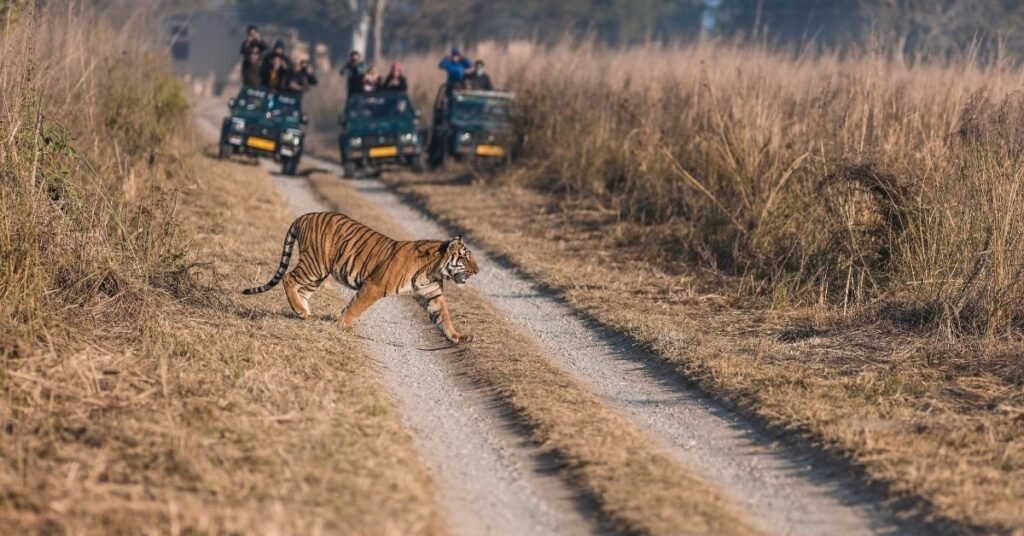
As India’s oldest national park, Jim Corbett is synonymous with Bengal tiger sightings. Nestled in the foothills of the Himalayas, the park spans the districts of Nainital and Pauri Garhwal. Established in 1936, it was named after the legendary conservationist Jim Corbett.

From October to June, the park comes alive with diverse wildlife, including elephants, leopards, crocodiles, and over 650 species of birds. Its varied landscape of grasslands, riverine belts, and dense forests creates a magical setting for safaris.

Best National Parks in India for the Perfect Wildlife Safari This Winter
The best time to visit Jim Corbett is between October and June.

2. Keoladeo National Park, Rajasthan

Formerly known as Bharatpur Bird Sanctuary, this UNESCO World Heritage Site is a paradise for birdwatchers. From October to February, migratory birds like Siberian cranes, pelicans, and geese flock here, creating an avian spectacle.

Visitors can explore the park’s wetlands through rickshaw tours, bicycle rides, or even boat safaris. Keoladeo is an ideal destination for those looking to combine wildlife with tranquility.

3. Kanha National Park, Madhya Pradesh

Kanha National Park is celebrated for its tiger conservation efforts and is one of India’s most picturesque reserves. Its lush meadows, dense forests, and serene rivers like Banjar and Halon create a striking backdrop for safaris.

Apart from tigers, Kanha is home to leopards, Indian bison (gaur), wild dogs, and barasingha (swamp deer). Winter offers the best opportunity to witness these majestic creatures in their natural habitat.

Best National Parks in India for the Perfect Wildlife Safari This Winter
Kanha National Park is known for its large number of tigers.

4. Pench National Park, Madhya Pradesh

The inspiration behind Rudyard Kipling’s The Jungle Book, Pench National Park is a haven for wildlife enthusiasts. Spread across Seoni and Chhindwara districts, it boasts rich biodiversity, including tigers, leopards, langurs, and Indian bison.

The Turia, Karmajhiri, and Jamtara safari zones offer diverse terrains ranging from forests to water bodies, ensuring a dynamic and memorable experience.

5. Ranthambore National Park, Rajasthan

A favorite among wildlife photographers, Ranthambore is famous for its tiger population and the historic Ranthambore Fort. Located in the Sawai Madhopur district, it attracts travelers seeking a blend of nature and history.

In addition to tigers, the park hosts leopards, sloth bears, sambar deer, and vibrant bird species. Winter is an ideal time to explore its rugged beauty.

6. Kaziranga National Park, Assam

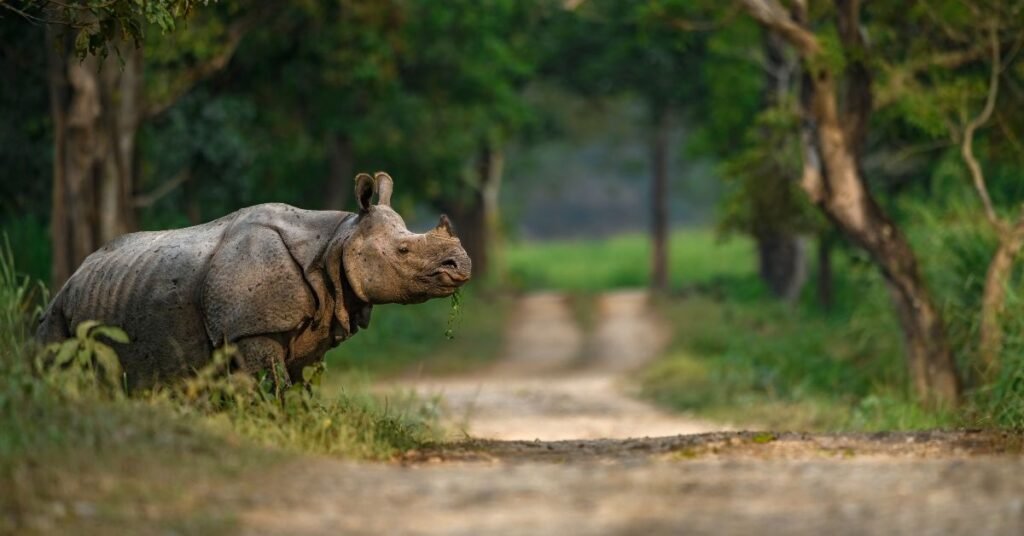
Another UNESCO World Heritage Site, Kaziranga is synonymous with the one-horned rhinoceros. Situated along the Brahmaputra River, the park’s wetlands and grasslands teem with wildlife.

Kaziranga also offers a spectacular array of over 500 bird species, including storks, herons, and pelicans. Winter is perfect for spotting rhinos, elephants, and wild buffalo in their natural habitats.

Best National Parks in India for the Perfect Wildlife Safari This Winter
Kaziranga National Park is a UNESCO World Heritage Site.

7. Gir National Park, Gujarat

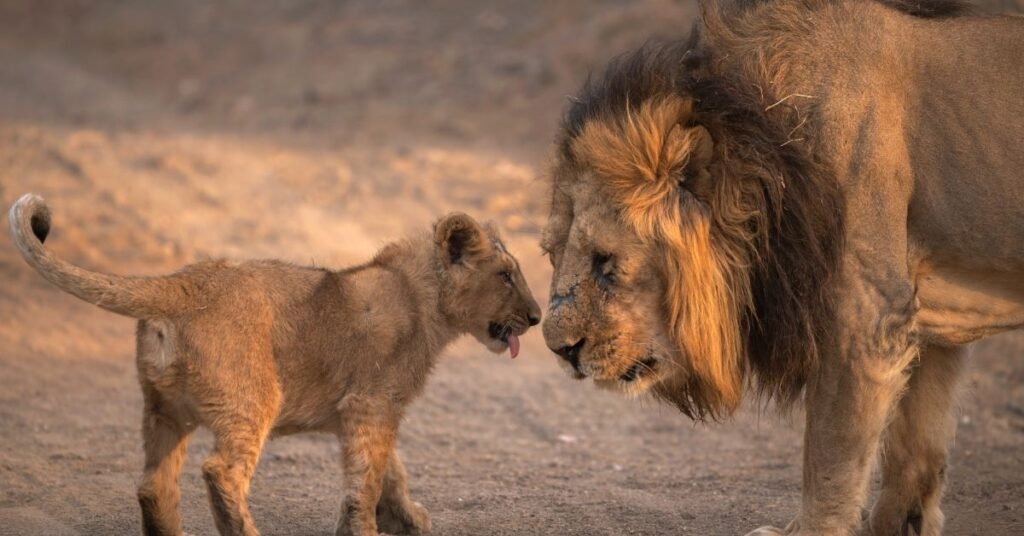
The only place in the world to see Asiatic lions in the wild, Gir National Park is a must-visit for wildlife enthusiasts. Located in Gujarat, the park is also home to leopards, jungle cats, Indian gazelles, and spotted deer.

Visitors can experience Gir’s unique ecosystem while learning about the Maldhari tribal communities who live harmoniously with nature. Winter’s pleasant weather enhances the safari experience.

Best National Parks in India for the Perfect Wildlife Safari This Winter
Gir has 38 species of mammals, around 300 species of birds, 37 species of reptiles, and more than 2,000 species of insects.

8. Sundarbans National Park, West Bengal

A UNESCO World Heritage Site and the world’s largest mangrove ecosystem, the Sundarbans is home to the iconic Royal Bengal tiger. Situated in the delta formed by the Ganges, Brahmaputra, and Meghna rivers, it offers a unique mix of tidal waterways, mudflats, and small islands.

The Sundarbans is also a haven for diverse wildlife, including crocodiles, deer, and rare Irrawaddy dolphins. Winter is the ideal time to explore this magical landscape.

Plan Your Winter Safari

Whether it’s birdwatching in Keoladeo, tracking tigers in Jim Corbett, or witnessing Asiatic lions in Gir, India’s national parks offer something for every wildlife enthusiast. Embrace the wild, escape the ordinary, and let the magic of nature redefine your winter holiday.

Do you know about these Unique Teas & Their Fascinating Stories

0

This winter, why not let your love for chai take you on a flavorful journey across India? Beyond the beloved adrak wali chai (ginger tea), our country boasts a diverse array of teas that encapsulate its rich cultural tapestry, history, and warmth. Each sip tells a story — from Kerala’s citrusy Sulaimani Chai to Bengal’s tangy Lebu Cha — and invites you to explore a lesser-known world of brews.

If you’re looking for an unconventional New Year’s resolution, here’s one for all chai enthusiasts: sample teas from every corner of India. To make your quest easier, we’ve curated a list of must-try regional teas, complete with their fascinating backstories.

1. Sulaimani Chai — The Pride of Calicut

Hailing from Kerala’s Malabar region, Sulaimani Chai is a sweet, sour, and slightly spicy tea that epitomizes hospitality. Often served after a hearty meal of biryani, its citrusy flavor cuts through the richness of the food, making it an ideal digestive.

With origins tracing back to Arab traders, this tea is a cultural amalgamation. It is said that Prophet Mohammed enjoyed a drink made with dates and black pepper, which evolved into the modern-day Sulaimani Chai. Today, it continues to symbolize the intersection of trade and tradition, with Kerala’s Club Sulaimani tea chain honoring this legacy.

Do you know about these Unique Teas & Their Fascinating Stories

2. Parsi Choi — A Taste of Heritage

A quintessential drink of the Parsi community, Parsi Choi reflects British influence blended with local ingenuity. Infused with mint and lemongrass, this tea pairs wonderfully with Parsi delicacies such as date and walnut cake, mawa cake, or banana fritters (karkariya).

The choi is more than just a beverage — it’s an invitation to experience the Parsi tradition of enjoying tea alongside scrumptious accompaniments, making it a flavorful embrace of history.

Do you know about these Unique Teas & Their Fascinating Stories

3. Noon Chai — Kashmir in a Cup

When the chill of winter descends upon Kashmir, the air is filled with the distinct aroma of Noon Chai. Known for its striking pink hue — a result of baking soda reacting with tea leaves — this salted tea offers a unique blend of savory and floral notes.

Noon, meaning “salt” in Kashmiri, is the predominant flavor of this tea. While it might sound unusual, the addition of rose petals balances the saltiness, resulting in a soothing and aromatic cup.

Do you know about these Unique Teas & Their Fascinating Stories

4. Berinag Tea — Uttarakhand’s Hidden Gem

Nestled in the hills of Uttarakhand, Berinag Tea is celebrated for its smooth, mellow flavor with floral and fruity undertones. Its history dates back to the British era, when the Berinag tea estate gained prominence.

The tea’s unique taste comes from the leaves of a wild plant native to the region. Its reputation grew globally, thanks to the efforts of philanthropist Thakur Dan Singh Bisht, who turned Berinag into a tea hub. Even today, this tea embodies the tranquil beauty of its origins.

Do you know about these Unique Teas & Their Fascinating Stories

5. Lebu Cha — Bengal’s Favorite Brew

A staple in Bengali households, Lebu Cha is a tangy, refreshing tea made with lemon and a blend of spices like black salt, ginger powder, and pepper. Unlike many other teas, it’s served without milk, making it light and zesty.

Tea time with Lebu Cha often doubles as family bonding, paired with snacks like ghughni (spiced chickpeas), aloo kabli (spiced potatoes), or crispy pakoras. It’s the perfect beverage for both rainy afternoons and spirited adda (chats).

Do you know about these Unique Teas & Their Fascinating Stories

6. Ronga Saah — Assam’s Reddish Treasure

When it comes to chai, Assam’s name is legendary. Among its many varieties, Ronga Saah stands out for its reddish-brown color and mild, soothing flavor. Brewed without milk or spices, this tea celebrates simplicity.

The story of Assam tea begins in 1823 when Scottish explorer Robert Bruce discovered indigenous tea plants in the region. This discovery led to the establishment of Assam’s first tea estate in 1839, making Ronga Saah a cherished symbol of the state’s tea legacy.

Do you know about these Unique Teas & Their Fascinating Stories

7. Cutting Chai — Mumbai’s Iconic Sip

No chai list is complete without mentioning Mumbai’s famous Cutting Chai. Served in half glasses, this affordable yet robust tea packs a punch with its concentrated flavor.

More than just a beverage, Cutting Chai is a cultural phenomenon — a companion for rainy days, office breaks, or late-night conversations. Its presence at roadside stalls across Mumbai makes it a comforting, accessible delight for millions.

Do you know about these Unique Teas & Their Fascinating Stories

Brewing the Future

India’s chai culture is as diverse as its people, with each region bringing its own unique flavor to the table. From the warm hospitality of Kerala’s Sulaimani Chai to the vibrant community spirit of Bengal’s Lebu Cha, these teas are more than just drinks — they are experiences steeped in history and tradition.

So, how many cups of chai will you sip this winter? Whatever the number, make sure it includes these regional gems. After all, every sip is a journey through India’s rich cultural landscape.

‘I Started With ₹500 & a Tin of Fruits’: The Inspiring Food Biz Journey of a Single Mom in Manipur

0

At just 21, Yangmila Zimik from Manipur transformed personal struggles into a story of success, resilience, and empowerment. Defying societal stigma and financial challenges as a single mother, she created Shirin Products, a thriving food brand that now champions local flavors and uplifts her community.

A Journey Born of Adversity

In 1991, Yangmila welcomed her son into the world under challenging circumstances. Unmarried and abandoned by the child’s father, she faced the daunting task of raising her child alone. Despite the emotional and financial hardships, she resolved to provide for her son.

“Neither he nor his family took responsibility for the child. I didn’t receive alimony. But how could I turn my back on my child? I took on all the responsibility,” Yangmila recalls. After her father’s passing, who had initially supported her, she became the sole provider.

To make ends meet, the Class 10 dropout pursued various small-scale businesses—selling vegetables, second-hand clothes, running a tea shop, and even trying her hand at poultry farming. Despite numerous setbacks, including market failures and bird flu outbreaks, Yangmila’s determination remained unshaken.

Humble Beginnings with a Spark of Inspiration

In 2015, inspired by childhood memories of candies made from wild fruits, she began experimenting at home with gooseberries and other fruits from her village. With just ₹500, she bought a tin of gooseberries and sugar, creating her first batch of candy. Though most of the initial batch was distributed as free samples to friends and local shops, she earned ₹650. Encouraged by this modest success, she reinvested her earnings and gradually expanded her product line.

In 2016, armed with basic training in candy-making through organizations like PASDO and ICAR, she officially launched Shirin Products. From gooseberry candy, her repertoire grew to over 40 varieties, including pickles, candies, and squashes made from wild fruits and vegetables sourced locally.

A Thriving Business Rooted in Community

Today, Shirin Products sources raw materials from over 100 farmers across 20 neighboring villages and employs six local women. With her 5,000-square-foot kitchen garden, she grows vegetables like radish, broccoli, and lettuce, which are integral to her pickles.

“Pickles made from green chilies, yongchak (monkey beans), radish, and perilla are among our best sellers,” Yangmila shares. Her products, featuring unique flavors of the Ukhrul hills, have garnered a loyal customer base across Manipur, Assam, Nagaland, and even cities like Mumbai and Delhi. Monthly sales exceed ₹1 lakh, with a profit margin of 25%.

Challenges in a Conflict-Ridden State

Despite her success, Yangmila continues to face challenges, including the ongoing ethnic conflict in Manipur, which has disrupted markets in several districts. “We’ve lost markets in at least three districts due to the ongoing war between tribes. But the horticulture department has been a great support,” she shares.

Additionally, limited space in her small shed poses constraints on further expansion and creating additional employment opportunities. However, Yangmila remains optimistic and plans to leverage social media platforms like Facebook and Instagram to grow her business.

Recognition and Resilience

Yangmila’s journey has earned her national recognition, including the Vijaya Lakshmi Das Entrepreneurship Award (2020) and the Assam Women Entrepreneurs Award (2021). Even Chief Minister Biren Singh praised her on social media, describing her story as a testament to the resilience and potential of Manipur’s people.

Her son, Shangreiphao, who pursued a master’s degree in forestry, credits his mother as his greatest inspiration. “My ava (mother) is a very strong woman. From her, I’ve learned the true meaning of consistency and perseverance,” he says. Despite being a dropout herself, Yangmila ensured her son received a quality education.

Breaking Societal Barriers

For Yangmila, her journey is about more than business success. It’s about breaking societal norms and proving that circumstances don’t define one’s destiny. Her advice to women facing similar struggles is clear: “Do not feel bogged down by what happens to you. Nurture the talent given to you by God; be strong and courageous, and good things will happen.”

From starting with ₹500 and a tin of gooseberries to building a successful business that uplifts her community, Yangmila Zimik’s story is a powerful reminder that resilience, vision, and hard work can turn even the smallest opportunities into life-changing successes.

UDAN 2.0: Reviving Regional Connectivity in India

0

India’s civil aviation sector is on the cusp of a significant transformation with the anticipated launch of UDAN 2.0 (Ude Desh ka Aam Naagrik). Aimed at enhancing regional connectivity, this ambitious initiative seeks to bridge the gap between major cities and underserved or unserved regions, enabling more citizens to experience the benefits of affordable air travel. Union Finance Minister Nirmala Sitharaman is expected to announce increased funding for the scheme in the upcoming Union Budget, giving wings to the nation’s aviation aspirations.

Enhancing Regional Aviation with UDAN 2.0

Since its inception in 2016, the UDAN scheme has successfully operationalized over 85 aerodromes, including airports, heliports, and water aerodromes, connecting remote regions and improving accessibility. Under UDAN 2.0, the government plans to expand on this success, targeting a substantial increase in operational airports to 350–400 by 2047.

The initiative is expected to focus on:

  • Reviving existing airports and airstrips to expand connectivity.
  • Easing operational regulations for new airlines and operators.
  • Ensuring affordability by maintaining low airfares for passengers.

Financial Backbone

A robust financial framework is integral to UDAN 2.0. The scheme will receive support from both the Central and state governments, with the introduction of Viability Gap Funding (VGF) to incentivize airlines to operate in underserved regions. This financial assistance will ensure sustainability at smaller airports, where operational costs are often a significant burden.

Cost-Effective Operations

The cost of running smaller regional airports ranges from ₹7–₹10 crore annually. UDAN 2.0 aims to reduce these operational expenses through innovative measures while ensuring quality service. It also proposes to ease entry barriers for new airlines and operators, fostering healthy competition and broader participation in the aviation market.

Impressive Progress So Far

The achievements of UDAN since 2016 highlight its potential:

  • Over 1.44 crore passengers have been facilitated across more than 2.8 lakh flights.
  • A total of 601 routes, including helicopter routes, have been operationalized.
  • The number of operational airports in India has doubled, rising from 74 in 2014 to over 157 in 2024.

These milestones are a testament to the scheme’s success in improving accessibility and affordability, transforming the aviation landscape in India.

Future Aspirations

UDAN 2.0 is not merely about connectivity; it envisions a comprehensive transformation of the regional aviation sector. The government aims to develop over 100 underutilized airstrips, bringing them into the mainstream aviation network. By 2047, India aspires to have a robust, widespread network of operational airports catering to diverse regions, including smaller towns and cities.

A Visionary Initiative

UDAN, which translates to “Let the common citizen fly,” has democratized air travel, making it accessible to millions who previously could only dream of flying. The long-term vision of the scheme includes not only increasing connectivity but also fostering economic growth by boosting tourism, trade, and employment opportunities in smaller towns and remote areas.

Key Highlights of UDAN 2.0:

  • Expansion to 350–400 operational airports by 2047.
  • Focus on underutilized airstrips and Advance Landing Grounds (ALGs).
  • Enhanced affordability through VGF and reduced operational costs.
  • Doubling down on connecting underserved regions to boost inclusivity.

As India moves forward with UDAN 2.0, the initiative holds the promise of transforming the nation’s aviation ecosystem, ensuring that the dream of flying becomes a reality for every citizen. With affordable air travel, enhanced connectivity, and a vision for inclusive development, UDAN 2.0 is set to redefine regional aviation in India.

Activities to do at the Jaisalmer’s Desert National Park

0

When you hear the words desert and park together, you know you’re about to experience something extraordinary. Located in the heart of Rajasthan, Jaisalmer’s Desert National Park is a magnificent display of Mother Nature’s artistry. Spanning over 3,000 square kilometers between the districts of Jaisalmer and Barmer, this unique destination offers an unforgettable blend of natural wonders, cultural heritage, and diverse wildlife.

A Landscape Like No Other

Unlike the lush green forests traditionally associated with national parks, the Desert National Park captivates visitors with its rugged beauty. It features rolling sand dunes, jagged rock formations, and tranquil salt lakes that stand in stark contrast to the greenery of other ecosystems. Here, the dunes can reach up to 200 meters in height, making it a must-visit destination for desert safari enthusiasts.

From camel rides through golden sands during the summer to thrilling jeep safaris in the winter, this park promises adventure and serenity alike.

Guardians of the Great Indian Bustard

One of the most significant aspects of the Desert National Park is its role in protecting the critically endangered Great Indian Bustard, one of the heaviest flying birds in the world. With fewer than 150 individuals remaining in the wild, this majestic species is a symbol of conservation efforts in India.

The park is home to about 70 Great Indian Bustards, making it a vital sanctuary for their survival. Conservation here is led by dedicated forest rangers, including the park’s first female ranger, who has made protecting this iconic bird her life’s mission.

A Birdwatcher’s Paradise

The park’s avian population is a dream come true for bird enthusiasts. It shelters a wide array of resident and migratory birds, including raptors such as eagles, harriers, falcons, kestrels, and vultures. Winter transforms the park into a haven for migratory birds, with species like the Demoiselle Crane, MacQueen’s Bustard, and even Himalayan Griffon Vultures making seasonal appearances.

The park also supports a variety of desert-adapted flora and fauna. You may spot blackbucks, chinkaras, desert foxes, and even camels thriving in this harsh yet fascinating ecosystem.

A Glimpse Into the Past

The Desert National Park is not only rich in biodiversity but also in geological history. Fossils dating back 180 million years have been discovered here, offering a glimpse into a time when this region was entirely different. This ancient connection makes the park a treasure trove for researchers and history enthusiasts alike.

Exploring Beyond the Park

The Desert National Park’s charm extends beyond its boundaries. Visitors can explore nearby attractions such as the Sam Sand Dunes, which are only 8 kilometers away, or the Forts and Havelis that encapsulate Rajasthan’s rich cultural heritage.

Visitor Information

  • Timings: The park is open from 10:00 AM to 5:00 PM.
  • Best Time to Visit: The cooler months from November to February are ideal for wildlife sightings and migratory birdwatching.

Activities to Enjoy

  1. Camel Safaris: A quintessential desert experience, offering a chance to traverse the golden dunes like the nomads of old.
  2. Jeep Safaris: Perfect for exploring the vast terrain and spotting wildlife.
  3. Birdwatching: Bring your binoculars to catch a glimpse of the park’s feathered residents and visitors.
  4. Cultural Excursions: Visit nearby villages and ruins to immerse yourself in the region’s rich history and traditions.

Why Visit Desert National Park?

Desert National Park is not just a natural wonder but also a living testament to the resilience of life in extreme conditions. It offers a rare opportunity to witness a desert ecosystem thriving against all odds. From its breathtaking landscapes to its role in conserving endangered species, this park is a must-visit destination for nature lovers, adventurers, and cultural enthusiasts alike.

Plan your visit to this sandy wonderland and discover the magic of Rajasthan’s Desert National Park—a place where the arid beauty of the Thar Desert comes alive in all its glory.

Activities to do at Bandh Baretha Wildlife Sanctuary, Bharatpur

0

The Bandh Baretha Wildlife Sanctuary, nestled in the lap of nature near Bharatpur, Rajasthan, is a treasure trove for wildlife enthusiasts, bird watchers, and history buffs alike. This 200-square-kilometer sanctuary, originally reserved by the King of Bharatpur before India’s independence, has evolved into one of Rajasthan’s most cherished natural preserves. Declared the state’s 14th sanctuary, it remains a testament to the region’s commitment to preserving its biodiversity and heritage.

A Historic Legacy

The sanctuary’s roots date back to the princely era, with its history intricately linked to the Bharatpur royal family. The construction of the dam on the Kukund River began in 1866 under Maharaj Jaswant Singh and was completed in 1897 by Maharaj Ram Singh. This dam, central to Bandh Baretha’s landscape, is a marvel of engineering and a lifeline for the sanctuary’s flora and fauna. Adding to its historical charm is the Basant Darbar Mahal, built by Maharaj Kishan Singh, which remains the private property of the royal family.

A Paradise for Bird Lovers

Bandh Baretha is a birdwatcher’s paradise, boasting over 200 species of birds. From permanent residents like geese, swans, and ducks to elusive species such as the Black Bittern, the sanctuary offers a vibrant display of avian life. Migratory birds from across the globe also find refuge here, making it a hotspot for ornithologists and nature enthusiasts.

Wildlife Galore

The sanctuary is often compared to Ranthambore for its diversity of wildlife. It is home to the majestic Neel Cow (Blue Bull), leopards, wolves, wild boars, and chitals, among other species. The sprawling terrain of Bandh Baretha allows these animals to roam freely, offering visitors a thrilling and authentic wildlife experience.

Attractions and Activities

  1. Jeep Safari
    Explore the vast sanctuary on a jeep safari, a thrilling way to witness wildlife in its natural habitat. The best time to visit is between February and November, and the sanctuary is open from 6 AM to 6 PM.
  2. Boating and Water Sports
    The picturesque Baretha Dam, surrounded by greenery, adds to the sanctuary’s allure. Tourists can enjoy boating, fishing, and even swimming in the dam’s pristine waters. The calm, glass-like surface of the dam offers an ideal setting for water sports and peaceful mornings.
  3. Horse Riding
    Bandh Baretha’s terrain, dotted with lush green hills, provides a regal experience of horse riding. Feel like a king or prince as you explore the sanctuary on horseback, retracing the royal hunting expeditions of yore.
  4. Ancient Fort Exploration
    The sanctuary is also home to an ancient fort built by the Bharatpur royal family. This fort adds a historical dimension to the sanctuary, providing a glimpse into Rajasthan’s royal heritage.
  5. Eco-Resort Stay
    Visitors can unwind at eco-friendly resorts near Bandh Baretha. These accommodations, designed with sustainability in mind, offer organic dining, serene surroundings, and wellness treatments, making them perfect for rejuvenating escapes.

Why Visit Bandh Baretha?

Bandh Baretha is more than just a wildlife sanctuary. It’s a destination that blends history, heritage, and natural beauty seamlessly. Whether you’re seeking tranquility, adventure, or a glimpse into Rajasthan’s regal past, this sanctuary has it all. From its bird sanctuary and wildlife safaris to boating on the serene dam waters, Bandh Baretha promises an unforgettable experience.

Summing Up

The Bandh Baretha Wildlife Sanctuary is an unmatched gem that showcases the best of Rajasthan’s natural and historical heritage. Whether you’re a nature lover, history enthusiast, or adventure seeker, Bandh Baretha offers an enriching experience that will leave you spellbound. So, pack your bags and discover the timeless beauty of Bandh Baretha!

How Big is India’s Gaming Market?

0

The gaming market in India has taken off at a rapid pace in the past few years – it’s no longer a nascent sector but a giant in the global market. 

Driven by a combination of technology, greater internet usage and a young population, the country is increasingly the destination of investors and developers. But how big is this market and why does it keep growing? Let’s break it down.

The Rise of Mobile Gaming

When you talk about Indian gaming, mobile gaming is right at the center. Now that smartphones are cheap and you can access equally inexpensive data plans, there are millions of Indians who can play games at their fingertips. 

Games such as PUBG Mobile, Free Fire, and Ludo King have ruled the download charts but they have also spawned entire communities. PUBG Mobile, for example, was a cultural phenomenon even before it got banned for a few months.

Low prices are one of the main factors that has allowed mobile games to become king. Consoles and PCs are still way out of reach for most people, and a cheap phone will play some classics just fine. The participation rate has exploded because of this democratisation of games, and by 2024 India is said to have 500 million gamers. 

Given the fact that the mobile gaming market in and of itself is predicted to be over $5 billion in revenue in the next couple of years, it shows how big the industry is.

Esports and Competitive Gaming

India’s gaming market is not just for casual gaming; esports has gone mainstream too. Esports, powered by eye-popping prize pools and YouTube and Twitch live streams, has turned gaming into a profitable industry. And now, Indian teams and players have started their careers abroad playing games like Dota 2, CS:GO, Valorant, and FIFA.

Organizations such as Nodwin Gaming and Skyesports have helped organise tournaments that offer local talent a chance to get noticed. In addition, the emergence of esports fans and celebrities has transformed the nature of games in India. Now, it is no longer “just a hobby”, but an actual job for most. In terms of the viewership, India is one of the most esports-consumptive countries now with millions watching games and streams.

Sponsorship and investment follow this increase. Big brands are inflating the space, whether it’s by sponsoring games influencers or sponsoring teams. Esports in India is predicted to reach $140 million by 2025, showing its rising horizon.

Government and Policy as Agents of Change

The Indian government’s association with gaming has also affected the industry, both in positive and negative ways. The first is the increasing acknowledgement of gaming and esports as industries. 

There have been policy measures that have been introduced to encourage esports – this is a clear sign that esports and gaming in general are beginning to be taken much more seriously. It is also the state governments that are establishing gaming zones and esports centres to promote talent.

Regulative issues, conversely, still linger. Real-money games – like those that can be found at 10cric ऑनलाइन कैसीनो भारत – or fantasy sports are not unheard of. States have overlapping laws for what counts as gambling and skill games, so there’s a rife market. Most popular games such as PUBG Mobile, have been banned temporarily before too on geopolitical grounds, the balancing act of growth and regulation.

These are just a few of the hurdles the industry faces, but it’s still managing to also innovate and grow despite the challenges. Developing companies are now also content-lodging more in line with the government mandate and catering to Indian audiences. The future of gaming, law and technology is sure to play out.

Gaming Beyond Entertainment

India Gaming is no longer entertainment oriented; it’s now an ecosystem with multiple dimensions. Schools are learning via games that make things more engaging, fitness apps are making exercise gamified so that people find exercise more fun. We are looking at virtual reality and augmented reality too, for healthcare, training, and real estate.

What’s more, games are also used as a means of social engagement. Games such as Among Us and Fortnite connected strangers who were geographically separated from one another. This includes people in India, too, with culturally relevant games like Raji: An Ancient Epic which brings Indian mythology to the world.

And this pluralism of the use of games also means there are no barriers – the possibilities are endless. It’s a business that is constantly growing, touching every human and creating economic profit.

The Road Ahead

There’s still a vast amount of gaming in India that is unexplored. The more infrastructure and disposable income we build, the more people will have access to better gaming. Gaming consoles and PCs might one day expand, while streaming services such as Xbox Game Pass and GeForce Now might provide cheaper ways for users to try out top titles on low-end hardware.

That goes without mentioning local game development. With more investment and talent, Indian studios will develop IPs that are known around the world, making India known for its thriving gaming industry. Additionally, gaming and related new technologies such as blockchain and Web3 may open the doors of possibilities, from NFT games to cryptocurrencies.

But there is still data privacy, regulation and global markets at play. If India is to fully realise their ambition and build an ecosystem for players and developers, policymakers and investors need to join forces to make the space supportive.

Conclusion

India’s gaming industry isn’t only big, it’s booming. It is, through a unique combination of cost, creativity and cultural passion, one of the most dynamic markets on earth. Whether that’s the smartphone monopoly, esports or local gaming, the nation is making its way into the global market. 

Although the trend is always evolving, it’s not a secret that the gaming scenario in India is going to be as multifarious and dynamic as the country itself. It’s a great time for Indian gamers everywhere. 

Jamshedpur Students Launch Swachhta Samvaad: A Landmark Book on Cleanliness and Waste Management

0

In a remarkable initiative promoting environmental awareness and civic responsibility, students from Jamshedpur schools have collaboratively launched a pioneering book titled Swachhta Samvaad. Focused on cleanliness, hygiene, and waste management, the project was spearheaded by TATA Steel UISL in partnership with Potli Productions, aligning with the Government of India’s Swachh Bharat Abhiyan. This student-led effort seeks to nurture a culture of environmental consciousness among the city’s youth and foster actionable change.

A City-Wide Campaign of Creativity and Awareness

The initiative began with a city-wide essay competition involving over 3,000 students. This competition encouraged participants to explore practices and challenges related to cleanliness and waste management in their communities. From this pool of participants, 43 students were selected for a creative writing workshop facilitated by Deepali Raina, Founder of Potli Productions. The workshop focused on storytelling techniques and effective communication, enabling students to transform their thoughts into impactful narratives.

The result is Swachhta Samvaad, a compilation of stories, poems, essays, and practical guides that highlight innovative approaches to waste management and cleanliness.

Highlights of the Book

  1. “Expressions” Section:
    This section delves into ideas for reducing landfills, the philosophy of “Reduce, Reuse, Recycle,” and methods to transform waste into resources, such as bio-methanation. Creative pieces like Festivals and New Clothes, which discusses the concept of reuse, and The Dustbin Diaries, a compelling story about waste segregation, bring these ideas to life.
  2. Graphic Novel – Toxic Doom
    A standout feature of the book is Toxic Doom, a graphic novel that engages readers through a visually captivating exploration of environmental themes, appealing to younger audiences and encouraging awareness through storytelling.
  3. “Our City” Section:
    This section provides a comprehensive view of Jamshedpur’s waste management system, featuring interviews with local safai karmacharis and insights into the roles of various stakeholders in maintaining cleanliness.
  4. “Insights” Section:
    Practical tips and daily habits for cleanliness, waste segregation, and sustainable practices are highlighted here, making it a valuable guide for readers seeking actionable solutions.
  5. Interactive “Fun Time” Section:
    Designed for younger readers, this section includes engaging activities such as fill-in-the-blanks, riddles, and an educational game titled Choose the Right Dustbin, making learning about cleanliness both fun and effective.

Community Leaders Praise the Initiative

Krishna Kumar, Deputy Municipal Commissioner of Jamshedpur, lauded the effort, stating, “This is the first-of-its-kind student-led book on cleanliness. Initiatives like these deserve national recognition. I congratulate our young authors for their dedication and thank Potli Productions for their phenomenal work.”

Deepali Raina, Founder of Potli Productions, emphasized the importance of youth participation in social issues, saying, “The active involvement of students throughout this process has been truly inspiring. Creative expression through media has proven to be an effective tool for engaging young minds in critical social discussions.”

Rabindra Kumar Singh, General Manager (Town O&EM) at TATA Steel UISL, shared his thoughts: “This initiative has instilled in students a deeper sense of responsibility for maintaining cleanliness in their communities. The creativity and insights in Swachhta Samvaad reflect the commitment of Jamshedpur’s youth to a cleaner, greener future.”

About Potli Productions

Potli Productions, the creative force behind Swachhta Samvaad, is an organization dedicated to empowering individuals through creative expression. Working with governments, schools, corporates, and NGOs, the organization focuses on three key areas:

  • Life Skills Development: Equipping individuals with critical thinking, problem-solving, and communication skills.
  • Culture Preservation: Promoting cultural heritage and helping individuals connect with their roots through artistic initiatives.
  • Active Citizenship: Encouraging civic responsibility and empowering individuals to engage meaningfully with their communities.

A Vision for the Future

Swachhta Samvaad is more than just a book; it is a testament to the power of collective effort, creativity, and the role of youth in shaping a sustainable future. With this initiative, the students of Jamshedpur have set an inspiring example for communities nationwide, demonstrating that small steps, when taken together, can lead to transformative change.

As the city celebrates this achievement, Swachhta Samvaad stands as a beacon of hope for a cleaner, greener, and more responsible future.