Home Blog Page 393

Rajasthan Royals Ownership: Behind the Scenes of IPL’s Iconic Franchise

0

Discover the key figures shaping Rajasthan Royals, from Manoj Badale’s leadership at Emerging Media to the role of minority investors. Explore how ownership influences the team’s identity and future in the IPL.

Unveiling the Royals: A Look at the Owners of the Rajasthan Royals

Rajasthan Royals have never fit the traditional IPL mold. From the moment they stunned the cricketing world by winning the inaugural title in 2008 under the late, great Shane Warne, the franchise has walked a tightrope between innovation and instability. Their triumph was a masterclass in overachievement—a squad of unheralded players defying cricketing aristocracy. Yet, while their success on the field captured imaginations, the real drama often unfolded off it.

In an IPL landscape where ownership battles can be as fierce as the games themselves, Rajasthan have spent much of their existence navigating shifting sands. The modern game isn’t just won in stadiums—it’s shaped in boardrooms, where financial acumen can be as crucial as tactical nous. And in an era where online betting, broadcasting rights, and global franchise expansion dictate the game’s economy, the people making decisions behind the scenes wield enormous influence.

Rajasthan Royals Ownership: Behind the Scenes of IPL's Iconic Franchise


Who Holds the Reins at Rajasthan Royals?

One name has been ever-present through Rajasthan’s ups and downs—Manoj Badale. A British-Indian businessman with a background in tech and venture capital, Badale isn’t just a figurehead; he is the architect of the Royals’ modern-day vision. As the driving force behind Emerging Media (UK)—the firm that holds the majority stake in the franchise—Badale has weathered storms that would have sunk less stable operations.

Ownership in the IPL is often a labyrinth of holding companies and consortiums, but Rajasthan’s hierarchy is clearer than most. Emerging Media calls the shots, and Badale is at the heart of its decision-making. His approach isn’t just about financial backing—it’s about long-term sustainability, data-driven recruitment, and building a club culture that prioritizes development over knee-jerk spending.

While the Royals don’t always grab the headlines for marquee signings or eye-watering auction bids, their strategy has been rooted in calculated risks. Their belief in scouting unknown talent, unearthing future stars, and maximizing value per rupee spent has become their hallmark. And that ethos stems directly from the man in charge.

Rajasthan Royals Ownership: Behind the Scenes of IPL's Iconic Franchise

What Lies Ahead for Rajasthan Royals?

In a league where ownership dynamics shift with alarming regularity, stability is rare. But for now, Rajasthan Royals remain under Emerging Media’s control, with Badale leading the project.

Like any business, the future holds endless possibilities—new investors could enter, strategic partnerships could reshape the club’s financial outlook, and a change at the top can never be ruled out. But at present, Rajasthan’s focus remains on building a squad capable of sustained IPL success without reckless spending.

While other franchises have seen ownership battles play out in the public eye, Rajasthan have remained relatively steady. That’s not to say change won’t come—in a high-stakes industry where fortunes shift as quickly as momentum in a T20 match, permanence is a myth. But for now, Badale remains the central figure, steering the Royals with a firm grip and a clear vision.

The Money Behind the Royals

Cricket, especially in the IPL, is no longer just about bat and ball—it’s an economic juggernaut. While Badale and Emerging Media remain the club’s dominant power, IPL franchise ownership is rarely a solo act. The league thrives on high-value investments, and most teams operate through consortium models, where minority investors provide additional capital without influencing day-to-day operations.

Rajasthan Royals are no different. While Emerging Media holds the majority stake, it’s likely that other investors—whose names are largely shielded from public view—have a financial interest in the franchise. Their involvement may not extend to player recruitment or tactical decision-making, but in a sport where financial stability is the foundation of long-term success, their backing plays an important role.

As the IPL continues to grow in both commercial and sporting stature, the financial models of its franchises will inevitably evolve. The Royals’ ability to remain competitive, both on and off the field, will depend on striking the right balance between financial prudence and sporting ambition—something Badale and his team have so far managed to do with a degree of control few expected from this underdog franchise.

Rajasthan Royals Ownership: Behind the Scenes of IPL's Iconic Franchise

For now, Rajasthan Royals remain a club defined by smart decisions, a clear identity, and ownership that prioritizes long-term success over short-lived extravagance. But in modern franchise cricket, the landscape is always shifting. And as history has shown, when it comes to Rajasthan Royals, you can never rule out a plot twist.

How Ownership Has Evolved

The Rajasthan Royals have always been a club that thrives on unpredictability, and that extends beyond the field. Their triumph in the inaugural IPL season in 2008 came under a different ownership structure, with Badale already in the picture but not yet the outright figurehead.

That early success, however, came with growing pains. Controversies, suspensions, and a shifting regulatory landscape forced a significant shake-up at the top. The turbulence eventually led to Emerging Media taking full control, a process that required meticulous restructuring to steady the ship.

The Royals’ past ownership group is now just a footnote in the club’s history, but their departure underscores a fundamental truth about the IPL—ownership is never static. As the league’s commercial value has skyrocketed, so too has the complexity of running a franchise. What was once a novel experiment in Indian cricket is now a billion-dollar industry, where ownership structures are dictated as much by corporate strategy as by sporting ambition.

For now, Rajasthan Royals remain in the hands of Badale and Emerging Media, but the world of franchise sports is inherently fluid. Investors come and go, and financial landscapes shift. The question isn’t just who owns the Royals today—it’s how long this structure will remain intact in a league where change is the only constant.

Ownership StagePrincipal Controlling Entity/FiguresKey CharacteristicRelevance to Current “Rajasthan Royals Owners”
Inaugural IPL (2008)Consortium including Manoj Badale, Suresh Chellaram, othersInitial ownership group that oversaw the team’s surprise victory.Historical context; Badale’s consistent presence.
Post-Controversy EraPeriod of restructuring and shifts in shareholdingFranchise faced suspension and subsequent changes in its ownership structure.Led to the consolidation of Emerging Media’s role.
Current OwnershipEmerging Media (UK), with Manoj Badale as Chairman and lead ownerHolds the majority stake and makes key strategic and financial decisions.The focus of the present-day understanding of “who are the owners”.

The Royals’ Blueprint: How Ownership Shapes Their Identity

Owning an IPL franchise is far more than just a financial commitment—it’s about shaping the ethos of a team. For the Rajasthan Royals, that responsibility falls squarely on Manoj Badale and Emerging Media, whose influence extends far beyond balance sheets and profit margins. From the very foundations of the club to its long-term ambitions, their decisions ripple through every aspect of the franchise.

Unlike many other teams that rely on flashy, big-money signings to make a statement, Rajasthan have carved out a distinctive niche. Their approach is grounded in calculated strategy, where data-driven insights and long-term squad development take precedence over fleeting success. It’s not about the spectacle of auction-day glitz or chasing the next big name; it’s about sustainable growth, building a team with depth, and a mentality that favors the long haul.

This method has set them apart in a league often defined by eye-popping transfers and instant gratification. Rajasthan’s focus has been on smart investments—unearthed talent, shrewd acquisitions, and coaching hires that reflect a belief in steady progress rather than fireworks that fizzle out.

Naturally, not everyone is enamored with this philosophy. Fans, especially in a sport that thrives on high drama and marquee names, have often wished for a quicker fix, a flashier roster. But despite the occasional criticism, there’s no doubting the lasting impact of Badale’s vision. From scouting young talent to setting the tone in the boardroom, the Royals’ ownership leaves an indelible mark on every corner of the franchise. Their decisions are reflected in the very culture, infrastructure, and mentality that permeate the squad.

Rajasthan Royals Ownership: Behind the Scenes of IPL's Iconic Franchise

What’s Next for the Rajasthan Royals?

If the IPL has taught us anything, it’s that nothing stays the same for long. Owners change, fortunes rise and fall, and teams either evolve or get left behind. But for now, the Rajasthan Royals are staying steady under Emerging Media’s leadership, with Manoj Badale still calling the shots.

That said, the road ahead isn’t without its twists. While the Royals have built a reputation on smart spending and long-term planning, the franchise is operating in an IPL era where big-money moves and aggressive expansion are the name of the game. So what does the future hold?

Key Factors That Could Shape the Royals’ Future

1. Potential New Investors

Let’s be real—money talks in the IPL. With the league’s valuation going through the roof, there’s always a chance of new investors stepping in. Whether it’s private equity firms or corporate giants, a fresh influx of cash could supercharge the Royals’ ambitions—but it could also mean a shift in ownership strategy.

2. Will They Stick to the Underdog Mentality?

For years, Rajasthan has been the “Moneyball” franchise—finding hidden gems, backing young talent, and avoiding reckless spending at the auction. But is it time to break that mold? Teams like MI and CSK keep stacking their squads with elite match-winners. If the Royals want to push for another title, they might need to start playing big in the auction room.

3. Global Expansion – What’s Next?

IPL teams aren’t just IPL teams anymore—they’re global brands. The Royals already have a presence in South Africa’s SA20 (Paarl Royals) and Major League Cricket (USA). The next step? Maybe a move into The Hundred in England or the Caribbean Premier League (CPL). Expanding their brand could mean bigger talent pipelines, bigger revenue streams, and bigger ambitions.

4. Stability at the Top – For Now

Unlike some franchises that seem to change hands every other season, Rajasthan has kept a steady structure under Badale. Right now, there’s no immediate sign of a major shake-up, but if a high-profile buyer or investor comes knocking, that could change in an instant.

5. Can They Win Another IPL?

The Royals shocked the world in 2008 by lifting the inaugural IPL trophy. Since then? Close, but not quite there. With a talented core in place, another title isn’t out of reach—but it all comes down to getting the balance right. They’ll need the perfect mix of youth, experience, and tactical nous to challenge for the top spot again.

The Royals’ Power Structure

The inner workings of IPL franchise ownership are often shrouded in corporate complexity, but Rajasthan Royals’ setup is relatively transparent. Emerging Media (UK), led by Badale, is the principal force behind the club, dictating both financial planning and long-term strategy.

While there are other stakeholders with minority shares, the real influence sits with Badale and his group. His role in shaping the Royals—from their recruitment philosophy to their operational structure—has solidified him as the franchise’s defining figure.

Cricket is played on the field, but the battles that shape a club’s destiny often happen in boardrooms. The Rajasthan Royals’ journey has been one of triumphs and setbacks, smart gambles and calculated risks. While fans celebrate wins and lament losses, the real story of the Royals isn’t just about the action under floodlights—it’s about the decisions made behind closed doors, the leadership guiding the club’s path, and the ownership that ultimately shapes its future.

FAQ:

  1. Who owns Rajasthan Royals?
    Rajasthan Royals is primarily owned by Emerging Media, led by Manoj Badale, who holds the majority stake and drives the franchise’s strategic decisions.
  1. Are there other investors in Rajasthan Royals?
    Yes, while Emerging Media holds the majority stake, there are likely other minority investors involved, though their identities are often kept private. They contribute financially but do not influence daily operations or team decisions.
  1. How does Rajasthan Royals differ from other IPL teams in terms of ownership?
    Unlike many teams that rely on high-profile signings, Rajasthan Royals, under Badale’s leadership, focuses on long-term sustainability, using data-driven strategies for squad building and financial stability.
  1. What role does Manoj Badale play in Rajasthan Royals?
    Manoj Badale is the key decision-maker behind Rajasthan Royals, guiding the team’s strategy, financial planning, and long-term direction. His leadership has been instrumental in maintaining the franchise’s stability.
  1. What is the future of Rajasthan Royals’ ownership?
    While IPL ownership structures can change, Emerging Media, under Badale’s guidance, currently leads the franchise with no immediate signs of upheaval. The focus remains on maintaining competitiveness and financial balance.

Pink of 2025 | Rajasthan Royals | IPL 2025 – YouTube

<iframe width=”560″ height=”315″ src=”https://www.youtube.com/embed/OpZrpDKDwcI?si=j6BFG2G8ZX89dTar” title=”YouTube video player” frameborder=”0″ allow=”accelerometer; autoplay; clipboard-write; encrypted-media; gyroscope; picture-in-picture; web-share” referrerpolicy=”strict-origin-when-cross-origin” allowfullscreen></iframe>

Why did Rajasthan Royals management brought Chris Morris for a whopping 16.25 cr | IPL2021 – смотреть видео онлайн от «The Glamorous Life of the Elite» в хорошем качестве, опубликованное 5 июля 2024 года в 16:23:29.

<iframe width=”720″ height=”405″ src=”https://rutube.ru/play/embed/25fd602c2c34b50c4eee2e8f9b72b8ac/” frameBorder=”0″ allow=”clipboard-write; autoplay” webkitAllowFullScreen mozallowfullscreen allowFullScreen></iframe>

Best Countries to Study Abroad in 2025

0

Which country is best to study abroad? In recent years, the scope and geography of educational opportunities have broadened. Study abroad is one such activity that has experienced tremendous growth over the years owing to the fact that studying in a different country, aside from world class education, also comes with the benefits of new cultures and career paths.

One question that still fascinates people the most is: which country is best suited for study abroad? This is dependent on pricing, future career possibilities, and one’s personal lifestyle, among other things. There are the best countries to study abroad with reasonably priced tuition and those that offer free education. Our guide will focus on where to find the most affordable but highly rated colleges (remember that you will need travel insurance for student visa).

Best Country to Study Abroad for Indian Students

The most sought-after countries for students from India are those that are economical and have good job markets alongside well-ranked universities. Therefore the following are the top countries to study abroad for Indian students who are aiming to get a higher degree abroad:

  • Canada claims the first spot because the immigration procedures have become easier, the tuition fees are lower, and there are post study work opportunities.
  • In Germany, public universities have no tuition fees, and many programs are taught in English.
  • Australia boasts educational and job opportunities for Indian students which is why they are inclined towards studying there. The University of Melbourne is ranked among the best in the world.
  • The United States has always been a dream for scholars. The Education along with the career opportunities that Ivy League and other colleges provide is just immeasurable.

Cheapest Countries to Study Abroad

While studying abroad, if you are a student trying to pursue your education from a foreign country at an inexpensive budget, these countries would work wonders for you.

  • Norway, while low on expenses for education, does set a high bar for living standards. Fortunately for students, there is no cost for education.
  • Taiwan should be among the top nations for students pursuing education abroad. With great universities and low tuition, it is immensely beneficial.
  • Mexico is also an appealing option due to the low cost of tuition and living.
  • Poland is also a great option as their education is affordable.

Tip: Most of the countries on this list also offer a few deals on scholarships.

Expensive Countries to Study Abroad

There are many countries where expenses are high in relation to lifestyle and education as opposed to the countries to study abroad for free. Here are the expensive options:

  • The United States has a higher tuition range, with expenses set between 20,000 to 50,000 dollars per year.
  • UK: Education abroad can be pricey, and the United Kingdom has set an average of 40,000 pounds which is what international students will spend annually.
  • Switzerland: Quality education exists, however, the cost of living is very high.
  • Australia: Significant tuition costs, proportionately high room and board costs.

All of the mentioned countries have a standard that allows students to work immediately after completing their studies because the market demands it.

Best European Countries to Study Abroad

Europe consists of some of the excellent countries where students can study abroad and undergo a complete transformation with the cultural diversity these countries offer when coupled with their world-class education systems.

  • Germany: No tuition fees, good employment opportunities.
  • France: Cheap tuition fees, degrees in high demand worldwide.
  • Netherlands: Courses in English, low tuition fees.
  • Sweden: Financial aid for foreign students.

Germany and France are the countries that students wishing to study in Europe with the least amount of expense should consider.

Best Asian Countries to Study Abroad

In the category of world-class education companies, Japan, South Korea, Singapore, and China have consistently been at the forefront of their industry for decades now, delivering high-caliber expertise at value rates. These are some of the recommendations for the top Asian countries to study abroad.

Ever since business and engineering programs in Japan exploded, South Korean students have enjoyed very affordable tuition rates and excellent quality in technology programs as well. China has a combination of international scholarships and high employment rates.

Besides these countries, there are many more Asian countries which are still amiss but cope up well in studying abroad, providing numerous scholarships and English taught courses.

Comparison of Costs & Benefits

There are cheap and expensive countries to study abroad, so let’s compare your options:

CountryTuition Fees (Annual)Living CostsWork OpportunitiesBest For
GermanyFreeHighExcellentBudget-conscious students
Canada$10,000 – $25,000ModerateHighIndian students
USA$20,000 – $50,000HighExcellentTop-ranked universities
Australia$15,000 – $40,000HighHighJob prospects
France$2,000 – $5,000ModerateGoodAffordable European education
Japan$5,000 – $15,000ModerateGoodTech and engineering students

Conclusion

The best countries to study abroad depend on your budget, career goals, and preferred lifestyle. Germany and Norway offer free education, while Canada and Australia provide excellent job opportunities. If you’re looking for affordable countries to study abroad, consider Poland, Taiwan, or France. For high-ranked universities, the USA and UK remain top choices.

No matter where you go, studying abroad is an investment in your future. Just don’t forget to obtain a reputable insurance: auras.insure experts will help with that.

From 600 to 750: The Role of Small Personal Loan in CIBIL Score Improvement

0

CIBIL score is significant for your financial health, affecting your ability to secure loans, credit cards, or even affordable interest rates. If your score is around 600, you might find getting approvals for significant credit products challenging. Small Personal Loan can be the most powerful tool required to take your score closer to 750 (the ideal score). This post will discuss the role of these loans in improving your creditworthiness, the steps involved, and how you can make the most of such loans.

What is CIBIL Score and Its Impact on Creditworthiness?

CIBIL score, ranging from 300 to 900, shows your credit behaviour. A score of 750 or above is often considered excellent, letting you access better financial products and terms. However, scores below 700 can make lenders cautious about your reliability.

If your score is low due to past missed payments, high credit utilisation, or limited credit history, you’re not alone. Many individuals in India start with lower scores and gradually build them up.

The Role that Small Personal Loan Play in Building Credit

A small personal loan is ideal for people who have low credit scores. It deals with the loan amount in a smaller quantity that ranges from Rs. 10,000 to Rs. 1,00,000, which can be easily repaid and managed.

Lenders report your repayments to credit bureaus like CIBIL. Timely repayment of these loans depicts a reputation of financial discipline that improves the score. In addition, this kind of loan creates a diversification of the credit mix, which is also used to determine the CIBIL score.

So, why does taking a small Personal Loan help?

  • They can show your ability to handle credit responsibly.
  • They build or rebuild your credit history.
  • They improve your credit utilisation ratio by distributing your credit obligations.

How Can You Increase CIBIL Score from 600 to 750 Using Small Loans?

If you’re wondering how to increase cibil score from 600 to 750, the answer is strategic borrowing and disciplined repayment. Small loans play an important part here, but you have to plan carefully to actually see progress.

Steps to Improve Your Score:

  • Choose a loan amount you can comfortably repay: Avoid over-borrowing, even if you qualify for a higher amount.
  • Repay EMIs on time: Delayed payments can lower your score.
  • Avoid multiple loan applications: Too many hard inquiries from lenders can reduce your score.
  • Maintain low credit utilisation: Use only what is required from the approved loan amount.

Top Factors You Need to Consider Before Taking a Small Personal Loan

While these loans increase your score, you must wisely approach them since hasty decisions or unmanageable debt backfires. Some of the things to keep in mind are as follows:

  • Interest Rates: Compare from different lenders so it is affordable to you.
  • Processing fees: Consider upfront costs to avoid surprises.
  • Loan tenure: Choose a tenure that suits your financial capacity.

How to Maintain Momentum Once Your Score Improves?

When you reach a score of 750 or more, it’s not the end. You also need to maintain good credit habits to manage it and further develop it.

Steps to Sustain a High Score:

  • Keep credit utilisation low: Try to use less than 30% of your credit.
  • Pay all bills on time: Set reminders for credit card dues and utility bills.
  • Avoid unnecessary loans: Borrow only when absolutely necessary.
  • Monitor your credit report: Regularly check for errors or discrepancies that could affect your score.

How do Small Loans Compare to Other Credit-Building Tools?

Small Personal Loans, in particular, have some advantages over other credit tools like secured credit cards or larger loans for rebuilding your credit score. Secured credit cards require a fixed deposit; Personal Loans are available without needing any collateral, and smaller loan amounts minimise the risk of default compared to larger, long-term commitments.

Common Myths About CIBIL Score Improvement

There is a lot of misinformation about CIBIL scores, which can lead to confusion or unrealistic expectations. Let’s discuss some of the most common myths and the reality behind them.

Myth 1: Closing old credit accounts improves your score.

Reality: Old accounts with a positive repayment history contribute positively to your score. Avoid closing them unless necessary.

Myth 2: Checking your credit report reduces your score.

Reality: Checking your own score is considered a soft inquiry and does not impact your score negatively.

Myth 3: Only high-income individuals can achieve a good CIBIL score.

Reality: Income level has no direct impact on your credit score. Responsible financial habits matter more.

Conclusion

Moving your CIBIL score from 600 to 750 is definitely possible, and small Personal Loan from reputed lenders like Zype can play a very important role in this journey. By borrowing strategically and repaying on time, you boost your score but also lay down a good foundation for the future. Keep in mind consistency and financial discipline are the keys to long-term success.

If you’re wondering how to increase CIBIL score from 600 to 750, start small, be mindful of your borrowing habits, and monitor your progress. With patience and the right approach, you’ll see the results you’re aiming for.

Paris AI Summit 2025: A Global Push for Responsible AI Development

0

The Paris AI Summit 2025 marked a significant milestone in international AI governance. Co-chaired by Indian Prime Minister Narendra Modi and French President Emmanuel Macron, the summit was held at the Grand Palais, Paris, bringing together representatives from over 90 countries. The event built upon the foundations laid by previous AI summits in the UK (2023) and South Korea (2024) and focused on shaping a safe, accessible, and independent AI ecosystem.

A Look Back: Previous AI Summits

First AI Summit (2023, UK) – Bletchley Park Declaration

  • The AI Safety Summit in the UK was attended by 28 nations, including India, the US, the UK, the EU, and China.
  • Leaders signed the Bletchley Park Declaration, aiming to regulate Frontier AI systems and prevent their misuse in terrorism, crime, and other threats.

Second AI Summit (2024, Seoul) – AI Transparency Commitment

  • 16 major AI companies pledged to develop AI with greater transparency.
  • The summit stressed the importance of responsible AI development and ethical considerations.

Paris AI Summit 2025: A Global Vision for AI

The third AI Summit in Paris had three main objectives:

  1. Ensuring AI is safe, independent, and accessible to all.
  2. Developing environmentally sustainable AI technologies.
  3. Establishing a robust global AI governance system.

Key Themes Discussed at the Summit

  • AI in public services – How AI can enhance governance and citizen services.
  • Future of work – The impact of AI on jobs and labor markets.
  • AI in culture & innovation – AI’s role in artistic and technological advancements.
  • Building trust in AI – Ethical concerns and bias mitigation.
  • Global AI governance – Creating a unified framework for AI regulation.

India-France AI Roundtable: Strengthening AI Partnerships

On the sidelines of the summit, India and France held the Second India-France AI Policy Roundtable. Organized by India’s Principal Scientific Adviser (PSA) along with IISc Bengaluru, IndiaAI Mission, and Sciences Po Paris, the roundtable focused on:

  • Data protection and digital sovereignty.
  • Developing sovereign AI models for national security.
  • Cross-border AI research and global AI governance.
  • Creating multilingual AI models to bridge linguistic gaps.
  • Sustainable AI infrastructure and responsible data-sharing policies.

Both countries emphasized their commitment to indigenous AI models, federated AI networks, and AI democratization.

Tech Sovereignty: A Core Focus of the Summit

French President Emmanuel Macron highlighted the need for tech sovereignty, which refers to a nation’s ability to control and develop its own technology for economic, political, and strategic stability.

Why Tech Sovereignty Matters

  • Reduces dependency on foreign technology.
  • Strengthens national security by minimizing foreign influence in critical sectors.
  • Encourages economic growth through domestic AI innovation.
  • Promotes a democratic digital order, preventing monopolies by global tech giants.

India’s Stand on Tech Sovereignty

India’s push for technological independence aligns with its Digital India initiative. Policies such as the Digital Personal Data Protection (DPDP) Act, 2023, which regulates data sharing with foreign entities, underscore India’s commitment to data sovereignty.

Future Prospects: A Roadmap for AI Collaboration

The Paris AI Summit 2025 laid the groundwork for enhanced global AI cooperation, with a strong emphasis on supporting developing nations through the Foundation for the Global South initiative.

The growing India-France AI partnership is expected to foster:

  • Joint AI research and development.
  • Secure and ethical AI deployment across industries.
  • Cross-border data-sharing frameworks.

As AI continues to shape the future, the outcomes of this summit will play a crucial role in guiding ethical, transparent, and inclusive AI development on a global scale.

Exercise Winged Raider: Strengthening India’s Airborne Capabilities

0

The Indian Army recently concluded Exercise Winged Raider, a high-intensity training operation focused on special airborne missions. Conducted in the Eastern Theatre, the exercise emphasized inter-service collaboration, showcasing the Indian Army’s and Indian Air Force’s (IAF) commitment to operational readiness and synergy in modern warfare.

About Exercise Winged Raider

Exercise Winged Raider was designed to enhance the capabilities of both the Indian Army and IAF in executing specialized airborne operations. The drill included extensive training on:

  • Airborne insertion techniques using both fixed-wing and rotary-wing aircraft.
  • Rapid troop deployment strategies in diverse and challenging operational environments.
  • Precision strikes and logistical coordination to improve response times and mission effectiveness.

Significance of Airborne Operations

Airborne operations play a critical role in contemporary military strategy. The ability to swiftly mobilize and engage enemy forces is crucial for national security. Exercise Winged Raider provided an opportunity for troops to refine their skills, ensuring they are prepared for real-world combat scenarios.

Inter-Service Synergy: Strengthening Collaboration

The successful execution of Exercise Winged Raider highlighted the seamless coordination between the Indian Army and the IAF. Such integrated training fosters enhanced cooperation and interoperability, enabling personnel from both forces to operate each other’s weapon systems and aerial platforms effectively.

Innovative Training Techniques and Firsts

A key highlight of the exercise was the deployment of the Chinook helicopter for airborne operations—a first in the Eastern Theatre. This provided valuable experience in utilizing advanced aircraft for strategic missions, reinforcing the Indian Armed Forces’ ability to execute high-risk airborne insertions with precision and efficiency.

Historic Flight of Chiefs

On the eve of Aero India 2025, Army Chief General Upendra Dwivedi and Air Chief Marshal AP Singh undertook a historic flight together in the indigenous Light Combat Aircraft (LCA) Tejas. This milestone underscored the growing integration and synergy between India’s armed forces, reflecting their commitment to joint operations and technological advancements.

Aero India 2025: A Global Defense Showcase

The prestigious Aero India 2025 event, held from February 10-14, 2025, serves as a vital platform for exhibiting India’s aerospace capabilities and defense advancements. It highlights the importance of collaborative defense strategies and technological innovation in modern warfare. The active participation of both the Army and Air Force Chiefs at the event reiterates the significance of joint military preparedness and aerial dominance.

Summing Up

Exercise Winged Raider reaffirms India’s commitment to enhancing its airborne capabilities through rigorous training and seamless inter-service cooperation. With evolving global security challenges, such exercises ensure that India’s armed forces remain prepared, resilient, and ready to respond to any contingency with speed and precision.

Exercise Cyclone 2025: Strengthening Military Ties Between India and Egypt

0

The joint military exercise Cyclone 2025 between India and Egypt commenced on February 10, 2025, at the Mahajan Field Firing Range in Rajasthan. Set to last for 14 days, this high-intensity exercise focuses on enhancing military cooperation, operational readiness, and interoperability between the special forces of both nations, particularly in desert warfare conditions.

Objectives of Cyclone 2025

Cyclone 2025 serves as a strategic platform to strengthen defence cooperation between India and Egypt. The primary objectives of the exercise include:

  • Enhancing operational capabilities in counterterrorism, reconnaissance, and raid missions.
  • Training in specialised military techniques such as sniping, combat free fall, and target designation.
  • Improving combat preparedness and response to modern security threats.

Participants and Their Roles

The exercise features elite forces from both nations:

  • India is represented by personnel from the Parachute Regiment (Special Forces), known for their expertise in rapid deployment and special operations.
  • Egypt has deployed the Egyptian Commando Squadron and the Egyptian Airborne Platoon, both experienced in desert warfare and counterterrorism.

Together, these highly trained units will engage in rigorous drills, ensuring seamless coordination and combat efficiency in joint operations.

Training Focus Areas

Cyclone 2025 encompasses a comprehensive set of training exercises aimed at real-world combat scenarios. The key focus areas include:

  • Counterterrorism operations to neutralize threats effectively.
  • Tactical drills for swift response in high-risk situations.
  • Real-time simulation of battlefield conditions to enhance decision-making under pressure.
  • Surveillance and reconnaissance missions for intelligence gathering and precision strikes.

These drills are designed to replicate real-world security challenges, enabling the participating forces to refine their strategic coordination and combat tactics.

Significance of the Exercise

Cyclone 2025 is a landmark initiative in military cooperation between India and Egypt. The exercise underscores:

  • The growing defence partnership between the two nations.
  • A commitment to combating common security threats, including terrorism and regional instability.
  • The role of joint military drills in fostering diplomatic relations and mutual defence capabilities.

Strategic Implications

From a broader perspective, Cyclone 2025 holds significant strategic value for both nations. India and Egypt, located in regions with distinct security challenges, stand to benefit immensely from collaborative military engagements. The exercise:

  • Reinforces regional security frameworks through military-to-military exchanges.
  • Strengthens India’s defence diplomacy, positioning it as a reliable security partner.
  • Enhances Egypt’s operational expertise in modern warfare tactics.

Summing Up

Cyclone 2025 is not just a military drill but a symbol of growing strategic ties between India and Egypt. As global security threats evolve, such exercises play a crucial role in ensuring combat readiness and tactical superiority. By working together, the two nations are paving the way for a more secure and cooperative defence alliance in the years to come.

Durgesh Kumar of Panchayat web series advices the youth to read books as more as possible

0

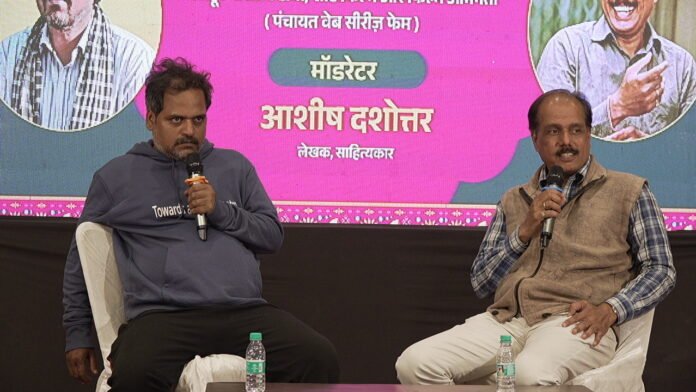
Ratlam, January 24-25, 2025 – The Malwa Media Fest 2025 witnessed a vibrant exchange of ideas, creativity, and cinematic passion, with actor Durgesh Kumar engaging in a compelling discussion on theatre, perseverance, and career clarity. The event, held in Ratlam, served as a platform for budding artists, media students, and theatre enthusiasts to interact with industry stalwarts and gain valuable insights into the world of performing arts.

A Walk Down Memory Lane

Durgesh Kumar, known for his impactful performances, reminisced about his early days in theatre and how his journey began in the very heart of Ratlam. Encouraging students to befriend books and embrace dedication, he emphasized that success is a product of relentless effort. Quoting his own experiences, he asserted, “There is no alternative to hard work.” To the delight of the audience, he also delivered his famous dialogue, “Dekh rahe ho Vinod.”

A Candid Conversation with Durgesh Kumar

In a candid interview, Durgesh Kumar shared his thoughts on acting, the struggles of the profession, and the importance of having a clear vision in life.

On Self-Reflection and Passion

When asked how he perceives himself, he humbly stated, “I see myself as a simple man. I don’t consider any of my achievements extraordinary. These young minds here inspire me. I have spent 25 years in acting and learning, and I believe in making books my best friends.”

On Struggles and Career Choices

Having started from a small town in Bihar and being an NSD alumnus with experience in over 35-40 theatre productions, Kumar spoke about the importance of clarity in career goals. “You must be certain about what you want in life. When I attempted the IIT entrance in 2001, I realized science and mathematics weren’t my calling. I was drawn to Hindi literature and acting. That clarity led me to pursue theatre, study at NSD, and eventually work in films.”

He emphasized that struggles shape an artist, adding that actors from smaller towns need to work harder to understand and master their craft.

On Theatre vs. Film Acting

Kumar acknowledged that both theatre and cinema have their unique approaches. “While scholars debate the differences, we practitioners understand that in cinema, we must adjust our performance for the camera. Theatre, on the other hand, allows for a grander expression. However, one need not necessarily do theatre to become an actor—it all depends on one’s journey and circumstances.”

On the Importance of Theatre for an Actor

Many actors continue to return to theatre even after establishing themselves in films. When asked about his views, Kumar said, “Theatre is a practice. It keeps the actor rooted. While I continue theatre, it isn’t necessary for everyone. But one thing is—read books!”

On Instant Fame vs. Perseverance

In an era where young aspirants seek overnight success, Kumar acknowledged the changing dynamics but urged patience. “Today’s youth is chasing instant fame, and I don’t question their choices. However, I have always believed in long-term learning. When I saw Manoj Bajpayee’s performance in Satya (1998), I was deeply inspired. I followed his journey, learned from his struggles, and applied that dedication to my career. Some people chase easy money, while others seek stability. You must decide your own path.”

On Nawazuddin Siddiqui’s Journey

Kumar expressed admiration for Nawazuddin Siddiqui, emphasizing his persistence and resilience. “He graduated from NSD in 1996 but achieved recognition only in 2012. That’s 16 years of perseverance! Success takes time, and patience is the key.”

On Dealing with Depression in the Industry

Mental health struggles are common in demanding professions. Kumar candidly admitted, “Depression affects everyone, regardless of field. Some acknowledge it, some seek medical help, and some don’t. I faced it too, but I consulted a doctor and took care of myself. If you want to pursue acting, remember—focus on learning, financial stability, and discipline.”

A Dream Role?

When asked about a dream role, Kumar enthusiastically replied, “I would love to portray a character like Gabbar Singh.”

A Lasting Impression

Durgesh Kumar’s journey from a small-town theatre enthusiast to a recognized actor left a profound impact on the audience. His words resonated deeply, inspiring young artists to embrace dedication, patience, and learning as their tools for success.

The Malwa Media Fest 2025 successfully brought together students, media professionals, and artists, fostering a creative space for learning and inspiration. The discussion with Durgesh Kumar was one of the many highlights, reaffirming that passion, persistence, and perseverance are the cornerstones of any artistic journey.

India’s Gulmarg is emerging as a Premier Skiing Destination

0

Nestled in the breathtaking Pir Panjal range of the Himalayas, Gulmarg has steadily carved a niche for itself as one of the world’s top skiing destinations. With its rich skiing history, world-class facilities, and picturesque landscapes, this charming hill town has become a winter paradise for adventure enthusiasts.

A Legacy of Skiing Excellence

Gulmarg’s tryst with skiing dates back to the early 20th century when British Army officers established the Ski Club of India in 1927. Back then, the destination gained immense popularity among the colonial elite, who reveled in the exhilarating sport against the backdrop of snow-clad peaks. However, post-independence, skiing saw a decline in the region, only to witness a remarkable resurgence in the 1960s with the establishment of the Indian Institute of Skiing and Mountaineering (IISM) in 1968. The institution played a pivotal role in rekindling interest in winter sports, offering structured training programs and producing skilled ski instructors.

The Game-Changer: Gulmarg Gondola

One of the defining moments in Gulmarg’s rise as a global skiing hub was the construction of the Gulmarg Gondola, one of the highest cable cars in the world. The first phase, completed in 1998, connected Gulmarg to Kongdoori, while the second phase, reaching the Apharwat Peak at an altitude of 4,390 meters, was completed in 2005. This infrastructure development opened up vast high-altitude terrains for skiing, making Gulmarg an attractive destination for both beginners and professional skiers. The availability of backcountry skiing and heliskiing further cemented its status as a premier ski resort.

A Unique Blend of Culture and Adventure

Beyond the adrenaline rush of skiing, Gulmarg offers a distinctive cultural experience that echoes the charm of classic European ski resorts like Chamonix. Unlike the modern ski destinations characterized by glitzy nightlife and social media glamour, Gulmarg preserves an old-world allure where camaraderie and shared experiences take center stage.

Local hoteliers emphasize the town’s deep-rooted skiing culture. “Here, the rhythm of the day revolves entirely around skiing,” notes a hotelier from the famed Highlands Park Hotel, known for its traditional après-ski ambiance. Skiers typically begin their day early, hitting the slopes by 9 AM, and continue until late afternoon. Evenings are spent in cozy lounges, where adventurers gather around warm fireplaces, sharing tales of their exhilarating runs over a drink. The night winds down early with dinner served by 8 PM, ensuring guests get ample rest for another day on the slopes.

The Future of Skiing in Gulmarg

As interest in adventure tourism continues to grow, Gulmarg is poised to become a global contender in the world of skiing. Efforts to enhance infrastructure, improve accessibility, and promote sustainable tourism are paving the way for its expansion. With its pristine slopes, thrilling descents, and a nostalgic charm that sets it apart, Gulmarg is not just a skiing destination—it is an experience like no other.

For thrill-seekers and winter sports lovers, Gulmarg is a must-visit destination that promises an unforgettable skiing adventure amid the spellbinding beauty of the Himalayas.

Lucky Bisht’s Journey from the Shadows of Espionage to the Spotlight of Cinema

0

The Malwa Media Fest, held in Ratlam on January 24th and 25th, 2025, provided a platform for some of the most intriguing discussions on security, cinema, and society. One of the most gripping sessions featured former RAW agent Lucky Bisht, who shared fascinating insights into the world of intelligence. While acknowledging that RAW agents remain unrecognized during their service, he emphasized that their selfless dedication earns them deep societal respect. Lucky Bisht also recounted his rigorous training in Israel and the overwhelming success of his bestselling book Raw Hitman, which gained immense popularity within just 21 days of its release. He used the session to inspire Indian youth to consider military service as a noble path of discipline and patriotism.

The Beginnings of a Spy

Hailing from the mountainous region of Uttarakhand’s Pithoragarh district, Lucky Bisht comes from a lineage of soldiers. His grandfather and father both served in the Indian Army, and his village has a strong tradition of military service, with 60% of its youth joining the armed forces. However, his journey into espionage was not premeditated.

“I had no idea what I wanted to do in life,” Lucky admitted. “I only knew that whatever I set my mind to, I would work hard to achieve it.”

While still in 11th grade, he received a letter offering him an opportunity in the armed forces. Initially reluctant due to the travel expenses, he was encouraged by his family to give it a try. Upon reaching the selection camp, he performed exceptionally well, particularly in physical tests. However, instead of the usual army recruitment process, he was quietly shortlisted for an intelligence service.

“At first, I was confused because I wanted to wear the army uniform,” he recalled. “But when they told me I’d get to wear all sorts of uniforms in this field, I realized this was something different.”

Thus began his secretive and grueling training, which took him to Israel for an intensive 26-week course. The experience was unlike anything he had imagined, pushing him beyond his limits. He recounted how, during parachute training, fear initially gripped him. However, once he took the leap, he understood that fear is temporary, but perseverance defines success.

Lucky Bisht's Journey from the Shadows of Espionage to the Spotlight of Cinema

The Silent Warriors and the Power of Karma

One of the session’s most thought-provoking moments was when Lucky spoke about the unsung nature of espionage work.

“In our line of duty, recognition is not an option,” he stated. “Unlike soldiers who receive medals and public honors, spies remain invisible. But we don’t work for fame; we work for the security of the nation.”

Despite the anonymity, Lucky remains convinced that service to the country is its own reward. He encouraged Indian youth to consider military service, not just for career prospects but for the discipline and character-building it offers.

A Brush with Adversity

In 2011, Lucky’s life took an unexpected and challenging turn when he was falsely accused of a double murder involving a prominent gangster. He was imprisoned for over three years, enduring the hardships of 11 different jails across India.

Refusing to succumb to despair, he meticulously studied his charge sheet, identifying 72 crucial points that ultimately contributed to his acquittal. On March 11, 2015, he was released, and three years later, in March 2018, his name was officially cleared.

Emerging stronger from the ordeal, he rejoined the Special Forces in 2018 and continued his service until 2019. However, destiny had another plan for him.

From the Shadows to the Silver Screen

After concluding his tenure in the intelligence world, Lucky Bisht ventured into the entertainment industry as a writer. Drawing from his experiences, he crafted three web series and a film, which quickly gained recognition. His presence on social media also skyrocketed, earning him a loyal following of over 1.2 million.

When asked about the accuracy of films based on espionage, he acknowledged that while filmmakers strive for realism, cinema ultimately requires creative liberties. “Post-COVID, the film industry has changed significantly due to the rise of OTT platforms,” he explained. “People now have access to a variety of content, which will encourage the creation of more authentic narratives in the future.”

An Unfinished Legacy

Lucky Bisht’s journey is far from over. From the rugged terrains of Uttarakhand to the classified corridors of intelligence agencies, from a jail cell to the glamorous world of Bollywood, his life is a testament to resilience, courage, and adaptability. His message to the youth remains clear: “Whatever field you choose, strive to be the best at it.”

Through his story, he continues to inspire generations, proving that success is not about how many times one falls but about the determination to rise each time.

Thaipusam Festival Celebrated in Malaysia – The Second Largest Hindu Festival

0

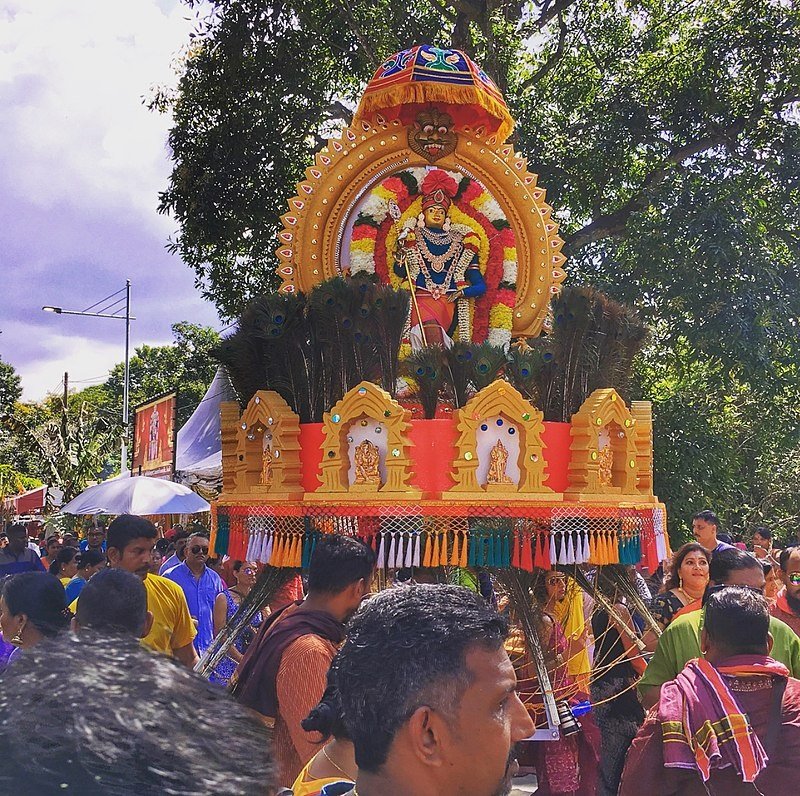
The grand celebration of the Thaipusam festival took place in Malaysia on Tuesday, attracting thousands of devotees. Hindu worshippers gathered at the Sri Subramaniar Swamy Temple, located within the famous Batu Caves, to offer prayers to Lord Murugan. Lord Murugan, also known as Kartikeya, is the son of Lord Shiva and Goddess Parvati. The festival symbolizes the triumph of good over evil.

According to Hindu beliefs, Goddess Parvati bestowed divine power upon Lord Murugan on this day, instructing him to defeat the demon Tarakasura and his army. The festival is observed on the full moon day of the Tamil month ‘Thai.’

Thaipusam Festival Celebrated in Malaysia – The Second Largest Hindu Festival

During Thaipusam, thousands of devotees undertake a pilgrimage to Batu Caves, carrying ‘kavadi’—an offering that signifies devotion and penance. Many carry pots filled with milk, while others perform extreme acts of devotion, such as piercing their cheeks, tongues, and backs with spears and hooks. These acts symbolize endurance, self-discipline, and spiritual resilience.

Thaipusam is the second largest Hindu festival in Malaysia, following Deepavali. The country acknowledges the significance of this festival by declaring it a public holiday. It is primarily celebrated by the Tamil community in Malaysia, reinforcing their cultural heritage and religious traditions.