Home Blog Page 392

World Radio Day 2025: Theme, History, Significance, and Fascinating Facts

0

World Radio Day 2025 is an occasion to celebrate the enduring influence of radio in shaping communication, entertainment, and global awareness. As one of the most powerful and accessible forms of mass media, radio has been a reliable source of information for over a century. Observed annually on February 13, World Radio Day was established by UNESCO in 2011 and later adopted by the United Nations General Assembly in 2012 as an International Day.

This day serves as a global platform to promote freedom of expression, media pluralism, and international collaboration among broadcasters. It also reinforces the importance of radio in providing information, especially during crises and emergencies.

World Radio Day 2025: Theme

The theme for World Radio Day 2025 is “Radio and Climate Change”, highlighting radio’s role in raising awareness about environmental challenges. As climate change becomes a pressing global concern, radio remains a powerful medium for educating the public, amplifying climate activism, and promoting sustainable practices.

This year’s theme encourages radio broadcasters worldwide to focus on:

  • Disseminating accurate climate-related information.
  • Amplifying voices advocating for sustainability.
  • Encouraging eco-friendly practices through engaging content.

World Radio Day 2025: History

Radio technology has been in use since the late 19th century, evolving into a crucial tool for communication and entertainment. Although radio broadcasting in India began in the early 20th century, it took time to gain widespread popularity.

Recognizing radio’s impact, UNESCO declared World Radio Day in 2011, and the United Nations General Assembly officially endorsed it in 2012. The first celebration took place on February 13, 2012, to coincide with the anniversary of United Nations Radio, which was established in 1946.

Since then, February 13 has been dedicated to celebrating radio’s role in connecting communities, ensuring freedom of expression, and serving as a critical source of information during emergencies.

World Radio Day 2025: Significance

Despite the rise of television, digital platforms, and smartphones, radio continues to be a resilient and influential medium. It plays a vital role in:

  • Providing real-time information—especially in remote areas and crisis situations.
  • Fostering community engagement through local and community radio stations.
  • Bridging cultural divides by promoting diverse perspectives and languages.
  • Serving as an educational tool, particularly in rural regions.
  • Being an affordable and accessible medium for millions worldwide.

Radio remains a lifeline during natural disasters, ensuring timely updates even when other communication channels fail. It also promotes public service broadcasting, giving voice to underrepresented communities.

World Radio Day 2025: Interesting Facts

  • Guglielmo Marconi sent the first successful radio transmission in 1895.
  • India’s radio broadcasting history dates back to the early 1920s.
  • The Radio Club of Bombay conducted India’s first radio broadcast in June 1923.
  • All India Radio (AIR) aired its first-ever news bulletin on January 19, 1936.
  • Akashvani, India’s first radio station, later became the on-air name of All India Radio (AIR) in 1957.

Summing Up

As the world commemorates World Radio Day 2025, it’s a moment to acknowledge radio’s indispensable role in shaping public discourse, promoting inclusivity, and driving social change. Whether it’s delivering news, preserving cultures, or advocating for a greener planet, radio continues to be a timeless medium that informs, entertains, and connects people across the globe.

On this World Radio Day, tune in, stay informed, and celebrate the power of radio!
What is Morand-Ganjal Irrigation Project?

0

The National Tiger Conservation Authority (NTCA) has expressed serious concerns over the Morand-Ganjal Irrigation Project in Madhya Pradesh, citing its potential impact on vital tiger habitats. The proposed project threatens ecological corridors that connect the Satpura and Melghat Tiger Reserves, crucial for tiger movement and genetic diversity. The NTCA has urged authorities to explore alternative locations to balance development with conservation.

Project Overview

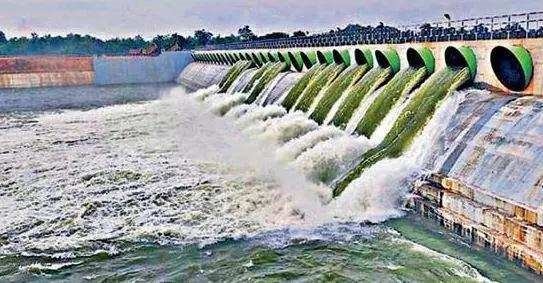
The Morand-Ganjal Irrigation Project aims to improve irrigation facilities across 211 villages in the districts of Hoshangabad, Betul, Harda, and Khandwa. Initially proposed in 1972, the project received government approval in 2017. It involves constructing dams on the Morand and Ganjal rivers, which will lead to the submergence of over 2,250 hectares of forest land.

Impact on Tiger Habitats

The NTCA’s evaluation highlights the ecological sensitivity of the project site, which serves as a critical tiger-occupied habitat. The submergence of forest areas will disrupt essential wildlife corridors, hindering the natural movement of tigers between the Satpura and Melghat Tiger Reserves. This loss of connectivity poses a significant risk to genetic exchange and population stability, potentially leading to long-term adverse effects on tiger conservation.

Threat to Tiger Recovery Efforts

Both Satpura and Melghat Tiger Reserves have been witnessing a gradual recovery of tiger populations, largely due to successful voluntary village relocations aimed at reducing human-wildlife conflict. The NTCA warns that fragmentation of the habitat caused by the irrigation project could reverse these conservation gains.

Socio-Economic and Environmental Concerns

Beyond its impact on wildlife, the project is set to displace over 600 members of the indigenous Korku tribal community, leading to loss of livelihood and cultural displacement. The submerged areas are not only critical for tiger conservation but also support diverse flora and fauna, contributing to the region’s overall biodiversity.

NTCA’s Recommendations

The NTCA has strongly recommended that authorities consider alternative sites for the project that are less ecologically sensitive. It emphasizes the need for a development model that prioritizes biodiversity conservation while addressing irrigation needs. Sustainable solutions should be explored to ensure that progress does not come at the cost of India’s wildlife heritage.

Summing Up

As India continues to balance development and environmental conservation, projects like the Morand-Ganjal Irrigation initiative highlight the challenges in preserving tiger habitats while meeting agricultural needs. The government’s decision on this matter will be crucial in determining the future of wildlife conservation efforts in the region.

Gross Domestic Knowledge Product (GDKP): A New Metric for India’s Knowledge Economy

0

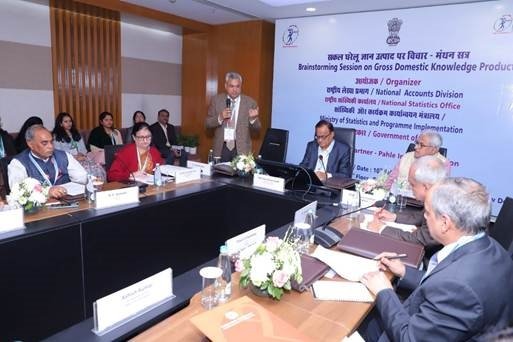
The Government of India has revived a proposal to introduce the Gross Domestic Knowledge Product (GDKP), a metric designed to supplement the traditional Gross Domestic Product (GDP). This initiative, spearheaded by the Ministry of Statistics and Programme Implementation (MoSPI), aims to quantify the impact of knowledge-driven sectors on economic growth. By incorporating intellectual and innovative contributions into economic assessments, GDKP seeks to provide a more comprehensive understanding of the nation’s progress.

What is GDKP?

GDKP is a novel concept that seeks to measure the contributions of knowledge, innovation, and intellectual assets to the economy. Unlike GDP, which primarily accounts for tangible goods and services, GDKP acknowledges the immense value generated by knowledge-based industries such as research, technology, education, and intellectual property. This approach aims to create a more nuanced perspective on economic dynamics, recognizing that knowledge plays a crucial role in national development.

Historical Context

The idea of GDKP was first introduced in 2021 by NITI Aayog. However, at the time, concerns were raised regarding the feasibility of developing a standardized methodology for data collection. The National Statistical Commission expressed reservations about the subjective nature of measuring knowledge contributions, leading to a temporary halt in progress. Now, with renewed interest, MoSPI is actively working to develop a structured framework to implement GDKP effectively.

Recent Developments

In a recent session organized by MoSPI, Principal Scientific Advisor Ajay Kumar Sood emphasized the importance of adopting a knowledge-centric approach to economic measurement. The ministry is now focused on addressing the challenges of quantifying knowledge-driven activities, ensuring that GDKP serves as a reliable and meaningful economic indicator.

Methodological Challenges

Developing a robust framework for GDKP presents several challenges:

  • Lack of Established Metrics: Unlike GDP, which has clear measurement parameters, there is no universally accepted method to capture the value of knowledge contributions.
  • Identifying Relevant Parameters: Determining which aspects of the knowledge economy—such as patents, research output, digital transformation, and education—should be included remains a complex task.
  • Data Availability and Collection: Much of the knowledge-related data is currently unstructured or scattered across various sectors. Measuring intangible assets requires extensive surveys and subjective assessments.
  • Overlap with GDP: Some knowledge-based economic activities are already accounted for under traditional GDP calculations. A structured approach is needed to differentiate and systematically track knowledge contributions.

Satellite Account Approach

To address these challenges, MoSPI is considering a “satellite account” approach. This method involves creating a supplementary accounting system to track specific economic activities separately from the main GDP framework. Similar satellite accounts exist for tourism, culture, and the ocean/blue economy. Applying this approach to GDKP would allow for a focused evaluation of knowledge-based contributions without disrupting conventional economic metrics.

Technical Committee Formation

MoSPI plans to establish a technical committee responsible for evaluating the feasibility of GDKP and guiding the measurement process. This committee will collaborate with various ministries, research institutions, and industry experts to refine the framework and ensure a balanced representation of knowledge-driven sectors.

Summing Up

The introduction of GDKP represents a significant step toward acknowledging the role of knowledge and innovation in economic development. While challenges remain in defining and implementing a standardized measurement system, the initiative holds great potential to reshape how national progress is assessed. As MoSPI advances its efforts, GDKP could become a pioneering model for countries worldwide looking to integrate knowledge economies into their economic frameworks.

Earth’s Inner Core Dynamics: Unveiling the Secrets of Our Planet’s Heart

0

Recent studies have revealed that Earth’s inner core is less stable than previously thought. Research published in the journal Nature Geoscience suggests that structural changes may be occurring within the inner core, potentially affecting its rotation and even influencing the length of a day. These discoveries challenge long-standing assumptions about Earth’s deep interior and highlight the complex interactions between the inner and outer core.

Understanding Earth’s Internal Structure

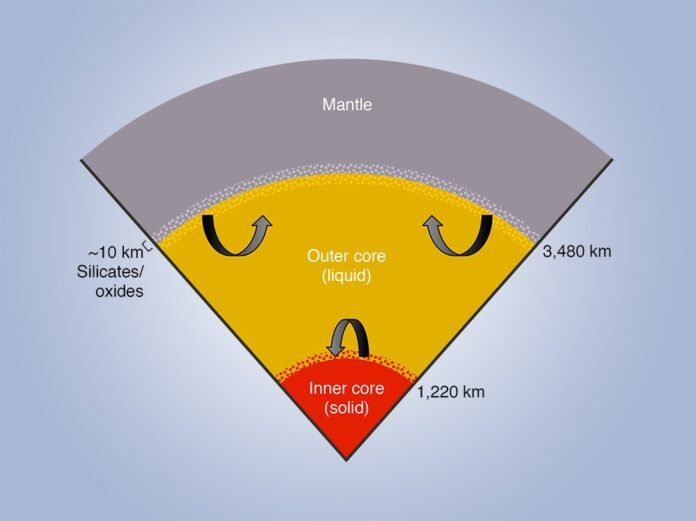
The Earth consists of multiple layers, each playing a crucial role in the planet’s geodynamics:

  • Crust: The outermost layer, where all life exists.
  • Mantle: Located beneath the crust, this semi-solid layer drives tectonic movements.
  • Outer Core: A molten, iron-rich layer responsible for generating Earth’s magnetic field.
  • Inner Core: A solid sphere of iron and nickel, previously considered stable and rigid.

While the turbulence in the outer core has long been acknowledged, its impact on the inner core was believed to occur over vast geological timescales. However, new findings suggest that these interactions may be happening on much shorter, human-relevant timescales.

The Outer Core’s Influence on the Inner Core

The outer core’s turbulent nature has been extensively studied, but recent research indicates that its disturbances may be actively disrupting the inner core’s stability. This challenges the long-held notion that the inner core remains largely unchanged over millennia. Instead, it appears that the dynamic interactions between these layers may be altering the structure of the inner core in real time.

Seismic Waves: Peering into the Earth’s Core

Scientists have relied on seismic waves to investigate Earth’s deep interior. These waves, generated by earthquakes, travel through different layers of the Earth and provide valuable insights, much like medical CT scans reveal the internal structures of the human body. Using highly sensitive instruments called seismometers, researchers have captured seismic wave data to analyze the changing nature of the inner core.

Insights from Repeating Earthquakes

The study focused on data from 121 repeating earthquakes recorded near Antarctica’s South Sandwich Islands between 1991 and 2024. Because these earthquakes originated from the same location, scientists were able to detect subtle changes in the behavior of seismic waves over time. Anomalies in these waveforms suggested unexpected structural shifts within the inner core, prompting further investigation.

Structural Changes in the Inner Core

The findings suggest that the surface of the inner core is undergoing structural modifications. One possible explanation is viscous deformation, a process where solid materials gradually flow under stress—similar to how honey slowly spreads when poured. This discovery indicates that the inner core may not be as rigid as previously believed, but rather a dynamic, evolving structure.

Implications for Earth’s Rotation and Geophysical Processes

Understanding the intricate relationship between the inner and outer core is vital for grasping Earth’s geophysical processes. These changes could have significant implications, including:

  • Alterations in Earth’s Rotation: Variations in the inner core’s dynamics may subtly impact the planet’s rotational speed and, consequently, the length of a day.
  • Advancements in Geophysical Studies: A deeper comprehension of the core’s behavior could enhance our understanding of Earth’s magnetic field and its long-term evolution.
  • Potential Insights into Planetary Science: Studying Earth’s core may also offer clues about the internal structures of other planetary bodies.

Summing Up

The discovery that Earth’s inner core is more dynamic than previously assumed reshapes our understanding of the planet’s deep interior. With ongoing advancements in seismic research, scientists are gradually uncovering the mysteries of Earth’s core, paving the way for future breakthroughs in geophysics and planetary science. As research continues, we may soon unlock even more secrets hidden within the heart of our planet.

The Living Theatre: An Enchanting Evening of Art, Cinema, and Storytelling

0

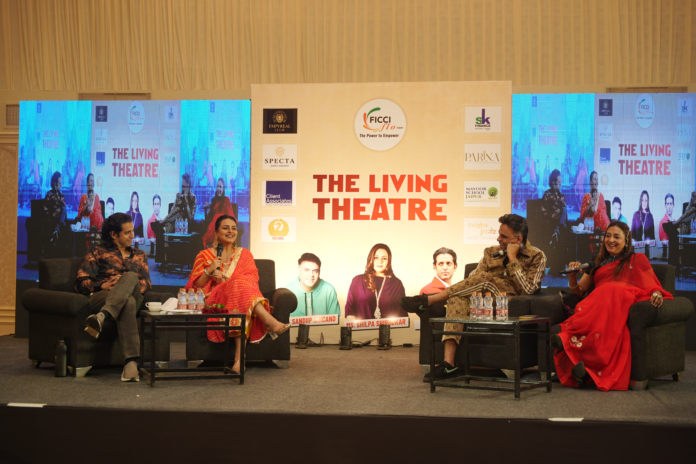
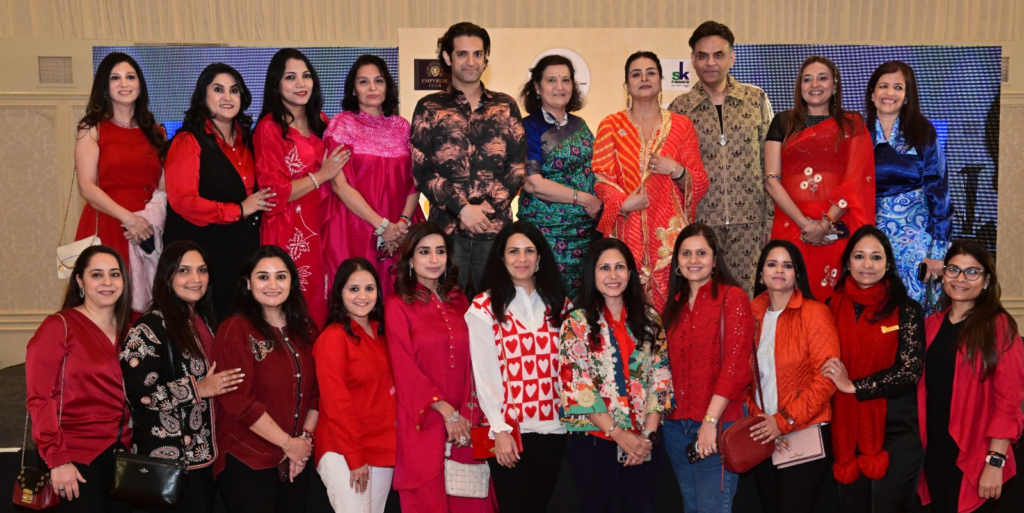
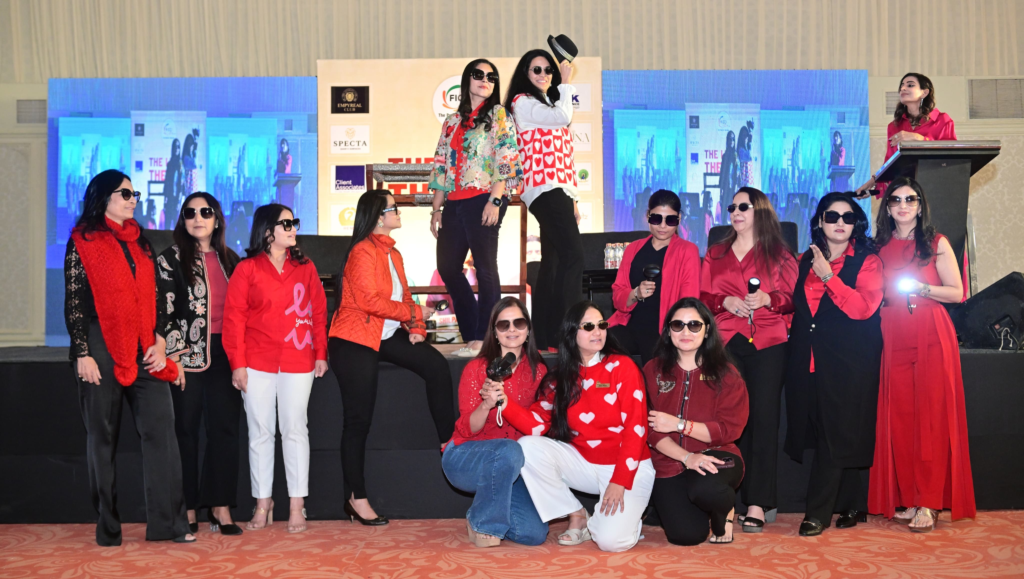
The Living Theatre, an extraordinary celebration of storytelling, theatre, and television, was hosted by Ms. Raghushree Poddar, Chairperson of FICCI FLO Jaipur Chapter (2024-25) at Jai Mahal Palace, Jaipur. The event brought together eminent personalities from the entertainment industry who shared their journeys, experiences, and insights, offering a captivating glimpse into the evolving landscape of theatre, television, and cinema.

The Living Theatre: An Enchanting Evening of Art, Cinema, and Storytelling

The evening commenced with a theatrical performance by the students of Mayoor School, Jaipur, setting the stage for an immersive experience in drama and storytelling. The event was further enhanced by a stunning display of craftsmanship, as Parina International and Tvisha Jewlz presented their exquisite jewellery collections, while Opulent Jaipur showcased a breathtaking array of silver artifacts, adding an artistic touch to the ambiance.

The highlight of the evening was an engaging discussion featuring an esteemed panel of industry stalwarts:

  • Sandiip Sikcand, the creative force behind hit television shows like Yeh Hai Mohabbatein and a key figure in launching the first season of Bigg Boss in 2006.
  • Ms. Shilpa Shirodkar, a celebrated Bollywood actress known for iconic films such as Kishen Kanhaiya and Khuda Gawah, and recently seen as one of the top six contestants on Bigg Boss 18.
  • Mr. Sid Makkar, a versatile performer with a career spanning Bollywood and Hollywood, known for his roles in The Best Exotic Marigold Hotel and Sense8 Season 2.
The Living Theatre: An Enchanting Evening of Art, Cinema, and Storytelling

Insights into the Evolution of Storytelling

The discussion delved into the transformation of entertainment over the years.

Sandiip Sikcand spoke about the evolving television landscape, from traditional daily soaps to digital series, and how audiences’ preferences have shifted, driving innovation in storytelling.

Shilpa Shirodkar reminisced about Bollywood’s golden era, her transition from films to television, and the changing portrayal of women in cinema. She also shared her experiences from Bigg Boss 18, calling it one of the most intense yet enlightening journeys of her career. Sid Makkar offered insights into global cinema, sharing his experiences of working in international productions. He highlighted how storytelling remains a universal art, transcending cultural barriers.

The audience was enthralled by personal anecdotes, behind-the-scenes stories, and thought-provoking discussions on theatre’s enduring influence in shaping artists and narratives.

A Special Address and Gratitude to Sponsors

Following the talk show, Mr. Gaurav Bardiya from Empyreal Club, one of the event’s sponsors, shared insights into his brand, highlighting its vision and offerings.

As a token of appreciation, gifts were presented to the esteemed guests by Ms. Neeta Boochra, Founder of FICCI FLO Jaipur Chapter, along with the event’s sponsors.

A Memorable Evening of Art and Expression

The evening concluded on a heartwarming note, filled with love, laughter, and a newfound appreciation for the world of theatre. Attendees left inspired, carrying with them a deeper understanding of storytelling’s power and its profound impact on entertainment and culture.

Valentine’s Day 2025: Do’s And Don’ts For A Perfect Love Day Celebration

0

Valentine’s Day is a cherished occasion celebrated globally on February 14, dedicated to expressing love, affection, and appreciation. While often associated with romantic couples, it’s also a time to show gratitude to friends, family, and loved ones. People mark the occasion with heartfelt messages, gifts, and quality time, emphasizing the importance of nurturing relationships, spreading kindness, and valuing meaningful connections.

Do’s and Don’ts for Valentine’s Day Gifting

Gift-giving is a beautiful tradition on Valentine’s Day, but selecting the perfect present requires thought and effort. An impersonal or rushed gift might not convey the intended message, making it essential to choose something meaningful. Here’s a guide to ensure your gift is well-received and cherished.

The Do’s

Make It Personal: A thoughtful gift reflects effort and sentiment. Pay attention to their interests—whether it’s a customized piece of jewelry, a handwritten note, or a book they love. Adding personal touches makes the gift unforgettable.

Plan Ahead: Avoid the last-minute rush by shopping early. Meaningful gifts take time to choose, and planning ensures you find something truly special.

Consider Their Interests and Hobbies: Choose a gift that aligns with your partner’s personality. If they’re into music, concert tickets would be a great surprise; if they love art, a DIY craft or a painting would feel personal. Tailoring the gift to their passions makes it even more special.

Focus on Experiences Over Material Gifts: Sometimes, the best gift is an experience you can enjoy together. Plan a romantic dinner, a weekend getaway, or even a fun activity like a couple’s spa day to make the day truly memorable.

Present Your Gift with Thoughtfulness: How you present the gift matters as much as the gift itself. Beautiful wrapping, a heartfelt note, or a surprising element can elevate even a simple present, making it feel extra special.

The Don’ts

Avoid Thoughtless or Generic Gifts: Skipping personalization can make your gift feel impersonal or cliché. Instead of random chocolates, stuffed animals, or generic cards, put effort into choosing something meaningful.

Don’t Overspend Just to Impress: Expensive gifts don’t necessarily hold more value. It’s the thought behind the gift that truly matters. A heartfelt, meaningful present is always better than an extravagant but impersonal one.

Don’t Ignore Timing and Presentation: Timing plays a crucial role in creating a memorable moment. Presenting a gift too late or in an awkward setting can diminish its impact. Choose the right time and place for the best experience.

Avoid Gifts That Don’t Suit Their Preferences: Just because you love something doesn’t mean they will. Be mindful of their taste when selecting gifts like perfume, clothes, or accessories, ensuring they align with their style and preferences.

Don’t Rely on Last-Minute Shopping: Rushing to buy a gift at the last moment often leads to poor choices. Planning ahead allows you to find something thoughtful and well-suited for your loved one.

Final Thoughts

Valentine’s Day is an opportunity to celebrate love and appreciation with meaningful gifts and heartfelt gestures. A carefully chosen present, combined with personal touches and genuine thoughtfulness, can make your loved one feel truly special. By following these do’s and don’ts, you can ensure that your Valentine’s Day gift is cherished and remembered, making the celebration even more magical.

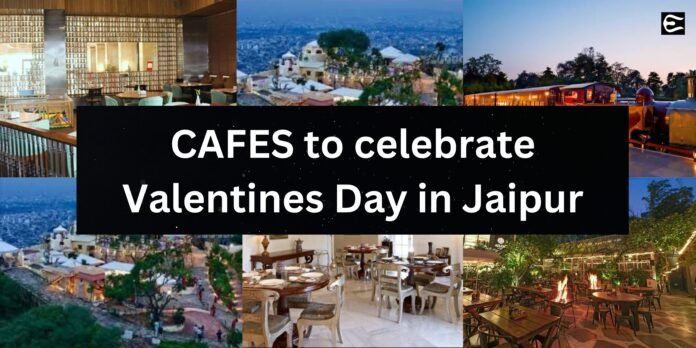
Cafes to visit on Valentine’s Day 2025 in Jaipur

0

Jaipur, the enchanting Pink City, offers couples a dreamy setting to celebrate love this Valentine’s Day. Whether you’re looking for a royal dining experience, a cozy café date, or a mesmerizing rooftop dinner, Jaipur has a wealth of options to make your day truly special. From the historical ambiance of Amer Fort to the charming rooftop views of Nahargarh, here are the best places to celebrate Valentine’s Day 2025 in Jaipur.

Top Romantic Spots in Jaipur for Valentine’s Day

1. Wind View Café

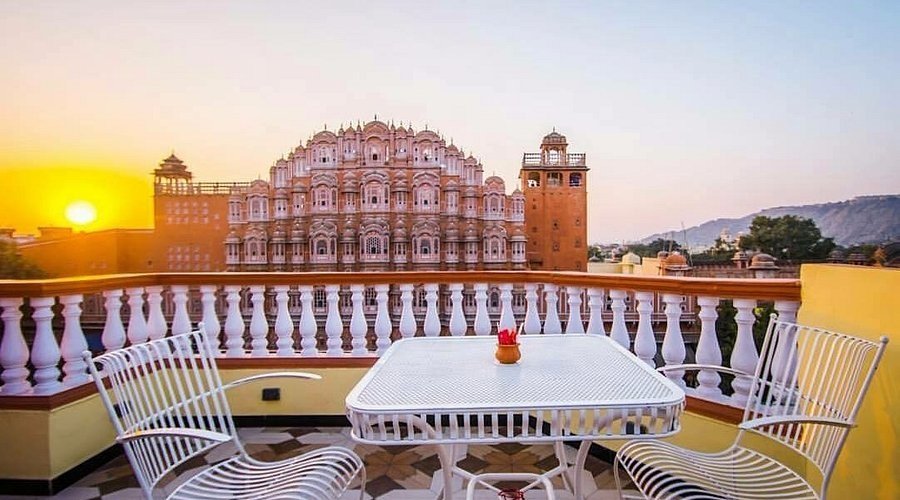
Located near Hawa Mahal, this rooftop café is a paradise for couples seeking a picturesque date. Enjoy a romantic meal while overlooking Jaipur’s skyline, with the gentle breeze adding to the charm.

Cafes to visit on Valentine's Day 2025 in Jaipur

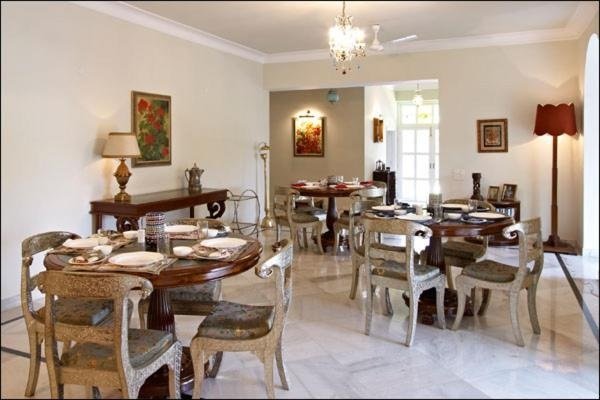
2. Bar Palladio, Jaipur

Situated within Narain Niwas Palace, Bar Palladio is famous for its signature blue interiors and Italian cuisine. The grandeur of the palace combined with exquisite dishes creates a magical dining experience for couples.

Cafes to visit on Valentine's Day 2025 in Jaipur

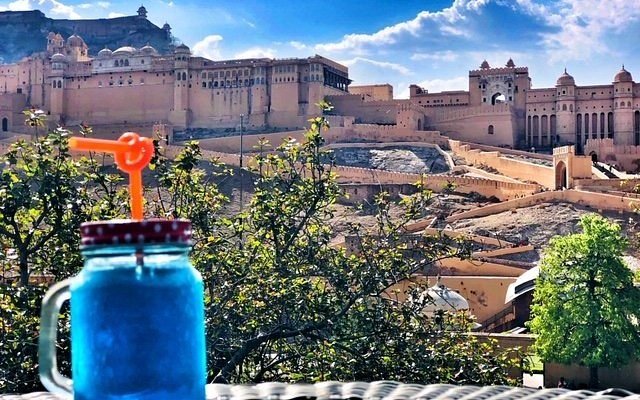
3. 1135 AD, Amer Fort

For those who wish to experience a royal dinner, 1135 AD inside Amer Fort offers an ambiance reminiscent of regal times. Dine like royalty amidst historic architecture and traditional Rajasthani flavors.

Cafes to visit on Valentine's Day 2025 in Jaipur

4. Zolocrust, Hotel Clarks Amer

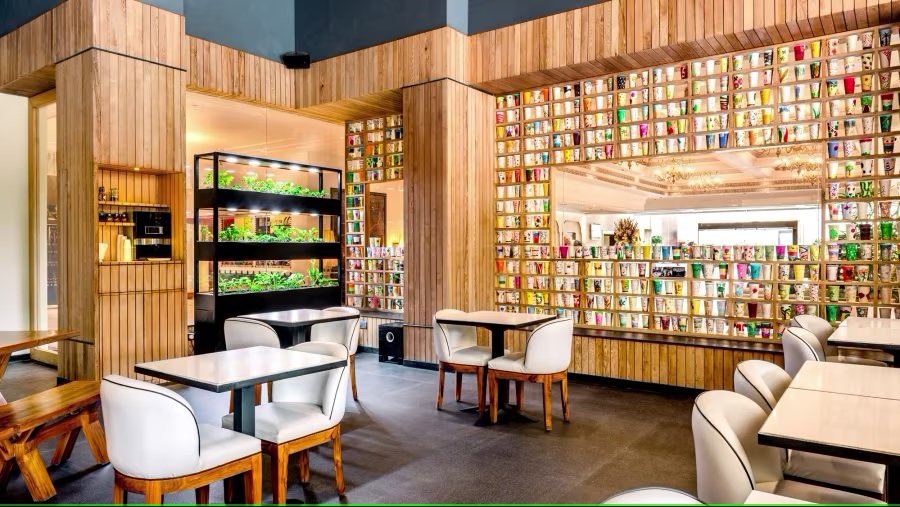
A cozy and artistic café, Zolocrust provides an intimate setting where couples can enjoy a blend of creativity and culinary delights. The relaxed ambiance makes it a great spot for a laid-back yet romantic evening.

Cafes to visit on Valentine's Day 2025 in Jaipur

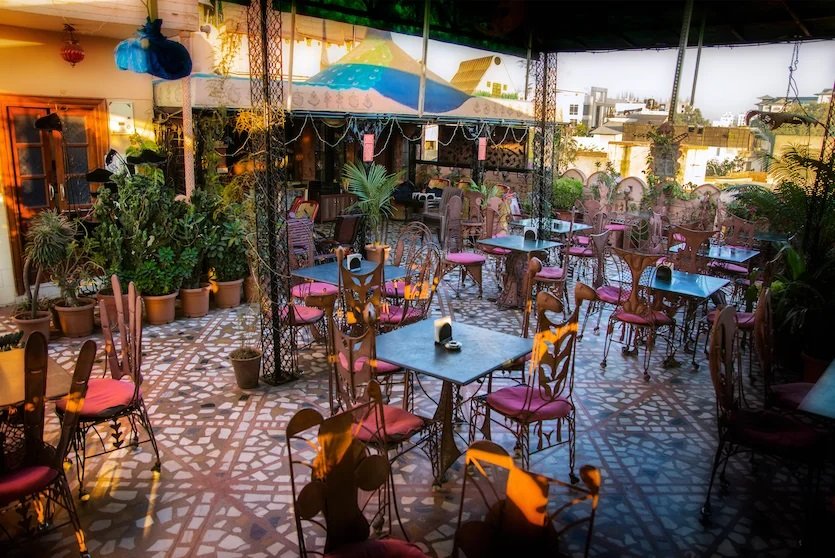
5. Peacock Rooftop Restaurant

With breathtaking views of Nahargarh Fort, this rooftop restaurant sets the stage for a romantic night under the stars. The delightful menu complements the beautiful surroundings, making it an ideal choice for a Valentine’s dinner.

Cafes to visit on Valentine's Day 2025 in Jaipur

6. Sky Beach Rooftop Lounge

Offering a beach-like ambiance with sandy floors and a starlit sky, Sky Beach Rooftop Lounge in C Scheme creates a magical setting for a dreamy Valentine’s celebration.

Cafes to visit on Valentine's Day 2025 in Jaipur

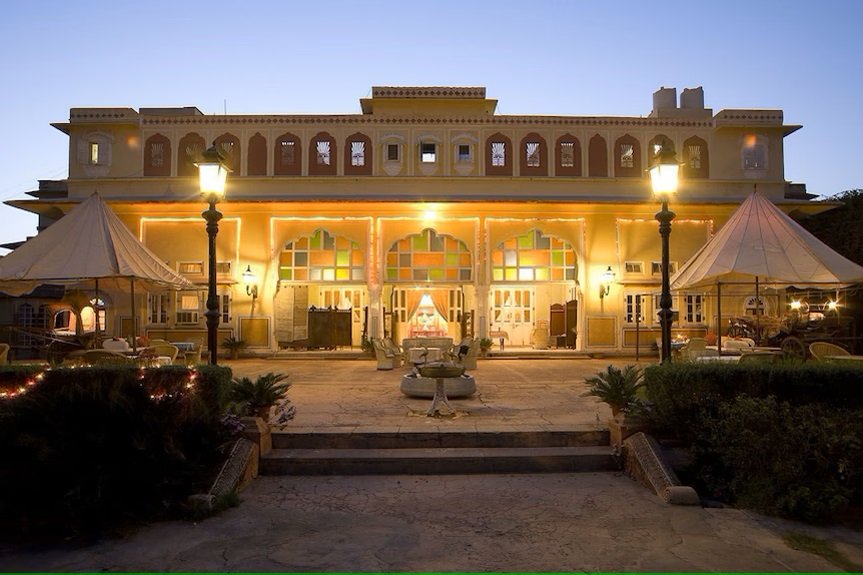
7. Club Naila Bagh Palace

Experience the charm of a heritage palace at Naila Bagh. With its royal setting and luxurious ambiance, this venue is perfect for couples who appreciate history and romance.

Cafes to visit on Valentine's Day 2025 in Jaipur

8. Café Bae

Located in C Scheme, Café Bae is a cozy retreat where lovebirds can enjoy delicious desserts and an intimate atmosphere. The inviting ambiance makes it perfect for a sweet Valentine’s date.

Cafes to visit on Valentine's Day 2025 in Jaipur

9. Steam at Rambagh Palace

For couples looking for an elegant and luxurious evening, Steam at Rambagh Palace offers a steam-engine-themed restaurant with an old-world charm. Indulge in fine dining within the grandeur of Jaipur’s royal heritage.

Cafes to visit on Valentine's Day 2025 in Jaipur

10. The Stag Rooftop Restro Café & Lounge

Overlooking the iconic Albert Hall Museum, The Stag Rooftop provides a relaxed and scenic ambiance. Ideal for couples who enjoy a casual yet stunning backdrop for their date.

Cafes to visit on Valentine's Day 2025 in Jaipur

11. Jaipur Adda

For a vibrant and lively atmosphere, Jaipur Adda is a fantastic choice. The rooftop restaurant offers delectable food and an upbeat vibe, making it a great spot for young couples.

Cafes to visit on Valentine's Day 2025 in Jaipur

12. Art Café by Barwara House

A paradise for art lovers, this café blends creative expression with delightful cuisine. Couples can enjoy artistic surroundings while indulging in a romantic meal.

Cafes to visit on Valentine's Day 2025 in Jaipur

13. The Forresta Kitchen & Bar

Nestled amidst lush greenery, this open-air restaurant offers a tranquil setting for a candlelit dinner. Perfect for couples seeking a nature-inspired dining experience.

Cafes to visit on Valentine's Day 2025 in Jaipur

14. Padao Restaurant, Nahargarh Fort

Located at the top of Nahargarh Fort, Padao provides an unparalleled view of Jaipur. The elevated location, combined with delicious food, creates a fairytale-like setting for a special evening.

Cafes to visit on Valentine's Day 2025 in Jaipur

15. Anokhi Café

Tucked inside Anokhi Museum, this serene café offers a peaceful environment with organic and wholesome food. Ideal for couples who prefer a quiet and intimate setting.

Cafes to visit on Valentine's Day 2025 in Jaipur

Summing Up

Jaipur offers an array of romantic destinations to make your Valentine’s Day unforgettable. Whether you prefer an elegant dinner, a cultural retreat, or a relaxed café experience, the Pink City has the perfect spot for every couple. Choose your ideal venue and celebrate love in one of India’s most enchanting cities.

Arabian Leopard: A Majestic Return to Dhofar

0

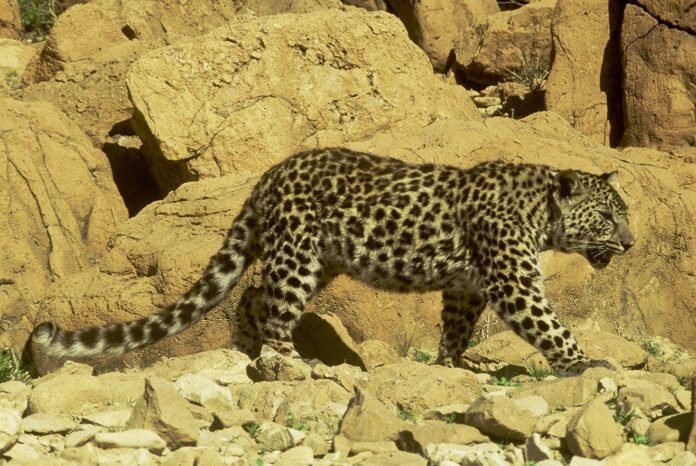
The Arabian leopard, a critically endangered subspecies, has made a remarkable return to the Nejd plateau in Dhofar, Oman. This resurgence was highlighted in a study published on World Arabian Leopard Day, February 10, 2025. The species, once teetering on the brink of extinction due to habitat loss, poaching, and human conflict, now has a glimmer of hope for its survival.

About the Arabian Leopard

The Arabian leopard (Panthera pardus nimr) is native to the Arabian Peninsula and was once widespread across the region. However, it now occupies only a small fraction of its former range, with an estimated population of just 100-120 individuals, primarily in Dhofar.

  • Distinct Features: Smaller than other leopard subspecies, the Arabian leopard has unique markings that distinguish it from its counterparts.
  • Diet and Hunting: These solitary hunters primarily prey on small animals such as gazelles and hares, playing a crucial role in maintaining ecosystem balance.

Threats to Survival

The Arabian leopard faces numerous threats that jeopardize its existence:

  • Urbanization: Rapid urban expansion leads to habitat fragmentation, leaving limited space for the leopards to thrive.
  • Farming and Overgrazing: Agricultural activities reduce natural prey availability and disrupt ecosystems.
  • Poaching and Illegal Wildlife Trade: The demand for leopard fur and bones fuels illegal hunting, posing a significant risk to the species.
  • Human-Leopard Conflict: As human settlements expand, encounters with leopards increase, often resulting in fatal consequences for the animals.

Conservation Efforts

Efforts to protect the Arabian leopard involve a combination of strategies aimed at ensuring its survival:

  • Habitat Protection: Preserving and expanding natural habitats is critical for the leopards’ long-term viability.
  • Restoration of Prey Populations: Conservationists are working to replenish dwindling prey species, ensuring the leopards have a sustainable food source.
  • Education and Awareness: Public engagement initiatives help reduce human-leopard conflicts and promote coexistence.
  • Legal Protection: Strengthening and enforcing wildlife laws is essential to combat poaching and illegal trade.
  • Captive Breeding Programs: Specialized breeding efforts aim to boost population numbers and reintroduce leopards into the wild.
  • Collaborative Initiatives: Governments, NGOs, and local communities must work together to create effective conservation policies.

Future Outlook

The return of the Arabian leopard to Dhofar signals a positive step toward its conservation. Ongoing initiatives, coupled with global support, provide hope for the species’ recovery. Local community involvement and stringent law enforcement will be instrumental in ensuring a future where the Arabian leopard thrives in its natural habitat.

Lumpy Skin Disease Vaccine Biolumpivaxin Approved

0

Lumpy Skin Disease (LSD) has emerged as a significant threat to cattle health and the dairy industry in India. The recent approval of Biolumpivaxin, a vaccine developed by Biovet, marks a major milestone in the fight against this disease. This groundbreaking vaccine is the world’s first Differentiating Infected from Vaccinated Animals (DIVA) marker vaccine, designed to enhance disease surveillance and improve the management of infected and vaccinated cattle.

Understanding Lumpy Skin Disease

Lumpy Skin Disease is a viral infection that affects cattle and buffaloes, leading to severe health and economic consequences.

  • Symptoms: The disease manifests through skin nodules, fever, and swollen lymph nodes, severely impacting the health of affected animals.
  • Transmission: The virus spreads primarily through vector bites from insects such as mosquitoes and ticks.
  • Economic Impact: LSD has caused a drastic decline in milk production and mobility issues in cattle, resulting in significant financial losses for the dairy sector.
  • Mortality Rate: Over the past two years, approximately 200,000 cattle have succumbed to LSD, with total economic losses exceeding Rs 18,337.76 crores.

Biolumpivaxin – A Revolutionary Vaccine

Biolumpivaxin is a pioneering vaccine with distinct advantages:

  • DIVA Technology: It allows for differentiation between naturally infected and vaccinated animals, aiding in precise disease management and surveillance.
  • Production Capacity: Manufactured at Biovet’s advanced facility in Mallur, Karnataka, with an annual capacity of 500 million doses.
  • Dosage Requirements: A single dose per year is sufficient for cattle and buffaloes above three months old.

Development and Testing

Biolumpivaxin underwent extensive testing to ensure its safety and effectiveness:

  • Testing Institutions: The vaccine was rigorously tested at the Indian Council of Agricultural Research-National Research Centre on Equines (ICAR-NRCE) and the Indian Veterinary Research Institute (IVRI).
  • Safety Standards: It has been proven safe for all animal groups, including pregnant and lactating females, ensuring broad applicability.

Impact on the Dairy Industry

The introduction of Biolumpivaxin is expected to revolutionize LSD management and support the dairy industry:

  • Disease Control: With an effective vaccine in place, the spread of LSD can be significantly reduced, safeguarding livestock health.
  • Economic Stability: By preventing milk production losses and cattle mortality, the vaccine will help stabilize the rural economy, benefiting small-scale farmers.

Future Prospects

The licensure of Biolumpivaxin marks a critical step towards self-reliance in veterinary healthcare:

  • Sustainable Livestock Management: The vaccine is anticipated to play a vital role in achieving a disease-free livestock population.
  • Strengthening the Dairy Industry: Ensuring cattle health is essential for sustaining India’s dairy sector, which supports millions of farmers across the country.

With Biolumpivaxin, India is poised to take a significant leap forward in veterinary science, reinforcing its commitment to livestock welfare and economic resilience.

IIT Madras and ISRO Develop Indigenous IRIS Semiconductor Chip

0

In a significant breakthrough in semiconductor technology, the Indian Institute of Technology Madras (IIT Madras) and the Indian Space Research Organisation (ISRO) have successfully developed and tested an aerospace-quality SHAKTI-based semiconductor chip named IRIS (Indigenous RISCV Controller for Space Applications). This milestone aligns with India’s broader vision of technological self-reliance under the ‘Atmanirbhar Bharat‘ initiative and strengthens the nation’s capabilities in advanced microprocessor technology.

Background of the SHAKTI Project

The IRIS chip development is part of the SHAKTI project, which is supported by the Ministry of Electronics and Information Technology under the ‘Digital India RISC-V’ initiative. The project aims to encourage indigenous development of microprocessor-based products and reduce dependence on foreign technology.

RISC-V, an open-source Instruction Set Architecture (ISA), offers flexibility, security, and scalability for designing custom processors. This makes it a strategic choice for applications requiring high reliability and performance, such as space missions and defense technology.

Development Process of the IRIS Chip

The IRIS chip was designed by the ISRO Inertial Systems Unit (IISU) in Thiruvananthapuram, with implementation carried out by IIT Madras. The development process was entirely domestic, reinforcing India’s commitment to self-sufficiency in semiconductor technology.

Key stages of development included:

  • Chip Design: Conceptualized and designed by ISRO IISU and IIT Madras.
  • Fabrication: Manufactured by the Semiconductor Laboratory (SCL) in Chandigarh.
  • Packaging: Completed by Tata Advanced Systems in Karnataka.

By executing the entire process within India, this initiative underscores the nation’s capability to develop an independent semiconductor ecosystem.

Features and Applications of the IRIS Chip

The IRIS chip is designed for a range of strategic applications, including Internet of Things (IoT) devices and computational systems for defense and space missions. Some of its notable features include:

  • Fault-Tolerant Internal Memories: Enhances reliability and performance.
  • Custom Functional Modules: Integrates key components like CORDIC (for efficient mathematical computations) and WATCHDOG timers (for system reliability and failure recovery).
  • Aerospace-Grade Design: Optimized for critical space mission applications.

Significance of the Achievement

The successful development and testing of the IRIS chip mark a crucial step toward self-reliance in semiconductor technology. This is the third SHAKTI chip developed by India, following RIMO in 2018 and MOUSHIK in 2020. The successful booting of the IRIS chip reinforces India’s ability to create high-performance, indigenous semiconductor solutions that can compete on a global scale.

Future Prospects

ISRO plans to conduct flight tests using the IRIS-based controller in upcoming space missions. The success of this development is expected to pave the way for more sophisticated embedded controllers, further advancing India’s position in the global semiconductor and space technology sectors.

With continuous investment in research and development, India is poised to become a leader in semiconductor manufacturing, fostering innovation and reducing reliance on imported technology. The IRIS chip serves as a testament to the country’s growing expertise in high-end electronics and its commitment to technological sovereignty.