Home Blog Page 381

25-YO HIV Survivor, Ill-Treated as a Child, Defied Stigma To Become a Marathon Champion

0

Sonika Sanju Kumar vividly remembers the first time she stepped onto the running track. With each rhythmic pound of her feet against the ground, she left behind the whispers of stigma that had followed her for years.

“The only place where I am not discriminated against is when I am on the running track,” she says, her voice filled with determination.

Born with HIV, Sonika faced more struggles due to societal prejudice than the physical challenges of her condition. But today, as an accomplished marathon runner, she is a beacon of resilience and hope, inspiring many others.

Her journey into sports began in 2009 when Elvis Joseph, a former national athlete, visited the Sneha Care Home, where Sonika lived, to introduce children to sports. It was through this visit that she learned about ‘Champion in Me’ — an initiative launched in 2009 by the Bangalore Schools Sports Foundation (BSSF) to support children living with HIV through the power of sports.

From Isolation to Inspiration

Growing up in a small town in Maharashtra, Sonika lost her parents at just one and a half years old. The discovery of her HIV status at the age of seven led to alienation.

“I was given a separate plate and tumbler. If I accidentally touched anyone, they would go and take a quick bath,” she recalls painfully. “When relatives visited, my grandfather made me sit under a tree in the backyard.”

Life changed for Sonika in 2010 when she moved to Bengaluru. “Elvis sir saw my potential and encouraged me to participate in ‘Champion in Me’,” she shares. “For the first time, I met others like me, and I felt a sense of belonging.”

Through rigorous training and mentorship, Sonika discovered her passion for running. The track became her sanctuary—a place where her strengths overshadowed her limitations. In 2018, she participated in the Kolkata Marathon, securing third place in the women’s category. Her medals now stand as a testament to her grit and perseverance.

Empowering Children with HIV

For Elvis Joseph, ‘Champion in Me’ is more than just a sports initiative; it is a movement.

“I saw a need for an empowering platform for children living with HIV,” says Elvis. “Sports build character and discipline, but more importantly, they break barriers.”

The programme integrates sports, education, and skill development to ensure holistic growth. Through annual sports meets, specialized training modules, and mentorship, it creates an inclusive environment where children can thrive.

Since its inception, the initiative has reached over 40,000 children, offering them not just the right to play but a stage to showcase their talents and rewrite societal narratives.

Competing Globally

Elvis has dedicated his life to identifying talent and placing them on the right platforms.

“We provide top-tier training and select promising athletes for marathons and competitions,” he explains. “This gives them the confidence to face the world.”

One such athlete is Manik Prabhu, who represented India at the International Children’s Games in the Netherlands in 2015. Born in North Karnataka, Manik grew up facing severe discrimination due to his HIV-positive status.

Joining ‘Champion in Me’ changed his life. Under Elvis’ mentorship, he honed his athletic skills and developed the confidence to compete. His proudest moment was wearing the Indian jersey on an international platform.

“I got the recognition I deserved, and sports created that opportunity for me,” Manik says. Over the years, he and other participants have competed in prestigious marathons in Boston, Colombo, and Bangkok, proving that HIV is no barrier to excellence.

Running Towards a Better Future

While Elvis continues to advocate for these young athletes, he urges the Government and corporate sector to step up.

“We’ve had support from Olympians and leaders, but with the Indian Government, it’s always a golden handshake,” he remarks.

To extend opportunities beyond sports, he introduced ‘The Rising 20s’, a second phase of the initiative focusing on skill development.

“We help these youth complete their education and acquire practical life skills to ensure they lead independent lives,” he explains. Many participants have successfully secured jobs and now live with dignity.

Looking ahead, Elvis is training Bharati, who is set to become the first HIV-positive person to compete in the Mount Everest Marathon this May.

“It’s a high-altitude run on rough terrain, but Bharati is determined,” he says proudly. “She’s doing this not just for herself, but to raise awareness for women like her.”

Sonika and Manik’s journeys are proof of the programme’s success. Through ‘Champion in Me’, they have found their passion and a sense of purpose. Their stories inspire hope and highlight the power of inclusive initiatives in transforming lives.

As Elvis and his team continue to champion change through sports, they remind us that with the right support, every child can rise above their circumstances and achieve greatness.


Arunachal Pradesh’s Dulari Kanya Scheme

0

Rudra Pratap Singh

The Arunachal Pradesh government has recently announced enhancements to the Dulari Kanya Scheme. This initiative aims to support the institutional births of girl children.

Key Features of the Dulari Kanya Scheme

  • The Dulari Kanya Scheme was originally designed to provide financial support for the institutional births of girl children.
  • The fixed deposit for these births has been increased from Rs 20,000 to Rs 30,000.
  • Additionally, an extra Rs 20,000 will be provided for Class XI admissions through direct benefit transfer.
  • This total of Rs 50,000 reflects the government’s commitment to empowering girls in the state.
  • The funds are accessible only when the child reaches 18 years of age.
  • This initiative encourages families to opt for institutional births, promoting better health outcomes for mothers and children.

Financial Support for Education

The direct benefit transfer of Rs 20,000 for students entering Class XI aims to ease the burden of educational expenses for families. It also encourages higher education for girls, aligning with the state’s broader goals of gender equality and educational advancement.

Other Recent Initiatives

Institute for Transforming Arunachal

The Arunachal Pradesh Cabinet has approved the establishment of the Institute for Transforming Arunachal (ITA). This institute will serve as a policy think tank focused on socio-economic development. It will provide research-backed advisory support and strategic direction for the state’s growth. The ITA aligns with national goals and aims to ensure Arunachal Pradesh’s progress towards Vision@2047.

Legislative Developments

The Cabinet has also approved the Arunachal Pradesh Arun Parivar Patra Authority Bill, 2025. This bill aims to create a family-centric citizen database. It seeks to enhance governance through evidence-based planning and resource allocation. Additionally, amendments to the Goods and Services Tax Act will be introduced to streamline tax provisions in the state.

Measures for Land Regulation

To combat land encroachment, the government has enacted amendments to the Arunachal Pradesh Public Premises (Eviction of Unauthorized Occupants) Act. This change empowers officers of the Deputy Commissioner rank to serve as appellate authorities. The aim is to simplify processes and enhance efficiency in land management.

Support for Handloom and Handicrafts

The Arunachal Pradesh Handloom and Handicrafts Policy 2024 has been launched to modernise these sectors. A digital database for weavers and artisans will be created. This initiative aims to improve resource allocation and support exceptional craftsmanship through increased awards.

Youth and Sports Development Initiatives

The Cabinet has declared the financial year 2024-25 as the year of youth. The Arunachal Pradesh Youth Policy has been approved to guide youth development programmes. Furthermore, a new initiative called Mission Olympics will provide athletes with access to top-tier training and resources to excel in international competitions.

International Mother Language Day 2025: Theme, History, and Significance

0

International Mother Language Day, observed annually on February 21, aims to promote cultural and linguistic diversity worldwide. Recognized by UNESCO, the day underscores the importance of preserving mother languages and ensuring multilingual education. The 2025 observance marks the silver jubilee of International Mother Language Day, celebrating 25 years of advocacy for linguistic rights.

International Mother Language Day 2025 Overview

The International Mother Language Day 2025 seeks to raise awareness about the significance of safeguarding endangered languages and respecting linguistic rights. The celebration includes educational programs, cultural activities, and discussions aimed at fostering a deeper appreciation for linguistic diversity.

International Mother Language Day 2025 Quick Facts

  • Date: February 21, 2025
  • Purpose: Promote awareness of linguistic and cultural diversity and multilingualism
  • Background: First announced by UNESCO on November 17, 1999; formally recognized by the United Nations General Assembly in 2002
  • Theme: “Language Matters: Silver Jubilee Celebration of International Mother Language Day”
  • Key Issues:
    • Many languages are disappearing at an accelerated pace.
    • 40% of the global population lacks access to education in a language they speak or understand.
  • Observances:
    • Poetry recitations, multilingual storytelling, and traditional music performances
    • A two-day event at UNESCO Headquarters, Paris, France
    • Recognized as a national holiday in Bangladesh
  • 2025 Focus:
    • The 25th anniversary highlights efforts to preserve linguistic diversity and promote mother tongues.
  • Event Features:
    • Technical dialogues, high-level discussions, cultural performances, and exhibitions celebrating global linguistic diversity.

International Mother Language Day 2025 Theme

The theme for International Mother Language Day 2025 is “Language Matters: Silver Jubilee Celebration of International Mother Language Day.” This theme emphasizes promoting linguistic diversity, protecting endangered languages, and encouraging multilingual education worldwide.

History of International Mother Language Day

Proclaimed by UNESCO in 1999, International Mother Language Day has been observed annually since 2000. In 2002, the UN General Assembly officially recognized its significance.

The idea for this observance originated in Bangladesh, inspired by the 1952 Language Movement. Students in Dhaka protested against the imposition of Urdu as the only state language of Pakistan. On February 21, 1952, several students lost their lives in the movement. To honor their sacrifice, UNESCO declared February 21 as International Mother Language Day, advocating linguistic diversity and multilingual education worldwide.

Since its inception, this day has played a vital role in promoting language rights and protecting endangered languages, ensuring the preservation of cultural and linguistic heritage for future generations.

What is a Mother Language?

A mother language is the native language a person learns in early childhood. It plays a crucial role in shaping identity and forming deep connections with traditions and heritage.

Key Facts About Mother Languages:

  • Studies show that multilingual and bilingual individuals have enhanced cognitive abilities and problem-solving skills.
  • The most widely spoken languages globally include Arabic, English, Hindi, and Mandarin Chinese.
  • India has 22 officially recognized languages.

Significance of International Mother Language Day 2025

International Mother Language Day 2025 highlights the importance of safeguarding languages and promoting multilingual learning. This observance is crucial because:

  • It encourages the use of mother tongues in schools to enhance learning and comprehension.
  • It advocates for the revival and protection of endangered languages.
  • It helps communities cherish and pass down their linguistic traditions.
  • It supports the linguistic rights of indigenous populations.

By celebrating International Mother Language Day, the world recognizes the vital role that languages play in fostering cultural identity, communication, and education, ensuring a more inclusive and linguistically diverse future.

India’s Bold Step: Mandating Energy Storage for Solar Power Stability

0

Rudra Pratap Singh

In a landmark decision, the Government of India has taken a significant stride toward a sustainable future by mandating energy storage systems for all upcoming solar project tenders. This forward-thinking initiative aims to amplify renewable energy adoption while tackling the challenge of solar power intermittency. The Central Electricity Authority has issued an advisory requiring a minimum of two hours of energy storage capacity equivalent to 10% of the installed capacity for future solar projects. This mandate is expected to enhance grid stability and optimize power distribution during non-solar hours.

The Power of Energy Storage

Energy storage systems are pivotal in overcoming the inherent variability of solar energy. While solar generation peaks during the day, electricity demand often surges in the evening. By enabling surplus daytime energy to be stored and deployed during high-demand periods, energy storage systems ensure a consistent power supply, significantly reducing dependence on fossil fuels.

A Robust Regulatory Framework

To support this transition, the new regulations require state utilities and renewable energy agencies to incorporate energy storage in project tenders. Additionally, distribution companies must integrate storage solutions with rooftop solar installations. This structured approach fosters a more resilient and efficient energy market while attracting investment in cutting-edge storage technologies.

Transformative Impact on India’s Energy Landscape

With the integration of energy storage systems, India is set to deploy approximately 14 GW/28 GWh of storage-backed solar projects by 2030. This initiative aligns seamlessly with the nation’s ambitious goal of achieving 500 GW of renewable energy capacity by the same year. By ensuring a stable and reliable power grid, the government is paving the way for a cleaner and more sustainable energy future.

Economic Considerations: Falling Costs, Rising Benefits

A critical driver of this initiative is the significant decline in battery prices, making energy storage solutions increasingly cost-effective. Lower energy storage costs will translate into reduced power purchase costs during non-solar hours, making renewable energy even more competitive against conventional power sources. As affordability improves, widespread adoption of energy storage becomes an economic reality.

Looking Ahead: A Greener Tomorrow

The integration of energy storage into India’s solar projects marks a transformative shift toward a low-carbon economy. By enhancing grid stability and optimizing power supply, this initiative strengthens India’s commitment to sustainable energy solutions. Furthermore, it fosters innovation in energy storage technologies, driving costs down while improving efficiency.

Key Players: The Driving Force Behind the Change

The government’s annual solar project bidding process is spearheaded by four key agencies, including the Solar Energy Corporation of India (SECI), NTPC, and NHPC. These entities play a crucial role in ensuring compliance with the new regulations and implementing mechanisms to guarantee energy storage availability during non-solar hours. Their efforts will be instrumental in reinforcing the success of this groundbreaking initiative.

Summing Up

India’s energy storage mandate represents a bold and necessary leap towards a future powered by renewable energy. By integrating storage solutions into solar projects, the country is not only strengthening its energy infrastructure but also positioning itself as a global leader in sustainable energy innovation. With continuous advancements in storage technology and regulatory support, India is on the path to redefining its energy landscape—one solar project at a time.

Microsoft Unveils Majorana 1: A Leap in Quantum Computing

0

Microsoft has introduced Majorana 1, a groundbreaking quantum chip that promises to enhance the reliability and scalability of qubits. This marks a significant advancement in quantum computing technology, bringing the company closer to its ambitious goal of developing a fully functional quantum computer by 2027-2029.

Understanding Qubits: The Core of Quantum Computing

Qubits are the fundamental units of quantum computing. Unlike classical bits, which exist in binary states (0 or 1), qubits can exist in multiple states simultaneously due to the principle of superposition. This unique property allows quantum computers to process vast amounts of information far more efficiently than traditional computers. The Majorana 1 chip is designed to harness these advantages, with the potential to scale up to a million qubits.

The Role of Topological Conductors

A key innovation in Majorana 1 is the use of topological conductors, or topoconductors. Unlike conventional silicon-based semiconductors, these materials—composed of indium arsenide and aluminum—exist in a unique topological state when cooled near absolute zero and exposed to magnetic fields. This state is essential for forming stable qubits, a critical challenge in quantum computing.

Majorana Particles: A Breakthrough in Stability

At the heart of Majorana 1 is the utilization of Majorana particles, exotic entities that offer unprecedented stability compared to conventional qubits. Microsoft has long sought to create these particles as part of its quantum computing architecture. Their stability significantly reduces the need for extensive error correction, a major hurdle in the field. The successful creation of Majorana particles marks a milestone in quantum technology, enhancing the reliability and longevity of qubits.

How Majorana 1 Compares to Other Quantum Technologies

While Majorana 1 currently features only eight qubits, this figure appears modest compared to Google’s 106-qubit Willow and IBM’s 156-qubit R2 Heron. However, Microsoft asserts that Majorana 1’s Topological Core architecture allows for future scalability to a million qubits. This potential scalability is crucial for addressing complex computational challenges, including environmental modeling and material innovation.

Quantum vs Classical and Supercomputers

Quantum computers represent a fundamental shift from classical and supercomputers. While classical computers rely on binary bits and supercomputers use advanced architectures for high-speed calculations, quantum computers employ quantum gates to manipulate qubits. This ability enables them to tackle problems that classical systems would take centuries to solve.

Potential Applications of Quantum Computing

The capabilities of quantum computing extend across numerous scientific and industrial domains. These systems can model complex material behaviors, paving the way for innovations such as self-healing materials and more efficient environmental solutions. Microsoft envisions integrating quantum computing with artificial intelligence to revolutionize research and development across various fields.

Challenges and the Future of Quantum Computing

Despite these advancements, quantum computing still faces significant challenges, with error correction being a primary concern. Quantum systems are highly sensitive to environmental interactions, which can disrupt qubits and lead to computational errors. To address this, Microsoft is developing advanced measurement techniques to enhance the accuracy and stability of quantum information storage, ensuring a robust foundation for the future of this transformative technology.

Summing Up

Microsoft’s Majorana 1 chip represents a major step forward in quantum computing. By leveraging Majorana particles and topological conductors, the company is working toward building a scalable and highly stable quantum system. While challenges remain, the innovations introduced by Majorana 1 signal a promising future for quantum computing, with the potential to revolutionize fields from artificial intelligence to environmental science and beyond.

Tesla’s Big Move: Hiring Resumes in India Amid High-Level Talks

0

Rudra Pratap Singh

In a significant shift, Tesla, the electric vehicle giant owned by Elon Musk, has restarted hiring in India. The move comes just days after Prime Minister Narendra Modi met with the Tesla CEO in Washington, D.C., signaling renewed interest in the Indian market.

Job Openings & Expansion Plans
On February 18, 2025, Tesla posted thirteen job openings in Mumbai across various roles, including business operations, customer service, order operations, showroom staff, and technicians. Although these positions are based in Mumbai, the job listings indicate that identical roles are available in Delhi as well.

Tesla has historically maintained a limited presence in India due to high import tariffs on electric vehicles. Musk has long voiced concerns about these tariffs, advocating for reduced duties to test buyer interest before committing to local assembly.

The Modi-Musk Meeting: Key Discussions
While details of the discussions between Modi and Musk on February 13 remain unclear, Modi’s post on X highlighted that their conversation revolved around “space, mobility, technology, and innovation.” The topic of tariffs on EV imports—one of Tesla’s primary concerns—was not explicitly mentioned. However, the timing of Tesla’s hiring spree suggests potential developments behind the scenes.

Musk was initially expected to visit India last year before the general elections, a trip rumored to include an announcement of major investments. That visit was ultimately canceled, leaving many speculating about Tesla’s long-term strategy for India.

Trade Policy & Tariff Adjustments
The broader trade landscape has also influenced Tesla’s moves. U.S. President Donald Trump, whom Modi was visiting during his Washington trip, has taken a strong stance against tariffs globally, frequently naming India as one of the biggest offenders in imposing high duties on American goods.

In the weeks leading up to the Modi-Musk meeting, India made some tariff adjustments, including lowering duties on EV components and minerals essential for battery production. While these changes improved the landscape slightly, overall duties on EVs remain relatively high, potentially still a barrier for Tesla’s entry.

What’s Next for Tesla in India?
With hiring underway, Tesla appears to be testing the waters in the Indian market once again. While the current job openings focus on sales and operations rather than manufacturing, they indicate a growing interest in establishing a foothold.

As policy changes and discussions between the Indian government and Tesla continue, industry experts remain optimistic about Tesla’s eventual local production plans. If tariff reductions or policy incentives align with Musk’s expectations, Tesla’s long-awaited entry into India’s EV market could become a reality sooner than expected.

For now, all eyes are on Tesla’s next move—and whether India will finally become home to a Tesla manufacturing facility in the near future.

Women Leaders promoting Traditional Sarees Story 2: Delhi CM Rekha Gupta Wears Madhubani Painting Saree

0

Newly elected Delhi Chief Minister Rekha Gupta made a striking statement ahead of her oath-taking ceremony by wearing a saree adorned with Madhubani paintings, a traditional art form from Bihar. Her choice of attire has drawn praise from BJP leaders in Bihar, who called it a proud representation of the state’s rich culture and heritage.

A Cultural Statement Through Attire

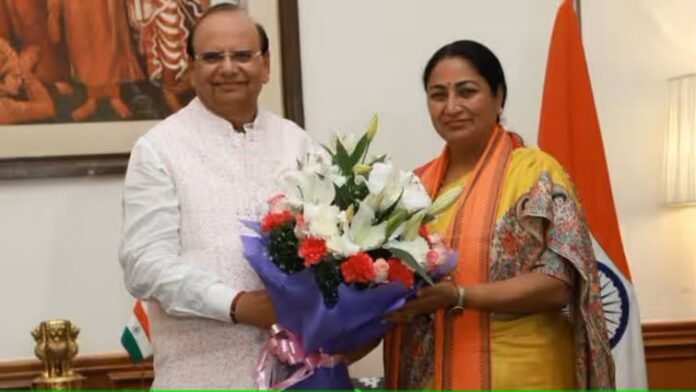
Rekha Gupta, who represents the Shalimar Bagh Assembly constituency, is set to take the oath as Delhi’s Chief Minister today at Ramleela Maidan. Ahead of the ceremony, a picture of her donning a Madhubani painting saree was shared by Bihar BJP on social media platform X.

Bihar BJP’s official handle posted, “Leadership in Delhi, pride of Bihar in attire. The newly elected Chief Minister Rekha Gupta met the Honorable Lieutenant Governor wearing a Madhubani painting saree while staking claim to form the government. This is not just a garment; it is a symbol of Bihar and Purvanchal’s art, culture, and heritage, which continues to shine across the country.”

Several BJP leaders from Bihar extended their congratulations to Gupta, emphasizing that her attire symbolizes a deep cultural connection between Delhi and Bihar.

A Leader with Strong Roots

Gupta, originally from Haryana, has had an active political career, beginning with the Akhil Bharatiya Vidyarthi Parishad (ABVP). She also served as the President of the Delhi University Students’ Union (DUSU) before entering mainstream politics. On Wednesday, during a BJP legislative meeting, she was elected as the leader of the legislative party, making her Delhi’s next Chief Minister.

Madhubani Painting: A Tradition in Indian Politics

Gupta is not the first political figure to make a cultural statement through Madhubani art. Earlier this year, on February 1, Union Finance Minister Nirmala Sitharaman also wore a Madhubani painting saree while presenting the Union Budget. She donned a cream-colored saree with a golden border, a special gift from Padma Shri awardee and renowned Madhubani artist Dulari Devi from Bihar.

Sitharaman had received the saree during her visit to Madhubani last year, further cementing the traditional art form’s recognition at a national level.

Oath-Taking Ceremony at Ramleela Maidan

Gupta will take the oath as Delhi’s new Chief Minister today, with Lieutenant Governor VK Saxena administering the ceremony. Several newly elected MLAs will also be sworn in as ministers. Her leadership marks a new chapter for Delhi, and her choice of attire highlights her commitment to embracing and showcasing India’s diverse cultural heritage.

Four-year-old donates stem cells to save her baby sister from blood cancer in Odisha

0

Rudra Pratap Singh

In an extraordinary display of love and resilience, a four-year-old girl has become the youngest donor to her two-year-old sister, who is battling acute myeloid leukemia (AML), a severe form of blood cancer. This marks the first-ever allogeneic bone marrow transplant (BMT) performed on such a young child in Odisha, offering new hope for families fighting similar battles.

A Race Against Time

For little Aliza Naaz, life took an unexpected turn when she was diagnosed with high-risk AML. Her parents, Sharukh Ansari and his wife, from Dhanbad, Jharkhand, had to navigate a journey no parent ever wishes to face. She initially underwent induction chemotherapy at Tata Memorial Hospital (TMH) in Jamshedpur in July 2024. But post-treatment evaluations revealed devastating news—the disease had persisted, pushing her into the high-risk category.

Her doctors recommended an allogeneic BMT, a procedure that would require a compatible stem cell donor. A ray of hope emerged when human leukocyte antigen (HLA) matching conducted at TMH confirmed a 100% match with her elder sister, Aatifa, who was just four years old.

A Family’s Struggle and a Life-Changing Decision

The cost of a bone marrow transplant outside Odisha was estimated at a staggering ₹30 lakhs—an amount well beyond the reach of Aliza’s family. When TMH doctors realized the family could not afford the procedure, they referred them to SCB Medical College Hospital (SCBMCH) in Cuttack, where the procedure is provided free of cost.

A First-of-Its-Kind Transplant

On January 7, 2025, Aliza was admitted to the BMT unit of SCBMCH. Her parents were carefully counseled on the procedure’s risks and implications. Given the complexity of the case and the donor’s young age, a special BMT team, including two pediatric faculty members, was assembled. The preparation began on January 27, and the brave little donor, Aatifa, was admitted the following day.

The stem cell collection process posed significant challenges, as no procedure like this had been performed on such a young donor before. “The same blood group was matched and used to prime the aphaeresis system, as the child’s blood volume was too low to sustain the dynamics of stem cell collection,” said Dr. Sudha Sethy, Head of Clinical Hematology at SCBMCH. The procedure began at 9 a.m. on February 6 and was successfully completed by 1 p.m. The very next day, on February 7, Aliza received her sister’s life-saving stem cells.

A Hopeful Recovery and a Milestone for Odisha

The road to recovery has not been without its hurdles. Aliza faced infections and chemotherapy-induced mucositis, but doctors at SCBMCH managed her condition with antibiotics and supportive care. As of the latest reports, she remains stable, with no fever and promising biochemical and hematological parameters.

“This landmark BMT will open doors for the treatment of many children suffering from blood disorders like Thalassemia, Sickle Cell Disease, Aplastic Anemia, various blood cancers, and other related conditions. These diseases affect thousands and place a significant socio-economic burden on our State. Now, with SCBMCH offering this procedure free of cost, many children who previously had no chance can hope for a cure,” said Prof. R.K. Jena, a renowned BMT physician.

A Beacon of Hope for the Future

Established in 2014, the BMT unit at SCBMCH was the first in the country to offer this life-saving treatment in a government hospital setting. A procedure that typically costs between ₹15-30 lakhs and comes with a long waiting period in private hospitals is being performed here at no cost to patients. Over the past 11 years, the unit has successfully conducted 176 BMTs, with more than 80% of patients showing positive recovery outcomes.

Aliza’s journey is one of courage, science, and the boundless love of a sister who, despite her young age, gave her the greatest gift—hope. Her story stands as an inspiration and a testament to the progress in medical science and the compassionate healthcare available in Odisha.

Building Hope in Malawi: A Malayali Couple’s Mission to Transform Lives

0

Rudra Pratap Singh

KOCHI: Thousands of miles from Kerala, in the heart of South-Central Africa, a young Malayali couple is making a difference in Malawi, one of the world’s least developed nations. Arun C Ashokan and his wife, Sumi, have dedicated their lives to improving the conditions of rural villagers, ensuring access to clean water, education, and sustainable livelihoods.

A Chance Encounter That Changed Everything

Arun, hailing from Nilambur in Malappuram, arrived in Malawi in 2019. His philanthropic journey began two years later, quite unexpectedly. “Everything happened by chance,” he recalls. Initially working as a warehouse manager in the city, Arun’s real awakening came when he took up a job with a construction company that required him to visit remote villages.

During one such visit to Chisasila, he witnessed children studying under a makeshift structure—four poles supporting a thatched roof. When it rained, school was simply canceled. Moved by their plight, Arun decided to take action.

Building a School from Scratch

His initial plan was modest—a temporary shelter with a tarpaulin roof. But when villagers and teachers pleaded for a permanent structure, he resolved to build a proper school. With help from his colleague, engineer Kenneth, they designed a blueprint, and the villagers enthusiastically joined the effort, producing 20,000 bricks within two weeks.

Arun’s friend Ashique, working in Dubai, stepped in to provide financial support. Refusing to crowdfund, the team pooled their salaries to finance the project. After a year and a half, their dream took shape—a fully functional school.

The project caught the attention of a visiting UN team, which funded the construction of two additional classrooms. Arun’s employer contributed an office room, and eventually, the school was taken over by the Malawian government, expanding to include grades I to VII.

Empowering Villages: Wells, Water, and Livelihoods

After completing the school, Arun and Sumi expanded their efforts, visiting other villages to better understand their needs. They introduced new cooking techniques using staple foods like tapioca and banana, taught villagers how to set up small businesses, and pioneered a simple method to store water using makeshift dams.

However, the most pressing issue remained—water scarcity. Each village relied on a single hand pump, often insufficient for its 50-plus families. Locals believed the soil was too loose for open wells, but Arun and Sumi saw an opportunity. Drawing inspiration from Kerala, they built lined wells using bricks and cement to prevent soil collapse. Their method proved successful, and to date, they have constructed seven such wells.

Innovating for the Future

Now, the couple is working on a more ambitious water supply project. By detecting underground water sources, digging wells, and using solar pumps, they aim to provide a sustainable water supply to drought-stricken villages.

Funds for these initiatives come from their YouTube channel, Malawi Diaries, as well as their personal savings and contributions from close friends. The couple’s current undertaking? Constructing a higher secondary school in Ponela village—another step in their unwavering mission to bring education and hope to Malawi’s underserved communities.

Arun and Sumi’s journey is a testament to the power of compassion and determination. Far from home, they have found a new purpose—building a better future, one village at a time.

Zeiss India and IISc Join Forces to Pioneer AI in Eyecare

0

Rudra Pratap Singh

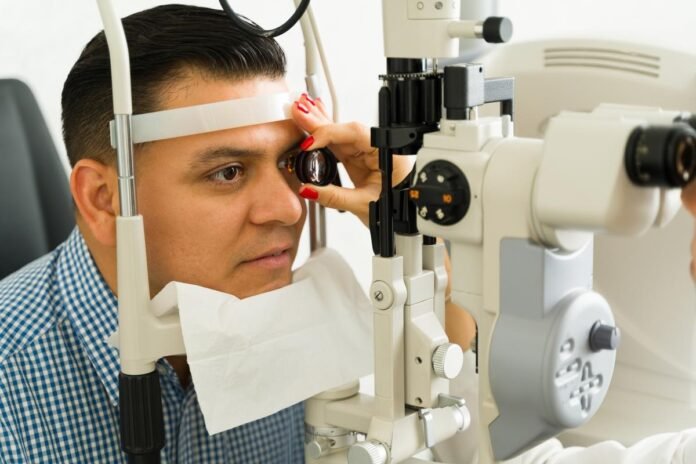
In a groundbreaking initiative set to redefine ophthalmology, Zeiss India has partnered with the Indian Institute of Science (IISc) to establish an advanced AI-driven research lab at the IISc campus. This collaboration aims to harness artificial intelligence to improve early diagnosis, personalize treatment, and enhance accessibility in eye care solutions.

Building the Future of Eyecare with AI

The research lab, which is part of Zeiss India’s corporate social responsibility (CSR) initiative, will be equipped with state-of-the-art IT infrastructure and will support Master’s and PhD students in their research. “We will sponsor these students. Currently, we have two Master’s students enrolled, and we are looking for two PhD students,” says Ashish Modi, Head of the Centre of Application Research India (Zeiss India’s R&D Division). The plan is to have around 8-10 researchers working in the lab over the next three years.

Creating a Robust Eyecare Database

One of the lab’s primary objectives is to develop a comprehensive dataset for conditions such as glaucoma and diabetic retinopathy, two leading causes of blindness. By leveraging AI, researchers aim to facilitate early screening and intervention for these conditions. Additionally, the lab will explore AI’s potential in identifying age-related cognitive impairment through ophthalmological data.

Beyond research, the lab will focus on developing portable, AI-powered diagnostic devices that can be deployed in remote areas. These handheld tools will enable large-scale screenings, significantly reducing the burden on healthcare professionals while expanding access to quality eyecare.

Integrating AI into Healthcare at IISc

The initiative aligns seamlessly with IISc’s vision of integrating clinical research with medical practice. Dr. Rajesh Sundaresan, Dean of the Electrical, Electronics, and Computer Sciences Division at IISc, highlights the importance of this collaboration: “In India, clinical research is often separate from medical practice. Our upcoming medical school and hospital at IISc are an effort to change this. By intertwining AI-enabled healthcare with our technological expertise, we can accelerate advancements in diagnostics and treatment.”

With AI set to revolutionize modern medicine, this partnership between Zeiss India and IISc is poised to make significant contributions to the future of ophthalmology. By combining cutting-edge technology with real-world clinical applications, the initiative promises to make high-quality eyecare more accessible and effective than ever before.