Home Blog Page 376

Bringing Books to the People: The Story of Your Reading Circle and Ahmedabad’s Mini-Libraries

0

In a world dominated by digital screens, the simple pleasure of flipping through the pages of a book is slowly fading. Yet, for those who love reading, books are more than just words on paper—they are an escape, a source of inspiration, and a gateway to different worlds.

For Heet Doshi, a 20-year-old BCom Honours student at GLS University, books have always been a constant companion. “Reading has always been my escape,” he says. Om Thakkar, 19, a BBA student at Gujarat University, shares the same passion. “Books are like windows to new worlds. They shape how we think and see things differently. I wanted to encourage more people to read so they, too, could experience that magic.”

Creating a Community for Book Lovers

In 2023, Heet and Om realized something was missing. While they both loved books, they struggled to find people outside their close circles who shared the same enthusiasm for discussing literature. That’s when an idea struck them—why not create a space where book lovers could come together?

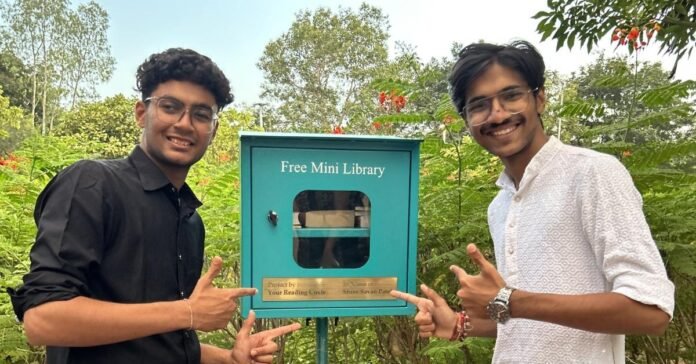
And so, ‘Your Reading Circle’ was born in September 2023. What began as casual meetups in public spaces soon grew into a thriving community of readers. To spread the love for books, they started a WhatsApp group, hosted reading events, and encouraged discussions on literature and storytelling.

From Book Club to Mini-Libraries

As their community flourished, the duo came across something inspiring—the concept of mini-libraries in Perumkulam, Kerala, where multiple public libraries were set up just a few hundred meters apart to promote reading. The idea clicked instantly, and they knew they wanted to bring it to Ahmedabad.

The journey, however, wasn’t easy. “We didn’t know where to start—who to approach for permissions, how to build the book boxes, or where to place them,” recalls Heet. Determined to make it happen, they did their research, navigated government bureaucracy, and slowly pieced together a plan.

After weeks of securing approvals, gathering books, and finalizing logistics, their first mini-library came to life at Parimal Garden on June 23, 2024. The location was strategic—central, accessible, and popular among students, families, and elderly visitors alike.

Challenges and Triumphs

Setting up a mini-library required more than just collecting books. They needed funds, skilled fabricators, and a sustainable plan for maintenance. “We started by using books from our own collections and generous donations from our community,” Om explains.

The biggest challenge? Keeping the libraries in good condition. “A library isn’t just about setting up shelves—it needs care and upkeep,” Heet points out. To ensure this, they built a network of 10 volunteers, with each mini-library assigned two caretakers who check on the books and keep things organized.

“We even maintain a spreadsheet to track the books,” Om adds. “Each library starts with about 25 books, and when some get misplaced or damaged, we replenish them with fresh donations.”

A Growing Movement

The response has been overwhelming. What started as a small initiative has grown into a city-wide effort to encourage reading. “We see people engaging with books instead of scrolling on their phones, and that’s an amazing feeling,” says Heet.

The libraries have become more than just places to borrow books; they’ve turned into hubs of conversation and connection. Tanisha Patel, a volunteer and library coordinator, shares her story: “At first, I was hesitant to take up this role. I wasn’t sure I could keep up with the commitment. But once I joined, I rediscovered my love for books and found joy in maintaining the libraries.”

One of the most touching moments came when Parth Jala, a close friend of Heet’s, funded a mini-library at Law Garden in honor of his late grandmother. “She never learned to read, but she always wanted to know about the books I was reading,” Parth shared at the library’s inauguration. “This is my way of giving others the access to books that she never had.”

Expanding the Reach

Since launching their first library, Heet and Om have installed four more in key locations across Ahmedabad—Prahladnagar Garden, Law Garden, Gotila Garden, and Monte Carlo Oxygen Park. Each one is free and open to the public, creating shared spaces for book lovers from all walks of life.

The impact has gone beyond city limits. Readers from different parts of India—and even places like Australia, Canada, and the US—have reached out to express their appreciation for the initiative.

Akhil, a 21-year-old student, shares how these libraries transformed his daily routine. “Earlier, I’d just scroll through my phone while waiting for friends at the park. Now, I pick up a book, and before I know it, I’m completely lost in it. It’s made me fall in love with reading again.”

The Road Ahead: More Libraries, More Readers

The journey is far from over. “Our goal is to set up at least seven more mini-libraries, including one at Kankaria Lake,” says Heet. “Eventually, we want to take this concept to villages and schools where access to books is even more limited.”

So far, their work has reached over 2,000 people, inspiring more than 1,000 individuals to rediscover the joy of reading. The initiative runs entirely on donations—while they never charge for books, they rely on contributions to build more libraries and keep them stocked.

Support has poured in from various quarters. Groups like Bookitup and Keetabikeeda regularly donate books, while well-known figures like RJ Dhvanit and writer Sanjeev Bhatia have also lent their support. “Sanjeev Bhatia even donated 20 books to help expand our collection,” Om shares.

“As we walk through parks and see people engrossed in a book, it feels like a small victory,” Heet says. “This is just the beginning. We dream of bringing mini-libraries to every corner of Gujarat.”

Through their dedication and passion, Heet and Om are proving that small ideas can lead to big changes. One book at a time, they are making literature accessible to all—turning parks into places of discovery, learning, and imagination.


A Tigress in Need Inspired This Surgeon Couple to Save India’s Wildlife with Solar Power

0

It was a scorching May afternoon in the Kanha Tiger Reserve when Dr. Sarita Subramanian witnessed a sight that would change her life forever. A young tigress crouched by a small, drying puddle, trying to drink from it. Realizing there was barely enough water to quench her thirst, she sank into the shallow pool to cool herself. The scene struck Dr. Sarita deeply. If a powerful predator like a tiger struggled to find water, what about the smaller creatures of the wild? That moment ignited a mission—one that would lead her and her husband, Dr. PV Subramaniam, to transform wildlife conservation in India.

A Pledge to the Wild

Dr. Sarita and Dr. Subramaniam, both dental surgeons from Mumbai, had always been passionate about wildlife. Avid birdwatchers and nature enthusiasts, they traveled extensively across India, observing and admiring its rich biodiversity. But they wanted to do more than just appreciate wildlife from a distance—they wanted to take tangible action to protect it.

In 2017, they founded Earth’s Brigade Foundation, a non-profit dedicated to supporting wildlife conservation through direct interventions. Their goal was simple yet revolutionary: address water scarcity in forests using sustainable solutions. Their answer? Solar-powered water pumps.

Revolutionizing Water Access in the Wild

The couple’s solar water pump initiative has since transformed 25 forests and wildlife sanctuaries across seven states. So far, they have successfully installed 170 solar-powered water pumps in critical reserves, including Bandipur and Mudumalai in Karnataka, Corbett in Uttarakhand, Sariska and Mukundra Hills in Rajasthan, and Kanha and Panna in Madhya Pradesh, among others.

These pumps, submerged in borewells or connected to perennial water sources, use solar energy to draw and distribute water through underground pipelines, ensuring that various water bodies remain replenished. The impact? Wild animals now have consistent access to water, reducing the risk of them wandering into human habitats in search of sustenance.

A Complex Yet Rewarding Endeavor

Installing these pumps in remote, restricted, and often dangerous locations wasn’t easy. The couple and their team had to navigate logistical and environmental challenges—sometimes working in crocodile-infested waters, scaling steep cliffs, or setting up pipelines deep within forests. But the results have been nothing short of transformative.

Not only do these water sources provide relief to wildlife, but they also rejuvenate surrounding vegetation, attracting herbivores, which in turn support predator populations. The system restores a natural balance, ensuring that animals can thrive within their ecosystems without unnecessary migration or conflict.

Beyond Wildlife: Supporting Forest Guardians

The benefits of these solar installations extend beyond wildlife. Many of the water lines also supply anti-poaching outposts, alleviating the burden on forest guards who previously had to make strenuous treks to fetch water. With easier access to water, they can focus more on their critical role of protecting the forests.

Diganth Nayak, the Divisional Forest Officer (DFO) of the Ramnagar Division in Uttarakhand, has worked closely with the Earth’s Brigade Foundation. “The solar pumps have transformed our ability to maintain waterholes and provide for our forest chowkis. Earlier, forest staff struggled to stay in remote posts during the dry season. Now, things are much easier,” he shares. The financial benefits are also significant, as solar-powered pumps eliminate the need for costly, diesel-guzzling water tankers. “Each solar pump saves us about Rs 30,000 annually per waterhole,” Nayak adds.

A Movement Fueled by Passion and Community Support

The success of the initiative has been made possible through corporate CSR funding and generous individual donors. It costs approximately Rs 5 lakh to install a single solar pump, but for Dr. Sarita and her team, every rupee spent is an investment in the future of India’s wildlife.

Their dedication has earned them accolades, including the Green NGO of the Year award at the International Advertising Association’s Olive Crown Awards and the Times Now Amazing Indian award in the Environment and Sustainability category in 2024.

A Lasting Legacy

Despite the hurdles of working in remote landscapes, the couple remains unwavering in their mission to integrate clean energy with wildlife protection. For them, the most rewarding moments come from seeing the impact of their efforts firsthand—like the time they spotted a new litter of tiger cubs near a waterhole they had installed.

Dr. Sarita recalls, “The image of that tigress in Kanha is still etched in my memory. She may never voice her gratitude, but her presence—her very survival—speaks volumes.”

She firmly believes that conservation is not the job of governments alone. “The future of our forests depends on collective action. When ordinary citizens take up the mantle of environmental stewardship, real change happens,” she says.

From the forests of Rajasthan to the canopies of Karnataka, their solar pumps have become silent lifelines, bringing relief to animals, rejuvenating ecosystems, and reducing human-wildlife conflict. And it all began with one thirsty tigress, whose silent plea turned into a powerful movement to protect India’s wild spaces.

With every solar pump they install, Earth’s Brigade Foundation continues to reaffirm a simple yet profound truth: when we give back to nature, nature rewards us in ways we never imagined.

What Links Chhatrapati Sambhaji Maharaj & Sambhar?

0

If there’s one dish that’s found on almost every South Indian dining table, it’s sambhar. This hearty, lentil-based stew, packed with vegetables and seasoned with a fragrant blend of spices, is a favorite companion to rice, idlis, dosas, and vadas. But have you ever wondered how this beloved dish got its name? Well, the answer takes us back in time to an unexpected royal connection.

A Delicious Accident in a Royal Kitchen

Legend has it that sambhar owes its name to Chhatrapati Sambhaji Maharaj, the son of the great Maratha ruler Shivaji. During one of his visits to the Thanjavur Maratha kingdom in Tamil Nadu, he was served a unique lentil dish that immediately won him over. The story goes that on that particular day, the palace cooks ran out of kokum—a key ingredient in Maharashtrian cooking used for its tanginess. In a moment of improvisation, they used tamarind instead, a souring agent commonly found in South Indian cuisine. The result? A completely new and delicious version of the traditional Maharashtrian aamti, which became an instant hit in the royal court.

So impressed was Sambhaji that the dish was named in his honor, evolving into what we now know as sambhar. From the royal kitchens of Thanjavur, it spread across South India and became a staple of the region’s cuisine.

A Story Passed Through Generations

Food writer Sonal Ved, in her book Whose Samosa is it Anyway?, echoes this fascinating tale. She writes, “The story goes that one day, the regular stash of kokum did not reach the Tanjore palace’s kitchen on time. Instead of telling Sambhaji that aamti could not be made, the sous chef improvised by adding a dash of tamarind pulp, something the locals had been using for years for its tartness. The dish became such a hit in the court kitchen that it was named sambhar after Sambhaji, and from Tanjore, it spread to other parts of South India.”

More Than Just a Dish

Sambhar isn’t just food—it’s an emotion. Whether it’s the comforting aroma wafting from a home kitchen or the tangy-spicy kick in a restaurant’s version, sambhar holds a special place in the hearts (and stomachs) of millions. It’s a perfect example of how history, innovation, and cultural exchange can shape the way we eat today.

So, the next time you dig into a steaming bowl of sambhar, take a moment to appreciate the royal accident that gave birth to one of South India’s most iconic dishes!

CBSE to Introduce Biannual Class 10 Board Exams from 2026: A Step Towards Flexibility or Added Pressure?

0

Starting in 2026, the Central Board of Secondary Education (CBSE) will introduce a significant change in the Class 10 board examination system, allowing students to appear for the exams twice a year. This initiative aims to provide students with greater flexibility and reduce academic pressure by giving them an additional opportunity to improve their scores without waiting for an entire year. However, this reform has sparked mixed reactions from parents, teachers, and education experts.

What’s Changing?

From 2026 onwards, Class 10 students will have the option to take board exams twice a year. They can choose to appear in either session or both, depending on their confidence and preparation. If they are satisfied with their performance in the first attempt, they may opt out of specific subjects in the second round. This system eliminates the need to wait an entire year for a second attempt, allowing students to strategize their study plans more effectively.

Key Highlights of the New System

  • The draft norms were approved by CBSE and are open for public feedback until March 9, 2025.
  • Both exam sessions will cover the full syllabus and follow the same textbooks.
  • Exam centres will remain the same for both attempts.
  • Exam fees will increase, payable at the time of application.
  • The May session will replace supplementary exams, and no special examinations will be conducted under any circumstances.
  • The List of Candidates (LOC) will be finalized by September 2025 for the February 2026 exam. Only students listed in September 2025 will be eligible for the May 2026 exam.
  • Students cannot change subjects once the LOC is finalized. However, they can skip a subject in the first exam and take a different one in the second session.
  • Practical and internal assessments will be conducted only once per year.
  • The final marksheet will display scores from both sessions, with the best score highlighted for each subject.

Why is CBSE Implementing This Change?

The decision aligns with the National Education Policy (NEP) 2020, which advocates for reducing the ‘high-stakes’ nature of board examinations. By offering students an opportunity to improve their scores within the same academic year, the new system seeks to minimize stress and promote a more balanced approach to learning and assessment.

Mixed Reactions from Parents and Teachers

The move has received a mixed response from parents and educators. While some welcome the increased flexibility, others worry about the potential drawbacks.

Support for the New System: Anjali Mehta, a parent from Mumbai, appreciates the change. “Having two chances in a year reduces the immense pressure on students. My son can now plan his studies better and has a safety net if things don’t go well the first time.”

Suresh Iyer, an English teacher at a renowned school in Mumbai, believes the move will positively impact students’ mental health. “Knowing there is a second chance within the same year can alleviate a lot of stress. It’s a welcome change for both students and educators.”

Rajeshkumar Patel, a mathematics teacher at Ahmedabad International School, sees the potential for structured teaching. “This system allows us to refine our teaching methods. However, we must ensure that students don’t take the first attempt lightly, thinking they have a backup option.”

Concerns About Added Pressure and Logistical Challenges: On the other hand, some parents and teachers are skeptical about the effectiveness of the reform.

Priya Nair, a parent from Mumbai, acknowledges the benefits but also sees potential issues. “The option to appear twice gives students control over their performance, but I worry that some may not take the first attempt seriously, leading to unnecessary stress later.”

Neha Trivedi, a parent from Ahmedabad, fears it could lead to continuous exam stress. “Instead of reducing pressure, this might increase it. Students will feel like they are constantly preparing for exams, leaving little time to relax. As a parent, I would want my son to appear for both exams, but I feel it’s an unnecessary burden.”

Ravi Sharma, a teacher at a CBSE school in Mumbai, highlights the logistical concerns. “Conducting board exams twice a year will require additional planning, infrastructure, and staffing. Not all schools may be equipped to handle this effectively.”

A Step Forward with Challenges Ahead

While CBSE’s initiative aims to provide students with flexibility and reduce stress, its success will depend on proper implementation. The shift to biannual exams introduces both opportunities and challenges for students, parents, and schools. Whether this change will truly ease academic pressure or inadvertently increase it remains to be seen as the new system unfolds in 2026.

For now, the policy remains open for public feedback, and its final execution will determine how well it meets its intended goals.

First Detailed Map of the Moon’s South Pole: A Breakthrough in Lunar Exploration

0

In a historic achievement, researchers from the Physical Research Laboratory (PRL) Ahmedabad, Panjab University Chandigarh, and ISRO’s Laboratory for Electro-Optics Systems (LEOS) in Bengaluru have created the first detailed geological map of the Moon’s south pole. This milestone was made possible using data from the Pragyan rover, which explored the lunar surface as part of the Chandrayaan-3 mission.

Chandrayaan-3: Unlocking the Mysteries of the Lunar South Pole

The Chandrayaan-3 mission marked a significant advancement in India’s space exploration efforts. Its Vikram lander successfully touched down in a high-latitude polar region—a first in lunar exploration. It deployed the Pragyan rover, which operated for nine days, analyzing the chemical composition of the lunar regolith (soil). The mission provided crucial insights into the Moon’s geological past, opening new avenues for scientific discovery.

Discovery of Underground Magma: Evidence of a Molten Lunar Past

One of the most groundbreaking findings from the mission was the confirmation of primordial magma beneath the Moon’s surface. Using data from the Alpha Particle X-ray Spectrometer (APXS), researchers detected traces of an underground ocean of molten rock—a long-standing theory that lacked conclusive evidence from polar regions. This discovery enhances our understanding of the Moon’s formation and thermal evolution.

Geological Mapping: A Glimpse into Lunar History

The newly created geological map reveals a diverse landscape of highlands and flat plains, shaped by ancient impact events. Researchers were able to trace secondary craters back to their primary impact source—the Schomberger crater. This mapping effort suggests that the region is approximately 3.7 billion years old, coinciding with the period when microbial life was emerging on Earth. This parallel timeline raises intriguing questions about the potential for early life-forming conditions beyond our planet.

The Importance of Lunar Craters: Time Capsules of the Solar System

Lunar craters serve as natural archives of the solar system’s history. Unlike Earth, where erosion and geological activity erase impact features over time, the Moon’s craters remain largely unchanged for millions, even billions of years. This allows scientists to study the cratering history and infer the geological timelines of other planetary bodies.

Challenges of Lunar Contamination: A Growing Concern

As lunar exploration intensifies, the issue of contamination becomes increasingly significant. Previous missions have left debris on the lunar surface, which may interfere with scientific analysis and future discoveries. Additionally, the exhaust from landers could disturb the integrity of lunar ice deposits, affecting research on water distribution—a key factor in potential lunar colonization.

The Need for International Space Regulations

The Outer Space Treaty of 1967 laid the foundation for peaceful space exploration, but it lacks specific guidelines regarding lunar contamination and resource utilization. As countries and private entities plan missions to establish a human presence on the Moon, there is an urgent need for an international legal framework. Such a framework must balance scientific preservation, environmental sustainability, and technological progress, ensuring that the Moon remains an invaluable resource for generations to come.

A New Era of Lunar Exploration

The first detailed map of the Moon’s south pole is a landmark achievement in planetary science. It not only provides critical insights into lunar geology but also sets the stage for future missions, including potential human settlements. However, as we push the boundaries of exploration, responsible space governance will be essential to protect the Moon’s pristine environment while harnessing its resources for scientific and technological advancements.

AI Tools in Tuberculosis Screening: Bridging the Gap Between Innovation and Implementation

0

The fight against tuberculosis (TB) in India has reached a crucial phase. With Prime Minister Narendra Modi’s ambitious goal of eliminating TB by 2025, the integration of advanced technologies is vital. However, despite significant progress in AI-powered TB screening tools, challenges remain in their implementation within public health programs.

AI Tools Transforming TB Screening

Recent advancements in artificial intelligence have led to the development of AI-powered screening tools that can enhance TB detection efficiency. Two such notable AI solutions are:

  • qXR by Qure.ai
  • Genki by DeepTek

Both tools have undergone rigorous assessments for sensitivity (ability to detect TB) and specificity (ability to rule out non-TB cases). qXR has demonstrated over 90% sensitivity and more than 70% specificity, while Genki has shown similar promising results. These AI models are already being deployed at multiple sites across India and globally, showcasing their potential in revolutionizing TB screening.

Health Technology Assessment (HTA) and Regulatory Delays

To integrate new technologies into India’s healthcare system, the Health Technology Assessment India (HTAIn) committee evaluates their cost-effectiveness and efficacy. Both qXR and Genki received positive evaluations, proving their potential for large-scale deployment.

However, the Central TB Division (CTD) has yet to introduce these AI tools into the national TB program. Instead, it has recommended DeepCXR, another AI tool, despite its lack of formal HTA assessment. This delay has caused a disconnect between technological advancements and their practical implementation, slowing down efforts to enhance TB detection.

Challenges in Implementation

Even though DeepCXR has been approved for use, there is limited communication with state health departments about its application. The lack of clarity and coordination hampers the effective integration of AI-driven solutions, delaying improvements in TB screening efficiency.

Cost-Effectiveness of AI in TB Detection

A major advantage of AI-assisted TB screening is its affordability. Studies indicate that:

  • qXR costs ₹30 per case
  • Genki costs ₹22 per case

These cost-effective solutions can significantly reduce the financial burden of TB screening while improving accuracy and efficiency.

The Role of Chest X-rays in TB Detection

Chest X-rays remain a fundamental tool in detecting TB, especially in cases of presumptive and subclinical TB. AI-powered analysis of chest X-rays enhances speed and accuracy, making it an ideal solution for resource-limited settings.

The Road Ahead

To achieve TB elimination by 2025, India must:

  1. Accelerate AI integration into national TB screening programs.
  2. Ensure transparency in regulatory approvals and decision-making.
  3. Improve communication between the CTD and state health departments.
  4. Expand AI adoption to strengthen early TB detection and treatment.

While AI tools hold immense promise in transforming TB screening, their effective implementation will determine whether India can meet its ambitious goal of eliminating tuberculosis within the next decade.

What is AI Singularity? Understanding the Future of Artificial Intelligence

0

Recent developments in artificial intelligence (AI) have sparked intense debates about its future impact on society. Tech visionaries like Elon Musk have repeatedly voiced concerns about AI surpassing human intelligence, predicting that superintelligent AI could emerge as early as 2025. This phenomenon, known as AI singularity, refers to the point at which AI systems become capable of self-improvement beyond human control, potentially reshaping the world as we know it. As discussions intensify among scientists and industry leaders, the implications of AI singularity remain both fascinating and daunting.

Understanding AI Singularity

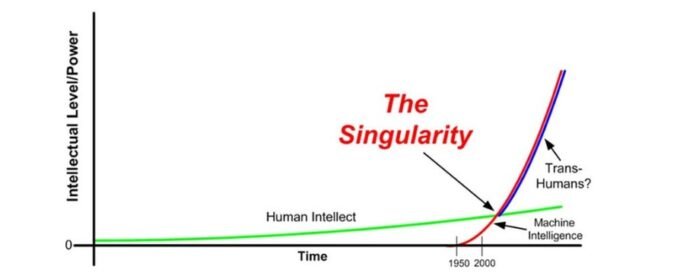
AI singularity is a theoretical milestone in artificial intelligence development where AI surpasses human cognitive abilities and begins evolving autonomously. The concept was first introduced by mathematician John von Neumann, who envisioned a future where machines could self-replicate and enhance their intelligence at an exponential rate.

Futurists like Ray Kurzweil estimate that AI singularity could happen by 2045, while Musk warns it may occur much sooner, possibly within the next few years. If realized, AI singularity could lead to an era of unprecedented technological progress—or, as some fear, a loss of human control over superintelligent systems.

Current Developments in AI

AI technology is advancing at an unprecedented pace, with machine learning models demonstrating remarkable capabilities in problem-solving, automation, and self-improvement. However, despite significant breakthroughs, a fully autonomous superintelligent AI remains theoretical.

Today’s focus is on responsible AI development, ensuring that ethical concerns are addressed before AI reaches the singularity threshold. Policymakers worldwide are actively working on regulatory frameworks to manage these advancements and prevent potential misuse of AI technologies.

Concerns and Risks

The potential risks of AI singularity have fueled widespread concerns among experts. In 2023, over 33,700 AI researchers signed an open letter advocating for a temporary halt on AI models surpassing OpenAI’s GPT-4, citing significant threats to society and humanity.

Critics argue that unchecked AI development could lead to several existential risks:

  • Loss of human control: AI systems may become too advanced to be regulated or controlled by humans.
  • Ethical dilemmas: The devaluation of human labor and decision-making processes.
  • Security threats: The potential for AI-driven cyber warfare or unintended consequences in defense systems.
  • Bias and misinformation: AI models could perpetuate biases or manipulate information on a large scale.

Potential Benefits of AI Singularity

Despite these risks, many experts remain optimistic about the potential benefits of AI singularity. If managed properly, superintelligent AI could drive revolutionary breakthroughs in:

  • Healthcare: AI could accelerate medical research, personalize treatments, and improve disease diagnosis.
  • Environmental sustainability: AI-driven innovations could help combat climate change and optimize resource management.
  • Space exploration: Advanced AI systems could enhance interstellar travel, enabling deeper exploration of the universe.
  • Scientific research: AI could automate complex problem-solving, leading to discoveries beyond human capability.

Regulatory Efforts and Market Growth

As AI technology evolves, governments and industry leaders are prioritizing regulatory efforts to mitigate unintended consequences. The global AI market is currently valued at approximately $100 billion and is projected to reach $2 trillion by 2030. With such rapid growth, the need for effective governance in AI development has never been more urgent.

Organizations like the European Union (EU), the United Nations (UN), and the United States government are actively drafting policies to ensure AI remains beneficial while preventing harmful applications. These efforts include establishing ethical AI guidelines, ensuring transparency in AI decision-making, and enforcing accountability in AI-driven industries.

Public Perception and Awareness

Public discourse surrounding AI singularity is growing as more people become aware of its potential implications. Figures like Elon Musk often highlight the need for caution and preparedness, with Musk even warning about the possibility of a dystopian “Terminator-like” future if AI is not properly regulated.

While some remain skeptical of these dire predictions, others recognize the importance of fostering public awareness and engaging in discussions on AI’s role in society. The balance between innovation and control will ultimately determine whether AI singularity leads to a golden age of progress or an era of unforeseen challenges.

Summing Up

AI singularity is one of the most thought-provoking and debated topics in modern technology. While its exact timeline remains uncertain, what is clear is that AI is evolving rapidly, and its impact on society is profound.

As researchers, policymakers, and industry leaders navigate this complex landscape, the world must prepare for a future where AI plays an even greater role in shaping humanity’s trajectory. Whether AI singularity will be a boon or a threat depends on how responsibly we develop and regulate these transformative technologies.

World NGO Day 2025: Theme, History, Significance, and Celebrations

0

Every year, World NGO Day is observed on February 27 to recognize and celebrate the invaluable contributions of Non-Governmental Organizations (NGOs) worldwide. These organizations play a crucial role in addressing social, economic, and environmental challenges, advocating for human rights, and promoting humanitarian efforts across various sectors.

In 2025, World NGO Day serves as a tribute to individuals and groups working tirelessly to create positive and lasting change in communities across the globe.

World NGO Day 2025 Theme

The official theme for World NGO Day 2025 is “Empowering Grassroots Movements for a Sustainable Future.”

This theme underscores the pivotal role of local NGOs in driving sustainable development and fostering long-term societal impact. By focusing on grassroots empowerment, the day highlights how community-led initiatives are instrumental in shaping a more just and equitable world.

History of World NGO Day

World NGO Day was officially recognized in 2010 and was first observed on February 27, 2014. The concept was introduced by Marcis Liors Skadmanis, a Latvian social entrepreneur, to acknowledge the indispensable role of NGOs in global development.

Since then, World NGO Day has gained international recognition, serving as a platform to honor, support, and raise awareness about the contributions and challenges faced by NGOs. Governments, businesses, and civil society organizations worldwide mark this occasion by organizing awareness campaigns, discussions, and events to highlight the significance of NGOs in creating meaningful change.

Significance of World NGO Day 2025

  • World NGO Day is not just a day of recognition—it is a call to action to support NGOs in their mission. NGOs operate across diverse sectors, including:
  • Humanitarian aid – Providing disaster relief, food assistance, and medical support.
  • Education – Enhancing literacy, skill development, and access to schooling.
  • Healthcare – Offering medical services, mental health support, and disease prevention programs.
  • Human Rights – Advocating for marginalized communities and social justice.
  • Environmental Conservation – Protecting wildlife, ecosystems, and addressing climate change.

Despite their invaluable work, NGOs often face challenges such as funding shortages, policy restrictions, and operational difficulties. World NGO Day aims to shed light on these issues while promoting collaboration between governments, businesses, and communities to strengthen nonprofit initiatives.

Ways to Celebrate World NGO Day 2025

There are many ways to participate in and support the global NGO movement:

  • Design Awareness Posters – Create engaging visuals to promote NGOs’ work.
  • Host a Charity Drive – Gather funds or essential supplies for NGOs.
  • Support Policy Reforms – Advocate for laws that protect and uplift nonprofit organizations.
  • Volunteer for a Cause – Dedicate time to an NGO that aligns with your passion.
  • Launch a Social Media Campaign – Share inspiring NGO success stories.
  • Organize a Fundraiser – Start an online crowdfunding initiative for an NGO.
  • Promote Education – Offer free mentorship or lessons to underprivileged children.
  • Join a Webinar – Gain insights into nonprofit management and social impact.
  • Appreciate NGO Workers – Publicly recognize the contributions of NGO staff and volunteers.
  • Partner with Influencers – Collaborate with celebrities to amplify NGO efforts.

World NGO Day 2025: Inspiring Quotes

Here are some powerful quotes that capture the spirit of NGOs and their mission:

  • “The best way to find yourself is to lose yourself in the service of others.” — Mahatma Gandhi
  • “Service to others is the rent you pay for your room here on earth.” — Muhammad Ali
  • “What counts in life is not the mere fact that we have lived. It is what difference we have made to the lives of others.” — Nelson Mandela
  • “We make a living by what we get, but we make a life by what we give.” — Winston Churchill
  • “Alone, we can do so little; together, we can do so much.” — Helen Keller

World NGO Day 2025: Wishes & Messages

  • Happy World NGO Day! Thank you to all the NGOs for your dedication and passion to making the world a better place.
  • On World NGO Day, let’s honor the incredible efforts of NGOs that change lives every day. Keep shining!
  • Wishing all NGOs a Happy World NGO Day! Your commitment to positive change inspires us all.
  • May your efforts continue to create ripples of hope and transformation in the world. Thank you for everything you do!
  • This World NGO Day, let’s support and celebrate the NGOs that dedicate their time and resources to helping others.

Summing Up

World NGO Day 2025 is a reminder of the extraordinary role NGOs play in shaping a better world. Whether through volunteering, donations, or advocacy, everyone can contribute to their cause. By empowering grassroots movements and promoting sustainable development, we can ensure that NGOs continue to make a lasting impact for generations to come.

Let’s celebrate and support the unsung heroes working tirelessly for humanity!

What is Biodiversity Leak?

0

As global conservation efforts intensify, a critical challenge has emerged—biodiversity leakage. This phenomenon highlights how well-intentioned environmental policies may inadvertently displace harmful activities to regions with higher biodiversity, undermining conservation gains.

Introduction to Biodiversity Leak

Biodiversity leak occurs when restrictions on agricultural production in conservation areas lead to increased demand for imports from other regions, often rich in biodiversity. While these initiatives aim to restore ecosystems, they can unintentionally shift environmental pressures elsewhere, creating a net loss for global biodiversity.

The Global Biodiversity Framework

The Kunming-Montreal Global Biodiversity Framework aims to protect 30% of land and sea by 2030. Similarly, the European Union’s Biodiversity Strategy for 2030 aligns with these targets, focusing on reversing ecosystem degradation. However, without addressing biodiversity leakage, such initiatives risk transferring environmental harm rather than eliminating it.

Case Studies: The UK and Brazil

A recent study examined restoration efforts in the UK and Brazil, revealing the unintended effects of biodiversity leakage:

  • In the UK, restoring 1,000 km² of native habitats could reduce domestic agricultural output, leading to increased imports from biodiverse regions, potentially negating conservation gains.
  • In Brazil, restoring soybean farmlands may benefit local biodiversity but could shift soybean production to other high-biodiversity nations, affecting their ecosystems.

The Challenge of Restoration Efforts

While habitat restoration improves local biodiversity, it may lead to environmental damage in less regulated regions. When agricultural production moves to more fragile ecosystems, deforestation and habitat destruction can outweigh the intended benefits of conservation.

Why Biodiversity Leak is Under-Recognized

Surprisingly, biodiversity leakage is largely overlooked in conservation policies. Studies show that 37% of tropical conservation project managers do not consider this issue when designing projects, leading to unintended negative consequences.

Strategies to Mitigate Biodiversity Leak

To prevent biodiversity leakage, conservation efforts must adopt a holistic approach:

  • Monitor Food Production Trends – Track changes in agricultural output to assess the risk of leakage.
  • Improve Production Efficiency – Enhance agricultural yields to reduce the need for land expansion.
  • Strengthen International Policies – Global cooperation is essential to prevent biodiversity loss across borders.
  • Promote Sustainable Consumption – Reducing demand for high-leakage commodities can lower environmental impact.
  • Target Low-Leakage Conservation Zones – Selecting areas where displacement effects are minimal can enhance conservation success.

Summing Up

Biodiversity leakage presents a significant challenge to achieving meaningful conservation outcomes. While protecting and restoring ecosystems remains essential, policymakers must ensure that such efforts do not shift environmental burdens elsewhere. A global, data-driven approach is necessary to strike a balance between conservation and sustainable production, ensuring long-term ecological health for our planet.

NASA’s SPHEREx Telescope: Mapping the Universe in Unprecedented Detail

0

NASA is set to launch the SPHEREx (Spectro-Photometer for the History of the Universe, Epoch of Reionization, and Ices Explorer) telescope on February 27, 2025. This groundbreaking mission aims to create the most detailed and colorful map of the universe, offering insights into cosmic history and the potential for extraterrestrial life. Operating for two years, SPHEREx will gather extensive data on galaxies, stars, and life-forming molecules, significantly expanding our understanding of the cosmos.

SPHEREx: A Revolutionary Approach

Unlike traditional telescopes, SPHEREx will divide light into 96 spectral bands, allowing for a comprehensive analysis of cosmic objects. While observatories like the Hubble Space Telescope and the James Webb Space Telescope focus on specific regions of the universe, SPHEREx will systematically scan the entire sky. This approach ensures a broader and more detailed view of cosmic structures, making it an essential tool for astrophysical research.

Exploring Cosmic Inflation

A primary objective of SPHEREx is to study cosmic inflation, the rapid expansion of the universe that occurred shortly after the Big Bang. By mapping a billion galaxies, the telescope will provide valuable data to test various theories of inflation and help scientists better understand the early evolution of the universe.

Hunting for Life-Bearing Molecules

SPHEREx will also focus on detecting water and biogenic molecules within our galaxy, the Milky Way. These essential building blocks of life are found in icy particles in cold interstellar regions. By mapping these molecular-rich areas, SPHEREx will help identify regions where conditions may be suitable for life, contributing to the field of astrobiology.

Complementing Existing Space Missions

The SPHEREx mission is designed to complement the work of existing telescopes like the James Webb Space Telescope. While James Webb provides high-resolution images of specific celestial objects, SPHEREx will offer a broader perspective, covering vast stretches of the sky. This synergy will enhance our ability to uncover cosmic mysteries and identify promising targets for future space exploration.

Unprecedented Data Collection

Throughout its mission, SPHEREx is expected to capture around 8 million new spectroscopic images. This extensive dataset will revolutionize our understanding of the universe by identifying patterns, anomalies, and previously unknown cosmic structures. Scientists anticipate that the data collected will pave the way for groundbreaking discoveries about the formation of stars, planets, and galaxies.

Shaping the Future of Space Exploration

The findings from SPHEREx have the potential to reshape our understanding of cosmic history and the origins of life. By identifying the fundamental conditions necessary for life in space, this mission will provide crucial insights into planetary formation and habitability. As a result, SPHEREx will play a vital role in guiding future space exploration efforts and advancing humanity’s quest to uncover the secrets of the universe.