Home Blog Page 369

Meet Bel Fruit: The Underrated Summer Superfood You Should Try

0

When summer arrives in India, it brings with it a medley of seasonal delights—lazy afternoons, nostalgic childhood memories, and an abundance of refreshing fruits. While mangoes reign supreme as the quintessential summer favorite, there exists a lesser-known yet equally deserving contender: the bel fruit, also known as the wood apple.

For generations, bel has quietly played a role in Indian summers, prized for its cooling properties, rich nutrition, and deep cultural significance. Despite its somewhat acquired taste, it’s a powerhouse of benefits—one that deserves a place in every summer diet.

A Fruit Unlike Any Other

At first glance, bel fruit is nothing like the apple its name suggests. Its hard, woody shell requires a firm crack to reveal the golden, fibrous pulp inside—a mix of sweet, musky, and slightly fermented notes. Revered in India, it carries multiple names, including Bengal quince, stone apple, and golden apple, each hinting at its diverse cultural and botanical importance.

Traditionally, bel is not eaten whole but rather pulped into cooling summer beverages. Different regions have their own spin on how to enjoy this fruit:

  • Beler Shorbot (Bengal): A creamy blend of bel, milk, and sugar for a rich, soothing drink.
  • Bela Pana (Odisha): A tangy mix of bel pulp, lemon juice, black pepper, and mint for a zesty summer refresher.
  • Festival Special: Some versions even incorporate jaggery, cottage cheese, and pomegranate, creating an indulgent festive drink.
Meet Bel Fruit: The Underrated Summer Superfood You Should Try

Steeped in Tradition and Mythology

Bel is more than just a fruit—it holds deep religious and cultural significance across India and Nepal. In Hinduism, the bel tree (Aegle marmelos) is considered sacred and is often associated with Lord Shiva, whose devotees offer its leaves and fruit during worship.

In Bengal, folklore speaks of Brahmadaityas—spirits of deceased Brahmins—believed to reside in bel trees, further adding to its mystical aura.

Meanwhile, in Nepal’s Newari community, young girls partake in an ancient ritual where they symbolically “marry” a bel fruit. This sacred tradition, known as Ihi, represents a union with Lord Vishnu, ensuring that the girl will never be considered a widow, thus granting her social security and freedom to remarry if needed.

Why Bel is a Summer Essential

Beyond its mythological importance, bel is a nutritional powerhouse packed with health benefits that make it an ideal summer superfood:

  • A Natural Coolant – Helps regulate body temperature, reducing the risk of heat strokes.
  • Hydration Booster – High water content keeps dehydration at bay during scorching summers.
  • Digestive Aid – Known for its laxative properties, it soothes the stomach, relieves constipation, and prevents acidity.
  • Immunity Booster – Rich in vitamin C and antioxidants, bel strengthens immunity, protecting the body from infections.
  • Energy Reviver – Naturally high in carbohydrates, providing instant energy and reducing summer fatigue.

A Forgotten Treasure, Ready for Rediscovery

For years, bel has remained an underrated summer gem, often overshadowed by flashier fruits. But with its cooling effects, gut-friendly properties, and cultural richness, it’s finally getting the attention it deserves. Whether enjoyed as a traditional sherbet, a modern smoothie, or even a healthy dessert, bel proves that sometimes, the most unexpected flavors are the ones truly worth rediscovering.

So, this summer, step beyond the usual fruit basket and give bel a try—you might just find a new seasonal favorite.

Beyond Goa & Andamans: Discover India’s Most Mysterious Islands with Hidden Shores & Volcanoes

0

Far from the crowds, beyond the well-trodden paths of Goa and the Andaman Islands, India is home to several hidden islands that remain largely unexplored. These secret sanctuaries boast pristine beaches, ancient ruins, dense mangrove forests, and even an active volcano! If you are a traveler who craves the wild, untouched beauty of nature, these islands offer an adventure like no other.

India, with its vast coastline and diverse geography, harbors a treasure trove of lesser-known islands, each with its own unique charm. While some islands are bustling with tourists, others remain concealed in mystery, waiting to be discovered. From volcanic landscapes and abandoned ghost towns to marine sanctuaries teeming with exotic wildlife, these hidden gems offer an unparalleled experience for those seeking the extraordinary.

1. Barren Island: The Fiery Wilderness

Location: Andaman and Nicobar Islands, Bay of Bengal

Why It’s Unique:

Barren Island is India’s only active volcano, making it one of the most unique and eerie destinations in the country. Situated about 135 kilometers northeast of Port Blair, the island is uninhabited and off-limits for most travelers, giving it an untouched, almost otherworldly charm.

What makes it truly mesmerizing is its rugged volcanic terrain, steaming craters, and the sight of lava flows, especially after an eruption. Despite its hostile environment, Barren Island is home to a thriving underwater ecosystem, attracting divers from around the world to explore its incredible marine biodiversity.

2. Vypin Island: Kerala’s Coastal Hideaway

Location: Near Kochi, Kerala

Why It’s Unique:

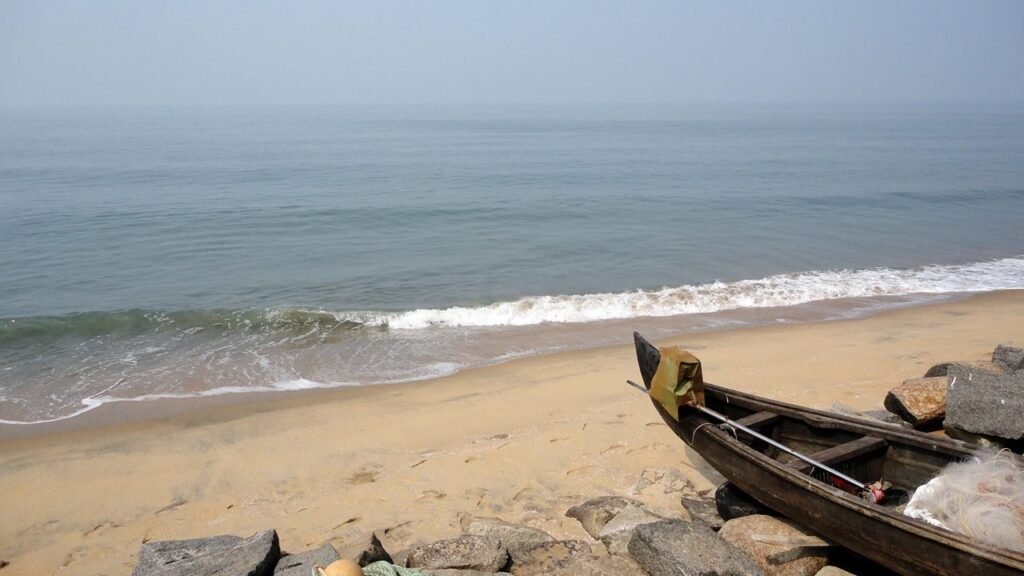
Located just off the coast of Kochi, Vypin Island is an under-the-radar escape that offers a blend of history, nature, and coastal charm. While most travelers flock to Kochi’s famous backwaters, this island remains a peaceful retreat, lined with serene beaches and traditional fishing villages.

The island is also home to the Vypin Lighthouse, which provides breathtaking panoramic views of the Arabian Sea. Its historical significance is highlighted by the ancient St. George Forane Church, a site of deep religious and cultural importance. For those who wish to experience authentic Kerala away from the tourist rush, Vypin Island is a hidden paradise.

Beyond Goa & Andamans: Discover India’s Most Mysterious Islands with Hidden Shores & Volcanoes

3. Pirotan Island: Gujarat’s Marine Wonderland

Location: Gulf of Kutch, Gujarat

Why It’s Unique:

Nestled in the Marine National Park of Gujarat, Pirotan Island is an untouched haven for marine life enthusiasts. It is one of the few islands in India where you can experience coral reefs, mangrove forests, and migratory birds all in one place.

Due to its protected status, Pirotan Island remains uninhabited, making it an extraordinary spot for snorkeling, birdwatching, and eco-tourism. The surrounding waters are teeming with exotic marine species, including rare corals, dolphins, and sea turtles. Accessible only by boat and requiring special permission, Pirotan is a dream for nature lovers looking for an off-the-grid adventure.

4. Nanda Island: The Hidden Jewel of the Sundarbans

Location: West Bengal, near the Bay of Bengal Coast

Why It’s Unique:

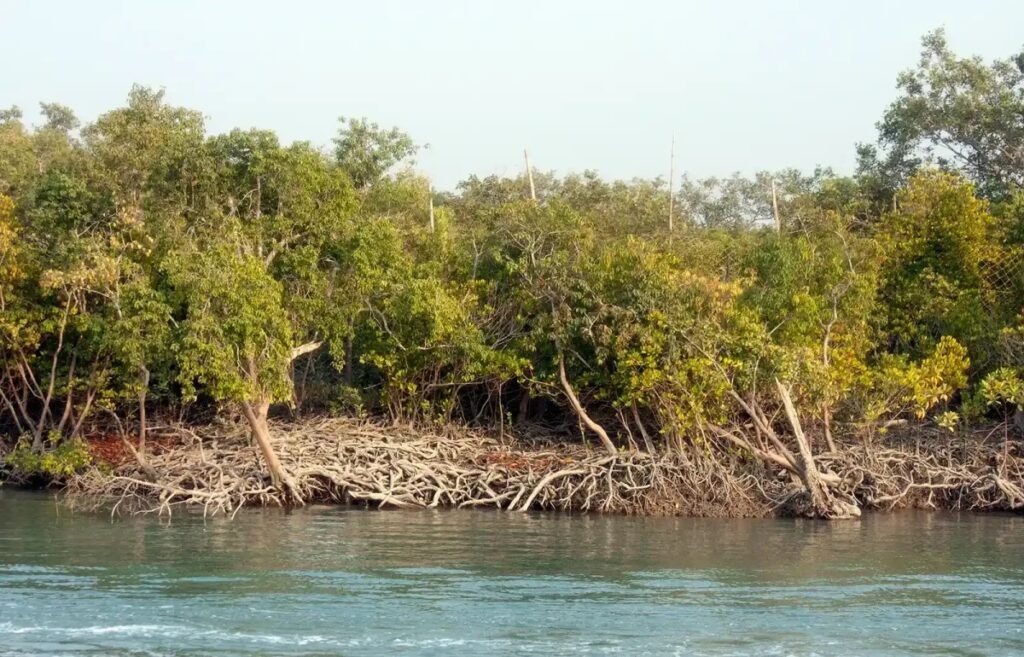
Situated near the mouth of the Hooghly River, Nanda Island is a biodiverse gem that remains largely undiscovered by mainstream travelers. As part of the Sundarbans ecosystem, it is home to dense forests, rare plant species, and a thriving population of migratory birds.

The untouched beaches and serene natural surroundings make it an ideal retreat for birdwatchers and eco-tourists. The island’s tranquil atmosphere, combined with the rich biodiversity, offers visitors a chance to immerse themselves in nature while experiencing the raw beauty of the Sundarbans.

Beyond Goa & Andamans: Discover India’s Most Mysterious Islands with Hidden Shores & Volcanoes

5. Dhanushkodi Island: India’s Ghost Town by the Sea

Location: Tamil Nadu, Southern tip of India

Why It’s Unique:

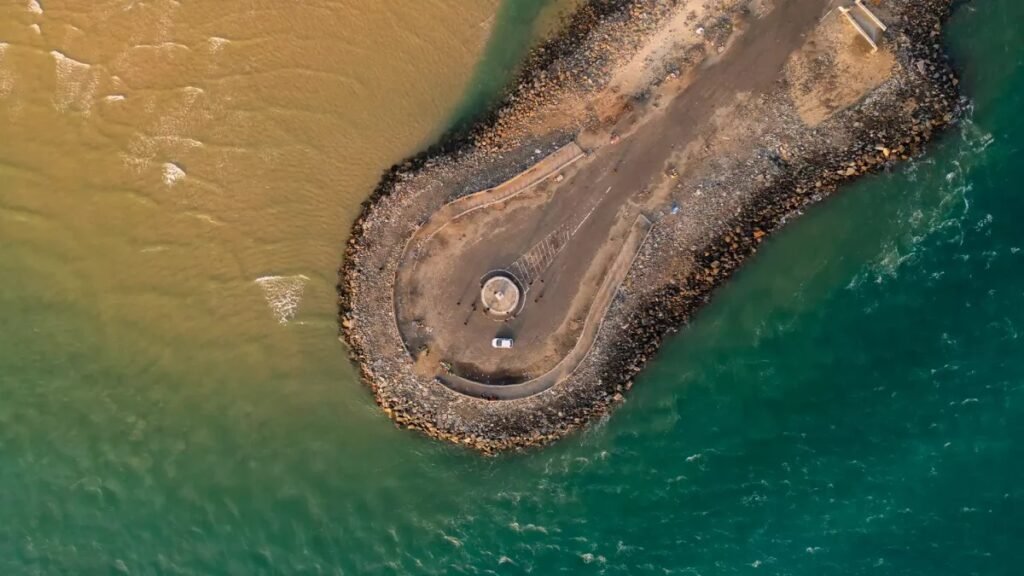
Dhanushkodi is a place where history and mystery blend seamlessly with nature. Located at the southernmost tip of Tamil Nadu, this island was once a flourishing town until it was devastated by a cyclone in 1964. Since then, it has remained abandoned, earning it the eerie nickname “India’s Ghost Town.”

Despite its tragic past, Dhanushkodi is a place of mesmerizing beauty. The ruins of churches, railway stations, and houses stand frozen in time, offering a glimpse into the past. The island is also close to the legendary Adam’s Bridge (Rama’s Bridge), a chain of limestone shoals that, according to mythology, was built by Lord Rama to reach Lanka.

The combination of history, mythology, and scenic coastal landscapes makes Dhanushkodi an unforgettable destination for those who dare to venture beyond the usual tourist trails.

Beyond Goa & Andamans: Discover India’s Most Mysterious Islands with Hidden Shores & Volcanoes

Step Off the Beaten Path & Discover India’s Hidden Shores

India’s islands are far more than just beach destinations; they are living stories of nature, history, and adventure. While the famous beaches of Goa and Andaman continue to attract the crowds, these lesser-known islands offer something truly special—a journey into the unknown.

So, if you’re ready to escape the usual and embark on a voyage to India’s most mysterious and unexplored shores, these islands await your discovery. Pack your bags, set sail, and let the adventure begin!

Holi Special: Beware of Chemicals; Celebrate Festival with Homemade Organic Colors

0

There was a time when Holi was celebrated with natural colors made from flower petals and tesu flowers. However, the market is now flooded with chemical-based colors that can be harmful to the skin, hair, and overall health. These synthetic colors contain harsh chemicals that are difficult to remove, even with moisturizer or oil.

To avoid these harmful effects, organic colors can be easily prepared at home. Not only are they safe for the skin and hair, but they are also simple to make.

The Dangers of Synthetic Colors

According to a study published in the Indian Journal of Clinical Biochemistry, most commercially available Holi colors contain toxic chemicals that can cause skin allergies, eye irritation, and respiratory problems like asthma. The study highlights that children are particularly vulnerable to these harmful effects.

Easy Ways to Make Organic Colors at Home

Orange Color (from Orange Peels)
Dry orange peels thoroughly and grind them into a fine powder. Add corn flour and a small amount of turmeric, then sift the mixture through a cotton cloth. Your natural orange gulal is ready.

Green Color (from Spinach, Mint, or Coriander)
Grind washed spinach, mint, or coriander leaves into a fine paste. Strain the liquid through a sieve and add a few drops of rose water. For gulal, mix the liquid with corn flour, let it dry under the sun, and then sift it for a smooth texture.

Pink Color (from Beetroot)
Grate one or two beetroots and extract the juice using a sieve. Add a tablespoon of rose water. To make gulal, mix the liquid with corn flour, dry the mixture in sunlight, and then grind and sift it for a fine texture.

Red Color (from Rose Petals and Hibiscus Flowers)
Soak rose petals and hibiscus flowers in water for an hour before grinding them into a paste. Mix with corn flour and let it dry in the sun. Once fully dried, sift through a cotton cloth for smooth gulal.

Yellow Color (from Turmeric and Gram Flour)
Boil two tablespoons of turmeric powder in one cup of hot water and let it cool. Add two tablespoons of rose water and three cups of corn flour, then mix well. Dry the mixture under the sun and sift it to create a fine yellow gulal.

This Holi, opt for these natural, skin-friendly alternatives and enjoy a safe and colorful celebration without chemical hazards!

Stay Hydrated and Healthy This Summer with Bottle Gourd

0

As summer intensifies, the scorching sun and increasing dryness in the air leave us feeling thirstier than usual. To stay hydrated and nourished, it’s essential to include vegetables in our diet that provide both nutrition and hydration.

One such powerhouse vegetable is bottle gourd (also known as gourd). Composed of nearly 90% water, bottle gourd is packed with essential minerals like potassium and calcium, along with vital carbohydrates and proteins.

Why You Should Eat Bottle Gourd

Despite its numerous health benefits, many people hesitate to include bottle gourd in their diet. However, this vegetable is a nutritional treasure that helps regulate blood sugar and blood pressure, improves liver health, and is particularly beneficial for individuals with diabetes.

Today, we will explore the benefits of bottle gourd, including:

  • Its nutritional value
  • Its medicinal properties
  • The diseases it helps prevent

Nutritional Value of Bottle Gourd

Bottle gourd is more than 90% water and contains negligible fat. It is low in carbohydrates and provides essential nutrients. While many believe that only sour fruits and vegetables contain vitamin C, bottle gourd is a great source of this crucial vitamin, along with radish and cabbage. Additionally, it is rich in important minerals such as potassium and calcium.

Medicinal Properties of Bottle Gourd

According to doctors, bottle gourd possesses several medicinal properties. Its anti-inflammatory and analgesic (pain-relieving) effects contribute to the prevention and treatment of multiple ailments. One of its most important benefits is its diuretic nature—consuming bottle gourd promotes frequent urination, which helps flush out toxins from the body.

Health Benefits of Bottle Gourd

1. Aids in Weight Loss

Bottle gourd is a low-calorie, high-fiber vegetable that keeps you feeling full for a longer time, reducing hunger pangs. It provides essential nutrients, curbing the craving for unhealthy junk food. Including bottle gourd in your diet can help maintain a healthy weight.

2. Improves Digestion

During summer, metabolism tends to slow down, leading to digestive issues like gas, acidity, and constipation. The fiber in bottle gourd aids digestion and helps eliminate toxins from the body, ensuring a healthy digestive system.

3. Regulates Blood Pressure

The potassium and magnesium content in bottle gourd helps balance blood pressure levels. It counteracts the harmful effects of excess sodium, reducing the risk of high blood pressure and heart-related problems.

4. Enhances Skin Health

Summer often brings skin problems like rashes, pimples, and sunburn. Bottle gourd’s hydrating properties keep the skin moisturized, while its antioxidants help achieve clear and glowing skin.

Conclusion

Bottle gourd is a highly nutritious and hydrating vegetable that offers multiple health benefits. Whether you are looking to improve digestion, regulate blood pressure, maintain a healthy weight, or achieve glowing skin, incorporating bottle gourd into your summer diet is a great choice. Stay cool, stay healthy, and make bottle gourd a part of your meals this season!

Couple Quits Gurugram Life to Build Storybook Homestay in the Forests of Himachal

0

Kudrat: A Sustainable Haven in the Heart of Tirthan Valley

Nestled in the pristine forests of Himachal Pradesh’s Tirthan Valley, Kudrat is a boutique homestay that feels like a storybook come to life. Every guest who visits is enchanted by its tranquility, and its hosts, Sudhir Nehru and Bhawana Koundal, are the architects of this dream turned reality. Their journey, one of love, adventure, and sustainability, led them from the chaos of city life to the heart of the mountains, where they built Kudrat, named after their daughter and inspired by nature itself.

A Dream Rooted in the Mountains

Born in Nagaland but with Kashmiri roots, Sudhir always harbored a deep love for the mountains. However, life led him to the corporate world, where he found himself stuck in an endless cycle of deadlines and structured weekends. In 2012, he and Bhawana decided to break free, embarking on a two-year backpacking adventure across India and Europe. This journey reignited their passion for mountain living, and in 2014, they stumbled upon a piece of land in Tirthan Valley. They fell in love instantly. What was initially intended as a holiday retreat soon evolved into a full-time homestay, an extension of their vision to live harmoniously with nature.

Living in Harmony with Nature

Kudrat stands as a testament to eco-conscious living. The couple embraced traditional architecture to create two distinct yet equally enchanting homes. The Wood House, built in the kath kuni style native to the Kullu region, seamlessly blends with the surrounding deodar forests. It features cozy wooden interiors, a library nook, and an outdoor fireplace, making it an idyllic retreat. Each room offers breathtaking views of the mountains, with the Braag Suite, named after the leopards, boasting a charming attic space.

The Stone House, Kudrat’s twin, is a modern counterpart constructed with mud plaster and locally sourced stones. While the Wood House maintains an ideal indoor climate year-round, the Stone House was designed to maximize natural light, featuring a glass skylight that brightens the space throughout the day. The combination of wood, stone walls, and mud plaster ensures insulation, keeping the homes warm in winter and cool in summer.

A Culinary Celebration of Tradition

Food at Kudrat is an experience in itself. Bhawana and Sudhir are passionate about preserving Himachal’s rich culinary heritage, serving guests the traditional Kullvi dham, a local feast that includes siddu (steamed wheat buns with lentil stuffing), sepu vadi (steamed and fried lentil dumplings), rajma, kadi, madhra, and khatta, among other delicacies. These dishes, prepared with ingredients sourced from local farms, offer an authentic taste of Himachal’s vibrant culture. Guests can also enjoy homemade jams, poori aloo, chola bhatura, and stuffed parathas, making every meal a wholesome delight.

Sustainability: A Way of Life

Sustainability isn’t just a concept at Kudrat—it’s a way of life. The couple has integrated numerous eco-friendly practices into their daily operations. A 40,000-litre rainwater harvesting pond meets the homestay’s water needs, while waste is carefully segregated—wet waste is fed to livestock, and dry waste is sent to a recycling plant in Manali. Plastic use is minimized, and refillable toiletries are provided to guests. Kudrat stands as a shining example of how tourism can coexist with environmental consciousness.

A Home Among the Hills

Kudrat is more than just a homestay; it’s an immersive experience. Guests can explore nearby villages, trek into the Great Himalayan National Park, visit the Chhoie Waterfall, or simply soak in the serenity of the Tirthan River. For Sudhir and Bhawana, this journey has been one of patience, love, and deep respect for nature. In the Valley, where the only deadlines are catching sunrises and sunsets, they have found their true calling.

Now, as you step into Kudrat, let the whispers of the forest, the rhythm of the river, and the warmth of its hosts envelop you. It’s not just a place—it’s a feeling, an experience, a dream realized in the heart of the Himalayas.

Freedom from the Dark

0

Illuminating Change: How Solar Power is Transforming Chhattisgarh’s Remote Villages

For decades, the forests of Chhattisgarh have been shrouded in conflict, their tranquility disrupted by a secret war. The inhabitants of these remote reaches lived in fear, caught between the crossfire of an ongoing battle. But now, a different kind of transformation is taking root—a revolution powered by the sun.

As aggressive anti-Maoist operations have begun to reclaim strongholds, the reach of development has extended to some of the most isolated tribal hamlets in southern Chhattisgarh. For the first time in 78 years of independent India, electricity has arrived in these forgotten corners—lighting up lives, homes, and futures, all thanks to solar power.

A New Dawn in Chhattisgarh’s Tribal Villages

The state government, through the Chhattisgarh Renewable Energy Development Agency (CREDA), has taken an innovative step by harnessing renewable energy to illuminate the remotest villages in Bastar and other tribal-dominated regions. In the absence of traditional power infrastructure—electricity lines and transformers—off-grid solar energy has become a beacon of hope, replacing darkness with progress.

CREDA has facilitated the installation of solar-powered appliances, including lighting systems, fans, high-mast streetlights, and pumps for drinking water and irrigation. Designed to be cost-effective and sustainable, these solutions are changing the very fabric of life in these tribal communities.

Bridging the Gap with Technology

One of the most groundbreaking developments is the introduction of solar-powered televisions. In villages like Puvarti—once among the most Maoist-affected areas—children gathered with wide-eyed wonder as they watched educational programs and cartoons on Doordarshan for the first time.

“This is a transformational step towards development in the remote Bastar region,” affirmed Chief Minister Vishnu Deo Sai.

Reaching the Inaccessible

CREDA’s mission extends to some of the most rugged and inaccessible districts, including Sukma, Narayanpur, Bijapur, and Dantewada—once hotbeds of Maoist activity. The landscape has now changed. Walk through these villages today, and you will see solar panels perched on rooftops, overhead water tanks glistening under the sun, and village markets glowing with light. The road to this progress, however, has not been easy.

“Our teams have often walked miles through dense forests and difficult terrain, carrying solar equipment to these distant communities,” said CREDA CEO Rajesh Singh Rana.

Powering Development, One Village at a Time

A significant focus has been placed on villages within a 5-kilometer radius of newly established security camps. Surveys identified 95 such villages, many of which had never seen electricity before. CREDA’s initiative has already brought solar energy to over 80% of these settlements, providing essential facilities such as:

  • Solar home lighting systems
  • High-mast lighting for streets and community areas
  • Solar-powered televisions for education and entertainment
  • Irrigation pumps for agriculture
  • Drinking water supply systems powered by solar energy

With ample sunlight available year-round, solar energy has proven to be a practical and efficient solution.

A Life-Changing Impact

For residents, the changes are nothing short of revolutionary.

“Studying at night is now easy with solar lights. The educational programs on Doordarshan are valuable for the youth,” said Nuppo Hadma from Puvarti.

Villagers who had never dreamed of owning a television now feel connected to the outside world. “It feels like we are a part of something bigger,” expressed Raju Dasru of Bhurwal, Narayanpur.

Women, too, are experiencing newfound convenience. “We no longer need to walk miles to fetch drinking water,” said Vetti Kamlu from Sukma.

Laying the Foundation for Growth

Before implementing these projects, CREDA conducted extensive surveys to identify the best sites for solar energy utilization. Solutions were tailored to meet the specific needs of each village, ensuring long-term benefits.

The socio-economic impact is already visible—rural households are beginning to engage in small-scale enterprises, education levels are improving, and agricultural activities are expanding.

Apart from electrifying homes, streetlights, and markets, solar energy is also powering health centers, student hostels, and Anganwadis. The Jal Jeevan Mission is leveraging solar-powered dual pumps to ensure a steady supply of clean drinking water in these remote areas.

Sustainable Solutions for the Future

The off-grid solar systems require minimal maintenance, making them a sustainable energy source for these communities. Under the ‘Niyad Nellanar’ (Your Own Village) scheme, the Chhattisgarh government is ensuring that development reaches even the most isolated corners of the state.

“The proper operation and maintenance of the installed solar systems is a priority. Dedicated cluster technicians conduct monthly, quarterly, and yearly reviews to ensure an uninterrupted supply of electricity,” said CEO Rajesh Singh Rana.

Lighting the Path Forward

For a region that has endured conflict and neglect for decades, solar power is more than just an energy source—it is a symbol of hope and progress. With electricity now reaching these once-forgotten villages, the door to education, healthcare, sanitation, and economic opportunity has swung open.

Chhattisgarh’s initiative serves as a shining example of how clean energy can transform lives, one village at a time. By embracing sustainable development and inclusive growth, the state is illuminating a future where no one is left in the dark.

Maharashtra’s Media Monitoring Centre: A Step Towards Transparency or Censorship?

0

The Maharashtra government has recently announced the establishment of a Media Monitoring Centre, a first-of-its-kind initiative aimed at scrutinizing media reports across print, electronic, and social media. Operated under the Directorate of Information and Public Relations (DIPR) with a budget of Rs 10 crore, the centre is set to track media narratives, assess public sentiment, and analyse the impact of government policies. However, the move has sparked debates over press freedom, surveillance, and ethical concerns.

Objectives of the Media Monitoring Centre

The primary goal of the centre is to monitor media coverage related to government policies and initiatives. News reports will be classified as positive, neutral, or negative, allowing authorities to track public perception. By analysing media trends, the government aims to enhance communication strategies, address misinformation, and ensure effective policy outreach.

Key Functions of the Centre

The Media Monitoring Centre will perform several crucial tasks, including:

  • Daily media tracking: Collecting PDF clippings from newspapers and monitoring news channels and social media discussions.
  • Sentiment analysis: Assessing media coverage to determine public response to government initiatives.
  • Data-driven insights: Using AI-powered analytics to generate reports on news trends and misinformation patterns.
  • Public feedback mechanism: Developing tools to gather and evaluate citizen responses to policy changes.

The Role of AI in Media Monitoring

The Maharashtra government plans to integrate AI-based systems for media surveillance. These technologies will help in:

  • Identifying fake news and misinformation.
  • Tracking narrative shifts that could influence public opinion.
  • Automating the classification of media reports for better analysis.

To strengthen its capabilities, the government is likely to partner with private consulting firms specializing in AI-driven media analysis.

Criticism and Ethical Concerns

While the government claims the initiative aims at improving transparency and accountability, critics fear it could lead to censorship and media suppression. The key concerns include:

  • Surveillance fears: Continuous media tracking might discourage critical journalism and dissent.
  • Defining misinformation: The lack of a clear framework raises concerns over potential misuse of the system.
  • Impact on press freedom: Labeling news as positive or negative could create biases, leading to an environment where journalists self-censor to avoid repercussions.

A Growing Trend: Media Monitoring Across States

Maharashtra is not the first state to implement media monitoring measures.

  • Pimpri-Chinchwad introduced a social media monitoring agency in 2024 to track digital narratives.
  • Tamil Nadu and West Bengal have also taken steps to combat fake news and online misinformation through state-led initiatives.

These developments indicate a broader national shift towards media regulation, raising questions about the balance between governance and press freedom.

Legal and Constitutional Implications

The establishment of the Media Monitoring Centre brings forth legal challenges concerning free speech and journalistic independence. Past cases, such as challenges to fact-checking units and IT Rules, highlight the risk of state-sponsored censorship. The centre’s functioning will need clear guidelines to ensure it does not violate constitutional rights.

What Lies Ahead?

The operational framework of the Media Monitoring Centre is still being developed. The DIPR is expected to release a detailed project report, clarifying:

  • The criteria for categorizing news reports.
  • Measures to prevent media bias and undue censorship.
  • Ways to engage with journalists and independent fact-checkers.

As Maharashtra moves forward with this initiative, all eyes will be on how it balances media oversight with journalistic freedoms, ensuring that it serves public interest without infringing on democratic values.

Theri Kaadu: Tamil Nadu’s Hidden Red Sand Desert

0

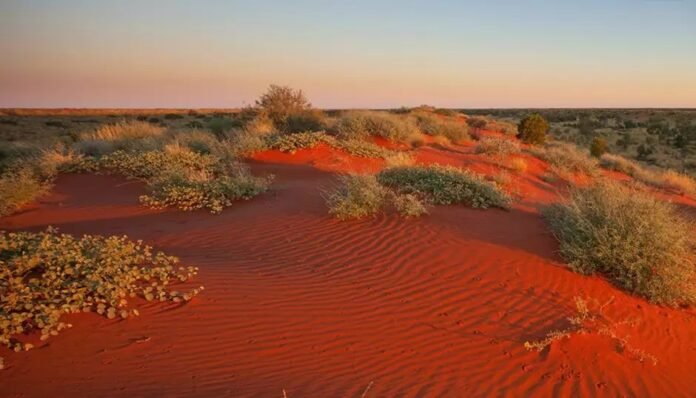
Tamil Nadu often evokes images of lush paddy fields, towering temple gopurams, and the serene coastline of the Bay of Bengal. However, nestled in the districts of Thoothukudi and Tirunelveli lies an unexpected marvel—Theri Kaadu, a striking red sand desert unlike any other in India. Spanning approximately 500 square kilometers, this unique terrain is characterized by its vibrant crimson dunes, sculpted over millennia by nature’s relentless forces.

The Geological Origins of Theri Kaadu

Theri Kaadu, which translates to ‘red dune forest,’ has a geological history dating back to the Quaternary Period. Unlike traditional deserts formed through prolonged aridity, Theri Kaadu owes its existence to the interplay of marine deposits and aeolian (wind-driven) processes.

During the Last Glacial Maximum, around 10,000 years ago, sea levels were significantly lower, exposing an extensive sea shelf. Over time, strong winds carried iron-rich sediments from this exposed shelf and the Western Ghats, depositing them along Tamil Nadu’s southeastern coast. According to Dr. Christy Nirmala Mary, head of the Department of Soil and Environment at the Agricultural College and Research Institute in Madurai, these deposits gradually accumulated, shaping the rolling dunes we see today.

The red hue of the sand is attributed to its high iron oxide content, giving Theri Kaadu its distinct appearance. Geological evidence suggests that the area was once submerged under the sea, making it a testament to Earth’s ever-changing landscapes.

What Makes Theri Kaadu Unique?

Despite its relatively small size compared to vast deserts like the Thar, Theri Kaadu is a geological anomaly. It is categorized into three distinct dune types based on proximity to the coastline:

  • Inland Theris – The most stable dunes, located farthest from the sea.
  • Near Coastal Theris – These dunes experience moderate movement due to wind and human activity.
  • Coastal Theris – The most dynamic dunes, continuously reshaped by strong southwest winds.

One of the most captivating aspects of Theri Kaadu is the ceaseless movement of its sands, making it a newly formed and constantly evolving landscape. Unlike other deserts where dunes remain relatively fixed, Theri Kaadu’s sands are in a state of perpetual motion, creating an ever-shifting topography that fascinates geologists and nature enthusiasts alike.

A Natural Laboratory for Scientific Exploration

Theri Kaadu serves as a valuable natural laboratory for studying desertification, climate change, and soil composition. The iron-rich, sandy soil has little clay content, making it difficult to distinguish distinct layers, yet its study provides crucial insights into environmental transformations over thousands of years.

Researchers employ advanced techniques like luminescence dating to determine the age of the dunes and trace their evolutionary history. The rapid infiltration rate of water in Theri soil makes irrigation challenging, limiting agricultural prospects to native trees such as palms and cashews. Experimental irrigation techniques like drip fertigation have shown promise, but high costs deter widespread adoption.

Despite its arid nature, Theri Kaadu supports a surprising array of flora and fauna. Resilient plant species, including shrubs and native trees, have adapted to the harsh conditions, forming micro-ecosystems within the dunes. The region is also home to fascinating wildlife such as the fan-throated lizard, spotted owlets, Eurasian kestrels, and the vibrant velvet poochi insect.

An Ever-Changing Testament to Earth’s History

Theri Kaadu is more than just a picturesque patch of red sand—it is a living testament to Earth’s dynamic history. From its origins in the Quaternary Period to its ongoing transformation by wind and time, this enigmatic desert continues to hold secrets waiting to be uncovered.

Beyond its scientific intrigue, Theri Kaadu is a reminder of nature’s delicate balance. As development and climate change threaten unique ecosystems worldwide, fostering awareness and encouraging sustainable exploration are crucial in preserving this geological wonder. By protecting Theri Kaadu, we ensure that future generations can marvel at this rare desert, a silent yet profound witness to the Earth’s ever-evolving narrative.

This Gurugram Nature School Teaches Kids Composting, Farming & Stargazing

0

Forest Spirit Learning: Nurturing a Love for Nature Through Hands-On Education

I haven’t yet visited Forest Spirit Learning, a nature-based educational space founded by Jyoti Raghavan in Haryana’s Sector 79, but when 13-year-old Aarush Gupta shows me his painting, I’m instantly transported there. His artwork, with its vibrant hues and intricate shading, beautifully captures the essence of this green haven.

As I admire his creation, his mother, Meenakshi, shares how rare it is for her neurodivergent son to express himself so fluently in words. His visual vocabulary has done it for him this time. She recounts his birthday visit to Forest Spirit Learning, a day when his imagination ran wild. “He wanted to draw the vegetables, the trees, the flowers—everything he saw. He even named all the shades of green he spotted in the leaves, wanting his painting to reflect them,” she explains.

Ever since, Aarush has returned to the nature school with intent—using his palette to bring the landscape to life. Jyoti interjects, smiling, “Nature has that effect. It helps you make sense of the world, no matter who you are.”

Forest Spirit Learning: A Space for Life Skills

Scrolling through the school’s Instagram page, I’m struck by an image of a barbet being cradled. The bird had crashed into a glass window and was brought to Jyoti for care. “Barbets feed on the fruit of peepal and banyan trees. The locals wanted it re-homed on the nearby peepal tree,” she shares.

A few days of rest, recovery, and food nursed the bird back to health. But this isn’t an isolated act of kindness. Over the years, Jyoti has extended the same care to snakes, barn owls, mongooses, squirrels, and garden lizards. Her goal is clear—to make nature a mainstay in everyday conversations.

Today, students from across Delhi and Gurugram flock to the space, reveling in its greenery and hands-on lessons. When they’re not learning about organic farming, they’re harvesting vegetables, and when that’s done, they feast on their bounty. More than just a farm-to-table experience, Jyoti sees this as a way to reconnect children with their roots.

Since its inception, Forest Spirit Learning has welcomed over 200 children. Some visit for a picnic, others as homeschoolers eager to learn new skills, and some even come to stargaze. On January 25, the ‘school’ saw 150 attendees—both adults and children—gathering to witness the rare planetary parade through a telescope. But even when celestial events aren’t unfolding, there’s always something happening on the land.

Sustainable Architecture: Learning from the Past

A typical student tour begins with an introduction to the school’s architecture, built by Jyoti with help from volunteers from Nepal, Italy, the UK, the US, South Africa, and Australia. The structure stands as a testament to sustainability, crafted from mud, bamboo, and beer bottles—sourced from Gurugram’s off-licences.

“I wanted this space to cause minimal damage to the land,” she explains. The construction follows a water-based method, using mud and bamboo coated with clay. This ensures durability while keeping the interiors warm in winter and cool in summer. The beer bottles embedded in the walls serve an aesthetic purpose, filtering sunlight and casting colorful shadows on the floor.

“Most of these children have only seen concrete and cement constructions,” Jyoti notes. “Here, they learn about sustainable architecture and why the only way forward is to look back at traditional techniques.”

Plant Identification: Reconnecting with Nature

Next comes the ‘plant identification tour.’ Jyoti fondly recalls her childhood, spent climbing trees and exploring gardens filled with guava, mango, jamun, and banana trees. “Back then, we didn’t have apartment complexes. Our single-storied homes had vast verandas where we could identify different plants. I want to pass this skill on.”

“Smell the leaves,” she urges the students. “The scent will help you distinguish toxic plants from edible ones.” She highlights a common irony—many children consume basil in pasta and bay leaves in biryani but cannot identify them in nature. Teaching them about their food sources fosters a deeper appreciation for what they eat.

This lesson extends to the kitchen, where students observe the organic waste lifecycle. Composting and bio-enzyme making are taken seriously at Forest Spirit Learning, reinforcing the ethos of sustainability.

Hands-On Learning: A Curriculum Rooted in Nature

Beyond farming and plant identification, Jyoti envisions expanding the curriculum to include essential life skills—cooking, sewing, mending, carpentry, electrical work, and plumbing. The children embrace these hands-on experiences, evident in the enthusiasm surrounding an ‘insect hotel building workshop.’

“Pollinators were emerging from hibernation, so we had children build a home for them—a little hotel for insects,” Jyoti explains. This concept of ecosystems is also reflected in the campus pond. “I love dragonflies, so I dug a pond. The stagnant water attracted mosquitoes, whose larvae drew dragonflies. Then came frogs, followed by kingfishers, and soon, other birds.”

From Garden to Plate: A Lesson in Mindful Consumption

The tours always end with a meal, but not before the children harvest their own vegetables. Overwhelmed by the idea, they often get carried away. “Take only what you can finish eating,” Jyoti reminds them. “Everything is a resource, and nothing should be wasted.”

The vegetable patch brims with cauliflower, cabbage, broccoli, onions, potatoes, garlic, fenugreek, radish, brinjal, lettuce, tomatoes, and chillies. The freshly picked produce is served alongside traditional dishes—bajra rotis, chutneys, buttermilk, mustard greens, and lentils—prepared by local cooks.

Having nurtured this land, Jyoti has learned a fundamental truth: nature just needs one chance to bounce back. “If you give it that chance, you’ll witness magic.”

A Vision for the Future

Jyoti’s journey began long before Forest Spirit Learning took root. Having grown up surrounded by trees, she developed a deep affinity for forests. Her move from Delhi to Gurugram seven years ago ignited her advocacy for the protection of the Aravalli range—a mountainous region threatened by rampant mining. Her environmental efforts soon led her to a realization: “How can children be taught to save forests when they don’t even know what a forest is?”

This question inspired her to create Forest Spirit Learning, a space where education extends beyond textbooks.

As the tour comes to an end, Aarush, who has been sketching throughout, unveils his latest masterpiece. It is a vision of the world he wants to live in—one filled with shades of green.

And in that moment, it’s clear: Forest Spirit Learning isn’t just teaching children about nature. It’s inspiring them to dream of a greener future.

Minimum Dietary Diversity Indicator: A New Global Standard for Nutrition Assessment

0

The United Nations Statistical Commission has recently adopted the Minimum Dietary Diversity (MDD) Indicator, a significant step towards tracking global nutrition progress. This new measure aligns with Sustainable Development Goal 2 (SDG 2), which aims to achieve zero hunger by 2030. By focusing on the variety of foods consumed, MDD shifts the emphasis from mere calorie intake to diet quality and nutrition security.

Understanding Minimum Dietary Diversity

The Minimum Dietary Diversity Indicator assesses the variety of foods consumed by individuals over a 24-hour period, ensuring a broader understanding of diet quality. The indicator is based on the consumption of ten specific food groups, including:

  • Grains
  • Pulses
  • Dairy
  • Meat
  • Fish
  • Eggs
  • Dark green leafy vegetables
  • Vitamin A-rich fruits and vegetables
  • Other fruits
  • Other vegetables

By incorporating these diverse food groups, MDD helps evaluate whether individuals are receiving adequate micronutrients essential for health and well-being.

The Importance of Dietary Diversity

Dietary diversity plays a crucial role in preventing micronutrient deficiencies and ensuring overall health. Vulnerable groups, particularly children and women of reproductive age, are at higher risk of malnutrition due to limited access to diverse foods. A lack of dietary diversity can lead to severe health consequences, including stunted growth, weakened immune systems, and increased susceptibility to non-communicable diseases (NCDs).

Implementation and Monitoring

The Food and Agriculture Organization (FAO) and the United Nations Children’s Fund (UNICEF) will jointly manage the MDD indicator. The indicator will primarily focus on two key population groups:

  • Children aged 6-23 months
  • Women of reproductive age (15-49 years)

Countries that already collect dietary data can integrate the MDD indicator into their public health policies and nutrition programs, enabling data-driven decision-making to improve food security and health outcomes.

Global Significance

With its adoption, the MDD indicator joins nearly 250 indicators monitored under the Sustainable Development Goals (SDG) framework. This development highlights the increasing recognition of healthy diets as a cornerstone of sustainable food systems. The MDD indicator will provide essential data for policymakers, researchers, and development agencies, helping shape evidence-based nutrition interventions worldwide.

Future Implications

The integration of MDD into global nutrition tracking mechanisms allows countries to benchmark their progress in promoting healthy diets. As food systems continue to evolve, the emphasis on dietary diversity will persist beyond the SDG era, influencing future health and nutrition policies. Governments and stakeholders must invest in nutrition-sensitive agriculture, education, and food fortification programs to ensure sustainable dietary improvements for all.

By prioritizing nutrient-rich food consumption, the Minimum Dietary Diversity Indicator reinforces the global commitment to achieving better nutrition and food security, ultimately fostering healthier populations and sustainable development worldwide.