Home Blog Page 360

IIFA Digital Awards 2025: Full List of Winners

0

The prestigious IIFA Digital Awards 2025 kicked off in grand style in Jaipur, celebrating the best of OTT content. This year, streaming giants Amazon Prime Video and Netflix emerged as dominant winners, with standout performances from Panchayat Season 3 and Amar Singh Chamkila securing multiple awards.

Top Winners at IIFA Digital Awards 2025

Film Category

  • Best Film: Amar Singh Chamkila
  • Performance in a Leading Role, Female (Film): Kriti Sanon (Do Patti)
  • Performance in a Leading Role, Male (Film): Vikrant Massey (Sector 36)
  • Best Direction (Film): Imtiaz Ali (Amar Singh Chamkila)
  • Performance in a Supporting Role, Female (Film): Anupriya Goenka (Berlin)
  • Performance in a Supporting Role, Male (Film): Deepak Dobriyal (Sector 36)
  • Best Story Original (Film): Kanika Dhillon (Do Patti)

Series Category

  • Best Series: Panchayat Season 3
  • Performance in a Leading Role, Female (Series): Shreya Chaudhry (Bandish Bandits Season 2)
  • Performance in a Leading Role, Male (Series): Jitendra Kumar (Panchayat Season 3)
  • Best Direction (Series): Deepak Kumar Mishra (Panchayat Season 3)
  • Performance in a Supporting Role, Female (Series): Sanjeeda Shaikh (Heeramandi: The Diamond Bazaar)
  • Performance in a Supporting Role, Male (Series): Faisal Malik (Panchayat Season 3)

Miscellaneous Awards

  • Best Story Original (Series): Kota Factory Season 3
  • Best Reality or Best Non-scripted Series: Fabulous Lives Vs. Bollywood Wives
  • Best Docuseries/Documentary Film: Yo Yo Honey Singh: Famous
  • Best Title Track: Anurag Saikia (Ishq Hai from Mismatched Season 3)

What’s Next at IIFA 2025?

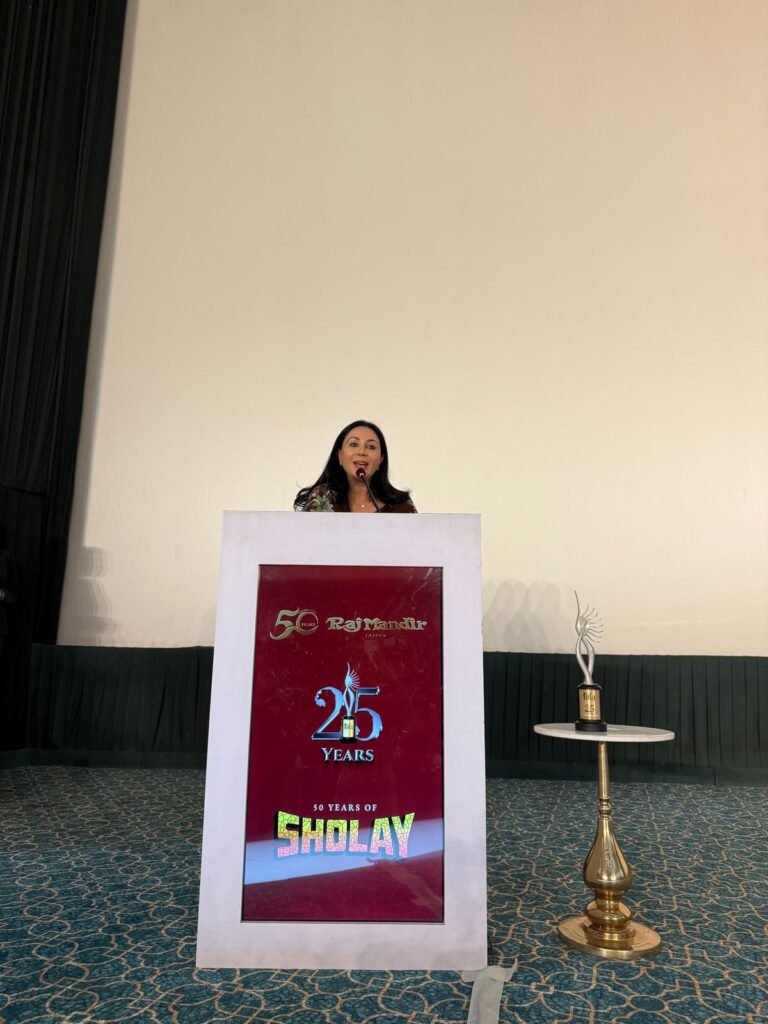
The celebrations will continue with the grand IIFA Awards Night on March 9, 2025, featuring a special tribute to the iconic film Sholay on its 50th anniversary. A spectacular screening will be held at Jaipur’s legendary Raj Mandir Cinema. Additionally, legendary MMA fighter Anthony Pettis will make a special appearance, adding an extra layer of excitement to the event.

Stay tuned for more updates from IIFA 2025!

The Epic Experience! Jaipur Witnesses a Special Screening of Sholay at Raj Mandir

0

IIFA 2025 – ‘Silver Was The New Gold’ – Celebrated 25 Glorious Years in Jaipur, Rajasthan

Jaipur, the Pink City, turned into a cinematic paradise as it played host to the grand celebration of the 25th anniversary of the International Indian Film Academy (IIFA) Awards on March 8th–9th, 2025. Adding to the jubilation, the historic Raj Mandir cinema witnessed a spectacular screening of the legendary film Sholay on February 9th at 11 AM, commemorating its golden jubilee. The event brought together cinephiles, industry veterans, and enthusiastic fans to relive the magic of Indian cinema’s most celebrated masterpiece.

Golden Jubilee of Sholay & Raj Mandir – A Tribute to Cinematic Legacy

The year 2025 marked not only a quarter-century of IIFA but also the 50th anniversary of Sholay, one of Bollywood’s most iconic films. Raj Mandir, synonymous with grandeur and nostalgia, served as the perfect venue for this historic screening. The special event saw the presence of film enthusiasts and industry legends who reminisced about the film’s impact on Indian cinema. The immersive experience took attendees back to 1975, reviving the unforgettable characters of Jai, Veeru, Gabbar, and Basanti on the big screen.

The Epic Experience! Jaipur Witnesses a Special Screening of Sholay at Raj Mandir

IIFA 2025: A Spectacle of Silver & Gold

The 25th edition of IIFA, themed ‘Silver Was The New Gold’, was a tribute to both the film industry’s past and its promising future. Hosted in Jaipur, Rajasthan, the grand celebration honored the journey of Indian cinema, blending tradition with innovation. The two-day extravaganza featured dazzling performances, power-packed award ceremonies, and heartfelt tributes to the stalwarts of Bollywood.

Rajasthan, with its royal heritage and deep-rooted cinematic charm, proved to be the perfect backdrop for this momentous occasion. Celebrities, filmmakers, and fans came together to celebrate the evolution of Indian cinema, reflecting on the past while embracing the future. The grandeur of Raj Mandir, the nostalgia of Sholay, and the brilliance of IIFA 2025 made this a weekend to remember.

As the curtains fell on this spectacular event, Jaipur reaffirmed its status as a cultural powerhouse, proving that cinema, much like history, is eternal. The golden jubilee of Sholay and the silver milestone of IIFA 2025 will forever be etched in the annals of Indian film history.

International Women’s Day: IIFA Celebrates Women’s Contribution to Cinema in a Special Way

0

‘The Journey of Women in Cinema’— An Inspiring Conversation with Madhuri Dixit and Guneet Monga

Jaipur, March 8, 2025: As part of IIFA’s silver jubilee celebrations, a special event was held in Jaipur on International Women’s Day. Titled ‘The Journey of Women in Cinema,’ the event featured an insightful discussion with Bollywood icon Madhuri Dixit and Oscar-winning producer Guneet Monga. The conversation was hosted by IIFA Vice President Noreen Khan.

Madhuri Dixit shared highlights from her 39-year career, emphasizing how women’s roles in cinema have evolved significantly. She stated, “Female characters are no longer confined to supporting roles; they are now at the heart of the story, marking a positive shift in cinema.” Guneet Monga discussed her struggles in the film industry, her journey to winning an Oscar, and the importance of women in leadership. She remarked, “The increasing participation of women in Indian cinema is a promising change for the future.”

The discussion highlighted the transformation of female roles, the challenges women face, and their growing influence in the industry. Both speakers shared inspiring stories to motivate the next generation.

IIFA Vice President Noreen Khan said, “As IIFA completes 25 years, we remain committed to promoting women’s contributions in cinema and beyond. ‘The Journey of Women in Cinema’ is not just a discussion but a movement. When we share stories of courage, creativity, and leadership, we don’t just celebrate successful women; we inspire future generations.”

The grand event took place on March 7, 2025, at Hyatt Regency, Jaipur, serving as a vibrant tribute to the power and contribution of women in Indian cinema.

Link Between Gut Health and Multiple Sclerosis: A New Frontier in Multiple Sclerosis

0

Introduction

Multiple Sclerosis (MS) is a chronic autoimmune disease where the immune system mistakenly attacks the central nervous system (CNS), affecting the brain and spinal cord. This leads to a range of symptoms, including fatigue, mobility issues, and cognitive impairment. While the exact cause of MS remains unknown, recent research suggests that the gut microbiome—the collection of microorganisms in the digestive system—plays a crucial role in disease development and severity.

The relationship between genetics, environmental factors, and gut bacteria is becoming increasingly clear. Scientists are now exploring how gut health influences MS, which could pave the way for new diagnostic tools and treatments.


Understanding Multiple Sclerosis

MS is a complex disease that affects over 2.8 million people worldwide, including nearly one million in the United States. The condition is marked by the immune system attacking myelin, the protective sheath around nerve fibers, leading to inflammation, nerve damage, and communication disruptions between the brain and body.

Key Features of MS

  • Chronic and unpredictable: Symptoms can flare up unexpectedly, making management challenging.
  • Varied symptoms: Patients experience fatigue, muscle weakness, difficulty walking, numbness, vision problems, and cognitive impairment.
  • No known cure: While treatments can manage symptoms, they do not eliminate the disease.

The interaction between genetics and environmental triggers plays a significant role in MS onset, making it essential to examine external influences like gut health.


The Role of Genetics and Environment in MS

Genetic Influence on MS

Genetic studies have shown that while heredity contributes to MS, it is not the sole determining factor. Twin studies provide valuable insights:

  • Identical twins have a 25% risk of developing MS if one twin is diagnosed.
  • Fraternal twins, who share only 50% of their genes, have a much lower 2% risk.

These statistics suggest that genetics alone does not explain MS, and environmental factors significantly influence disease development.

Environmental Triggers

Several external factors can increase the risk of MS, including:

  • Vitamin D deficiency
  • Viral infections (such as Epstein-Barr virus)
  • Smoking
  • Diet and gut health

Among these, gut microbiota has gained attention for its potential role in immune system regulation and MS severity.


The Gut Microbiome’s Influence on MS

The gut microbiome consists of trillions of bacteria that regulate digestion, metabolism, and immune function. Emerging research indicates that imbalances in gut bacteria (dysbiosis) may trigger autoimmune responses, contributing to diseases like MS.

Key Findings in MS Research

Studies comparing the gut bacteria of MS patients and healthy individuals have revealed significant differences in bacterial composition. Some of the most notable discoveries include:

  1. Higher Levels of Blautia Bacteria in MS Patients
    • Blautia is linked to immune system dysfunction and inflammation.
    • Increased Blautia levels correlate with more severe MS symptoms.
  2. Lower Levels of Prevotella Bacteria in MS Patients
    • Prevotella is associated with gut health and anti-inflammatory effects.
    • Lower amounts of Prevotella suggest reduced protective benefits against immune system attacks.
  3. The Bifidobacterium-Akkermansia Ratio as a Key Indicator
    • An imbalance between Bifidobacterium (beneficial bacteria) and Akkermansia (potentially harmful bacteria) is seen in MS patients.
    • This imbalance could act as a biomarker for predicting disease severity.

Experimental Evidence: How Gut Bacteria Influence MS Symptoms

To understand the role of gut bacteria in MS, researchers conducted controlled animal experiments:

  1. Antibiotic Treatment and Bacterial Reintroduction
    • Mice were treated with antibiotics to remove gut bacteria.
    • They were then given specific strains of bacteria to observe their effects.
  2. Blautia Aggravates MS Symptoms
    • Mice receiving Blautia developed more severe MS-like symptoms.
    • This suggests that Blautia may contribute to disease progression.
  3. Bifidobacterium Provides Protective Benefits
    • Mice given Bifidobacterium showed less inflammation and milder MS symptoms.
    • This highlights its potential as a therapeutic agent for managing MS.

These findings reinforce the idea that gut bacteria composition plays a crucial role in MS progression and severity.


Implications for Diagnosis and Treatment

The discovery of a gut bacteria imbalance in MS patients opens up new possibilities for diagnosis and treatment.

1. Gut Bacteria as a Biomarker for MS

  • The Bifidobacterium-to-Akkermansia ratio may help identify MS severity.
  • Testing for gut bacteria composition could become a non-invasive diagnostic tool.

2. Probiotic-Based Therapies

  • Introducing beneficial bacteria like Bifidobacterium through probiotics or dietary changes could help reduce inflammation.
  • Personalized microbiome-targeted treatments may improve symptom management.

3. Diet and Lifestyle Modifications

  • A diet rich in fiber, fermented foods, and anti-inflammatory nutrients could promote a healthier gut microbiome.
  • Reducing processed foods and sugar may help control MS symptoms.

4. Potential for Gut Microbiota Transplants

  • Future treatments may explore fecal microbiota transplants (FMT), where gut bacteria from healthy individuals are introduced into MS patients to restore balance.

Conclusion

The connection between gut health and Multiple Sclerosis is a rapidly expanding field of research with significant potential for improving MS diagnosis and treatment. Studies show that imbalances in gut bacteria may contribute to disease progression, and restoring a healthy microbiome could help manage symptoms and enhance patient well-being.

While further research is needed, these discoveries bring hope for new therapies that could transform MS treatment, moving beyond traditional immune-suppressing drugs towards personalized microbiome-based interventions.

ICMR’s New Ethical Guidelines for Integrative Medicine Research: A Step Towards Holistic Healthcare

0

Introduction

The Indian Council of Medical Research (ICMR) has introduced a crucial addendum to its ethical guidelines for biomedical research, focusing specifically on Research in Integrative Medicine (RIM). This initiative aims to create a strong ethical framework that facilitates the seamless integration of Ayush (Ayurveda, Yoga & Naturopathy, Unani, Siddha, and Homeopathy) systems with modern medical practices.

With the global shift towards personalized and holistic healthcare, the need for scientifically validated integrative medicine has never been more pressing. The new ethical guidelines will ensure that research in this field is credible, evidence-based, and patient-centric, ultimately enhancing healthcare solutions in India and beyond.


What is Integrative Medicine?

Integrative Medicine (IM) is a holistic approach that merges conventional allopathic treatments with traditional medicine to offer comprehensive patient care. Unlike standard medical approaches that often focus on disease treatment, IM emphasizes overall well-being, disease prevention, and personalized care.

As interest in alternative and complementary medicine grows worldwide, establishing a strong ethical and regulatory framework for Integrative Medicine research has become essential. The ICMR’s new guidelines seek to bridge the gap between traditional and modern medicine while ensuring scientific validity and patient safety.


Importance of Ethical Guidelines for Integrative Medicine Research

Scientific research in Integrative Medicine must adhere to strict ethical standards to:

  • Ensure patient rights and safety are protected.
  • Maintain scientific integrity in trials and research.
  • Promote evidence-based practices in traditional medicine.
  • Encourage global acceptance and credibility of Integrative Medicine.

By providing a structured ethical framework, the ICMR aims to inspire researchers to explore Integrative Medicine confidently while ensuring public trust in these medical advancements.


Key Measures Introduced in the Ethical Guidelines

The ICMR’s addendum introduces several new ethical measures to strengthen Integrative Medicine research:

1. Inclusion of Ayush Experts in Ethics Committees

  • Ethics Committees (ECs) must now include at least two Ayush experts.
  • One expert must be external to the research institution, ensuring impartial decision-making.
  • This inclusion guarantees that Ayush-related research is evaluated by specialists in traditional medicine.

2. Strengthening Informed Consent Procedures

  • Researchers must clearly communicate the role of Integrative Medicine interventions to participants.
  • Patients must be fully informed about the potential risks and benefits before agreeing to participate in studies.
  • Informed consent documentation must explicitly mention Ayush-based treatments used in research.

3. Regulatory Compliance for Research

  • All research must comply with existing Indian laws, including:
    • Drugs & Cosmetics Act (1940)
    • New Drugs & Clinical Trial Rules (2019)
  • Ayush-approved medicines will not require additional safety trials.
  • However, non-codified traditional medicines (those without prior regulatory approval) must undergo comprehensive safety and efficacy assessments before being tested in clinical trials.

The Role of Ethics Committees in Integrative Medicine Research

Ethics Committees (ECs) play a pivotal role in ensuring that research adheres to scientific and ethical standards. With the new guidelines:

  • ECs must critically evaluate research proposals involving Ayush and Integrative Medicine interventions.
  • The inclusion of Ayush experts strengthens the credibility of decision-making in IM research approvals.
  • Ethics Committees are responsible for ensuring patient welfare, data transparency, and compliance with ethical norms.

By enforcing rigorous ethical reviews, these committees enhance the legitimacy of Integrative Medicine as a scientific discipline.


Future Implications for Healthcare

The integration of traditional and modern medicine has the potential to revolutionize healthcare by offering more effective, patient-specific treatments. The new ethical framework ensures that this integration occurs in a scientifically validated and ethically sound manner.

1. Enhanced Patient Care

  • Combination therapies using both Ayush and allopathic treatments can improve disease management.
  • Patients receive more holistic treatments tailored to individual needs.

2. Strengthening Research Credibility

  • The ethical framework ensures that Integrative Medicine research meets international standards.
  • This could lead to greater global recognition and acceptance of India’s traditional medicine systems.

3. Expanding Medical Innovations

  • A regulated approach allows for more scientific studies in Ayurveda, Unani, Siddha, and Homeopathy, leading to new medical discoveries.
  • Cross-disciplinary collaboration between modern and traditional medicine will result in better health outcomes.

4. Ensuring Safety and Regulation

  • The new guidelines prioritize patient safety, preventing the unregulated use of untested traditional remedies.
  • Research in non-codified Ayush treatments will now require strict regulatory approval, ensuring scientific rigor.

Conclusion

The ICMR’s new ethical guidelines mark a significant milestone in the evolution of Integrative Medicine research in India. By establishing a robust ethical and regulatory framework, the initiative validates and enhances the role of traditional medicine in modern healthcare.

As the world moves toward holistic and personalized healthcare, these guidelines ensure that scientific integrity, patient safety, and ethical responsibility remain at the forefront. With Ayush and allopathic systems working together, the future of healthcare looks promising, inclusive, and innovative.

Ganga Water Treaty

0

Introduction

Water-sharing has long been a contentious issue between India and Bangladesh, with the Ganga River at the heart of these discussions. The Ganga Water Treaty, signed in 1996, was a landmark agreement that sought to ensure equitable distribution of water from the Farakka Barrage, especially during the dry season. However, with the treaty set to expire in 2026, both nations are preparing for critical negotiations to decide the future of their transboundary water management policies.

As Bangladesh seeks a larger share of water to counter severe shortages affecting its agriculture, unresolved disputes over other rivers like the Teesta add further complexity to the upcoming talks. Additionally, climate change, shifting hydrological patterns, and political transitions in Bangladesh could influence the direction of the negotiations.

Background of the Ganga Water Treaty

The Ganga River, one of the largest rivers in the world, has been a lifeline for both India and Bangladesh. However, disputes over its water distribution escalated after India built the Farakka Barrage in 1975 to regulate water flow and reduce silt accumulation in the Hooghly River. Bangladesh, being the lower riparian state, raised concerns that excessive water withdrawal by India during the dry season was causing drought-like conditions, harming its agriculture and environment.

After years of diplomatic efforts, India and Bangladesh signed the Ganga Water Treaty on December 12, 1996, to provide a structured framework for water-sharing. The treaty aimed to balance the needs of both countries while acknowledging historical grievances and ensuring equitable access to the river’s flow.

Key Provisions of the Treaty

The Ganga Water Treaty introduced a scientific and transparent water-sharing formula, particularly for the dry season (January to May) when river flow is at its lowest. The key provisions include:

  • Equitable Water Distribution: If the Ganga’s flow at Farakka Barrage is 70,000 cusecs or less, India and Bangladesh receive equal shares.
  • Guaranteed Minimum Flow: Both countries are ensured a minimum water supply during critical months.
  • Joint Monitoring: A Joint Rivers Commission (JRC) was established to oversee treaty compliance, monitor water flow, and resolve disputes.

The treaty was hailed as a diplomatic success in regional water governance, being the first official water-sharing agreement between the two nations. However, its limitations and growing ecological concerns now call for a more dynamic approach.

Importance of the Upcoming Talks

The 86th round of negotiations, scheduled before the treaty’s expiration in 2026, will be crucial for shaping the future of India-Bangladesh water relations. Some key aspects that make these discussions significant include:

  • A Call for Comprehensive Water Management: Bangladesh is advocating for a broader agreement covering all transboundary rivers, rather than just the Ganga.
  • The Only Functional Water-Sharing Agreement: The Ganga Water Treaty remains the sole active treaty between the two nations, making its renewal essential for regional stability.
  • Potential Impact on Future Agreements: The outcome of these talks could influence negotiations on other major rivers, particularly the Teesta, which remains a major point of contention.

Challenges and Future Considerations

Despite its historical success, the Ganga Water Treaty faces several modern challenges that must be addressed for a sustainable and mutually beneficial renewal:

1. Climate Change and Changing River Dynamics

  • Rising temperatures and glacial melt in the Himalayas are altering Ganga’s seasonal water flow.
  • Unpredictable monsoons are causing erratic water availability, making fixed water-sharing formulas less reliable.

2. Political and Diplomatic Sensitivities

  • Recent political transitions in Bangladesh have increased bilateral tensions, adding uncertainty to negotiations.
  • The Teesta River dispute remains unresolved, with Bangladesh seeking a binding water-sharing agreement while India faces opposition from West Bengal.

3. Legal and Sovereignty Issues

  • If the treaty expires without renewal, India may not be legally obligated to share Ganga waters, potentially escalating diplomatic tensions.
  • International water laws emphasize lower riparian rights, strengthening Bangladesh’s demand for a fairer share of water.

4. Environmental and Humanitarian Impact

  • Changes in Ganga’s flow significantly affect agriculture, fisheries, and biodiversity, especially in the Sunderbans delta, which depends on a steady supply of freshwater.
  • Unregulated water withdrawal could lead to increased salinity, soil erosion, and loss of livelihood for millions.

Geographical and Ecological Context

The Ganga River Basin is not just a political entity but a critical ecological system:

  • It supports over 650 million people across India and Bangladesh.
  • It feeds the fertile Indo-Gangetic Plain, a crucial agricultural hub.
  • It forms the Sunderbans Delta, home to diverse wildlife, including the Royal Bengal Tiger.

Any major disruptions in water flow could have devastating consequences on both human populations and ecosystems, underscoring the urgent need for a sustainable treaty.

The Road Ahead: Towards a Sustainable Agreement

With the 2026 deadline approaching, both countries must work towards a revised water-sharing framework that:

  • Incorporates climate resilience by allowing flexibility in water allocation based on real-time hydrological data.
  • Expands the agreement to include other transboundary rivers beyond the Ganga.
  • Strengthens the Joint Rivers Commission, giving it greater authority to enforce compliance and resolve disputes more effectively.
  • Encourages joint water conservation projects, including river rejuvenation efforts and alternative irrigation techniques.

Conclusion

The Ganga Water Treaty has played a pivotal role in shaping India-Bangladesh water diplomacy over the past three decades. However, with climate change, geopolitical shifts, and increasing water demands, a renewed and comprehensive agreement is needed to ensure equitable and sustainable water-sharing in the future.

The upcoming negotiations offer a crucial opportunity for both nations to strengthen their cooperation, prevent conflicts, and build a long-term water management strategy that benefits millions of people dependent on the Ganga’s lifeline. Whether the treaty is extended, revised, or replaced with a broader framework will define the future of Indo-Bangladeshi water relations in the decades to come.

Voyager Missions: Humanity’s Messengers in Interstellar Space

0

Introduction

Launched in 1977, NASA’s Voyager 1 and Voyager 2 have become the longest-operating spacecraft in history, continuing their journey far beyond the boundaries of our solar system. As of March 2025, these spacecraft are still transmitting invaluable data from interstellar space, helping scientists unravel the mysteries of the cosmos. To sustain their operation, NASA has implemented energy-saving measures, ensuring that these legendary explorers continue their mission into the next decade.

The Historic Voyager Missions

The Voyager program was originally designed to explore the outer planets, but its success far exceeded expectations:

  • Voyager 1 and Voyager 2 conducted groundbreaking studies of Jupiter, Saturn, Uranus, and Neptune.
  • Voyager 1 became the first human-made object to enter interstellar space in 2012, followed by Voyager 2 in 2018.
  • Voyager 2 remains the only spacecraft to have visited Uranus and Neptune, providing humanity’s only close-up observations of these distant ice giants.

Even after nearly five decades, these spacecraft continue to push the frontiers of human knowledge, offering unprecedented insights into the interstellar medium—the vast, unexplored region beyond the Sun’s influence.


Power Management: Extending the Life of the Voyagers

The Voyager spacecraft rely on radioisotope thermoelectric generators (RTGs) for power. However, these systems lose about 4 watts of power per year, meaning NASA must make strategic adjustments to keep the spacecraft operational.

Recent Energy-Saving Measures

To extend their lifespan, NASA has begun turning off scientific instruments:

  • Voyager 1’s Cosmic Ray Subsystem was shut down on February 25, 2025.
  • Voyager 2’s Low-Energy Charged Particle Instrument will be deactivated on March 24, 2025.

Despite these reductions, some instruments will remain active until the 2030s, allowing the spacecraft to continue collecting crucial data.


Voyager’s Journey Beyond the Solar System

The Voyagers have traveled further than any other human-made objects:

  • Voyager 1 is now over 15 billion miles from Earth.
  • Voyager 2 is approximately 13 billion miles away.

Both spacecraft remain in communication with Earth via NASA’s Deep Space Network, a system of large radio antennas that enable long-distance space communication.

Scientific Contributions in Interstellar Space

Voyager 2 is currently providing direct measurements of interstellar plasma density and temperature, giving scientists a rare glimpse into the conditions beyond our solar system. These observations help answer fundamental questions about:

  • The interaction between solar wind and interstellar space.
  • The structure of the heliosphere—the protective bubble created by the Sun.
  • The behavior of cosmic radiation outside the solar system.

The Future of the Voyager Missions

NASA’s ability to carefully manage power resources will determine how long the Voyagers remain operational. While some instruments will continue functioning into the 2030s, there will come a time when the spacecraft will fall silent—drifting endlessly through space as cosmic time capsules.

Even after their last transmission, the Voyagers will continue traveling at 35,000 miles per hour, carrying the Golden Record, a message from humanity containing music, greetings, and images meant for any extraterrestrial civilization that might one day discover them.


Conclusion

The Voyager missions represent one of humanity’s greatest scientific achievements, proving that even after nearly 50 years, they can still contribute to our understanding of the universe. Their journey into the unknown serves as a testament to human curiosity, ingenuity, and our endless quest for discovery.

As they continue their interstellar voyage, the data they send back will inspire future generations of scientists, explorers, and dreamers—reminding us that our reach extends far beyond our tiny planet.

Pradhan Mantri Shram Yogi Maandhan (PM-SYM): Ensuring Social Security for India’s Unorganised Workers

0

Introduction

India’s economic backbone rests significantly on its vast unorganised workforce, which contributes nearly 50% of the country’s GDP. However, these workers often lack access to formal social security benefits, making them vulnerable in their old age. To address this critical gap, the Government of India launched the Pradhan Mantri Shram Yogi Maandhan (PM-SYM) scheme in the Interim Budget of 2019. This voluntary pension scheme ensures financial stability for millions of unorganised sector workers by providing them with a guaranteed monthly pension of ₹3,000 after the age of 60.

Context and Importance

The unorganised sector in India includes workers engaged in diverse informal occupations such as:

  • Street vendors
  • Domestic workers
  • Agricultural laborers
  • Construction workers
  • Small shopkeepers and daily wage earners

By the end of 2024, approximately 30.51 crore unorganised workers had registered on the e-Shram portal, highlighting the vast number of individuals dependent on such social security initiatives. The PM-SYM scheme plays a crucial role in ensuring financial security and dignified post-retirement life for these workers.


Key Features of PM-SYM

The PM-SYM scheme offers several attractive benefits:

1. Minimum Assured Pension

  • Beneficiaries receive a fixed monthly pension of ₹3,000 after they reach the age of 60.

2. Government Contribution

  • The government matches the worker’s contribution on a one-to-one basis to ensure sustainability.

3. Voluntary and Flexible Participation

  • Workers can choose their contribution amount based on their financial capability. The contribution varies with age, starting as low as ₹55 per month at 18 years and increasing with age.

4. Family Pension Benefits

  • In case of the beneficiary’s demise, the spouse continues to receive 50% of the pension amount.

5. Exit and Withdrawal Provisions

  • The scheme allows workers to exit under specific conditions, such as:
    • Full refund of contributions with interest before 60 years in case of withdrawal.
    • If a beneficiary dies before 60, their spouse can continue under the same scheme.

6. Simple and Accessible Enrolment

  • Registration is hassle-free and can be done via:
    • Common Service Centres (CSCs) across the country.
    • Maandhan portal, offering digital enrolment.

7. Reliable Fund Management

  • The scheme is managed by Life Insurance Corporation of India (LIC), ensuring transparency and security in pension disbursement.

Eligibility Criteria

To qualify for the PM-SYM scheme, an individual must meet the following requirements:

1. Age Limit

  • The worker must be between 18 to 40 years old at the time of enrolment.

2. Income Limit

  • The applicant’s monthly income must not exceed ₹15,000.

3. Employment Status

  • The applicant must be working in the unorganised sector without access to formal pension benefits.

4. Exclusions

  • Individuals already covered under the Employees’ Provident Fund (EPF), Employees’ State Insurance Corporation (ESIC), or National Pension System (NPS) cannot enroll.
  • Income taxpayers and those receiving benefits from other government pension schemes are also ineligible.

Implementation and Administration

The Ministry of Labour and Employment administers the PM-SYM scheme in collaboration with:

  • LIC (Life Insurance Corporation of India) – Managing the pension fund.
  • Common Service Centres (CSCs) – Facilitating easy enrollment and access to the scheme.

This multi-agency approach ensures that the scheme reaches its target population efficiently and serves its intended purpose.


Conclusion

The Pradhan Mantri Shram Yogi Maandhan (PM-SYM) scheme is a landmark initiative in India’s social security framework. It provides financial independence, dignity, and security to unorganised sector workers who otherwise lack pension benefits. By offering a guaranteed pension, government support, and flexible participation, the scheme empowers millions of workers, ensuring they have a secure and stable future post-retirement.

As the government continues to expand social security coverage, PM-SYM stands as a model initiative in providing inclusive financial protection, reinforcing India’s commitment to welfare and economic security for all.

Tutiya Tradition of Rajasthan: A Unique Wedding Custom Led by Women

0

Introduction

Rajasthan, the land of vibrant culture and royal traditions, is known for its unique and fascinating customs. Among its many wedding rituals, the Tutiya tradition stands out as an extraordinary practice performed exclusively by women. This tradition, primarily observed within the Rajput community, involves women playing the roles of the groom, priest, and wedding guests on the night of the wedding. But what is the reason behind this remarkable custom? Let’s delve into the history and significance of the Tutiya tradition.

Origins of the Tutiya Tradition

The roots of the Tutiya tradition can be traced back to Rajasthan’s historical era when security and safeguarding homes during weddings became a necessity. In earlier times, when a Rajput family celebrated a wedding, the entire household—including women—would accompany the groom’s procession (barat) to the bride’s home.

However, this practice led to a major security concern. With no one left at home, marauders and invaders, especially the Mughals, would take advantage of the situation and loot valuables from the empty houses. As thefts and attacks became frequent, families devised a strategy to prevent such incidents while ensuring that wedding customs continued smoothly.

A Clever Strategy to Prevent Thefts

To counter the issue of theft, the Rajputs introduced a new rule:

  • Only men would accompany the groom’s procession (barat) to the bride’s home.
  • Women would stay behind to protect their homes and prepare for post-wedding rituals.

This meant that the women had to stay awake all night to ensure safety. But how could they keep themselves engaged and alert during these long hours? This is where the Tutiya tradition was born.

How the Tutiya Tradition is Performed

To make the night both entertaining and meaningful, Rajput women began re-enacting the wedding procession in a playful and celebratory manner. The ritual is still performed today, preserving the essence of this historic practice.

1. Women Recreate the Wedding

In this tradition, women take on all the major roles of a real wedding ceremony:

  • One woman plays the role of the groom, dressing up in traditional attire.
  • Another woman acts as the bride, fully adorned in wedding finery.
  • A third woman assumes the role of the priest (pandit), performing mock wedding rituals.
  • The remaining women participate as wedding guests, family members, and baratis (groom’s side of the wedding party).

2. Celebratory Songs and Dance

As part of the Tutiya tradition, women gather in a circle, play the dholak (traditional drum), sing Rajasthani folk songs, and dance. These songs are usually humorous, satirical, or centered around marriage and family life.

3. A Symbolic Wedding Ceremony

The participants enact all the rituals of a real wedding—from the priest chanting mantras to the symbolic exchange of garlands between the “bride” and “groom.” However, the entire event is meant to be a lighthearted and entertaining performance rather than an actual religious ceremony.

Significance of the Tradition

The Tutiya tradition is more than just a playful wedding reenactment. It carries deep historical and cultural significance:

1. A Legacy of Protection

The primary reason behind the tradition was protecting the home during weddings. Women took on the responsibility of safeguarding their families’ belongings while keeping the atmosphere joyful and celebratory.

2. Strengthening Women’s Community Bonds

By participating in this tradition, women strengthen their sense of unity, support, and sisterhood. It provides an opportunity for them to bond, share experiences, and celebrate together.

3. Preserving Cultural Heritage

Even though home security is no longer a major concern in modern times, the tradition has been passed down through generations as an integral part of Rajasthani wedding customs. It continues to be performed to honor the customs of the past.

Conclusion

The Tutiya tradition of Rajasthan is a beautiful example of how history and culture shape unique customs. What started as a practical measure for home security during weddings has evolved into a lively and engaging tradition that celebrates women’s strength, unity, and creativity. Today, it stands as a testament to Rajasthan’s rich cultural heritage, reminding us of the resilience and resourcefulness of its people.


Empowered Women, Empower the World: International Women’s Day 2025

0

Introduction

Every year on March 8, the world unites to celebrate International Women’s Day (IWD), a day dedicated to recognizing the achievements of women across national, cultural, economic, and political spheres. The theme for International Women’s Day 2025 is “For ALL Women and Girls: Rights. Equality. Empowerment.” This theme underscores the urgent call for equal rights, power, and opportunities for all women, fostering an inclusive future where no one is left behind.

This year’s observance is particularly significant as 2025 marks the 30th anniversary of the Beijing Declaration and Platform for Action, a landmark commitment to gender equality. This milestone serves as a reminder of the progress made and the journey ahead to ensure full rights and opportunities for women and girls worldwide.

Women-Led Development: The Indian Perspective

India has embraced a transition from women’s development to women-led development, ensuring active female participation in national progress. Women are breaking barriers in education, health, digital inclusion, entrepreneurship, and leadership, reshaping the country’s socio-economic landscape.

In a special initiative ahead of International Women’s Day, Prime Minister Narendra Modi invited women from across India to share their inspiring stories on the NaMo App Open Forum. To amplify their voices, selected women will take over his social media accounts on March 8, offering a powerful platform for their narratives of perseverance and success.


India’s Legal and Policy Framework for Women’s Empowerment

1. Constitutional & Legal Safeguards

The Indian Constitution ensures gender equality through its Preamble, Fundamental Rights, and Directive Principles of State Policy:

  • Article 14: Ensures equality before the law.
  • Article 15: Prohibits discrimination based on sex.
  • Article 39 & 42: Advocates for equal livelihood opportunities and maternity relief.
  • Article 51(a)(e): Encourages the elimination of practices derogatory to women.

India is also a signatory to several international treaties, including:

  • Convention on the Elimination of All Forms of Discrimination Against Women (CEDAW, 1979)
  • Beijing Declaration and Platform for Action (1995)
  • Universal Declaration of Human Rights (1948)
  • Agenda 2030 for Sustainable Development

2. Education: The Gateway to Empowerment

Education is the foundation of women’s empowerment. In recent years, India has made significant strides in gender parity in education, with female enrolment surpassing male enrolment in many sectors:

Key Initiatives:

  • Right to Free and Compulsory Education Act, 2009: Ensures universal access to schooling.
  • Beti Bachao Beti Padhao (BBBP): Focuses on improving the child sex ratio and promoting girls’ education.
  • National Education Policy (NEP) 2020: Prioritizes gender equity in education.
  • Women in STEM: 42.57% of total STEM enrolment consists of female students.
  • Vigyan Jyoti & Overseas Fellowship Scheme: Encourages girls to pursue STEM careers.

3. Health & Nutrition: Building a Stronger Future

Ensuring maternal and child health, improved nutrition, and universal healthcare access are key government priorities:

  • Pradhan Mantri Matru Vandana Yojana (PMMVY): Over ₹17,362 crore disbursed to support pregnant and lactating mothers.
  • Maternal Mortality Rate (MMR) reduced from 130 (2014-16) to 97 (2018-20) per lakh live births.
  • Jal Jeevan Mission: Provided potable tap water to 15.4 crore households.
  • Ujjwala Yojana: 10.3 crore clean cooking gas connections distributed, reducing indoor pollution-related health risks.

4. Economic Empowerment & Financial Inclusion

Women’s participation in the workforce is crucial for economic growth. India has made significant strides in financial inclusion and entrepreneurship:

  • PM Jan Dhan Yojana: 30.46 crore bank accounts opened, 55% belonging to women.
  • MUDRA Scheme: 69% of microloans granted to women-led enterprises.
  • Stand-Up India Scheme: 84% of loans sanctioned to women entrepreneurs.
  • Self-Help Groups (SHGs): 10 crore women connected to 9 million SHGs.
  • Women in Armed Forces & Civil Aviation: India has over 15% women pilots, higher than the global average of 5%.

5. Digital & Technological Empowerment

Access to technology and digital literacy are essential for economic participation:

  • PMGDISHA: Over 60 million rural women trained in digital literacy.
  • 67,000 women entrepreneurs running Common Service Centres (CSCs).
  • SANKALP Hubs for Women Empowerment: Operating in 742 districts.
  • Ayushman Bharat Digital Mission: Strengthening women’s healthcare accessibility.

6. Safety & Legal Protection

Women’s safety remains a top priority, with strong legislative measures and institutional reforms in place:

Key Laws:

  • Criminal Law (Amendment) Act, 2018: Enhanced penalties for crimes against women.
  • Protection of Women from Domestic Violence Act, 2005
  • Sexual Harassment of Women at Workplace Act, 2013
  • POCSO Act, 2012: Protection against child abuse.
  • Ban on Triple Talaq (2019)
  • Dowry Prohibition Act, 1961

Nirbhaya Fund & Safety Initiatives:

  • One Stop Centres (OSCs): 802 functional centers, assisting over 1 million women.
  • Emergency Response Support System (ERSS – 112): 38.34 crore calls handled.
  • Fast Track Special Courts (FTSCs): 750 operational courts.
  • Cyber Crime Helpline (1930) and forensic labs enhance digital safety.
  • Safe City Projects implemented in 8 major cities.
  • Women Help Desks in Police Stations: 14,658 established, 13,743 led by women.

Conclusion

As we celebrate International Women’s Day 2025, it is crucial to acknowledge the strides made towards gender equality while recognizing the challenges that remain. India’s progress in education, healthcare, economic empowerment, digital inclusion, and safety highlights the nation’s commitment to women-led development.

However, the journey is far from over. Sustained policy efforts, grassroots activism, digital inclusion, and community engagement are essential to achieving true gender equality. This Women’s Day, let us reaffirm our commitment to building a world where women lead, inspire, and empower generations to come.