Home Blog Page 36

The Traditional Indian Wisdom of Climate-Responsive Architecture

0

Long before the arrival of air conditioners and modern cooling systems, homes and buildings across India were designed to remain naturally comfortable even during intense summers.

Traditional Indian architecture developed over centuries with a deep understanding of climate, geography, and materials. From the deserts of Rajasthan to the humid coastal regions of southern India, houses were built using ingenious techniques that allowed them to stay cool without electricity.

Courtyards: The Heart of Natural Ventilation
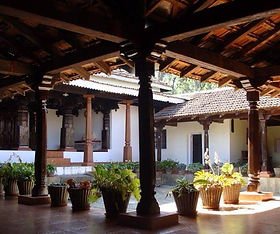
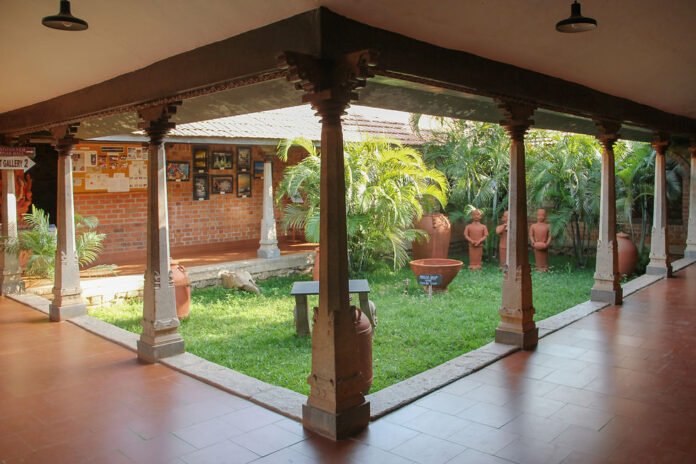
A defining feature of many traditional homes was the central courtyard, often called aangan. Seen in historic residences such as the Havelis of Rajasthan and the homes of Tamil Nadu, courtyards allowed hot air to rise and escape upward while drawing cooler air into surrounding rooms. This created continuous natural airflow and reduced indoor temperatures. The courtyard also acted as a shaded communal space for daily household activities.

Thick Walls and Natural Building Materials

Traditional houses were constructed with thick stone, mud, clay bricks, and lime plaster, all of which have strong thermal insulation properties. These materials absorb heat slowly during the day and release it gradually at night, keeping interiors significantly cooler. Lime plaster, commonly used across India, also reflects sunlight and allows walls to “breathe,” helping regulate humidity and temperature.

Jaalis and Intelligent Airflow Design
The Traditional Indian Wisdom of Climate-Responsive Architecture

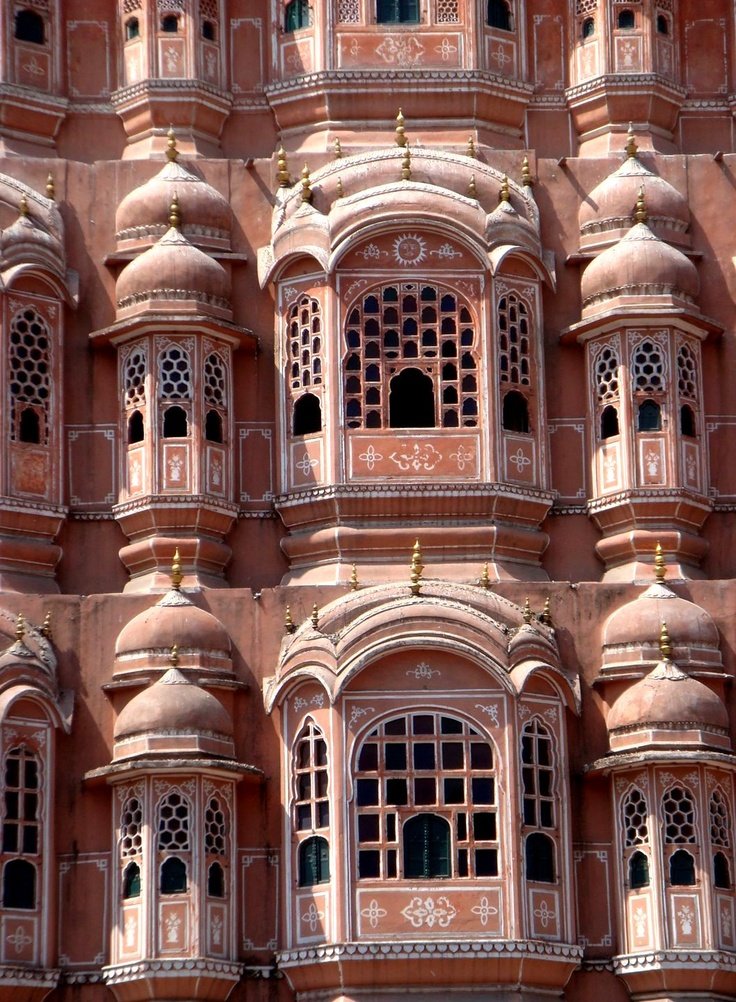
Architectural elements such as jaalis—decorative stone or wooden lattice screens—played a key role in cooling buildings. Structures like the famous Hawa Mahal demonstrate this principle beautifully. The tiny openings allowed wind to pass through while filtering harsh sunlight, creating a cooling effect inside the structure.

High Ceilings, Verandahs, and Sloping Roofs

The Traditional Indian Wisdom of Climate-Responsive Architecture

Traditional homes often featured high ceilings, allowing hot air to rise above living spaces. Wide verandahs and shaded corridors prevented direct sunlight from hitting the walls, reducing heat absorption. In many regions, sloping tiled roofs with air gaps beneath them helped release trapped heat and allowed better ventilation.

Cooling Through Water and Greenery
The Traditional Indian Wisdom of Climate-Responsive Architecture

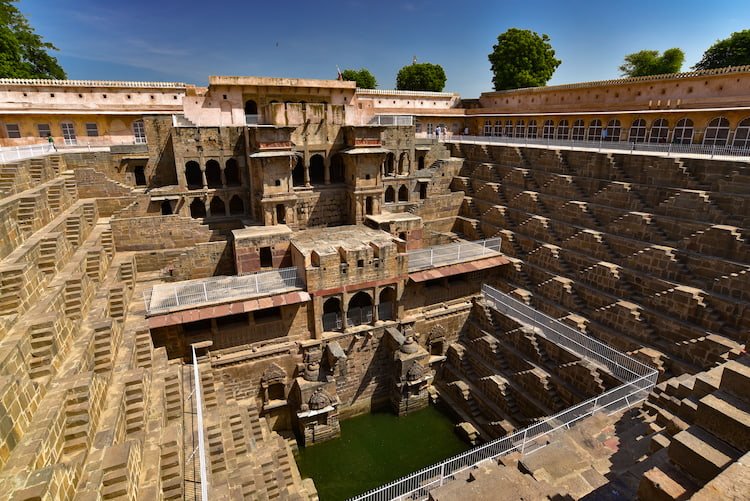
Water and greenery were also important elements of traditional cooling systems. Stepwells, ponds, and fountains helped cool the surrounding air through evaporation. Historic structures like Baoris illustrate how water bodies were integrated into architecture to regulate temperature. Large trees planted around houses provided shade and helped maintain a cooler microclimate.

Daily Practices That Enhanced Cooling

Apart from architecture, everyday practices also helped maintain cooler homes. Floors were often coated with clay or lime mixtures, and khus (vetiver) screens were hung on windows and sprinkled with water to create a natural air-cooling effect. Thick cotton curtains and bamboo blinds were also used to block harsh sunlight.

A Sustainable Lesson for Modern Times

Today, as cities rely heavily on air conditioners and face rising energy consumption, architects are rediscovering the wisdom of traditional Indian design. The climate-responsive techniques used in heritage homes offer sustainable solutions for modern architecture, proving that centuries-old knowledge can still guide the way toward cooler and more environmentally friendly living spaces.
Spring in Udaipur: Is March-April a Good Time to Visit the City of Lakes

0


As winter fades and the intense summer heat has not yet arrived, March and April are among the best months to explore Udaipur, famously known as the “City of Lakes.” With pleasant weather, colourful festivals, and scenic landscapes, spring transforms this historic destination in Rajasthan into an ideal getaway for travellers.

Pleasant Spring Weather

During this time of the year, Udaipur experiences comfortable temperatures ranging from around 20°C to 32°C. The mornings and evenings remain especially pleasant, making it perfect for sightseeing, boat rides, and leisurely walks through the old city. Compared to the peak summer months, spring offers a far more enjoyable climate for exploring outdoor attractions.

Major Attractions to Explore

Udaipur is known for its majestic palaces, serene lakes, and rich heritage.

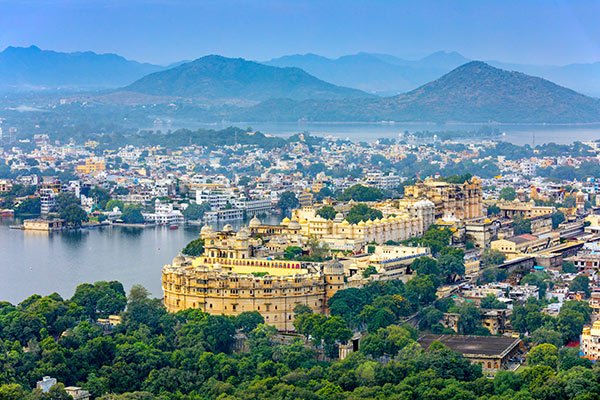
Visitors can begin their journey at City Palace, Udaipur, one of Rajasthan’s grandest palace complexes overlooking Lake Pichola.

A boat ride on the lake offers breathtaking views of the iconic Taj Lake Palace and the historic Jag Mandir island palace.

Nature lovers can spend peaceful evenings at Fateh Sagar Lake, a favourite spot for sunset views and lakeside cafés.

The beautifully landscaped Saheliyo ki Bari garden, built for royal ladies, is another must-visit attraction known for its marble fountains and lotus pools.

Tourists can also explore the historic Bagore Ki Haveli , which hosts traditional Rajasthani cultural performances in the evening.

For panoramic views of the entire city and surrounding hills, visiting the Sajjangarh Palace, also known as the Monsoon Palace, is highly recommended.

Another scenic location is Doodh Talai , where visitors can enjoy ropeway rides and sunset viewpoints.

Art enthusiasts can also explore Shilpgram , a rural arts and crafts village that showcases traditional Rajasthani culture and handicrafts.

Festivals and Cultural Experiences

Spring is also a festive season in Udaipur. The vibrant Gangaur Festival, dedicated to Goddess Gauri, features colourful processions, folk music, and traditional rituals. Around the same time, the Mewar Festival, organised by the Rajasthan Tourism, celebrates local culture through folk dances, music, and decorated boats on Lake Pichola.

Offbeat Places to Discover

Beyond the popular attractions, travellers can explore quieter spots such as Bahubali Hills for stunning sunrise views over the lakes and Badi Lake, a serene location surrounded by hills and ideal for nature lovers.

A Perfect Spring Getaway

With pleasant weather, cultural festivities, and stunning lakeside scenery, Udaipur in spring offers an unforgettable travel experience. Whether exploring royal palaces, enjoying boat rides, or witnessing vibrant local traditions, a visit to this charming city during March–April promises the true essence of Rajasthan’s beauty and heritage.

Sacred Shaktipeeths: The Legend, Significance and the 51 Holy Shrines

0

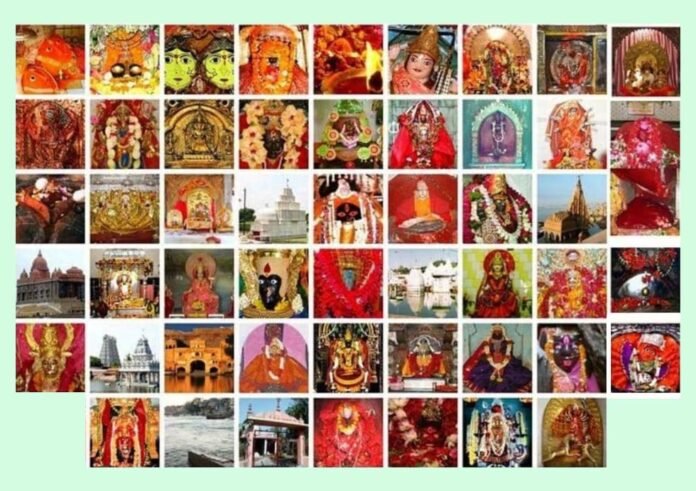
Across the Indian subcontinent, the worship of the Divine Mother occupies a central place in Hindu spirituality. Among the most sacred sites dedicated to the Goddess are the Shaktipeeths, revered temples believed to embody the eternal power of Shakti. These shrines hold immense spiritual significance, and during Navratri, thousands of devotees undertake pilgrimages to these holy places to seek blessings, offer prayers, and celebrate the power of the divine feminine.

What Are Shaktipeeths?

The term Shaktipeeth literally means “seat of divine power.” These sacred temples are believed to mark the places where parts of the body of Sati, the first consort of Shiva, fell on earth. Each Shaktipeeth is therefore associated with a specific body part or ornament of the Goddess and is considered a powerful centre of spiritual energy.

Spread across India as well as neighbouring regions such as Nepal, Bangladesh and Pakistan, these shrines represent the widespread devotion to the Mother Goddess in different cultural and regional traditions.

The Story Behind the Shaktipeeths

The origin of the Shaktipeeths is rooted in a well-known legend described in several Hindu scriptures. According to the story, Sati was the daughter of King Daksha. Daksha once organised a grand yajna but deliberately did not invite Shiva, whom he disliked. Unable to bear the insult directed at her husband, Sati immolated herself in the sacrificial fire.

Grief-stricken and furious, Shiva carried Sati’s body across the universe and performed the cosmic Tandava, the dance of destruction. To restore balance to the universe, Vishnu used his Sudarshan Chakra to cut Sati’s body into pieces. These body parts fell at different locations across the subcontinent, and each site became a sacred Shaktipeeth.

Over centuries, these places evolved into important pilgrimage centres where devotees worship the Goddess in various forms.

A Note on the Number of Shaktipeeths

Different Hindu texts mention different numbers of Shaktipeeths. Some traditions refer to four Adi Shaktipeeths, while others mention 18 Maha Shaktipeeths, 51 Shaktipeeths, or even 108 sacred sites.

The list of 51 Shaktipeeths is commonly associated with the Tantra Chudamani and later Shakta traditions. However, historians and scholars note that the names of some temples and the body parts associated with them may vary across scriptures and regional traditions. Therefore, the following list reflects one of the most widely referenced traditional compilations.

The 51 Shaktipeeths and the Body Parts of Goddess Sati

Amarnath – Jammu & Kashmir – Throat
Katyayani – Mathura, Uttar Pradesh – Hair
Vishalakshi – Varanasi, Uttar Pradesh – Earrings
Lalita Devi – Prayagraj, Uttar Pradesh – Fingers
Jwala Devi – Kangra, Himachal Pradesh – Tongue
Tripurmalini – Jalandhar, Punjab – Left breast
Savitri – Kurukshetra, Haryana – Right ankle
Magadha (Patan Devi) – Patna, Bihar – Right side of body
Dakshayani – Burang, Tibet – Right palm
Mahishasuramardini – Kolhapur, Maharashtra – Third eye
Bhramari – Nashik, Maharashtra – Chin
Ambaji – Banaskantha, Gujarat – Heart
Gayatri (Manibandh) – Pushkar, Rajasthan – Wrist
Ambika – Bharatpur, Rajasthan – Left foot
Sarvashail – Rajahmundry, Andhra Pradesh – Left cheek
Sravani – Kanyakumari, Tamil Nadu – Back and spine
Kamakhya – Guwahati, Assam – Yoni (genital organ)
Kalighat – Kolkata, West Bengal – Toes
Taratarini – Odisha – Breasts
Vimala – Puri, Odisha – Feet
Kankalitala – Birbhum, West Bengal – Pelvis
Bahula – Ketugram, West Bengal – Left arm
Vibhash – Tamluk, West Bengal – Left ankle
Yogadya – Khirgram, West Bengal – Toe
Ratnavali – Bangladesh – Right shoulder
Jessoreswari – Bangladesh – Palms
Sugandha – Bangladesh – Nose
Chandranath – Bangladesh – Right arm
Hinglaj Mata – Balochistan, Pakistan – Brahmarandhra (top of head)
Guhyeshwari – Kathmandu, Nepal – Hips
Tripura Sundari – Tripura – Right foot
Ramgiri – Chitrakoot, Madhya Pradesh – Right breast
Kalmadhava – Amarkantak, Madhya Pradesh – Right arm
Mahakali (Harsiddhi) – Ujjain, Madhya Pradesh – Upper lip
Jalandhar Peeth – Punjab – Breast
Kangra (Bajreshwari) – Himachal Pradesh – Chin
Naina Devi – Himachal Pradesh – Eyes
Chintpurni – Himachal Pradesh – Feet
Mansa Devi – Haridwar, Uttarakhand – Hair
Purnagiri – Uttarakhand – Navel
Vindhyavasini – Mirzapur, Uttar Pradesh – Back
Maihar – Madhya Pradesh – Necklace
Chamundeshwari – Mysuru, Karnataka – Hair
Srisailam (Bhramaramba) – Andhra Pradesh – Neck
Jogulamba – Telangana – Upper teeth
Kanchi Kamakshi – Tamil Nadu – Skeleton energy
Kanyakumari – Tamil Nadu – Spine
Shrinkala – West Bengal – Abdomen
Jayanti – Meghalaya – Left thigh
Kurukshetra Bhadrakali – Haryana – Anklet
Viraja – Odisha – Navel


A Living Tradition of Faith

The Shaktipeeths form a sacred spiritual network that stretches across South Asia, symbolising the eternal presence of the divine feminine. Each shrine reflects centuries of mythology, faith, and cultural heritage.

For devotees, visiting these temples—especially during Navratri—is not merely a pilgrimage but a profound spiritual journey, honouring the eternal power and grace of the Mother Goddess.

Kashmir Tulip Festival 2026 Begins Today: A Spectacular Celebration of Spring in Srinagar

0

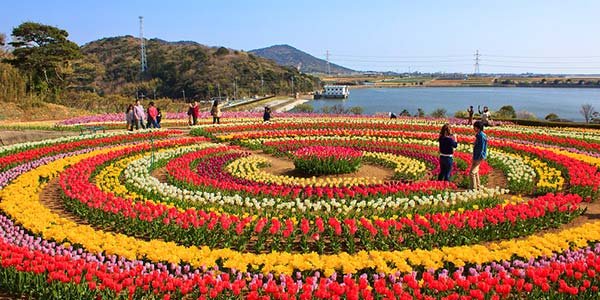
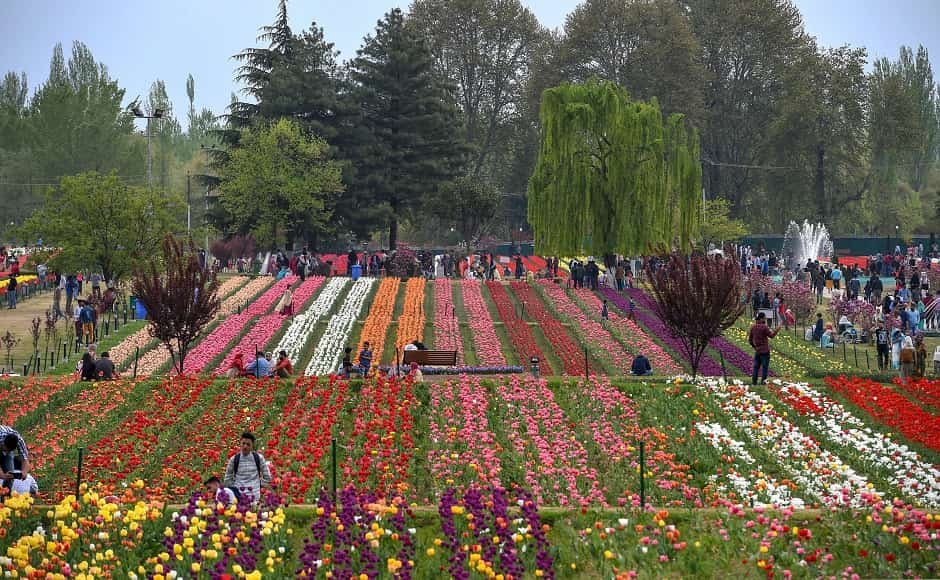
The much-awaited Kashmir Tulip Festival has begun today, March 16, 2026, at the famous Indira Gandhi Memorial Tulip Garden in Srinagar, marking the arrival of spring in the picturesque Kashmir Valley. Known as Asia’s largest tulip garden, the venue transforms into a colourful paradise every year, attracting thousands of tourists from India and around the world.

Festival Dates and Timings

The garden officially opened to visitors on March 16, 2026, and the tulip season is expected to continue until late April, depending on weather conditions and bloom cycles.

The garden remains open daily from 9:00 AM to 7:00 PM, allowing visitors ample time to explore the vibrant terraces of flowers.
The peak bloom period usually occurs during the first two weeks of April, when the majority of the tulips are fully open and the valley showcases its most colourful landscapes.

A Sea of Tulips and Floral Varieties

Spread across nearly 30 hectares at the foothills of the Zabarwan Mountains overlooking Dal Lake, the garden hosts an extraordinary display of over 1.7 million tulips across more than 70 varieties.

Kashmir Tulip Festival 2026 Begins Today: A Spectacular Celebration of Spring in Srinagar


Visitors will witness a stunning range of tulip types, including:

•Single Early Tulips
•Triumph Tulips
•Darwin Hybrid Tulips
•Parrot Tulips
•Fringed and Double Late varieties

Along with tulips, the garden also features other spring flowers such as daffodils, hyacinths and ranunculus, adding further colour to the landscape.


Highlights of the Festival

Beyond the breathtaking floral displays, the festival also celebrates Kashmiri culture and tourism. Visitors can enjoy traditional folk performances, local handicraft exhibitions, and stalls serving Kashmiri cuisine. The event aims to promote spring tourism and showcase the natural beauty of the valley.


Symbol of Spring in Kashmir

Launched in 2007, the Tulip Festival has grown into one of Kashmir’s biggest seasonal attractions. With snow-capped mountains in the background, Dal Lake nearby, and millions of blooming flowers, the festival offers a truly unforgettable visual experience.

As spring unfolds across the valley, the Kashmir Tulip Festival 2026 once again invites visitors to witness one of nature’s most colourful celebrations in the heart of the Himalayas.

Oscars 2026: Major Wins, Big Moments and the Complete Winners List

0

The 98th Academy Awards, popularly known as the Oscars, were held on March 15, 2026, at the Dolby Theatre in Los Angeles, United States. Organised by the Academy of Motion Picture Arts and Sciences, the ceremony honoured the best films and performances released in 2025. The event was hosted by comedian Conan O’Brien.

The night’s biggest winner was the film One Battle After Another, which won six awards including Best Picture and Best Director, while Sinners followed with multiple major wins including Best Actor.

Major Award Winners

●Best Picture: One Battle After Another

Producers: Adam Somner, Sara Murphy, Paul Thomas Anderson

●Best Director: Paul Thomas Anderson – One Battle After Another

●Best Actor: Michael B. Jordan – Sinners

●Best Actress: Jessie Buckley – Hamnet

●Best Supporting Actor: Sean Penn – One Battle After Another

●Best Supporting Actress: Amy Madigan – Weapons

Screenplay and Music Awards

●Best Original Screenplay: Ryan Coogler – Sinners

●Best Adapted Screenplay: Paul Thomas Anderson – One Battle After Another

●Best Original Score: Ludwig Göransson – Sinners

●Best Original Song: “Golden” – from KPop Demon Hunters

Technical and Craft Awards

●Best Cinematography: Autumn Durald Arkapaw – Sinners

●Best Film Editing: Andy Jurgensen – One Battle After Another

●Best Production Design: Tamara Deverell & Shane Vieau – Frankenstein

●Best Costume Design: Kate Hawley – Frankenstein

●Best Makeup and Hairstyling: Mike Hill, Jordan Samuel, Cliona Furey – Frankenstein

●Best Sound: F1 – Gareth John, Al Nelson, Gwendolyn Yates Whittle, Gary A. Rizzo, Juan Peralta

●Best Visual Effects: Avatar: Fire and Ash – Joe Letteri, Richard Baneham, Eric Saindon, Daniel Barrett

International, Documentary and Animation

●Best International Feature Film: Sentimental Value (Norway)

●Best Documentary Feature: Mr. Nobody Against Putin

●Best Animated Feature: KPop Demon Hunters

●Best Animated Short Film: The Girl Who Cried Pearls

●Best Live Action Short Film: The Singers and Two People Exchanging Saliva (tie)

Highlights of the Night

The ceremony celebrated both established and emerging filmmakers, with “One Battle After Another” dominating the night and “Sinners” receiving the highest number of nominations (16). The event also introduced a new category for Best Casting, awarded to casting director Cassandra Kulukundis for One Battle After Another.

The 98th Academy Awards once again showcased the diversity and creativity of global cinema, honouring outstanding achievements across acting, directing, storytelling, and technical craftsmanship.

Assembly Elections 2026 Announced: Full Schedule, States Voting and Key Details Explained

0

The Election Commission of India has officially announced the schedule for the 2026 Legislative Assembly elections, setting the stage for a major democratic exercise in the country. Elections will be held in West Bengal, Tamil Nadu, Kerala, Assam, and the Union Territory of Puducherry. With millions of voters participating, these elections are expected to significantly shape the political landscape of these regions for the next five years.

What Are Legislative Assembly Elections?

Legislative Assembly elections are held to elect representatives for a state’s Vidhan Sabha, the lower house of the state legislature. Citizens vote for candidates from different political parties in their constituencies, and the party or alliance that wins a majority forms the state government. The elected representatives then choose the Chief Minister who leads the government.

2026 Election Schedule

According to the schedule announced by the Election Commission:

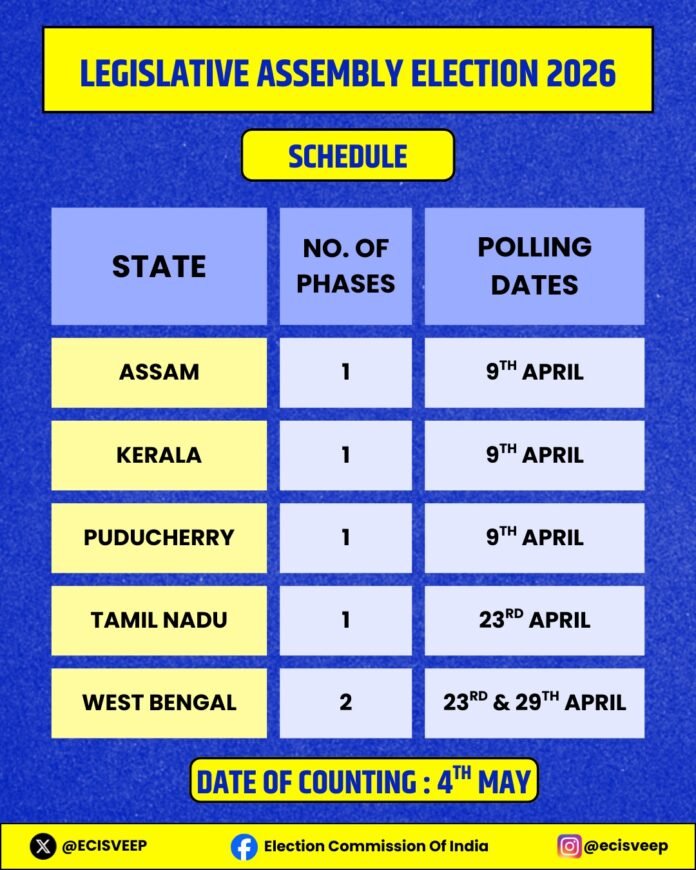
●Kerala, Assam and Puducherry will vote in a single phase on April 9, 2026.

●Tamil Nadu will go to the polls on April 23, 2026.

●West Bengal, due to its large size and security considerations, will vote in two phases on April 23 and April 29, 2026.

Counting of votes for all states and the Union Territory will take place on May 4, 2026.

Together, these elections cover hundreds of constituencies and over 17 crore registered voters, making it one of the most significant electoral exercises of the year.

Election Commission’s Preparations

Announcing the schedule, Gyanesh Kumar, Chief Election Commissioner of India, said the Commission is committed to ensuring free, fair and peaceful elections across all states. Security forces, polling personnel and election observers are being deployed to ensure smooth conduct of the polls.He also emphasised voter participation, encouraging citizens—especially young voters—to actively take part in the democratic process.

Model Code of Conduct in Effect

With the announcement of the election dates, the Model Code of Conduct has come into immediate effect in the poll-bound states. This means governments cannot announce new schemes, projects or policy decisions that could influence voters during the election period.

Why These Elections Matter

The states going to the polls in 2026 are politically significant, representing diverse regions of India—from the southern states of Kerala and Tamil Nadu to the eastern state of West Bengal and the northeastern state of Assam. The results will determine the political direction and governance priorities in these regions for the coming years.

As campaigning begins and political parties prepare their strategies, the 2026 Assembly elections once again highlight the scale and vibrancy of India’s democratic process. Millions of voters will head to polling booths in the coming weeks to shape the leadership of their states.

General Bipin Rawat: Honouring the First Chief of Defence Staff on His Birth Anniversary

0

India remembers one of its most distinguished military leaders, Bipin Rawat, on his birth anniversary on March 16. As the country’s first Chief of Defence Staff (CDS), General Rawat played a pivotal role in strengthening India’s defence structure and promoting greater coordination among the armed forces. His leadership, experience, and vision left a lasting mark on India’s military reforms.

Early Life and Military Background

Born in 1958 in Pauri Garhwal, Uttarakhand, General Rawat came from a family with a strong military tradition. His father, Lieutenant General L.S. Rawat, also served in the Indian Army. After completing his education at the Indian Military Academy in Dehradun, Rawat was commissioned into the 5th Battalion, 11 Gorkha Rifles in 1978, beginning a distinguished career that spanned over four decades.

A Distinguished Journey Through the Ranks

During his long service in the Indian Army, General Rawat held several key positions across operational, staff, and command roles. He commanded units in challenging areas such as the Line of Actual Control with China and the Line of Control with Pakistan.

His career included roles such as commanding a brigade in the Kashmir Valley, leading a division along the Line of Control, and heading the III Corps in the Northeast, an area known for complex security challenges. In December 2016, he was appointed the 27th Chief of the Army Staff, becoming the head of the Indian Army.

India’s First Chief of Defence Staff

In January 2020, General Rawat was appointed as India’s first Chief of Defence Staff, a position created to enhance coordination among the Army, Navy, and Air Force. In this role, he was tasked with promoting jointness and integration among the three services, improving defence planning, and overseeing the creation of integrated theatre commands.

His tenure as CDS marked an important phase in India’s military reforms, with a strong focus on modernisation, strategic preparedness, and efficient use of defence resources.

Legacy and National Tribute

General Rawat’s life was dedicated to the service of the nation. His leadership during critical military operations and his vision for a more integrated defence system earned him immense respect within the armed forces and among the public.

On his birth anniversary, the nation pays tribute to a soldier who devoted his life to strengthening India’s security. His legacy continues to inspire future generations of officers and serves as a reminder of the courage, discipline, and commitment that define India’s armed forces.

National Vaccination Day: Celebrating India’s Journey Towards a Healthier Nation

0
National Vaccination Day Vector Illustration on March 16 with Vaccine Syringe for Strong Immunity from Bacteria and Health Care in Flat Background

Every year on March 16, India observes National Vaccination Day to highlight the importance of immunisation in preventing life-threatening diseases and protecting public health. The day marks a major milestone in India’s healthcare history—the launch of the Pulse Polio Immunization Programme in 1995, which aimed to eradicate polio from the country.

How the Day Began

National Vaccination Day commemorates the first nationwide administration of the oral polio vaccine under the Pulse Polio campaign. The initiative was part of the global effort led by the World Health Organization and partner organisations to eliminate polio worldwide. Thanks to sustained vaccination drives and public awareness campaigns, India was officially declared polio-free in 2014, a major achievement in global public health.

India’s Expanding Immunisation Programme

Vaccination efforts in India actually began much earlier with the Expanded Programme on Immunization launched in 1978. This initiative later evolved into the Universal Immunization Programme in 1985, one of the largest public health programmes in the world.

Today, the programme provides free vaccines against several diseases including tuberculosis, measles, diphtheria, tetanus, hepatitis B, and more to millions of children and pregnant women every year.

Major Government Vaccination Initiatives

In recent years, the government has strengthened immunisation efforts through initiatives like Mission Indradhanush, launched in 2014 to increase vaccination coverage among children and pregnant women. Special campaigns under the programme focus on reaching underserved and remote areas.India’s large-scale vaccination efforts were also demonstrated during the COVID‑19 pandemic, when the country conducted one of the world’s biggest vaccination drives using vaccines such as Covishield and Covaxin.

Why National Vaccination Day Matters

The day serves as a reminder that vaccines are one of the most effective tools in preventing infectious diseases and saving millions of lives. It also encourages parents, healthcare workers, and communities to remain aware of routine immunisation schedules.

Theme for National Vaccination Day 2026

The theme for National Vaccination Day 2026 is “Immunization for All is Humanly Possible”. The theme highlights the universal importance of immunisation in protecting individuals and communities, while emphasising the need to ensure equal vaccine access for every citizen, regardless of location or socio-economic background.

Building a Healthier Future

From eradicating polio to expanding immunisation coverage across the country, India’s vaccination journey reflects the power of science, public awareness, and collective effort. National Vaccination Day not only celebrates past achievements but also reinforces the ongoing commitment to safeguarding the health of future generations.

Akshay Kumar’s Explosive Entry Turns Golmaal 5 into the Ultimate Chaos Fest!

0

PC (YouTube)

The wait is officially over – and it’s bigger, louder, and balder than ever! Akshay Kumar has finally confirmed his entry into Golmaal 5 with a bang, dropping a hilarious behind-the-scenes announcement video that has sent fans into a complete frenzy.

In the viral clip shared across social media by Rohit Shetty, Ajay Devgn, and Akshay himself, the core gang – Ajay Devgn (Gopal), Arshad Warsi (Lucky), Tusshar Kapoor, Shreyas Talpade (Shyam), and Kunal Khemu (Vasooli Bhai) are gathered, reminiscing about the franchise’s epic 20-year journey that began with the original Golmaal: Fun Unlimited in 2006.

They joyfully welcome back Sharman Joshi as the original “Laxman” (after his long absence since the first film), with Sharman delivering his classic fast-talking line: “Beta subha ka bhoola agar shaam ko laut aaye toh usse bhoola nahi…” before the gang playfully drags him away.
But the real jaw-dropper comes next: Akshay Kumar bursts onto the set in a striking bald look, dressed in an all-black kurta-pajama ensemble with a lungi and dark sunglasses – channeling major “Bala” energy from Housefull 4 but with a ruthless, villainous twist.

Ajay Devgn hilariously quips, “Koi franchise nahi chhodta hai yeh!” (This guy doesn’t leave any franchise alone!), leading to multiple over-the-top hugs between the two in classic Tom & Jerry rival style. The instant chemistry is pure chaos – and pure gold!

Reports indicate Akshay is portraying the lead antagonist (villain) this time, setting up an epic comedic rivalry and clash with Ajay’s Gopal character. This bold new direction blends high-stakes action-comedy with the signature Golmaal slapstick, misunderstandings, family drama, and laugh-out-loud moments that have defined the series for two decades.

Early buzz suggests the plot revolves around a chaotic treasure hunt packed with hilarious twists, hidden clues, mistaken identities, double-crosses, and the gang’s trademark antics – now supercharged with Akshay’s antagonistic edge and Sharman’s nostalgic return. Rumors are also swirling about potential appearances or cameos from other familiar faces like Kareena Kapoor Khan, Priyamani, or Triptii Dimri to crank up the star power even further.

Filming has kicked off, and the team is aiming for a grand theatrical release in 2027 – perfectly timed to celebrate the 20th anniversary of the beloved Golmaal franchise. Social media is exploding with fan reactions.

Akshay Kumar himself posted the video with the caption “Excited to be joining this crazy family of Golmaal 5! Let the chaos begin! “

From the heartwarming polio victory celebrations to this non-stop Bollywood entertainment bomb, today is delivering one epic highlight after another! The Golmaal gang – now supercharged with Akshay’s explosive entry, Sharman’s comeback, and Rohit Shetty’s signature high-octane direction – is all set to deliver double the chaos, triple the laughs, and quadruple the blockbuster vibes in 2027. Get ready, India – the madness is officially reloaded!

“Sinners” Sweeps the Night: Ryan Coogler’s Supernatural Epic Claims Best Picture Glory at the 98th Oscars

0

PC (Tom’s Guide)

In a stunning triumph that blended chilling horror with profound social commentary, Ryan Coogler’s Sinners emerged as the big winner at the 98th Academy Awards, held on March 15, 2026, at the Dolby Theatre in Hollywood. Hosted by the witty Conan O’Brien, the ceremony celebrated the best of 2025 cinema, with Sinners taking home the coveted Best Picture Oscar alongside a string of major honors.

Directed, written, and produced by Coogler, Sinners follows twin brothers Elijah “Smoke” and Elias “Stack” Moore (both portrayed masterfully by Michael B. Jordan) as they return to their Louisiana hometown in the 1930s Jim Crow South. Hoping to start anew, they instead confront an ancient, blood-thirsty evil rooted in Caribbean folklore-the soucouyant, a vampiric creature symbolizing the systemic extraction and exploitation of Black lives and labor.

The film’s “vampire” twist serves as a powerful metaphor for racial terror, while Delta blues music pulses at its core. The title “Sinners” cleverly doubles as a nod to both the supernatural monsters and the townspeople’s struggles with faith, survival, and sin. Jordan’s dual performance-achieved through innovative motion control and twinning effects-allowed the brothers to share intense, physical interactions, earning him the Best Actor Oscar in a breakthrough win.

Coogler reunited with key collaborators, including composer Ludwig Göransson (who claimed Best Original Score) and cinematographer Autumn Durald Arkapaw. Shot on 70mm IMAX, the film delivered a lush Southern Gothic visual style, contrasting the bayou’s haunting beauty with visceral, grounded horror.

A Landmark Film and a Historic Night After the global success of Black Panther, Coogler deliberately pivoted to a smaller-scale, original story. He secured a unique deal with Warner Bros. allowing rights to revert to him after 25 years-a savvy move for an auteur-driven project.

The cast featured strong supporting turns from Jack O’Connell as the human antagonist, Hailee Steinfeld as a local woman tied to the town’s dark past, and Delroy Lindo as a wise town elder and spiritual guide.
The Oscars, evolving from a modest 1929 dinner into a global spectacle broadcast in over 200 countries, continue to shape cinematic history. From the first Best Picture winner (Wings in 1929) to innovations like the sealed envelope (introduced in 1941), the awards offer career-defining validation, the famous “Oscar bump” for box office, and a benchmark for filmmaking excellence.

Sinners not only delivered thrills but also sparked vital conversations about legacy, identity, and resistance -proving that horror can be both terrifying and transformative. As Coogler and Jordan celebrated on stage, it marked a bold new chapter for original storytelling in Hollywood.