Home Blog Page 355

A History Buff’s Tour Through Mohammed Ali Road in Mumbai for an Iftar Feast

0

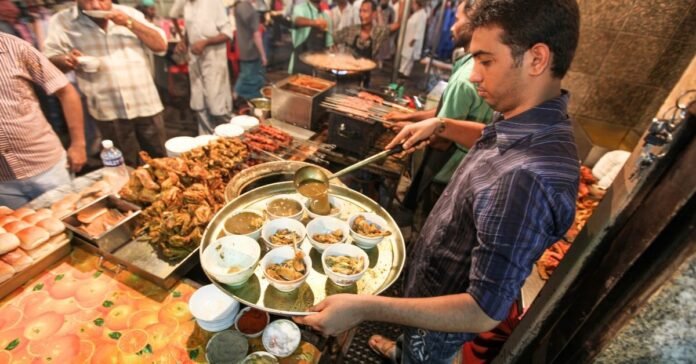
Deep in the heart of Mumbai’s legendary Mohammed Ali Road, a vibrant, food-laden wonderland emerges every Ramadan. As dusk falls, the alleyways of Bohri Mohalla awaken, sizzling with the aromas of centuries-old recipes passed down through generations.

Bohri Mohalla, named after the Dawoodi Bohra community that migrated from Gujarat and Yemen in the 20th century, has become a beacon of Mumbai’s Ramadan spirit. Over time, it has evolved into a culinary landmark, embodying the city’s festive food culture. Behind the doors of its legendary eateries, treasures await discovery.

A Sensory Overload of Flavors

Visitors stepping into these bustling bylanes are instantly struck by an overwhelming sensory experience—the intoxicating aroma of grilled meats, the rhythmic clatter of woks, and the symphony of sizzling oil. To navigate this labyrinth of flavors, many turn to Aditya Lakshay from Khaki Tours. A seasoned storyteller, he leads heritage walks across Mumbai, serving up history with a generous side of trivia.

“We visit around 12 places, alternating between sweet and savory,” Aditya explains, guiding food lovers through the culinary maze.

The Journey Begins: Seekh Kebabs and Sweet Surprises

The first stop is Nawab Seekh Corner, where visitors sink their teeth into succulent seekh kebabs, perfectly spiced and encased in warm, flaky parathas. But the adventure has just begun.

Next, at J J Jalebi, an institution since 1947, an unexpected twist awaits. Here, a hickory-colored dessert appears to be jalebi but tastes exactly like a gulab jamun. “These are spiral versions of gulab jamun,” Aditya clarifies, explaining that this treat originates from Burhanpur, Madhya Pradesh—also the original resting place of Mumtaz Mahal before her tomb was moved to Agra.

Pulao, Bazaars, and a Brush with History

At Salman Pulao, fragrant chicken and beef pulao take center stage, paired with a side of history. Aditya quizzes visitors on the difference between pulao and biryani before leading them into Chor Bazaar, Mumbai’s legendary flea market. “The name is debated,” he muses. “One theory claims it was once called ‘Shor Bazaar’ (Noisy Market), which morphed into ‘Chor Bazaar.’ Another states that Queen Victoria’s stolen violin was found here.” Considering she never visited India, the latter is likely a myth.

Trickster Drinks and Samosa Showdowns

At Imam Sharbathwala, another imposter is encountered—a watermelon milk sharbat disguised in bright orange hues. This 99-year-old stall has moved locations several times, but its legend remains firmly rooted.

Further down, Diamond Samosa, a 68-year-old haven for crispy delights, presents a difficult choice—kheema samosa, samosa pattis, spring rolls, or wontons. The kheema samosa, with its rich and spicy filling, is a standout favorite.

Sweet Mysteries and the Tale of Bhendi Bazaar

At Noor Sweets, visitors indulge in flaky malai khaja and delicate sutarfeni. As they relish the sugary layers, Aditya shares another history tidbit: “Where did ‘Bhendi Bazaar’ get its name?”

Theories abound. Some claim it’s a British corruption of ‘Behind the Bazaar,’ as it was located behind Crawford Market. Others believe it’s named after ‘bhindi’ (lady’s finger), once unloaded from boats nearby. Either way, the area is steeped in history.

Chicken Kastoori Sandwich, Slow-Cooked Meat, and Biryani Reimagined

At Jilani Fast Food Corner, the chicken kastoori sandwich infused with the distinctive bitterness of kasoori methi, sourced from Pakistan, is a must-try. The chicken baida roti, an egg-wrapped, spice-laden flatbread, is equally spectacular.

Then comes Surti 12 Handi, an experience in itself. Twelve massive pots, each simmering different cuts of meat—paya (trotters), pichota (tail), nihari (stomach), jubaan (tongue), and bheja (brain)—are slow-cooked to perfection. It’s a feast for the adventurous.

Sweet relief arrives at Shabbir Tawakkal, where visitors indulge in malpua (sweet pancakes) and phirni (rice pudding). At Firoz Farsan, they encounter patrel chicken biryani, a unique version featuring steamed colocasia leaves instead of rice. The final savory stop, Idris Cold Drinks, provides a refreshing close with variyali, a fennel-based, kiwi-green drink.

The Final Test: Goat Udders and Hand-Churned Ice Cream

At Haji Tikka, diners face their greatest challenge—a dish made from goat udders. “You’ll either love it or hate it. No middle ground,” Aditya warns. It’s an acquired taste, to say the least.

To cleanse the palate, the journey ends at the legendary Taj Ice Cream, once frequented by Bollywood icon Madhubala. Established in 1887, it still churns out creamy, fruity scoops in a time-honored copper sancha (canister). A scoop of hand-churned nostalgia serves as the perfect finale to an unforgettable night.

A Night to Remember

As visitors walk away from the neon-lit streets of Mohammed Ali Road, they carry more than just a full stomach. They have feasted on history, indulged in flavors both familiar and daring, and followed in the footsteps of generations who made this food haven what it is today.

For those in Mumbai during Ramadan, taking this walk, savoring these flavors, and immersing in the magic of Mohammed Ali Road is an experience not to be missed.

Turmeric, Aloe Vera & More: How These Farmers Doubled Their Income Through Horticulture

0

Agriculture is the backbone of India’s economy, yet traditional farming often presents challenges such as unpredictable weather, low profit margins, and high labor intensity. With a growing demand for alternative crops, many farmers are turning to horticulture for sustainable income and long-term prosperity. From spices to exotic fruits and medicinal plants, horticulture offers higher profits and resilience against climate variability.

Here are five inspiring stories of farmers who transitioned to horticulture and reaped substantial rewards.

1. Kanchan Verma, Madhya Pradesh: Cultivating Gold with Turmeric

In Narmadapuram, Madhya Pradesh, Kanchan Verma made a bold move from cultivating wheat to growing turmeric. The switch proved lucrative, doubling her income from Rs 1.5 lakh to Rs 3 lakh per acre, with an input cost of only Rs 50,000.

“With traditional crops, we had limited earnings, but turmeric has changed everything,” she shares. By harvesting 400 quintals of turmeric, she generates an annual income of Rs 12 lakh. Kanchan has also mastered direct-to-consumer sales, packaging turmeric powder into 1 kg packets and selling it straight from her farm.

Her philosophy is simple: “As farmers, it’s important to keep experimenting.”

2. Hrushikesh Jayasing Dhane, Maharashtra: Transforming Aloe Vera into a Rs 3.5 Crore Enterprise

In Padali village, Maharashtra, Hrushikesh Jayasing Dhane grew up watching his family struggle with traditional farming. Frustrated by low yields, he took a different route—aloe vera cultivation. Today, he has built a thriving business producing aloe vera-based products such as soaps, shampoos, and juices, scaling it into a Rs 3.5 crore enterprise.

“When I started, people told me that planting thorny aloe vera would bring bad luck. But today, I own a two-storey house and drive a Fortuner car,” he says with pride.

3. Mahesh Asabe, Maharashtra: Profiting from Dragon Fruit Cultivation

Farmers in Akola, Maharashtra, have long relied on pomegranates, custard apples, and grapes. However, erratic weather conditions, including unexpected rainfall and hailstorms, led Mahesh Asabe to explore alternative crops. He found success in dragon fruit farming, a highly profitable venture.

Today, Mahesh sells at least 200 tonnes of dragon fruit per season in Sangli and Kolhapur markets, earning an impressive Rs 2 crore from his 20-acre farm. “The shift was risky, but the rewards have been life-changing,” he remarks.

4. Shanker Meena, Rajasthan: Leading India’s Mushroom Revolution

Hailing from rural Rajasthan, Shanker Meena witnessed his father’s struggles with wheat and mustard farming. Determined to break the cycle of low returns, he ventured into mushroom cultivation, establishing ‘Jeevan Mushroom’—a business that now produces 80 tonnes of high-quality mushroom spawns.

Shanker uses advanced technology, including seed germination chambers and autoclaves, to enhance productivity. His mushrooms are sold across India and exported to Bhutan, Nepal, and the UAE, earning him Rs 13 lakh per month.

“Investing in horticulture is not just about growing crops—it’s about shaping the future of farming,” he says.

5. Anand Mishra, Uttar Pradesh: A Citrus Success with Lemons

Anand Mishra’s family traditionally cultivated paddy, wheat, and pulses. However, he saw an untapped opportunity in lemon farming, which remains in demand year-round.

“No one in my district was growing lemons, so I took the risk. I figured I’d either learn to swim or drown,” he recalls. The gamble paid off—Anand now earns up to Rs 7 lakh from his two-acre lemon farm, nearly five times more than what he would have made from traditional crops.

His perspective on horticulture is clear: “It’s a one-time investment that offers significant long-term benefits.”

Conclusion: A New Dawn for Indian Agriculture

These success stories highlight the immense potential of horticulture. Beyond higher profits, these farmers have found resilience, sustainability, and the freedom to innovate. As climate change continues to challenge traditional agriculture, the future may lie in embracing diverse, high-value crops that ensure economic stability and food security.

For farmers looking to break free from the constraints of conventional farming, horticulture offers a promising path forward.

No Engineers, No Big Budgets — How One Meghalaya Teacher Solved Her Village’s Water Crisis

0

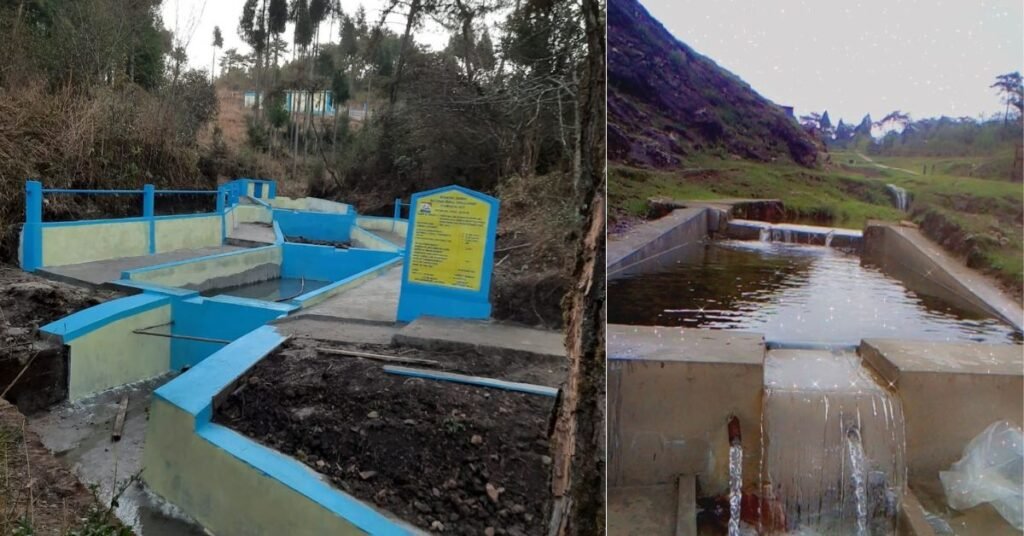
In the lush and verdant landscapes of Meghalaya, where misty hills embrace the sky, the daily routine of rural women once began with an arduous trek. These women navigated steep, winding paths, balancing heavy aluminum pots on their heads and waists to fetch water from distant streams. This exhausting ritual, often spanning up to a kilometer each way, had to be performed twice daily—regardless of illness, menstruation, or exhaustion. Water was too vital a resource to forego.

Yet, the irony was striking. The village of Kyrdemkhla, located near Mawsynram—the wettest place on Earth, receiving over 11,871 mm of annual rainfall—struggled with severe water scarcity for much of the year. The Integrated Basin Development and Livelihoods Promotion Programme (IBDLP), a flagship initiative of the Meghalaya government, highlights this paradox: “Meghalaya grapples with the irony of scarcity amidst plenty. The rainfall is only for 6-8 months in a year, leaving the dry months with significant water scarcity problems. Due to the distinct topographical and geomorphological conditions of the state, there is high surface runoff to the neighboring plains very quickly.”

A Woman’s Quest for Water Self-Sufficiency

One woman decided that enough was enough. Lakmen Mary Nongkhlaw, a dedicated assistant teacher at Diengkynthong LP School for the past 15 years, took it upon herself to ease the burden on her community. Having personally experienced the grueling water collection process, she understood the inefficiency and hardship it created.

“The school started at nine, which meant I had to finish all household chores—including cooking, cleaning, and fetching water—before leaving for work,” she recalls. “I would leave to fetch water at seven in the morning, waiting in long queues to access a specific, unpolluted stream. It was exhausting.”

Determined to change this reality, Lakmen Mary spearheaded a movement to construct water assets such as check dams, water storage tanks, and afforestation projects to protect water catchment areas. Her relentless efforts have significantly improved water availability closer to villagers’ homes.

Building a Sustainable Future

Under her leadership, the villagers planted 16,000 saplings, constructed five water storage tanks, and renovated six spring chambers. “We built four check dams and implemented water conservation projects to ensure sustainable access to this critical resource. These efforts have resulted in six water taps being installed within the village, facilitating easy water access even during the dry winter months,” she explains. Since 2016, she has also served as the Secretary of the Village Employment Council, further reinforcing her commitment to development and conservation.

From Hardship to Empowerment

Recognized as a changemaker, Lakmen Mary’s work has transformed not only water accessibility but also the quality of life in her village. “Women now spend less time on exhausting water-fetching trips, allowing them to dedicate more time to family, education, and economic activities. These changes have revitalized community life and provided educational opportunities for women and girls, who can now attend school regularly,” she shares.

Her leadership has inspired many, particularly women, to engage actively in conservation and developmental projects, fostering a newfound sense of empowerment and agency.

“Lakmen Mary has become a role model for grassroots leadership,” says Batrity Warkri, a teacher in the village since 2007. “I have seen her devote her time after work to conservation efforts—from planting saplings to digging soil and constructing check dams. Because of her, life in the village has improved.”

No Engineers, No Big Budgets — How One Meghalaya Teacher Solved Her Village’s Water Crisis

A Labor of Love Recognized Nationally

For Lakmen Mary, her work is a labor of love. “This project did not cost me a penny, only my time. After work, I would go around the village with construction tools to repair spring chambers and build check dams. It was all done with collective community effort.”

Her selfless dedication has not gone unnoticed. She has received accolades from the Office of The District Rural Development Agency, East Khasi Hills District, Shillong, recognizing her transformative impact. In September 2024, she found herself in the distinguished company of President Droupadi Murmu at India Water Week in New Delhi.

“I couldn’t believe I was standing before the President, narrating my work,” she recalls with pride. “Back home, my community celebrated my recognition—my photos were shared in WhatsApp groups, and many villagers proudly set them as their statuses.”

Yet, for Lakmen Mary, the journey is far from over. “Now, I aim to initiate additional projects, including the construction of a large check dam and implementing three new rainwater harvesting systems, to continue improving water access and conservation in my community.”

Her story is a testament to the power of grassroots leadership, resilience, and the impact one determined individual can have on an entire community. Through her efforts, a generation of women in Kyrdemkhla is now free from the daily trek for water, able to dream bigger, and embrace a future where their time is spent not in struggle, but in growth.

World Poetry Day: Celebrating the Power of Words

0

Poetry is the rhythm of human expression, a timeless art form that captures emotions, experiences, and the essence of life in just a few lines. Every year on March 21, the world comes together to celebrate World Poetry Day, an occasion established by UNESCO in 1999 to honor poets, revive oral traditions, and promote the reading, writing, and teaching of poetry across cultures.

The Universal Language of Poetry

Poetry transcends borders and languages, offering a universal medium through which people connect, reflect, and find solace. From the sonnets of Shakespeare to the haikus of Japan, from the ghazals of Persia to contemporary spoken word performances, poetry has evolved while maintaining its profound ability to inspire and provoke thought.

The Role of Poetry in Society

More than just an artistic expression, poetry has long been a catalyst for social change. It has given voice to the oppressed, challenged societal norms, and documented the human experience. Whether in political movements, personal struggles, or celebrations of love and nature, poetry captures the spectrum of human emotions and realities.

In times of uncertainty, poetry serves as a source of comfort and resilience. It offers a means to articulate emotions that are often difficult to express, helping individuals and societies heal and grow.

Reviving the Love for Poetry

Despite the digital age’s fast-paced nature, poetry continues to thrive through new mediums. Social media platforms have given rise to a new generation of poets who share their words instantly with a global audience. Poetry slams, spoken word events, and digital poetry publications are keeping the art form alive and relevant for younger audiences.

How to Celebrate World Poetry Day

Whether you are a poet at heart or simply an admirer of the craft, there are countless ways to celebrate this day:

  • Read a poem – Explore works from classic and contemporary poets.
  • Write your own poem – Express your thoughts and emotions through verse.
  • Attend a poetry event – Join a local or virtual poetry reading or slam.
  • Share poetry – Post your favorite poem or an original piece on social media to spread the beauty of words.

A Tribute to the Poets

Poetry has shaped cultures, ignited revolutions, and left an indelible mark on history. From Rumi and Emily Dickinson to Pablo Neruda and Maya Angelou, poets have painted vivid pictures of the human experience through their words. World Poetry Day is a tribute to their creativity and a reminder that poetry remains as powerful and relevant as ever.

As we celebrate this day, let us embrace the magic of poetry, allowing words to move, inspire, and connect us across time and space.

World Water Day: A Call to Action for Our Most Precious Resource

0

Water is the essence of life. It sustains ecosystems, supports livelihoods, and fuels economies. Yet, despite covering 71% of the Earth’s surface, freshwater remains a finite and fragile resource. Every year, on March 22, the world unites to observe World Water Day, a global initiative dedicated to raising awareness about the importance of freshwater and advocating for its sustainable management.

The 2025 Theme: Water for Peace

This year’s theme, “Water for Peace,” underscores the critical role of water in fostering harmony, stability, and cooperation across nations. Access to clean water is not just a basic human right; it is a foundation for peace and development. When water is scarce or poorly managed, conflicts arise, exacerbating tensions between communities and countries. On the other hand, effective water governance can serve as a bridge for collaboration and prosperity.

The Global Water Crisis: A Reality Check

While some regions enjoy abundant water resources, others struggle with severe shortages. Over 2.2 billion people worldwide lack access to safe drinking water, and climate change is only worsening the crisis. Rising temperatures, erratic weather patterns, and increased pollution threaten our freshwater supplies, making it imperative for individuals, governments, and organizations to take action.

From the devastating droughts in Africa to the shrinking glaciers in the Himalayas, water scarcity is no longer a distant threat—it is a present reality. The time to act is now.

Innovations and Solutions: Shaping a Sustainable Future

The future of water security depends on innovation, conservation, and sustainable management. Cutting-edge technologies like desalination, wastewater recycling, and smart irrigation systems are revolutionizing water access and distribution. Governments and organizations worldwide are investing in water-saving policies and infrastructure to ensure a more resilient future.

Local communities also play a vital role. Simple actions such as reducing water waste, fixing leaks, and supporting reforestation projects contribute to the global effort to safeguard this invaluable resource.

Taking Action: How You Can Help

Every drop counts. Whether at home, in schools, or workplaces, individuals can make a difference by:

  • Reducing water waste – Turning off taps, using water-efficient appliances, and collecting rainwater.
  • Supporting water conservation efforts – Participating in clean-up drives, tree planting, and advocacy programs.
  • Educating and spreading awareness – Engaging in conversations, sharing information, and encouraging others to take part in sustainable water practices.

Looking Ahead: A Shared Responsibility

World Water Day serves as a reminder that water is more than a resource—it is a lifeline. The responsibility to protect and preserve it does not rest solely with policymakers or environmental organizations. It is a shared duty that calls for collective action from every individual on the planet.

As we celebrate this day, let us commit to valuing, conserving, and equitably sharing water, ensuring that future generations inherit a world where water is not a cause of conflict but a source of unity and peace.

UAE Unveils World’s First Giga-Scale 24/7 Solar and Battery Energy Storage Project

0

The United Arab Emirates (UAE) is cementing its position as a global leader in renewable energy with the launch of the world’s first giga-scale, round-the-clock solar photovoltaic (PV) and battery energy storage system (BESS) project in Abu Dhabi. This groundbreaking initiative, spearheaded by Abu Dhabi Future Energy Company PJSC – Masdar, in collaboration with Emirates Water and Electricity Company (EWEC), represents a transformative leap in sustainable power generation and an innovative approach to addressing energy stability and reliability challenges.

A Game-Changer in Renewable Energy

Announced in January 2025 by Dr. Sultan Al Jaber, UAE Minister of Industry and Advanced Technology and Chairman of Masdar, this ambitious project directly tackles the intermittent nature of renewable energy by ensuring a continuous 24/7 power supply. By integrating advanced solar PV and storage technology, the UAE is taking a major step toward making renewable energy as reliable as traditional fossil fuels.

With the capacity to deliver up to 1 gigawatt (GW) of baseload power, this pioneering endeavor aims to reshape the future of clean energy on a global scale. The initiative is part of the UAE’s broader strategy to advance sustainable energy solutions while maintaining energy security and economic prosperity.

Valued at over $6 billion, the project will integrate a massive 5.2 GW solar PV plant with a state-of-the-art 19 gigawatt-hour (GWh) battery energy storage system. This combination will enable uninterrupted renewable energy supply, making it the largest solar and BESS facility in the world. By leveraging cutting-edge energy storage solutions, the UAE is setting a new benchmark for the reliability and scalability of renewable power, further positioning itself as a leader in the clean energy revolution.

Economic and Environmental Impact

Beyond revolutionizing renewable energy, the project is expected to generate substantial economic and environmental benefits. Approximately 10,000 new jobs will be created during the construction and operational phases, reinforcing the UAE’s commitment to economic diversification, technological advancement, and sustainable growth.

Dr. Al Jaber described the initiative as a “moonshot challenge” that fundamentally redefines renewable energy, proving that clean power can be a dependable and consistent source of electricity. This project is expected to significantly reduce carbon emissions, contribute to global climate action, and provide a scalable model for other nations to follow.

Masdar CEO Mohamed Jameel Al Ramahi emphasized that this project is not only the largest of its kind globally but also a testament to the UAE’s continued dedication to maintaining its leadership in the clean energy sector. With the integration of advanced AI-driven battery management systems and smart grid technology, the project aims to optimize energy efficiency and further enhance its impact on global sustainability efforts.

Aligning with UAE’s Vision for a Sustainable Future

The giga-scale solar and BESS project is a key pillar of the UAE Energy Strategy 2050, which seeks to diversify energy sources, reduce dependence on fossil fuels, and significantly increase the share of clean energy in the national grid. The initiative also aligns with the UAE’s broader commitments to global climate action, as underscored during COP28, where the country reaffirmed its ambition to achieve net-zero emissions by 2050.

Since its establishment in 2006, Masdar has been at the forefront of the UAE’s clean energy initiatives, expanding its renewable energy projects across more than 40 countries. The company is on track to grow its renewable portfolio to 100 GW by 2030, further strengthening its role as a global leader in the transition to sustainable energy.

With this pioneering project, the UAE is not just envisioning a cleaner future—it is actively building it. By setting an unprecedented standard for renewable energy deployment, the UAE continues to shape the future of global energy, demonstrating that sustainable innovation and economic growth can go hand in hand.

Meet Siddharth Nandyala: The 14-Year-Old Prodigy Using AI to Revolutionize Heart Disease Detection

0

Age is merely a number; it’s the passion and vision that truly define one’s impact.” These words ring true for the world’s young innovators, and among them stands 14-year-old Siddharth Nandyala, an Indian-American prodigy shaking up the tech and healthcare industries. As the founder and CEO of STEM IT, he has created CircadiaV, an AI-powered app that detects heart diseases in just seven seconds—offering a groundbreaking, cost-effective solution to one of the world’s leading causes of death.

A Young Mind with a Vision

Born to immigrant parents from Anantapur, Andhra Pradesh, Siddharth was raised in Dallas, Texas, in an environment that fostered education and innovation. His father, Mahesh Nandyala, is a serial entrepreneur specializing in artificial intelligence, and his mother, Srilatha, introduced him to coding at the tender age of seven. Unlike most kids his age, Siddharth saw technology not just as entertainment but as a tool for change.

His insatiable curiosity and passion for problem-solving led him to earn certifications in artificial intelligence and machine learning from Oracle and ARM, making him the world’s youngest AI-certified professional. But he didn’t stop there—he began working on an AI-driven solution to detect heart diseases, ultimately developing CircadiaV.

CircadiaV: AI-Powered Heart Health at Your Fingertips

Cardiovascular diseases claim millions of lives worldwide every year, and timely detection remains one of the biggest challenges, especially in rural and economically disadvantaged regions. Siddharth’s CircadiaV app aims to change that.

By simply recording heartbeats through a smartphone microphone, CircadiaV utilizes AI to analyze data and detect potential cardiac ailments—all in just seven seconds. No lab visits, no heavy machinery, and no costly clinical tests—just a smartphone in good condition. The app has been successfully tested on 15,000 patients in the U.S. and 700 in India during its pilot trials, proving its reliability with an accuracy rate of over 96%.

A Prodigy on a Mission Beyond Healthcare

While working on CircadiaV, Siddharth encountered another major issue—prosthetic limbs. Many individuals who lose their arms due to accidents or medical conditions cannot afford prosthetics, which often cost hundreds of thousands of dollars. This problem sparked his next innovation: a brain-controlled prosthetic arm using EEG technology, reducing the cost to just $300. This invention has the potential to restore mobility and independence for countless individuals.

Recognitions and Accolades

Siddharth’s groundbreaking work has not gone unnoticed. He was named Innovator of the Year by the Frisco Chamber of Commerce and received a Certificate of Recognition from the U.S. House of Representatives. His company, STEM IT, has garnered national attention, even making an appearance on ABC’s Good Morning America.

In 2024, he was invited to deliver a keynote address at the Global IndiaAI Summit, where he shared his insights on the future of artificial intelligence. As he prepares to begin his Bachelor’s degree in Computer Science at the University of Texas, Dallas, in Fall 2025, the world eagerly watches what he will accomplish next.

Beyond Technology: A Growing Mind with Strategic Thinking

Despite his remarkable achievements, Siddharth remains a growing kid at heart. Chess is one of his biggest passions, and he credits the game for shaping his ability to think critically and solve problems strategically.

At just 14, Siddharth Nandyala has achieved what many take a lifetime to accomplish—and he’s only just getting started. With a keen mind, an unwavering vision, and an undying passion for innovation, he is undoubtedly a name the world will continue to hear for years to come.

When Computers Were Fun: A Look Back at Classic Games and Software

0

Before computers became all about work, cloud storage, and AI-driven assistants, they were a gateway to pure, unfiltered fun. Whether it was exploring pixelated worlds, creating digital art, or simply navigating the quirky, colorful interfaces of early software, classic games and programs had a magic that today’s ultra-polished software sometimes lacks.

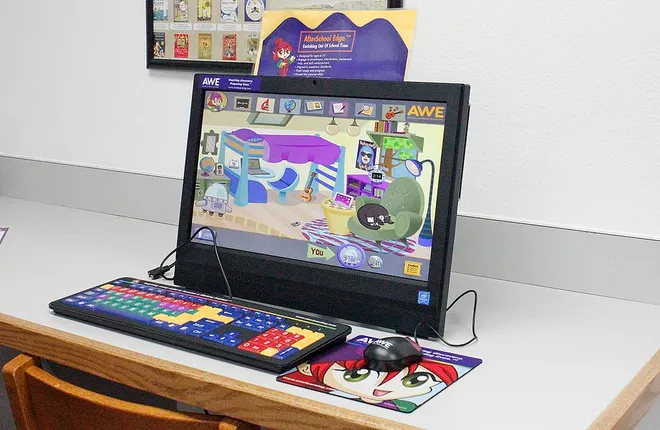
When Computers Were Fun: A Look Back at Classic Games and Software
Image: dreamstime.com

From the 8-bit era to the golden age of DOS, and from early Macintosh creativity suites to text-based adventures, this era of computing fostered curiosity, experimentation, and a sense of wonder. This post takes a nostalgic journey through the classic games and software that made computing an adventure, shaping a generation of tech enthusiasts, gamers, and creators.


1. Classic Computer Games: When Gameplay Was King

Gaming on early computers was about creativity, challenge, and innovation. Without hyper-realistic graphics or cinematic cutscenes, developers focused on engaging gameplay, storytelling, and unique mechanics.

1.1 Text-Based Adventures and Interactive Fiction

Before graphics became mainstream, many computer games relied on text-only interfaces to craft immersive experiences. Players would type commands like “GO NORTH” or “TAKE SWORD,” allowing for deep interaction with the game world.

  • Zork (1977) – One of the first and most famous text-based adventure games, introducing players to a mysterious underground realm.
  • Hitchhiker’s Guide to the Galaxy (1984) – A hilarious and mind-bending game based on Douglas Adams’ classic novel.
  • King’s Quest (1984) – While featuring graphics, it retained a text parser that required players to type commands to interact with the world.

These games required imagination, problem-solving, and patience, making them unforgettable experiences.

1.2 The DOS Gaming Revolution

By the late 80s and early 90s, MS-DOS had become the go-to platform for PC gaming. Many legendary titles were born in this era, known for their challenging gameplay and pioneering mechanics.

  • Doom (1993) – The game that defined first-person shooters, with fast-paced action and groundbreaking 3D graphics.
  • SimCity (1989) – A genre-defining city-building simulation that let players design and manage their own virtual cities.
  • Prince of Persia (1989) – One of the first games to feature fluid animation and realistic character movement.
  • Monkey Island (1990) – A classic point-and-click adventure game full of humor, clever puzzles, and memorable characters.

These games laid the foundation for modern genres, with many still being played today through emulation or remastered editions.

1.3 Early Online and Multiplayer Gaming

While modern gaming is heavily connected, early computer games pioneered local multiplayer and online experiences.

  • MUDs (Multi-User Dungeons) – The predecessors of modern MMORPGs, where players typed commands to explore and interact.
  • Duke Nukem 3D (1996) – One of the first PC games to popularize online deathmatch gameplay.
  • Warcraft II (1995) – Laid the groundwork for real-time strategy multiplayer battles.

These games brought people together, even when playing meant sharing a keyboard or dialing up to a slow internet connection.


2. Classic Software: When Computers Were Creative Tools

Computers weren’t just about gaming—early software provided endless possibilities for creativity, learning, and experimentation.

2.1 The Rise of Creative Software

Before professional-grade tools like Photoshop and Final Cut Pro, simpler creative programs gave users an easy way to express themselves.

  • Kid Pix (1989) – A delightful, kid-friendly drawing program with wild sound effects and colorful, freeform creativity.
  • Deluxe Paint (1985) – One of the most influential early pixel art and animation programs, used for creating game graphics.
  • MacPaint (1984) – Shipped with early Macintosh computers, giving users a simple yet powerful way to create digital art.

These programs introduced many users to digital creativity, inspiring future designers, artists, and game developers.

2.2 Productivity That Was Actually Fun

Even work-related software in the early days had a playful charm. The interfaces were simple, and the experience often felt interactive and engaging.

  • Microsoft Works (1987) – An early all-in-one office suite that made word processing, spreadsheets, and databases accessible to home users.
  • Print Shop (1984) – Allowed users to create banners, greeting cards, and signs with early dot-matrix printers.
  • HyperCard (1987) – A fascinating early hypermedia authoring tool that let users build interactive presentations, games, and databases.

Many people’s first experiences with writing, drawing, and data organization happened in these programs, sparking lifelong careers in tech and design.

2.3 Educational Software That Didn’t Feel Like School

Learning on early computers didn’t feel like a chore—it was engaging and fun, often disguised as entertainment.

  • The Oregon Trail (1971, re-released in 80s-90s) – An educational game that taught history, resource management, and survival skills.
  • Math Blaster! (1983) – Made math fun with arcade-style challenges.
  • Reader Rabbit (1986) – Helped kids develop literacy skills through interactive storytelling.

These programs turned computers into learning tools, making education more interactive and enjoyable.


3. Why Classic Games and Software Still Matter Today

While technology has evolved, the charm of classic games and software has never faded. There are several reasons why people still seek out retro computing experiences.

3.1 Simplicity and Accessibility

  • Early software was often straightforward and intuitive, without complex menus or overwhelming features.
  • Games focused on pure gameplay, avoiding bloated cinematics or pay-to-win mechanics.

3.2 Nostalgia and Cultural Impact

  • Many adults today grew up with these games and programs, leading to a resurgence in retro gaming and emulation.
  • The aesthetics of pixel art, low-bit sound, and DOS interfaces remain influential in modern indie games.

3.3 The DIY Spirit and Modding Communities

  • Many classic games and software have active fan communities that preserve, modify, and enhance them.
  • Open-source recreations and remakes keep these experiences alive on modern machines.

3.4 The Fun of Hands-On Computing

  • Unlike today’s locked-down app ecosystems, early software encouraged users to tinker, modify, and customize their experiences.
  • Whether it was writing your first batch script or designing pixel art, classic software made computing feel personal.

Conclusion: When Computers Were More Than Just Tools

Looking back at classic games and software, it’s clear that computing was once about more than just productivity and efficiency—it was about discovery, experimentation, and fun. Whether you were conquering the Oregon Trail, crafting pixel art in Deluxe Paint, or battling demons in Doom, early computing experiences were memorable, engaging, and endlessly creative.

In an era where technology often feels standardized and predictable, revisiting these classics reminds us why we fell in love with computers in the first place. Whether through emulators, vintage hardware, or remastered editions, these experiences remain timeless—proving that the best software and games never truly go out of style.

Whispers of Fortune: The Casino’s Indian Charm

0

Casinos in India aren’t just about glitzy halls or slot machines. They’re a quick wager in a Delhi chai stall, a virtual spin on a Mumbai train, a hushed bet in a Bangalore café. From the bustling markets of Kolkata to the serene backwaters of Kerala, they hum with a rhythm that’s not loud, but captivating. This isn’t about high rollers or jackpot dreams alone. It’s the pulse of everyday people who chase the thrill, the risk, the fleeting moment when luck can turn a mundane day into something magical.

The charm isn’t in the spotlight. It’s the shopkeeper placing a stake in Ahmedabad, the friends laughing over a game in Chennai, the student spinning a reel in Pune during a study break. Simple and heartfelt threads weave casinos into the fabric of Indian life. They don’t need a grand stage. They thrive in the clatter of a street vendor, the glow of a smartphone, the buzz of a late-night chat from Hyderabad to Himachal Pradesh.

The Daily Gamble

Casino life sparks in the routine of India’s bustling days. Place a bet while waiting for a rickshaw in Mumbai, spin a virtual wheel during a lunch break in Bangalore, roll a digital die with cousins in a Delhi flat. These aren’t epic gambles, but the core of the excitement, small stakes and quick thrills that add a dash of spice to the daily grind, whether in Goa or Glasgow.

Sparks of Chance

A friend swears he feels the casino’s pull most when betting on a game in Kolkata, just him and his phone. It’s not extravagant but electric, a thread that ties players across cities. Even something unexpected like https://chickenroad.com.in/ can slip into a night with pals in Chennai, a quick spark that keeps the laughter flowing over chai in a Mumbai café, proof the thrill hides in the smallest moments. That’s the gamble: tiny risks that flare bright from Jaipur to Johannesburg.

Life in the Hustle

Step into any Indian scene, and you feel it. The vendor places a bet in a Delhi market. The group spins a wheel in a Bangalore café. The old man wagers low in a Pune tea stall. They don’t chase fame but fuel the vibe, a rhythm of chance and joy that hums through every honk and hustle.

Echoes of Tradition

Casinos in India carry their roots. The old betting tales still echo in a Kolkata paan shop, the vintage dice games linger in stories from a Mumbai chawl, the faded cards murmur in a Goa beach shack. But it’s not just nostalgia. It’s the players keeping it alive, the uncle in Ahmedabad recalling a legendary wager, the student in Chennai hunting retro casino apps.

Threads of the Past

I met a man in Hyderabad who still bets like his grandfather did during Diwali. He doesn’t boast. He just plays, keeping a piece of tradition alive. That’s casino life in India: the past isn’t a forgotten relic here. It’s a spark in the now, woven into late-night games in a Delhi flat or the clink of a glass in a Bangalore bar.

Wagers That Last

These echoes are everywhere. The chaiwala in Mumbai nods to a ‘90s betting tale. The kid in Pune bets like his cousin taught during a festival. They’re not stuck. They’re part of it, a bridge from then to now that keeps the stakes rolling.

The Quiet Roll

Casinos in daily life have their calm. A late wager on a Kolkata app, a soft spin on a bus to Bangalore, a solo bet in a Mumbai dusk. These are the pauses in the chaos, where the mind unwinds and the stakes soften, from Dublin to Dubai.

A Pause Between Plays

A pal in Chennai says his best moments come when he’s alone with a bet, just him and the app. It’s not loud, but enough, a break that keeps him steady. My spot’s a corner in a Delhi café, where the roll’s hum fades into the street noise. These rolls don’t demand much. They give calm, a rest for any player who needs it.

Silent Havens

They’re scattered wide: a quiet app in a Mumbai market, a lone spin in a Goa shack, a soft bet in a Kolkata night. They’re not bold, but key. The bustle finds balance here, a gentle stop that keeps us steady when the game picks up.

The Art of the Bet

Casinos thrive on drive. Hit a line in a Mumbai rush, outguess a mate in a Vegas app, drop a win in a Delhi streak. It’s not about dazzle. It’s about instinct, the thrill and focus that turn a chance into a win, from London to Lucknow.

Crafting the Odds

I saw a guy in Bangalore nail a bet after hours of tries, no crowd, just a grin to himself. That’s it: luck isn’t for show, it’s for the feel. A friend in Chennai bets daily, a pro in Mumbai sharpens his odds. It’s the art, the quiet drive that fuels every spin and call. In India, online gambling is soaring: reports suggest over 40% of urban adults wager online annually, with mobile betting apps seeing a 30% rise in usage, a trend alive in cities like Delhi and Bangalore.

Power in the Play

It’s everywhere: a call in a Kolkata game, a spin in a London app, a bet in a Mumbai stream. It’s not forced. It’s gut, a craft that cuts through the noise and keeps the stakes alive, wherever you play.

Ties in the Streets

Casinos in India bind. A laugh spills over a wager in a Delhi bar, a bet links a crew in a Bangalore night, a win lifts a Chennai chat. It’s not rehearsed. It’s real, a web of ties that turns solo spins into shared stakes.

Waves of Cheer

Once, a stranger in a Mumbai café tipped a bet that flipped the night. Word spread, we teamed up, made it a round. It wasn’t planned. It grew, a wave of cheer from one call. That’s the tie: small moves that join us, from Goa to Glasgow.

Together in the Game

It’s all around. Mates rib each other in a Kolkata session, a player shares a tip in a Pune café, a group cheers a win in a Hyderabad flat. We don’t always say it, but we live it: a silent “we’re here” that holds the vibe tight, no matter the play.

Conclusion: The Endless Stake

Casinos in Indian life aren’t a sideline. They’re a pulse, shaped by the hands that wager, the voices that laugh, the screens that hum. From the rush of its risks to the calm of its pauses, it’s a raw, real, and relentless force. Step in, feel it, and you’ll catch it: a thrill of life, spun in every chance, that never fades out.

FAQ

What keeps casino life alive in India?

It’s the players, their instinct, their small thrills that stoke the fire.

Why does the everyday matter in Indian casinos?

It’s the root, the heart that turns chance into something alive.

How does calm fit in the chaos of casino play?
The quiet, the breaks that steady you when the stakes rise.

What ties casino fans together in India?
It’s the moments, the shared bets and cheers that make it a crew.

FireSat Initiative: Transforming Wildfire Detection with AI-Powered Satellites

0

Google has taken a major step in wildfire prevention with the successful launch of the first satellite under the FireSat project. This marks the beginning of an ambitious plan to establish a constellation of over 50 satellites capable of detecting and tracking wildfires as small as 5×5 metres in real-time.

What is FireSat?

The FireSat initiative is designed to revolutionize early wildfire detection and monitoring. The first satellite was developed by Muon Space, a California-based aerospace startup, and is equipped with six-band multispectral infrared cameras. These highly sensitive cameras are fine-tuned to detect heat signatures from wildfires over long distances, providing critical data to emergency responders.

Phases and Goals of the Project

The FireSat project is being rolled out in multiple phases:

  • Phase 1: Three satellites will be launched by next year. This mini-constellation will provide coverage of every point on Earth twice daily.
  • Long-Term Goal: The network will expand to 50 satellites, offering high-resolution imagery updates every 20 minutes—a game-changer for rapid response teams.

This level of frequency and precision will enable authorities to track wildfire origins, spread patterns, and intensity with unprecedented accuracy.

Collaborative Efforts and Funding

FireSat is a multi-organization effort, bringing together:

  • Google Research – Providing AI-driven analytics and processing power
  • Muon Space – Developing and launching the satellites
  • Earth Fire Alliance & The Moore Foundation – Supporting research and implementation

Google.org has also pledged $13 million to fund the development of the satellite constellation and AI technology that will power FireSat’s advanced wildfire monitoring capabilities.

Why FireSat is a Game-Changer

Current Challenges in Wildfire Detection:

  • Existing satellite imaging lacks resolution and updates too infrequently.
  • Aerial photography is limited in reach and speed.
  • Delayed detection means wildfires spread further before intervention is possible.

How FireSat Addresses These Issues:

  • Five-metre resolution imaging ensures even small fires are detected early.
  • Frequent real-time updates empower emergency teams to respond quickly.
  • AI-driven analysis predicts fire behavior and optimizes containment strategies.

Wildfires and Climate Change: An Increasing Threat

  • Rising global temperatures are fueling more frequent and severe wildfires. Recent wildfires in Southern California led to tragic loss of life and massive economic damage.
  • The urgency for advanced detection systems like FireSat is evident, as climate change intensifies the wildfire crisis worldwide.

Future Prospects of FireSat

The FireSat initiative has the potential to transform wildfire management globally. By combining cutting-edge AI, satellite imaging, and real-time monitoring, it aims to:

  • Provide timely alerts to firefighters and disaster management teams.
  • Minimize destruction by enabling early intervention.
  • Contribute to long-term wildfire prevention strategies.

As the FireSat constellation grows, it could play a crucial role in protecting lives, forests, and ecosystems from the escalating dangers of wildfires.