Since its premiere at the 2024 Cannes Film Festival, Anora has taken Hollywood by storm. The film, starring Mikey Madison, has captivated audiences and critics alike, earning praise for its gripping storytelling, compelling performances, and bold direction. With a successful awards season further amplifying its buzz, many are eager to know when and where they can watch Anora online. Here’s everything you need to know about its OTT release and streaming availability.
Where to Watch Anora Online
Anora is now available for purchase or rental on major digital platforms, including:
Apple TV
Amazon Prime Video
Google Play
YouTube
Viewers can rent the film for $5.99 on these platforms, making it easily accessible for those eager to experience the film at home.
Streaming Release on Hulu
In addition to rental and purchase options, Anora is now officially available for streaming on Hulu. The film premiered on the platform on March 17, 2025, following a distribution deal between Neon—the company behind its theatrical release—and Hulu. Neon, known for its strategic digital rollouts, ensured that Anora made its way to streaming within months of its theatrical debut.
About the Film and Cast
Directed by Sean Baker, Anora tells the riveting story of a Brooklyn-based sex worker who unexpectedly marries the son of a powerful Russian oligarch. However, their whirlwind romance takes a dramatic turn when the oligarch learns of their union, leading to unforeseen chaos and high-stakes drama.
The film boasts a stellar ensemble cast, including:
Mikey Madison (as Anora)
Mark Eydelshteyn
Yura Borisov
Karren Karagulian
Aleksei Serebryakov
Vache Tovmasyan
Darya Ekamasova
Award-Winning Performance
Mikey Madison’s portrayal of Anora has been hailed as a career-defining performance. Her outstanding work in the film earned her a BAFTA award and ultimately an Oscar for Best Actress at the 2025 Academy Awards, solidifying her status as one of the most talented actresses of her generation.
Final Thoughts
With its gripping narrative, stellar cast, and critical acclaim, Anora is a must-watch film of the year. Whether you choose to rent, buy, or stream it on Hulu, the movie promises an unforgettable cinematic experience.
So, if you haven’t seen Anora yet, now is the perfect time to dive into this award-winning masterpiece!
Poetry has long been a powerful medium of expression, capable of touching hearts, inspiring minds, and bringing people together across cultures and generations. Whether through rhythmic verses, emotional sonnets, or contemporary spoken-word performances, poetry has played a crucial role in shaping human thoughts and emotions. Recognizing its significance, World Poetry Day is observed annually to honor this timeless art form, celebrate poets, and promote the reading, writing, and teaching of poetry worldwide.
Established by UNESCO in 1999, World Poetry Day aims to preserve linguistic diversity through poetic expression and encourage the appreciation of both traditional and emerging poetic styles. It serves as a reminder of the transformative power of words—how they can evoke deep emotions, challenge perspectives, and inspire positive change in society. From classical poets like Shakespeare and Rumi to modern literary voices, this day highlights the impact poetry has had on human civilization for centuries.
On World Poetry Day 2025, let’s immerse ourselves in the beauty of words, explore the history and significance of this literary art, and find creative ways to celebrate it. Whether by attending poetry readings, writing heartfelt verses, or sharing inspiring poetry-themed visuals, there are countless ways to honor this day.
World Poetry Day 2025: Date & Theme
Date: World Poetry Day 2025 will be observed on Friday, March 21, 2025.
Theme: The official theme for World Poetry Day 2025 is “Poetry for Peace and Unity.” This theme highlights poetry’s role in fostering harmony, bridging cultures, and expressing deep human emotions.
History & Significance of World Poetry Day
World Poetry Day was established by UNESCO in 1999 to promote linguistic diversity and encourage people to appreciate poetry as a form of cultural expression. Poetry has been a significant part of various cultures worldwide, from ancient epics like the Mahabharata and Iliad to modern-day spoken-word performances. This day serves as a reminder of the timeless beauty of poetry and its impact on literature, music, and society.
Why is World Poetry Day Important?
Preserving Linguistic Diversity: Poetry showcases the richness of different languages and cultures.
Encouraging Creativity: This day inspires poets and writers to express their thoughts and emotions through words.
Promoting Literature and Arts: It fosters a love for reading, writing, and the performing arts.
Fostering Global Connection: Poetry unites people across borders and backgrounds.
Celebrating Poets: The day acknowledges the contributions of poets and their impact on society.
Events & Celebrations on World Poetry Day 2025
World Poetry Day 2025 will be celebrated globally with various literary and cultural events, bringing together poets, writers, and poetry enthusiasts. Here are some key events that will mark the occasion:
International Poetry Festivals: Major cities will host festivals featuring renowned poets and literary scholars.
Poetry Readings & Open Mic Nights: Libraries, cafés, and bookstores will organize poetry readings where individuals can perform or listen to poetry recitations.
Poetry Competitions & Slams: Schools and universities will hold poetry competitions to encourage young talents.
Workshops & Masterclasses: Aspiring poets can refine their craft through interactive sessions with established poets.
Poetry in Public Spaces: Parks, metros, and city centers will feature poetry installations and public readings.
Digital Poetry Showcases: Social media platforms, podcasts, and websites will host virtual poetry readings and live discussions.
Poetry for a Cause: Many organizations will use poetry to raise awareness about social issues and fund humanitarian causes.
10 Unique Ways to Celebrate World Poetry Day 2025
Host a Poetry Reading Event – Organize a gathering where people can recite their favorite or original poems.
Participate in a Poetry Writing Challenge – Write a poem based on a specific theme and share it on social media with #WorldPoetryDay2025.
Create & Share Poetry Posters – Design beautiful poetry-themed posters with inspiring verses and spread them online.
Perform Spoken-Word Poetry – Attend or host a session where poets can bring their words to life through performance.
Explore Poetry from Different Cultures – Read poetry from different countries and languages to appreciate diverse storytelling techniques.
Organize a Poetry Exchange – Share handwritten or digital poetry pieces with friends and family.
Write a Poem for Someone Special – Express your feelings in a beautifully crafted verse.
Decorate with Poetry – Print out famous poetry quotes and use them as decor.
Watch Poetry Films & Documentaries – Explore movies and performances based on poetry and poets.
Support Local & Emerging Poets – Buy poetry books from independent authors and share their work.
Inspiring Quotes for World Poetry Day 2025
“Poetry is when an emotion has found its thought and the thought has found words.” – Robert Frost
“A poet is, before anything else, a person who is passionately in love with language.” – W.H. Auden
“Poetry is the rhythmical creation of beauty in words.” – Edgar Allan Poe
“We write to taste life twice, in the moment and in retrospect.” – Anaïs Nin
“Poetry is the spontaneous overflow of powerful feelings: it takes its origin from emotion recollected in tranquility.” – William Wordsworth
15 Awareness Messages for World Poetry Day 2025
Poetry is the language of the soul—express, inspire, and connect this World Poetry Day!
A single poem can change a heart, a mind, or even the world. Celebrate the power of words today!
Poetry bridges gaps, unites cultures, and preserves history. Honor this timeless art form today!
Every poem tells a story, every verse carries a feeling. Write, read, and embrace poetry today!
Poetry is where the heart speaks and emotions find their voice. Keep writing!
A poem is more than words; it’s a melody of emotions, thoughts, and dreams. Celebrate poetry today!
Poetry has no boundaries—it speaks in every language, every voice, every soul.
Let’s turn emotions into verses, thoughts into rhythm, and words into impact.
A world without poetry is like a sky without stars. Let’s keep shining with words and verses!
Celebrate poets and their words that have shaped history, inspired change, and touched millions.
Final Thoughts
On World Poetry Day 2025, let’s celebrate the magic of poetry by writing, reading, and sharing words that inspire. Whether you attend an event, recite a poem, or create poetry-themed visuals, take this day to honor the beauty of language and creative expression. Happy World Poetry Day!
Indian cuisine has once again made its mark on the global food scene, as TasteAtlas, a popular food and travel guide, has unveiled its latest list of the ‘Top 100 Breads in the World.’ Topping the prestigious ranking is Butter Garlic Naan, followed closely by Amritsari Kulcha in second place. The list recognizes some of the finest breads from across the globe, highlighting the rich diversity of global culinary traditions.
The Top 5 Best Breads in the World
Butter Garlic Naan (India) This soft, chewy, and aromatic Indian flatbread is baked in a tandoor and then brushed generously with butter or ghee. The addition of minced garlic enhances its flavor, making it a perfect accompaniment to rich curries.
Amritsari Kulcha (India) Hailing from the North Indian city of Amritsar, this flavorful flatbread is stuffed with a mixture of potatoes, onions, cottage cheese, and spices, creating a crisp and flaky texture when cooked in a tandoor.
Carsamba Pidesi (Turkiye) A Turkish savory pie, this bread boasts a soft texture and is made from a sourdough-leavened dough. It is traditionally filled with minced beef and onions, offering a deliciously rich and satisfying taste.
Roti Canai (Malaysia) This pan-fried flatbread is a staple in Malaysian cuisine. Its dough is folded multiple times, resulting in a layered texture, a crispy outer layer, and a soft, flaky interior.
Pan de Bono (Colombia) A traditional Colombian bread shaped into bagels or small balls, Pan de Bono is often served warm and paired with a comforting cup of hot chocolate.
India’s Remarkable Presence on the List
India’s love for bread is evident, with a staggering 13 Indian breads making it to the top 100. Here’s a look at the other Indian breads that made the cut:
Rank 6: Parotta – A flaky, layered South Indian flatbread, best enjoyed with spicy curries.
Rank 8: Naan – A popular flatbread with a chewy texture, typically served with North Indian gravies.
Rank 18: Paratha – Made of whole wheat flour and often stuffed with spiced fillings like potatoes or cauliflower.
Rank 26: Bhatura – A deep-fried, leavened bread that pairs perfectly with chole (chickpea curry).
Rank 28: Aloo Naan – A naan stuffed with spiced mashed potatoes, making it a flavorful delight.
Rank 35: Roti – A staple of Indian households, this unleavened whole-wheat bread is a healthy and versatile option.
Rank 71: Aloo Paratha – A whole wheat flatbread stuffed with a spicy potato mixture, a breakfast favorite in North India.
Rank 75: Laccha Paratha – A multi-layered and flaky paratha, commonly enjoyed with dal and curries.
Rank 78: Cheese/Paneer Naan – Naan bread stuffed with freshly grated paneer, offering a cheesy indulgence.
Rank 84: Rumali Roti – An ultra-thin flatbread, often served in Mughlai cuisine.
Rank 99: Puri – A deep-fried, whole-wheat bread, typically enjoyed with halwa or savory curries.
A Culinary Triumph for India
The inclusion of 13 Indian breads in the world’s top 100 is a testament to India’s rich and diverse culinary heritage. From crispy naans to flaky parathas and deep-fried delights, Indian breads have earned global recognition for their unique textures, flavors, and versatility.
With Butter Garlic Naan claiming the top spot, Indian cuisine continues to solidify its place in the world of gastronomy, making food lovers across the globe eager to indulge in these flavorful delicacies.
Whether you’re an Indian food enthusiast or a bread connoisseur, this list is a fantastic guide to some of the most beloved breads around the world. Which one is your favorite?
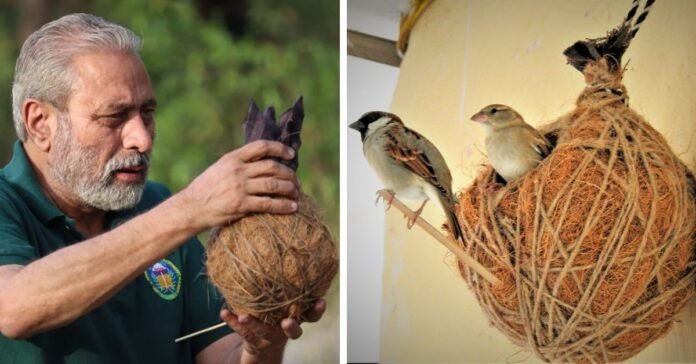
If you’ve ever spotted a small, handmade nest in your neighborhood, chances are it has ties to Rakesh Khatri. For the past 14 years, this passionate environmentalist has been reshaping India’s urban landscape, one nest at a time. Known as the ‘Nest Man of India,’ Khatri has built over 7,30,000 nests across the country, providing a safe haven for the declining population of house sparrows and other small birds. Among the avian community, he is nothing short of an architectural genius.
The Beginning of a Movement
Back in 2008, when Khatri first started building nests, skeptics dismissed his efforts. “Sparrows build their own nests. What makes you think they’ll choose yours?” they asked. Yet, armed with jute, rope, and an unshakable belief in his mission, he installed his first nest in Mayur Vihar, Delhi. A few days later, the sound of cheerful chirps from the nest confirmed that he was on the right path.
Since then, his creations have housed magpies, robins, bulbuls, and, most importantly, house sparrows. With a steady decline in sparrow populations across metro cities like Bengaluru, Chennai, Delhi, Hyderabad, Kolkata, and Mumbai, Khatri’s work has become a beacon of hope for conservation efforts.
The Vanishing Sparrow and the Urbanization Effect
For many Indians, sparrows are intertwined with childhood memories, from their presence in courtyards to their chirps at sunrise. These birds have silently witnessed the changing urban landscape, but modernization has not been kind to them. As green spaces gave way to concrete jungles, sparrows found themselves displaced. The rise in cellphone towers, electromagnetic radiation, and pollution only added to their woes. According to a national-level assessment, habitat loss due to a lack of nesting spaces has significantly contributed to their dwindling numbers.
Determined to reverse this trend, Khatri has spent years designing bird-friendly spaces, proving that cities can coexist with nature. His motivation? A piece of advice from a gardener: “Don’t stop making nests. You are giving the sparrows back the home we took from them.”
From Filmmaker to Conservationist
Khatri’s love for birds wasn’t always so profound. As a child, he would catch sparrows that nested on ceiling fans in his home. His grandfather, however, warned him against disturbing the birds. Those childhood experiences, combined with a later realization about the importance of conservation, led him to embrace bird protection as a full-time endeavor.
Before dedicating his life to this cause, Khatri was a documentary filmmaker. But in 2008, he made the life-changing decision to trade the corporate world for environmental activism. His dedication has since earned him accolades such as the National Science Award (2020), a mention in the Limca Book of Records (2018), the International Green Apple Award (2013), the Earth Day Network Star (2020), and the title of ‘Earth Champion’ by Sony BBC Earth (2025). His contributions to bird conservation have also led to his membership in the International Union for Conservation of Nature (IUCN).
A Community-Driven Initiative
Khatri’s work is not just about providing shelter for birds—it’s about community engagement and empowerment. His journey has inspired people across generations. One heartwarming instance involved an 85-year-old gynecologist from Bengaluru who learned to make a nest under Khatri’s guidance. She later wrote to him, saying, “I have delivered many babies in my lifetime. But the joy I felt when I gave a sparrow a home was something entirely different.”
His nest-building materials have also evolved over time. What began with jute, rope, and coconut shells has now expanded to include eco-friendly alternatives like water hyacinth. This floating plant, notorious for choking water bodies, is now being repurposed through his project, ‘Jal Sparsh.’ Women in Bihar, Uttar Pradesh, and Haryana harvest and dry water hyacinths to create nests, simultaneously helping restore the ecological balance of lakes.
Educating the Future Generations
At the heart of Khatri’s mission is education. His Eco Roots Foundation has conducted over 7,000 nest-making workshops across India, training school children to become the next generation of conservationists. These hands-on workshops don’t just teach students how to build nests—they also instill a sense of responsibility for local biodiversity.
The foundation also empowers rural women by engaging them in sustainable initiatives. In Uttarakhand, women are trained to create value-added products from native plants like buransh and malta. Meanwhile, in biodiversity hotspots such as the Okhla Bird Sanctuary, Noida, Lucknow Zoo, Dudhwa Lion Safari, and Pilibhit Nature Park, women serve as nature guides, sharing their knowledge about local flora and fauna.
A Mission with a Lasting Impact
Through his relentless efforts, Khatri is ensuring that sparrows, once on the verge of disappearing from urban India, find a way back home. His work is not merely about building nests—it’s about rebuilding an ecosystem that welcomes all creatures, big and small.
For Khatri, this is more than a mission—it is a lifelong commitment. “There is no bigger blessing in this world than when you give someone a home,” he says. And in doing so, he continues to restore harmony between nature and urban life, one nest at a time.
In a groundbreaking discovery, an international team of researchers led by Professor Matthew Bailes of Swinburne University of Technology, Australia, has unveiled a celestial wonder—a planet composed largely of diamond. This extraordinary find, located 4,000 light-years away in the Serpens constellation, offers a glimpse into the exotic and mysterious nature of our universe.
The Discovery of the Diamond Planet
The journey to discovering PSR J1719-1438 began with the detection of a pulsar—a rapidly spinning neutron star—using the Parkes radio telescope of the Australian Commonwealth Scientific and Industrial Research Organisation (CSIRO). Pulsars, typically only about 20 kilometers in diameter, emit focused beams of radio waves as they rotate. These beams create a rhythmic pulsing effect detectable by radio telescopes on Earth.
To further investigate, astronomers turned to the Lovell radio telescope at Jodrell Bank Observatory in the UK and the Keck telescopes in Hawaii. Observations revealed that the pulsar’s radio pulses were subtly modulated, indicating the presence of a small yet dense companion exerting a gravitational influence.
The Binary System and Its Astonishing Companion
The pulsar and its companion planet exist in a binary system, orbiting each other at an astonishingly close distance of 600,000 km—slightly less than the Sun’s radius. The companion orbits the pulsar in just two hours and ten minutes, which is an exceptionally short period.
Despite its small size—less than 60,000 km in diameter, about five times that of Earth—the companion has a mass slightly greater than Jupiter. Given its proximity to the pulsar, a larger companion would have been torn apart by intense gravitational forces.
Origins: A Shrunken Star Turned Diamond
The extreme density of the planet suggests that it is the remnant of a once-massive star that lost most of its material to the pulsar. The pulsar, classified as a millisecond pulsar, spins at an incredible rate of over 10,000 rotations per minute and has a mass of about 1.4 times that of the Sun, despite its compact size.
Scientists theorize that the companion was once a white dwarf—a dense stellar remnant that had its outer layers stripped away, leaving behind an ultra-dense core composed primarily of carbon and oxygen. Given its density, astronomers believe this material must be in a crystalline state, meaning a large portion of the planet is likely similar to diamond.
The Cosmic Rarity of Diamond Planets
This discovery is significant not only for its uniqueness but also for what it reveals about the evolution of binary systems. Dr. Andrea Possenti of the INAF-Osservatorio Astronomico di Cagliari suggests that PSR J1719-1438 and its companion likely evolved from a system known as an ultra-compact low-mass X-ray binary. These rare systems may represent the progenitors of such exotic pulsar-planet formations.
Dr. Michael Keith of CSIRO adds that a planet composed of lighter elements such as hydrogen and helium would be too large to fit within the observed orbit, reinforcing the likelihood of a carbon-based crystalline structure.
Professor Benjamin Stappers from The University of Manchester emphasizes that such planets are exceptional rather than common. “The rarity of millisecond pulsars with planet-mass companions means that producing these ‘exotic planets’ requires very specific conditions,” he explains.
A Landmark Discovery in Pulsar Astronomy
The identification of PSR J1719-1438 was no small feat. The research team analyzed nearly 200,000 gigabytes of data using advanced computational techniques on supercomputers at Swinburne University of Technology, The University of Manchester, and INAF-Osservatorio Astronomico di Cagliari. The study was part of a large-scale pulsar survey involving the 100-meter Effelsberg radio telescope in Germany, one of the most sensitive surveys of its kind.
Professor Michael Kramer of the Max-Planck-Institute for Radio Astronomy (MPIfR) underscores the broader implications: “This is the largest and most sensitive survey of this type ever conducted. We expected to find exciting things, and it is great to see it happening. There is more to come!”
A Redemption in Exoplanetary Science
The discovery of this diamond planet holds a personal significance for Professors Matthew Bailes and Andrew Lyne of The University of Manchester. In 1991, they were part of a team that initially claimed to have found the first exoplanet, a claim later retracted. However, in 1992, astronomers confirmed the first known exoplanetary system around PSR B1257+12, another pulsar.
Now, decades later, Bailes and his team have uncovered one of the most fascinating exoplanets known to date—one that gleams with the brilliance of a celestial diamond, adding another jewel to the crown of astronomical discoveries.
Conclusion: A Cosmic Gem
PSR J1719-1438 stands as a testament to the mysterious and wondrous nature of our universe. A once-massive star, stripped down to its crystalline core, now orbits one of the fastest-spinning pulsars ever observed. This celestial diamond, forged under unimaginable conditions, offers scientists a unique opportunity to understand stellar evolution, planetary formation, and the extreme physics governing pulsar systems.
As research continues, who knows what other cosmic treasures await discovery in the vast expanse of space?
Standing majestically on Strand Road, the Victoria Memorial is a masterpiece of marble and an enduring symbol of Kolkata’s rich history. Though the monument is an emblem of pride for the city, it was originally built by Lord Curzon in memory of Queen Victoria, the first Empress of British India. Today, this grand structure has evolved into one of the most fascinating museums, offering visitors a glimpse into the city’s colonial past and India’s journey to independence.
A Monument of Majesty
The construction of the Victoria Memorial began in 1901, following Queen Victoria’s demise, as per Lord Curzon’s vision to build a grand state memorial. The monument, which cost ₹1,05,00,000, was funded by contributions from various princely states of India. Designed by Sir William Emerson, the architectural marvel blends Indo-Saracenic revivalist style with influences from Egyptian, Venetian, Deccan, and Islamic elements. The white Makrana marble, sourced from Rajasthan, adds to its ethereal beauty.
Atop the central dome, the ‘Angel of Victory’ gracefully stands, adding to the monument’s grandeur. Surrounding the dome are four metaphorical sculptures representing Art, Architecture, Justice, and Charity. The front porch features statues symbolizing Motherhood, Learning, and Prudence, while imposing marble lion statues guard the grand entrance.
A Journey Through Time: The Museum and Galleries
Post-independence, the Victoria Memorial was transformed into an expansive museum, showcasing a remarkable collection of artifacts that narrate both British opulence and India’s struggle for freedom. The museum boasts over 30,000 exhibits, including paintings, manuscripts, sculptures, books, and memorabilia from colonial and post-colonial India.
Must-Visit Galleries
Portrait Gallery: Features stunning oil paintings of Queen Victoria’s life, including her coronation, wedding, and Jubilee celebrations.
Royal Gallery: Houses life-sized paintings by renowned artists like Vassili Verestchagin, depicting historical moments such as the Prince of Wales’ state entry into Jaipur in 1876.
Calcutta Gallery: A journey through Kolkata’s evolution from its founding by Job Charnock to its modern-day transformation.
National Leaders’ Gallery: Showcases powerful portraits and exhibits on India’s freedom fighters, highlighting their relentless struggle against colonial rule.
Arms and Armoury Gallery: Displays war relics, including Tipu Sultan’s dagger and artillery notebook.
Queen’s Hall Gallery: Features exhibits sent from London, such as Queen Victoria’s writing desk from Windsor Castle, her chair, and a rosewood pianoforte.
The Lush Gardens: A Serene Escape
The Victoria Memorial Garden, spread over 64 acres, is an enchanting retreat amid Kolkata’s urban bustle. The impeccably manicured lawns, vibrant flower beds, and ornamental sculptures make it a perfect spot for a peaceful stroll. A bronze statue of Queen Victoria, adorned with the Order of the Star of India, sits regally within the gardens, along with sculptures of historical figures like Robert Clive, Lord Curzon, and Raja Rajendra Nath Mukherjee.
A Mesmerizing Light and Sound Show
One of the most poetic attractions at Victoria Memorial is the Son-et-Lumiere, an enthralling light and sound show. The illuminated memorial, bathed in a spectrum of colors, narrates the story of Kolkata’s colonial past and its struggle for freedom, leaving visitors spellbound.
Exploring Beyond Victoria Memorial
Victoria Memorial is surrounded by several iconic attractions, making it an ideal location for a day of cultural exploration:
Maidan: A lush expanse, perfect for a relaxing walk.
Indian Museum: One of India’s oldest museums, featuring rare artifacts from across history.
College Street: A paradise for book lovers, filled with quaint bookstores and literary gems.
Birla Planetarium: A hub for astronomy enthusiasts, offering fascinating shows and exhibits.
Visitor Information
Timings: 10:00 AM – 5:00 PM (Tuesday – Sunday)
Closed on: Mondays and select national holidays
Final Thoughts
A visit to Victoria Memorial is more than just a trip to a museum; it is an immersive journey through time. Whether you are an art lover, history buff, or simply someone looking for a serene getaway, this marble masterpiece promises a day of learning, reflection, and admiration. So, if you wish to soak in the grandeur of British royalty while walking through India’s brave history, Victoria Memorial awaits you!
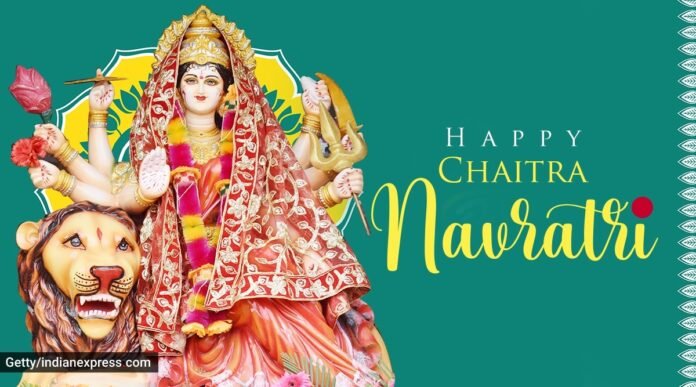
Navratri, meaning “nine nights,” is one of the most vibrant and spiritually significant festivals celebrated across India and among Hindu communities worldwide. While the more widely known Sharad Navratri falls in autumn, Chaitra Navratri, observed in the Hindu lunar month of Chaitra (March-April), holds immense cultural and spiritual importance. It marks the arrival of spring and the beginning of the Hindu New Year in many regions, especially in North India.
In 2025, Chaitra Navratri will commence on March 30 (Sunday) and conclude on April 7 (Monday). This sacred festival is dedicated to the worship of Goddess Durga and her nine divine manifestations, symbolizing the victory of good over evil, light over darkness, and wisdom over ignorance.
Key Dates and Worship of Navadurga
Each day of Chaitra Navratri is devoted to a different form of Goddess Durga, collectively known as Navadurga, with specific prayers and rituals observed:
March 30, 2025 – Pratipada (Ghatasthapana & Shailputri Puja)
March 31, 2025 – Dwitiya (Brahmacharini Puja)
April 1, 2025 – Tritiya (Chandraghanta Puja)
April 2, 2025 – Chaturthi (Kushmanda Puja)
April 3, 2025 – Panchami (Skandamata Puja)
April 4, 2025 – Shashti (Katyayani Puja)
April 5, 2025 – Saptami (Kalaratri Puja)
April 6, 2025 – Ashtami (Mahagauri Puja & Kanya Pujan)
April 7, 2025 – Navami (Siddhidatri Puja & Ram Navami)
The final day, Ram Navami, is particularly auspicious as it marks the birth anniversary of Lord Rama, the seventh incarnation of Lord Vishnu. Many devotees conclude their Navratri fasting on this day with special prayers and offerings.
Significance of Chaitra Navratri
Chaitra Navratri is more than just a religious festival; it is a time for spiritual rejuvenation and self-discipline. Devotees use these nine days to cleanse their minds, bodies, and souls through fasting, meditation, and devotion.
Each day of Navratri is associated with a specific color, and devotees dress in these colors as a mark of reverence and harmony with the divine energy. While color traditions may vary across regions, common shades include red, yellow, green, grey, orange, blue, white, pink, and purple—each representing different qualities like strength, peace, prosperity, and wisdom.
Rituals and Traditions to Follow
Devotees follow a range of spiritual and devotional practices during Chaitra Navratri:
Ghatasthapana (Kalash Sthapana): The festival begins with the installation of a sacred earthen pot (Kalash) symbolizing the presence of Goddess Durga. It is placed on an altar with barley seeds, which sprout over the nine days, signifying prosperity.
Fasting & Dietary Observances: Many devotees observe fasting, consuming only fruits, milk, and specific grains like buckwheat (kuttu), water chestnut (singhara), and amaranth (rajgira). Onion, garlic, and non-vegetarian food are strictly avoided.
Daily Worship & Aarti: Special pujas, bhajans, and aartis are conducted in homes and temples, accompanied by the recitation of sacred texts such as the Durga Saptashati.
Kanya Pujan (Eighth or Ninth Day): The worship of young girls, regarded as representations of Goddess Durga, is a crucial ritual. Devotees offer them food, gifts, and blessings as a form of Devi Vandana.
Ram Navami Celebrations: On the ninth day, devotees celebrate the birth of Lord Rama with grand processions, temple festivities, and devotional singing.
The Essence of Chaitra Navratri
Chaitra Navratri is a reminder of the inner strength and resilience we possess. It encourages self-reflection, devotion, and the ability to overcome obstacles with courage and faith. The festival signifies the universal triumph of righteousness and serves as a time to seek blessings for peace, prosperity, and well-being.
As we step into Chaitra Navratri 2025, may these nine divine nights fill our lives with positivity, wisdom, and boundless grace. Jai Mata Di!
The Aga Khan Palace in Pune stands as both an architectural marvel and a poignant symbol of India’s fight for independence. Built in 1892 by Sultan Muhammed Shah Aga Khan III, a revered spiritual leader and philanthropist of the Shia Ismaili Muslim community, this grand palace has drawn visitors from across the globe, not just for its splendid design but for its deep-rooted connection to India’s freedom movement.
A Monument of India’s Freedom Struggle
Originally designed as a royal residence, the Aga Khan Palace became a significant site in India’s struggle against British colonial rule. During the Quit India Movement of 1942, the British government imprisoned Mahatma Gandhi, Kasturba Gandhi, Mahadev Desai, and Sarojini Naidu within its walls. Tragically, both Kasturba Gandhi and Mahadev Desai passed away during their confinement, making this palace a solemn witness to their sacrifices. These events solidified the palace’s role as an enduring emblem of India’s fight for independence.
A Journey Through History
Today, the Aga Khan Palace has been transformed into a museum, preserving the legacy of India’s freedom fighters. As visitors walk through its corridors, they encounter personal artifacts of Mahatma Gandhi, including his iconic spinning wheel (charkha), letters, and even his humble bedding. These intimate relics provide a rare glimpse into the private life of the Mahatma, offering a deeper understanding of the man behind the movement.
The palace grounds also house the tombs of Kasturba Gandhi and Mahadev Desai, making it a place of pilgrimage for those who revere Indian history and the Gandhian philosophy. Adding to its historical significance, a portion of Mahatma Gandhi’s ashes was laid to rest here, further cementing the palace’s place in India’s collective memory.
Architectural Splendor and Cultural Heritage
The Aga Khan Palace is a stunning blend of Indo-Saracenic and Italian architectural styles, characterized by grand arches and expansive halls. The palace houses five opulent halls, including the rooms where Mahatma and Kasturba Gandhi were confined. Today, it serves as the headquarters of the Gandhi Memorial Society, ensuring that the ideals of truth, non-violence, and self-reliance continue to inspire future generations.
Preserving Gandhi’s Legacy
A visit to the Aga Khan Palace is not just a walk through history—it is an opportunity to connect with Gandhi’s philosophy and the values that shaped modern India. The museum’s collection, which includes his sandals, utensils, and handwritten letters, offers a deeply personal look at one of the most influential leaders of the 20th century.
For history enthusiasts and cultural explorers, the palace provides an immersive experience that extends beyond its walls. Nearby attractions such as Yerwada Central Jail, the Gandhi Memorial Museum, and the historic Shaniwar Wada further enrich visitors’ understanding of Pune’s historical significance.
Exploring Pune’s Rich Heritage
Beyond the Aga Khan Palace, Pune is home to numerous cultural and historical treasures:
Shaniwar Wada: A majestic fortification that once served as the seat of the Peshwas.
Raja Dinkar Kelkar Museum: A treasure trove of Indian artifacts and artistic heritage.
Osho International Meditation Resort: A serene retreat offering meditation and wellness programs.
Mahadji Shinde Chhatri: A grand memorial honoring the Maratha warrior Mahadji Shinde.
Trekking Adventures: The Sahyadri mountain range offers thrilling trekking experiences, with destinations like Lohagad Fort and Visapur Fort providing breathtaking views and historical charm.
A Timeless Legacy
The Aga Khan Palace is more than just a monument—it is a tribute to resilience, sacrifice, and the indomitable spirit of India’s freedom fighters. Whether you are a history enthusiast, an admirer of architectural beauty, or simply seeking to connect with India’s past, a visit to this historic gem is an experience that lingers long after you leave.
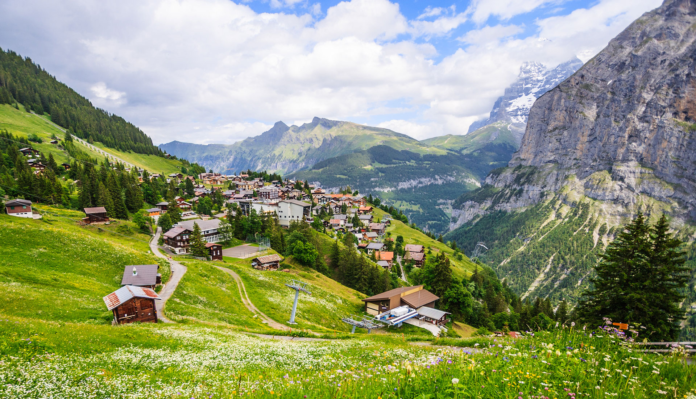
At a time when traffic woes keep everyone worried, can you imagine a place which stays car free? If you are still thinking, here we discuss a beautiful village called
Mürren, which remains car free and in other words traffic free as well, has cable cars taking you over the snow laden mountains, giving a glimpse of the beautiful world around.
This traffic-free mountain village in fact has also been the choice of world-famous Secret Service Agent James Bond. The famous phrase “My name is Bond, James Bond” was pronounced in the heights of Schilthorn Mountain, in 1969 here.
So in case you are a real fan of the agent, then it will be a great experience to follow Bond’s footsteps by visiting “Bond World 007”.
Mürren, the car-free village in the Bernese Oberland represents the beauty of Switzerland in every single corner.
The way to this village is an enjoyable scenic route, which is indeed well worth the trek. The trains or cable cars from Lauterbrunnen and Stechelberg stations can easily access Mürren.
Once you take a delightful stroll through the village and later rise by the cable car to the top of Schilthorn to enjoy the calmness mixed with incredible panoramic views, you can admire the panoramic views from the epic Alpine summit of Schilthorn, where the world’s first-ever rotating 360° restaurant Piz Gloria is located. Here you will relax and feel yourself in the open air surrounded by the magical sights of Eiger, Monch and Jungfrau trio as well as France’s Mont Blanc and Black forest in Germany.
Mürren is situated on a terrace of 1650m above the Lauterbrunnen Valley providing the visitors with a number of activities both during summer and winter seasons.
When the village is blanketed in snow, you can enjoy different levels of skiing. The same area turns into an exciting Alpine flora as if it was not once covered with snow. In the summer season, one can enjoy mountaineering, climbing, hiking, paragliding, base-jumping or indoor sports and swimming.
Mürren-Schilthorn provides 53km of ski and snowboard pistes, as well as access to about 30 cableways that reach the ski areas in Lauterbrunnen valley. Besides skiing, you can also have a try in tobogganing, snowshoe hiking, ice-skating or just enjoy your evening in the Ice Disco with the pumping music and the fancy lights.
Here are some sightseeing attractions to explore during the time you spend in Mürren:
Schilthorn – The Piz Gloria rotating restaurant..
Ice Disco.
Trummelbach Falls (A waterfall inside a mountain, acknowledged as the most amazing one in the Swiss Alps).
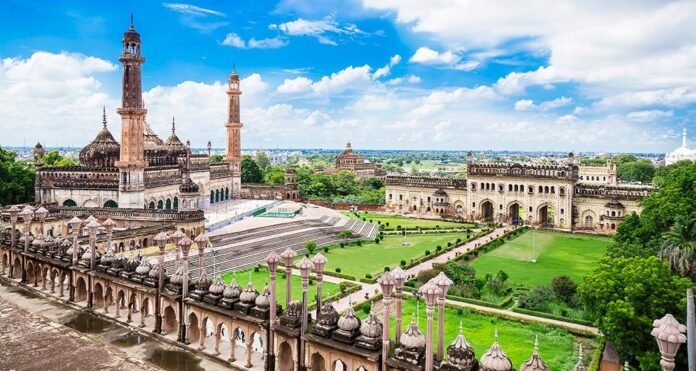
The story of the Bara Imambara begins not with grandeur, but with humanity. Built in 1780 by Nawab Asaf-ud-Daula, the structure was conceived during a devastating famine that ravaged the region. The Nawab, recognizing the dire economic conditions, embarked on this monumental project not just for religious purposes but also as a massive employment scheme. Thousands of laborers found work constructing the Imambara, a project that spanned nearly a decade, ensuring a steady income during a time of crisis. This ingenious initiative cemented the Bara Imambara’s place in history not just as an architectural spectacle but also as a symbol of the Nawab’s compassion.
A Multifaceted Marvel: Halls that Whisper Tales
Step inside the Bara Imambara, and you are greeted by a symphony of construction styles. The central hall, a masterpiece of ingenious engineering, boasts the largest arched roof in the world without any wooden or metal support. This colossal space allowed for large gatherings during Muharram, the first month of the Islamic calendar.
Flanking the grand central chamber are three additional halls, each representing a distinct cultural influence:
The Chinese Hall: A mesmerizing ceiling adorned with dragons, showcasing the artistic exchange between Awadh and the Far East.
The Persian Hall: Lavish mirror work and intricate floral designs reminiscent of Safavid dynasty opulence.
The Indian Hall: A perfect lotus-blossom-shaped dome, paying tribute to India’s indigenous architectural heritage.
These diverse halls reflect the Nawab’s vision of cultural synthesis, creating a space where artistic expression flourished. The central chamber, said to be the world’s largest vaulted space, also houses the tomb of Nawab Asaf-ud-Daula, forever honoring the visionary behind this historic marvel.
Beyond Belief: The Bhul Bhulaiya – A Labyrinth of Legends
No visit to the Bara Imambara is complete without venturing into the legendary Bhul Bhulaiya, a maze-like structure aptly named the ‘House of Confusion’. This labyrinth, a playground for the Nawabs and a source of endless fascination for visitors, is rumored to have 1,024 pathways. While the exact number remains a delightful mystery, its twisting corridors and hidden chambers offer a thrilling challenge. Legends whisper of secret escape routes for the Nawabs and hidden treasures within its depths, adding to its mystique.
A City’s Soul Etched in Stone
The Bara Imambara is more than just a monument—it is a living testament to Lucknow’s grandeur. Within its heart lies the serene Asafi Masjid, a beautiful mosque adorned with intricate stucco work and crowned by three bulbous domes.
Another hidden gem within the complex is the Shahi Baoli, an ancient stepwell. Originally a water reservoir for construction, it was later transformed into a luxurious royal guesthouse known as the Shahi Mehmaan Khana. Imagine marble-adorned walls and cooling fountains, a proof of the Nawab’s ingenuity in blending sustainability with opulence.
Bara Imambara’s Maze, Mosque, and Marvel Await…
The Bara Imambara pulses with Lucknow’s history. Lose yourself beneath the vast, unsupported roof—an engineering spectacle defying gravity. Seek solace in the serene Asafi Masjid, or navigate the legendary Bhul Bhulaiya. This is more than just a historical site; it is a vibrant mosaic of Lucknow’s past, meticulously preserved for future generations. Step into Lucknow’s heart and witness the soul of the city come alive.
Visitor Information
Opening Time: 09:00 AM
Closing Time: 05:00 PM
Closed on Mondays
Experience More in Lucknow
Admire the beautiful zardozi embroidery with its intricate floral patterns.
Explore the rich cultural tapestry while shopping in Lucknow.
The Bara Imambara awaits—offering a journey through history, art, and architectural brilliance.