
Home Blog Page 344

Rare Caracal Sighting in Mukundra Hills Tiger Reserve

0

In a remarkable discovery, Rajasthan’s Forest Minister Sanjay Sharma recently announced the first-ever photographic record of a caracal in Mukundra Hills Tiger Reserve. This rare sighting, part of the Winter Phase IV survey, highlights the ongoing conservation efforts in the region. With fewer than 50 individuals remaining in India, the caracal is now classified as critically endangered, making this observation a significant moment for wildlife conservationists.

The Elusive Caracal: A Stealthy Predator

The caracal (Caracal caracal) is a medium-sized wild cat native to Africa, the Middle East, Central Asia, and South Asia. Known for its distinctive black-tufted ears, its name originates from the Turkish word ‘karakulak’, meaning ‘black ears.’

Caracals are nocturnal and highly agile hunters, capable of leaping great distances to catch their prey. Their diet primarily consists of small ungulates, rodents, and birds, making them skilled predators in their ecosystem. These cats have long been admired for their speed, strength, and ability to hunt with precision.

A Historical Icon in Indian Wildlife

Caracals have held a place in India’s ecological and cultural history for centuries. Ancient texts such as Khamsa-e-Nizami and Shahnameh mention these cats, illustrating their role in royal hunting traditions. Once widespread across 13 Indian states, caracals thrived in diverse landscapes, from dry forests to scrublands.

A Drastic Population Decline

Despite their historical presence, caracal numbers have plummeted over the decades:

  • Their population halved from pre-Independence times to the year 2000.
  • From 2001 to 2020, their numbers declined by over 95%.
  • Today, they occupy only 16,709 square kilometers, a mere fraction of their historical range.

Conservation Status: A Species on the Brink

Recognizing the alarming decline, the National Board for Wildlife and the Union Ministry of Environment, Forest and Climate Change classified the caracal as critically endangered in 2021. Habitat loss due to urbanization, deforestation, and illegal wildlife trade are major threats to their survival.

The International Union for Conservation of Nature (IUCN) lists caracals as vulnerable, emphasizing the urgent need for conservation efforts.

Habitat and Conservation Challenges

Caracals primarily inhabit scrub forests, dry deciduous landscapes, and ravines. In India, they are commonly found in the Chambal region, but their habitat is often classified as wasteland, limiting restoration efforts.

Their large, tufted ears play a crucial role in hunting, communication, and thermoregulation, helping them survive in harsh climates. However, habitat fragmentation, poaching, and human encroachment continue to threaten their existence.

Hope for the Future

The Mukundra Hills sighting is a positive indicator for caracal conservation in India. This photographic record could pave the way for more focused conservation programs, habitat protection, and community awareness initiatives. By addressing threats such as habitat destruction and illegal hunting, conservationists can help ensure the survival of this elusive species.

With continued efforts, Mukundra Hills Tiger Reserve could become a safe haven for caracals, offering them a fighting chance against extinction.
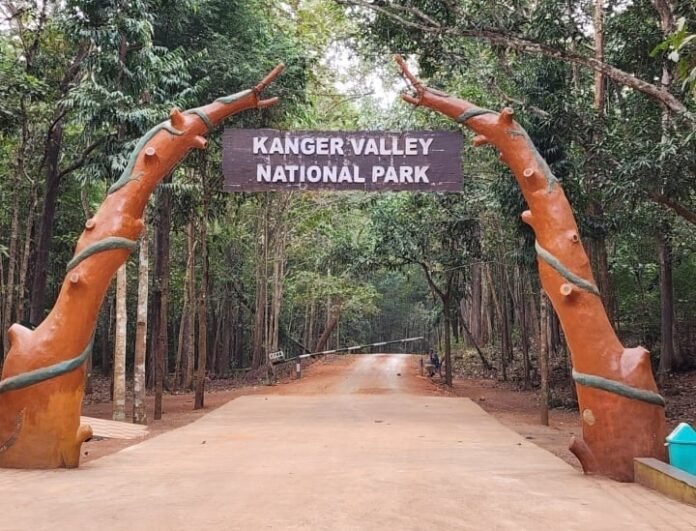
Kanger Valley National Park: A Hidden Gem on UNESCO’s Tentative List

0

Kanger Valley National Park (KVNP), a jewel of Chhattisgarh, has been added to the tentative list of UNESCO World Heritage Sites under the ‘Natural’ category. Nestled in the picturesque Bastar district, the park is celebrated for its breathtaking landscapes, diverse wildlife, and unique geological formations. Once a region marred by Maoist violence, KVNP has transformed into a peaceful haven for nature lovers and adventure seekers.

Geographical Marvels

Spanning 200 square kilometers, Kanger Valley National Park boasts a striking topography with elevations ranging from 338 to 781 meters above sea level. The lush moist Peninsular Valley Sal forests, deep gorges, and meandering streams create a vibrant ecosystem. The Kanger River, a lifeline of the park, not only enhances its scenic charm but also plays a crucial role in sustaining its rich biodiversity.

A distinctive feature of the park is its karst landform, characterized by stunning limestone caves and a comprehensive lithological succession of the Indravati Group of rock formations. Notable natural attractions such as the Tirathgarh Falls and the Kanger River further enrich the park’s ecological significance, making it a must-visit destination.

A Biodiversity Hotspot

KVNP is a treasure trove of flora and fauna, hosting:

  • 963 plant species, contributing to its lush greenery.
  • 49 mammal species, including the elusive giant squirrel, otters, and various deer species.
  • 201 bird species, with the endemic Bastar Hill Myna, known for its remarkable mimicry skills.
  • 16 amphibian and 37 reptile species, adding to the park’s ecological diversity.

This remarkable biodiversity underscores KVNP’s importance as a conservation site and a haven for researchers and wildlife enthusiasts.

The Enchanting Limestone Caves

Kanger Valley National Park is home to over 15 limestone caves, each holding geological and cultural significance. Some of the most famous caves include:

  • Kotamsar Cave – A mesmerizing underground wonder with striking stalactites and stalagmites.
  • Kailash Cave – Known for its natural rock formations resembling Hindu deities.
  • Dandak Cave – A site of archaeological and tribal cultural importance.

These caves serve as a testament to the park’s geological history and are deeply revered by local tribal communities, especially during traditional festivals.

Tourism and Conservation: A Promising Future

With its recent inclusion in UNESCO’s tentative list, KVNP is set to gain global recognition, potentially boosting tourism and conservation efforts. As visitor interest grows, sustainable tourism initiatives can play a key role in preserving the park’s delicate ecosystem while uplifting the local economy.

Whether it’s the pristine landscapes, rich biodiversity, or the ancient limestone caves, Kanger Valley National Park is a rare blend of nature, history, and culture. Its journey from a conflict-ridden zone to a thriving eco-tourism destination stands as a testament to conservation efforts and the region’s untapped potential.

A Call to Explore

For adventurers, wildlife enthusiasts, and researchers alike, KVNP offers an unforgettable experience. As it steps closer to UNESCO heritage status, the park stands as a symbol of resilience, beauty, and ecological significance—a destination waiting to be explored and cherished.

Haryana Teacher Runs Multi-Lakh Mushroom Business While Empowering Rural Women

0

In 2020, assistant professor Sonia Dahiya embarked on an entrepreneurial journey that would transform lives in her community. Combining her expertise in biotechnology with a passion for social change, she established ‘Doctor Dahiya Mushroom Farm,’ a high-tech mushroom farming business in Sonipat, Haryana. Today, her farm produces an impressive 10 tonnes of mushrooms every month, generating a revenue of Rs 9 lakh while empowering rural women with stable employment and financial independence.

From Lockdown Idea to Thriving Business

The COVID-19 pandemic brought uncertainty to many, but for Sonia, it became an opportunity. While many were confined to their homes, she pursued her dream of mushroom farming, an idea initially met with skepticism from her family and peers. With an initial investment of Rs 40 lakh, she built two growing rooms and hired local help. Over time, her knowledge from research papers and hands-on experience helped her refine her farming techniques.

By 2022, she expanded her farm to four growing rooms, significantly increasing production. Today, her mushrooms supply local caterers and vendors at Delhi’s Azadpur Mandi, making her a key player in the region’s agricultural industry.

Haryana Teacher Runs Multi-Lakh Mushroom Business While Empowering Rural Women

The Science Behind Mushroom Farming

Mushroom cultivation is far from simple. Sonia compares it to caring for a newborn, requiring constant monitoring and precision. Early in her journey, she faced challenges such as power cuts and low-quality compost, which impacted yields. Determined to improve efficiency, she established her own compost unit using locally available paddy straw, chicken manure, and wheat bran.

“Mushroom farming is more complex than it seems,” she explains. “During the first 40 days of the vegetative phase, we keep the windows closed to regulate carbon dioxide levels. Once mushrooms begin to sprout, we introduce fresh air to support their growth.” Temperature control is equally critical, as even a slight rise beyond 30°C can damage the crops. Her background in biotechnology has been instrumental in navigating these challenges and optimizing production.

More Than Just Business: A Mission for Women’s Empowerment

Beyond commercial success, Sonia’s farm serves a greater purpose: empowering rural women. Recognizing the struggles of women in her community—many of whom lacked stable employment—she made it her mission to provide them with opportunities.

“As an assistant professor, I had financial security, but the pandemic opened my eyes to the hardships faced by rural women,” she says. “If our own needs are met, it’s time to look at how we can uplift society.”

Today, Sonia employs 15 rural women who manage daily operations. These women, previously engaged in unstable daily wage labor, now earn steady incomes, transforming their lives.

Savita, a 40-year-old worker, recalls her struggles before joining the farm. “I used to earn Rs 250 a day, sometimes going 10 days without work. Now, I earn Rs 11,500 per month, and my family enjoys regular meals,” she shares.

For Pinki Devi, the job brought financial stability and dignity. “Before, I worked under the harsh sun, but now I work in air-conditioned rooms. I even stay an hour beyond my shift because I enjoy my work,” she says.

Despite these positive changes, societal challenges persist. Sonia recalls a call from a worker’s husband demanding she be fired so she could tend to household duties. “This highlights the ongoing struggle for independence among rural women. My goal is to support them in earning their own income and finding their strength,” she says.

Cultivating More Than Mushrooms—Cultivating Hope

In the cool, controlled environment of her farm, Sonia fosters more than just mushroom growth; she cultivates a sense of community. “Sometimes, we dance, share chai pakoras, and even host DJ nights,” she says with a smile.

For many women, especially widows and divorcees, these moments of camaraderie are as valuable as their income. “This isn’t just about business. It’s about offering hope and independence to those who need it most,” Sonia affirms.

Through her entrepreneurial spirit and dedication to social impact, Sonia Dahiya has not only built a successful agribusiness but also created a model for empowerment—one mushroom at a time.

Euro and Dollar Exchange Rate

0

On November 5, 2024, the euro was valued at 1.0933 US dollars. However, following the election of Donald Trump, the euro experienced a decline, reaching 1.0277 dollars by January 20, 2025. By March 17, 2025, the euro rebounded to 1.0919 dollars. These fluctuations underscore the sensitivity of currency values to economic and political events, impacting global trade and investment.

Understanding Currency Exchange Rates

Currency exchange rates represent the relative value of one currency against another. They are influenced by multiple factors, including:

  • Trade balances: A country with a trade surplus generally sees its currency strengthen.
  • Interest rates: Higher interest rates attract foreign investments, increasing demand for a currency.
  • Economic stability: Strong economic performance boosts investor confidence, driving currency appreciation.

A higher demand for a currency typically leads to its appreciation, while lower demand results in depreciation.

Impact of US Economic Policies

During Trump’s presidency, economic policies played a crucial role in shaping the dollar’s strength. Initially, promises of tax cuts and deregulation increased market confidence, boosting consumer spending and business investment. However, the imposition of tariffs led to increased costs for businesses and consumers, creating uncertainty in the economy and affecting the dollar’s stability. This economic unpredictability contributed to fluctuations in the exchange rate.

European Economic Recovery

While the European Union had been grappling with stagnation since the Global Financial Crisis of 2008, recent policy shifts have fostered economic recovery. EU governments introduced fiscal stimulus measures to boost growth, leading to a modest improvement in GDP projections. This resurgence in economic confidence has contributed to the euro’s strengthening against the dollar.

Investor Behavior and Market Reactions

Investor sentiment is a key driver of currency movements. As uncertainties surrounding the US economy grew, investors redirected capital towards European markets, expecting better growth prospects. This capital shift bolstered the euro while weakening the dollar, illustrating the interconnected nature of global financial markets.

Implications for India

The euro-dollar exchange rate also affects the Indian economy. A weakening dollar strengthens the Indian rupee, helping to curb inflation, particularly in sectors reliant on crude oil imports, which are priced in dollars. Conversely, a stronger euro results in a weaker rupee against the euro, benefiting Indian exporters by making their goods more competitive in European markets.

Summing Up

The exchange rate between the euro and the dollar remains a key indicator of global economic trends. Factors such as US policies, European recovery efforts, and investor sentiment continue to drive fluctuations. As markets respond to political and economic changes, businesses and policymakers must adapt to the evolving financial landscape to mitigate risks and seize opportunities.

What is White Hydrogen?

0

France has made a groundbreaking discovery in the field of clean energy with the identification of a vast reserve of natural hydrogen in Folschviller, Moselle. Estimated to contain 46 million tons of “white hydrogen,” this naturally occurring gas presents a sustainable alternative to traditional hydrogen production methods. The discovery could significantly impact the global energy sector, offering a cleaner and more cost-effective solution for various industries.

White Hydrogen Introduction

White hydrogen, also known as natural, gold, or geologic hydrogen, is a naturally occurring form of hydrogen found in the Earth’s crust. Unlike other hydrogen types that require industrial production, white hydrogen is extracted directly from underground deposits. This eliminates the need for energy-intensive manufacturing processes and prevents carbon dioxide emissions when used as fuel. The discovery of white hydrogen challenges the long-standing belief that hydrogen must be synthetically produced in laboratories.

Advantages of White Hydrogen

White hydrogen offers several advantages over other forms of hydrogen, including grey, blue, and green hydrogen:

  • Environmentally Friendly: Since white hydrogen does not require production from fossil fuels or electricity, it generates no CO₂ emissions, making it a truly clean energy source.
  • Cost-Effective: The estimated cost of white hydrogen is around $1 per kilogram, significantly lower than green hydrogen, which costs approximately $6 per kilogram.
  • Infrastructure Compatibility: White hydrogen can be integrated into existing hydrogen infrastructure, reducing the need for extensive modifications and additional investments.
  • Renewable Potential: The naturally occurring reserves suggest a long-term and sustainable energy source.

Global Potential of White Hydrogen

The discovery in France is just one example of the global potential of white hydrogen. Deposits have been identified in countries such as the United States, Russia, and Australia. Estimates suggest there could be tens of billions of tons of white hydrogen available worldwide. This breakthrough could revolutionize key industries like aviation, shipping, and steel production, which are actively seeking cleaner alternatives to reduce their carbon footprint.

Comparison with Other Types of Hydrogen

Hydrogen exists in multiple forms, each distinguished by its production method and environmental impact:

  • Grey Hydrogen: Derived from fossil fuels, grey hydrogen is the most commonly produced hydrogen but is highly carbon-intensive.
  • Blue Hydrogen: Also produced from fossil fuels, blue hydrogen incorporates carbon capture and storage (CCS) technology to reduce emissions.
  • Green Hydrogen: Generated through electrolysis powered by renewable energy sources, green hydrogen is environmentally friendly but costly.
  • White Hydrogen: A naturally occurring alternative that eliminates the need for production processes, making it the most sustainable and cost-efficient option.

Implications for the Energy Sector

The discovery of white hydrogen has the potential to transform the energy sector. As the world shifts towards sustainable solutions, white hydrogen could help reduce reliance on fossil fuels and drive advancements in clean energy technology. Additionally, industries and governments may accelerate research and investment in white hydrogen extraction and utilization, paving the way for a more sustainable future.

The discovery in France marks a significant milestone in the clean energy revolution, bringing white hydrogen into the spotlight as a promising solution for global energy demands. With further exploration and technological advancements, white hydrogen could become a key player in the transition to a greener, more sustainable world.

This Delhi Entrepreneur Has Prevented 200 Tonnes of Plastic Waste from Polluting the City

0

What happens to all the plastic waste we throw away? For most of it, the answer is alarming—it ends up in landfills, rivers, or oceans, contributing to environmental degradation. However, Delhi’s Mohd Suhail saw an opportunity to turn this problem into a sustainable solution. Through his company, Athar Packaging Solutions, he has successfully recycled 200 tonnes of plastic waste into sustainable packaging, proving that small businesses can drive significant environmental change.

A Mission to Tackle Plastic Waste

In 2020, at the age of 32, Mohd Suhail founded Athar Packaging Solutions with a clear goal: to combat India’s growing plastic waste problem. India generates a staggering 10.2 million tonnes of plastic waste annually—more than double that of several other major polluters. With landfills overflowing and plastic pollution choking rivers, Suhail sought to develop an eco-friendly alternative to traditional packaging, giving discarded plastic a new lease on life.

Impact: How Athar Packaging Solutions is Reducing Delhi’s Plastic Pollution

Over the past three years, Athar Packaging Solutions has made remarkable strides in waste management and sustainability. Their key contributions include:

  • Diverting plastic from landfills – By recycling industrial plastic waste, the company prevents tonnes of materials from being dumped, reducing environmental contamination and promoting a circular economy.
  • Cutting carbon emissions – Recycling plastic is significantly more energy-efficient than producing new plastic from raw materials. For every tonne of plastic recycled, 1.5 tonnes of CO2 emissions are avoided. Athar’s efforts have prevented nearly 300 tonnes of CO2 emissions, contributing to climate action.
  • Encouraging sustainable packaging – The company recycles 95% of plastic waste into sustainable packaging, providing eco-friendly alternatives to over 700 businesses across 60 cities.
  • Promoting circular economy practices – Athar’s success demonstrates that industrial plastic waste can be repurposed into high-quality packaging, inspiring other businesses to rethink waste management and embrace sustainability.
This Delhi Entrepreneur Has Prevented 200 Tonnes of Plastic Waste from Polluting the City

Turning Vision into Reality: The Step-by-Step Journey

Suhail’s journey to establishing Athar Packaging Solutions was filled with challenges. From identifying recyclable plastics to expanding his customer base, he followed a strategic approach to bring his vision to life.

Step 1: Identifying Recyclable Plastics

Suhail’s first challenge was determining which plastics could be effectively recycled into durable packaging. After extensive research, he identified three types—LDPE, BOPP, and LD plastics—as the most suitable for creating sustainable products. This focus ensured efficiency in the recycling process.

Step 2: Securing and Modifying Machinery

Finding the right machinery was crucial. Suhail partnered with ML Polymers, a manufacturer that had an underutilized machine. He and his team modified it to transform plastic waste into high-quality pouches and zippers. Adjustments included specialized blending tools, precise temperature controls, and multi-layer filtration systems to remove contaminants, ensuring premium-quality recycled packaging.

Step 3: Building Relationships with Waste Suppliers

Convincing companies to supply plastic waste for recycling was another major hurdle. “We had to demonstrate that our solution was viable and eco-friendly,” Suhail explains. Through persistent efforts, he built partnerships with key suppliers such as Akash Plastic, Deepa Polymers, and Krishna Plastic Suppliers. These collaborations allowed Athar to secure a steady supply of industrial plastic waste, preventing it from polluting the environment.

Step 4: Overcoming the Cost Barrier

One of the biggest challenges was the high cost of sustainable packaging. Sustainable alternatives can be up to five times more expensive than traditional plastic packaging. To encourage businesses to switch, Suhail initially kept profit margins low—just 5%—making the transition more affordable for clients. This strategy quickly paid off, with the company acquiring 40 clients in its first year and experiencing rapid growth thereafter.

Step 5: Expanding the Customer Base

As demand for sustainable packaging grew, Suhail scaled up operations. Athar Packaging Solutions now serves over 700 businesses across 60 cities, including major hubs like Delhi, Bengaluru, and Mumbai. Leveraging platforms such as IndiaMart, Justdial, and Exporter India, the company expanded its reach and established itself as a leader in sustainable packaging solutions.

Step 6: Diversifying Product Offerings

Initially focusing on pouches, Athar Packaging Solutions has since expanded its product line to include a variety of sustainable packaging options such as corrugated boxes and stand-up zipper pouches. The stand-up zipper pouch, center seal pouch, and three-side seal pouch are among the most popular products, driving the majority of the company’s revenue.

Lessons for Businesses Looking to Go Green

For businesses considering a shift to sustainable packaging, Suhail emphasizes three key takeaways:

  1. Start Small, Scale Smart – Begin with a few eco-friendly alternatives and gradually expand as demand grows.
  2. Educate and Engage – Convincing suppliers and customers about the benefits of sustainability helps build long-term partnerships.
  3. Invest in Efficiency – The right technology and processes make sustainable packaging cost-effective and scalable.

A Sustainable Future

Athar Packaging Solutions stands as a testament to how environmental responsibility and profitability can go hand in hand. By transforming plastic waste into sustainable packaging, Mohd Suhail has not only reduced pollution but has also inspired other businesses to embrace eco-friendly solutions. His journey serves as a blueprint for entrepreneurs looking to make a positive impact—one recycled package at a time.

Ancient Indian Instruments That Once Ruled Music—Now Almost Forgotten

0

Long before sitars and tablas dominated the stage, India resonated with the haunting melodies of the Ravanahatha and the deep tones of the Surbahar. These six forgotten instruments once defined musical traditions, but where are they now? Let’s explore their origins, unique sounds, and the last musicians keeping them alive.

1. Ravanahatha

Age and Origin: Believed to be over a thousand years old, the Ravanahatha hails from ancient traditions in Rajasthan. Its name, inspired by the demon king Ravana, hints at its mythic past.

Where It’s Still Played: Once a staple among royal bards and folk musicians, this primitive bowed string instrument survives in remote pockets of Rajasthan, kept alive by a few dedicated traditionalists.

Ancient Indian Instruments That Once Ruled Music—Now Almost Forgotten

How It Sounds: Crafted from a coconut shell, bamboo, and gut strings, its sound is haunting and resonant—evoking memories of age-old tales and whispered legends.

2. Surbahar

Age and Origin: Emerging in the 18th century, the Surbahar was developed in North India as a deeper, bass counterpart to the sitar, allowing for slower, more profound renditions of ragas.

Where It’s Still Played: Once a favorite of classical maestros, the Surbahar has largely faded from mainstream performances, with only a handful of dedicated artists keeping its melodies alive in niche classical circles in parts of North India.

How It Sounds: With its larger body and thicker strings, the Surbahar produces a deep, meditative resonance—perfect for slow, intricate ragas that demand patience and devotion.

3. Rudra Veena

Age and Origin: Tracing its roots to ancient Vedic times, the Rudra Veena is one of the oldest veenas in Indian music, deeply tied to the Dhrupad tradition and spiritual practices.

Where It’s Still Played: The Rudra Veena is still played in India by artists like Baha’ud’din Mohiuddin Dagar in Mumbai, Madhuvanti Pal in Kolkata, and at institutions like Dhrupad Sansthan in Bhopal and Dhrupad Gurukul in Pune, preserving its legacy within the Dhrupad tradition.

How It Sounds: With its long tubular body and deep, hypnotic vibrations, the Rudra Veena creates a divine, meditative sound—reverberating with the essence of India’s oldest classical tradition.

4. Pena

Age and Origin: Over a thousand years old, the Pena hails from Manipur and has been a key part of its ritualistic and folk traditions. It is one of the oldest known bowed instruments in India.

Where It’s Still Played: Once played in royal courts and sacred ceremonies, the Pena now survives through the efforts of cultural revivalists and traditional artists in Northeast India.

How It Sounds: With its single-stringed structure and bow, the Pena produces a raw, melancholic tone, perfect for storytelling, invoking deep emotions and spiritual connections.

5. Gettuvadyam

Age and Origin: A centuries-old instrument from South India, the Gettuvadyam was once a prominent part of Carnatic music before the violin gained popularity.

Where It’s Still Played: Gettuvadyam, also known as Gottuvadyam or Chitravina, is primarily played in South India, especially in Tamil Nadu and Karnataka, within Carnatic classical music circles. It is performed by artists in Chennai, Bengaluru, and at institutions like the Kalakshetra Foundation and the Karnataka College of Percussion.

How It Sounds: Similar to the Chitravina, this fretless slide instrument produces fluid, melodic tones, allowing for intricate microtonal expressions unmatched by most string instruments.

Ancient Indian Instruments That Once Ruled Music—Now Almost Forgotten

6. Yazh

Age and Origin: Dating back to the Sangam era (over 2,000 years ago), the Yazh was the Tamil equivalent of a harp, prominently featured in ancient Tamil literature and poetry.

Where It’s Still Played: Once a courtly and devotional instrument, the Yazh completely disappeared from musical traditions. While it is not part of mainstream performances today, efforts to revive it can be seen in Tamil cultural and academic circles, particularly in Chennai and Madurai.

How It Sounds: With its harp-like structure, the Yazh was known for its celestial, delicate plucking tones—reminiscent of divine music mentioned in classical Tamil poetry.

Ancient Indian Instruments That Once Ruled Music—Now Almost Forgotten

Keeping These Sounds Alive

Though these instruments have faded from the mainstream, they still survive through the efforts of dedicated musicians and cultural enthusiasts. If you’re curious to hear them, you can find recordings online, attend niche classical performances, or even support artists working to preserve these traditions. With more awareness and appreciation, their unique sounds may yet find a place in the future of Indian music.

Ever Seen This Mini Watermelon? The ‘Desert Cucumber’ Rajasthan Swears By!

0

Meet kachri, Rajasthan’s wild mini watermelon—tiny in size, mighty in flavour, and a secret ingredient in the desert’s most iconic dishes. This little-known fruit, Cucumis callosus, thrives in the arid expanse of the Thar Desert, defying the harsh climate with its resilience. But beyond its ability to flourish in unforgiving conditions, kachri is a culinary gem packed with flavour and nutrition.

Nature’s Candy in the Desert

At first glance, kachri might fool you with its resemblance to a miniature watermelon. Ranging in size from a golf ball to a small apple, this wild cucumber has a mottled, yellowish-brown skin when mature. But unlike watermelons, kachri isn’t just sweet—it offers a tangy, refreshing bite with hints of melon and cucumber. Unlike its bitter cousin, tumba, kachri provides a delightful sweet-and-sour surprise with every bite.

A Culinary Superstar

For centuries, kachri has been a staple in Rajasthani kitchens, passed down through generations as a prized ingredient. Its versatility makes it a must-have in local dishes:

  • Raw & Fresh: Eaten as a snack, added to salads, or used as a crunchy topping.
  • Dried & Powdered: Used as a spice to add a tangy kick to traditional dishes like ker sangri and gatte ki sabzi.
  • Pickled: Preserved as kachri ka achar, a mouth-watering delicacy that lasts for months.

The Secret Ingredient in Rajasthani Curries

Did you know kachri powder is a natural meat tenderiser? For centuries, desert communities have relied on it to soften tough meat cuts, giving their curries a unique, sour-sweet depth of flavour. Just a pinch of dried kachri powder can elevate even the simplest dish, making it a secret weapon in Rajasthani cuisine.

Ever Seen This Mini Watermelon? The ‘Desert Cucumber’ Rajasthan Swears By!

Thriving in the Desert Heat

Kachri plants are built for survival. Their sprawling vines grow low to the ground, shielding them from scorching temperatures and sandy winds. They require almost no maintenance—emerging after brief desert rains and producing fruit rapidly. With minimal water needs, kachri is an ideal crop for Rajasthan’s arid soils, offering sustainability in regions where water is scarce.

A Nutritional Powerhouse

Despite its small size, kachri is packed with essential vitamins and minerals. High in vitamin C and hydrating properties, it plays a vital role in desert dwellers’ diets, especially during the scorching summer months when fresh produce is hard to come by.

Finding Kachri Today

Traditionally foraged from the wild, kachri is now cultivated on a small scale by farmers in regions like Jodhpur and Bikaner. If you visit local markets in western Rajasthan between July and September, you’ll find heaps of fresh kachri for sale. Outside the harvest season, you can still get your hands on dried kachri or its powdered form in spice shops.

A Desert Treasure Worth Exploring

So next time you find yourself in Rajasthan, keep an eye out for this humble desert fruit. Whether you try it fresh, dried, or as a spice in your cooking, kachri is nature’s perfect snack—one that embodies the resilience, resourcefulness, and rich culinary heritage of the desert.

Meet the Women Using Their Cameras to Protect India’s Wildlife

0

Deep in the Himalayas, filmmaker Neha Dixit set out to track a ‘ghost’ — the elusive musk deer. She is one of several women using their cameras to spotlight India’s disappearing wildlife. From rare birds to big cats, their films are making waves in conservation. But what have they uncovered?

1. In Search of Kasturi: Capturing the Story of the Musk Deer

In 2021, Neha Dixit, a filmmaker from Nainital, Uttarakhand, embarked on a journey through the snow-clad Himalayas to track down the musk deer, locally known as ‘Kasturi.’ Her documentary, In Search of Kasturi, delves into the ecological importance of this 25-million-year-old species beyond the allure of its musk, which is often poached for its commercial value.

Braving sub-zero temperatures and treacherous terrain, Neha and her crew faced immense challenges. “Even people who’ve lived there for decades have not seen the animal. Its crepuscular nature (active during twilight) made filming even harder,” she recalls. The effort paid off when the deer finally appeared on camera, making Neha one of the few to capture this endangered species in its natural habitat.

Beyond filming, Neha uncovered alarming truths: the musk deer is frequently hunted, not only for its musk but also alongside species like bears for their bile, believed to have medicinal properties. Her work highlights the urgent need for conservation efforts to protect this species from illegal hunting and habitat destruction.

2. Bugun and a Forest of Hope: Saving the Bugun Liocichla

In Singchung, Arunachal Pradesh, the sight of a small olive-grey bird with a black cap never fails to excite locals. The Bugun Liocichla, first documented as a new species in 2006 by ecologist Dr. Ramana Athreya, exists nowhere else in the world.

Filmmaker Shaleena Phinya is bringing this rare bird into the spotlight through her documentary. A member of the Bugun community and a forest patroller at the Singchung Bugun Village Community Reserve (SBVCR), she uses her lens to tell the story of her homeland’s biodiversity. Her film showcases the conservation efforts of her community and the importance of protecting this fragile ecosystem.

3. Catapults to Cameras: Tackling Illegal Hunting Through Storytelling

In West Bengal, thousands of protected animals, including jungle cats, Indian flying foxes, elongated tortoises, and vultures, are slaughtered in an illegal ritualistic hunt every year. Armed with bows, catapults, and spears, hunters decimate already dwindling populations.

Award-winning conservation filmmaker Ashwika Kapur, a director with the BBC Natural History Unit, is using her craft to bring change. Her documentary, which won Best Inspirational Film at the 2024 New York International Film Awards, doesn’t just expose the brutality of these hunts but also presents a solution.

By introducing wildlife photography workshops to children in hunting communities, Ashwika and her team have shifted mindsets. “These kids now see wild animals not as prey, but as creatures of beauty to be cherished and protected,” she shares. Her initiative has inspired a new generation of conservationists, proving that storytelling can be a powerful tool for change.

4. Wings of Hope: A Bustling Village and Their Bird Friends

Menar, a small village in Rajasthan, has transformed into a paradise for thousands of migratory birds. What makes it unique? The villagers themselves have taken ownership of conservation, fiercely protecting their wetlands and the birds that inhabit them.

Filmmaker Gunjan Menon highlights this remarkable story in her documentary Wings of Hope: A Bustling Village and Their Bird Friends. With over 32 international awards and nominations across 13 countries, Gunjan’s work has showcased how grassroots conservation efforts can make a difference.

“The Menarias welcome birds like honored guests and have built an eco-tourism model that safeguards their wetlands. Their activism led to Menar Lake being officially recognized as a wetland, granting it greater protection,” Gunjan explains.

One of the village’s Pakshi Mitras (designated bird friends), Darshan Menaria, proudly states, “We do not encourage hunting. Even visitors respect our birds.” The villagers patrol the area, prevent illegal hunting, and educate tourists, making Menar a model of community-led conservation. Gunjan’s storytelling won her the Audience Choice Award at the Jackson Wild Film Festival in 2023, reinforcing the power of films to inspire real-world change.

The Power of Storytelling in Conservation

These women filmmakers are proving that documentaries are more than just a medium for storytelling — they are catalysts for awareness, education, and action. As Samreen Farooqui of Roundglass Sustain, a digital encyclopedia dedicated to India’s biodiversity, points out, “Filmmakers are chronicling our Earth for future generations. Their stories do more than spark wanderlust; they drive impact.”

Through their unwavering dedication, these women are not only documenting the beauty of India’s wildlife but also fighting to protect it. Their work serves as a testament to the power of visual storytelling in shaping the future of conservation.

Live Betting Strategies: How to Win Big with Mostbet Bangladesh

0

One of the gambling activities with the fastest rate of growth is live betting, and a successful live betting strategy can be the secret to ongoing success. While standard online sports betting principles apply to this form of gambling, everything moves at a faster pace. The best place to get a most exciting live betting experience is on Mostbet BD. This article will discuss with you the best strategies to help you win big on live betting.a

Why Choose Mostbet Bangladesh for Live BettingLive Betting Strategies: How to Win Big with Mostbet Bangladesh

With a large selection of live betting options on football, cricket, tennis, and other sports, this casino is a top sports betting site. Users may place bets promptly and without any delays thanks to the Mostbet website and app, which offer a flawless experience. The following explains why this casino is the ideal option for live betting: 

  • Real-time Updates: Get up-to-date odds and live match statistics. 
  • Competitive Odds: Higher payouts than many other betting sites. 
  • Sign-up bonus: To get their betting career started, new users might get a sizable welcome bonus.
  • Fast transactions: Mostbet deposit Bangladesh and Mostbet withdraw methods include Bkash, Nagad, Rocket, and cryptocurrency for instant deposits.
  • User-friendly platform: The Mostbet website and mobile app are easy to navigate, making live betting hassle-free.

Strategies for Live BettingLive Betting Strategies: How to Win Big with Mostbet Bangladesh

The best strategies do not guarantee a win but can increase your chances. They include:

Do Your Research Before the Match 

Even though live betting lets you change your wagers in real time, it’s still very important to research a game before it starts. Examine recent form, head-to-head records, injuries, and team news. You will have an advantage when the game starts if you have a thorough understanding of both teams. 

For example, you may anticipate fewer goals for Liverpool if Salah is absent. You can decide to wager on the “Under” market for total goals as a result. You can keep an eye on the game and modify your wagers as necessary with Live betting.

Take Advantage of Changes in Momentum 

In live betting, momentum is crucial. A powerful team may falter because of exhaustion, whereas a squad that starts slowly may get better in the second half. You can make a lot of money by betting against public opinion. For instance, a favorite’s chances of winning may rise if they give up an early goal. This is the ideal opportunity to wager at greater odds if you think they will return. By providing dynamic odds, Mostbet BD enables you to profit from these circumstances.

Watch the Game Live

Reacting to in-game occurrences is one of the main benefits of live betting. Watch the game live while you wager, if at all possible. While live updates and match statistics are available on the website, you can get a more accurate analysis of individual performances and momentum shifts by viewing the game yourself. 

For example, you would think about placing a wager on Manchester United to score the next goal if they are controlling the ball and creating numerous opportunities. Likewise, you might wager against a team if they appear worn out or have defensive issues.

Manage Bankroll Effectively

Effective money management is just as important to successful betting as selecting winners. When placing bets, establish a budget and refrain from chasing losses. Among the many promotions that the casino provides is the Mostbet casino bonus, which can be utilized to increase your bankroll and play casino games. You should also only wager a tiny portion of your overall money on each gamble. This lowers the risk and extends your gaming time.

Use the App

In the Mostbet app you can make instant bets for live betting with the need to react swiftly to events. You can access the website without repetitive logins by using the app to receive up-to-date information and respond to live game events.

The app sends direct notices about matches along with real-time match updates to keep users informed about exceptional betting chances.

Conclusion

Through the Mostbet Bangla platform users enjoy an engaging method to boost their sports viewing with intelligent wagering. Success in sports betting can be achieved through a combination of pre-match research along with live game viewing together with altered betting odds identification and responsible bankroll management protocols. Users gain access to win big bets by using the Mostbet sign up bonus alongside Live and the app. So, if you haven’t yet, register today, claim your casino bonus, and start making the most of live betting with the casino!