Home Blog Page 341

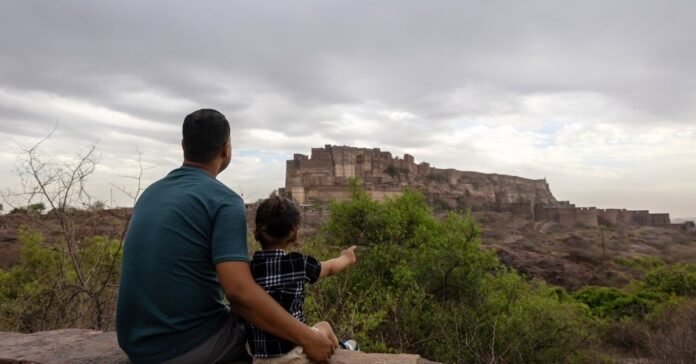
Trekking with Children in India: A Family-Friendly Guide

0

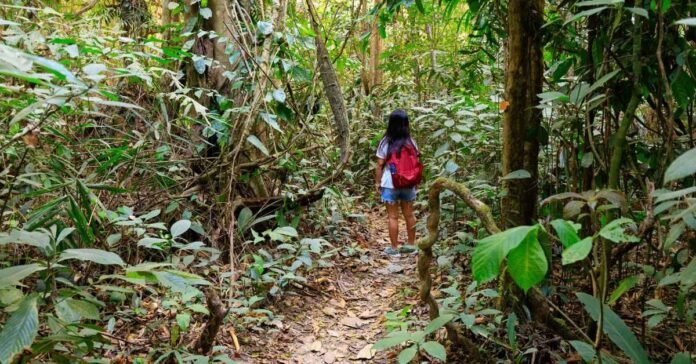
Trekking with children in India can be a rewarding adventure, offering young explorers a chance to connect with nature, build resilience, and experience the joy of the great outdoors. With a variety of beginner-friendly trails across the country, families can embark on unforgettable journeys through lush forests, serene meadows, and breathtaking mountain landscapes. Here’s a guide to some of the best child-friendly treks in India and tips to make the experience enjoyable for all.


1. Chopta-Tungnath: The Perfect First Trek

Location: Uttarakhand’s Garhwal region
Best Time to Visit: April to June for blooming rhododendrons; September to November for clear Himalayan views

Imagine walking through meadows covered in wildflowers, with the majestic Himalayas towering in the distance. The Chopta-Tungnath trek is an ideal introduction for young trekkers, with a well-marked 5 km trail leading to Tungnath, the highest Shiva temple in the world (3,680 meters). For adventurous families, an additional 1.5 km climb to Chandrashila (4,000 meters) rewards trekkers with panoramic views.

Difficulty Level: Easy to moderate. Children with basic fitness levels can enjoy the hike.
Tip: Ensure kids are acclimatized to avoid altitude sickness. Take frequent breaks and keep them hydrated.


2. Tadiandamol: A Western Ghats Adventure

Location: Coorg, Karnataka
Best Time to Visit: September to February for lush post-monsoon landscapes

Nestled in Karnataka’s Coorg district, Tadiandamol is the highest peak in the region (1,748 meters) and offers a perfect introduction to trekking in the Western Ghats. The 15 km round-trip trail starts near the Nalknad Palace and winds through enchanting shola forests, grasslands, and streams. While the majority of the trek is gentle, certain sections near the summit can be steep.

Difficulty Level: Moderate. Suitable for older children or younger ones with trekking experience.
Tip: Assess your child’s endurance level before attempting this trek. Start early to avoid the midday sun.


3. Valley of Flowers: Nature’s Classroom

Location: Uttarakhand
Best Time to Visit: July to September, when the valley transforms into a vibrant carpet of wildflowers

A UNESCO World Heritage site, Valley of Flowers is a paradise for young nature lovers. The 3.7 km trek from Ghangaria to the valley is relatively flat, making it accessible for children who can handle longer walks. Along the way, spot exotic Himalayan flora, waterfalls, and possibly even rare wildlife like the blue sheep (bharal).

Difficulty Level: Easy to moderate. Suitable for families with children comfortable with walking long distances.
Tip: The monsoon season brings frequent rains, so pack waterproof gear and sturdy shoes.


Practical Tips for Family Trekking

  • Footwear Matters: Invest in quality trekking shoes with ankle support for both adults and children.
  • Start Early: Mornings offer the best trekking conditions, avoiding midday heat and potential rain.
  • Pace Yourselves: Take regular breaks, allowing kids to rest, hydrate, and enjoy the scenery.
  • Pack Smart: Children’s backpacks should be light, carrying only essentials.
  • Stay Energized: Carry energy-boosting snacks like nuts, fruits, and energy bars.
  • Engage Young Minds: Keep children entertained with nature-based games or wildlife spotting.
  • Safety First: Research current trail conditions, hire local guides, and ensure the trek aligns with your family’s fitness levels.

With the right preparation, trekking can be a bonding experience that instills a lifelong love for adventure and the outdoors in your children. Ready to hit the trails? The mountains are calling!
Summer Adventures Through Time: Exploring India’s Heritage With Your Child

0

When I was in school, summer meant one thing—vacation. The sheer excitement of travel, the thrill of new places, and the unspoken family tradition of finding the nearest museum within minutes of arriving at our destination. My parents firmly believed that the best way to understand a city was to befriend its history. And honestly, they weren’t wrong.

Decades later, that lesson remains with me. History isn’t just about dates and battles—it’s about stories, identities, and the cultural threads that connect the past to our present. This summer, why not pass on that tradition to your children? Let them embark on an adventure where history isn’t confined to textbooks but comes alive through immersive experiences. Here’s a list of some of the most engaging heritage activities across India that will turn summer vacations into a journey through time.


1. Museum on Wheels: A Traveling Time Machine

Where: Maharashtra, Goa, Gujarat, Karnataka, and Telangana

Imagine a museum pulling up right outside your doorstep. That’s exactly what the Citi-CSMVS Museum on Wheels offers—an air-conditioned, state-of-the-art bus transformed into a traveling exhibition. Taking the magic of museums to children in remote corners, these mobile museums showcase history, science, and heritage through interactive exhibits, models, dioramas, and audio-visual presentations.

Instead of waiting for a field trip, let history come to your child. This hands-on experience ensures that young minds engage with India’s past, fostering curiosity and wonder. Book your experience here.


2. Walking the Footsteps of Freedom at Fort Aguada

Where: Goa

Picture this: the sound of waves crashing against the 400-year-old walls of Fort Aguada, a silent witness to history. Once a Portuguese bastion, later transformed into a prison for Goa’s freedom fighters, this site tells the story of courage and resilience. The former prison cells and kitchens whisper tales of defiance against colonial rule.

An interactive museum inside the fort lets visitors relive these stories, ensuring that history is more than just an abstract concept—it’s something you can walk through, touch, and experience. Book your experience here.


3. Kolkata on Two Wheels: A Colonial Odyssey

Where: Kolkata

Cycling through Kolkata’s historic lanes is like riding through a living history book. Calcutta Walks offers guided bicycle tours that weave through Chowringhee, Dalhousie Square, and the bazaars of the old city, tracing the remnants of British colonial rule.

Pedal past grand colonial-era buildings, once the epicenter of British administration, and ride through the narrow alleys of Black Town—where Indians lived under British segregation policies. This journey doesn’t just offer history; it’s an adventure through the architectural and cultural footprints of the past. Book your experience here.


4. Nandi Durg: A Trek Through Time

Where: Bengaluru

Bengaluru may be a tech hub today, but its history runs deeper than the glass towers of Electronic City. Every third Sunday, students of Sparkling Mindz Global School lead heritage walks, rediscovering the city beyond its urban sprawl.

The trek to Nandi Durg (Nandi Fort) is a chance to step back in time—exploring ancient temples, hidden lakes, and battle-scarred fortifications that once stood against invading armies. It’s more than just a trek; it’s a journey into Bengaluru’s forgotten past, one step at a time. Book your experience here.


5. The Nizams’ Hyderabad: A Royal Affair

Where: Hyderabad

Step into the opulence of the British Residency, a 19th-century mansion that once housed colonial officers and played a pivotal role in India’s freedom struggle. This heritage walk delves into the fascinating tales of Hyderabad’s Nizams, their lavish courts, and their complex relationship with the British.

One of the most intriguing stories is that of British officer James Achilles Kirkpatrick, who defied the East India Company by adopting Mughal customs and marrying Khair-un-Nissa, a Hyderabadi noblewoman. Their love story is woven into the very walls of this grand estate. Let your child witness history in its grandest form. Book your experience here.


6. Ghalib’s Delhi: A Poet’s Journey

Where: Delhi

Mirza Ghalib’s poetry has stood the test of time, but his home in Delhi remains a lesser-known gem. This summer, take your child on a poetic pilgrimage to Ghalib’s haveli, a modest yet historically rich residence gifted to him by an admirer.

Follow his footsteps through Ballimaran Street, once home to boatmen and traditional physicians, and wander through Dariba Kalan, the ‘Street of the Incomparable Pearl’, known for its exquisite jewelry and perfumes. End the tour at the National Museum, one of modern India’s finest cultural repositories. Book your experience here.


7. Mumbai’s Forgotten Fort: A City’s Origin Story

Where: Mumbai

Before Mumbai became a city of skyscrapers, it was a fortified town with a moat around it. The Fort Heritage Walk takes children on a fascinating journey back to the city’s colonial beginnings.

Cross the imaginary drawbridge and explore the original Fort of Bombay, walking past grand trading houses, gothic churches, and the old Customs House. Understand how the city evolved from a group of seven islands into the bustling metropolis we see today. Book your experience here.


This Summer, Gift Your Child the Past

History isn’t just something to read—it’s something to experience. These summer heritage activities will transport your child beyond classroom lessons, letting them touch, feel, and walk through India’s rich and complex past.

Because the best stories aren’t just told—they are lived.

Breaking the Silence: Arpan NGO’s Mission to Combat Child Sexual Abuse in India

0

In the heart of India’s bustling cities and quiet rural landscapes, an unspoken crisis continues to unfold. Child sexual abuse (CSA) remains a harsh reality, hidden behind closed doors and shrouded in silence. According to the National Crime Records Bureau (NCRB), India saw an 8.7 percent rise in child abuse cases in 2022, with incidents surging to 162,000. Yet, behind every statistic is a child whose life has been altered, whose innocence has been stolen, and whose trauma often remains unnoticed.

For Anupriya Das Singh, Senior Manager at Arpan NGO, the numbers are more than just data—they represent lives that demand protection, voices that deserve to be heard. “Every child deserves a safe environment to grow up in. We work tirelessly to make that a reality by educating, empowering, and healing the lives of children affected by sexual abuse,” she says.

A Wake-Up Call That Sparked a Movement

The roots of Arpan, one of India’s leading organizations working to address CSA, trace back to 2003, when its founder, Pooja Taparia, had a life-altering experience. A play titled “30 Days in September”—a poignant story about the long-lasting trauma of child sexual abuse survivors—left her shaken. “It was a wake-up call,” she recalls. “I understood the deep scars CSA leaves on survivors, and I felt the urge to do something about it.”

Four years later, in 2007, Arpan was born, driven by a singular mission: to prevent child sexual abuse through awareness, education, and intervention.

Breaking the Silence: Arpan NGO’s Mission to Combat Child Sexual Abuse in India

Breaking the Silence Through Education

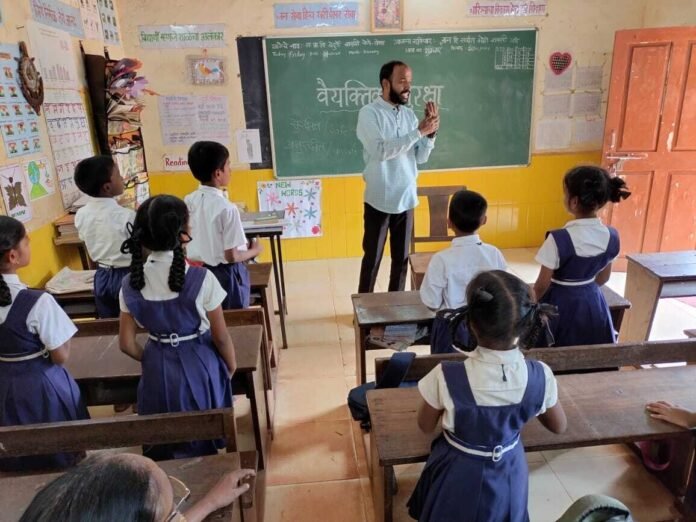
Arpan’s approach goes beyond crisis intervention—it focuses on preventing CSA before it happens. At the heart of its efforts is the Personal Safety Education (PSE) programme, a school-based initiative designed to educate children, parents, and teachers on how to recognize, prevent, and report abuse.

“We don’t just teach children how to protect themselves; we ensure their entire support system—parents, teachers, caregivers—are part of the conversation,” explains Anupriya.

Through PSE, children from Classes 1 to 12 learn essential life skills, including how to:

  • Recognize unsafe situations
  • Say “NO” to inappropriate touch
  • Report abuse without fear or shame
  • Seek mental health support when needed

The impact has been profound. Over 150,000 children and 115,000 adults have been trained under this programme, making it one of the largest CSA prevention initiatives in India.

Breaking the Silence: Arpan NGO’s Mission to Combat Child Sexual Abuse in India

Extending the Fight Beyond Schools

Understanding that abuse is not limited to a specific demographic, Arpan collaborates with government initiatives like the School Health and Wellness Programme (SHWP) under Ayushman Bharat, ensuring its impact extends to both urban and rural India.

Through partnerships with schools, community groups, and policymakers, the NGO is actively reshaping the way society addresses CSA—not as a hushed topic, but as an urgent public health and safety issue.

Overcoming the Barriers of Stigma and Silence

Despite Arpan’s success, the battle against CSA is far from easy. The stigma surrounding child sexual abuse remains a formidable challenge. In many families and communities, the topic is considered too sensitive to discuss, leaving children vulnerable and perpetrators unchecked.

“The biggest hurdle is the culture of silence,” says Anupriya. “Many parents and educators avoid these conversations, thinking it won’t happen to their child. But statistics prove otherwise—CSA can happen anywhere, to any child, regardless of background.”

To counteract this, Arpan actively engages in awareness campaigns, educational resources, and open dialogues that challenge societal taboos and empower children and families to speak up.

Healing the Wounds of the Past

For those who have already endured abuse, Arpan provides a holistic healing approach that extends beyond psychological recovery.

“Healing is not just about counseling—it’s about restoring dignity, rebuilding trust, and offering survivors a future where they are not defined by their trauma,” explains Mansi Ashok Naik, a counselor at Arpan.

Arpan’s team of over 150 trained professionals, including psychologists, social workers, and legal experts, ensures survivors receive:

  • Trauma-informed therapy to process and heal
  • Family and community support to prevent re-traumatization
  • Legal assistance for justice and protection

The Path Forward: A Call to Action

Child sexual abuse is not just an individual tragedy—it is a societal crisis that demands collective action.

For Arpan, the fight continues. With each workshop conducted, each child empowered, and each survivor supported, they move closer to a future where no child suffers in silence.

“The more we talk about it, the more we break the chains of stigma,” says Pooja Taparia. “Every child we protect today is a life saved, a future reclaimed.”

India has taken steps forward, but the journey is far from over. It is a fight that requires parents, teachers, policymakers, and citizens to come together and say: No more silence. No more abuse. Every child deserves to be safe.


If you wish to support Arpan NGO in their mission, visit www.arpan.org.in to learn how you can contribute, volunteer, or spread awareness.

Rajasthan Diwas 2025 at Jawahar Kala Kendra: A Grand Celebration of Art and Culture

0

Rajasthan Diwas, celebrated annually on March 30, marks the formation of Rajasthan as a state in 1949. To honor this special occasion, Jawahar Kala Kendra (JKK) in Jaipur has organized a week-long celebration filled with music, dance, theater, and cultural performances, paying homage to Rajasthan’s rich artistic heritage.

From soulful bhajans to high-energy fusion bands, classical duets to thought-provoking plays, the lineup of performances at JKK promises to mesmerize audiences and offer a true glimpse into Rajasthan’s diverse artistic traditions.

A Closer Look at the Performances at JKK

Award Ceremony – Rajasthani Cinema Mahotsav

Date: March 25 | Time: 5:00 PM | Venue: Rangayan
The celebration begins with an award ceremony dedicated to Rajasthani cinema, recognizing the contributions of filmmakers, actors, and artists who have kept Rajasthan’s storytelling traditions alive through cinema.

Vocal & Dance Ceremony by Usha Chauhan

Date: March 26 | Time: 11:00 AM | Venue: Rangayan
Renowned performer Usha Chauhan will bring the stage alive with a vocal and dance performance. Rajasthan’s folk dances like Ghoomar, Kalbelia, and Chari feature expressive movements, twirling skirts, and rhythmic footwork. This segment will be a treat for fans of Rajasthani folk culture.

Tabla Duet by Pt. Ramkumar Mishra & Shri Rahul Mishra

Date: March 26 | Time: 7:30 PM | Venue: Rangayan
This dynamic tabla performance will feature two of India’s finest percussionists—Pt. Ramkumar Mishra and Shri Rahul Mishra. Known for their mastery of classical rhythms, they will present a duet filled with intricate beats, traditional compositions, and exhilarating crescendos. This will be an impressive display of rhythm that will leave the audience spellbound.

Play – “Safed Jwara” by Anil Marwadi

Date: March 27 | Time: 7:00 PM | Venue: Rangayan
A theatrical masterpiece, “Safed Jwara” is a thought-provoking play directed by Anil Marwadi. This performance is expected to be a socially relevant drama, shedding light on deep-rooted societal issues with a mix of humor, emotions, and powerful storytelling. Rajasthan’s rich history of theatre and storytelling comes alive in this stage production.

Bhajan Gayan – Devotional Singing by Padmashri Batul Begam

Date: March 27 | Time: 7:00 PM | Venue: Madhyavarti
Padmashri Batul Begam, a legend in the field of devotional music, will grace the stage with her soulful bhajans. Known for her deep voice and spiritual renditions, her performance will be a divine experience, transporting listeners to a world of devotion and inner peace.

Musical Night – Tapesh Panwar IndoVirus Band Featuring Bhanwari Devi

Date: March 28 | Time: 7:00 PM | Venue: Madhyavarti
A fusion of folk and contemporary music, this performance will bring together:

  • Tapesh Panwar IndoVirus Band, known for their unique blend of Indian classical and modern beats.
  • Bhanwari Devi, a folk legend celebrated for her raw and powerful voice in Rajasthani folk singing.

The performance will showcase a mix of Rajasthani folk, Sufi, and contemporary fusion music, making it one of the most anticipated events of the festival.

Bhakti Se DeshBhakti – A Spiritual & Patriotic Musical Journey by Pt. Alok Bhatt & Group

Date: March 29 | Time: 7:00 PM | Venue: Madhyavarti
This segment will offer a spiritual yet patriotic experience, where Pt. Alok Bhatt & Group will take the audience on a musical journey celebrating devotion and nationalism. The performance will feature bhajans and patriotic songs, evoking deep emotions and a sense of pride.

Fusion Band – Honey Trouper & Rini Chandra

Date: March 30 | Time: 7:00 PM | Venue: Madhyavarti
The grand finale of Rajasthan Diwas celebrations will feature a high-energy performance by:

  • Honey Trouper, known for their electrifying stage presence and fusion music.
  • Rini Chandra, a celebrated vocalist blending folk, Bollywood, and contemporary genres.

This event will bring together modern beats with traditional Rajasthani tunes, creating a musical extravaganza to conclude the festival.

Why You Should Attend Rajasthan Diwas at JKK?

  • A rare chance to witness Rajasthan’s top artists and performers.
  • Experience folk, classical, devotional, and fusion music in one grand event.
  • Be part of an immersive cultural experience at Jaipur’s iconic art center.
  • Explore the architectural marvel of Jawahar Kala Kendra while enjoying these performances.

From soulful melodies to high-energy music, dramatic plays to rhythmic dance performances, Rajasthan Diwas at JKK Jaipur is a cultural paradise for anyone who appreciates art, music, and heritage.

Do not miss this spectacular celebration of Rajasthan’s legacy.

2030 Global Forest Vision Report

0

The “2030 Global Forest Vision: Priority Actions for Governments in 2025” report was published on March 19, 2025, by the Forest Declaration Assessment ahead of World Forest Day. Supported by the United Nations Development Programme (UNDP), Climate Land Use Alliance, and other global partners, the report underscores the urgent need for comprehensive strategies to combat deforestation and protect the world’s forests.

Alarming Deforestation Statistics

Deforestation rates continue to rise at an alarming pace. In 2023 alone, 6.37 million hectares of forest were lost—an area equivalent to nine million soccer fields. The Amazon, Southeast Asia, and Africa remain the most severely affected regions, with cattle ranching in the Amazon accounting for a staggering 80% of forest loss.

Key Drivers of Deforestation

The report identifies agricultural expansion as the primary driver of deforestation. The demand for commodities such as palm oil, soy, and beef has led to widespread forest clearance. In Indonesia and Malaysia, palm oil production poses a significant threat to endangered species, including orangutans and Sumatran tigers. The Amazon has also witnessed the loss of over 800 million trees between 2017 and 2022 due to the increasing global demand for beef.

Trade Policies and Deforestation

One of the report’s key recommendations is the implementation of stronger trade policies to curb deforestation. It advocates for banning imports of products linked to forest loss. The European Union has already taken a significant step by enacting the Deforestation Regulation, mandating proof that products do not originate from cleared forests. Similarly, the United States is tightening its regulations on illegal logging and timber imports.

Challenges in Enforcement

Despite the introduction of stringent regulations, enforcement remains a significant challenge. Small-scale farmers in producing countries often lack the necessary technology and resources to certify their products as deforestation-free. Moreover, nations such as Brazil and Indonesia express concerns that strict regulations could negatively impact their economies, as agriculture remains a primary source of income.

The Need for International Cooperation and Support

The report emphasizes the importance of international collaboration to effectively tackle deforestation. It calls for the expansion of deforestation-free trade laws to major economies like China and India. Additionally, it highlights the necessity of financial and technical support for farmers in producing countries. Improved global monitoring systems are also crucial for tracking products linked to deforestation and ensuring transparency.

A Grim Future Without Action

Without immediate and concerted action, the world faces an accelerated loss of biodiversity, which will severely hinder global climate and nature conservation goals. The upcoming COP30 summit in Brazil is expected to serve as a critical platform for addressing these pressing issues and discussing potential solutions.

The 2030 Global Forest Vision report is not just a warning; it is a clarion call for governments, corporations, and individuals to prioritize forest conservation. Protecting the planet’s forests is essential for maintaining ecological balance, combating climate change, and securing a sustainable future for generations to come.

Fire Rainbow: The Science, Geography, and Spectacular Beauty of This Rare Phenomenon

0

Introduction

A “fire rainbow” is not actually a rainbow or related to fire. Officially called a circumhorizontal arc, this breathtaking optical phenomenon occurs when sunlight passes through ice crystals in cirrus clouds, creating a brilliant spectrum of colors in the sky. Often mistaken for an actual rainbow, a fire rainbow forms high in the atmosphere and appears as a wide, horizontal band of vivid hues.

The Science Behind Fire Rainbows

Fire rainbows occur due to refraction, dispersion, and reflection of sunlight through ice crystals in cirrus or cirrostratus clouds. Here’s how it works:

  1. High-altitude cirrus clouds (found at altitudes of 20,000 feet or more) contain hexagonal plate-like ice crystals.
  2. The sun must be at least 58° above the horizon for the light to pass through these ice crystals at just the right angle.
  3. As sunlight enters the crystal, it is refracted (bent) at a precise angle of 90°, dispersing into its constituent colors—similar to a prism.
  4. The light exits the crystal, forming a horizontal band of rainbow colors parallel to the horizon.

Where and When Do Fire Rainbows Occur?

Unlike regular rainbows, which can appear after rainfall, fire rainbows are more selective in their appearances. They are geographically dependent and occur only under specific atmospheric conditions:

  • Latitude and Seasons: Fire rainbows are most commonly observed in regions between latitudes 55° N and 55° S. This means they are more frequent in places like the United States (especially the southern regions), parts of Europe, China, and India during the summer months when the sun reaches the necessary height.
  • Cloud Type: High-altitude cirrus clouds must be present, which is more common in warmer weather.
  • Sun’s Position: The sun needs to be positioned at least 58° above the horizon, meaning they are rarely seen in places too far north or south of the equator.

Fire Rainbow vs. Other Atmospheric Phenomena

Fire rainbows are often confused with other colorful sky events, such as:

  • Iridescent Clouds: These are caused by diffraction rather than refraction and appear as colorful patches near the sun.
  • Haloes and Sundogs: These occur when sunlight interacts with ice crystals but form circular patterns rather than horizontal arcs.
  • Rainbows: Traditional rainbows form due to refraction and reflection in raindrops, requiring precipitation rather than ice clouds.

Famous Sightings and Photography

Fire rainbows have been captured in various locations worldwide, often drawing attention due to their striking beauty. Some notable sightings include:

  • United States (California & Florida): Frequent sightings during summer months due to ideal sun angles.
  • Himalayas (India & Nepal): The high altitude and presence of cirrus clouds make it a great spot for fire rainbow formations.
  • Switzerland and France: These countries occasionally witness fire rainbows due to their latitude and high-altitude cloud formations.

Can You Predict a Fire Rainbow?

While rare, fire rainbows can be predicted by checking weather conditions:

  • Look for cirrus clouds on a sunny day with the sun positioned at least 58° above the horizon.
  • The best time to see them is typically during midday in the summer months.

Conclusion

Fire rainbows are among the most spectacular and rare optical phenomena in nature. Their vibrant, dreamlike appearance results from a perfect alignment of sunlight and ice crystals, painting the sky with a mesmerizing spectrum of colors. While they are uncommon, understanding their science and geography can help increase your chances of witnessing this breathtaking event.

The Beatles Ashram: Where Music Met Meditation in Rishikesh – A Timeless Journey of Creativity and Spirituality

0

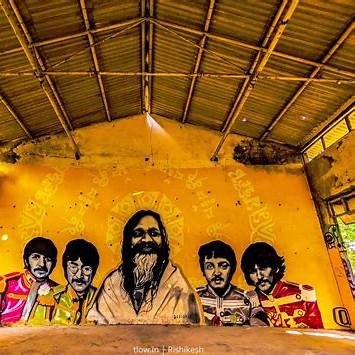
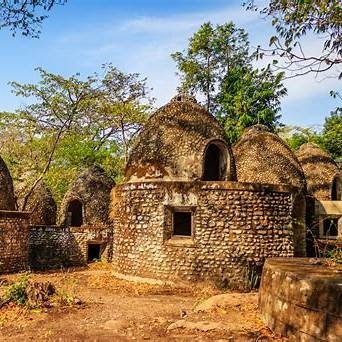
Nestled in the serene foothills of the Himalayas, where the Ganges River flows with a tranquil grace, lies a site steeped in musical legend and spiritual allure—the Beatles Ashram, officially known as Chaurasi Kutiya. This secluded retreat became an iconic landmark in 1968 when the Beatles sought solace and enlightenment within its confines, a journey that would forever intertwine Eastern spirituality with Western music.​

The Beatles Ashram: Where Music Met Meditation in Rishikesh – A Timeless Journey of Creativity and Spirituality

A Journey Back in Time

In February 1968, John Lennon, Paul McCartney, George Harrison, and Ringo Starr arrived at the ashram to study Transcendental Meditation under Maharishi Mahesh Yogi. Their stay marked a prolific period of creativity, leading to the composition of numerous songs that would later feature on the “White Album” and “Abbey Road.” The ashram’s tranquil environment offered a respite from their hectic lives, allowing them to delve deep into meditation and music.​

The Beatles Ashram: Where Music Met Meditation in Rishikesh – A Timeless Journey of Creativity and Spirituality

The Ashram’s Architecture and Art

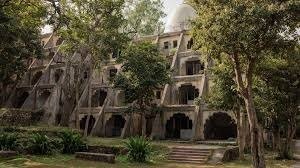
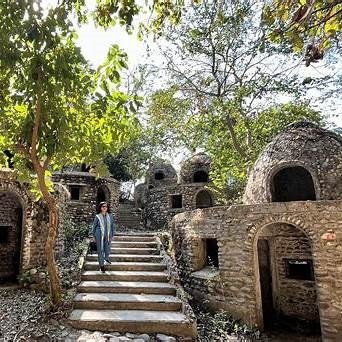
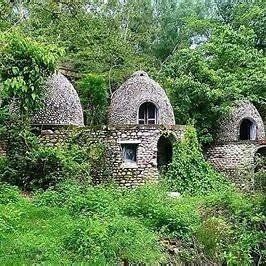
Chaurasi Kutiya, meaning “84 meditation huts,” is spread over 14 acres and comprises various structures, including the distinctive meditation pods where the Beatles practiced. Over the years, the ashram fell into disrepair, with nature reclaiming much of the space. However, this abandonment led to a unique transformation—artists and visitors adorned the crumbling walls with vibrant graffiti and murals, turning the ashram into a living gallery that reflects its rich history and the enduring legacy of the Beatles.​

Recent Developments and Future Plans

Recognizing the cultural and historical significance of the site, efforts are underway to restore and revitalize the ashram. A Gujarat-based architecture firm, HCP Design, Planning and Management Pvt Ltd, has been commissioned for a ₹90-crore project aimed at preserving the ashram’s original character while introducing exhibitions on the Beatles, Maharishi Mahesh Yogi, ecology, yoga, and music. The plan includes transforming dilapidated structures into functional spaces like souvenir shops, ensuring that the ashram continues to inspire future generations.

The Beatles Ashram: Where Music Met Meditation in Rishikesh – A Timeless Journey of Creativity and Spirituality

Untold Stories and Lasting Impact

Beyond the well-documented accounts of the Beatles’ time at the ashram, there are myriad lesser-known tales that add depth to their stay. For instance, the song “Dear Prudence” was written for Prudence Farrow, actress Mia Farrow’s sister, who became so immersed in meditation that Lennon penned the song to encourage her to “come out and play.” Additionally, the ashram became a melting pot of creativity, with fellow musicians like Donovan and Mike Love of the Beach Boys also in attendance, contributing to a unique fusion of artistic expression.​

The Beatles Ashram: Where Music Met Meditation in Rishikesh – A Timeless Journey of Creativity and Spirituality

Visiting the Ashram Today

Today, the Beatles Ashram is open to the public, attracting visitors from around the globe who seek to experience its unique blend of music history and spiritual ambiance. As you wander through the overgrown paths and graffiti-adorned halls, there’s a palpable sense of walking in the footsteps of legends. The ashram stands as a testament to a time when four musicians embarked on a journey of self-discovery, leaving an indelible mark on both music and spirituality

World Theatre Day – Celebrating the Essence of Drama and Art

0

World Theatre Day is observed annually on March 27, a day dedicated to celebrating the essence, beauty, and cultural significance of theatre arts. Established by the International Theatre Institute (ITI) in 1961, this day honors the transformative power of theatre and its profound impact on society. It also serves to highlight the potential of theatre to foster economic growth and social cohesion by informing governments, institutions, and stakeholders of its enduring value.

A Historical Perspective

The roots of theatre trace back to ancient Greece, where it was revered as a compelling art form that educated, entertained, and captivated audiences. Theatre combines multiple artistic disciplines, offering a unique live experience that transcends mere entertainment.

The inception of World Theatre Day came at the ninth World Congress of the ITI in Vienna in 1961 when President Arvi Kivimaa, representing the ITI’s Finnish Centre, proposed the establishment of this special day. The Scandinavian centers of the ITI supported this idea with great enthusiasm. On March 27, 1962, World Theatre Day was celebrated for the first time by ITI centers, theatre professionals, and enthusiasts. Today, more than 90 ITI centers worldwide participate in the festivities, involving theatre universities, academies, schools, and passionate audiences.

A hallmark of World Theatre Day is the World Theatre Day International Message, written by a prominent figure in the arts, reflecting on the history and significance of theatre. The first message was penned by French poet and playwright Jean Cocteau in 1962. In 2021, the message was delivered by the acclaimed British actress Helen Mirren, renowned for her Oscar-winning role in The Queen.

How to Celebrate World Theatre Day

Visit Your Local Theatre: Support your local theatre by attending performances or donating to theatre-related organizations. Many theatres host special events on World Theatre Day, and participating can be a meaningful way to honor the art form. For those seeking hands-on experience, signing up for theatre programs in acting or music can be both educational and enjoyable.

Join a World Theatre Day Event: ITI centers and local theatre organizations often organize special events on March 27. These events provide an opportunity for communities to come together, celebrate creativity, and appreciate the transformative power of theatre. Sharing the World Theatre Day International Message on social media using #WorldTheatreDay is another way to participate.

Involve the Next Generation: Theatre is for everyone, regardless of age or gender. World Theatre Day is an excellent opportunity to introduce children to the magical world of theatre. Family-friendly shows such as The Lion King, The Tiger Who Came to Tea, or Harry Potter and the Cursed Child offer an engaging and educational experience for young audiences.

5 Fascinating Facts About Theatre

  1. World’s Oldest Theatre: The Teatro Olimpico in Vicenza, Italy, built in 1585, is considered the oldest theatre still in use today.
  2. Smallest Operating Theatre: The Kremlhoftheater in Austria holds the title of the world’s smallest regularly operating theatre, seating just eight people.
  3. Longest-Running Broadway Show: The Phantom of the Opera is the longest-running Broadway show in history, having been performed since 1988 in 15 languages, with an estimated gross of $6 billion.
  4. Most Theatre-Crazy City: New York City boasts the highest number of theatres (420), followed by Paris (353), Tokyo (230), and London (214).
  5. Women in Theatre History: In England, it was illegal for women to act until 1660 when King Charles II decreed that all female roles must be played by women.

Why World Theatre Day Matters

Promoting the Beauty of Theatre: World Theatre Day showcases the value and diversity of theatre in its many forms, from classical drama to modern performances. It highlights how theatre can inspire, educate, and entertain, while preserving cultural heritage.

Raising Global Awareness: The day provides an opportunity to recognize various forms of theatre and their relevance in society. These forms have evolved over centuries, yet each holds educational and cultural significance.

Empowering Theatre Communities: World Theatre Day allows theatre communities to shine on a global platform. It offers a chance to advocate for support from governments and stakeholders, emphasizing the economic and cultural impact of theatre.

World Theatre Day – Upcoming Dates

YearDateDay
2025March 27Thursday
2026March 27Friday
2027March 27Saturday
2028March 27Monday
2029March 27Tuesday

On World Theatre Day 2025, let us celebrate the creativity and resilience of theatre artists, support our local theatres, and continue to champion the arts for future generations.

Chandrayaan-4: India’s Next Giant Leap in Space Exploration

0

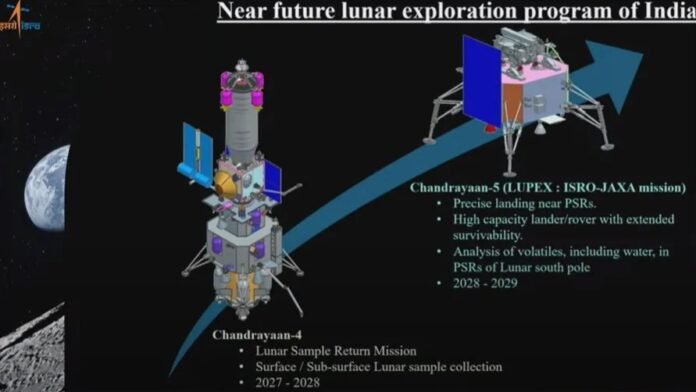
Chandrayaan-4, India’s ambitious fourth lunar mission, is scheduled to launch in October 2027, marking a significant milestone in the nation’s space exploration journey. Spearheaded by the Indian Space Research Organisation (ISRO), this mission aims to achieve not only a successful soft landing on the Moon but also the groundbreaking feat of collecting and returning lunar samples to Earth.

Mission Details

Chandrayaan-4 will comprise two spacecraft, each weighing approximately 4,750 kg. Instead of a single massive vehicle, ISRO plans to deploy two LVM3 rockets for the launch. This approach involves complex docking and undocking procedures in space, showcasing India’s growing technological prowess in advanced space operations.

Funding and Goals

The Indian government has allocated Rs 2,104 crores (around $240 million) for this mission. The primary objective is to collect samples from the Moon’s southern polar regions, a scientifically significant area believed to hold crucial clues about the Moon’s formation and the presence of water ice. With Chandrayaan-4, India aspires to join the elite club of nations — USA, Russia, and China — that have successfully executed lunar sample return missions.

Importance of Lunar Samples

Lunar samples hold immense value for scientific research. While robotic crafts can perform on-site studies, their capabilities are limited due to the restricted equipment they can carry. Returning lunar materials to Earth allows for more sophisticated analysis, potentially unlocking insights into the Moon’s geological history, composition, and the presence of resources.

Technological Innovations

Chandrayaan-4 introduces several technological breakthroughs, including a Surface Sampling Robot and an advanced drilling mechanism. These tools will enable the collection of surface as well as sub-surface samples. Remarkably, all critical technologies for this mission have been developed domestically, underscoring India’s self-reliance in space technology.

Mission Components and Operations

The mission includes five key modules:

  • Ascender Module (AM): Responsible for ascending with lunar samples.
  • Descender Module (DM): Facilitates the powered descent and landing on the Moon.
  • Re-entry Module (RM): Carries the samples back to Earth.
  • Transfer Module (TM): Manages orbital adjustments.
  • Propulsion Module (PM): Provides the necessary thrust for transit.

After the launch, the crafts will dock in an elliptical Earth orbit to form a single integrated craft. The DM and AM will then execute a powered descent to achieve a soft landing on the lunar surface.

Sample Collection Process

Upon landing, the Descender Module will deploy a robotic arm to collect surface samples, while the drilling mechanism will gather sub-surface materials. These samples will be carefully sealed in secure containers to prevent contamination during their return journey to Earth.

Return Journey to Earth

Once the sample collection is complete, the Ascender Module will lift off from the lunar surface and dock with the Re-entry Module in lunar orbit. The Transfer Module and Re-entry Module will then undock and begin the return journey to Earth. Upon re-entry, the RM will execute a ballistic descent, landing safely on Earth with the precious lunar samples.

Future Implications

Chandrayaan-4 is not just a mission; it is a stepping stone towards future manned lunar missions. By honing the technologies required for complex docking, sample collection, and re-entry, ISRO is building capabilities that will eventually support sending Indian astronauts to the Moon. Moreover, the mission is expected to spur skill development and employment opportunities in India’s burgeoning space sector, fostering innovation and positioning India as a major player in global space exploration.