Home Blog Page 334

The Genius Design Keeping This Bengaluru Home Cool Without AC

0

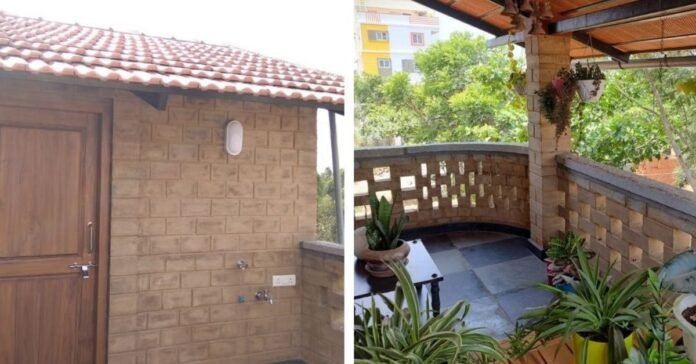
In the bustling city of Bengaluru, where rising temperatures have become a growing concern, one home stands as a beacon of sustainable living. Sathya Prakash Varanashi’s ‘Varanashi House’ is more than just a residence; it’s a thoughtfully designed eco-friendly haven that stays cool without the use of air conditioning. Built with nature at its core, this innovative home demonstrates how conscious architecture can offer comfort while minimizing environmental impact.

A Vision Rooted in Sustainability

Sathya Prakash Varanashi envisioned a home that would reflect his family’s values of harmony with nature. Nestled in the heart of Bengaluru, the ‘Varanashi House’ was created for his wife Ishala and daughters Gauri and Siri. Every element of the home is designed to promote sustainability, using natural materials and passive cooling techniques that defy the need for artificial climate control.

Eco-Friendly Materials for Natural Cooling

One of the key elements of the home’s design is the use of hollow clay blocks instead of traditional heat-trapping cement walls. These blocks help regulate indoor temperatures, keeping the house cool in the scorching summer months and warm during winter. The incorporation of recycled pine wood and thick granite stone for the stairs and kitchen adds both aesthetic appeal and functional durability.

Harnessing the Power of Ventilation

Strategic architectural choices allow hot air to escape while promoting constant airflow. Sliding doors open up the living spaces to the garden, encouraging natural cross ventilation. French windows, strategically placed openings, and a body-level breeze effect keep the interiors airy and comfortable.

“This design incorporates the principles of cross ventilation, displacement ventilation, and body-level breeze,” explains Varanashi. The result is a home that stays two to three degrees cooler in summer than its conventional counterparts.

The Role of Water in Climate Control

Water is central to Varanashi House’s cooling system. A fish pond, cascading streams, and an open well not only add to the aesthetic appeal but also help regulate indoor temperatures and recharge groundwater. A flourishing garden above the car porch stores 15,000 litres of rainwater, which is used for household needs.

A Home That Grows With Time

Inside, the home reflects a seamless blend of nature and living spaces. Red oxide floors provide an earthy warmth, while the pine wood interiors exude a rustic charm. A natural chimney replaces the need for exhaust fans, maintaining indoor air quality while reducing electricity consumption.

“A house truly becomes a home when it becomes the real manifestation of the way the family lives in it,” says Varanashi. Even after 21 years, the home remains low-maintenance and eco-friendly, standing as a testament to sustainable living.

A Living Model for Future Generations

The Varanashi House is more than a private residence; it is a living model of how thoughtful design can create a harmonious and environmentally conscious lifestyle. In an age where climate change demands immediate action, this home serves as an inspiration for architects, homeowners, and environmentalists alike. It proves that with innovative design and sustainable choices, comfort and eco-friendliness can coexist seamlessly.

Kashmir Turns Pink: Almond Blossoms Captivate Tourists in the Valley

0

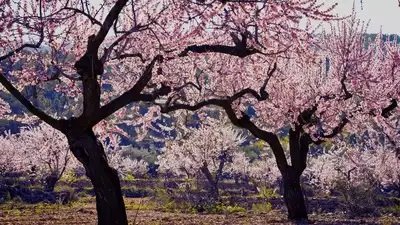
As spring breathes new life into Kashmir, a mesmerizing transformation unfolds. From mid-March to mid-April, the valley is painted in delicate hues of pink and white as almond trees burst into bloom, offering a visual spectacle that rivals Japan’s renowned cherry blossoms. This seasonal marvel, centered around the historic Badamwari Garden in Srinagar, has become an enchanting attraction for nature lovers and tourists alike.

A Symphony of Colors at Badamwari Garden

Nestled at the base of the majestic Hari Parbat Fort, Badamwari Garden turns into a breathtaking mosaic of colors during springtime. The gentle blush and vibrant pinks of the almond blossoms contrast beautifully with the snow-capped Himalayas, creating an idyllic setting that is nothing short of a paradise for photographers and visitors. Unlike Japan’s fleeting cherry blossoms, which often attract overwhelming crowds, Kashmir’s almond blossoms provide a more serene and intimate viewing experience.

Symbolism and Cultural Legacy

The blooming of almond trees in Kashmir is not just a natural phenomenon; it symbolizes the arrival of spring and new beginnings. As some of the earliest bloomers, these trees herald the changing season, marking an end to the harsh winter. The history of Badamwari Garden dates back to the 15th century, during the reign of Sultan Zain-ul-Abidin. Once a royal retreat known for its lush orchards, the garden has been revitalized after years of neglect and now stands as a cultural and historical emblem of Kashmir.

The Almond Blossom Festival: A Celebration of Nature

In honor of this captivating season, the Jammu and Kashmir Tourism Department hosts the annual Almond Blossom Festival at Badamwari. The festival is a vibrant celebration where locals and tourists come together to witness the garden in full bloom, accompanied by cultural programs, music, and traditional Kashmiri cuisine. This event not only boosts tourism but also highlights the region’s rich cultural heritage.

A Tranquil Alternative to Cherry Blossoms

For those seeking an alternative to the crowded cherry blossom viewing spots in Japan, Kashmir’s almond blossoms offer a peaceful yet equally stunning experience. The valley remains relatively untouched by international tourism, preserving its authentic charm. Visitors can soak in the tranquility, wander through the pink-hued gardens, and capture the beauty of spring in its purest form.

As the blossoms continue to draw admirers from far and wide, Kashmir’s springtime spectacle stands as a testament to the valley’s natural splendor and cultural richness. Whether you’re a nature enthusiast, a photographer, or simply someone seeking serenity, the almond blossoms of Kashmir offer an unforgettable experience that lingers long after the petals have fallen.

From Rejection to Recognition: The Inspiring Journey of Odisha’s Handicraft Entrepreneur, Sudharani Marndi

0

In the heart of Srikakulam district, Andhra Pradesh, a small room echoes with the rhythmic strokes of brushes and the gentle rustle of recycled materials. Here, Sudharani Marndi meticulously crafts her latest mud mirror Lippan creations, a practice that has transcended mere hobby to become the soul of her thriving business, ‘Jhunuk Crafts’. Once burdened by societal expectations and familial disapproval, Sudharani has emerged as a beacon of inspiration, transforming her passion into a global enterprise.

Challenging Norms with Courage

Born and raised in a conservative family in Odisha, where the notion of a secure government job overshadowed artistic pursuits, Sudharani was drawn to the vibrant world of colors and creativity from a young age. However, her father, a dedicated land revenue officer, had different dreams for her. He envisioned a stable career, far removed from brushes and trinkets.

“He wanted me to follow a secure path, like a government or banking job. He believed those roles were respectable and reliable,” recalls Sudharani. To honor her father’s wishes, she joined a clinic as a receptionist in 2015 after completing her science degree. Yet, her heart remained tethered to her craft.

“I felt like I was sailing in two boats. I couldn’t concentrate and felt unfulfilled. Eventually, I had to choose, and my heart led me back to crafting. I quit my job within a month,” she shares. Her decision met with severe disapproval from her father, who viewed her artistic endeavors as a frivolous distraction. “He threatened to throw away all my brushes and colors and stopped talking to me. He felt ashamed of my work.”

Turning Ridicule into Rewards

Despite the initial resistance, Sudharani remained undeterred. Her journey into handicrafts began over a decade ago with small creations like earrings, gift boxes, and greeting cards. In 2015, as word of her talent spread among college friends, she began receiving small orders. What started as a modest venture soon blossomed into ‘Jhunuk Crafts’, a full-fledged business.

Remarkably, Sudharani had no formal training in handicrafts. “I kept experimenting, failing multiple times before finalizing a product. I use simple materials like newspapers, plastic jars, cardboard, and discarded tetra packs. I once made a birdhouse from a tetra pack, and the video received over seven lakh views,” she says with pride.

Today, her handcrafted items range from paper bookmarks priced at Rs 20 to intricately designed nameplates and photo frames costing Rs 1,000. She now earns around Rs 40,000 per month, with bulk orders coming from both offline exhibitions and online marketplaces. Her creations have found homes not only across India but also internationally, with orders pouring in from countries like the USA and Japan.

From Local Creations to Global Recognition

Sudharani’s journey was not without its hurdles. Balancing familial expectations with personal aspirations was a constant challenge. However, with each sold piece, she edged closer to her dream. Her studies in business administration helped her navigate the entrepreneurial landscape, while her husband’s encouragement after marriage provided the emotional support she needed.

Today, her home serves as both a creative sanctuary and business hub. She juggles household responsibilities with her passion for crafting, dedicating hours each day to her work. The transformation in her father’s perspective is perhaps her greatest achievement.

“The changing tides have brought my father’s respect. Where he once saw shame, he now sees dedication and success. He gradually became my ally, helping me with orders and managing offline exhibitions. He now recognizes the hard work he once dismissed as frivolous,” Sudharani shares.

From Rejection to Recognition: The Inspiring Journey of Odisha's Handicraft Entrepreneur, Sudharani Marndi

Her father’s newfound pride was evident when her mother once suggested selling leftover craft items to scrap dealers. “My father resisted. He said those were products of my hard work and needed to be cherished,” she recalls with a smile.

Crafting Dreams with Determination

KC Marndi’s view of his daughter has completely transformed. He now stands by her side at exhibitions, helping manage orders. “As parents, our main concern is our children’s success. I always worried she might not thrive in this field. But seeing her passion and dedication has changed my perspective. It is no longer just a hobby; it is her life. We feel immense pride knowing she receives orders from abroad,” he says.

Sudharani’s journey from being a small-time creator to a successful entrepreneur is a testament to resilience and determination. “I remember feeling left out as a child when I couldn’t afford greeting cards for Teachers’ Day. While my friends bought expensive cards, I made my own. Those memories are still fresh. Now, I no longer feel less than anyone. There is so much more to learn, but I am glad I have come this far,” she reflects.

As she puts the finishing touches on her latest mud and mirror creations, Sudharani continues to craft not just beautiful art but a life that bridges generational dreams with contemporary aspirations. Her story is an enduring reminder that passion, when pursued with perseverance, can turn rejection into global recognition.

Kesari Chapter 2 Teaser: Akshay Kumar Takes on the British Raj in a Gripping Historical Drama

0

Bollywood superstar Akshay Kumar is back, and this time, he’s stepping into one of the darkest chapters of India’s history. The highly anticipated Kesari Chapter 2 teaser was unveiled on Monday, setting the internet ablaze with excitement and goosebumps-worthy reactions.

A Glimpse Into the Teaser

Dharma Productions released the over-one-minute-thirty-second teaser on its YouTube channel, instantly transporting viewers to the haunting events of April 13, 1919—the Jallianwala Bagh massacre.

The video begins not with visuals, but with the chilling screams of men, women, and children fleeing for their lives as the British troops mercilessly opened fire. The sound alone is enough to send shivers down the spine. Then, the screen fades into a shot of the Golden Temple, standing tall amidst the turmoil of 1919 Punjab.

A powerful voiceover narrates the tragedy, detailing how unarmed civilians gathered at Jallianwala Bagh were slaughtered under the command of General Dyer.

As the teaser progresses, Akshay Kumar is introduced in a fierce new avatar—a no-nonsense lawyer fighting for justice against the British regime. Inside a British courtroom, a judge smugly reminds him, “Don’t forget, you’re still a slave of the British Empire.”

But Akshay’s character delivers a fiery, unforgettable response— “F** you.”*

That single line has already sparked an uproar among fans, marking the beginning of what seems to be another electrifying performance from the Bollywood icon.

Fans Can’t Keep Calm

As expected, the teaser’s impact was immediate. Social media was flooded with reactions, and fans couldn’t stop praising Akshay’s powerful presence.

  • “He’s not just acting; he’s living the role!” wrote an enthusiastic fan.
  • “OMG, this one is going to be more intense than Kesari Chapter 1. Already seated for this one!”
  • “Pure goosebumps like Kesari. Blockbuster loading!”
  • “Akshay Kumar is back with another masterpiece. 300 crore loading!”

The anticipation for Kesari Chapter 2 has skyrocketed, with many calling it one of the most awaited historical dramas of the year.

The Film’s Release and Star Cast

Kesari Chapter 2 is set to hit the big screen on April 18, 2025. Alongside Akshay Kumar, the film stars Ananya Panday and R Madhavan, adding to the excitement. Akshay took to Instagram to share the teaser himself, captioning it:

“He held his head high. He beat them at their game. He told them where to go. A genocide India must know about. A revolution painted in courage.”

With such a powerful premise and a stellar cast, the film is poised to leave a lasting impact.

Kesari: A Legacy Continues

The first Kesari film (2019) focused on the Battle of Saragarhi (1897)—a heroic standoff where 21 Sikh soldiers of the British Indian Army took on 10,000 Afridi and Orakzai Pashtun tribesmen. Akshay Kumar played Havildar Ishar Singh, delivering a performance that still resonates with audiences. Parineeti Chopra also played a key role in the first installment.

Now, Kesari Chapter 2 shifts its focus to another moment of resistance against the British—the aftermath of the Jallianwala Bagh massacre.

A Look Back at the Jallianwala Bagh Massacre

On April 13, 1919, thousands of unarmed civilians gathered at Jallianwala Bagh in Amritsar, Punjab, protesting against the Rowlatt Act and the arrest of pro-Indian activists Saifuddin Kitchlew and Satyapal.

In response, General R.E.H. Dyer sealed the exits and ordered his troops—including Gurkha and Sikh infantry regiments—to fire indiscriminately at the crowd. The shooting continued until ammunition ran low. By the end of it, thousands lay dead or wounded, marking one of the most brutal atrocities in colonial history.

The massacre sent shockwaves across India and played a pivotal role in fueling the freedom struggle, strengthening Mahatma Gandhi’s non-cooperation movement.

A Must-Watch for History and Cinema Enthusiasts

With a gripping storyline, a hard-hitting performance from Akshay Kumar, and a deeply emotional historical backdrop, Kesari Chapter 2 promises to be more than just a film—it’s a cinematic tribute to the unbreakable spirit of India’s freedom fighters.

Come April 18, audiences will step into history, reliving one of India’s most defining moments on the silver screen. If the teaser is anything to go by, this one is set to be an unmissable, goosebump-inducing experience.

Are you ready for the revolution?

Grand Kavi Sammelan Organized at Mody University

0

The Byzantium Club of the School of Liberal Arts and Sciences at Mody University of Science and Technology hosted a magnificent Kavi Sammelan at the Sangeet Samrat Tansen Auditorium. This literary event proved to be an extraordinary experience for Hindi poetry enthusiasts, where the confluence of humor, romance, and patriotism captivated the audience.

The event featured renowned poets representing Hasya (humor), Shringar (romantic), and Ojas (patriotic) genres. Dr. Prateek Gupta, a celebrated poet of Hasya Ras, left the audience in splits with his satirical take on contemporary issues, combining humor with thought-provoking insights. Monika Dehlavi, a renowned poetess of Shringar Ras, enchanted the audience with her heartfelt and eloquent poetry filled with love and beauty. Her words reflected profound emotions and sensitivity. Saurabh Jain ‘Suman,’ a distinguished poet of Ojas Ras, infused the atmosphere with energy and patriotism. His powerful verses on nationalism, valor, and self-respect resonated deeply with the audience.

The Kavi Sammelan witnessed an overwhelming presence of students, faculty members, and literature lovers. The auditorium echoed with thunderous applause after every recitation, reflecting the audience’s appreciation. While Hasya Ras created a lively atmosphere, Shringar Ras touched hearts, and Ojas Ras ignited pride and enthusiasm.

President Professor (Dr.) Ashutosh Bharadwaj, addressing the gathering, said, “Poetry is not just a play of words but a profound expression of emotions and thoughts. Events like these contribute to the intellectual growth of students and also raise awareness of literature and art.”

Professor (Dr.) Jitendra Binwal also lauded the event, stating, “Art and literature are mirrors of society, and this Kavi Sammelan is an effort to carry forward this rich tradition. We are proud that Modi University is promoting language and culture through such events.”

The event concluded with mesmerizing poetry recitations, followed by an interactive session where students and faculty engaged with the poets. This Sammelan played a significant role in promoting literary activities within the university.

The event was graced by President Professor (Dr.) Ashutosh Bharadwaj; Dean of the School of Liberal Arts and Sciences and Chairman of the MUST Management Council, Professor (Dr.) Jitendra Binwal; Organizing Secretary Professor A. S. Rao; Coordinator Dr. Chitra Dadhich; and PRO Rajeev Singh, among others.

Lionel Messi and Argentina to Play Historic Friendly in India

0

Football fever is set to grip India as Lionel Messi and the Argentina national team will travel to Kerala in October for a highly anticipated friendly match. This marks a historic moment for Indian football fans, bringing one of the sport’s greatest icons to a country known for its growing love for the game.

Messi’s Return to India After 14 Years

Messi’s upcoming visit will be his second trip to India. The legendary forward previously played a FIFA World Cup qualifying match against Venezuela in Kolkata in September 2011. Argentina secured a 1-0 victory at Salt Lake Stadium, with defender Nicolás Otamendi scoring the lone goal in the 70th minute.

His return comes as a monumental moment for Indian football enthusiasts, particularly in Kerala, a state known for its passionate football culture. The match is expected to attract thousands of fans eager to witness the reigning World Cup champions in action.

Growing Argentina-India Football Connection

This visit follows Argentina goalkeeper Emiliano Martínez’s trip to Kolkata last year, where he unveiled the ‘Pele-Maradona-Sobers’ gate at the iconic Salt Lake Stadium. The Golden Glove winner from the 2022 FIFA World Cup was met with an overwhelming reception, reflecting India’s admiration for football legends.

Additionally, Messi’s former club, FC Barcelona, is set to visit India in April for a special El Clásico match against Real Madrid legends. This double treat for Indian fans highlights the country’s rising presence in the global football landscape.

Messi’s Incredible Legacy

Messi’s footballing achievements are unparalleled. With 112 goals in 191 international appearances, he ranks second on the all-time international goal-scoring list. The Argentine maestro has won numerous titles for both club and country, including:

  • FIFA World Cup (2022)
  • Finalissima (2022)
  • Copa América (2021, 2023)
  • 8 Ballon d’Or awards (most by any player)
  • 4 UEFA Champions League titles
  • 12 domestic league titles
  • 7 domestic cups

His influence extends beyond trophies, as he continues to inspire millions with his skill, vision, and leadership on the pitch.

A Landmark Event for Indian Football

Messi’s visit to India, along with Argentina’s friendly match, is expected to boost the sport’s popularity in the country. With Kerala’s rich football heritage, the event will not only be a celebration of the sport but also a potential catalyst for further international matches in India.

As October approaches, fans across the country eagerly await the chance to witness football greatness live on Indian soil. Messi’s presence will undoubtedly make this one of the most memorable football moments in India’s history.

Scientists Discover Sixth Ocean Hidden 430 Miles Beneath Earth’s Surface

0

In a groundbreaking discovery, scientists have unveiled a massive hidden ocean located more than 700 kilometers (430 miles) beneath the Earth’s surface. Trapped inside a rare blue mineral called ringwoodite, this subterranean ocean is believed to be three times larger than all the surface oceans combined. This revelation is reshaping how we understand Earth’s water cycle and its origins.

A Deep-Seated Mystery Unveiled

The discovery of this hidden ocean was made when scientists observed seismic waves slowing down as they passed through wet ringwoodite. This indicated the presence of water stored deep within the Earth’s mantle. Ringwoodite acts like a giant sponge, absorbing and holding vast amounts of water under immense pressure. Animal experiments further confirmed its ability to retain water, underscoring its critical role in Earth’s deep water cycle.

Challenging Existing Theories

For years, scientists believed Earth’s water originated from comets that bombarded the planet billions of years ago. However, this new finding challenges that notion, suggesting instead that Earth’s water may have been present all along, stored deep within the planet. Steve Jacobsen, a geophysicist involved in the study, stated that this discovery offers compelling evidence that Earth’s water is generated from within the planet itself.

Implications for Earth’s Water Cycle

This hidden ocean offers profound insights into how water is stored and circulates within the Earth. Understanding this deep water reservoir could help scientists better grasp how water influences geological processes, including earthquakes and volcanic activity. Moreover, it sheds light on the planet’s ability to recycle water between the surface and the deep interior.

What Lies Ahead?

Researchers are now eager to explore whether this hidden ocean extends across the entire globe or is confined to specific regions. If it spans the Earth’s interior, it could mark one of the most significant geological discoveries of our time, altering our perception of Earth’s deep water reserves.

As scientists continue to probe the depths of our planet, discoveries like this remind us of how much remains unknown beneath our feet. This sixth ocean, hidden under layers of blue rock, may hold the key to understanding the very origins and sustainability of life on Earth.

Through Dust & Heat: Here Are 5 Plants to Keep Your Garden Alive This Summer

0

Summer in India can be relentless—not just for us but for our plants too. The scorching heat drains moisture from the soil, leaving many gardens struggling to stay green. With water scarcity being a major concern across various regions, choosing drought-resistant plants can be a game-changer.

These five hardy plants not only thrive in hot, dry climates but also add charm to your garden while conserving water. If you’re looking for low-maintenance, heat-loving plants, these are perfect choices.

1. Bougainvillea – The Resilient Beauty

Through Dust & Heat: Here Are 5 Plants to Keep Your Garden Alive This Summer

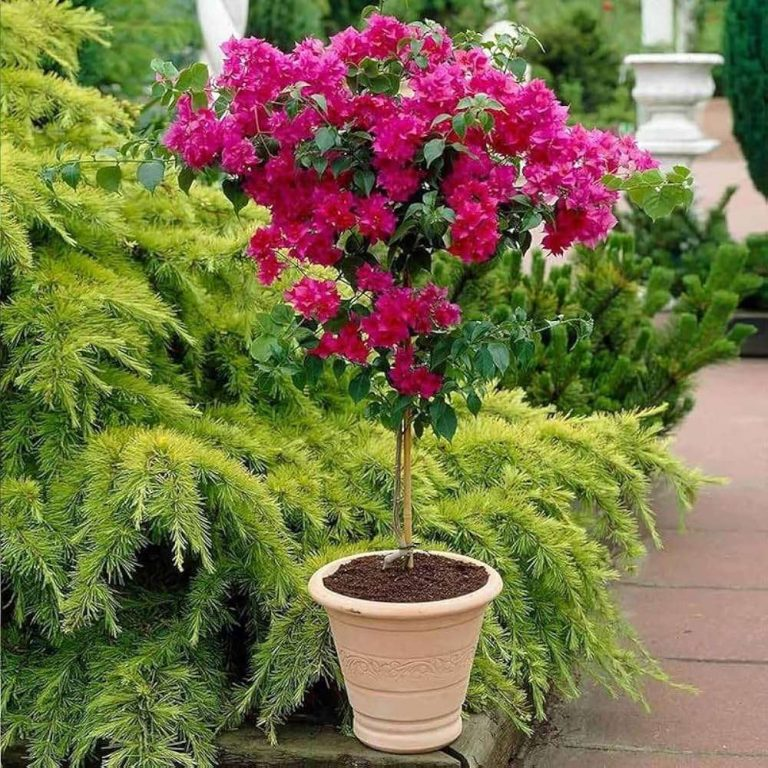
If there’s one plant that defines summer resilience, it’s bougainvillea. This vibrant climber flourishes even in the harshest sun, draping walls, fences, and trellises in a cascade of colorful blooms. Its papery, jewel-toned flowers create a stunning visual without demanding much water.

Care Tips:

  • Plant in well-drained soil and a sunny spot.
  • Water sparingly once established. Overwatering can weaken its roots.
  • Regular pruning encourages fresh blooms and keeps the plant looking lush.

2. Portulaca (Moss Rose) – The Cheerful Survivor

Through Dust & Heat: Here Are 5 Plants to Keep Your Garden Alive This Summer

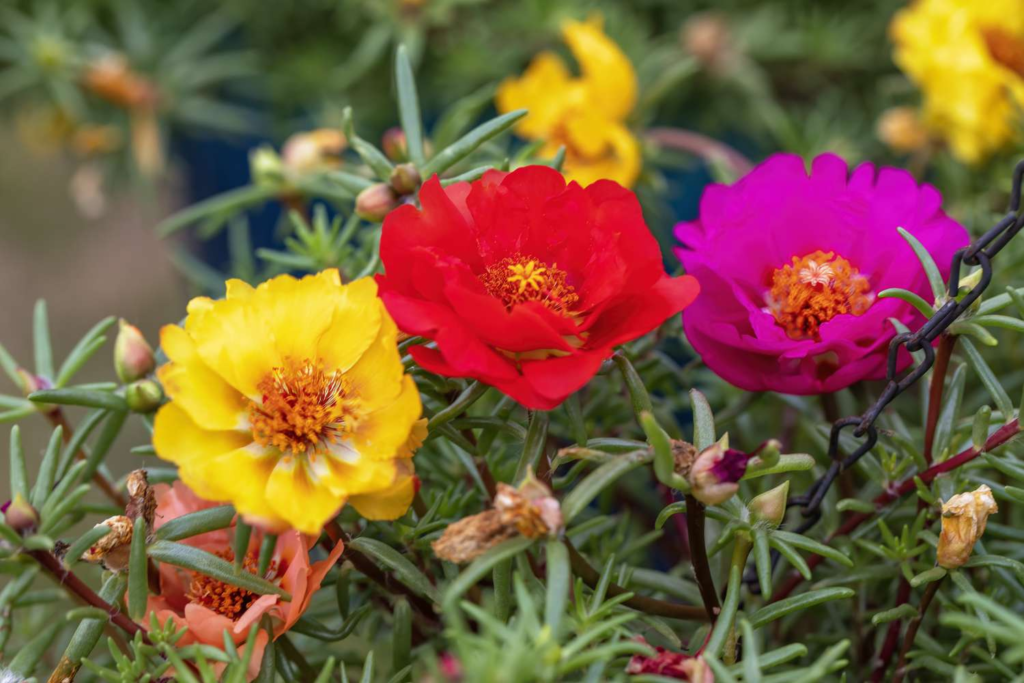
Portulaca is a delight for any summer garden. Known for its bright, cheerful blooms, this low-growing plant thrives in dry soil with minimal care. It carpets the ground with delicate, rose-like flowers, making it an excellent choice for borders, garden beds, or hanging baskets.

Care Tips:

  • Prefers sandy, well-drained soil.
  • Water only when dry; too much moisture can harm the roots.
  • Requires full sunlight for maximum flowering.

3. Lantana – The Butterfly Magnet

Through Dust & Heat: Here Are 5 Plants to Keep Your Garden Alive This Summer

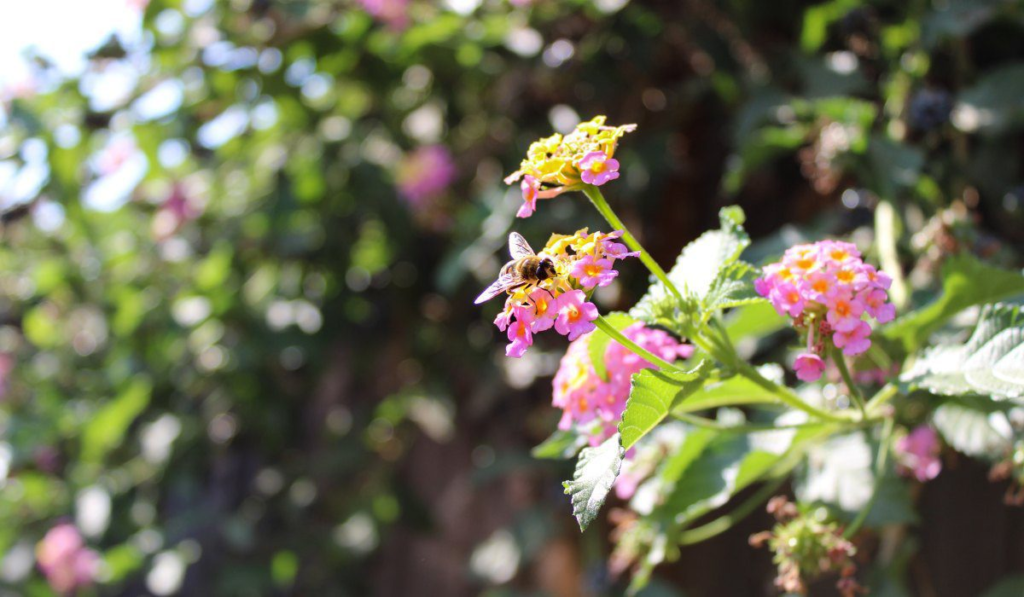
Lantana is a tough, sun-loving shrub that not only survives in dry conditions but also attracts butterflies with its clustered flowers. The bright hues—ranging from yellow and pink to purple—bring life to any garden corner. Plus, it’s incredibly low maintenance.

Care Tips:

  • Plant in full sun with well-drained soil.
  • Water only when the soil is dry.
  • Prune regularly to promote fresh growth and more blooms.

4. Agave – The Striking Succulent

Through Dust & Heat: Here Are 5 Plants to Keep Your Garden Alive This Summer

If you love unique, sculptural plants, Agave is a must-have. This drought-tolerant succulent thrives in arid conditions, making it a perfect addition to a low-water garden. Its thick, fleshy leaves store moisture, allowing it to withstand prolonged dry spells.

Care Tips:

  • Needs sandy, well-draining soil.
  • Water sparingly—only when the soil is completely dry.
  • Place in a bright, sunny location for optimal growth.

5. Yellow Oleander – The Sunshine Bloomer

Through Dust & Heat: Here Are 5 Plants to Keep Your Garden Alive This Summer

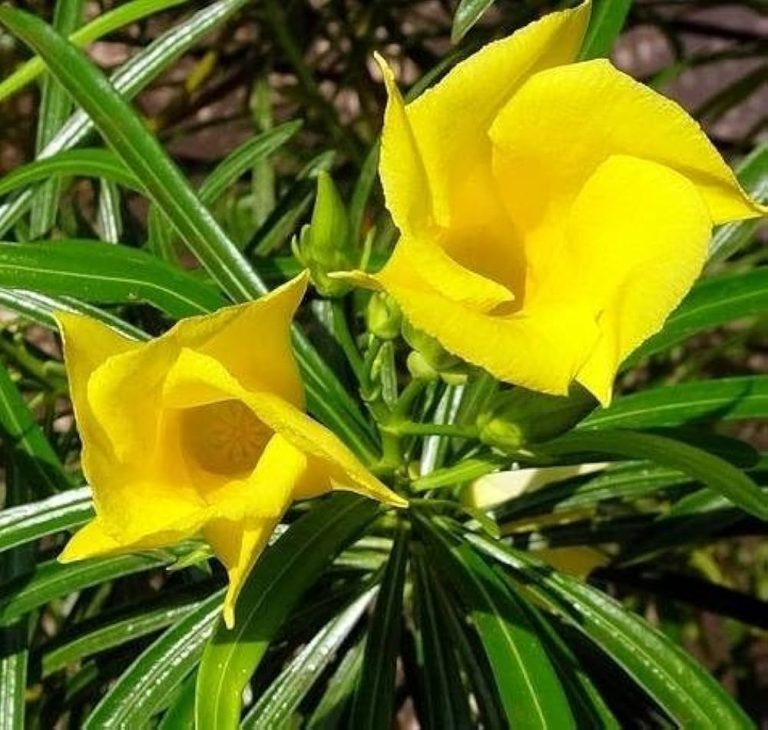
For a splash of sunshine, Yellow Oleander is an excellent choice. Its bright yellow, trumpet-shaped flowers bloom even in peak summer, adding a tropical touch to gardens. However, it’s important to note that all parts of this plant are toxic if ingested, so caution is advised.

Care Tips:

  • Requires well-drained soil and a sunny location.
  • Water when the topsoil feels dry.
  • Handle with care, especially around pets and children.

Why Choose Drought-Resistant Plants?

Opting for drought-resistant plants is not just a smart gardening choice—it’s a step towards sustainability. These plants:

  • Conserve water in dry, arid regions.
  • Require minimal maintenance, making them perfect for busy gardeners.
  • Thrive in extreme heat, ensuring a lush garden even in peak summer.

By incorporating these resilient plants, you can enjoy a vibrant and eco-friendly garden while saving water. So, this summer, let nature take care of itself—with a little help from these hardy green warriors.

Places to visit: Stay at These 10 Beautiful Mud Homestays in India

0

As the summer heat approaches, many travellers seek a refreshing and eco-friendly escape. From the tranquil mountains of Himachal Pradesh to the lush greenery of Kerala, India is home to stunning mud homestays that offer natural cooling and a chance to connect with local culture. Here are ten beautiful mud homestays that promise a peaceful and sustainable retreat.

1. Afsana Homestay, Himachal Pradesh

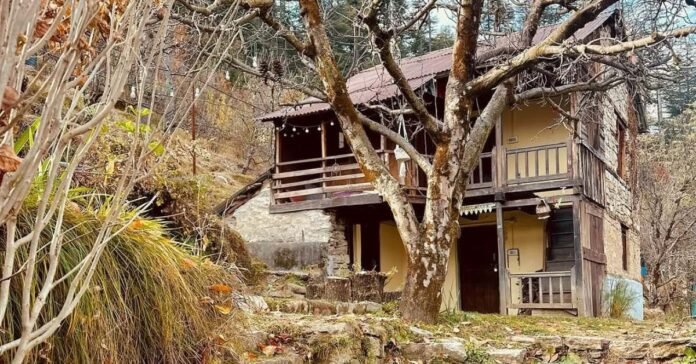
Nestled near the Hadimba Temple in Manali, Afsana Homestay is a restored 50-year-old mud, wood, and stone house surrounded by forests and apple orchards. Founded by Heena Mahant, it reflects traditional Himachali architecture. With rooms starting at Rs 600 and curated nature walks, it offers a perfect offbeat escape for those seeking a connection to nature.

Places to visit: Stay at These 10 Beautiful Mud Homestays in India
xr:d:DAFmpUveIEc:84,j:1819872088160736001,t:24020613

2. The Nanda Stone, Uttarakhand

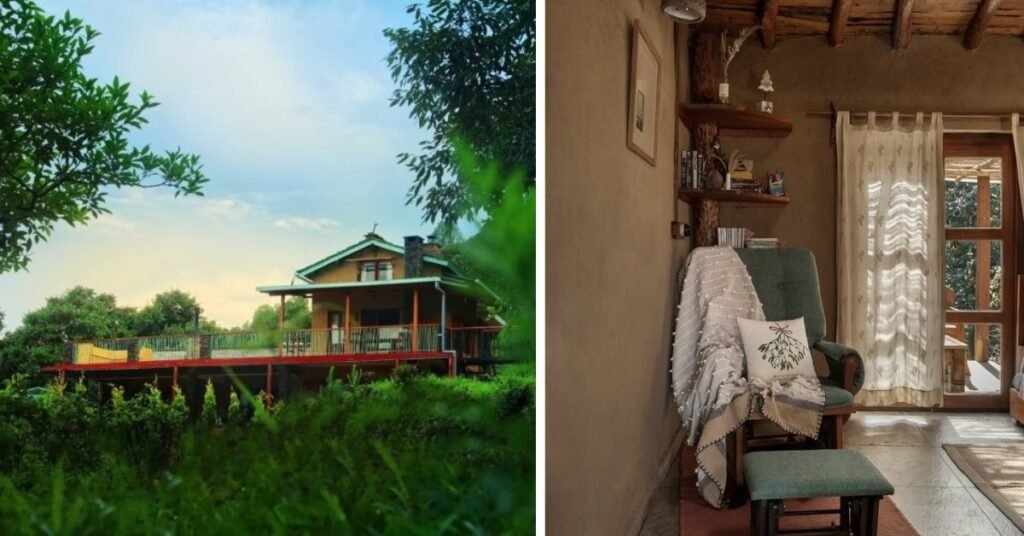
Located in Jilling, Uttarakhand, The Nanda Stone offers breathtaking views of Nanda Devi. Built by Ashish Verma using traditional Kumaoni methods and natural materials, this mud homestay stays naturally cool and warm across seasons. With earthy interiors, no plastic usage, and delicious Kumaoni meals, it’s an ideal eco-friendly mountain retreat.

Places to visit: Stay at These 10 Beautiful Mud Homestays in India

3. The Mudhouse, Marayoor, Kerala

Situated near the Chinnar Wildlife Sanctuary, The Mudhouse in Marayoor offers an eco-friendly stay with a two-bedroom mud cottage and a traditional treehouse. Hosting up to six guests, it provides a shared kitchen, dining area, and lounge. Guests can enjoy outdoor barbecues and candlelight dinners, adding to its rustic charm.

Places to visit: Stay at These 10 Beautiful Mud Homestays in India

4. Kundan Homestay, Himachal Pradesh

In Kais village near Kullu, Kundan Homestay is a 100-year-old mud and stone house run by Kundan Singh and his wife Kala. Built with traditional earthquake-resistant methods, it offers a warm pahadi (mountain) lifestyle. Guests can enjoy local hospitality and organic meals made from the family farm’s produce.

5. Greenara, Kerala

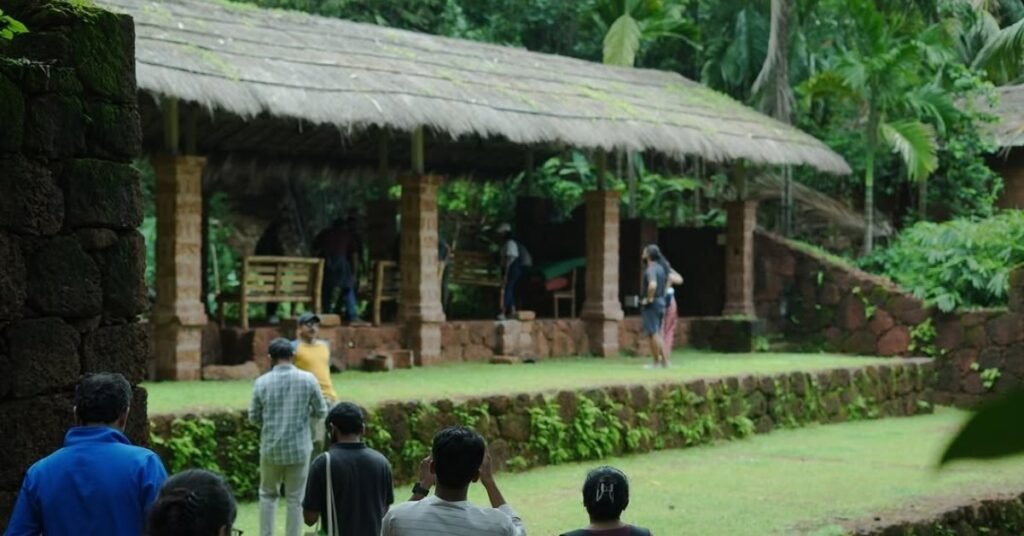
Located near Calicut, Greenara is a sustainable mud homestay built on a rewilded 6-acre former mining site. Transformed into a lush tropical forest by owner Mustafa PA, it features two mud cottages and a 12-bed dormitory made with natural materials. Guests can relish farm-to-table Malabari meals and experience slow, sustainable living.

Places to visit: Stay at These 10 Beautiful Mud Homestays in India

6. Hodka Rann Stay, Gujarat

Hodka Rann Stay, situated in Hodka village, Gujarat, offers a cosy mud hut experience just 20 km from the Rann Utsav Tent City. With eco-friendly huts, starry skies, and peaceful sunrises, guests can enjoy vegetarian Kutchi meals, folk music, and interactions with local artisans known for embroidery and leatherwork.

Places to visit: Stay at These 10 Beautiful Mud Homestays in India

7. Banasura Hill Resort, Kerala

As Asia’s largest mud resort, Banasura Hill Resort in Wayanad is built entirely from the earth it stands on. Tucked in the lush Banasura Hills, it offers cool mud rooms, forest trails, waterfalls, and fresh farm-to-table food. Perfect for slow, conscious travel, the resort blends nature, comfort, and sustainability.

Places to visit: Stay at These 10 Beautiful Mud Homestays in India

8. Kashi Villa, Himachal Pradesh

Located in Kasauli, Kashi Villa is a 180-year-old mud and stone homestay restored by Rachna and Kapil Tandon. Surrounded by deodar and oak trees, it offers cosy rooms, fireplaces, and traditional Himachali food. With its colonial charm and local warmth, it’s a peaceful mountain escape.

Places to visit: Stay at These 10 Beautiful Mud Homestays in India

9. Matirr Ghor, Assam

Translating to ‘The Mud House,’ Matirr Ghor in Guwahati, Assam, is a rustic, eco-conscious homestay focusing on traditional mud architecture and sustainable living. Offering an earthy, minimalist experience rooted in Assamese culture, it is ideal for those looking to disconnect and slow down.

10. Medini Homestay, Assam

Near Kaziranga National Park, Medini Homestay is built with bamboo, mud, and wood by Champak Deka and Anna Louise Meynell. It offers local food, silk weaving, and a deep connection to Assamese culture. Its proximity to the national park makes it a perfect retreat for wildlife enthusiasts and sustainable travel lovers.

Summing Up

These ten mud homestays showcase India’s rich cultural heritage and commitment to sustainability. Whether you’re a nature lover or a conscious traveller, these eco-friendly retreats provide a refreshing and peaceful escape from the scorching summer heat.

Phoolon ka Sheher: Poonam Arora’s Blooming Paradise

0

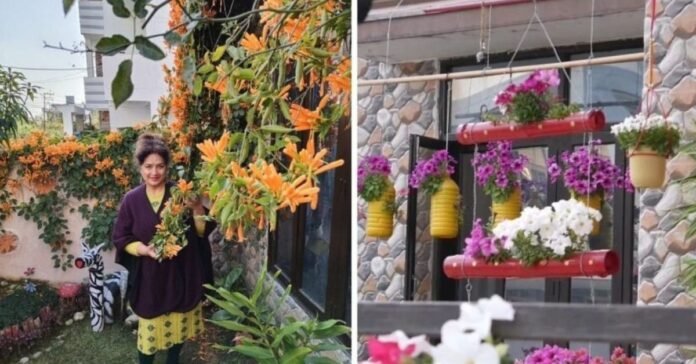
Step into ‘Phoolon ka Sheher’—the City of Flowers. That’s what the neighbors lovingly call Poonam Arora’s home, and the moment you step through the gate, the reason is clear. Vibrant succulents peek out from handcrafted pots, while cascading vines drape over trellises. The air carries the faint, sweet fragrance of blooming jasmines, mingling with the earthy scent of freshly watered soil.

Poonam, a self-taught gardening enthusiast, walks through her lush sanctuary, her hands instinctively brushing against petals as she speaks. “I’ve always loved flowers. And today, my home is covered in them!” she exclaims, her eyes alight with passion.

But this floral paradise wasn’t built overnight. Her journey began in childhood, inspired by a house she passed every day on her way to school. The woman who lived there had transformed her home into a breathtaking garden, overflowing with flowers in every hue. Young Poonam would pause, captivated by the sight. “I dreamt of creating one too,” she recalls.

Years later, when she finally had a home of her own, she set out to turn that childhood dream into reality—one seed, one planter, one bloom at a time.

A Labor of Love

Every morning, as the city stirs awake, Poonam is already at work in her garden. She sows seeds, prunes leaves, and handcrafts intricate cement planters. Nothing goes to waste—discarded bowls become flower beds, bamboo sticks transform into trellises, and even old clothes find new life as textured pots. Her hands, often smeared with mud and cement, are a testament to her dedication.

But the journey hasn’t been without challenges. “Relatives would mock me, saying I was wasting my time. Some still whisper,” she shares, a knowing smile on her lips. But through it all, her husband and son stood by her, cheering her on as she brought her vision to life.

A Garden That Speaks

Today, her home is more than just a garden—it’s an artistic expression, a haven of creativity and love. Miniature garden pieces, handcrafted figurines, and intricate decorative pots dot the space, each telling a story. The garden has become a source of inspiration for many, proving that passion, not formal training, is the key to creating something beautiful.

Through social media, Poonam shares her journey with the world. Her page, Poonam’s Crafteria and Yard, has become a treasure trove of gardening tips, DIY décor ideas, and glimpses of her ever-growing floral wonderland.

A Lesson in Patience and Passion

What makes her story even more remarkable is the fact that she creates everything herself—using simple, everyday materials like cement putti, plaster of Paris, stones, bamboo sticks, and even scraps most people would throw away.

“To anyone who thinks gardening needs training—I started with nothing but passion,” she says. “Gardening teaches you about patience, resilience, and love. Every flower that blooms is a reward, a reminder that the effort is always worth it.”

And as you take one last look at Phoolon ka Sheher, where every corner bursts with life and color, you realize—this isn’t just a garden. It’s a dream, carefully nurtured, blooming for the world to see.