Home Blog Page 33

From Akshaya Tritiya to Akshaya Tritiya: Rajasthan’s Quiet Shift Against Child Marriage

0

As Akshaya Tritiya approaches, once again there is a familiar sense of anticipation in many parts of the country. Traditionally seen as an auspicious day for weddings, the festival has, for years, carried a darker undercurrent in states like Rajasthan, where it has often been associated with a surge in child marriages.

But something changed in the last few years.

In the days leading up to Akshaya Tritiya 2024, the Rajasthan High Court delivered a decisive order that altered the course of how the state responds to child marriage. Acting on a petition by the Just Rights for Children (JRC), the Court held village heads, Sarpanches, and Panchayat members directly accountable for any child marriages conducted within their jurisdictions.

It was a simple but powerful shift. Responsibility was no longer abstract, it was local, visible, and personal.

The impact was immediate and telling. Unlike previous years, there were no reported cases of child marriage during the Akshaya Tritiya period in 2024 and even the year later. For a state that has long struggled with a child marriage rate of over 25 percent, this was not just a statistic. It was a signal that change, when backed by intent and accountability, is possible.

Now, as Akshaya Tritiya returns this year, so does the test.

There is no illusion that the threat has disappeared. If anything, the risk has only gone underground, with concerns that ceremonies may be conducted discreetly to avoid scrutiny. But this time, the response is different. The administration is alert. Law enforcement is prepared. And perhaps most importantly, communities are no longer entirely silent.

Over the past year, Rajasthan has moved beyond one decisive court order to build a more layered response. A lot has changed since then. More and more children have been rescued from the brink of child marriage. People have participated with striking enthusiasm in the Bal Vivah Mukti Rath campaign, where the message on wheels travelled to some of the farthest districts and villages, carrying conversations that were long overdue.

NGO partners of Just Rights of Children network in Rajasthan, along with local administration and village heads, ensured that this vehicle not only reached the last village but also the most vulnerable communities in the state. Significantly, being the largest network in the country has enabled this momentum to not only sustain but also spread across India.

And yet, a lot continues to remain the same.

It is this sameness that now needs to be shaken, dismantled, and rebuilt. Because what Rajasthan is witnessing today is not just incremental progress, it is history in the making. With each passing year, the state is stepping up its efforts to end child marriage, slowly reclaiming the true meaning of Akshaya Tritiya as a day of promise, not one shadowed by silent violations.

At the state level, Rajasthan has also introduced a particularly striking intervention last year. Printing presses were directed to require age proof of both the bride and groom before issuing wedding invitations, with their dates of birth printed on the cards. It is a small administrative step on paper, but one that quietly shifts the burden of concealment. A wedding invitation, once a private announcement, now becomes a document open to scrutiny.

At the same time, efforts on the ground have continued to deepen. Civil society organisations have been steadily building awareness in villages and small towns. Messages against child marriage are being carried into temples, mosques, schools, and community spaces. Children themselves are increasingly aware, and in some cases, willing to speak up.

This year, the state’s Education Department has also pushed for a coordinated response, activating district and block-level groups that bring together women’s collectives, health workers, and local volunteers. Even those indirectly linked to weddings, priests, band players, tent house owners, transporters, are being asked to take a clear stand.

Because the truth is, child marriage does not happen in isolation. It is enabled by silence, by participation, and by the quiet normalization of what should never be acceptable.

Rajasthan’s approach over the past year shows that change does not come from a single intervention. It comes from pressure applied at every level, legal, administrative, and social. It comes from making accountability unavoidable and complicity uncomfortable.

And yet, this is not a moment for complacency.

Akshaya Tritiya still carries risk. The coming days will determine whether last year’s progress was an exception or the beginning of a sustained shift. The real measure of success will not just be in preventing visible ceremonies, but in ensuring that the practice itself continues to lose legitimacy.

For now, Rajasthan offers something that was missing for a long time, a working model of intent backed by action.

As the country moves toward its larger goal of ending child marriage, this moment matters. Not because the battle is over, but because it finally feels like it is being fought differently.
From Akshaya Tritiya to Akshaya Tritiya: Rajasthan’s Quiet Shift Against Child Marriage

Author: Nanulal Prajapati, Deputy Director, Rajasthan Mahila Kalyan Mandal, Ajmer

Why Domestic Travel Surges During Global Crises and Wars

0

When global crises—such as wars, geopolitical tensions, pandemics, or economic instability—disrupt international mobility, a noticeable shift occurs in travel patterns: people turn inward. Domestic tourism often experiences a significant boost during such periods, driven by a mix of practical constraints, psychological factors, and economic adjustments.

One of the most immediate reasons is restricted international travel. During crises, countries may impose visa limitations, airspace closures, or heightened security protocols. For instance, conflicts can lead to the suspension of international flight routes or advisories against traveling to certain regions. In such scenarios, domestic travel becomes the most accessible and viable alternative.

Another key factor is cost uncertainty and currency fluctuations. Wars and global instability tend to disrupt financial markets, weakening currencies and increasing travel costs abroad. Domestic travel, by contrast, offers greater affordability and predictability. Travelers can avoid exchange rate volatility, international insurance complexities, and unexpected expenses tied to unstable regions.

Equally important is the role of perceived safety and familiarity. During uncertain times, travelers prioritize destinations where healthcare systems, infrastructure, and communication are familiar. Domestic travel provides a sense of control—people understand local languages, laws, and emergency systems, which reduces anxiety. This psychological comfort becomes a powerful motivator when global news cycles are dominated by conflict or crisis.

There is also a strong policy-driven push behind domestic tourism. Governments often promote “travel within the country” campaigns to sustain their tourism industries when international arrivals decline. Incentives such as discounted rail fares, regional tourism packages, and tax benefits encourage citizens to explore local destinations. This not only supports businesses but also helps stabilize employment in hospitality, transport, and allied sectors.

From an economic standpoint, domestic tourism acts as a buffer against global shocks. International tourism is highly sensitive to crises, but domestic travel tends to recover faster and remain more resilient. It keeps revenue circulating within national borders, supporting local economies when foreign exchange inflows decline. For countries heavily dependent on tourism, this internal demand can be crucial for survival during prolonged instability.

Another subtle but important factor is changing traveler priorities. In times of crisis, people often seek shorter, flexible trips rather than long, complex itineraries. Domestic travel allows for spontaneous planning, easier cancellations, and reduced logistical risks. Road trips, staycations, and nearby destinations become more appealing compared to long-haul international journeys.

Finally, crises often trigger a renewed interest in local culture and landscapes. With global mobility limited, people rediscover heritage sites, natural reserves, and lesser-known destinations within their own country. This shift not only diversifies tourism patterns but also promotes regional development.

In essence, the rise of domestic travel during global crises is not merely a fallback—it is a strategic, adaptive response. It reflects how individuals, industries, and governments recalibrate priorities in the face of uncertainty, turning inward to sustain movement, exploration, and economic continuity even when the world outside feels unstable.

Are Indian Summers Getting Hotter Each Year? Here’s the Reality…

0
Background for a hot summer or heat wave, orange sky with with bright sun and thermometer

If it feels like summers in India are arriving earlier, lasting longer, and becoming more intense, that perception is backed by scientific evidence. Over the past few decades, India has witnessed a clear rise in temperatures, more frequent heatwaves, and increasingly unpredictable seasonal patterns.

Studies show that India’s average summer temperatures have risen by about 1°C between 1981 and 2020, leading to more frequent and prolonged heatwaves. Even more striking is the surge in extreme heat events—heatwave days have increased more than 15-fold between 1993 and 2024. This means not only are summers hotter, but extreme heat is becoming far more common.

Another noticeable change is the shift in seasons. Summers are starting earlier—sometimes as early as February—and extending further into the year. At the same time, spring and winter are shrinking, creating what many experts describe as a “seasonal imbalance.”

Why is this happening?

The primary driver is climate change. Rising greenhouse gas emissions are increasing global temperatures, and India—due to its geography and population density—is particularly vulnerable. But climate change is not acting alone.

Urbanisation plays a major role. Cities tend to trap heat due to concrete structures, lack of green cover, and high energy use—a phenomenon known as the urban heat island effect. Research suggests Indian cities could experience up to 45% more warming than surrounding rural areas.

Natural climate cycles like El Niño also contribute. During El Niño years, ocean temperatures rise, which often leads to hotter and drier conditions across the Indian subcontinent.

Additionally, changing weather patterns—such as reduced rainfall, delayed monsoons, and fewer cloud cover days—allow heat to build up more intensely over land.

What does the future look like?

The trend suggests that India is heading toward longer, hotter, and more dangerous summers. Climate projections indicate temperature increases of 2–3°C by the end of the century, which could make heatwaves more frequent, longer-lasting, and even life-threatening. In fact, the number of regions experiencing heatwaves has already expanded significantly over recent years.

Conclusion

Yes, Indian summers are undeniably getting hotter—but it’s not just about temperature. It’s about duration, intensity, and frequency. The combined effects of climate change, rapid urbanisation, and shifting weather systems are reshaping how summer behaves in India. What was once a seasonal inconvenience is increasingly becoming a serious environmental and public health challenge.

Understanding this shift is crucial—not just to adapt, but to act.

Sayani Gupta Named ‘Person of the Year’ by Harvard South Asian Association

0

Actor honoured for powerful storytelling and redefining South Asian representation on the global stage

In a significant global recognition, Bollywood actor Sayani Gupta has been named the 2026 Person of the Year by the Harvard South Asian Association. The prestigious honour celebrates her impactful contribution to cinema, storytelling, and representation of South Asian voices worldwide.

A Global Honour for Cultural Impact

The Harvard South Asian Association (SAA), known for celebrating South Asian culture and leadership, presents this award annually to individuals who have significantly shaped how South Asian identity is perceived globally. Sayani Gupta’s work has been recognised for bringing authenticity, boldness, and depth to contemporary narratives.
She is scheduled to be formally felicitated at Harvard University later this month.

A Career Built on Bold Choices

Sayani Gupta has carved a niche in Indian cinema through unconventional and powerful roles. An alumna of the Film and Television Institute of India (FTII), she has been part of critically acclaimed films such as Article 15, Fan, and Jolly LLB 2. Known for portraying complex and layered characters, she has consistently challenged stereotypes and pushed the boundaries of mainstream storytelling.

Her performances have often stood out for their realism and emotional depth, making her one of the most respected contemporary actors in the industry.

Beyond Acting: Expanding Creative Horizons

This recognition comes at a time when Sayani is stepping into a new creative phase. She is set to make her debut as a writer-director with her short film Aasmani, which is slated to premiere at international film festivals, marking another milestone in her evolving career.

A Voice for Representation

What sets Sayani Gupta apart is her commitment to inclusive storytelling. Her work reflects diverse perspectives and often brings underrepresented narratives to the forefront. This global honour not only celebrates her artistic achievements but also acknowledges her role in shaping a more inclusive and authentic portrayal of South Asian identities.

With this recognition, Sayani Gupta joins a distinguished list of global South Asian figures honoured by Harvard SAA, reinforcing her position as a powerful voice in contemporary cinema.

Jubin Nautiyal Ties the Knot: Singer Marries Childhood Sweetheart in Intimate Uttarakhand Ceremony

0

‘Saiyaara’ singer keeps wedding low-key, staying true to his private life

Popular playback singer Jubin Nautiyal has reportedly entered a new phase in his life, tying the knot with his childhood sweetheart in a private ceremony held in Uttarakhand. The news has created a buzz among fans, especially because the singer is known for keeping his personal life away from the spotlight.

A Private and Traditional Wedding

According to multiple reports, the wedding took place in Jubin’s hometown in Uttarakhand and was an intimate affair attended only by close family members and a handful of friends. Unlike the grand celebrity weddings often seen in the industry, Jubin chose simplicity—opting for a traditional ceremony rooted in personal values rather than public spectacle.

The decision to keep the event low-key aligns with his personality, as he has largely maintained privacy when it comes to his personal relationships.

Who Is His Wife?

While the wedding has been widely reported, the identity of Jubin Nautiyal’s wife has not been officially revealed. It is believed that she is his childhood sweetheart, someone he has known for many years. The couple has consciously chosen to keep her identity out of the public eye, adding an element of intrigue around the marriage.

So far, neither Jubin nor his team has made an official announcement, though pictures from the ceremony are reportedly circulating on social media.

From Dehradun to Bollywood Stardom

Born in Dehradun, Uttarakhand, Jubin Nautiyal has become one of Bollywood’s most loved voices over the years. Known for hit songs like Raataan Lambiyan, Lut Gaye, and Tum Hi Aana, he has carved a niche for himself with his soulful and emotional singing style.
His journey from a musically inclined child to an award-winning playback singer reflects years of dedication and training in Indian classical music.

A Love Story Away from Limelight

What makes this wedding particularly special is its quiet and personal nature. In an era of highly publicised celebrity relationships, Jubin’s decision to keep his marriage private stands out. Reports suggest that the couple preferred celebrating their union away from media attention, surrounded only by their closest circle.

Fans React with Excitement

Even without an official confirmation, the news has sparked excitement among fans. Social media has been abuzz with congratulatory messages, with many appreciating the singer’s grounded approach to such a significant life event.

While fans await a formal announcement, one thing is clear—Jubin Nautiyal has chosen love and simplicity over glamour, making his wedding as heartfelt as the songs he is known for.

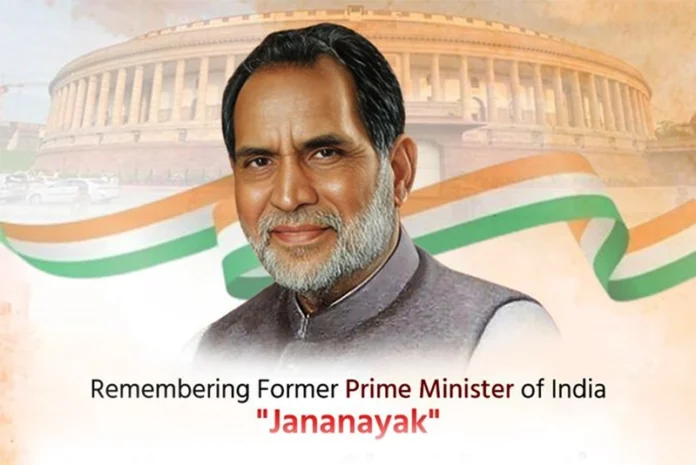
Nation Remembers Former Prime Minister of India Chandra Shekhar on his Birth Anniversary

0

Leaders across political spectrum pay tribute to a fearless socialist voice and champion of grassroots democracy

Early Life and Rise in Politics

India on April 17 commemorated the birth anniversary of Chandra Shekhar, a leader known for his clarity of thought and deep-rooted connection with the masses. Born in 1927 in Uttar Pradesh, he emerged from student activism to become a prominent national figure. His early political journey was shaped by socialist ideals, and he soon gained recognition as a bold and independent voice.

India’s 8th Prime Minister: A Brief but Crucial Tenure

Chandra Shekhar served as the 8th Prime Minister of India from November 1990 to June 1991. Leading a minority government with outside support from the Indian National Congress, he governed during a period of political instability and economic distress. Despite the challenges and the short duration of his tenure, his leadership helped maintain stability at a critical juncture in India’s history.

Leadership During Economic Challenges

His time in office coincided with a severe balance of payments crisis. While his government had limited time to implement long-term reforms, it played an important role in managing the crisis and setting the stage for the economic liberalisation that followed. His pragmatic approach and calm handling of national issues earned him respect across party lines.

The ‘Young Turk’ and Bharat Yatra

Before becoming Prime Minister, Chandra Shekhar was widely known as a “Young Turk” for his fearless stance within the political system. His landmark Bharat Yatra in 1983—a padyatra across the country—symbolised his commitment to understanding grassroots realities. It reinforced his image as a leader who preferred direct engagement with people over political symbolism.

A Leader Remembered for Integrity and Simplicity

Chandra Shekhar is remembered for his straightforwardness, powerful oratory, and unwavering commitment to democratic values. He led a simple life and remained accessible to ordinary citizens. His speeches in Parliament often reflected intellectual depth and a rare honesty in public life.

Nation Pays Tribute

On his birth anniversary, tributes poured in from across the country. Prime Minister Narendra Modi remembered him as a mass leader dedicated to the aspirations of the people.

Vice President C.P. Radhakrishnan also paid homage, highlighting his fearless parliamentary contributions.

Several other prominent leaders, ministers, and citizens joined in, offering floral tributes and sharing messages that reflected his enduring influence.

Legacy That Continues to Inspire

Though his tenure as Prime Minister was brief, Chandra Shekhar’s legacy remains significant. He stands as a symbol of principled politics—anchored in ideology, courage, and service. His life continues to inspire those who believe in politics as a means of public good rather than personal power, making him a timeless figure in India’s democratic journey.

World Hemophilia Day: Raising Awareness for a Rare but Serious Blood Disorder

0

Every year on April 17, the world observes World Hemophilia Day, a global initiative dedicated to increasing awareness about hemophilia and other inherited bleeding disorders. The date marks the birth anniversary of Frank Schnabel, who founded the World Federation of Hemophilia (WFH). The day serves as a reminder of the challenges faced by millions worldwide and the urgent need for better diagnosis, treatment, and care.

Hemophilia is a rare genetic disorder in which the blood does not clot properly due to the absence or deficiency of certain clotting factors—most commonly factor VIII (Hemophilia A) or factor IX (Hemophilia B). This can lead to prolonged bleeding after injuries, spontaneous internal bleeding, especially in joints and muscles, and potentially life-threatening complications if untreated. The condition primarily affects males, though females can be carriers and sometimes experience symptoms.

According to global estimates, over 1 million people are living with hemophilia, yet a significant number remain undiagnosed, particularly in developing countries. In India, awareness and access to treatment are improving, but disparities persist between urban and rural healthcare systems.

One of the key themes of World Hemophilia Day is equity in care. Modern treatments, including clotting factor replacement therapy and newer gene therapies, have transformed the quality of life for many patients in developed nations. However, access to these life-saving treatments remains limited in several parts of the world. The WFH has been actively working to bridge this gap through global outreach programs, training healthcare professionals, and facilitating donations of treatment products.

Early diagnosis plays a crucial role in managing hemophilia effectively. With proper care, individuals with hemophilia can lead active and fulfilling lives. Preventive treatments, physiotherapy, and awareness about injury prevention significantly reduce complications.

Equally important is breaking the stigma associated with bleeding disorders. Misconceptions and lack of understanding often lead to social isolation and delayed treatment. Educational campaigns on this day aim to empower patients and families, encouraging open conversations and timely medical intervention.

World Hemophilia Day is not just about awareness—it is a call to action. Governments, healthcare providers, and communities must work together to ensure that no one is left behind due to lack of diagnosis or treatment. As science advances, the hope is clear: a future where hemophilia is not a barrier to living a full and healthy life.

GoPro Launches MISSION 1 Series: New 8K Compact Cinema Cameras with AI Processing and 50MP Sensor

0

In a major push into high-end compact filmmaking, GoPro has unveiled its new MISSION 1 Series of cinema cameras. The lineup includes three models—MISSION 1 PRO, MISSION 1, and MISSION 1 PRO ILS—designed to deliver high-resolution video, improved low-light performance, and extended recording capabilities.

Advanced Sensor and Processor

All three models are built around a new 50MP 1-inch sensor featuring 1.6µm native pixels and 3.2µm fused pixels in Quad Bayer mode. This setup enables up to 14 stops of dynamic range, enhancing detail in both highlights and shadows.

Powering the cameras is GoPro’s GP3 processor, based on a 5nm architecture, which improves efficiency and heat management. It also integrates an AI-driven neural unit to enhance low-light video quality and overall image processing.

High-End Video Capabilities

Video performance is a key highlight of the MISSION 1 Series:

  • MISSION 1 PRO & PRO ILS: 8K at 60fps, 4K at 240fps, and 1080p at up to 960fps (short bursts)
  • MISSION 1: 8K at 30fps, 4K at 120fps, and 1080p at 240fps

All models support Open Gate recording, allowing users to capture footage using the full 4:3 sensor for greater flexibility during post-production cropping. The PRO variants offer 8K30 and 4K120 in Open Gate, while the base model supports 4K120.

Improved Battery Life and Performance

With the Enduro 2 battery, the cameras can record for over five hours at 1080p30 and more than three hours at 4K30. The battery is also compatible with the HERO13 Black, although older batteries may offer reduced performance.

Pro Features and Flexibility

The MISSION 1 Series includes 13 preset shooting modes that automatically adjust settings based on the scene, alongside full manual controls for professionals.

Additional features include:

  • Up to 240Mbps video bitrate
  • 10-bit color and HLG HDR support
  • GP-Log2 for advanced color grading
  • Timecode sync for multi-camera setups

Designed for Creators and Professionals

With its blend of compact design and cinema-grade features, the MISSION 1 Series positions GoPro beyond action cameras and into professional video production. The addition of AI processing, high frame rates, and extended recording times makes it a strong contender for creators, filmmakers, and content professionals seeking powerful yet portable gear.

Buying Gold on Akshaya Tritiya: Religious Significance and Budget-Friendly Options Explained

0

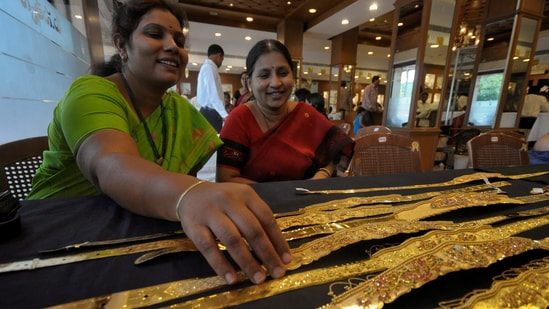
As the festival of Akshaya Tritiya approaches on April 19 this year, the tradition of purchasing gold once again takes centrestage. Considered one of the most auspicious days in the Hindu calendar, Akshaya Tritiya is widely believed to bring eternal prosperity and good fortune.

Observed on the Tritiya Tithi of the Shukla Paksha in the month of Vaishakh, the day is unique because any auspicious work can be performed without consulting a muhurat. Traditionally, people invest in gold, jewellery, and even property on this occasion.

Why is Gold Bought on Akshaya Tritiya?

According to religious beliefs, any act of charity (daan), worship (puja), or virtuous deed performed on this day yields Akshaya Punya—merit that never diminishes. The word “Akshaya” itself means eternal or inexhaustible.

In Sanatan Dharma, Goddess Lakshmi is regarded as the symbol of wealth and prosperity. Gold and other material assets are considered her earthly manifestations. Buying gold on this day is believed to invite her blessings and ensure that prosperity remains constant in the household.

Financial Logic Behind the Tradition

Beyond religious beliefs, gold also holds strong financial value. It serves as a reliable asset that can be liquidated during emergencies. Traditionally known as Stree Dhan, gold jewelry is also gifted during weddings and special occasions, offering both cultural and financial security.

Moreover, gold prices tend to appreciate over time, making it a preferred long-term investment.

What If You Have a Limited Budget?

With gold prices often high, not everyone can afford to invest in it. However, there are several alternatives that are both affordable and culturally significant:

  • Silver, which is more economical than gold
  • Items like brass and copper
  • Whole coriander seeds
  • Gomati Chakras
  • Brooms or a Shree Yantra

These items are also associated with prosperity and are believed to please Goddess Lakshmi and Lord Kubera.

A Blend of Faith and Finance

Whether driven by faith or financial planning, Akshaya Tritiya continues to be a day when people invest in assets symbolizing growth and stability. Even with modest means, the essence of the festival lies in शुभ कर्म and the belief in enduring prosperity.

Sweden Shifts Back to Books: Govt Push to Boost Literacy Sparks Debate Over Digital Future

0

In a significant policy shift, Sweden’s government is advocating a return to physical books, paper, and handwritten learning in classrooms, aiming to reverse a decline in literacy levels among students. The move marks a departure from the country’s long-standing reputation as one of Europe’s most digitally advanced education systems.

Under the new approach, schools are increasingly replacing digital tools with traditional learning methods. At a high school in Nacka, near Stockholm, students are now carrying textbooks and printed materials alongside their laptops—something that had become rare in recent years.

“I now go home from school with new books and papers often,” said Sophie, an 18-year-old student. She noted that some teachers have begun printing lesson materials, while digital platforms in subjects like mathematics are being replaced with textbook-based teaching.

The shift comes after years of heavy investment in digital education. Laptops became common in Swedish classrooms in the late 2000s and early 2010s, and by 2015, nearly 80% of students in state-funded high schools had access to personal digital devices. In 2019, the use of tablets was even introduced at the pre-school level to prepare children for a digital future.

However, authorities now believe that over-reliance on screens may have contributed to declining reading and comprehension skills, prompting a reassessment of teaching methods.

The policy, however, has sparked criticism from tech companies, educators, and computer scientists. Critics argue that reducing exposure to digital tools could negatively impact students’ readiness for the modern workforce and potentially affect Sweden’s innovation-driven economy.

The debate highlights a growing global dilemma: how to balance digital advancement with foundational learning skills. While Sweden seeks to strengthen literacy through traditional methods, questions remain about whether this shift could come at the cost of future digital competitiveness.