Home Blog Page 329

Red FM Brings Back the Magic with the 5th Season of Poila Boithak

0

Red FM, India’s leading private radio and entertainment network, proudly presents the fifth edition of Poila Boithak, a grand celebration of Bengali culture and tradition. Scheduled for April 20, 2025, at the iconic Nazrul Mancha Auditorium, this vibrant event captures the true spirit of Poila Boishakh—the Bengali New Year.

Poila Boithak is more than just a festival; it’s an immersive journey into Bengal’s heart and heritage. The event brings together the richness of music, art, and cuisine, offering audiences a nostalgic yet contemporary experience. From soul-stirring live performances to engaging traditional activities, the celebration promises an unforgettable cultural extravaganza for all ages.

Music is the soul and spirit of Poila Boithak, and this year, attendees can look forward to electrifying performances from some of Bengal’s most celebrated artists. The stage is set, and Somlata & The Aces will enchant the audience with Somlata’s honey-like voice and hurricane-force personality. Next in line, we have Fakira, a folk-fusion-rock band that blends Baul music with contemporary sounds, ready to bring their unique energy to the stage along with Ananya and the Bohemian Baul, a musical collective reimagining Baul with a modern, eclectic twist.

At Poila Boithak, a plethora of unique cultural and interactive experiences will be offered, from live painting on greeting cards to the sweet start with Mishti Mukh, where every guest is greeted with traditional Bengali sweets. You can pen down your wishes for the new year on the larger-than-life Halkhata Installation, which will travel across the city, the final stop for this installation being the Nazrul Mancha Auditorium. The event also offers Aalta for the Ladies so that women can adorn their feet and hands with traditional Aalta motifs. At the same time, men can sport stylish chandan teekas, bringing a modern twist to age-old customs.

Speaking on the festivity, Nisha Narayanan, COO and Director of Red FM & Magic FM, said, “Poila Boithak is an immersive yet emotional celebration of new beginnings, which effortlessly moves our souls, hearts and minds to feel each moment with gratitude. Red FM is honoured to give our heartfelt tribute to Bengal’s timeless spirit through music, art, and tradition. A brand that believes in inclusion and diversity, this celebration is a reflection of that very ethos. We’re elated and blessed to continue this legacy with a fifth season. This season is the result of the seeds sown by unshaken roots and powerful intent, which has helped us walk through the essence and soul of Bengal. Phenomenal performances, moving voices, and tearful eyes are proof that this occasion of tradition truly compels us to dive deep into our being and connect us to our heritage. I think the Bengali New Year unites us to honor the past and embrace the present with joy, nostalgia and hope. We welcome you to come and be a part of this festivity and pen down your futures with a new dawn.”

Experience the grandeur of Poila Baisakh like never before. Mark your calendars for April 20, 2025, and head to Nazrul Mancha Auditorium to celebrate Bengali culture, music, and heritage. Red FM ensures that this New Year’s celebration will be remembered.

About 93.5 RED FM

Red FM stands out as India’s largest radio channel and one of the biggest entertainment networks. We are hyper-local, hyper vocal, and with our brand philosophy and attitude ‘Bajaate Raho!’ We are at the core of millennials’ hearts. By leveraging our two-decades-old legacy and expertise, we sow the seeds of a ‘larger than life experience’. We thrive on the emotional connection with the listeners and audience fashioned through a massive footprint of 69 radio stations nationwide. We create original podcasts, digital shows, and on-ground events, feature independent music, make 360-degree noise, and speak the truth. As the ‘station of expression,’ Red FM boasts over 663 award-winning campaigns including BEST BRAND, BEST FM STATION, and BEST RJs.

Kiara Advani Joins Vanesa as Brand Ambassador, Reflecting Confidence and Elegance

0

Kiara Advani, celebrated for her poise, charm, and authenticity, now steps into a new role as the face of Vanesa. Her journey in the film industry mirrors the very ethos of the brand—confidence, self-expression, and individuality.

For Kiara, fragrance goes beyond just being a scent—it’s an extension of her personality. Her preferences reflect her dynamic nature: fresh, floral notes for the day and warm amber tones for the evening. Through this exciting collaboration, Vanesa aims to capture this duality in a fragrance collection designed for the modern woman who values both versatility and elegance.

Expressing her excitement, Kiara shared:
“I’m beyond thrilled to be associated with Vanesa. For me, confidence is about embracing my true self, owning my strengths and vulnerabilities, and walking through life with authenticity. This is what makes working with Vanesa so special—the brand celebrates individuality, and that’s something I truly believe in.”

Saurabh Gupta, MD & CEO of Hamilton Sciences Pvt. Ltd., added:
“We are delighted to welcome Kiara Advani to the Vanesa family. Kiara embodies the essence of our brand with her elegance, charm, and relatable appeal. Her journey and personality perfectly align with Vanesa’s philosophy of celebrating individuality and modern femininity. We believe this collaboration will inspire women to embrace their uniqueness with confidence.”

This partnership continues Vanesa’s legacy of collaborating with strong, inspiring women, following in the footsteps of its first brand ambassador, Kareena Kapoor Khan. As Kiara takes on this new role, she brings a fresh, contemporary perspective while honoring the brand’s timeless essence.

Siddhanchal Dham’s First Anniversary: A Sacred Voyage of Devotion and Celebration

0

April 15, 2025, marks a momentous occasion in the spiritual landscape of Madhya Pradesh as Siddhanchal Dham, the state’s only ship-shaped Jain temple, celebrates its grand first anniversary. Located on Laduna Road, this architectural marvel has quickly become a spiritual magnet, drawing over two lakh devotees in its inaugural year. With its distinct design, sacred relics, and vibrant community engagement, Siddhanchal Dham is more than a temple—it’s a symbol of faith, unity, and timeless devotion.


A Temple Like No Other

Siddhanchal Dham isn’t just another temple; it’s a floating vision of devotion—crafted in the likeness of a ship, sailing on a sea of spirituality. At its spiritual core rests a 3,000-year-old idol of Lord Parshvanath, recovered from the depths of the Chambal River, making it both a place of worship and a site of ancient significance.

The temple’s foundation is rooted in generosity and scholarship. Its land was donated by Dr. Babulal Jain and Manakunwar Ostwal Jain, while its spiritual and architectural guidance came from internationally acclaimed Jain scholar Manoj Kumar Babulal Haran of Sirohi.


A Grand Celebration in Full Sail

The anniversary festivities are scheduled across two vibrant days—April 14 and 15—and promise to blend tradition, grandeur, and spirituality in a truly unforgettable way.

April 14: A Day of Rituals and Light

  • 8:00 AM: The day begins with 18 abhisheks, poojas, and archanas, performed by expert priests for participating families, invoking divine blessings.
  • Evening Highlights:
    • 6:00 PM: Aarti performed by Kumar Pal Raja.
    • 8:00 PM: The temple will glow with the sacred beauty of “Aangi Roshni”, followed by an uplifting devotional evening of bhajans.

April 15: Flag Hoisting and Procession

  • 8:00 AM: A grand religious procession will set forth from the residence of Dr. Arvind Kumar Jain and the Ostwal family at Bijli Grid, Laduna Road. Complete with drummers, bands, horse-drawn carriages, and a large community turnout, the procession will carry both the temple flag and an idol of the deity to Siddhanchal Dham.
  • 10:00 AM: Unveiling of marble statues honoring land donors Dr. Babulal Jain and Manakunwar Jain Ostwal in the temple complex.
  • 11:00 AM: The deeply symbolic “Sattar Bhedi Puja” will be conducted by Manoj Kumar Haran for the temple family.
  • 12:39 PM (Vijay Muhurat): The highlight of the celebration—the first-ever hoisting of the temple flag atop the spire by Dr. Arvind Kumar Jain, Utsav Jain, and the Ostwal family.
  • 1:00 PM: A Swami Vatsalya meal will be served, extending traditional hospitality to all present.
  • 6:00 PM & 8:00 PM: The day concludes with an evening aarti and a final round of soulful bhajan singing.

A Year of Spiritual Milestones

Since its inauguration, Siddhanchal Dham has emerged as a spiritual epicenter, welcoming over 200,000 devotees in just one year. The temple’s first floor enshrines the ancient idol of Lord Parshvanath, while the second floor is dedicated to Lord Adinath. The complex also features shrines to 12 additional Jain deities, making it a comprehensive center for Jain worship.

Pilgrimage groups en route to other revered Jain sites like Nageshwar, Ghasoi, Parasali, and Bahi Parshvanath often make it a point to visit Siddhanchal Dham. Devotees from Sitamau town and nearby rural areas frequent the temple, drawn by its unique architecture and profound sanctity.

Adding to its community-focused ethos, the temple trust provides free tea, snacks, and light meals to all visitors, ensuring that hospitality is as integral as holiness.


A Gathering of Faith

Trustee Utsav Jain shared that the temple has extended open invitations to Jain congregations across Sitamau tehsil and the entire district, many of whom will be honored during the celebrations. With spiritual fervor, cultural pride, and a vibrant turnout expected, this anniversary marks a significant milestone—not just for the temple, but for the entire Jain community.


Sailing Forward

Siddhanchal Dham stands today not just as an architectural curiosity, but as a beacon of spiritual resilience and unity. Its first anniversary is a testament to what faith, vision, and community can achieve together. As the temple’s flag rises to the sky for the very first time, so too does the promise of many more years of devotion, celebration, and divine blessings.

Indore: The Crown Jewel of India’s Cleanliness Revolution

0

In the heart of Madhya Pradesh’s Malwa region, where the air carries whispers of history and the soil has nurtured centuries of culture, one city has not only preserved its glorious heritage — it’s redefined what modern civic pride can look like. Indore, the cleanest city in India for an unprecedented eight consecutive years, is not just leading a movement — it is the movement.

From the grandeur of Rajwada Palace to the buzzing food haven of Chhappan Dukaan, Indore has seamlessly blended tradition with transformation, proving that hygiene and heritage can not only coexist, but thrive together.


The Secret Sauce Behind the Shine

So, what’s Indore’s secret? How does a bustling metropolis of over 3 million residents achieve what others can only dream of?

It’s not magic — it’s meticulous planning, civic discipline, and an infectious sense of collective responsibility.

Every single day, Indore processes over 1,600 tons of waste — and achieves a staggering 100% segregation at source. Wet waste and dry waste are sorted right at the doorstep, long before it enters the city’s waste management systems. It’s a choreography of cleanliness, powered by a committed fleet of sanitation workers who perform their duties with near-military precision.


The Bold Ban: No Bins, No Mess

One of Indore’s most radical moves was its Dustbin-Free Policy — the complete removal of public dustbins from streets. A gamble? Perhaps. But the result? Stunning.

Without bins to lean on, waste is handed directly to the collectors. No overflowing trash, no open dumps, no wandering animals scavenging leftovers. The streets stay spotless. You could quite literally eat your poha off the pavement.


Cleanliness: Not Just a Rule, But a Ritual

Indore: The Crown Jewel of India’s Cleanliness Revolution

Indore’s real success story lies not just in policy but in people. This city doesn’t wait for the government to do the cleaning — the people own it.

Fines for littering? Sure, they exist. But worse is the disapproving look from your neighbor or the stern rebuke from your child. In Indore, civic responsibility is cultural, not enforced. Shopkeepers sweep their sidewalks religiously. Schoolchildren grow up learning that cleanliness is patriotism. It’s not a campaign; it’s a way of life.

Public initiatives like “Swachhata Hi Seva” have become more than slogans — they’re daily mantras. Brooms aren’t just tools; they’re symbols of pride.


Where Clean Meets Cultural

Clean doesn’t mean clinical. Indore pulses with energy, flavor, and warmth. Stroll through Sarafa Bazaar on a moonlit night, and you’ll find glowing streets bustling with life. Jalebis sizzle, bhutte ka kees simmers, and the only thing stronger than the spice in the air is the sense of shared respect for public space.

A short trip away, the echoes of Mandu’s romantic ruins and Ujjain’s sacred ghats speak to the grandeur of Malwa’s past. But today, it’s Indore that’s writing a new chapter — one of smart, sustainable, and socially driven urban living.


Eight Times Crowned, Forever Royal

Indore: The Crown Jewel of India’s Cleanliness Revolution

To wear the cleanliness crown once is an achievement. Eight times? That’s a dynasty.

But Indore isn’t content resting on laurels. With urban sprawl on the rise and the pressure of increased tourism, the city is constantly evolving — experimenting with smart waste management tech, embracing green transport, and exploring circular economy models.

Cities across India now study the “Indore Blueprint,” hoping to bottle its brilliance. But the truth is, Indore’s success isn’t easily replicated — because it’s not just a model. It’s a mindset.


A Palace of Pride

In a land rich with royal history, Indore is the new monarch. Its throne is built on innovation, its crown forged from community effort, and its kingdom stretches across boulevards that gleam like marble halls.

This isn’t just about cleanliness. It’s about identity. About turning a civic duty into a celebration. Every clean corner, every swept step, is a declaration that this city cares.

So, raise a toast to Indore — the King of Clean, the Soul of Malwa, and the living proof that when people come together with purpose, even a broom can become a scepter.

Mangal Pandey: The Spark That Lit the Fire of India’s First War of Independence

0
xr:d:DAFcBA2EZZg:100,j:44206207139,t:23032906

In the pages of India’s long and complex history, some names don’t just appear—they ignite. One such name is Mangal Pandey. Not a king, not a general, but a sepoy with a spirit so fierce that his defiance set off a revolution. A rebellion that would shake the foundations of the British Empire and echo through time as the First War of Indian Independence.

It was April 8, 1857, when the British hung Mangal Pandey for what they called mutiny. But for India, that date became a symbol—a spark that burned into the collective memory of a nation that refused to bow.


Born of the Soil, Forged by Fire

Mangal Pandey was born in 1827, in a modest Brahmin household in what is now Uttar Pradesh. There was nothing in his early life that screamed heroism. Like many young men in colonial India, he joined the British East India Company’s Bengal Native Infantry at the age of 22, more out of economic necessity than ideological fervor. He was posted to the 34th Regiment—a rank-and-file soldier in the massive colonial machinery.

Life as a sepoy wasn’t glamorous. Low wages, brutal discipline, and the constant reminder that you were serving an empire that mocked your faith and disregarded your dignity—this was the everyday grind. But Pandey was not the kind to swallow insult silently. Towering in stature, strong in body and spirit, he was deeply grounded in his religious identity and cultural pride.


The Tipping Point: Faith, Fury, and the Cartridge Controversy

The 1850s were a powder keg of resentment across India. And the match? It came in the form of a new Enfield rifle. The cartridges were rumored to be greased with cow and pig fat—offensive to both Hindus and Muslims. To load the rifle, soldiers had to bite open these cartridges, directly violating religious beliefs.

For Mangal Pandey and countless others, this was more than disrespect. It was a slap in the face. A calculated insult. And he refused to take it lying down.


Barrackpore: Where the First Flame Was Lit

On March 29, 1857, at the military garrison in Barrackpore near Kolkata, Pandey made his stand. Fueled by rage and resolve, he attacked British officers. Alone. Armed. Unyielding.

The act was spontaneous, some say reckless—but it was also courageous. A lone sepoy had dared to rise against the might of the British Empire. He was subdued, court-martialed, and sentenced to death. The British feared his actions might inspire a wider rebellion—and they were right.

On April 8, 1857, Mangal Pandey was hanged. His body fell, but his legend rose.


From “Madman” to Martyr

To the British, he was a troublemaker, a mutineer, a madman. But to Indians, he became the first hero of the revolution. The man who, with no army and no manifesto, lit a fuse that would burn for decades.

His rebellion was not calculated, but it was catalytic. He did not wait for a movement—he became one. The war that followed—the Revolt of 1857—saw rulers, soldiers, and civilians rise across the subcontinent. It failed militarily, but it unified the Indian consciousness, planting the seeds of nationalism that would bear fruit in 1947.


Legacy in Stone, Song, and Silver Screen

Today, Mangal Pandey stands immortal. His name graces streets, schools, statues, and even postage stamps. His story is taught in textbooks and celebrated in temples of pop culture—including the 2005 Bollywood film starring Aamir Khan, which painted his fiery defiance with cinematic glory.

Every April 8, Indians pause to remember. Not just the man, but the moment. The fire. The fight. The cost of freedom.


A Hero for the Ages

Mangal Pandey’s life wasn’t lived on a grand stage. He wasn’t born into royalty or leadership. He was one of the nameless many—until he chose not to be. Until he chose rebellion over silence. Until he dared to say “enough” when everyone else stayed quiet.

His name, Mangal, meaning “auspicious,” proved prophetic—not for a peaceful life, but for the promise of a nation that would rise because one man stood up.


In a world full of followers, Mangal Pandey chose to be the spark. And in doing so, he lit the fire of freedom.

Allu Arjun: The Stylish Star’s Epic Rise and the Swagger of a Legend

0

Lights. Camera. Goosebumps.
That’s the Allu Arjun effect.

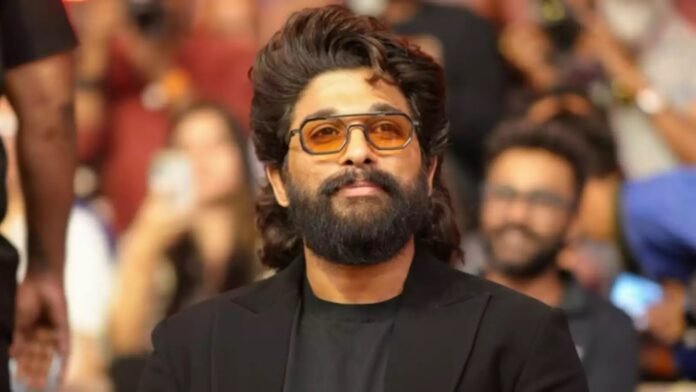
From a young boy navigating the shadows of star lineage to becoming one of Indian cinema’s most magnetic and trendsetting icons, Allu Arjun, also known as the Stylish Star, has danced, acted, and fought his way into the hearts of millions. Today, as he turns 43, we celebrate not just his birthday but the electrifying journey of a man who turned criticism into conquest and style into signature.


The Beginning: A Star in the Shadows

Born in 1982 in Chennai, Allu Arjun entered the world of cinema carrying the legacy of the Allu-Konidela family — but that didn’t guarantee him a free ride. After making his debut as a lead in Gangotri (2003), critics were less than kind. His appearance was mocked. His performance was questioned. And the whispers were loud that he was just another star kid trying his luck.

But Arjun didn’t flinch. He didn’t sulk. He worked.

He hit the gym, trained relentlessly, and polished his craft. Then came Arya (2004) — the film that flipped the script. With a cocktail of crazy energy, heart-thumping dance moves, and raw charm, Allu Arjun proved he wasn’t here to fit in — he was here to stand out.

Years later, he would reflect on this chapter and say that he didn’t let criticism define him — he let it refine him. That grit and self-awareness became his greatest asset.


Rise to Power: From Arya to Pushpa

With each film, Arjun began redefining what a commercial hero could be. He wasn’t just flexing muscles — he was delivering emotion, style, and blockbuster performances. Films like:

  • Bunny
  • Parugu
  • Sarrainodu
  • Race Gurram
  • Ala Vaikunthapurramuloo

cemented him as a box-office titan. His swagger was unmatched. His fashion was copied. His dance? Still unbeatable.

Then came Pushpa: The Rise (2021) — a film that didn’t just break records, it broke barriers. Arjun’s portrayal of a sandalwood smuggler with grit, grime, and raw magnetism earned him his first National Award, and more importantly, pan-India superstardom.


The Life of a Star: Mansions, Machines, and Meaning

Allu Arjun lives life in the fast lane — and in style. His Rs 100 crore mansion in Hyderabad is the stuff of celebrity legend, complete with a pool, gym, and home theater. His garage is a car lover’s dream — Range Rover, Hummer, BMW, and yes, even a private jet.

Let’s not forget the ultimate flex — his Rs 7 crore vanity van Falcon, sleek and high-tech, just like the man himself.

And his watch collection? It’s a horological hall of fame. Style, clearly, isn’t just a tagline — it’s a lifestyle.


Net Worth & Empire-Building

Today, Allu Arjun sits atop a fortune estimated at Rs 460 crore, powered by:

  • Film earnings (like the Rs 300 crore Pushpa 2 deal)
  • Brand endorsements
  • Business ventures including a multiplex and even a healthcare startup

He’s not just acting in stories — he’s building his own.


Heart of Gold: The Man Behind the Stardom

But beyond the glitz and glam, there’s a man who’s grounded. Allu Arjun donates blood regularly, supports children in need, and remains deeply connected to his fans — who lovingly call him Bunny.

His humility is real. His gratitude, visible. His rise hasn’t turned him into a star who shines alone — he lifts others as he climbs.


Awards & Accolades: More Than Just Trophies

  • 6 Filmfare Awards South
  • 3 Nandi Awards
  • 1 National Film Award

These aren’t just accolades — they’re milestones of a man who refused to be boxed in. From mass hero to style icon, Allu Arjun has worn every role like a custom-made suit — with flair and fearlessness.


Why He’s the Undisputed Stylish Star

Because it’s not just about what he wears — it’s how he owns the moment. Be it in Ala Vaikunthapurramuloo’s boardroom scene, Pushpa’s Thaggede Le strut, or just stepping out in couture on the red carpet, Arjun turns every frame into a fashion moment, every move into a mood.

And with Pushpa 2, multiple pan-India projects, and even international buzz swirling, the next chapter in his story promises to be even more spectacular.


The Legacy of Grit and Grace

Allu Arjun’s journey isn’t just a tale of stardom. It’s a masterclass in resilience, a reminder that style without substance fades, but style built on struggle, spirit, and sincerity lasts forever.

He’s not just the Stylish Star. He’s a symbol of what’s possible when confidence meets commitment.

So here’s to the man who made rejection his rocket fuel, and dance floors his domain.

Happy 43rd Birthday, Allu Arjun.
Keep rising. Keep ruling. The stage is yours.

Mahavir Jayanti 2025: A Journey to Peace, Purity, and the Heart of Jain Faith

0

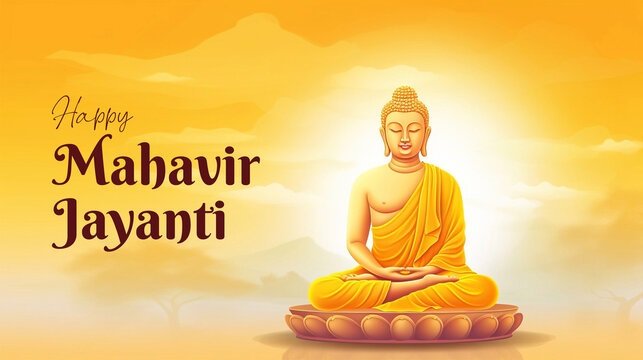
As the summer sun begins to gently warm the sandstone streets of Jaipur this April, a quiet spiritual anticipation fills the air. Across India, and in every corner of the Jain community around the world, devotees are preparing to celebrate Mahavir Jayanti — the most sacred day in Jainism — marking the birth of Lord Mahavir, the 24th and last Tirthankara.

This year, on April 10th, 2025, the celebration is not just a calendar ritual. It’s a moment to reflect, reconnect, and rise toward the ideals of Ahimsa (non-violence), Satya (truth), and Aparigraha (non-attachment) — principles that Mahavir Swami not only preached, but lived with unwavering commitment.

And there’s no better place to immerse yourself in this spirit than the ancient Digamber Jain Mandir in Sanganer, Jaipur — a temple that echoes with centuries of devotion and breathtaking craftsmanship.


Who Was Mahavir?

More than 2,500 years ago, a child was born in the royal family of Kundagrama, near Vaishali in present-day Bihar. That child, Vardhaman, would later renounce his princely life at the age of 30 and embark on a spiritual journey that would span over a decade of intense meditation and asceticism.

At 42, he attained Keval Gyan — infinite knowledge — and became Mahavir, the great soul who revitalized the Jain tradition and taught the path of liberation through self-discipline, non-violence, and inner purity.

Mahavir Jayanti is not just a birth celebration — it’s a beacon for those who seek peace through simplicity, and strength through self-control.


Celebrations Across India

From temples in Gujarat and Maharashtra to homes in Karnataka and Uttar Pradesh, Mahavir Jayanti is observed with prayers, processions (rath yatras), meditation sessions, and acts of charity. Monks deliver discourses on the teachings of Mahavir, while devotees engage in abhishek (ritual bathing of idols), puja, and pledge vows of compassion — toward all living beings.

It is also a day where many Jains rededicate themselves to vegetarianism, charity, and non-violence in thought, word, and deed — not as an abstract principle, but as a lifestyle.


The Spiritual Majesty of Digamber Jain Mandir, Sanganer, Jaipur

Mahavir Jayanti 2025: A Journey to Peace, Purity, and the Heart of Jain Faith

Tucked just 14 kilometers from the bustling heart of Jaipur lies the serene town of Sanganer — home to one of the most revered and architecturally majestic Jain temples in India: the Digamber Jain Mandir.

This isn’t just a temple — it’s a seven-storied spiritual marvel, built from red sandstone that seems to glow at dawn and burnish gold at dusk. The moment you step inside, you’re transported into a realm where time stands still.

At the heart of the temple is the main idol of Lord Adinath (Rishabhanatha) — the first Tirthankara — seated in the tranquil Padmasan (lotus) posture. The idol radiates a sense of timeless peace, carved with such finesse that you can almost feel the meditative stillness it represents.

The inner sanctum — known as the Garbhagriha — is a stone shrine crowned with eight soaring shikharas (spires), each reaching skyward as if in search of enlightenment itself. Every inch of the temple is adorned with detailed carvings — from delicate floral motifs to epic tales from Jain scriptures.

But the true essence of the temple lies not in its architecture, but in the aura of devotion that permeates its halls. During Mahavir Jayanti, the temple becomes a hub of celebration, reflection, and unity. Bhajans echo through the stone corridors. Monks chant age-old mantras. Devotees bow in reverence, lighting incense and offering prayers with folded hands and open hearts.


Why Visit During Mahavir Jayanti?

Because it’s not just about being there — it’s about feeling it.

On Mahavir Jayanti, the Digamber Jain Mandir becomes a living embodiment of Mahavir’s teachings. The rituals are not just seen, they’re experienced. Visitors and pilgrims alike come seeking more than blessings — they come seeking clarity, courage, and calm.

Whether you’re a lifelong Jain or someone simply curious about the spiritual richness of India, being at Sanganer during this time offers a rare window into a world of non-violent wisdom, devotional artistry, and communal peace.


A Festival of the Soul

In an age of noise, Mahavir Jayanti reminds us of the power of silence. In a world chasing speed, it offers the serenity of stillness. And in times of division, it reaffirms the universal value of compassion.

As we celebrate Mahavir Jayanti 2025, may we not just commemorate a historical figure — but live his values. Whether it’s through a small act of kindness, a moment of introspection, or a conscious step toward sustainability, each gesture honors the spirit of Mahavir.

And if you find yourself in Jaipur this April — don’t miss the chance to walk through the red sandstone corridors of Sanganer’s ancient temple. You won’t just witness history. You’ll feel it.

India Ranks 3rd Globally in Solar Energy — Here’s How You Can Use It To Slash Your Power Bills

0

India, a land where the sun blazes across the sky almost year-round, is finally making the most of all that golden energy. In a bold leap towards sustainability, India has now become the world’s third-largest producer of wind and solar power, recently edging past Japan, according to a 2025 report by Ember.

But this isn’t just a headline to make environmentalists smile — it’s a turning point for everyday Indian households. Amid rising power bills and sweltering summer months, a quiet revolution is brewing on rooftops across the country.

From 0.5% to 5.8%: The Rise of Solar

Back in 2015, solar energy was barely a sliver of India’s electricity pie — a mere 0.5%. Fast forward to 2023, and it now powers 5.8% of the national grid. That’s more than a tenfold increase in under a decade.

It’s not just about megawatts and milestones — it’s about making power personal. Rooftop solar panels are becoming more than just a green badge; they’re a smart economic move for families trying to lighten the load on their wallets.

Why Should You Care?

Because your power bill probably doesn’t care about your budget. As temperatures — and tariffs — climb, households are looking for relief. Enter: rooftop solar.

By installing solar panels, your roof does double duty: providing shelter and generating electricity. That means you draw less power from the grid, and in many cases, you can sell excess electricity back — making your electric meter spin backwards. (How’s that for satisfying?)


Show Me the Savings

Here’s the part where your calculator gets excited.

India Ranks 3rd Globally in Solar Energy — Here’s How You Can Use It To Slash Your Power Bills

Installation Costs:

  • ₹45,000 to ₹80,000 per kilowatt (kW), depending on brand, location, and quality.
  • A typical 2 kW system (good for small families using 200–300 units/month) costs about ₹1.5–2 lakh.
  • A 5 kW system (ideal for larger families using 400–600 units/month) runs between ₹3.5–4.5 lakh.

Savings?
With a 5 kW system, you could generate 400–600 units per month. If your current bill is around ₹5,000/month, solar could slash it down to ₹1,500 — or even eliminate it. That’s a saving of ₹40,000–50,000 per year, meaning your system pays for itself in just 4–6 years. After that? It’s all sunshine and savings.


What’s the Catch?

Honestly, not much. Thanks to government initiatives like the Pradhan Mantri Suryodaya Yojana, the process has never been smoother.

The scheme offers:

  • Subsidies up to 60% of the installation cost
  • Loan support for the remaining amount

Modern solar panels are low-maintenance, last 25–30 years, and work even during partial cloudy conditions. With net metering, any excess power you generate is credited to your bill. You’re not just consuming electricity — you’re producing it.


How to Go Solar: A Step-by-Step Guide

The government has launched an official portal under the PM Surya Ghar: Muft Bijli Yojana, making solar adoption a breeze. Here’s your 9-step solar starter kit:

  1. Assess your eligibility
    • Valid electricity connection? Check.
    • Sunlit roof? Double check.
  2. Register at pmsuryaghar.gov.in using your DISCOM and consumer number.
  3. Apply for rooftop solar via the portal.
  4. Await feasibility approval from your electricity provider (DISCOM).
  5. Choose an empanelled vendor from the DISCOM list.
  6. Install your system — the vendor takes care of it.
  7. Submit installation details and apply for net metering.
  8. Inspection & commissioning — DISCOM checks, then certifies.
  9. Get your subsidy — upload your bank info, and the government deposits the subsidy within 30 days.

Why Now?

Because the stars — or rather, the sun — have aligned:

  • Solar panel prices are falling
  • Electricity prices are rising
  • Government support is strong
  • Climate change isn’t waiting

India isn’t just riding the solar wave — it’s shaping it. As the nation builds its clean energy legacy, homeowners have the chance to make real impact — financially and environmentally.

The future is here. And it’s shining right on your rooftop.

In Rural India, Solar Startups Are Powering Handlooms, Farms & Forgotten Villages

0

From Darkness to Dusk: How Solar Power Is Transforming the Lives of Rural India

For 57-year-old Thangjam Basanta Meitei, winter has always been a season of comfort. The cool air, the quiet, the pause. But in Yairipok, a remote village in Manipur, the winter brings more than just a nip in the air — it also brings early sunsets. And for Basanta, those short days used to mean long nights of dread.

In Rural India, Solar Startups Are Powering Handlooms, Farms & Forgotten Villages

Not because he feared the dark, but because of what came with it: insects and rodents.

“In the dark, the bugs would come in. So would the rats. I couldn’t cook, couldn’t eat, couldn’t even wash the dishes,” he recalls. Candles and kerosene lamps helped little — they lit the room, sure, but they didn’t keep the crawling chaos away. Eventually, Basanta did what felt most logical: he’d call it a day and go to bed by 5 p.m.

That was before solar energy entered his life — and brightened it, quite literally.


Lighting Up the Last Mile

In Rural India, Solar Startups Are Powering Handlooms, Farms & Forgotten Villages

Basanta’s story is echoed across hundreds of homes in Manipur and beyond, where solar power has emerged not just as a solution to power shortages but as a symbol of new beginnings. Rural India, long at the mercy of erratic electricity supply and infrastructural gaps, is now looking upward — toward the sun.

India’s Sustainable Development Goals, aligned with the UN’s global vision, highlight equitable access to clean and affordable energy as non-negotiable for inclusive development. Despite significant progress — over 800 million people electrified since 2001 — about 2.4 percent of Indian households still live in darkness. But that number is shrinking, thanks to the rise of solar startups and community-powered initiatives lighting up the nation’s hinterlands.


When the Sun Becomes an Ally

In Manipur, Distributed Renewable Energy (DRE) isn’t just a technological upgrade; it’s a lifestyle revolution. Companies like ONergy Solar and SNL Technologies are leading the charge. ONergy, co-founded by Shweta Jaju, has already touched a million lives through accessible solar solutions that span households, farms, and businesses.

“It’s not just about sustainability,” Shweta says. “It’s about quality of life. About livelihood.”

Their model is built on affordability and adaptability. Government subsidies, flexible payment plans, and local partnerships have helped create a robust network for last-mile delivery.

Basanta, for instance, got his solar panels thanks to a partner NGO introduced by SNL Technologies. Unable to pay the Rs 40,000 upfront, he was offered a loan that allowed him to repay in monthly installments of Rs 920 over three years. A small price to pay for the ability to dine, cook, and live without fear.


Empowering Women, Powering Dreams

In Rural India, Solar Startups Are Powering Handlooms, Farms & Forgotten Villages

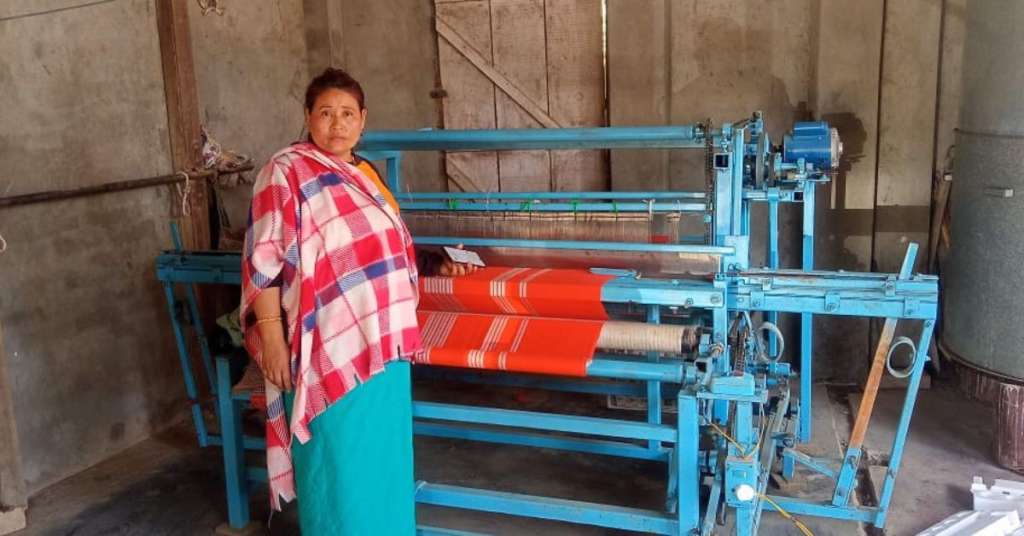
The impact of solar isn’t confined to lighting homes. It’s powering looms, preserving produce, and irrigating farms. In Manipur, women like Loitongbam Sofia Devi have reclaimed their evenings. A weaver by trade, Sofia used to stop work early due to frequent power cuts. Now, with solar-powered handlooms, she weaves longer and earns more.

“Before solar, I stopped by early evening. Now I can keep going. And I earn more too,” she smiles.

Entrepreneur Seth Moirangthem, founder of SNL Technologies, knows exactly what’s at stake. He grew up facing the same electricity issues that plagued Basanta. In Manipur, a damaged electric line during monsoon could mean six months without power. His business was born out of a desire to break that cycle.


A Sun-Powered Economy

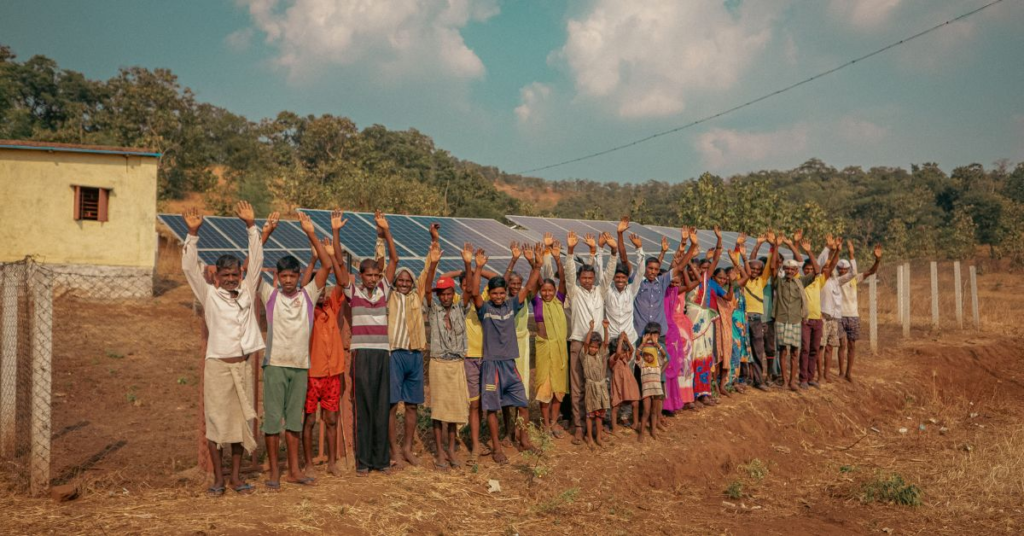
Manipur’s patchy terrain makes large-scale microgrids difficult, but other parts of India are embracing them with open arms. Darewadi, a tiny hamlet in Maharashtra once known for its severe energy crisis, now thrives with TVs blaring, water pumps whirring, and music playing — all thanks to solar microgrids by Gram Oorja.

In Rural India, Solar Startups Are Powering Handlooms, Farms & Forgotten Villages

As of 2025, the organization has installed 152 microgrids across rural India, lighting up over 6,200 homes. Their success is rooted in community ownership: every solar initiative starts with surveys, discussions, and local buy-in. Villagers manage their own grid, collect their own bills, and maintain their own infrastructure.

This sense of ownership breeds pride — and sustainability. In a recent survey, 74 percent of villagers said they felt proud managing the systems themselves.


Solar Sisters and Farming Futures

Women are increasingly central to this green revolution. In Bihar, the ‘Bolega Bihar’ campaign saw over 700 women emerge as solar champions, leading the charge in household-level adoption. Maharashtra’s Manyachiwadi village did one better — becoming the first in the state to go 100% solar. The initiative began with women pooling Rs 100 each month until they could afford home systems. Today, they pay nothing for electricity.


Beyond the Panels: Solar as a Lifestyle

In Rural India, Solar Startups Are Powering Handlooms, Farms & Forgotten Villages

Solar adoption isn’t limited to panels. Solar dryers, biogas grids, and solar water pumps are easing villages into a renewable lifestyle.

In Dahanu, Maharashtra, Latika Patil, a retired teacher and fruit farmer, uses solar conduction dryers to process her chickoos. The result? Longer shelf life, more sales, and less waste. “The solar dryer keeps the temperature stable and the nutrients intact,” explains her son Ninad.

On the farms, solar water pumps are replacing costly diesel ones. Farmers are saving money, boosting yields, and embracing sustainable practices. Biogas grids, like those by Gram Oorja, are revolutionizing cooking in off-grid homes, replacing smoky stoves with clean energy.


The Road Ahead is Bright (and Solar Powered)

The sun — once just a source of sweltering summer heat — is now powering homes, businesses, and dreams. For people like Basanta, it means reclaiming their evenings. For weavers like Sofia, it means independence. For India, it means progress.

As he steps out for a walk under the blazing Manipur sun, Basanta wipes sweat from his brow. It’s going to be a hot summer. And yet, for the first time, he smiles at the heat — because he knows that more sunlight means more power. More light. More life.

In the end, it’s not just a story of solar panels. It’s a story of resilience, of transformation, and of hope — one sunbeam at a time.

Wall Street Shudders as U.S.-China Tariff Tensions Escalate — What Would Warren Buffett Do?

0

In a week that felt more like a financial rollercoaster than a regular stretch of trading, Wall Street was rocked by renewed tariff tensions between the United States and China. What began as a set of new U.S. tariffs aimed at strategic sectors of Chinese manufacturing quickly snowballed into full-blown economic sparring. Beijing fired back with countermeasures of its own — and the global markets flinched.

The result? A storm of sell-offs, with investor sentiment plunging into unease. Volatility surged, safe-haven assets spiked, and the fragile sense of market recovery began to fray. Just as Wall Street was regaining its footing, the specter of a prolonged trade war has re-emerged — and it’s louder than ever.

A Familiar Jolt

Though this isn’t the first time the two economic superpowers have locked horns over trade, the timing feels particularly delicate. Global supply chains are still recalibrating post-pandemic, inflation remains sticky, and central banks are tiptoeing on tightropes between growth and control. The fresh tariff tit-for-tat threatens to disrupt that balance all over again.

Market experts are warning that the current escalation could trigger a second phase in the trade war narrative, and given today’s fragile global economic landscape, its effects could be more intense than before.

Enter: The Oracle of Omaha

Whenever markets spiral and red tickers flood financial news feeds, one name often resurfaces as a guiding light: Warren Buffett.

With a net worth of $155 billion as of March 2025, Buffett isn’t just a billionaire — he’s a symbol of calm in chaos. His long-standing investing philosophy focuses on patience, discipline, and an unwavering belief in long-term value.

Rather than reacting emotionally to short-term market turmoil, Buffett encourages investors to remain focused on fundamentals. His approach highlights the power of long-term thinking, especially during times when fear dominates the market.

Investing in Uncertainty

Buffett’s core principle is grounded in simplicity: invest in businesses you understand, with strong leadership, consistent performance, and durable value. While short-term noise might rattle investors, staying committed to high-quality companies can be a winning strategy over time.

As traders prepare for another uncertain week, many are drawing strength from this kind of level-headed perspective. Instead of asking when the storm will pass, the better question might be: what can we learn from it?

Zooming Out to See the Big Picture

Market downturns are nothing new — and history has shown that they often present hidden opportunities. Investors who stay committed, diversify wisely, and think beyond the current headlines tend to emerge stronger when the dust settles.

As the trade war drama unfolds again, the road ahead may remain bumpy. But amid the noise and volatility, there’s a powerful lesson: sometimes the smartest move is to hold steady, tune out the panic, and trust in time-tested principles.