Home Blog Page 323

An Institution that could Marry Modern Science with Indian Intellect

0

In the simmering heat of the 1890s, as India toiled under colonial rule, one man’s dream glimmered with the promise of transformation—Jamsetji Nusserwanji Tata, a successful industrialist, was dreaming big, and he was dreaming ahead. But this wasn’t just about steel or mills. It was about minds. About building a world-class university in India—an institution that would serve as a beacon for scientific research and national progress.

An Institution that could Marry Modern Science with Indian Intellect

A Spiritual Spark: When Tata Met Vivekananda

Legend has it that the idea found divine reinforcement on a sea voyage from Japan to the U.S. in 1893. Tata found himself in the company of a young monk—Swami Vivekananda. Their discussion was anything but ordinary. As waves crashed against the hull, the conversation flowed through philosophy, science, and India’s dire need for both.

Tata asked the monk what could best serve India. Vivekananda’s answer? “Science and education.” He stressed that a scientific temperament, rooted in Indian values and empowered with modern tools, could change the destiny of the country.

This meeting left an indelible mark on Tata. He returned not just with new business ideas, but with a mission to build an institution that could marry modern science with Indian intellect. Thus, the seeds of what would become the Indian Institute of Science (IISc) were sown.

An Institution that could Marry Modern Science with Indian Intellect

An Idea Needs Land—and Allies

But an idea, no matter how visionary, needs ground to stand on—quite literally. Tata poured his personal wealth into this dream. The princely state of Mysore rose to the occasion. The Regent Queen Maharani Kempananjammani Vani Vilasa Sannidhana, ruling on behalf of her young son Krishnaraja Wadiyar, gifted 371 acres and 16 guntas of land in Bangalore, plus financial assistance for the institute’s founding and sustenance.

Even the British colonial government, not known for spontaneous generosity, pitched in. But Jamsetji wouldn’t live to see his dream take physical shape—he passed away in 1904. Still, the embers of his vision were glowing too bright to fade.

Birth of a Scientific Giant

On 27 May 1909, following a resolution by the Government of India, the Indian Institute of Science was born. The English chemist Morris Travers was appointed as its first director, and the Institute opened its doors to 24 students in 1911.

The humble beginnings featured just two departments—General and Applied Chemistry, and Electrical Technology. Yet even then, the Institute was wired for impact. Under the urging of Sir M Visvesvaraya, Dewan of Mysore and Council member, early research focused on solving India’s practical problems. This led to the establishment of six industrial ventures within five years, including the now-iconic soap and sandalwood oil factories in Bangalore and Mysore.

An Institution that could Marry Modern Science with Indian Intellect

Scientific Titans Walk These Halls

By the 1930s, the Physics department was being helmed by none other than Sir C.V. Raman, India’s first Nobel Laureate in the sciences. He went on to become IISc’s first Indian Director in 1933. Under his leadership, the Institute’s reputation soared.

An Institution that could Marry Modern Science with Indian Intellect

Over the decades, a constellation of brilliant minds walked IISc’s hallowed halls—Homi J. Bhabha, Vikram Sarabhai, Kamala Sohonie, C.N.R. Rao, and many others. Together, they shaped India’s future—from nuclear power to nutrition science, from satellite launches to materials research.

War Effort and Wartime Innovation

During World War II, IISc took a break from pure academia to do some heavy lifting—literally. It helped in training military personnel, manufacturing war materials, and collaborating with Hindustan Aircraft Limited (now HAL) to maintain Allied planes. It was science in service of survival.

An Institution that could Marry Modern Science with Indian Intellect

This wartime period also triggered an engineering boom. New departments were added, including Aeronautical Engineering, Metallurgy, and Mechanical Engineering.

The Dhawan Era: Rocket Fuel for Research

Fast forward to the 1960s through the early 80s, and the Institute was under the transformative leadership of Satish Dhawan, an aerospace genius who also chaired ISRO. IISc exploded into new disciplines: materials science, automation, molecular biophysics, and theoretical studies. It wasn’t just about research anymore—it was about relevance.

His brainchild, ASTRA (Application of Science and Technology to Rural Areas), embodied this ethos. Today, it lives on as the Centre for Sustainable Technologies.

The New Millennium: A New Chapter

In the 21st century, IISc broke new ground—literally. It launched its undergraduate programme, expanded into brain research, nanoscience, hypersonics, and more. The Institute also established a massive 1,500-acre campus in Challakere, Chitradurga district, Karnataka, broadening its scientific footprint.

It also became a hub for start-ups and innovation, blending academia with industry in a powerful synergy.

A Global Scientific Landmark

Over the years, IISc has played host to a who’s who of global thinkers: Gandhi, Queen Elizabeth, Ho Chi Minh, Nikita Khrushchev, James Watson, and prime ministers from Nehru to Modi. It’s not just an Indian institution—it’s a global scientific lighthouse.

An Institution that could Marry Modern Science with Indian Intellect

A Legacy Forged in Faith and Fire

From the spiritual spark of a monk’s wisdom to the steel resolve of an industrialist, IISc’s origin is a beautiful paradox—science born from faith. Swami Vivekananda once said, “Education is the manifestation of perfection already in man.” At IISc, that perfection is still unfolding.

More than a century later, the Institute remains a living tribute to those who dared to dream beyond their time—proving that true progress lies not just in discovery, but in determination, diversity, and the courage to imagine.

Bringing Back the Dire Wolf: The ‘Magic’ Behind a Bold Scientific Revival

0

Colossal Biosciences—the genetic engineering company best known for its mission to revive the woolly mammoth—has achieved another groundbreaking feat: the return of the extinct dire wolf.

The Dallas-based biotech firm announced Monday the successful birth of three dire wolf puppies, marking a major milestone in demonstrating the viability of its cutting-edge “de-extinction technologies.” The breakthrough showcases the potential for reviving other long-lost species.

According to Colossal CEO and co-founder Ben Lamm, this marks the first time a de-extincted animal has been successfully brought back to life.

“Our team extracted DNA from a 13,000-year-old tooth and a 72,000-year-old skull to create healthy dire wolf puppies,” Lamm said in a press release. “It was once said, ‘any sufficiently advanced technology is indistinguishable from magic.’ Today, we’re proud to reveal some of that ‘magic’ and its potential to transform conservation as we know it.”

Extended Heatwaves: Sustainable Solutions with Mud Houses and Green Building Innovations

0

By Anjali Solanki

As climate change intensifies, extended heatwaves are becoming a global challenge, impacting health, agriculture, and energy systems. With rising temperatures straining urban infrastructure, sustainable solutions are critical to mitigate the effects of prolonged heat and build resilient communities.

Understanding Extended Heatwaves

Extended heatwaves are prolonged periods of excessively high temperatures, often exacerbated by climate change, urbanisation, and deforestation. According to recent studies, heatwaves are becoming more frequent and severe, with urban heat islands amplifying temperatures in cities. The consequences include heat-related illnesses, strained power grids due to increased cooling demands, and reduced agricultural yields.

The Need for Sustainable Solutions
Conventional cooling methods, like air conditioning, contribute to greenhouse gas emissions and overburden energy systems. Sustainable alternatives not only reduce environmental impact but also offer long-term resilience against extreme heat. By integrating traditional wisdom, such as mud house construction, with modern green building innovations, communities can adapt to rising temperatures while minimizing their carbon footprint.

Mud Houses: A Time-Tested Solution for Heatwave Resilience

Mud houses, also known as adobe or earthen homes, are an ancient architectural practice that offers natural insulation against extreme heat. Made from locally sourced materials like clay, sand, and straw, mud houses maintain cool indoor temperatures even during scorching summers. Their thick walls absorb heat during the day and release it slowly at night.

Solar Shading: External shades, pergolas, or trees block direct sunlight, lowering indoor temperatures.

Renewable Energy Integration: Solar panels and geothermal systems power cooling needs sustainably, reducing strain on grids during heatwaves.
Green buildings not only mitigate heat but also align with global sustainability goals, such as reducing carbon emissions and promoting circular economies.

Maximum Impact

Integrating mud houses with green building innovations creates a hybrid model that leverages the best of both worlds. For instance, a mud house with a green roof and solar-powered ventilation combines traditional insulation with modern efficiency. Adding native plants for shading and rainwater harvesting systems further enhances sustainability, making these homes self-sufficient and climate-resilient.

Case Study: India’s Mud House Revival
In Rajasthan, India, architects are blending mud house designs with green building principles to create heatwave-resistant homes. These structures use locally sourced mud, incorporate passive cooling, and feature rooftop gardens. Such projects demonstrate how traditional knowledge can meet modern needs, offering scalable solutions for urban and rural areas alike.

Urban Greenery: Planting trees and creating green corridors reduce urban heat island effects.

Water Conservation: Rainwater harvesting and greywater recycling support sustainable landscaping during dry spells.

Community Awareness: Educating residents about heatwave preparedness, such as hydration and energy conservation, fosters resilience.

Challenges and Future Directions

While mud houses and green buildings offer promising solutions, challenges like scalability, regulatory barriers, and public perception must be addressed. Governments and organizations can incentivize sustainable construction through subsidies, training programs, and policy reforms. Additionally, raising awareness about the long-term benefits of eco-friendly architecture can shift consumer preferences toward sustainable living.

Extended heatwaves demand innovative

sustainable solutions that balance environmental responsibility with human comfort. Mud houses, with their natural cooling properties, and green building techniques, such as passive design and renewable energy, offer practical ways to adapt to rising temperatures. By embracing these approaches, communities can build a future that is resilient, affordable, and in harmony with the planet. Whether through reviving traditional mud architecture or scaling modern green innovations, the path to heatwave resilience starts with sustainable choices today

Now, Democratise Your Wellness Monitoring with Britannia NutriChoice’ NutriPlus App

0

Britannia NutriChoice—one of India’s leading biscuit brands—extended its commitment to simplifying everyday wellness with the launch of NutriPlus, a mobile app that is on a mission to democratise wellness tracking in India by making it simpler, more accessible, and entirely smartphone-driven.

Designed in partnership with Aktivo Labs, this evidence-based app is available by simply scanning a pack of Britannia NutriChoice, making what is typically complex technology available in an intuitive, easy-to-access form. In just one year, NutriPlus has seen good organic adoption, with over 1.5 lakh user sign-ins—demonstrating the growing demand for everyday wellness solutions.

NutriPlus provides a single, evidence-based Nutri+ Score, helping users monitor key lifestyle indicators such as steps, sleep quality, fibre intake, and water intake. Over the past year*, the average Nutri+ Score has increased from 60 to 62, signalling an improvement in overall wellness. Users have shown a steady improvement in their routines, with daily steps increasing by 10%, exercise time rising by 16% and sleep duration improving from 6 hours 46 minutes to 7 hours 08 minutes, These consistent enhancements highlight the app’s effectiveness in encouraging small but meaningful everyday changes.

Archana Balaraman, General Manager, Marketing, Britannia said, “NutriPlus has made wellness tracking simpler for everyone. By removing the need for wearables or complex tracking systems, we’ve enabled more people to take small, meaningful steps in their daily routines. As we continue evolving NutriPlus, Britannia NutriChoice remains committed to helping individuals embrace better wellness habits with ease.”

About Britannia NutriChoice

Britannia NutriChoice has always supported consumers in making small, simple choices that contribute to a better lifestyle. With NutriPlus, this philosophy extends beyond food, delivering technology-enabled wellness tracking that empowers individuals to adopt sustainable routines and everyday improvements. The app now also offers a customized diet chart feature, giving users personalised diet plans based on their goals—making NutriPlus a complete companion for simplified, holistic wellness tracking. As engagement continues to grow, NutriPlus remains focused on making wellness insights more accessible and actionable for all.

Britannia

Britannia is a 100+ year old Company and is a market leader in the Bakery category in India with an annual revenue of Rs 150 Billion. The company is into 2 large snacking categories-Bakery & Dairy, with trusted & iconic brands such as Good Day, Marie Gold, Milk Bikis & NutriChoice. Britannia products are available in over 80 countries. The Company manufactures its products in nearly 100 factories, which are made available in over 6 Million outlets to eventually reach over 180 Million households in the country. The Company’s vision is to be a responsible global, total foods company, and delight consumers with delicious, and wholesome snacks and beverages throughout the day.

Indian-Origin techie Vaniya Agarwal: Know Who She is and How She Was Pushed Out From Microsoft’ 50th Anniversary Celebrations…

0

​Vaniya Agrawal, an Indian-American software engineer in Microsoft’s Artificial Intelligence division, recently gained attention for her public protest against Microsoft’s business dealings with the Israeli government amid the ongoing conflict in Gaza. During Microsoft’s 50th anniversary event on April 4, 2025, Agrawal confronted CEO Satya Nadella and former CEOs Bill Gates and Steve Ballmer, accusing the company of enabling Israeli military actions through its technology. She stated, “Fifty thousand Palestinians in Gaza have been murdered with Microsoft technology. How dare you. Shame on all of you for celebrating on their blood.”

Following her protest, Agrawal sent a company-wide email announcing her resignation, effective April 11, 2025. In the email, she criticized Microsoft’s $133 million contract with Israel’s Ministry of Defense, alleging that the company’s Azure cloud and AI technologies contribute to surveillance and military operations in Gaza. ​

This incident is part of broader internal protests at Microsoft regarding its involvement with the Israeli government during the Gaza conflict. Another employee, Ibtihal Aboussad, also protested during the anniversary event, highlighting growing dissent within the company over ethical concerns related to its business contracts

From Treasure Hunts to DIY Crafts: 6 Indoor Activities to Beat the Summer Heat With Your Kids

0

As the summer sun blazes outside, turning playgrounds into hot plates and parks into saunas, it’s time to bring the fun indoors. But don’t worry, staying inside doesn’t have to mean screens and snoozes. With a dash of creativity and a sprinkle of imagination, your home can become the ultimate fun zone where boredom dares not enter.

Here are six exciting, hands-on activities that promise laughter, learning, and memory-making for the whole family. Ready to transform your living room into a stadium, a studio, or a mystery mansion? Let’s dive in.

1. Mini Olympics at Home Where: Living room or any open indoor space

From Treasure Hunts to DIY Crafts: 6 Indoor Activities to Beat the Summer Heat With Your Kids

Why just watch the Olympics when you can host your own? Use everyday items to create Olympic events tailored for kids. Roll socks into a ball for sock bowling, knock down plastic cups, or toss paper plates like frisbees through a DIY hoop.

Don’t forget the spoon-and-ball race (a safer, no-egg version of the classic)! Spice things up with a stopwatch for timed events, and craft shiny medals from cardboard and foil. Let the games begin!

2. DIY Tie-Dye Clothing Where: Kitchen or utility room (just remember to protect surfaces!)

From Treasure Hunts to DIY Crafts: 6 Indoor Activities to Beat the Summer Heat With Your Kids

Nothing screams summer quite like a splash of tie-dye. All you need are white cotton t-shirts, fabric dye, rubber bands, gloves, and a little mess-friendly attitude. Twist and tie your shirts into fun patterns—spirals, stripes, or anything abstract—then add colour with squeeze bottles.

Wrap the masterpieces in plastic, let them sit, rinse, and voila! Unique, wearable art that turns a summer day into a fashion show.

3. Indoor Treasure Hunt Where: All over the house

From Treasure Hunts to DIY Crafts: 6 Indoor Activities to Beat the Summer Heat With Your Kids

Transform your home into an exciting labyrinth of clues and surprises with a good old-fashioned treasure hunt. Create a map or write clever riddles that lead your kids from room to room, hunting for small goodies, toys, or even a “treasure chest” at the end.

Want to raise the stakes? Choose a theme—pirate adventure, jungle expedition, or secret spy mission—to add narrative flair to the hunt. One example clue: “Look where the shoes go to sleep.” Spoiler: it’s the shoe rack.

4. Homemade Ice Cream in a Bag Where: Kitchen or wipe-friendly surface

From Treasure Hunts to DIY Crafts: 6 Indoor Activities to Beat the Summer Heat With Your Kids

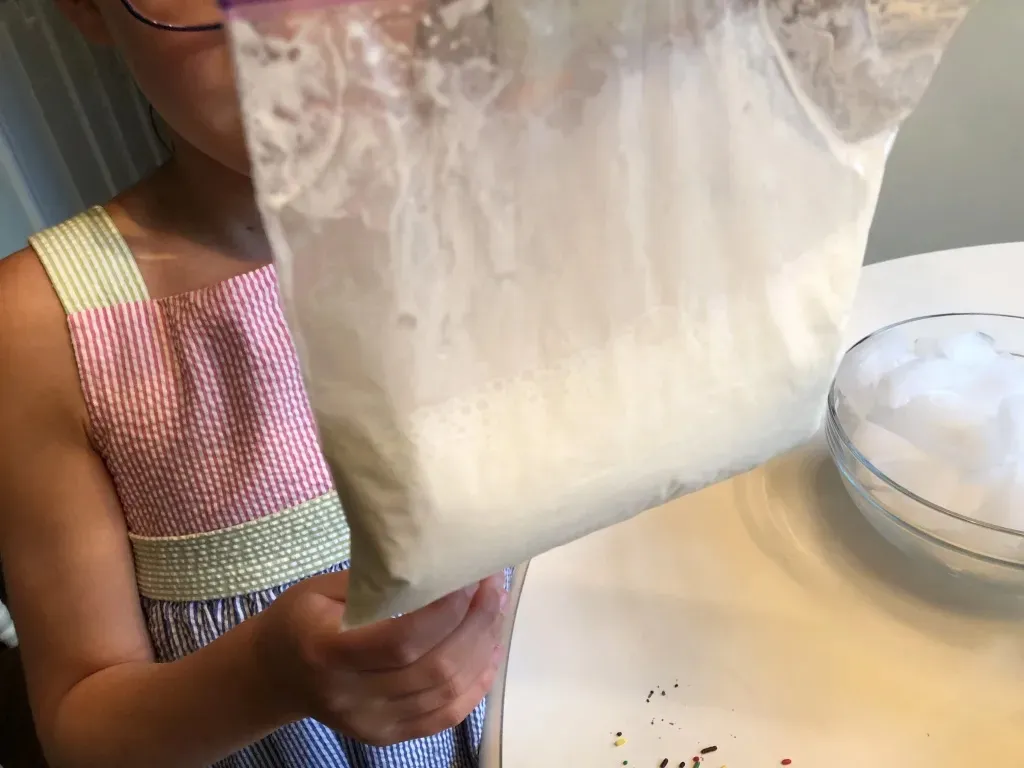
Beat the heat literally with this edible science experiment. Mix milk, sugar, and vanilla in a small zip-lock bag. Place it in a larger bag filled with ice and salt, then shake, shake, shake!

In 5–10 minutes, you’ll have delicious, creamy ice cream. Top with sprinkles, chocolate chips, or fruit, and you’ve got yourself the coolest treat around.

5. DIY Shadow Art Where: A sunny room or one with a good lamp

From Treasure Hunts to DIY Crafts: 6 Indoor Activities to Beat the Summer Heat With Your Kids

Turn art class into a science lesson with shadow tracing. Set up a light source and place toys or objects to cast shadows on a piece of paper. Have your kids trace the outlines and then get creative, turning those silhouettes into wild animals, superheroes, or family portraits.

It’s a great way to explore how light works while sharpening those artistic skills.

6. Create a Summer Scrapbook Where: Craft table or cozy corner

Capture the magic of summer by building a scrapbook full of photos, postcards, doodles, and souvenirs. Whether your adventures are in the backyard or the living room, your kids can glue, sticker, and decorate their way through a creative memory-making session.

Bonus: It’s a calming activity that helps reflect on joyful moments and builds anticipation for the next big fun day.


With these six indoor adventures, summer fun is just a room away. So grab your glue, gather your gear, and turn your home into a hub of imagination and joy. Because the best memories often start right at home.

Last rites for Delhi’s forgotten: the woman who cremates strangers

0

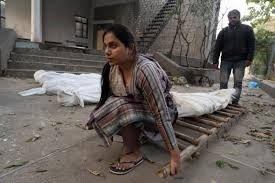
In the bustling heart of Delhi, among honking traffic and the ever-churning rhythm of urban life, a quiet act of defiance and compassion unfolds each day. Pooja Sharma, a 26-year-old woman, walks into mortuaries not to mourn her loved ones, but to claim those who have been forgotten. The bodies she lifts onto bamboo stretchers are unknown to her—men and women who have died alone, unclaimed, and unseen.

Yet, through her hands, they are given one final gesture of dignity.

Pooja Sharma has cremated nearly 4,000 unclaimed bodies since she began her extraordinary journey two years ago. Often handling two to ten corpses a day, she has dedicated herself to ensuring that even the most invisible among us are not discarded like refuse. For her, the final rites are not just religious obligations but affirmations of human worth.

Her journey began with personal tragedy. In 2019, Sharma was preparing for a conventional life of marriage and family when her mother suddenly passed away due to a brain haemorrhage. The grief was soon compounded by her brother’s brutal murder in 2022. With her father paralyzed by sorrow and tradition barring women from performing funeral rites, Sharma stepped into the role herself.

“The day I cremated my brother, I was overwhelmed. I smeared his ashes on my face and in my hair,” she recalls. That intimate moment changed her life forever.

She left her job as an HIV counselor and embraced a new vocation: to offer a final farewell to those who would otherwise vanish into anonymity. Despite the mental and financial toll, Sharma presses on. Her family—her father, a metro driver, and her grandmother, a soldier’s widow—pitch in to cover the 120,000 rupees she needs each month for ambulance rentals and funeral expenses.

But her commitment comes at a steep personal cost. When her engagement was broken off, the groom’s family cited her work as too morbid. “We don’t want a daughter-in-law who roams around cremation grounds with dead bodies,” they told her.

Sharma sold the jewellery her late mother had bought for her wedding to continue financing the funerals. Friends and relatives now shun her, branding her the “companion of ghosts.”

“No one comes to our house anymore,” she says, a wistful look crossing her young face. But her voice is steady: “This work gives me sukoon—tranquility.”

The unclaimed bodies are often those of migrant workers, far from their homes, their identities lost in the shuffle of urban hardship. Delhi police data from 2018 to 2022 records over 11,000 unidentified bodies, with less than 1,500 ever named.

When police protocols allow, Sharma is called to collect the dead. She personally shrouds them, carries them into the crematorium, and recites prayers. No task is too menial; she insists on carrying one end of the stretcher, as if to shoulder some of their untold stories.

She has since founded the Bright the Soul Foundation, a nonprofit aimed at expanding her mission. The foundation helps low-income families afford transport to take their dead home or pay for their cremation.

Still, the resources are scarce. On a recent call, she told a donor that an ambulance was her most pressing need—a vehicle to reduce her dependency on costly rentals.

After the flames consume the bodies, her service continues. Each month, Sharma collects the ashes from crematoriums across the city and undertakes a 120-mile journey to Haridwar, one of Hinduism’s holiest cities. There, she performs the final immersion in the Ganges River—the sacred conclusion to the journey of the soul.

“When they were born, there must have been such joy,” she reflects during these solemn pilgrimages. “Now their lives end alone, zipped in a bag, with no one even knowing they are gone. Just me, and the river.”

In a world often indifferent to the poor and the dead, Pooja Sharma is a reminder of what humanity can look like when it is quiet, unflinching, and resolute. Her story is not just about death, but about the dignity of life—even in its final moments.

Kachchatheevu: A Pilgrimage Beyond Borders

0

Part Sacred Sanctuary, Part Diplomatic Flashpoint

Welcome to Kachchatheevu—a modest coral island nestled in the Palk Strait between India and Sri Lanka. Though small in size, its historical, cultural, and geopolitical weight is immense. This guide will walk you through the logistical journey to the island and delve into the layers of its significance to both India and Sri Lanka.


Kachchatheevu Travel Guide: Plan, Pack, and Pilgrimage

How to Reach Kachchatheevu

Access to Kachchatheevu is limited to a specific annual event—the St. Anthony’s Festival, held typically in February or March.

Step-by-Step Itinerary:

  1. Travel to Rameswaram, Tamil Nadu:
    • Nearest Airport: Madurai (170 km away)
    • Train: Direct connections from Chennai, Madurai, and other major cities
    • Road: Accessible by car or bus, including the scenic Pamban Bridge
  2. Journey to Kachchatheevu:
    • During the festival, ferries operated by the Indian Navy and Coast Guard transport pilgrims from Rameswaram or Dhanushkodi
    • Indian citizens do not need a visa or passport, but prior registration is mandatory

Note: Outside the festival period, civilian access to the island is restricted


What Should You Carry? (Packing Checklist)

Kachchatheevu is uninhabited, with no infrastructure or services. Visitors should be prepared for a bare-essentials pilgrimage.

Essentials include:

  • Valid ID (Aadhaar, PAN, or Passport)
  • Registration confirmation for the pilgrimage
  • Reusable water bottles
  • Power bank
  • Sunscreen, cap, and sunglasses
  • Medications and a basic first aid kit
  • Modest, breathable clothing
  • Torch or headlamp
  • Sleeping mat or light blanket
  • Dry snacks or energy bars

Note: The island observes religious customs during the event—only vegetarian food is served, and alcohol is strictly prohibited.


2 Nights/3 Days Sample Itinerary

Day 1: Arrival in Rameswaram

  • Check into a hotel
  • Visit Ramanathaswamy Temple
  • Complete or confirm pilgrimage registration
  • Rest early in preparation for the sea journey

Day 2: Journey to Kachchatheevu

  • Depart early for Dhanushkodi port
  • Ferry ride to Kachchatheevu (approximately 2–3 hours)
  • Participate in religious services and community interactions
  • Enjoy communal meals and overnight stay on the beach

Day 3: Return to Rameswaram

  • Optional morning mass
  • Ferry back to the mainland
  • Continue onward travel or explore coastal Tamil Nadu

Gastronomy: Meals on the Island

During the festival, simple vegetarian meals are served by community volunteers and religious organizers.

Typical offerings include:

  • Pongal (rice and lentil porridge)
  • Tamarind rice and lemon rice
  • Upma or khichdi
  • Coconut chutney
  • Bananas and dry snacks

Visitors with special dietary needs are encouraged to carry their own provisions, as there are no commercial food outlets.


Accommodation Options

On the Island:

No formal accommodation is available. Pilgrims must bring their own mats or blankets and be prepared to sleep outdoors.

In Rameswaram:

  • Budget: Hotel Harish, Hotel Aryaas
  • Mid-range: Jiwan Residency, Hotel Pearl Residency
  • Premium: Daiwik Hotels, Hyatt Place Rameswaram

Advance booking is strongly recommended during the festival period.


Practical Travel Tips

  • No passport is required for Indian citizens
  • Mobile network coverage on the island is limited or non-existent
  • Pilgrims are expected to carry back all waste to preserve the environment
  • Photography is permitted but should be done respectfully during religious ceremonies
  • Tamil is the predominant language, though English and Malayalam may also be spoken

Kachchatheevu’s Strategic and Cultural Importance

Impact on Tamil Fishermen

For centuries, fishermen from Tamil Nadu have relied on Kachchatheevu as a rest point during long fishing expeditions. After the island was ceded to Sri Lanka, these communities began facing:

  • Arrests for alleged illegal fishing
  • Confiscation of boats
  • Diminished access to traditional fishing zones

Religious and Cultural Bonds

The St. Anthony’s Shrine is a unique spiritual symbol shared by Indian and Sri Lankan Tamil Catholics. The annual pilgrimage fosters cross-border religious unity and cultural continuity despite political boundaries.

Maritime Relevance

Kachchatheevu is strategically located in the Palk Strait, a vital maritime zone. Critics argue that India’s control over the region diminished following the island’s transfer to Sri Lanka.


Historical Overview: The Cession Controversy

Pre-1947: Colonial Usage

Under British colonial rule, both Indian and Sri Lankan fishermen accessed Kachchatheevu without restriction. The island’s ownership remained undefined.

Post-Independence Dispute

After gaining independence, both countries staked claim to the island due to its geographic proximity and economic value.

1974: The Formal Transfer

In 1974, the Indian government, under Prime Minister Indira Gandhi, signed the Indo-Sri Lankan Maritime Boundary Agreement, recognizing Kachchatheevu as Sri Lankan territory. This was done without parliamentary approval, leading to political backlash in Tamil Nadu.

1976: Restrictions on Fishing

A subsequent agreement barred Indian fishermen from entering Sri Lankan territorial waters, effectively removing their access to the region around Kachchatheevu.

Ongoing Legal Challenges

The legitimacy of the 1974 agreement has been challenged in the Indian Supreme Court. Petitions argue that the transfer was unconstitutional and detrimental to the rights of Indian citizens, especially fishermen.


Conclusion: A Complex Legacy

Kachchatheevu is more than a remote island. It is a place where faith, tradition, and diplomacy intersect. Its unassuming shores have become the site of annual reconciliation, religious unity, and ongoing political discourse.

Whether you are visiting for spiritual fulfillment, cultural interest, or historical inquiry, Kachchatheevu offers a rare glimpse into the region’s intricate relationship with land, sea, and sovereignty.

For further exploration, assistance with travel planning, or content creation such as a travelogue or photo essay, feel free to reach out.

The Story Behind Cricketer Washington Sundar’s Unique Name

0

Indian cricketer Washington Sundar carries a name with a heartfelt story rooted in gratitude and legacy. He was named after his father’s mentor and godfather, P.D. Washington, an ex-army man and ardent cricket lover who played a crucial role in shaping the elder Sundar’s life.

P.D. Washington recognized M. Sundar’s cricketing talent early on and stepped in to support him when opportunities were scarce. He helped him financially—paying for his education, buying him books, and even accompanying him to the cricket ground. His guidance and generosity left a lasting impact.

In a tribute to this unwavering support, M. Sundar named his firstborn “Washington” after his late mentor. A cricketer himself, M. Sundar had once made it to the Ranji probables for Tamil Nadu, and his passion for the game clearly influenced his son.

Today, Washington Sundar is a professional cricketer who has represented India across formats and built a solid presence in the Indian Premier League (IPL). In the 2025 IPL auction, he was picked up by the Gujarat Titans, continuing the legacy of cricket that started with a bond of mentorship and deep respect.

World Health Day: Tahira Kashyap Writes An Emotional Note on Instagram. Know Why?

0

Tahira Kashyap, wife of Ayushmann Khurrana, shared an emotional post on Instagram which read, “Seven year itch or the power of regular screening- it’s a perspective, I had like to go with the latter and suggest the same for everyone who needs to get regular mammograms. Round 2 for me…I still got this.”

The reason is her cancer relapsed after seven years. She was diagnosed with breast cancer in 2018 and Khurrana termed her as His Hero.

Tahira captioned the post, “When life gives you lemons, make lemonade. When life becomes too generous and throws them again at you, you squeeze them calmly into your favourite kala khatta drink and sip it with all the good intentions. Because for one it’s a better drink and two you know you will give it your best once again (red heart emoji).”

“#regularscreening #mammogram not shying away from saying it #breastcancer #onemoretime #letsgo. Ironically or not, today is #WorldHealthDay. Let’s do whatever we can in our capacity to take care of ourselves. #gratitude through and through (folded hands emoji),” concluded her note.

https://www.instagram.com/p/DIImSZjzk3P/?utm_source=ig_web_copy_link