Home Blog Page 322

This Sustainable Panchgani Homestay by a Mother-Daughter Duo Is Just 5 Hours From Mumbai

0

Avabodha: Where Silence Speaks and Nature Awakens

Tucked into the mist-laced hills of Panchgani, with the Krishna river quietly snaking through the landscape below, sits a home that feels less like a getaway and more like a gentle reminder of everything we’ve forgotten — stillness, slowness, and the sublime joy of doing absolutely nothing.

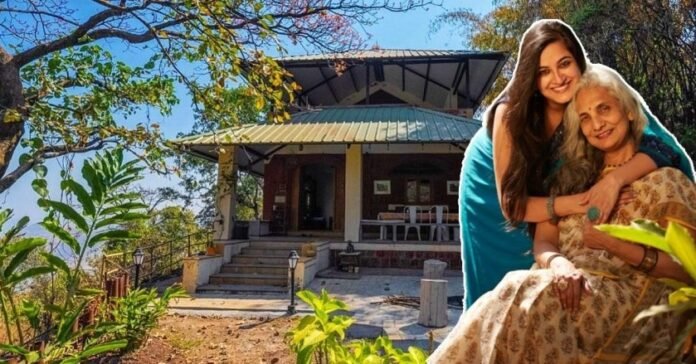
This is Avabodha Homestay — not just a place to stay, but a feeling, an awakening. Its name, rooted in Sanskrit, translates to “awareness” or “realisation.” And for many who step onto its earth-toned stones and breathe in its unfiltered air, that’s precisely what it delivers.

But behind this sanctuary is a story — of dreams, defiance, and devotion — carefully built by a mother-daughter duo who turned a shared passion into a living, breathing space that echoes their values and spirit.


A Dream Rooted in Soil and Soul
This Sustainable Panchgani Homestay by a Mother-Daughter Duo Is Just 5 Hours From Mumbai

Before Avabodha existed, Alka Shesha spent decades in the social sector — planting seeds of change in the lives of others. Quietly, she was also nurturing a deeply personal dream: to build a space where people could truly unwind, reconnect, and rediscover themselves in nature’s lap.

Unlike most plans that remain scribbled in old diaries or hidden behind practicality, hers was determined. She saved every bit she could, holding tight to the vision of a home that didn’t just offer comfort, but a sense of coming home — to oneself.

Alongside her was her daughter, Prachi Chaphekar — an explorer at heart and creative by instinct. The two had travelled far and wide, always choosing to stay in homestays over hotels, favouring immersion over indulgence. Their travels had been a living classroom, and over time, the idea of building their own homestay began to take shape.

They searched high and low, from Uttarakhand to Himachal, but the perfect land was, quite poetically, right where their hearts already were — Panchgani, the hill town where Prachi had studied and fallen in love with the misty landscapes and forested charm.

When Alka first saw the plot that would one day become Avabodha, it wasn’t just a piece of land — it was a calling. The view, the solitude, the sheer energy of the place felt almost sacred. It was, as she felt, as if the land had chosen her.


Building More Than Just a House

This Sustainable Panchgani Homestay by a Mother-Daughter Duo Is Just 5 Hours From Mumbai

Alka didn’t want to build just any home — she wanted one that honoured the land it stood on. When tradition called for a construction puja, she chose instead to bow to nature itself, pledging to protect and preserve its raw beauty.

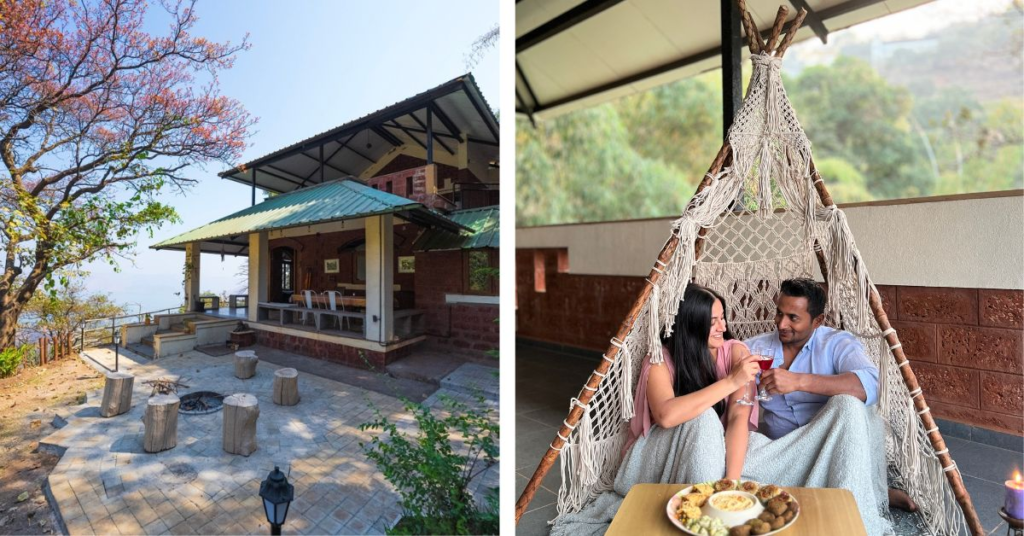
With a fierce commitment to sustainability, she sought eco-friendly architecture. After a long search, she found a like-minded architect in nearby Satara. Though her original dream of building with mud had to be rethought due to local soil limitations, they pivoted to laterite stone — a natural, breathable material. The structure was designed with minimal steel and no columns, in total alignment with the rhythm of the hills.

Inside and out, the house was shaped to be part of the ecosystem — not apart from it. Rainwater harvesting is in the works, solar heaters warm the water, and wet waste is composted into manure for their flourishing organic garden.


Finding Belonging in the Unknown

But dreams, especially bold ones, rarely come easy.

This Sustainable Panchgani Homestay by a Mother-Daughter Duo Is Just 5 Hours From Mumbai

As a single woman investing her life savings into an isolated piece of land, Alka faced more than logistical hurdles. She encountered resistance — skepticism from family, raised eyebrows from villagers, and moments of genuine fear while working on-site, often surrounded only by male labourers and silence.

Yet, she stayed the course. Her quiet courage carved space in the community. And one day, help arrived in the form of Kalpana, who would become the homestay’s caretaker and Alka’s anchor within the local network.

Over time, the once-suspicious community warmed up to Alka’s vision. Today, they not only support her but go out of their way to keep Avabodha thriving.


A Place to Experience Nothing

In a world obsessed with “what’s next,” Avabodha gently offers a more radical invitation: what if you just sat still?

Guests often ask what activities they can do around the villa. Alka smiles and tells them there are none — at least none you can find on TripAdvisor. And that’s by design.

Yes, the homestay offers pottery, stargazing, gardening, bonfires, and even yoga retreats. But above all, it encourages the art of stillness. Sit on the balcony. Sip wine. Watch the sun slip behind the hills. Listen — to birdsong, rustling leaves, your own breath.

Even the architecture supports this quietude. There’s no Wi-Fi in the rooms (by choice), no television to drown out the forest sounds. It’s an intentional space to disconnect from the noise and reconnect with the self.


A Canvas for Creativity and Community

Artists, too, have found sanctuary here. Avabodha regularly hosts retreats where painters, writers, and creators find both inspiration and silence. The walls of the villa now wear their works with pride — canvases gifted by guests who left with lighter hearts and fuller journals.

Prachi, a creative soul herself, curates the branding and aesthetic of the property, balancing her mother’s grounded vision with modern sensibilities. Despite the generational gap, the two complement each other — learning, laughing, and sometimes disagreeing, but always moving forward together.


A Vegetarian Table, A Soulful Meal

Every meal at Avabodha is vegetarian — a conscious choice in harmony with the surroundings. The food, prepared by Kalpana, receives near-universal praise. Even die-hard non-vegetarians have left surprised at how flavourful and fulfilling a vegetarian spread can be.

The ingredients are often locally grown, and the meals are served with care and warmth — much like everything else at the homestay.


Three Rooms. Infinite Peace.

Avabodha isn’t sprawling — it doesn’t need to be. With just three bedrooms, a hall, a kitchen, a bonfire pit, hammock corner, and a lush garden, it offers intimacy and spaciousness in equal measure.

What you wake up to here isn’t a phone buzzing — it’s the call of a peacock, the hum of the forest, and light filtering through dewdrop-covered leaves. The view? The majestic River Krishna, sprawling out like a painted memory.


For the Women Who Dream

Looking back, Alka’s journey wasn’t paved for her — she carved it out herself. Despite doubts and dangers, she stood her ground. And today, her story stands as a quiet revolution.

Her message to women is simple, powerful, and lived: “Go for it. No one can stop you if your will is strong enough.”


Whether you’re looking to retreat, to write, to heal, or simply to be, Avabodha offers something rare — space. Not just physical space, but emotional, mental, and spiritual. The kind that lets you hear your thoughts clearly, maybe for the first time in a while.

So if the chaos of the world feels a little too loud, if your soul is craving silence, and if your heart is yearning for a view that makes it ache a little — you’ll find your place at Avabodha.

Because sometimes, doing nothing is the most powerful thing you can do.


Ready to experience the sweetness of stillness? Avabodha Homestay awaits. Just bring yourself — exactly as you are.

We Asked Parents: “What’s One 90s Summer Memory You’re Recreating With Your Kids Today?”

0

If you grew up in India in the ’90s, summer didn’t start with a date on the calendar — it began the moment school shut for the year. There were no alarms, no scheduled wake-ups, no digital planners. Just slow sun-drenched mornings, the hypnotic whirl of ceiling fans, and cousins arriving like an unexpected festival of fun.

Days were ruled not by clocks but by light. Fingers turned purple from peeling jamuns. Driveways turned into hopscotch boards. Laughter echoed over games of marbles and cricket. Even boredom felt like a blank page — wide open for imagination.

Today, as parents, we can’t help but wonder: can our kids ever know summer like that? With screens blinking from every corner and every free moment logged into structured activity, the carefree magic feels harder to hold onto.

We Asked Parents: “What’s One 90s Summer Memory You’re Recreating With Your Kids Today?”

But this summer, something beautiful happened.

From Science Centres to Superheroes — A Portal to the Past

It all began with a visit to the Goa Science Centre in Miramar — a gentle, breezy place filled with hands-on exhibits, a cozy mini planetarium, and an open-air science park. Among the curiosity and quiet learning, a Shaktimaan installation popped into view — the very same superhero who had once ruled Sunday mornings and school corridor debates.

Just one look, and the years dissolved. But more than nostalgia, there was joy in seeing the same wide-eyed excitement mirrored in a five-year-old’s face. A shared spark. Proof that some magic doesn’t age — it just waits to be rediscovered.

And that moment opened a door. What if we could bring back more? What if today’s kids could taste a summer slower, simpler, and just as sun-soaked?


Jungle Trails and Mango Hunts: The Goa Adventure

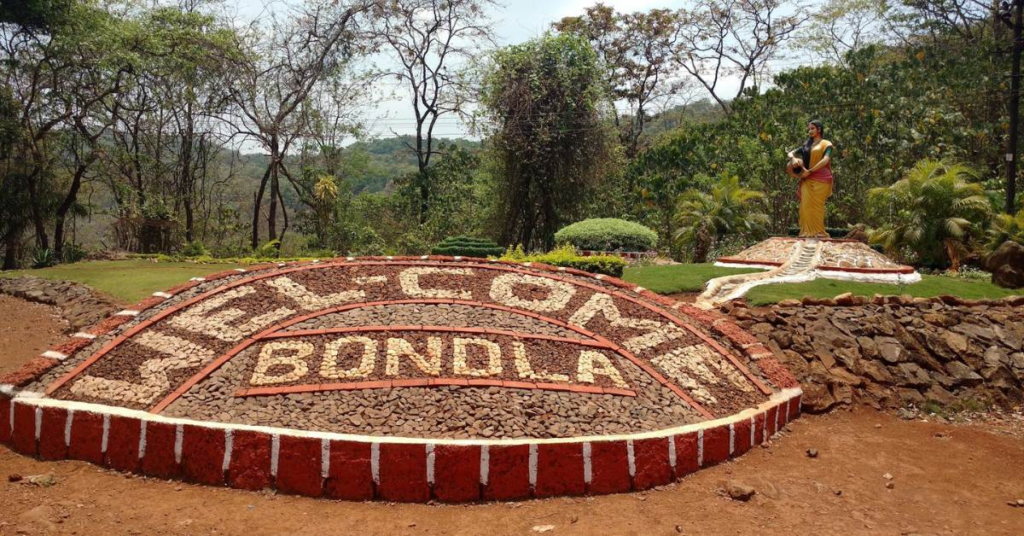
In Goa, one mother found her summer revival by stepping back into the jungles of her childhood. Wild berry foraging, mango-plucking, and chikoo hunts once filled her school breaks with wonder. Now, she’s passing on that same thrill by leading her children through the lush biodiversity of Bondla Wildlife Sanctuary and along the Mhadei River.

We Asked Parents: “What’s One 90s Summer Memory You’re Recreating With Your Kids Today?”

For city days, the Bhagwan Mahavir Bal Vihar Park in Panaji becomes their oasis — a small forest tucked inside the city, rich with native plants, birdsong, and winding green paths that spark curiosity.

We Asked Parents: “What’s One 90s Summer Memory You’re Recreating With Your Kids Today?”

Eco-tourism groups like Nature’s Nest Goa make it even more immersive with forest trails that feel like moving storybooks, complete with plant wisdom and real-time wildlife encounters.


Mumbai’s Recipe for Memory: Paint, Pedals, and Kulfi

In Mumbai, one family has turned summer into a series of tactile rituals — making kulfi from scratch, doing yoga on the lawn, painting stones picked up from walks, and riding cycles before the sun hits high noon.

Their version of summer flows through familiar places: the breeze along Marine Drive, the calm of Shivaji Park’s early morning yoga gatherings, and afternoons in parks like Priyadarshini or the Hanging Gardens, where sketchbooks and snacks form the perfect picnic combo.

In the city’s greener corners, places like Aarey Colony provide space to breathe. Families sketch butterflies, watch egrets glide over ponds, or just lie under a flaming gulmohar, tracing shapes in the clouds.

We Asked Parents: “What’s One 90s Summer Memory You’re Recreating With Your Kids Today?”

From Borivali’s Sanjay Gandhi National Park — with its canopy trails and toy trains — to the serene mornings at Powai Lake Promenade or the tucked-away beauty of Bhandup Pumping Station, Mumbai offers countless spots where kids can grow memories far from screens.

We Asked Parents: “What’s One 90s Summer Memory You’re Recreating With Your Kids Today?”

And for that sweet, nostalgic reward? There’s always malai kulfi from Parsi Dairy Farm. Or better yet, make your own and follow it up with a creative afternoon at Bhau Daji Lad Museum’s family craft workshops.


Gola Trails and Memory Lanes in Delhi

In New Delhi, a mother recently introduced her daughter to barf ka gola — a colourful, syrupy blast from her own childhood. That icy treat was once the unofficial mascot of Indian summer, and its magic clearly lives on.

We Asked Parents: “What’s One 90s Summer Memory You’re Recreating With Your Kids Today?”

Across the city, it’s easy to find echoes of that era. Gola vendors still park their carts near India Gate, Dilli Haat, and Old Delhi. The hum of water coolers, the calls of koels, the rustle of comics under ceiling fans — all remain, if you know where to look.

In Gurgaon’s Aravalli Biodiversity Park, families explore the rugged trails with sketchbooks in hand, noting the trees, the birds, and the memory of a wilder Delhi. And in East Delhi, the Yamuna Biodiversity Park becomes the perfect ending to a hot day — lemonade in hand, feet in the grass, and time spent watching the wild grasses sway.

Evenings spent chasing golas, swapping stories, and lying on mats under open skies still have the power to make summer stretch.


Dehradun Diaries: Music, Pen Fights, and Forest Frolics

In Dehradun, summer has become a mixtape of retro melodies and childhood games. A mother and her two kids have revived classics like pen fights and Name, Place, Animal, Thing, setting them against a soundtrack of Lucky Ali, Euphoria, and the Backstreet Boys.

We Asked Parents: “What’s One 90s Summer Memory You’re Recreating With Your Kids Today?”

Their playground? The majestic Forest Research Institute — with its endless lawns and grand halls, it transforms learning into an adventure. Whether it’s frisbee under tall trees, hopscotch drawn on old pathways, or simply singing in the shade, the campus brings childhood back to life.

And when the family heads further out to Sahastradhara’s cool springs or enjoys a retro playlist picnic in MDDA Park, every note and every splash becomes a new-old memory.

Cafés like Orchard Café on Rajpur Road provide the perfect throwback setting — soft lighting, old-school hits, and the kind of relaxed vibe where families can sing out loud without shame. For an added touch of vintage, The Vintage Record Store sells classic CDs and vinyls — the same tunes that once blasted from Walkmans and tape decks across the country.


Back to the 90s, One Rasna Sip at a Time

Whether it’s climbing trees in Goa, biking through Mumbai dawns, licking gola syrup off your fingers in Delhi, or belting out Boyzone in Dehradun — families across India are proving that the slow, soulful joy of 90s summers isn’t lost.

In fact, it’s right where we left it — in long games of Ludo, in gulps of Rasna, in paper boats floating through monsoon puddles. It just takes a little effort, and a lot of heart, to bring it back.

So this summer, trade screens for sunlight. Swap schedules for spontaneity. Pull out the comic books, chalk up the sidewalks, and gather the kids around for a game that ends in laughter, not a leaderboard.

Because childhood doesn’t need to be rebooted. It just needs to be remembered.

Married in Class 7, Widowed at 26 — Alone with 2 Kids, She Worked Tirelessly to Help Women Like Her

0

From Silence to Strength: How Women Like Anita Kamble Are Rewriting the Rules in Rural India

Married in Class 7, Widowed at 26 — Alone with 2 Kids, She Worked Tirelessly to Help Women Like Her

In the arid heart of Maharashtra’s Beed district, where the landscape is harsh and traditions even harsher, a quiet revolution is unfolding — led by a woman who once believed she had no voice.

Here, behind dusty roads and veiled silences, where girls are married off young and widows are expected to disappear into the shadows, Anita Kamble chose to rise — not just for herself, but for hundreds of women whose stories rarely make the news.

Her journey starts at 13 — a child bride, still in Class 7, thrust into adulthood long before she understood what it meant. Tragedy followed swiftly. By 26, she was a widow with two young children, suddenly responsible for navigating a world that had offered her little safety and even less support.

But Anita didn’t break. She built.


“I Did Not Discontinue My Education.”

These six words hold the weight of a thousand silent battles. With grit stitched into every step, Anita worked as a tutor, a daily wage laborer, and even sold clothes door-to-door — every rupee earned a lifeline for her family. But even while carrying the burden of survival, she held fast to a vision that many around her had long abandoned: education.

She earned her master’s in social work. Not for a job. For a purpose.

It was at Yuvagram, a local education center, that Anita discovered something deeper than her own strength — a sense of shared pain and power. Among women like herself — widowed, silenced, yet unyielding — she realized she was never truly alone.

In 2015, that realisation bloomed into Ankur, a grassroots organisation dedicated to supporting widowed and single women — not as victims, but as catalysts for change.


Making a Movement Out of Fistfuls

With no funding and no formal resources, Anita’s work began with the simplest form of donation: a fistful of grains, a single rupee, a neighbour’s kindness. That was her currency of change.

“We didn’t even have enough for a banner,” she recalls. “But I knew expansion was crucial.”

And just when it seemed the weight of the work might outweigh the will, something extraordinary happened.


A New Chapter with Parity Lab

In 2021, Anita joined Parity Lab — a Hyderabad-based non-profit founded by Mathangi Swaminathan, a woman whose own story of trauma, resilience, and global impact would soon intertwine with Anita’s.

Married in Class 7, Widowed at 26 — Alone with 2 Kids, She Worked Tirelessly to Help Women Like Her

Through a year-long, deeply immersive fellowship, Anita gained more than leadership skills. She learned the language of healing, the tools of advocacy, and — for the first time — how to turn her pain into power without being consumed by it.

“They taught me emotional regulation, trauma literacy, and how to hold space for others while protecting my own peace,” Anita shares.

From learning video production to mastering LinkedIn, Parity Lab didn’t just train her — they amplified her.

Today, Anita empowers 300 women across 15 villages in Beed, all while running a digitally active NGO with confidence, creativity, and compassion.


The Story Behind the Story: Mathangi Swaminathan

The roots of Parity Lab trace back to 2017, when Mathangi — then already armed with degrees from ISB and Harvard, and years of global experience — stood in a room of women and shared her own experience of gendered trauma.

Married in Class 7, Widowed at 26 — Alone with 2 Kids, She Worked Tirelessly to Help Women Like Her

To her surprise, one hand after another rose.

“Me too,” they said. Not as a slogan. But as a whisper that turned into a roar — a collective exhale in a world that had taught them to hold their breath.

In the wreckage of the pandemic, as domestic violence rose sharply behind closed doors, Mathangi founded Parity Lab with a radical mission: to heal, to empower, and to help survivors become leaders.

Married in Class 7, Widowed at 26 — Alone with 2 Kids, She Worked Tirelessly to Help Women Like Her

Today, Parity Lab runs multiple fellowships, including the Grameen Jyothi Fellowship for rural women, a Global Fellowship for professionals across sectors, and a soon-to-launch men’s fellowship aimed at nurturing male allies.


From Survival to Leadership

At Parity Lab, women don’t just survive — they transform. In group sessions filled with music, laughter, storytelling, and tears, they unpack years of suppression, build emotional resilience, and slowly reclaim the spaces they were once shut out of.

From boundary-setting workshops to somatic wellness practices, they are learning to stand tall — and then lift others.

Married in Class 7, Widowed at 26 — Alone with 2 Kids, She Worked Tirelessly to Help Women Like Her

Mathangi explains: “Healing is not linear, but it is collective. When one woman stands up, she carries many others with her.”

Stories like Ranjita Pawar, who rose from a nomadic tribe to become a national voice against child marriage, and Pushpa, who now leads a growing team of rural changemakers in Uttar Pradesh, are just two examples of how trauma can be the soil where leadership takes root.

Since its founding, Parity Lab has trained over 100 grassroots leaders and impacted more than 70,000 individuals across India and beyond.


A New Kind of Legacy

What Anita Kamble began in the quiet corners of Beed is no longer a whisper — it’s a movement. And what Mathangi Swaminathan ignited with her truth is now a beacon for survivors everywhere, proving that telling your story isn’t the end — it’s the beginning.

Together, they’re breaking generational cycles of pain and replacing them with purpose.

In their voices, in their hands, in their shared sisterhood — a new India is being built.

One story at a time.

This Summer, Build a Vertical Garden at Home Using Just Plastic Bottles — It’s Easier Than You Think

0

Let’s face it — we all want to do something meaningful with our summers. But between sweltering heat and scrolling endlessly through reels, it’s easy to lose track of time. So, what if this year, you could beat the heat and make a difference — one bottle at a time?

Enter: the vertical garden. It’s cool (literally and aesthetically), it’s green, and it’s made of plastic. Not the kind that clogs our oceans — but the kind you rescue from the recycling bin and turn into your very own lush little Eden.

Sounds a little quirky? Maybe. Genius? Absolutely.


Why Vertical Gardens Are the New Green Revolution

Urban living often means sacrificing greenery for square footage. But who said you need a backyard to grow your own patch of paradise? Vertical gardens are the ultimate space-saving, planet-loving solution. Think of them as botanical skyscrapers — neat rows of plants growing upwards, not outwards, turning any blank wall or balcony into a vibrant splash of life.

Plus, instead of tossing those plastic bottles in the trash, you’re giving them a second life as eco-friendly planters. It’s sustainability with a side of style.


A Real-Life Green Makeover

In 2024, students from the Delhi School of Social Work took this idea and ran with it — quite literally. They transformed their campus using upcycled plastic bottles, turning once-ignored walls into vertical jungles. It didn’t just reduce waste; it added colour, cooled down hot surfaces, and sparked conversations across campus.

Now imagine that magic, but on your balcony.


What You’ll Need

  • Empty plastic bottles (1L or 2L work best)
  • Scissors or a cutter
  • A nail and a candle (or a drill) for making holes
  • Twine, rope, or sturdy wire
  • A wall, railing, or frame to hang the bottles
  • Potting soil
  • Seeds or seedlings — think herbs, leafy greens, or succulents

DIY Guide: Garden in a Bottle

1. Prep the Bottles
Remove the labels, rinse them out, and let them dry. Clean bottles mean happy plants.

2. Cut Out a ‘Window’
Lay the bottle horizontally and cut out a rectangle on one side. This is your plant’s new home.

3. Make Drainage Holes
Use a heated nail or drill to poke small holes at the bottom. Nobody likes soggy roots.

4. String Them Up
Poke two holes near the top of each bottle (on opposite sides) and thread twine or wire through them. If stacking bottles vertically, align extra holes at the bottom to thread a rope all the way through.

5. Add Soil and Plants
Fill the bottle about one-third with potting mix. Plant your seeds or saplings, and give them a gentle splash of water.

6. Hang It Up
Use nails, hooks, or a strong frame to hang your garden along a sunlit wall or balcony. Instant green decor.


Pro Tips to Keep Your Plants Thriving

  • Choose shallow-root plants like basil, mint, spinach, lettuce, coriander, or succulents.
  • Ensure 4–6 hours of sunlight daily.
  • Water regularly but moderately — plastic bottles retain moisture longer than traditional pots.
  • Want bonus points? Paint or decorate your bottles before planting. Get creative.

A Small Step, A Big Impact

This isn’t just a DIY project — it’s a statement. By turning waste into beauty, you’re helping reduce the 25,000 tonnes of plastic India generates every single day. You’re also creating a soothing space, improving air quality, and maybe even harvesting your own herbs for that pasta you love.

And next time someone asks what you did this summer, you can casually say,
“Oh, I turned trash into a vertical farm. You?”


So, roll up those sleeves, gather your bottles, and start planting. This summer, don’t just grow a garden — grow a greener, smarter, more sustainable you.

This Ex-Navy Captain’s Simple Invention Stopped 1 Lakh Tonnes of Trash From Entering the Ocean

0

After spending over two decades riding the swells of the world’s oceans, most would expect a Merchant Navy captain to settle into a quiet retirement, perhaps by a beach, sipping something tropical. But Captain DC Sekhar had other plans — ones that involved less relaxation and a lot more river sludge.

In 2016, Sekhar came home after 26 years of navigating global waters. What greeted him wasn’t the comfort of land, but a troubling sight that stirred a storm within him. India’s rivers — once lifelines of culture and commerce — were now choked with plastic, garbage, and neglect. The seas he once sailed into were now being polluted by the rivers he had returned to.

For many, it would’ve been an uncomfortable observation, a fleeting pang of guilt. But for Sekhar, it became a mission.

From Ocean Charts to River Maps

Drawing from his extensive maritime experience and a sharp eye for engineering, Sekhar began conceptualizing a solution that was as elegant as it was effective. The problem? Rivers carrying tonnes of waste into the seas every single day. The goal? Intercept that waste before it reached the ocean.

His brainchild was a floating barrier system that looked deceptively simple. Rather than fighting the river, Sekhar’s design worked with it. Installed diagonally across the current, these barriers guided floating waste — plastic, logs, debris — toward a collection system stationed conveniently at the bank. The water flowed freely; the trash didn’t.

No engines. No fuel. No noisy machinery. Just smart design powered by gravity and the natural force of flowing water.

A Disruptive Solution with a Gentle Footprint

In an era dominated by expensive, high-maintenance environmental tech, Sekhar’s system stood out for its minimalism and sustainability. It didn’t just work — it outperformed international models, at a fraction of the cost. In fact, it’s nearly 30 times cheaper than foreign alternatives, making it one of the most scalable cleanup tools for countries with limited resources and massive pollution challenges.

Municipal bodies were quick to notice. His floating barriers now operate in the Cooum and Adyar rivers in Chennai — two water bodies long dismissed as unsalvageable. Yet, thanks to the system, over 20,000 tonnes of waste have already been intercepted.

And this is just the beginning.

Goa’s Grand Cleanup & Ocean Dreams

Sekhar’s most ambitious project is now unfolding in Goa, where barriers are being deployed across all rivers flowing into the Arabian Sea. The vision? Stop the plastic parade before it hits open waters. It’s an audacious plan, but if anyone can pull it off, it’s the man who’s made a career out of reading currents and outthinking the chaos of the sea.

But he isn’t stopping at rivers.

Captain Sekhar is now turning his attention to marine pollution directly at sea, working on designs that could one day float across the ocean, capturing waste before it settles into the planet’s blue heart.

A Captain’s Legacy Beyond the Helm

In a world often overwhelmed by problems that feel too big to fix, Sekhar’s story is a refreshing reminder: sometimes the best solutions are simple, local, and born out of lived experience. He didn’t arrive with a billion-dollar startup or a global nonprofit. Just a background in seafaring, an inventive mind, and a relentless belief that change is possible — if we’re willing to work for it.

As rivers once worshipped now gasp under the weight of pollution, Captain Sekhar offers more than a cleanup system. He offers hope — that innovation doesn’t always need to come from Silicon Valley or Switzerland. Sometimes, it sails back home, drops anchor, and quietly begins to clean.

New Revolution in Media-Entertainment Sector: India Takes Center Stage in Media Entertainment Sector as New Revolution Sets In, Writes Aamir Khan

0

Bollywood actor Aamir Khan has voiced his opinion on India taking centrestage n media and entertainment sector as new revolution is setting in. He says World Audio Visual and Entertainment Summit (WAVES) to be held in India this time reflects country’ growing stature in global entertainment arena. Here is the editorial piece written by veteran actor as shared on www.jagran.com. The PIB officials shared it on media group and hence it comes here…

By Aamir Khan

India is emerging as a pivotal force in the global media and entertainment industry. The sector is undergoing rapid growth, propelled by evolving technologies, the proliferation of regional language content, and a tech-savvy audience hungry for fresh, diverse, and inclusive narratives.

From streaming services to digital storytelling, the content boom across platforms underscores India’s vast potential—not just as a source of entertainment, but also as a catalyst for cultural expression, economic growth, and global influence.

A significant step in this direction is the upcoming World Audio Visual and Entertainment Summit (WAVES), scheduled to take place from May 1 to 4 at the Jio World Convention Centre, BKC, Mumbai. Organized by the Government of India, WAVES reflects the country’s growing stature in the global entertainment arena.

Drawing from decades of industry experience, I can affirm that stories hold the power to unite, inspire, and transform. With initiatives like WAVES and Waves Bazaar, India is charting a bold course toward a more collaborative and inclusive entertainment ecosystem.

Introducing Waves Bazaar: A Game-Changer for the Industry

Waves Bazaar is a groundbreaking online B2B marketplace connecting professionals, creators, and businesses from across the global entertainment landscape. Launched by Union Minister for Information and Broadcasting, Ashwini Vaishnaw, on January 27, the platform aims to realize the Prime Minister’s vision of making the WAVES Summit a landmark event—comparable in prestige to the World Economic Forum in Davos.

Since its launch, the portal has already onboarded 5,500 buyers, over 2,000 sellers, and nearly 1,000 projects from across sectors like film, TV, gaming, music, animation, XR, advertising, and sound design.

Waves Bazaar is more than just a marketplace—it’s a comprehensive content and networking hub. Featuring AI-powered profiling and matchmaking tools, it facilitates seamless connections and high-value collaborations.

Whether you are a filmmaker seeking co-production partners, an advertiser scouting for innovative platforms, a game developer pursuing investment, or an artist looking to showcase work globally, Waves Bazaar offers a dynamic space to grow and thrive.

A Seamless Platform for Global Collaboration

Bringing together sectors such as film, television, music, gaming, XR, AR, and VR, Waves Bazaar streamlines discovery and deal-making through category-specific listings, secure viewing rooms, and curated networking features. It allows sellers—ranging from production houses to podcast creators—to present their offerings to a global pool of investors and distributors, while buyers gain access to cutting-edge, high-quality content.

In addition to virtual interactions, the WAVES Summit at BKC will provide select participants from the platform an opportunity to network in person, attend investor meetings, participate in live screenings, and close deals with industry leaders.

A Movement, Not Just a Marketplace

Waves is more than a platform—it represents a movement toward a more inclusive, cross-cultural, and technologically driven future for the global entertainment industry. It encourages creators to collaborate across languages, cultures, and formats.

As artists, we constantly seek platforms that push creative boundaries, spark collaboration, and celebrate diversity. Waves has the potential to be one such medium—akin to the revolutionary shift we witnessed with films like Lagaan. It marks a turning point for India, not only as a content powerhouse but as a visionary leader in shaping the future of media and entertainment.

Let us come together to imagine, innovate, and create a future that is truly global, inclusive, and inspiring.

Top Outdoor Floor Tiles for Your Patios, Gardens and Pathways

0

A house with a patio, pathway or garden has a beauty of its own. You can transform these outdoor spaces into a functional, durable and beautiful place with the right kind of flooring. Outdoor floor tiles for these areas offer the perfect combination of practicality and style. Outdoor tiles are available in a wide range of designs, materials and finishes. They not only appeal to the eyes but are easy to maintain and are weather-resistant. Choosing the right floor tiles for your home’s exterior can enhance your outdoor living experience to a great extent.

In this post, we will explore the importance of outdoor floor tiles and their different varieties.

Importance of Outdoor Floor Tiles for Outdoor Areas

Outdoor floor tiles for patios, gardens and pathways not only create beautiful open-air spaces but come with other benefits as well. Here are some reasons why these tiles are so important:

●      Easy to Maintain

Outdoor floor tiles require minimal upkeep and maintenance. Occasional sweeping or a quick wash with normal water keeps the tiles clean. Most importantly, these tiles are resistant to mould, mildew and algae, which are common in gardens and damp outdoor environments.

●      Slip Resistant

Outdoor floor tiles are slip-resistant. For example, Simpolo Tiles and Bathware’s Rockdeck Collection is specifically designed with slip-resistant, slightly rugged, and uneven surfaces, making them a safe choice for patios and pathways exposed to moisture, rain, and snow, among other things. These tiles are a great choice for families with children and elderly people as they minimise slip-and-fall risks.

●      Longevity and Durability

Outdoor floor tiles made from natural stone, porcelain, ceramic and similar materials can withstand the harsh forces of nature easily. These tiles are also resistant to cracking, staining and fading so that the garden, patio or the pathway looks good for long.

●      Temperature Control

Outdoor floor tiles from premium manufacturers stay cooler than other outdoor flooring options like concrete or wood. These tiles reflect sunlight and maintain a comfortable temperature so that you can enjoy a walk on the patio or pathway even on a hot day.

●      Good Looking Exteriors

Outdoor floor tiles are available in a wide variety of patterns, colours and textures, which sync well with the overall outdoor design of your house. Premium companies offer tile options which suit your tastes and complements the garden, patio or pathway. Whether you want a rustic look or a sleek, modern appearance, there are versatile designs to choose from.

Top Variety of Options for Your Outdoor Floor Tiles

Choosing the right material for outdoor floor tiles is important as it impacts the durability, maintenance and appearance of the space. Each material has its advantages and disadvantages. Choose the material which fulfills your particular outdoor needs from the different varieties available. Here are some of the most popular options for outdoor floor tiles:

●      Natural Stone-Like Tiles

There is nothing better than natural stone-like tiles when it comes to outdoor flooring. Every stone has a unique natural appearance and texture, which makes the exteriors more attractive. Great for patios, gardens and pathways, these tiles are durable and resistant to wearing and harsh weather conditions.

●      Concrete Look and Feel Tiles

Concrete tiles are an excellent option for contemporary outdoors, providing an industrial aesthetic. The tiles are robust, durable, and versatile, perfect for achieving a modern look. With minimal maintenance required and resistant to extreme temperatures and heat, they are ideal for use in pathways and patios.

●      Ceramic Tiles

Ceramic tiles are an option for outdoor floor tiles. They have a highly porous surface and less density, so they are best suited for outdoor areas with less exposure to moisture and moderate temperatures. Easy to clean and maintain, ceramic tiles are an excellent choice for covered patios.

●      Porcelain Tiles

Porcelain tiles are a popular choice for outdoor flooring due to their versatility and flexibility. Crafted from dense, non-porous clay, these tiles are durable, weather-resistant and require minimal maintenance. Available in a wide range of white tile textures, finishes, and colours, these scratch-, stain-, and slip-resistant tiles are perfect for patios, gardens, and pathways.

●      Cement Tiles

Handcrafted cement tiles often feature vibrant colours and intricate patterns, adding a unique and artistic flair to home exteriors. These customisable tiles are durable and endure harsh weather conditions with ease. They are perfect for creating decorative pathways and patios.

Conclusion

Choosing the right floor tiles for your garden, patio, or pathways improves the functionality and appearance of the outdoor space. Whether you like the modern appeal of porcelain and ceramic tiles, the elegance of natural stones or the rustic charm of clay tiles, you will find a variety that matches your taste and gels with your home exteriors.

The right selection of outdoor floor tiles from leading companies like Simpolo Tiles and Bathware can change the whole appearance of your patio, garden or pathways.

Take your outdoor living experience to a new dimension with the outdoor floor tiles!

April 16, 1853 Scripted Historic Milestone as First Passenger Train Ran Between Bori Bunder and Thane

0

Journey Through Time: The Evolution of Indian Railways

April 16, 1853 – A Historic Milestone
On April 16, 1853, India witnessed a transformative moment in transportation history as the first passenger train ran between Bori Bunder (now Chhatrapati Shivaji Maharaj Terminus, Mumbai) and Thane, covering a distance of 34 kilometers. The train, comprising 14 carriages and carrying over 400 passengers, was powered by three steam locomotives named Sahib, Sultan, and Sindh. This marked the beginning of India’s rich and expansive railway journey.

Laying the Tracks: The Beginning of Rail in India
The foundation for this historic event was laid on August 21, 1847, when James John Berkely, Chief Resident Engineer appointed by the Great Indian Peninsula Railway in collaboration with the East India Company, began work on the country’s first railway line. Though constructed earlier, the line officially opened for passenger service in 1853.

India’s First Railway Station: Bori Bunder to CSMT
The original terminus for the first train, Bori Bunder, eventually evolved into Chhatrapati Shivaji Maharaj Terminus (CSMT)—a UNESCO World Heritage Site and a symbol of India’s railway heritage. Reconstructed in 1887 and renamed Victoria Terminus, it was rechristened Chhatrapati Shivaji Terminus (CST) in 1996, and later CSMT in 2017 to honor the Maratha warrior king.

The First Locomotive Made in India
In 1895, a significant achievement in self-reliance was marked when the Ajmer workshop of the Rajputana Malwa Railway manufactured the first Indian-built steam locomotive, No. F-734.

A Simple Letter that Changed Rail Travel: Introduction of Toilets
Until the early 20th century, trains lacked basic sanitation facilities. This changed after Okhil Chandra Sen, a passenger, wrote a heartfelt letter to the Sahibganj Divisional Office in West Bengal on July 2, 1909, requesting toilets in train coaches. His plea highlighted the urgent need for amenities during long-distance travel, leading to the introduction of toilets on Indian trains later that year—over five decades after passenger services began.

Forbes Reveal Top 30 Richest People in The World

0

Top 30 Richest People in the world

In 2025, the number of billionaires worldwide surpassed 2,850 individuals, collectively representing nearly $15 trillion in wealth. The global billionaire population grew by 7% this year, continuing an upward trend. Beinsure Media has analyzed data from the Forbes Billionaires Index to present an updated ranking of the world’s wealthiest individuals as of April 2025.

These individuals belong to an elite group that wields considerable influence across the global economy, politics, and philanthropy. Many are founders of major technology companies, with substantial portions of their wealth still tied to the businesses they created.

While most people have a general sense of who these billionaires are, their true financial impact is far-reaching. Comprehensive net worth assessments and breakdowns are available on each billionaire’s profile page.

Interestingly, many billionaires utilize strategic financial tools to maintain and grow their wealth. Instead of selling shares and triggering capital gains taxes, they can borrow against their holdings—deferring or even eliminating taxes on unrealized gains. Additionally, a wide array of tax deductions and loopholes allow some ultra-wealthy individuals to report minimal—or even zero—taxable income in certain years.

🗺️

:-

🇺🇸

Elon Musk – $369.7 Billion

🇺🇸

Jeff Bezos – $202.0 B

🇺🇸

Mark Zuckerberg – $188.1 B

🇺🇸

Larry Ellison – $166.7 B

🇺🇸

Warren Buffett – $163.0 B

🇫🇷

Bernard Arnault & family – $151.6 B

🇺🇸

Larry Page – $131.5 B

🇺🇸

Sergey Brin – $126.0 B

🇺🇸

Steve Ballmer – $117.0 B 10.

🇪🇸

Amancio Ortega – $115.7 B

🇺🇸

Rob Walton & family – $111.2 B

🇺🇸

Jim Walton & family – $109.9 B

🇺🇸

Bill Gates – $107.2 B

🇺🇸

Michael Bloomberg – $104.7 B

🇺🇸

Alice Walton – $102.2 B

🇺🇸

Jensen Huang – $97.1 B

🇺🇸

Michael Dell – $92.1 B

🇮🇳

Mukesh Ambani – $91.0 B

🇲🇽

Carlos Slim Helu & family – $80.8 B 20.

🇫🇷

Francoise Bettencourt Meyers & family – $80.4 B

🇺🇸

Julia Koch & family – $74.2 B

🇺🇸

Charles Koch & family – $67.5 B

🇨🇳

Zhang Yiming – $65.5 B

🇨🇦

Changpeng Zhao – $61.6 B

🇺🇸

Jeff Yass – $59.0 B

🇮🇳

Gautam Adani – $58.7 B

🇨🇳

Zhong Shanshan – $55.0 B

🇺🇸

Thomas Peterffy – $51.6 B

🇨🇳

Ma Huateng – $47.5 B 30.

🇯🇵

Tadashi Yanai & family – $45.5 B SOURCE: Forbes (As of April 2025)

The Future of Grassroots Sports: How Young Talent is Being Developed

0

Tributes of grassroots sports provide the initial development for those who will become sports legends. All the future legendary athletes, including Messi and Serena Williams, started their first steps on local average playing fields. The original development phase is currently undergoing a quick transformation. Thanks to technology and investments alongside new-surfaced talent identification methods, the entire athletic player development system is undergoing a complete transformation that makes everything exciting.

Early Access to Professional Coaching

Young athletes are now facing the challenge of advancing their sporting commitment. Japanese and German youths receive elite coaching beginning at the age of six. The training facilities include structured drills and sincere evaluations that build up fundamental principles. The former clubs have transformed into programmatic pathways that lead to national league participation. Fans who want to trace the influence of up-and-coming athletes on global sports can consult information on these performers at an online betting site. Bettors obtain accurate performance updates and statistical data from online platforms to make wiser predictions regarding these developing athletes.

Youth academy programs now receive support from professional clubs. Ajax, Barcelona, and Brazilian clubs and organizations in Egypt now place pro-style processes within their grassroots development systems. The stated purpose remains straightforward: seizing talent before its star dies. Through direct practical training, young athletes learn discipline, leading them to competition beyond their dreams

Investment from Private and Public Sectors

Development costs a lot of money, but is no longer attributed solely to governmental involvement. Everyone’s betting on the future:

  • Nike and Adidas conduct school investments and talent selection tournaments to discover new sporting personalities and leverage this initiative as a market strategy.
  • The nations of Qatar and China invest substantial state funds in developing youth academy training programs.
  • The operation of online sportsbooks includes subtle investments within amateur league structures to develop their sports betting system and obtain gambling customers.
  • Businesses operating at the local level support under-15 teams to promote their brand awareness and show support for neighborhood pride.

Building talent roots will result in championship success, domestic recognition, and audience popularity.

The Rise of Smart Training Tools

Modern training follows technological advancements, creating quick, innovative training solutions for individual athletes. Athletes now experience abnormal speed development, which experts monitor through live tracking. The Melbet Vietnam Facebook delivers essential information about technological developments in youth athletics as they affect athlete performance. This rising popularity enables coaches and bettors to use data-dependent decision tools that now dominate training and predictive activities.

Data and Performance Tracking

No more relying on a coach’s memory. The modern sports log down every sprint, including passes and heartbeats. Football academies across Europe employ GPS vests, which monitor the combination of athletes’ distance traveled while recording their maximum speed and tracking their fitness deterioration. In Sweden, children under 12 must wear performance trackers, which offer weekly technical performance reports to coaches and parents.

Machine learning algorithms evaluate performance patterns of youth athletes by measuring their maximum achievements, declining phases, and stress responses. Temple found that Catapult, in addition to STATSports, actively serves more than 3,000 teams worldwide and displays entry into community youth sports programs. 

The Future of Grassroots Sports: How Young Talent is Being Developed

Virtual and Remote Coaching

A young athlete in rural Kenya can access Miami-based ex-NBA player training on shooting fundamentals. Through Famer and Onform, users can obtain customized video analysis, details on slow-motion analysis, and individual frame distinction features.

World-class experts provide feedback to athletic clips recorded by young athletes, who post them on the internet. Major European clubs such as Benfica and Bayern Munich use these technological tools to evaluate youngsters who train abroad. Families who do not have access to elite academies find their lifeline in digital tools, which decreases the talent gap beyond expectations.

Inclusion and Equal Opportunity Programs

Proper neighborhoods alone don’t determine a person’s talent. Progressive changes are occurring in the scouting methods that identify talented young athletes living in underprivileged areas. Modern scouting activities have actively started operating in Brazilian favelas. Professional scouts from major leagues now attend organized sporting leagues operating within European refugee camps.

Sports federations and NGOs launch programs that eliminate cost barriers for prospective candidates. Wealthy groups, transport assistance, and nutrition programs are reshaping everything silently. The UK’s “Sporting Equals” and Kenya’s “Moving the Goalposts” represent NGX’s transformative power. This occurs when organizations enter markets and become champions due to lowered entry barriers.

The Future of Grassroots Sports Development

The sports transformation at grassroots levels changes every aspect of athlete development through the combined application of technology and investments. Young athletes now gain previously impossible opportunities through access to professional coaching, innovative training equipment, and inclusive programs. The evolution of sports continues at an accelerated rate, and because of this, the following generation of global athletic stars shows excellent promise.