Home Blog Page 287

Georgia Eases Visa Rules for Indian Citizens: New Travel Opportunities in 2025

0

Indian Passport Holders Can Now Visit Georgia with Greater Ease

In a major boost for international tourism and bilateral ties, Georgia has simplified its visa policies for Indian citizens, making it easier to travel to the scenic Caucasus nation in 2025. The move is expected to enhance tourism, cultural exchange, and economic engagement between India and Georgia.

Visa-Free Entry for Indians with Valid US, UK, Schengen, or Japan Visas

According to the Times of India, Indian passport holders who possess a valid visa or residency permit from the United States, United Kingdom, any Schengen Area country, or Japan can now enter Georgia visa-free. This waiver removes the need for a separate Georgian visa, significantly reducing travel barriers for Indian globetrotters.

Simplified Visa Process for Other Indian Travellers

For Indian citizens who do not hold qualifying third-country visas, Georgia has introduced a streamlined visa application process. The updated requirements include:

  • Passport-sized photograph
  • Scanned copy of the passport’s bio page
  • Aadhaar card and Aadhaar-linked contact information
  • Financial documents:
    • Six-month bank statement
    • Three years of Income Tax Returns (ITRs)
    • PAN card
  • Proof of employment:
    • Company ID or employment letter
    • Recent salary slip

This comprehensive yet simplified process is designed to ensure genuine applications are processed efficiently.

Travel Advisory: Use Only Official Channels

Georgian authorities are urging Indian travellers to apply for visas only through official government platforms. This warning aims to protect applicants from unauthorized agents and potential online scams. Travellers are also advised to begin their visa preparations early to avoid last-minute delays.

Why Georgia Is Becoming a Hotspot for Indian Tourists

With its picturesque landscapes, vibrant culture, and now more accessible visa policies, Georgia is fast emerging as a favorite destination for Indian travelers. From the charming capital Tbilisi to the majestic Caucasus Mountains and ancient monasteries, the country offers a blend of European charm and Asian warmth.

Conclusion

Georgia’s revised visa policy marks a significant step forward in strengthening India-Georgia relations. With more Indian travelers now able to explore Georgia easily, the initiative is expected to boost tourism, create new business opportunities, and foster stronger cultural ties in 2025 and beyond.

Truecaller Ads Launches Masthead: Brings Brands to the Forefront of Mobile Attention

0

In a move set to redefine mobile advertising, Truecaller, the global communications platform, has unveiled the Truecaller Masthead, a powerful new ad format that places brands directly on one of the most viewed and trusted screens in the mobile experience: the primary caller ID screen.

This isn’t just another ad space. It’s a moment of undivided attention when over a billion times a day, users around the world glance at their phones to see who’s calling. Now, brands can be part of that moment.
With Truecaller Masthead, advertisers can claim a 100% share of voice, with zero competing content. It’s a clean, clutter-free canvas for storytelling delivered at a high-trust, high-visibility touchpoint. Whether it’s bold display, dynamic GIFs, Rich HTML, creatives, the format flexes to match a brand’s unique voice.


Backed by Truecaller’s core pillars of safety, trust, and identity, Masthead ads offer more than just impressions. They offer relevance-enhanced by advanced targeting capabilities that tap into demographics, geography, custom segments, and first-party insights to deliver precision at scale.


As consumers become harder to reach and attention becomes more fragmented, Truecaller Masthead presents marketers with a rare opportunity: a moment of true focus, already embedded in users’ daily habits, and wrapped in the credibility of a platform trusted by hundreds of millions.


For brands looking to cut through the noise and be seen where it truly matters-this is the call you’ve been waiting for.


Speaking on the launch, Hemant Arora, VP, Global Ads Business at Truecaller said, “We’ve built Truecaller to bring trust, efficiency and clarity to communication. With Truecaller Masthead, we’re extending that same philosophy to brands, giving them a high-attention space to show up clearly, meaningfully, and without the noise of competing messages. In a time when brands are constantly competing for attention, Truecaller Masthead offers a space that’s both exclusive and effective.


The solution has already been tested in its beta phase by leading brands such as Amazon Prime, Havells, and Godrej, delivering impressive viewability of 75% (with some campaigns trending as high as 90% viewability).


Saurabh Saini, Head, Digital Marketing & Communication, Havell’s India, said, “The innovative Caller ID campaign with Truecaller Ads has been a great plus for our brand visibility strategy. The ability to achieve significant reach of 11 million unique users in our target segments with such innovation has exceeded our expectations. This partnership has opened up an entirely new way of connecting with our audience in a clutter free and highly visible way.”


With declining attention on traditional ad formats and increasing ad fatigue, Truecaller Masthead provides brands a timely alternative, offering scale, exclusivity, and relevance.

Who is Tripat Girdhar Innovating from the Inside Out

0

In the world of architecture and design, few names reflect the spirit of innovation quite like Tripat Girdhar, the founder and principal architect of Arete Design Studio. With over 15 years of experience and a bold, future-forward vision, Tripat has built more than just a design firm, he’s created a movement.

Established in 2009, Arete Design Studio was born out of a simple but radical belief: architecture should inspire, not imitate. Right from the outset, Tripat sought to break away from convention, embedding purpose, sustainability, and emotional intelligence into every project. His work, which spans six Indian states and reaches into Australia and New Zealand, is a testament to that philosophy.

“Good design is more than form and function—it’s an emotion, a mindset, and a promise to build responsibly for the future,” says Tripat Girdhar, Founder at Arete Design Studio. “At Arete, we don’t just draw buildings—we shape experiences, solve problems, and imagine how people will feel, move, and live inside those spaces. Every line we sketch is a step toward smarter cities, greener communities, and more meaningful interactions between people and their environments. Design should respond to the needs of tomorrow without losing the soul of today.”
 

But Tripat’s journey wasn’t shaped by ease or entitlement. Coming from humble beginnings, Tripat carved his path with nothing but determination and a clear vision. He earned his degree in architecture and immediately began applying a cross-disciplinary, research-driven approach that set him apart in an industry often stuck in repetition. His portfolio today includes over 70 completed projects, more than 300,000 sq. ft. under development, and celebrated landmarks like Marbella Grand, Escon Primera, Jubilee Vallum View, and the towering Fashion Tower, a 32-story architectural feat that has redefined Chandigarh’s skyline.
 

Under Tripat’s leadership, Arete Design Studio has become synonymous with design that dares to lead, blending art, technology, and environmental responsibility in ways that resonate with both urban lifestyles and cultural context.
 

His work has not gone unnoticed. In 2025, Arete was honored as the “Leading & Futuristic Architecture & Design Firm of the Year” for North India, and Tripat himself received the “Visionary & Innovative Architect & Designer of the Year” award—recognition of his role in reshaping the architectural narrative.
 

Tripat’s vision for Arete is as expansive as his designs, “We’re not here to follow trends. We’re here to define the next era of living and working spaces,” adds Girdhar. “Innovation is in our DNA—not just in what we build, but how we think. Our goal is to create spaces that are intelligent, sustainable, and deeply human. Whether we’re designing a high-rise or a home, we always ask: Will this improve how people live? Will this inspire pride and purpose? That’s the standard we hold ourselves to.”
 

With innovation at its core and legacy on the horizon, Arete Design Studio continues to break the mold—not just in Chandigarh, but across continents.

Jennifer Lawrence Wears Longines DolceVita at Cannes, Celebrating Timeless Elegance

0

The Longines DolceVita collection is the epitome of timeless elegance and sophistication, seamlessly blending classic design with contemporary flair. Inspired by a model from the 1920s and characterised by its rectangular case and harmonious proportions, the line has grown over the years without losing its original identity. Available in a wide range of materials and colours, these watches are a powerful expression of the elegance and Italian sweet life – la dolce vita – that have always been associated with the collection.

About Longines

Longines has been established in Saint-Imier, Switzerland, since 1832. The watchmaking house boasts expertise forged in tradition, elegance, and high performance. With its long-standing experience as an official timekeeper of world sports championships and a partner of international sports federations, the Swiss watch brand has forged strong and lasting links with the sporting world over the years. Renowned for the elegance of its models, Longines is a member of Swatch Group Ltd, the world’s leading manufacturer of timepieces. The brand with the winged hourglass as its emblem has outlets in over 150 countries.

UK Faces Record-Breaking Dry Spell: Driest Spring in Over a Century

0

The United Kingdom is currently experiencing an unprecedented dry spell, with the Met Office declaring this spring the driest in over 100 years. Average rainfall has plummeted to just 80 mm, significantly lower than the seasonal average of 229 mm. Experts warn that the continuing dry weather in the UK could lead to widespread summer droughts.

Current UK Weather Conditions: Rainfall at Record Lows

Spring 2025 has brought unusually low rainfall across the UK. Some regions have recorded 20 consecutive days without precipitation. According to the Environment Agency, the drought risk in the UK is currently classified as ‘medium’. While reservoir levels remain stable for now, prolonged dry conditions may lead to depletion.

Impact of Sunshine: High Temperatures Intensify Dry Conditions

In addition to the lack of rainfall, the UK is seeing record-breaking sunshine levels. April was officially the sunniest month on record, following a bright March. Sunshine in May also remains above average, further intensifying the ongoing dry spell. This combination of high temperatures and low rainfall is contributing significantly to the current conditions.

UK Drought History: Comparing 2025 with 2022

The last official drought in the UK occurred in the summer of 2022, affecting nearly 19 million people. At that time, reservoirs were 90% full. In contrast, current levels have dropped to around 80%, highlighting the increasing severity of the 2025 dry season.

Government and Environmental Agency Responses

The National Drought Group has confirmed that, while no regions are officially in drought, the risk remains elevated. Water companies have been urged to strengthen supply safeguards. Although hosepipe bans in the UK have not yet been implemented, they remain a possibility if the dry weather continues.

Regional Drought Variations Across the UK

Not all areas are equally affected. Wales and South West England have received near-average rainfall since March. However, regions such as Greater London and Yorkshire are grappling with severe dry conditions, raising concerns about regional water shortages.

Future Weather Projections: Dry Weather to Persist

UK weather forecasts indicate that the dry spell will continue for at least another week. Ongoing monitoring by the Environment Agency and Natural Resources Wales will be essential in managing water resources and preparing for possible drought emergencies.

Conclusion

With the UK experiencing one of its driest springs in over a century, concerns over potential summer droughts in 2025 are rising. Continued vigilance, proactive planning by water agencies, and public awareness will be key to navigating this climate challenge.

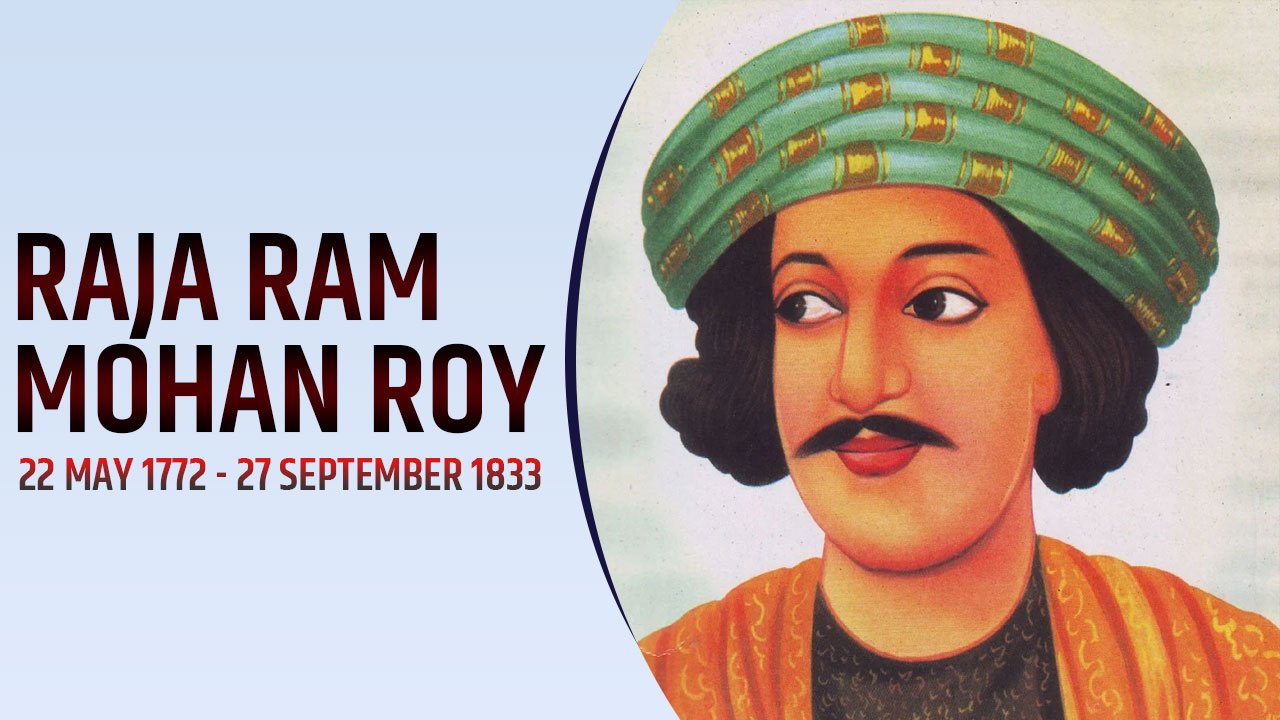
Raja Ram Mohan Roy: Celebrating the Birth Anniversary of the Father of Indian Renaissance

0

Raja Ram Mohan Roy, born on May 22, 1772, is revered as a pioneering social reformer and the architect of modern India. His birth anniversary is an occasion to reflect on his transformative contributions to Indian society, which challenged deep-rooted traditions and laid the foundation for progressive thought. Known as the “Father of the Indian Renaissance,” Roy’s relentless efforts in education, women’s rights, and religious reform reshaped India’s socio-cultural landscape. This article explores his life and enduring legacy.

Early Life and Intellectual Awakening

Born in Radhanagar, Bengal, Raja Ram Mohan Roy was raised in a family steeped in traditional Hindu values. His exposure to diverse cultures, including Persian, Arabic, and Western philosophies, shaped his rationalist outlook. Fluent in multiple languages, including Sanskrit, Persian, and English, Roy developed a unique ability to bridge Eastern and Western thought. His intellectual curiosity drove him to question societal norms, setting the stage for his reformist journey.

Championing Women’s Rights

Roy’s most significant contribution was his fight against oppressive practices targeting women. He vehemently opposed sati, the custom of widows immolating themselves on their husbands’ funeral pyres. Through persuasive writings and advocacy, he exposed the inhumanity of the practice. His efforts culminated in the British government banning sati in 1829 under the Bengal Sati Regulation, a landmark victory for women’s rights.

Roy also advocated for women’s education and property rights, challenging patriarchal norms. He believed empowering women was essential for societal progress, a radical stance for his time.

Religious Reforms and the Brahmo Samaj

Roy sought to purify Hinduism by rejecting idol worship and superstitious rituals. In 1828, he founded the Brahmo Samaj, a reformist movement promoting monotheism and rational spirituality. The Samaj emphasized ethical living and universal human values, transcending religious boundaries. It became a catalyst for social change, inspiring later reformers and fostering unity among diverse communities.

Advancing Education and Modern Thought

A staunch advocate for modern education, Roy believed knowledge was the key to progress. He established the Hindu College in 1817, which introduced Western sciences and liberal arts to Indian students. His push for English education aimed to equip Indians with tools to engage with global ideas while preserving cultural roots. Roy’s writings, including newspapers like Sambad Kaumudi, spread awareness about social issues and fostered public discourse.

Freedom of Press and Political Advocacy

Roy was a vocal defender of free speech and press freedom. He petitioned against restrictions on the press, arguing that open dialogue was vital for reform. His political activism extended to advocating for Indian representation in governance and critiquing colonial policies. Roy’s balanced approach criticizing both traditional dogmas and colonial excesses made him a unique voice in India’s early nationalist movement.

Legacy and Lasting Impact

Raja Ram Mohan Roy’s contributions laid the groundwork for India’s social and intellectual awakening. His vision of a progressive, equitable society influenced the Indian independence movement and continues to inspire modern reforms. On his birth anniversary, we celebrate a man whose courage and intellect challenged centuries-old injustices, paving the way for a more inclusive India.

Roy’s life reminds us that change begins with questioning the status quo. His legacy endures in the values of equality, reason, and compassion that continue to shape India’s aspirations.

Karni Mata Temple: See How This Temple, Also Called As Rat Temple, Remains Centre of Faith. PM Modi Offered Prayers here Today…

0


Do you know that the Karni Mata Temple situated in Deshlok is also called as Rat Temple? Yes, it is the world’s only Rat Temple (Karni Mata Temple) in Desnok village, 30km outside Bikaner. The rats here are considered re-incarnations & sacred; they are fed milk and sweets by priests and visitors.

This temple has been centre of faith for people around. Today, PM Narendra Modi also offered his prayers here. See videos to see how this temple is miraculous…

In fact, teh last maharaja of Bikaner, Karni Singh, said:

“Karniji has always been important for the house of Bikaner. My father was a great devotee of the Goddess, as was his father before him. She has protected every member of this lineage. My wife and I worship her in her temple each day and she continues to watch over us all … … the first act of Bika upon entering the territory of the Jangli Desh, was to come to touch the feet of the most revered incarnate deity, Karni Mata …'”

Beneath the Sands: Unlocking Rajasthan’s Petroleum and Fossil Fuel Wealth

0

By Yuvraj Singh

Rajasthan, the largest state in India by area, is known for its arid climate, vast deserts, and historical heritage. However, beneath its sandy surface lies a wealth of natural resources, including fossil fuels like petroleum, natural gas, and lignite (a type of brown coal). These resources are crucial for energy production and industrial development, both in the state and across the country.

  1. Petroleum Resources in Rajasthan

Rajasthan emerged as a significant player in India’s petroleum sector after a major oil discovery in the early 2000s. Although small oil and gas reserves had been known in the Jaisalmer Basin since the 1990s, the true potential of Rajasthan’s oil reserves was realized in 2004 when Cairn Energy (now Vedanta Ltd.) discovered large hydrocarbon deposits in the Barmer Basin.

a. Barmer Oil Fields

The Barmer Basin, located in western Rajasthan, is home to the Mangala, Bhagyam, and Aishwarya (MBA) fields. These are among the largest onshore oil fields in India. The total estimated reserves are over 3.6 billion barrels of oil equivalent, of which around 1 billion barrels are recoverable.

Oil production in this region began in 2009, and at its peak, it has contributed over 25% of India’s total domestic crude oil production. The Mangala Processing Terminal is the primary processing facility for crude oil, and a specialized heated pipeline transports the crude to refineries in Gujarat.

This development significantly boosted Rajasthan’s economy, generating employment, infrastructure, and revenue for the state government. The success of these oil fields has also encouraged further exploration and investment in the hydrocarbon sector.

b. Jaisalmer Basin

The Jaisalmer Basin, covering districts like Jaisalmer, Barmer, and Bikaner, also contains smaller petroleum and natural gas reserves. Though the quantity of recoverable oil and gas is lower compared to the Barmer Basin, the area holds potential for further development. ONGC and other public and private sector entities continue to explore this basin for hydrocarbons.

  1. Natural Gas in Rajasthan

Natural gas in Rajasthan is mainly found in the Jaisalmer Basin. The gas discovered here is primarily used for limited industrial and domestic purposes, and efforts are ongoing to increase production and infrastructure for its use. Unlike oil, Rajasthan’s natural gas production is relatively low, but the presence of reserves suggests that with advanced technology and further exploration, it could be scaled up in the future.

Natural gas exploration and production is being carried out by companies like ONGC, Focus Energy, and Vedanta. The extracted gas is used for local consumption and in compressed natural gas (CNG) networks in select urban areas.

  1. Lignite (Brown Coal) Deposits

Rajasthan is also rich in lignite, a low-grade form of coal that is used primarily in thermal power generation. Major lignite deposits are found in the Bikaner-Nagaur Basin, particularly in the districts of Bikaner, Barmer, Nagaur, and Jaisalmer.

a. Key Lignite Mining Areas

Barsingsar (Bikaner district): This is one of the most significant lignite mining areas in the state. Mining operations are managed by Neyveli Lignite Corporation (NLC) in collaboration with the Rajasthan government.

Palana and Kapoori (near Bikaner): These lignite fields are also important for local power generation.

Merta Road (Nagaur district) and Giral (Barmer district) are other notable lignite-bearing areas.

b. Power Generation

The lignite extracted from these regions is primarily used to fuel thermal power plants. Notable among them is the Barsingsar Thermal Power Station, which generates electricity for regional use. The Giral Lignite Power Plant in Barmer also contributes to the state’s energy needs.

Rajasthan State Mines and Minerals Limited (RSMML) plays a major role in lignite mining and exploration. These lignite-based power projects have helped provide electricity to remote and rural areas of the state, improving living standards and promoting development.

  1. Economic and Strategic Importance

The development of fossil fuel resources in Rajasthan has had multiple benefits:

Revenue Generation: The petroleum and lignite sectors contribute significantly to the state’s revenue through royalties and taxes.

Employment: These industries generate direct and indirect employment for thousands of people.

Infrastructure Development: Roads, pipelines, and other infrastructure have been developed to support fossil fuel extraction and transportation.

Energy Security: The oil and lignite produced in Rajasthan help reduce India’s dependence on imported fossil fuels.

  1. Environmental Concerns and Sustainability

While fossil fuels have contributed greatly to the state’s development, they also raise environmental issues. Mining and drilling activities can lead to land degradation, groundwater depletion, and air and water pollution. Burning fossil fuels contributes to greenhouse gas emissions, which in turn accelerate climate change.

To address these concerns, the Rajasthan government is actively promoting renewable energy sources such as solar and wind energy. In fact, Rajasthan is now a leader in solar energy production in India. The transition to cleaner energy sources is being pursued alongside the continued use of fossil fuels, aiming for a balanced energy mix.

Conclusion

Rajasthan’s fossil fuel resources—particularly oil in the Barmer Basin and lignite in the Bikaner-Nagaur Basin—have played a vital role in the state’s economic and industrial growth. With careful management, continued investment, and a focus on sustainability, these resources can continue to benefit the state while supporting India’s broader energy needs. However, it is equally important to transition toward renewable energy sources and minimize the environmental impact of fossil fuel extraction a use of resources.


APS Jaipur Students Make A Glimpse into the Rajasthan Assembly Museum While Touring Assembly

0

Students from Army Public School made a tour to Rajasthan Assembly where they also had a chance to visit the Assembly situated museum. One among these students Lakshya Govani writes this article to explain how the experience was. A few excerpts:


Rajasthan Assembly 

This 16.96-acre campus features a large building constructed using traditional and unique building methods, making it a representative example of Rajasthan’s architecture. The assembly was built under the supervision of the then Chief Minister Ashok Gehlot. Prior to this, the assembly was located near Hawa Mahal in the Sawai Man Singh Hall. The assembly has a total of 200 seats and is well-managed and supervised by the Rajasthan government. The building is particularly notable for its pink carpeting, reflecting Jaipur’s reputation as the Pink City. The hall is efficiently organised, providing seating for all officials required during assembly sessions. In addition to the assembly, the building houses a well-managed museum that features wax statues of all of Rajasthan’s Chief Ministers and Speakers of the Assembly. This beautiful museum is a must-visit location on your travel list whenever you visit Jaipur.

About the museum

APS Jaipur Students Make A Glimpse into the Rajasthan Assembly Museum While Touring Assembly


The museum located in this building is particularly large, spanning two floors. The first floor features information about past and present Chief Ministers (CM) and the Speakers who had served under different tenures in the Assembly. Additionally, this floor includes a replica of the actual assembly chamber situated just below the real assembly. The second floor focuses on the history of Rajasthan, detailing how its name changed from Rajputana to Rajasthan and the struggle for independence. It provides insight into Rajasthan’s legal and electoral systems, as well as the history and formation of the assembly. Notably, the second floor offers two highlight activities: a virtual reality image of the Rajasthan Assembly and a well-crafted replica of an interview with the current Speaker of the Assembly, Vasudev Devnani. Overall, the museum provides an enriching experience, and it’s highly recommended to visit and even engage in a discussion with the Speaker. The first floor is also extensive, offering excellent information about past CMs and Speakers. This museum is definitely a must-visit on your travel list.

The looks of the assembly in detail-


The Assembly currently has a total of 200 seats for Members of the Legislative Assembly (MLAs), along with 1 seat for the speaker and 1 seat for the speaker’s assistant. There are also 10 seats designated for media personnel located directly in front of the speaker’s assistant, as well as 2 seating areas adjacent to the speaker. One of these areas is reserved for government officials, such as IAS officers and other members, while the other is set aside for assembly members, including the head of security. The assembly provides separate seating for both the ruling party and the opposition, along with reserved seats specifically for women candidates. It is equipped with well-functioning tables, properly maintained devices, and lounges for the MLAs. Additionally, there is a designated seating area for visitors who wish to attend the live assembly sessions; to do so, visitors must obtain a signature from their local MLA. Furthermore, there is a separate area for media recording, complete with proper recording setups for media personnel.

APS Jaipur Students Make A Glimpse into the Rajasthan Assembly Museum While Touring Assembly

The security of Rajasthan’s state assembly


This building is a representative symbol of Rajasthan, and hence the security of this building is of utmost importance. Phones are not allowed here during visits to the building and museum, and proper identification is required for entry. While inside the building, visitors are always under camera surveillance and must adhere to very strict rules. The area is highly secured, allowing for the early detection of any potential threats. The building has multiple gates, each highly secured and consistently monitored by police. Proper fencing and a visible police presence enhance the security of the premises. Only officials and individuals who have been thoroughly authorized and cleared are permitted inside. Access is restricted not only to the exterior of the building, but the interior is also well-guarded. This demonstrates that the building represents a strong security measure, ensuring the safety of our elected representatives while they are in the assembly.

APS Jaipur Students Make A Glimpse into the Rajasthan Assembly Museum While Touring Assembly

Conclusion


This place is a must-visit if you are interested in history and eager to learn more about the state. You will surely enjoy your time in the museum. It represents the sovereignty of the vast state of Rajasthan and highlights that Rajasthan is a developing state in India, contributing to the country’s ongoing progress. In addition to being the largest state in India, Rajasthan is also known for its mineral production and its role as a nuclear test site. The state is advancing in terms of education, providing military support to India, and aiding in industrial development, among many other contributions. Rajasthan is a major part of India, playing a significant role in the country’s development across various fields.

Sabha Niwas in Jaipur City Palace Opens to Public Giving A Into Living Gallery of Jaipur’s Regal Past

0

Jaipur-situated City Palace’ Sabha Niwas is now serving as a dynamic gallery for public which showcases Jaipur’s princely culture and rich courtly traditions. Housed within the City Palace complex, the hall exhibits a remarkable collection of archival objects dating from the 17th to the 20th centuries—many of which were once owned or commissioned by the royal family of Jaipur.

Open to visitors daily from 9:30 AM to 6:30 PM, Sabha Niwas offers a rare glimpse into artifacts that have remained out of public view for decades. At the heart of the hall is its magnificent royal canopy, last seen in use during the reign of Maharaja Sawai Man Singh II. Suspended above is a show-stopping Bohemian crystal chandelier weighing nearly 600 kilograms—painstakingly restored, crystal by crystal, to its former brilliance.

Among the hall’s prized possessions is a pair of thrones dating back to the late 1800s. These were commissioned during a pivotal period in Jaipur’s history, when the princely state was navigating its evolving relationship with the British Raj. Reflecting the changing aesthetic preferences of the Kachhwaha rulers, the thrones blend traditional Indian form with 19th-century European design—featuring fluted legs, embroidered upholstery, and ornate gilded detailing.

Another significant highlight is a ceremonial haathi howdah (elephant seat) that once carried Queen Elizabeth II. During her 1961 state visit to Jaipur—part of a larger trip ahead of India’s Republic Day parade—Her Majesty and the Duke of Edinburgh rode in regal procession through Jaipur’s Old City, seated on a caparisoned elephant beside Maharaja Sawai Man Singh II.

With its restoration complete and its doors open once more, Sabha Niwas stands not only as a preserved monument of the past, but also as a renewed space of storytelling—immersing today’s visitors in the grandeur of Jaipur’s royal heritage.