Home Blog Page 265

Picnic Day: Take a break from your busy life, even if just for a day, and head out for a picnic with the people who matter most to you.

0

When we hear the word picnic, the image that comes to mind is an open garden, greenery, games, lots of delicious food, music, and so much more. A picnic isn’t just a way to spend a day off—it gives us a chance to spend special moments with our loved ones. In the hustle and bustle of life, taking some time out to go somewhere with our family and friends and turning that day into a cherished memory—that’s what a picnic truly is.

Picnic Day is more than just a day for an outdoor meal; it’s a tribute to a rich historical tradition that brings community and nature together. From its humble beginnings to the vibrant celebrations today, Picnic Day reminds us of the simple joy of shared meals under the open sky.

The Origins of the Picnic

The term “picnic” is derived from the French word “pique-nique”, a term that surfaced in the 17th century. Back then, the concept was straightforward: everyone would bring a small portion of food to share, and the meal was enjoyed outdoors in an informal, relaxed setting. This cultural practice of dining al fresco quickly spread throughout Europe and became a beloved pastime, transcending boundaries of social class and geography.

Who Started It?

Tracing the exact origins of Picnic Day is challenging because communal outdoor dining dates back to ancient times. Early societies, such as those in Rome, often celebrated in natural settings, enjoying meals amid flourishing gardens and landscapes. However, modern Picnic Day celebrations—as a designated holiday—can be credited to community organizers and public parks departments who recognized the power of an open-air meal to build bonds and create memorable experiences. In many regions, local governments and community groups began formalizing the day to encourage people to reconnect with nature and each other.

Picnic Day in Practice

In places like Madhya Pradesh, Picnic Day is embraced as a time to enjoy the state’s breathtaking landscapes, from the serene banks of rivers to the lush expanses of nature reserves. Families and friends gather in local parks or scenic spots, creating a festive atmosphere where every detail counts—from the cozy blanket spread beneath a tree to the basket filled with delicious, easy-to-eat treats. The overall vibe is one of relaxation, appreciation, and connection.

The Modern Appeal

Today, Picnic Day has evolved into a celebration that honors both historical tradition and modern lifestyle. The day underscores the importance of stepping away from everyday hustle and reconnecting with the natural environment—a practice that has significant wellness and community benefits. Whether it’s enjoying a homemade spread or partaking in gourmet picnic baskets, each picnic is a nod to the enduring legacy of communal outdoor dining.

Picnic Day harks back to a centuries-old tradition that began with simple outdoor gatherings and evolved into a festive celebration of community, nature, and shared joy. It reminds us that in a fast-paced world, sometimes the most delightful moments arise from the simple act of coming together under the sky with good food and great company. As we celebrate Picnic Day, we honor a timeless cultural practice—a celebration of life itself.

Celebrating International Sushi Day: A Tribute to Japan’s Iconic Delicacy And Story Behind the World’s Coolest Cuisine”

0

A Global Love Affair with Sushi

Every year on June 18, sushi lovers unite to celebrate International Sushi Day—a moment dedicated to indulging in the delicate, flavorful world of Japan’s most famous culinary art. From classic tuna rolls to bold inventions like fried avocado maki, this day is about savoring variety and sharing the joy that sushi brings across cultures.

What Exactly Is Sushi?

At its core, sushi is a deceptively simple dish: vinegared rice paired with seafood, vegetables, or both. Despite popular belief, sushi doesn’t always include raw fish. Cooked options, like shrimp tempura rolls or tamago (sweet egg omelet), are just as traditional. And let’s not forget modern innovations—hello, spicy mayo, cream cheese, and yes, fried avocado!

The Origins: Sushi’s Humble Beginnings

Sushi dates back over 2,000 years to Southeast Asia, where people preserved fish by fermenting it with rice. This method eventually reached Japan and evolved into the more refined and less fermented version we know today. In the Edo period (1603–1868), Tokyo street vendors began selling nigiri sushi, marking the birth of fast and fresh sushi culture.

Styles of Sushi: More Than Just Rolls

  • Nigiri: Hand-formed rice topped with fish or other ingredients
  • Maki: Rolled sushi wrapped in seaweed
  • Temaki: Cone-shaped hand rolls
  • Sashimi: Thin slices of raw fish (technically not sushi since it lacks rice)
  • Uramaki: Inside-out rolls with rice on the outside

Each style showcases regional ingredients, creativity, and the chef’s personal touch.

Why the World Can’t Get Enough

Sushi offers the perfect blend of health, artistry, and taste. It can be light yet satisfying, beautifully presented, and endlessly customizable. Whether you’re dining at a high-end omakase spot or grabbing a spicy tuna roll on the go, sushi has become a global sensation thanks to its adaptability.

Celebrating the Right Way

Today is the perfect excuse to treat yourself! Visit a local sushi restaurant, support a small Japanese eatery, or try your hand at rolling maki at home. Feeling adventurous? Experiment with fusion flavors, like kimchi rolls or even dessert sushi with fruits and chocolate.

A Cultural Icon That Continues to Evolve

Though rooted in Japanese tradition, sushi continues to evolve with every bite taken across the world. International Sushi Day isn’t just about eating—it’s about appreciating the history, craftsmanship, and culture behind every roll.

Rani Lakshmibai: The Warrior Queen Who Inspires Women to Fight for Their Rights

0

On June 18, 1858, India lost one of its fiercest warriors, Rani Lakshmibai of Jhansi, whose indomitable spirit continues to inspire generations. As we commemorate her death anniversary today, June 18, 2025, we reflect on her monumental contributions to India’s fight for freedom and her enduring legacy as a symbol of women’s strength and resilience. The famous line, “Khoob ladi mardani, vo to Jhansi wali Rani thi” , encapsulates her courage and serves as a clarion call for women to stand up for their rights.

A Symbol of Resistance Against Oppression

Born as Manikarnika Tambe in 1828, Rani Lakshmibai became the queen of Jhansi after marrying Maharaja Gangadhar Rao. Her life took a dramatic turn when the British East India Company, under the Doctrine of Lapse, refused to recognize her adopted son as heir, annexing Jhansi. This injustice ignited her resolve to protect her kingdom and its people. Leading her army during the Revolt of 1857, she became a symbol of resistance against colonial oppression. Clad in warrior attire, wielding a sword, and riding into battle with her son tied to her back, she exemplified unparalleled bravery. Her strategic leadership in defending Jhansi and later Gwalior showcased her as a military tactician who defied gender norms.

Breaking Gender Stereotypes

Rani Lakshmibai’s contribution to India’s freedom struggle was not just about military valor; it was a bold statement against patriarchal and colonial subjugation. At a time when women were confined to domestic roles, she shattered stereotypes, proving that women could lead, fight, and govern with unmatched strength. Her defiance against the British inspired countless others to join the rebellion, cementing her as a national heroine.

Inspiring Women’s Empowerment

Her legacy transcends history, motivating women today to fight for their rights. Rani Lakshmibai’s life demonstrates that women, even without male support, are inherently powerful. Widowed at a young age, she did not rely on men to define her strength. Instead, she took charge of her destiny, leading her people with courage and determination. This resonates deeply in modern times, where women continue to battle for equality, be it in workplaces, homes, or society. Her story inspires women to embrace their independence, challenge oppressive systems, and assert their rights unapologetically.

A Legacy of Strength and Resilience

The Rani of Jhansi set an example that women can be their own protectors and advocates. From leading protests against gender-based violence to breaking glass ceilings in professional fields, women draw strength from her legacy. She teaches that true empowerment comes from within, encouraging women to cultivate resilience and self-reliance. Whether it’s a single mother overcoming societal stigma or a young woman pursuing her ambitions against all odds, Rani Lakshmibai’s spirit lives on in every act of courage.

How She Inspired Today

As we honor her on this solemn day, let us celebrate her as the mardani who fought not just for Jhansi but for the dignity and strength of women everywhere. Rani Lakshmibai’s life reminds us that women, with or without men, are forces of nature—capable, fierce, and unstoppable. Her legacy continues to ignite the spark of rebellion against injustice, urging women to rise, fight, and claim their rightful place in the worlds.

Iran to Exit Nuclear Non-Proliferation Treaty

0

In recent events, Iran’s parliament is considering a bill that may lead the country to exit the Nuclear Non-Proliferation Treaty (NPT). This follows military strikes by Israel, which cited concerns over Iran’s nuclear ambitions. The situation escalated after the U.N. nuclear watchdog declared Iran in breach of its NPT obligations. This article explores the NPT, its significance, and the current situation involving Iran.

Purpose of the Non-Proliferation Treaty

The NPT, effective since 1970, aims to prevent the spread of nuclear weapons. It allows member states to develop nuclear energy for peaceful purposes while obligating nuclear-armed states to reduce their arsenals. The treaty recognises five nuclear powers – the United States, Britain, France, China, and Russia.

Signatories and Non-Signatories

Currently, 191 countries are parties to the NPT. Nuclear weapons states are prohibited from transferring their arsenals to non-nuclear states. Notably, India and Pakistan are non-signatories with developed nuclear weapons. Israel is believed to possess nuclear weapons but has not confirmed this. North Korea withdrew from the treaty in 2003, citing a covert enrichment program.

Withdrawal Provisions

The NPT includes an escape clause, allowing states to withdraw if extraordinary events threaten their supreme interests. A state must notify other treaty members and the U.N. Security Council three months in advance.

Treaty Review Process

NPT signatories convene every five years to review the treaty’s effectiveness. The next review is scheduled for 2026. These meetings assess compliance and address concerns regarding nuclear proliferation.

Iran’s Position on the NPT

Iran has been a non-nuclear-weapon signatory since 1970. It maintains that its uranium enrichment is for peaceful purposes. However, Western nations suspect Iran aims to develop nuclear weapons. The International Atomic Energy Agency (IAEA) recently reported that Iran is not complying with its obligations, marking the first breach declaration in nearly two decades.

Concerns Raised by the IAEA

The IAEA is particularly concerned about Iran’s lack of transparency regarding uranium traces found at undeclared sites. Iran claims adherence to its obligations, arguing that the IAEA’s findings are politically motivated. The country is contemplating its response to recent developments, including the potential exit from the NPT.

Nuclear Sanctions and Negotiations

Iran faced sanctions starting in 2006 due to non-compliance with U.N. resolutions. In 2015, Iran agreed to limit its nuclear activities in exchange for relief from these sanctions. However, the U.S. withdrawal from the agreement in 2018 led Iran to escalate its nuclear programme. Indirect negotiations between Iran and the United States are ongoing, aiming to establish new restrictions on Iran’s nuclear activities.

India’s Richest Man is Trump Family’s New Business Partner

0

India’s richest man Mukesh Ambani has joined the ranks of foreign developers pouring money into President Trump’s real-estate firm, as the first family ramps up dealmaking after years of aversion to mixing business with global politics, says Wall Street Journal in its exclusive story.

Investors planning Trump-branded projects in Vietnam, Dubai and Saudi Arabia and elsewhere paid the Trump Organization $44.6 million in foreign licensing and development fees in 2024, up from $8.2 million in 2023 and $9.4 million in 2022, according to the president’s annual financial disclosure report, says Wall Street Journal.

List of Best Betting Sites in India: Ratings, Features, and Bonuses

0

This year more international sportsbooks became particularly popular amongst Indian bettors: each of these bookmakers has its own unique potential and attracts public attention with various offers, ranging from markets for non-standard disciplines to profitable bonuses. Check out a list of betting sites in India that are in high demand among local punters, as well as learn about main advantages of these companies, which have become the key to their success.

Linebet

The platform provides up to 1500+ events on a daily basis, which include local matches and high-ranked competitions in cricket, tennis, hockey and martial arts. Besides that, there are lots of more specific options, such as ping-pong, eSports and horse racing. Today Linebet has a 4.1 out of 5 rating on Trustpilot.

There are few main features:

  • Table and crash games;
  • Games with live dealers;
  • Video slots;
  • In-play bets and statistics;
  • Chat with technical support that provides instant responses.

In addition, both the site and application got lots of bonus offers. Some of them include:

  • Birthday bonus. The amount and content of the offer depends on the particular user’s activity, along with the conditions for obtaining. There are one requirement nonetheless: be registered at this sportsbook for at least a month;
  • +100% replenishment for the initial deposit. Keep in mind that the total amount of this bonus cannot exceed 9048 INR;
  • Race. This is a bonus program, which requires making at least 5 bets (yet no more than 25) within the 30 calendar days in order to receive promocodes for the future activity.

VBet

Today the VBET’s official site is only operating in 9 languages, yet it is quite popular across European, Asian and some of the African countries. According to its users’ reviews, the platform has the best odds for eSports and football tournaments, meanwhile it is possible to bet on 10+ different disciplines whatsoever.

Functionality is simple, yet comprehensive:

  • Cashier page to make deposits, withdrawals and to track bonus offerings progress;
  • Statistics and overviews on current events;
  • Sections designed for pre-match and live betting with detailed lists of all the markets;
  • Separate section dedicated to Virtual competitions;
  • Aviator, table and casino games of all types.

VBet’s applications are available both in App Store and Play Market, where they got overall a four out of five stars ratings.

Due to the lots of betting and game options, there are an equal amount of bonus offers, which include 7% of weekly cashback for live casino, 200% in addition to first deposit and 100 freespins within a welcome package, along with a loyalty program for active users.

Pin-Up Bet

This betting site has existed since 2016. Today it’s ratings start from 3,7 to 4 stars out of 5 in the Google Play and App Store, while the bookmaker is providing competitive odds for basketball, cricket and football, in addition to hundreds of betting markets for 20+ other sports. Platform processes transactions in Indian rupees using local financial options, such as Phone Pe and Paytm.

Besides that, there are lots of unique features and contents: 3,800+ slots to play, ‘Virtual Sports’ section and TV Games. Users can place in-play and pre-match stakes on the ongoing tournaments.

Every client category has bonus offerings dedicated to them exclusively: newcomers get a welcome package with up to 125% in addition to their first deposit, meanwhile active bettors can obtain cashback and insurance on accumulators, get double wins on Mondays and secure their winnings before the final Bet.

Lucknow Aims for UNESCO City of Gastronomy Title

0

Lucknow, renowned for its rich cultural heritage and royal cuisine, has officially applied for recognition as a UNESCO Creative City of Gastronomy. If approved, it will become only the second Indian city after Hyderabad to hold this prestigious title, celebrating cities that showcase global excellence in gastronomy.

Culinary Heritage of Lucknow

Lucknow’s cuisine is deeply rooted in Awadhi traditions, featuring iconic dishes like nihari, Awadhi biryani, Tunday kebab, and a range of traditional sweets including jalebi and motichur ke laddoo. Influenced by the royal kitchens of Awadh and shaped by diverse communities, the city’s food culture reflects centuries of culinary evolution.

UNESCO Creative Cities Network

Established in 2004, the UNESCO Creative Cities Network honors cities leading in creative fields like gastronomy. Members such as Alba (Italy) and Arequipa (Peru) exemplify how culinary identity can drive cultural and economic development.

Why Lucknow’s Nomination Matters

The Department of Tourism and Culture, Uttar Pradesh, is spearheading the nomination. The proposal highlights Lucknow’s distinctive food culture, community involvement, and potential for culinary tourism, aiming to place the city on the global gastronomic map.

Key Dishes and Street Food

Signature non-vegetarian dishes like Tunday Kebab and Awadhi Biryani headline the nomination. Vegetarian favorites such as khasta, kachauri, and sweet treats like jalebi enrich the city’s vibrant street food scene.

Cultural Collaboration in Cuisine

Communities including Brahmins, Baniyas, Kayasthas, and Khattris have all contributed to Lucknow’s food diversity. Their shared culinary practices make the cuisine a living tradition, seamlessly blending flavors, techniques, and cultural history

Heimat Beverages Accelerates Demand for Germany’s Krombacher Orange Cola Mix – “SPEZI” in India

0

Krombacher, Germany’s largest privately owned brewery, launched its premium Cola Variant in Dec 2024, SPEZI, in India in partnership with Heimat Beverages (Nirmaan Group). The Distribution is gaining lot of traction and currently is getting distributed Across Mumbai, Delhi, Bangalore, Goa and Gujarat. While talking to the Founder of Heimat Beverages, Padmanabh Shah, he said “The Demand from General Trade, Modern Trade, Amazon and HoReCa is highly encouraging and the repeat orders are a testament to the same. We are also getting lot of corporate orders for Gifting purpose.

Mr Shah added, “SPEZI is a sparkling, fresh mixed drink made from cola and orange soda. The fizzy cola mix is non-alcoholic. Flavor plays an important role in soft drink selection, and expanding flavor variety is what is creating the add-on demand. SPEZI is a Fun Drink and India is Loving it.”

To amplify awareness, Heimat has rolled out an all-India campaign inside PVR INOX cinema lobbies, matching Spezi’s bright visual identity with high-footfall movie nights. Parallelly, a digital-push is given to consumers in immersive ways to share the cola-orange experience online. The dual approach—for reach and performance marketing for precision—reinforces Heimat’s data-led philosophy while building Spezi’s as a playful drink. 

India’s Defence Triumph in Operation Sindoor Showcases the Power of DRDO Indigenous Collaboration

0

Operation Sindoor has emerged not merely as a successful military operation, but as a defining moment in India’s evolving defence narrative. It exemplifies the nation’s growing confidence in its indigenous defence ecosystem—built on decades of innovation, foresight, and collaborative development. At the heart of this transformation stands the Defence Research and Development Organisation (DRDO), whose mission of translating scientific research into operational combat systems has become a cornerstone of India’s strategic preparedness.

Precision Strike Capabilities: The Power of Indigenous Missiles

The operation showcased India’s multi-domain readiness, with Akash surface-to-air missiles and the BrahMos supersonic cruise missile playing decisive roles. These precision-strike systems delivered unparalleled speed and accuracy, underscoring how India’s missile development programs have matured into globally benchmarked platforms.

This success owes its roots to the visionary leadership of Dr. A.P.J. Abdul Kalam, who laid the foundation through the Integrated Guided Missile Development Programme (IGMDP). His vision, carried forward by successive generations of scientists and engineers, transformed India into a self-reliant missile power.

Electronic Warfare and Situational Superiority

DRDO’s indigenous electronic warfare systems enabled Indian forces to dominate the electromagnetic spectrum. These advanced tools disrupted enemy communication and surveillance infrastructure, neutralizing threats before escalation. The integration of spectrum analysis tools with real-time signal processing created an agile, field-proven shield.

Complementing these capabilities were multi-mode surveillance radars and electro-optical payloads, ensuring persistent situational awareness. These systems provided high-resolution battlefield data across operational theaters, enabling rapid, coordinated decision-making across command structures.

Counter-Drone Defence: The D4 System

Anticipating the growing threat of unmanned aerial vehicles (UAVs), DRDO developed the D4 Counter-Drone System, a vehicle-mounted, multi-layered solution designed to detect, track, and neutralize hostile drones.

The system combines:

  • RF-based detection and radar tracking
  • Electro-optical/infrared (EO/IR) identification
  • Soft-kill techniques (e.g., RF jamming)
  • Hard-kill mechanisms for kinetic engagement

The D4 system was operationally deployed during the 74th Independence Day celebrations in 2020 to secure the Red Fort in Delhi—an early proof of its capability during the COVID-19 pandemic.

Co-Development Model: Public-Private Synergy

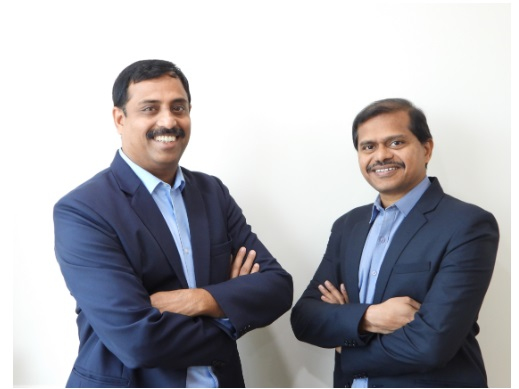
The D4 system is a result of co-development under DRDO’s Electronics Cluster, led by its Director General. Indian private companies, including Unistring Tech Solutions Pvt. Ltd. (UTS)—a subsidiary of Zen Technologies—played a crucial role in supplying RF and digital subsystems. This collaboration exemplifies how Indian industry is now an active partner in national defence production.

Scientists like Dr. Nagendra Babu Samineni and K. Srinivasa Raju of UTS brought field-focused innovation into the program. Their engagement across the full development cycle—design, integration, and live trials—demonstrates the maturity of India’s collaborative R&D ecosystem.

Visionary Strategy: Building for the Future

Well before drone warfare entered global headlines, DRDO’s Electronics Cluster had begun work on modular, scalable counter-UAV systems. The D4 program embodies that proactive foresight, combining adaptability with field-tested resilience. Importantly, DRDO’s strategic approach includes integrating PSUs and private partners from the outset, creating a robust, future-ready defence industrial base.

Inspiration for India’s Youth: A Call to Serve Through Innovation

To the youth of India:
In today’s world, national service extends beyond the battlefield. The defence of our nation needs coders, engineers, physicists, data scientists, and visionaries. Working on radar systems, drone interception algorithms, or secure communications isn’t just high-tech—it’s high purpose.

“Your innovation can save lives. Your code can protect soldiers. Your circuit could neutralize a threat. And your design can keep a billion dreams alive.”

This is a call to serve—not with a rifle, but with your skills, your intellect, and your passion for a stronger India. Step into defence innovation. Make your contribution count.

The Road Ahead: Learn, Unlearn, Adapt

Every conflict teaches us something. Operation Sindoor revealed both strengths and gaps. While many systems performed as intended, others highlighted areas for improvement. These insights are not setbacks—they are stepping stones for future success. This is the time for critical self-assessment, systemic reflection, and focused upgrades.

India is no longer just defending its territory—it is defining the future of defence through homegrown innovation. For us, as former DRDO scientists, it is a matter of immense pride to have played a role in this journey. And it is even more rewarding to witness a nation that once depended heavily on imports now designing, developing, and deploying its own cutting-edge solutions.

Operation Sindoor is not just a military achievement. It is a national milestone. A signal to the world that India’s defence future is Indian-made, Indian-led, and Indian-inspired.

Hong Kong: A Mélange of Michelin-Starred Experiences, Food Festivals & Casual Dining

0

With over 17,000 dining spots, Hong Kong’s vibrant culinary landscape has emerged as a paradise for every kind of food lover no matter if he is vegetarian, non-vegetarian, vegan, gourmet connoisseur, or adventurous foodie. From Michelin-starred tasting menus to bustling street food stalls and cozy cafés, the city’s offerings are as diverse as its people. Complementing this are a host of year-round food festivals, including French GourMay (1 May – 8 June 2025) and the Hong Kong Wine & Dine Festival (22–26 October 2025).

Hong Kong is a true food destination, blending heritage, innovation, and global influences. Whether you’re sipping specialty coffee in a trendy café or indulging in a dim sum feast, the city’s gastronomic scene caters to every palate.

A Walk Through Flavours

In Hong Kong, every corner offers a culinary delight. Picture this: a steaming bowl of wonton noodles, perfectly roasted meats, and a bamboo steamer brimming with delicate dumplings—all within arm’s reach. Rooted deeply in Cantonese cuisine, Hong Kong’s food culture also reflects Southeast Asian and mainland Chinese influences, delivering a rich East-meets-West culinary experience.

For a taste of tradition, head to Tai O Fishing Village on Lantau Island. This historic fisherfolk community showcases Hong Kong’s dried seafood trade—from marinated cuttlefish and tofu pudding to savory fish balls. Another must-visit is the Temple Street Night Market, where the aroma of stir-fried snacks, egg tarts, and other street delights fill the air. Vegetarian and vegan options abound, across Cantonese, Indian, and Pan-Asian cuisines.

Cha Chaan Tengs: A Culinary Time Capsule

At the heart of Hong Kong’s food culture are Cha Chaan Tengs, or local “tea restaurants.” These casual eateries—some operating since the 1950s—showcase the fusion of British and Chinese cultures. Think minimalist interiors, scrambled eggs on toast, and a steaming cup of milk tea sweetened with condensed or evaporated milk. While tea lovers will feel right at home, specialty coffee shops across the city cater to modern caffeine cravings—offering everything from hand-drip brews to bold espressos in cozy, Instagram-worthy spaces.

Michelin Magic: Fine Dining Elevated

For those seeking a fine-dining experience, Hong Kong’s Michelin-starred restaurants are in a league of their own:

  • Shang Palace at Kowloon Shangri-La – offering rich, authentic Cantonese cuisine.
  • 8½ Otto e Mezzo BOMBANA – a haven for luxurious Italian fare.
  • Caprice – where French artistry meets global culinary flair.
  • Ying Jee Club – famed for its elevated dim sum and refined Cantonese offerings.

Adding to the city’s prestigious list are CHAAT and New Punjab Club, bringing Indian cuisine to the Michelin spotlight. While CHAAT reinvents Indian street food in a contemporary setting, New Punjab Club is a vibrant tandoor grill house celebrating the flavors of Northern India and Eastern Pakistan. Hong Kong’s long-standing love for Indian food is also reflected in beloved establishments like Bombay Dreams, Chaska, and Woodlands.

Culinary Nights & Cultural Lights

As the sun sets, Hong Kong’s dynamic nightlife kicks in—often hand-in-hand with culinary adventures. The city’s bars and lounges are globally acclaimed, with several featuring on Asia’s 50 Best Bars list.

  • Coa offers a tequila-centric journey rooted in Mexican traditions.
  • Argo, with panoramic skyline views, serves up both ambience and innovation.
  • Penicillin breaks new ground as one of the first eco-conscious bars in the city.

Food Festivals: A Year-Long Celebration

Hong Kong’s food festivals draw both locals and tourists, transforming the city into a food lover’s playground. Among the highlights:

  • ARTBOX Hong Kong 2025 (14–22 June 2025) at Kai Tak Sports Park: Asia’s largest pop-up container market featuring neon-themed installations, entertainment, food and beverage brands, and retail names from across the globe.
  • ‘A Movable Feast: The Culture of Food and Drink in China’ (ongoing till 18 June 2025): Held at The Palace Museum, this exhibit presents over 110 exquisite works exploring traditional Chinese eating customs, utensils, and lifestyles—shedding light on a key aspect of Hong Kong’s heritage.

Culinary celebrations culminate in November with city-wide dining promotions, offering everything from exclusive tasting menus to discounted gourmet experiences