
Home Blog Page 248

US Independence Day: Let’s Remember Robert G. Heft, The Designer of the 50-Star U.S. Flag from Lancaster, Ohio…

0

US Independence Day Special: Robert G. “Bob” Heft, a humble high school junior from Lancaster, Ohio, left a truly national impact when his 1958 class project became the official 50‑star U.S. flag. The story in interesting and inspiring as he is the man behind the 50-star US Flag who stitched star motifs representing 50 stars giving it a perfect design for US Flag.

From Michigan to Lancaster

  • Born January 19, 1942, in Saginaw, Michigan, Bob moved at age one to Lancaster, Ohio, where he lived with his grandparents.
  • His passion for flag design and American history was nurtured by his involvement in the Boy Scouts.

The Genesis of a National Emblem

  • As a junior at Lancaster High School in 1958, his history project involved redesigning the flag to anticipate Alaska’s and Hawaii’s statehood.
  • Bob cut apart his grandparents’ 48-star flag, added blue fabric, iron‑on stars, and sewed a five-and-four star motif representing 50 stars.

A Grade, a Gamble, and a Golden Opportunity

  • Bob initially received a B‑ from his teacher, Stanley Pratt, who challenged him: “Get it accepted in Washington.”
  • Undeterred, Bob wrote 21 letters and made 18 calls to the White House.

From Classroom Flag to National Symbol

  • In 1960, President Dwight D. Eisenhower rang his phone to invite Bob to Washington D.C., for the official unveiling at the Capitol on July 4.
  • President Pratt acknowledged Bob’s feat and upgraded his project to an A.

A Lifelong Mission in Patriotic Service

  • Heft’s design was officially adopted on July 4, 1960 and remains the longest‑serving flag in U.S. history.
  • Bob designed a backup 51-star flag in anticipation of a new state.
  • A Boy Scout, history teacher, and seven-term mayor of Napoleon, Ohio, his speaking engagements numbered nearly 200 per year. He also visited the White House multiple times.
  • Heft passed away in 2009 at age 67, leaving a legacy of civic dedication and national pride.

Lancaster’s Proud Tribute

  • A historical marker stands at Lancaster High School commemorating the birthplace of his design.
  • In 2001, Bob was inducted into the Lancaster High School Distinguished Alumni Hall of Fame.

Why It Matters

Impact AreaBob Heft’s Legacy
Cultural IconHis design became the enduring symbol of a united 50‑state America.
Teenage InspirationA school assignment turned into global heritage—proof that ambition, passion, and persistence can yield historic outcomes.
Civic EngagementBob’s continued service in politics, education, and public speaking exemplified patriotic dedication.
Local PrideA Midwest student’s creativity led to a national emblem with roots in small-town Ohio.

A Legacy Sewn into the Stars

Robert G. Heft’s journey – from a determined high school junior in Lancaster, Ohio, to the creator of the iconic 50-star American flag – epitomizes how youthful creativity, grit, and civic engagement can leave an enduring mark on national identity. What began as a humble class project and earned him a B–, eventually captured the attention of President Eisenhower and the country at large. That once-mocked teen ultimately saw his design raised over the U.S. Capitol on July 4, 1960, and it remains the longest‑serving version of the American flag – waving proudly for over six decades.

But Heft’s influence extended far beyond a single sewing machine and a school assignment. As an educator, mayor, and motivational speaker, he spent years instilling in others the values of perseverance, patriotism, and service. Even after his death in December 2009 at age 67, his story continues to inspire – from classrooms to public commemorations.

In the annals of American history, few can claim to have designed a national emblem that becomes woven into the fabric of everyday life. Robert Heft did. His legacy reminds us that sometimes, a single idea – nurtured with passion and follow-through – can resonate across generations and stand as a symbol of hope, unity, and the power of one individual’s vision.
The Dalai Lama’s Succession Plan: A Bold Declaration

0

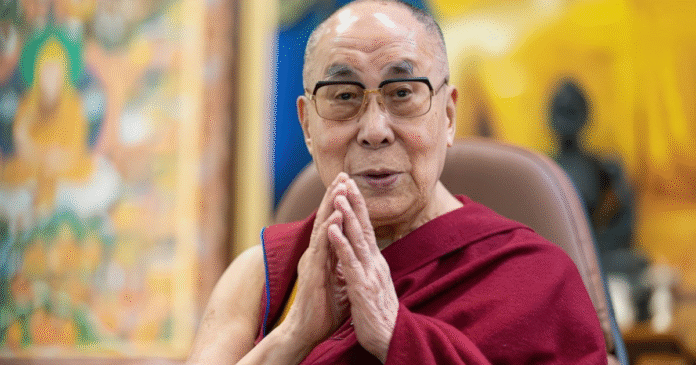
As the 14th Dalai Lama, Tenzin Gyatso, approaches his 90th birthday on July 6, 2025, he has made a landmark announcement concerning the future of one of Tibetan Buddhism’s most enduring institution. In a move that reverberates across spiritual and political lines, the Dalai Lama has emphatically affirmed that the Dalai Lama lineage will continue through reincarnation. Speaking at a religious gathering in Dharamshala ahead of his 90th birthday, he stated that only the Gaden Phodrang Trust, a foundation he established, will have the authority to identify the 15th Dalai Lama, consulting senior leaders from Tibetan Buddhist traditions.

This announcement ends years of speculation about whether he might choose to be the last Dalai Lama, reinforcing the centuries-old reincarnation system.

Succession Beyond China’s Grasp

By declaring that the next reincarnation will be born outside China, possibly in India or another free country, the Dalai Lama directly challenges Beijing’s claim to control the selection process – one that relies on state-sanctioned rituals like the “golden urn”.

This stance represents a significant defiance of China’s longstanding efforts to sinicize Tibetan Buddhism by embedding its authority into spiritual matters.

Consult Tradition, Break Norms

Following his stated 2011 framework, he outlined that a formal body – the Gaden Phodrang Trust – will lead the search, guided by traditional signs such as visions, astrological hints, and advice from Dharma Protectors and senior monks.

Notably, this reincarnation may break tradition in two meaningful ways:

  • The successor can be female, a topic he first broached in 2007.
  • The new Dalai Lama could be an adult, rather than the traditional child-based recognition.

Birthday & Beyond: The Next Chapter

The Dalai Lama’s 90th birthday is not just a personal milestone – it’s a turning point. Surrounded by his monastic peers, followers, and international supporters – including representatives from India’s government – the event served as a public moment to cement his legacy and clarify plans for the future.

In his humble manner, he expressed gratitude for global appeals to continue the lineage, acknowledging messages from exiled Tibetans and those within Tibet urging the preservation of this spiritual tradition.

Global Repercussions

  • Beijing: Insists that any new Dalai Lama must be approved by Chinese authorities using their own state-sanctioned procedures.
  • Tibetan Exile Administration: Strongly supports the Dalai Lama’s plan, emphasizing it as a shield against political manipulation.
  • International Support: The U.S. has reaffirmed its stance backing Tibetan religious freedom and has sharply criticized China’s attempts to interfere.

What This Means

AspectSignificance
Spiritual ContinuityEnsures the Dalai Lama’s lineage lasts into the future.
Protection Against PoliticsPlaces succession in independent religious hands.
Progressive ShiftMay usher in a female or adult Dalai Lama.
Geopolitical SignalReinforces Tibet’s cultural resilience and autonomy aspirations.

This announcement isn’t simply spiritual. It represents a carefully calibrated response to preserve Tibetan heritage in the face of political pressure, while also modernizing the institution in alignment with his lifelong advocacy for compassion, pluralism, and nonviolence.

Conclusion

On the eve of his 90th birthday, the Dalai Lama has offered a clear and courageous plan: the succession will proceed, guided by Tibetan tradition, housed in the free world, and shielded from political interference. This paves the way for the 15th Dalai Lama to emerge as a symbol of hope, continuity, and spiritual leadership. As celebrations commence, the world watches not just a birthday celebration – but a new chapter in Tibetan Buddhism.

Regional Esports Hubs: The New Urban Development Strategy

0

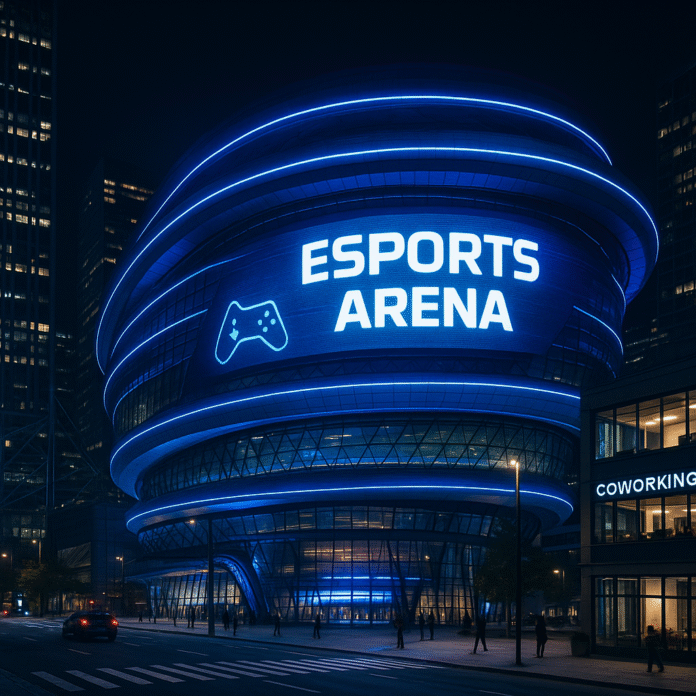
Cities worldwide are transforming their economic strategies by building dedicated esports infrastructure. This shift represents more than just accommodation for gaming — it’s a calculated investment in a multi-billion dollar industry. Platforms like سایت Onjabet have demonstrated the financial potential of gaming markets, and now municipalities want their share of this growing sector.

Investment Strategies and Infrastructure Development

The numbers behind esports hub development tell a compelling story. Esports facility construction costs reveal that cities are committing substantial resources to this sector. Seoul leads with over $100 million invested in gaming infrastructure, while Los Angeles has allocated $50 million for its downtown esports district.

Key elements of successful esports hub development include:

  • Purpose-built arenas with broadcast-quality lighting and sound systems
  • High-speed fiber internet infrastructure capable of handling streaming demands
  • Training facilities equipped with professional-grade gaming equipment
  • Hotel partnerships to accommodate visiting teams and tournament attendees
  • Restaurant and retail spaces designed around gaming culture

Cities aren’t just building venues — they’re creating ecosystems. The most successful hubs integrate multiple revenue streams, from ticket sales to merchandise, food service, and corporate partnerships. Berlin’s esports quarter generates approximately €15 million annually through diverse gaming-related activities.

Economic Impact and Job Creation

The economic ripple effects extend far beyond the gaming community. Regional esports economic impact studies demonstrate measurable benefits for local economies. Atlanta’s esports initiatives have created over 2,000 jobs in the past three years, spanning everything from event management to content creation.

Professional teams bring consistent economic activity. When Cloud9 established their Los Angeles headquarters, they generated an estimated $8 million in local economic activity annually. The facility employs 150 people directly, with another 200 jobs created in supporting industries.

Tourism revenue represents another significant factor. Major tournaments can attract 20,000+ attendees, filling hotels and restaurants. The League of Legends World Championship in Paris generated €25 million in tourism revenue over just one week.

Market Dynamics and Future Projections

The competitive nature of esports hub development creates interesting market dynamics. Cities compete not just for tournaments, but for permanent team headquarters and training facilities. This competition drives innovation in venue design and technology infrastructure.

Successful hubs require more than just physical space. They need robust digital infrastructure, experienced event management teams, and strong relationships with game publishers. Cities that understand these requirements position themselves better for long-term success.

The data suggests that first-mover advantage matters significantly in this market. Cities that established esports facilities early have captured larger market shares and attracted more prestigious events. But there’s still room for growth — industry analysts project the need for 50+ major esports venues globally by 2030.

What’s particularly interesting is how these hubs are adapting to changing technology. Virtual reality gaming centers, augmented reality experiences, and hybrid physical-digital events are becoming standard features in newer facilities.

The financial models vary considerably between cities. Some rely heavily on public funding, viewing esports as economic development. Others partner with private investors who see long-term profit potential. The most successful approaches combine both strategies, creating sustainable revenue streams while maintaining public benefits.

Looking ahead, the cities that succeed in building gaming economies will be those that understand esports as more than entertainment — it’s a legitimate industry requiring professional infrastructure, skilled workforce development, and strategic business planning. The investments being made today will determine which metropolitan areas become the gaming capitals of tomorrow.

The transformation isn’t just about attracting existing teams and tournaments. It’s about creating environments where gaming businesses can thrive, where new companies can launch, and where innovation in competitive gaming can flourish. Cities that achieve this balance will find themselves at the center of one of the fastest-growing entertainment industries in the world.

(*This is a sponsored article)

Trump’ Symbol of Victory Is Newly Launched Perfume Named Victory 45-47

0

Former US President Donald Trump has launched a new luxury perfume line named ‘Victory 45-47’, symbolizing his 45th and potential 47th presidential terms. The range includes separate fragrances for men and women.

Sharing the launch on his social media platform, Truth Social, Trump wrote, “These perfumes represent victory, strength, and success.” The men’s perfume comes in a sleek black-and-gold box, while the women’s version is presented in red packaging. Both bottles are designed to resemble small statues of Trump himself and are priced at $249 (approximately ₹21,000).

The launch has sparked mixed reactions. While some have praised the product’s branding, others have criticized Trump for using his political identity for personal profit.

Senator Mark Warner remarked, “Trump is openly misusing his position for personal gain,” while Senator Peter Welch said, “At a time when our party is working to ensure healthcare for 17 million people, Trump is busy selling perfume.”

Notably, this isn’t Trump’s first commercial venture post-presidency. In February, he launched a line of Trump-branded sneakers. His company is also selling mobile services and smartphones.

Zohran Mamdani Wins NYC Democratic Mayoral Primary

Zohran Mamdani, a State Assemblyman from Queens, secured a significant victory in the Democratic primary election for New York City mayor. According to results released Tuesday by the New York City Election Board through ranked-choice voting, Mamdani received 56% of the vote, defeating former Governor Andrew Cuomo, who got 44%.

The final results will be confirmed by July. Mamdani, 33, will now compete in the general election in November against current Mayor Eric Adams (running as an independent), Republican candidate Curtis Sliwa, and independent Jim Walden.

Despite Adams being a Democrat, he did not participate in the party’s primary and is instead running independently. Cuomo, also contesting as an independent, has yet to confirm whether he will remain in the race.

Given that Democrats outnumber Republicans six to one in New York, Mamdani is seen as a strong contender. “I am honored by the support of over half a million New Yorkers. This is the beginning of our mission to make New York more affordable,” Mamdani said.

Quad Nations Launch Critical Minerals Initiative to Counter China

The Quad countries—United States, Australia, India, and Japan—on Tuesday launched the Quad Critical Minerals Initiative in a joint effort to reduce reliance on China in the vital minerals sector.

The initiative was formally announced following a meeting of the four nations’ foreign ministers in Washington. In a joint statement, the leaders emphasized the importance of securing and promoting sustainable mineral supply chains.

US Secretary of State Marco Rubio described the Quad as a strategic alliance and said, “It’s time to take collective action on crucial global challenges.”

World UFO Day 2025: A Day to Look Beyond the Skies

0

Every year on 2 July, people around the globe turn their eyes toward the sky, reflecting on one of humanity’s most captivating questions: Are we alone in the universe? World UFO Day commemorates the mysterious 1947 Roswell incident, when an unidentified object crashed in New Mexico, sparking decades of speculation, conspiracy theories, and curiosity about extraterrestrial life.

What is World UFO Day?

Observed annually on 2 July, World UFO Day is a global awareness event that encourages people to learn about UFO sightings, discuss the possibility of alien life, and explore the many unanswered questions about our universe. Originally celebrated on 24 June—the date of Kenneth Arnold’s 1947 UFO sighting—it was later shifted to 2 July to mark the anniversary of the Roswell crash, one of the most famous and controversial UFO incidents in history.

What is a UFO?

UFO stands for Unidentified Flying Object. It refers to any aerial phenomenon that cannot be immediately identified or explained by current human knowledge. UFOs are often described as glowing lights, discs, or other strange shapes in the sky, and have long been associated with theories about alien spacecraft and interstellar visitors.

A Brief History of World UFO Day

World UFO Day was established in 2001 by Turkish researcher Haktan Akdogan. His goal was to raise public awareness, promote scientific discussion about UFOs, and encourage people to think critically and openly about the existence of life beyond Earth.

While the idea of UFOs had existed for decades, it was Kenneth Arnold’s sighting on 24 June 1947—where he described seeing nine flying objects near Mount Rainier—that helped popularize the term. However, the Roswell incident, which occurred just days later, remains the most iconic. Although the U.S. military claimed the object was a weather balloon, speculation about a crashed alien spacecraft has persisted for decades, fueling books, movies, and countless debates.

Theme of World UFO Day 2025

Although no official theme has been announced for 2025, the spirit of the day remains the same: to celebrate curiosity, explore the idea of life beyond Earth, and encourage scientific inquiry into unexplained aerial phenomena. From amateur skywatchers to seasoned researchers, people use this day to share theories, host discussions, and remind one another of the vast mysteries of space still waiting to be uncovered.

Why World UFO Day Matters

World UFO Day is more than a celebration of flying saucers and alien lore. It’s a day to:

  • Foster public interest in space exploration and scientific inquiry.
  • Encourage open conversations about sightings, government disclosures, and the unknown.
  • Promote skywatching activities, documentaries, and educational events.
  • Unite believers and skeptics in a shared sense of wonder and curiosity.

Whether you’re a firm believer in alien life, a cautious skeptic, or simply someone who loves gazing at the stars, World UFO Day 2025 is a reminder of how mysterious, vast, and fascinating our universe truly is.

So, this 2 July, step outside, look up, and let your imagination fly.

Why Everyone’s Suddenly Talking About the ‘Einstein Visa’ And Why You Should Be Cautious

0

The prestigious EB-1 visa, nicknamed the ‘Einstein visa’, is making headlines once again—this time because of Melania Trump. At a recent congressional hearing, Representative Jasmine Crockett questioned how the former First Lady, with a background in modeling, qualified for a visa category designed for Nobel-level talent. The debate has reignited conversations about who truly deserves this elite pathway to U.S. residency—and why it’s suddenly a hot topic on Indian social media.

What Is the EB-1 Visa?

The EB-1 is a U.S. employment-based immigration visa designed for individuals who demonstrate extraordinary ability in their field. This includes science, arts, education, business, or athletics. It’s also open to outstanding professors or researchers, and certain multinational executives and managers.

Unlike the H-1B visa, the EB-1 doesn’t always require employer sponsorship, and it offers a direct route to a green card—making it one of the fastest and most desirable immigration options. But it’s meant only for those who can prove they’re in the top 1% of their profession, not just with paperwork, but with globally recognized achievements.

Who Can Apply?

There are three main subcategories under the EB-1 visa:

1. Extraordinary Ability

This is for individuals with national or international acclaim in their field—think Nobel laureates, Pulitzer winners, Olympic medalists, or equivalent achievers. You must demonstrate:

  • A one-time major international award (e.g., Oscar, Nobel, Grammy),
    OR
  • At least 3 out of 10 criteria, which may include:
    • Recognized awards
    • Featured media coverage
    • Judging others’ work
    • Original contributions
    • Scholarly publications
    • Leading roles
    • High salary
    • Success in the performing arts, etc.

You can self-apply by filing Form I-140.

2. Outstanding Professors and Researchers

To qualify:

  • You must have international recognition in your academic field.
  • At least 3 years of experience in teaching or research.
  • A valid job offer for a tenure-track or research position in the U.S.
  • The employer must file Form I-140.

3. Multinational Executives and Managers

You must:

  • Have worked for the same company outside the U.S. for at least 1 year in the last 3 years.
  • Be transferred to a U.S. office in a managerial or executive role.
  • The employer must also file Form I-140.

So Why Are Agents Suddenly Pushing the EB-1?

Because it’s a fast-track to a green card, bypassing the delays and uncertainty of H-1B visas. With increasing demand for U.S. migration, some visa consultants in India are now aggressively marketing “guaranteed EB-1” services—offering to ghostwrite research papers, place names in obscure journals, fabricate media coverage, or even falsify achievements.

These tactics are not only ethically questionable, but also legally dangerous. U.S. immigration authorities are stepping up scrutiny of such applications. If your profile looks “too perfect,” it may raise red flags—and trigger bans or permanent ineligibility.

Can the EB-1 Really Get Me a Green Card?

Yes, the EB-1 visa is one of the most direct routes to permanent residency in the U.S.—but only for those who meet the strict criteria with genuine accomplishments.

If you’re being sold an “instant Einstein visa,” it’s time to pause. A program designed for the world’s top talent shouldn’t be marketed like a supermarket offer.

The Bottom Line

The EB-1 is a powerful opportunity—but one that demands authenticity, excellence, and evidence. There are no shortcuts.

Fake credentials might help you on paper, but they won’t survive a consulate interview. Worse, they could land you on a blacklist.

In a world chasing immigration dreams, remember:
Real talent doesn’t need shortcuts.
And fake ones won’t get past the finish line.

Top Anti-Ageing Facial Treatments That Actually Work

0

Ever catch yourself staring at your reflection, surprised by the sudden appearance of wrinkles?

You might have tried various lotions, elixirs, or collagen supplements, but ended up disappointed. Here’s the deal: anti-aging treatments aren’t all the same, but some are effective.

This piece guides you through proven, dermatologist-endorsed anti-aging facials that do more than pamper your skin. Whether you’re just starting to see signs of aging or tackling years of skin damage, these treatments have been shown to refresh, repair, and restore your youthful glow.

Let’s dive into the anti-ageing facial treatments that make a difference.

Anti-Ageing Facial Treatments


1. HydraFacial: The Quick Glow-Up

HydraFacial is one of the most popular facial treatments in the world.

How It Works

  • Cleans, exfoliates, and hydrates the skin deeply with patented vortex technology.
  •  Peptides and antioxidants are added to make the skin firmer and brighter.

Benefits

  • Minimizes fine lines and early wrinkles
  • Leaves skin plump, dewy, and visibly refreshed
  • No downtime — ideal before special occasions

Why It Works

  • It combines exfoliation and hydration — a powerful formula to restore ageing, dull skin.

2. Vampire Facial (PRP Therapy): Use Your Own Blood to Heal

Celebrities have made PRP (Platelet-Rich Plasma) therapy popular. It uses your body’s natural healing power.

How It Works

  • A small amount of your blood is taken and spun to get plasma.
  • The concentrated plasma is then injected into the skin.

Pros

  • Increases the production of collagen and elastin
  • Makes skin smoother and less wrinkled
  • Works on skin that is dull, sagging, or scarred

Why It Works

Growth factors in PRP help the skin heal and renew itself from the inside out.

3. Fillers & Botox: Quick-Acting Wrinkle Smoothers

Injectable continue to be the most effective way to reverse facial aging signs.

How It Works

  • Botox: Temporarily relaxes the muscles that result in wrinkles.
  • Fillers: Give sagging or hollow spots, like the lips and cheeks, more volume.

Benefits

  • Restoring youthful facial contours
  • Smoothing forehead creases, crow’s feet, and frown lines
  • Results lasting 6–18 months

Why It Works

  • The two primary causes of aging, dynamic and static wrinkles, are both addressed by these treatments.

4. Laser Skin Rejuvenation: Re-set Your Skin Tone

One of our top picks for tackling uneven skin tone and texture, without surgery.

How It Works

  • Aims at the skin using laser energy to warm and trigger collagen

Advantages

  • Reduces sun spots, age spots, and wrinkles
  • Enhances tone, tightness, and definition
  • Minimum downtime, effects visible in a few weeks

Why It Works

  • Laser therapy stimulates your own body’s healing response — safely and effectively.

5. MNRF (Microneedling Radiofrequency): For Deep Wrinkle Repair

By merging microneedling with RF energy, this treatment delivers deep skin rejuvenation.

How It Works

  • Delicate needles gently puncture the skin, setting off collagen production
  • RF energy penetrates well into skin layers

Advantages

  • Minimizes wrinkles, acne marks, and sagging skin
  • Tones the jawline, neck, and under-eye region
  • Long-term collagen stimulation

Why It Works

  • MNRF heals the skin internally, providing more intense rejuvenation than surface treatments.

6. Chemical Peels: Exposing a New Layer

No need to worry—when done by skin experts, chemical peels are safe, tailored, and deliver glowing results.

How It Works

  • Skin-friendly acids work together to clear away tired, surface-level skin

Advantages

  • Minimizes pigmentation and superficial wrinkles
  • Smoothens out uneven texture with little or no downtime, and many more

Why It Works

  • Peels boost skin renewal, revealing smoother, brighter skin beneath.

7. Anti-Ageing Skin Booster: Deep Hydration That Lasts

The anti-aging skin booster is the best remedy for dry, tired, or wrinkled skin.

How it Works

  • Microinjections put hyaluronic acid, vitamins, and antioxidants right where they work best: in the layers of skin.

Benefits

  • Deep and long-lasting hydration  
  • Enhances elasticity, firmness, and radiance  
  • Diminishes premature fine lines

Why It Works

  • In contrast to creams, boosters provide nourishment to the skin at a cellular level, stimulating collagen production and reversing the initial signs of aging.

Quick Comparison Chart of Anti-Ageing Facial Treatments

TreatmentBest ForDowntimeResults Visible
HydraFacialDehydration, dullnessNoneImmediate
PRPWrinkles, sagging1–2 days3–4 weeks
Botox & FillersDynamic wrinkles, volume lossMinimal3–7 days
Laser RejuvenationPigmentation, fine lines1–3 days2–4 weeks
MNRFLoose skin, deep wrinkles3–5 days4–6 weeks
Chemical PeelsPigmentation, texture2–3 days1–2 weeks
Anti-ageing skin boosterDryness, fine lines, dull tone1–2 days1–2 weeks

Final Thoughts: Choose What Works for Your Skin

  • Aging is natural; however, the evidence of this process does not have to be visible.
  • If you desire an immediate radiance, enduring wrinkle eradication, or profound moisture, a science-supported facial procedure is at your disposal. The essence of your hour lies in making an appropriate selection, contingent upon the factors of your epidermis, your years, and your way of being. Whether for you, a loved one, or a paying customer, the decision you make now guides the skin’s destiny in both the short and long term.
  • Personalized plans come from consulting and qualified dermatologists, steering clear of guesswork.

Ready to Turn Back the Clock?

For more than 19 years, our skin specialists have worked with Indian skin types, using the most advanced global technologies in anti-ageing to deliver safe, medical-grade treatments with real results. These are the services we provide.

What Is Ahimsa (Peace) Silk?

0

Ahimsa silk, also known as Peace Silk or non‑violent silk, is woven from cocoons that have been left intact until the silk moth emerges naturally – no silkworms are harmed or killed. The term “ahimsa” comes from Sanskrit, meaning “non‑violence,” and the process aligns with principles from Hinduism, Jainism, Buddhism, and Mahatma Gandhi’s philosophy of compassion.

Historical Origins & Ethical Roots

The technique was developed in early 1990s India by Kusuma Rajaiah, a sericulture officer from Andhra Pradesh. Drawing on four decades of experience and inspired by Gandhian ideals, he successfully pioneered a method of extracting silk without killing the silkworms. By 2001, this innovation was commercialized and later patented, birthing the Ahimsa Silk movement.

Process & Silk Quality

  • Silk moths are allowed to complete metamorphosis and exit the cocoon naturally.
  • The pierced cocoons are then spun, not reeled, which results in shorter, softer fibers.
  • While Ahimsa silk yields less filament (roughly one-sixth compared to conventional silk), the resulting textile is softer, hypoallergenic, breathable, and environmentally friendly.
  • This slower, labor-intensive process makes Ahimsa silk typically twice as expensive as traditional silk .

Main Regions of Production

Ahimsa silk is primarily produced in India, particularly:

  • Andhra Pradesh: Home to Rajaiah’s pioneering work and early development.
  • Assam, Meghalaya, Nagaland, Odisha, Karnataka: Known especially for the eco-friendly Eri silk (from Samia ricini moths), featuring local dye traditions and indigenous craftsmanship.

Cultural & Religious Significance

Distilled in the essence of ahimsa, this silk reflects deep spiritual respect for all living beings. It resonates strongly with Jains, Buddhists, Hindus, and eco-conscious individuals who favor ethical fashion. Ahimsa silk represents a textile that not only looks elegant but also honors compassion.

Growing Demand & Market Impact

  • International appeal: Europe, U.S., Japan, Australia – Brands like Marks & Spencer, Stella McCartney, Archana Kochhar, Wendell Rodricks and more are adopting it.
  • Export-driven growth: Small producers like Rajaiah’s cooperative export over 40–60% of output, reflecting strong green-market demand.
  • Domestic potential: Although mainstream uptake in India is slower—mostly limited to religious or eco-friendly consumers—initiatives are boosting awareness .

Economic Impact & Community Benefit

  • Many rural women in Assam and Meghalaya are empowered through sericulture and weaving projects, preserving local skills and heritage .
  • Production supports sustainable local economies and provides fair-income opportunities, enriching life in silk-growing communities.

Why Choose Ahimsa Silk?

BenefitDescription
EthicalNo silkworms harmed—aligned with non‑violence
Eco-consciousBiodegradable, low waste, no harsh chemicals
Distinct AppealSoft, breathable, subtly lustrous textures
Supporting Artisan CommunitiesPromotes women-led cottage industries

A Fabric of Kindness

Ahimsa silk embodies the harmony of beauty, tradition, and ethics. Born from India’s spiritual philosophies and refined by innovation, it provides a guilt-free alternative to conventional silk – beautiful, yet deeply meaningful. With rising eco-awareness and celebrity endorsement, this “peace fabric” is not just a trend, it’s a cultural statement and a hopeful journey toward compassionate fashion.

Just 10 km from Bhopal : Rani Mahal, Islamnagar, A 300-Year-Old Ode to Royal Grac

0

Tucked just 10 km from Bhopal, the Rani Mahal stands as a quiet sentinel of the past, nestled within the fortified village of Islamnagar—once known as Jagdishpur. Built in 1716, the Rani Mahal is nearly 300 years old, a jewel of the early 18th century that still stands with quiet dignity in Jagdishpur (now Islamnagar), It was commissioned by Dost Mohammad Khan, the Afghan-origin founder of the Bhopal princely state, who made Jagdishpur his capital before shifting to Bhopal in 1727.

Why the Name “Rani Mahal”?

  • The name translates to “Queen’s Palace”, and rightly so—it was designed as the zenana, or the royal residence for the queens.
  • This double-storeyed palace was a sanctuary of elegance and privacy, where royal women lived, observed courtly life from behind jharokhas, and strolled through the garden courtyards.
  • Its Diwan-e-Aam (public audience hall) and deep arcades reflect a blend of Rajput and Mughal aesthetics, tailored for the royal women’s comfort and grandeur

Architectural Poetry in Stone and Stucco

  • The doorways of Rani Mahal are more than entrances—they are frames of forgotten stories, carved with delicate floral motifs and Mughal-Rajputana fusion.
  • Each arched corridor opens into deep arcades and a rectangular garden, once echoing with the footsteps of queens and courtiers.
  • The palace’s baradari (twelve-doored pavilion) invites light and breeze, creating a rhythm of openness and intimacy that defines Indo-Islamic aesthetics.
Just 10 km from Bhopal : Rani Mahal, Islamnagar, A 300-Year-Old Ode to Royal Grac

A Palace in Dialogue with Nature

  • The surrounding gardens, though modest today, once followed the charbagh layout, symbolizing paradise with its symmetry and water channels.
  • From the balconies, one could glimpse the tombs of Nawab Yaar Mohammad Khan and Nazar Mohammad Khan across the river—a view that blends memory with landscape.

Echoes of Elegance

  • Though many rooms are now locked, the hammam (royal bath) still whispers of opulence, and the fort walls, though weathered, retain their grandeur. The entry fee is a mere ₹10, yet the experience is priceless—a walk through time where every doorway is a storyteller.
Just 10 km from Bhopal : Rani Mahal, Islamnagar, A 300-Year-Old Ode to Royal Grac

A Palace with Purpose

  • Rani Mahal wasn’t just a residence—it was a statement of power, refinement, and architectural diplomacy.
  • It symbolized the Nawab’s intent to blend Afghan valor with Indian artistry, creating a space that honored both his heritage and the land he ruled.

Move Over Leading Ladies—Ritleish Deshmukh Steals the Spotlight as Subhash Ghai’s “Heroin”

0

Lights, camera… surprise! The ‘Showman of Bollywood’, Subhash Ghai, has just sent ripples through the industry with an announcement no one saw coming. After a contemplative hiatus since 2022, the visionary director has broken his silence—with flair, of course—revealing the first twist of his upcoming cinematic venture under the Mukta Arts banner.

In a move that blends nostalgia with bold reinvention, Ghai took to Instagram to unveil the face of his next heroine—and it’s none other than the ever-versatile Riteish Deshmukh, donning a ravishing avatar reminiscent of his unforgettable role in Apna Sapna Money Money. Clad in chiffon and charm, Riteish’s transformation reemerges like a phoenix in heels, sparking a frenzy of guesses and giggles online.

Alongside the now-viral throwback photo, Ghai penned with playful mischief

“She is our next heroine in our forthcoming film under Mukta Arts. A classic beauty. Can you guess the name of this beautiful girl?”

Fans didn’t hold back. Mahima Chaudhry quipped, “That’s Desh Mukh. What about Pardes Mukh?” while another user christened him “Riteshi,” predicting the film will be a surefire blockbuster.

Though the title remains shrouded in mystery, sources close to the project suggest that this film will be a musical comedy-drama centered around mistaken identities, dramatic disguises, and a heartfelt message wrapped in outrageous hilarity—classic Ghai with a contemporary twist.