Craft tourism, craft cities, craft economies—these terms took center stage during a recent roundtable discussion held at AnanTaya in Jaipur, where prominent designers, educators, and craft advocates came together to express growing concerns about cultural misappropriation and the erasure of Indian artisans’ identities. The discussion was sparked by recent controversies involving global fashion houses like Prada and Dior, which have showcased Indian-inspired designs without giving due credit to their sources.
AnanTaya co-founder Geetanjali Kasliwal voiced deep concern over the growing trend:
“Craft is a living tradition in India. Ours is a collective culture, and our crafts reflect that—often, entire families work together on a single piece. While international brands should be commended for promoting craftsmanship as luxury, misappropriating our culture without acknowledgment is unacceptable. If a Kolhapuri chappal brings prestige to a global brand, the artisan behind it must also benefit.”
Meenakshi Singh, founder faculty at the Indian Institute of Craft and Design (IICD)—Rajasthan’s only government-initiated design institute—and founder of Khatu Design, offered a critical but hopeful perspective:
“At least this conversation is happening now. If brands like Prada are highlighting Indian crafts, it’s a wake-up call. The government must recognize handicrafts as a vital industry, not a sunset sector. We need policy reforms that empower artisans to claim rightful credit. And let’s ask ourselves honestly—how many Indian designers credit their artisans?”
Pavna Mehta Joshi, co-founder of Threads of Identity, emphasised the imbalance in global appreciation:
“Foreign brands treat Indian crafts as exotic muses. They copy designs and sell them at premium prices. If you’re inspired by India, acknowledge the source. Give credit where it’s due—and support the artisan community behind it.”
Designer and educator Swati added a pointed cultural critique:
“I remember someone saying: ‘Everyone wants a piece of India, but no one wants the Indians.’ Crafts are taken out of their cultural context and stripped of their roots in FOREIGN NATIONS. If Prada’s team is truly inspired, they should have collaborated respectfully after proper research.”
Sonal Chitranshi, CEO of FORHEX and a designer working closely with grassroots artisan brands, summed up the sentiment:
“India has always been a giver. Our design philosophy is rooted in sharing. But that doesn’t mean others can take without giving back. True inspiration must lead to collaboration, not exploitation.”
The panel proposed an ambitious cultural initiative—establishing Craft Capitals across India, where each city is celebrated for its signature craft. This, they said, could boost craft tourism and reaffirm India’s identity as a global hub of heritage, creativity, and sustainable luxury.
The debate follows an uproar over Italian luxury house Prada showcasing India’s traditional Kolhapuri chappals in a global fashion show without proper attribution. Dior, too, has been criticized for allegedly replicating Indian crafts without acknowledging their origins.
As India’s craft economy continues to attract global attention, voices from the heart of its creative community are demanding not just admiration—but respect, recognition, and rightful credit.
Consumerism is a socio-cultural and economic phenomenon that primarily characterises industrialised societies. It is defined by the continual acquisition of goods and services in ever-increasing quantities. In modern consumer societies, the processes of purchasing and consuming products have transcended the mere fulfilment of basic human needs, evolving into activities that are not only economic but also cultural, social, and integral to personal identity formation. Despite its prevalence, consumerism has faced criticism from advocates of alternative approaches to economic participation, such as simple living or slow living, as well as from environmentalists concerned about its ecological impacts.
In recent years, particularly between 2020 and 2025, social media usage has proliferated, with user engagement becoming a normative behaviour among various demographics. This surge in social media interaction has significantly contributed to the popularisation of consumerist culture. The accessibility of online browsing platforms and personalised advertisements perpetuates the notion of an insatiable need for goods, influencing consumer behaviour in profound ways.
The Role of Social Media Platforms: How are you getting targeted?
The rise of platforms such as Instagram and TikTok has been instrumental in shaping contemporary consumerist tendencies. These applications utilise sophisticated algorithms to deliver personalised advertisements, thereby providing users with direct access to product information. This immediacy facilitates interaction with brands and other consumers, allowing for a seamless purchasing experience that often occurs without the necessity of navigating away from the app. The mere click of a button, aided by the option to save payment information, has made transactions easier and a bit too convenient, significantly reducing the friction traditionally associated with shopping.
Moreover, social media platforms engage in extensive data collection practices, which serve to enhance the efficacy of targeted advertising. By analysing user behaviour and preferences, these platforms can tailor advertisements to align with individual interests, thereby increasing the likelihood of purchase. This strategic use of data not only reinforces consumerist behaviour but also perpetuates a cycle of consumption that is increasingly difficult for individuals to resist.
In 2024, leading technology firms, including Google, Meta, and ByteDance, captured 54% of the global advertising market, largely due to creator-generated content that rivals traditional media. These platforms utilise hyper-personalised advertising strategies, leveraging extensive behavioural data analytics. TikTok’s Dynamic Showcase Ads, for example, customise product recommendations in real-time based on user interactions, thus converting passive consumption into active purchasing behaviour.
The Influence of Social Media Influencers
Social media influencers have emerged as pivotal figures in the promotion of consumerist culture. With the ability to reach vast audiences, influencers are often compensated by companies to endorse products
through various means, including sponsored posts, reviews, and unboxing videos. Although such content is required to be labelled as advertising, the perceived authenticity of influencers can blur the lines between genuine recommendations and commercial promotion. Recent studies found that 49% to 74% of consumers have bought a product because an influencer recommended it, which showcases how much of an impact an influencer has on the audience.
This dynamic fosters a culture of impulse buying, particularly among followers who may feel compelled to purchase products that are showcased, especially when promotional offers such as discounts are presented. Influencers create an aspirational narrative around products, engendering a sense of exclusivity and desirability that can lead to increased consumer spending. Consequently, this phenomenon contributes significantly to the normalisation of materialism within society.
Psychological Implications
The psychological mechanisms employed by social media platforms further exacerbate consumerist tendencies. The phenomenon of Fear Of Missing Out (FOMO) is prevalent among users, as curated content often presents an idealised version of life that suggests certain products or experiences are essential for happiness and social acceptance. This FOMO can catalyse impulsive purchasing decisions, compelling individuals to acquire items that may not align with their personal needs or financial realities.
Additionally, the addictive nature of social media platforms is worth noting. By employing algorithms designed to maximise user engagement, platforms trigger dopamine releases in the brain, creating a reward-like sensation when users interact with content. This cycle of engagement not only increases exposure to consumerist messages but also fosters a dependency that can lead to further consumption.
The Fast Fashion Phenomenon
Fast fashion exemplifies the detrimental impact of social media on consumer behaviour, thriving on the desire for novelty and immediacy. The aggressive marketing strategies employed by fast fashion brands, coupled with their low pricing structures, facilitate the rapid acquisition and disposal of clothing items, often with little regard for sustainability or ethical considerations. Social media serves as a breeding ground for fast fashion trends, with microtrends being disseminated and consumed at an unprecedented rate, thereby perpetuating a culture of disposability and excess.
Engagement: Does Gender & Age Play a Role?
Social media significantly impacts consumer behaviour, especially among Generation Z and Millennials, influencing their purchasing decisions through trends and influencer marketing. Women are more likely than men to discover products via social media, though both genders increasingly use these channels for shopping. This highlights the complex relationship between demographics and consumer behaviour in social media.
Statistics claim that 50% of users have bought something after TikTok LIVE, 57% seek out purchase info on products seen in TikTok videos, 49% have bought goods/services after seeing them discussed on TikTok, 81% of users research products via Instagram out of which 50% purchase after seeing, while 79% say UGC strongly influences their buying decisions as brands using UGC see 28% more engagement.
Between 2020 and 2025, consumer behaviour across social platforms has revealed not just what people buy, but how and why they buy it. TikTok leads the way with impulsive, content-driven purchases, especially among 18–34-year-olds, where 49% admit to buying something after seeing it on their feed, perhaps a trend largely driven by quick, emotionally deep content. Instagram, also popular among Gen Z and millennials, sees 44% of users shopping weekly, with over 130 million engaging with its shopping features monthly. Facebook, still dominant among users aged 35–65+, leans into trust-based buying through peer recommendations and discovery rather than impulse. Pinterest stands out for its high purchase intent, particularly among women (76%), driven by visually curated, aspiration-led shopping. Meanwhile, Snapchat targets the 18–29 demographic with AR tools shaping beauty and fashion trends. Across platforms, the act of shopping has become embedded into the scroll, not a separate decision, but an emotional, aesthetic, and algorithmically influenced response.
The Business Side
TikTok Shop has transformed digital retail, achieving a Gross Merchandise Volume (GMV) of US$33.2 billion in 2024, surpassing its US$20 billion target, with over US$9 billion generated from the U.S. alone. The platform’s live shopping feature effectively converts 50% of viewers into buyers, with live commerce revenue reaching nearly US$919 million in 2023 and projected to triple by 2031.
The influencer affiliate marketing sector is thriving, with platforms like TikTok rewarding creators with direct sales commissions. For instance, SHEIN generated US$964 million through TikTok Shop in 2024. The return on investment for advertisers is a $2.60 ad spend yielding $88.94 in revenue, representing a 34-fold return.
More than 100,000 creators have monetised through TikTok Shop’s affiliate program, with top affiliates earning over $10,000 monthly, peaking at $15,000 weekly during holidays.
TikTok has established a vibrant virtual economy, where users purchase “coins” that convert into virtual gifts for creators during live streams, generating over US$6 billion in in-app purchases in 2024.
TikTok’s revenue structure comprises diverse streams: advertisements account for 60–70% of revenue, e- commerce via TikTok Shop contributes 15–20%, and virtual gifts/coins make up 10–15%. This diversified model allows TikTok to monetise both content virality and user transactions effectively.
Why It Works: User Behaviour & Platform Design
TikTok’s success is rooted in its understanding of user behaviour and platform design. Approximately 74% of users discover products via TikTok, while 67% make purchases based on creator recommendations. The platform’s seamless scroll-to-shop functionality facilitates impulse buying. Social commerce is projected to reach US$2.9 trillion by 2026, with live commerce expected to drive 20% of this figure. Micro- and nano-influencers, achieving around 10% engagement rates, outperform celebrity endorsements in driving conversions. Instagram’s ad revenues stood at $28.1 billion in 2020, followed by a further increase to approximately $59.6 billion in 2024, which represented a 17.9% growth compared to 2023. Instagram’s US ad revenue is projected to reach $37.13 billion, a 15.9% increase year-over-year.
This overall growth of approximately 2.5 times in five years can largely be attributed to the introduction of shopping features, such as Reels and affiliate tools, highlighting the importance of enhanced shopping functionalities in attracting advertisers. Users prefer user-generated content (UGC) over traditional ads, with 78% of Millennials and 70% of Generation Z relying on peer content before purchasing. UGC is estimated to be 85% more effective than polished brand campaigns in driving sales, highlighting the evolving consumer engagement dynamics.
Voices From Your Feed
Disguised as humour, influencers have adopted a unique method of product promotion by frequently expressing how they are “obsessed with it”, “can’t get enough of it”, and how they might buy 20 more of them. Modern consumer culture, where every day is Black Friday and the only thing more inflated than our shopping carts is our credit card debt.
Promotion of products has now been rebranded under the catchy term “haul”, a shopping term used to show off a product in mass quantity online. TikTok’s latest sensation is the rise of the “consumerism final boss” phenomenon, implying a destination of peak consumerism. This trend is akin to a cult initiation where influencers flaunt their extravagant purchases, in a spirited competition to overshadow the previous viral shopping hauls, PR packages, and unboxing escapades, which fuels the idea that financial well-being is a side quest compared to the main mission of owning the latest trending products.
Users joke, but often truthfully, about their emotional attachment to purchases inspired by a single video: “Not me buying a fifth lip gloss I don’t need because a girl in a robe said it gives ‘main character vibes’.” The phrase “TikTok made me buy it” isn’t just a meme; it’s a digital-age admission of how desire is no longer self-generated but algorithmically installed. Purchases are framed as self-care rituals or identity statements, with posts like “I love romanticising my strawberry matcha, it’s so Pinterest IT girl core.” Emotional spending is now dressed in aesthetics, with users admitting, “I buy things to feel something.
Capitalism wins again.” Even the irony is marketable: “Hot girls have impulse control issues and a saved card on file.” There’s a collective awareness and exhaustion about the endless cycle of buying to belong, seen in laments like “We’re all just trying to fix our lives one overpriced candle at a time”, what the young audience calls retail therapy. In this landscape, the line between content and commerce blurs entirely as shopping is no longer private; it’s a shared, performative habit reinforced by your feed.
Conclusion
In a world where trends evolve faster than we can scroll, distinguishing between wants and needs becomes challenging, especially when products are presented as ‘must-haves’ on our feeds.
In our pursuit of self-expression, we often overlook the consequences of overconsumption. Instead of curating our lives to reflect our identity, we risk subtly selling them out for the sake of aesthetics.
The feed never stops, and our For You Page is essentially for sale.
Therefore, the next time you click ‘Add to Cart’, pause to question yourself whether you require the product or are merely being seduced by the algorithm.
Prachita Kanjolia, writer of this article, is student of DPS, Greater Noida
In a landmark development for Indian medical aspirants, the Commission on Higher Education (CHED) of the Philippines has officially confirmed that its Doctor of Medicine (M.D.) programs are fully compliant with the regulatory requirements set by India’s National Medical Commission (NMC).
This clarification, issued through formal correspondence with the Embassy of India in Manila, ensures that Indian students graduating from CHED-recognised institutions are fully eligible to appear for India’s Foreign Medical Graduate Examination (FMGE) and the upcoming National Exit Test (NExT)—both mandatory for licensure under NMC norms.
Philippine M.D. Programs Now Fully Aligned with NMC Norms
According to CHED’s memo and the advisory issued by the Indian Embassy, the following NMC criteria are now officially met by the Philippine M.D. program:
A 54-month Doctor of Medicine course, exclusive of the pre-medical bachelor’s program.
English-medium instruction throughout the curriculum.
Coverage of all mandatory subjects listed under Schedule I of the NMC Gazette Notification (dated 18 November 2021).
A 12-month clinical internship conducted within the same institution or its affiliated hospital.
A degree eligible for registration and practice in the Philippines.
Industry Reactions: A Major Milestone for Indian Students
Mr. Kadwin Pillai, Managing Director of Transworld Educare and Director of Kings International Medical Academy, welcomed the development:
“This confirmation from CHED puts to rest years of uncertainty for Indian students. It validates that medical education in the Philippines not only adheres to NMC’s stringent requirements but also equips our students for global careers. At Transworld Educare, we have always prioritised regulatory clarity and student success—and this development aligns perfectly with our mission to build future-ready doctors.”
Guidelines for Indian Students Pursuing Medicine in the Philippines
The Indian Embassy has also issued the following advisory for prospective students:
Ensure that the pre-medical (Bachelor’s) degree is CHED-accredited and meets the required academic structure and duration.
Clear the NMAT (National Medical Admission Test) before enrolling in the M.D. program.
Refer to the latest NMC and CHED guidelines before application and admission.
Make payments directly to the medical colleges and insist on official receipts.
Have all degree-related documents apostilled by the Philippine Department of Foreign Affairs for recognition in India.
With over 2,000 Indian students opting for medical studies in the Philippines each year, this formal endorsement is expected to boost confidence and further cement the country’s reputation as a top destination for affordable, English-medium medical education.
As global medical mobility increases in competitiveness, CHED’s alignment with NMC guidelines marks a new era of cooperation between the Philippines and India—benefiting students, institutions, and healthcare systems alike
Imagine just you’re drifting into a blissful sleep, stars glitter outside, and suddenly — eeeeeeeeeeeeee — the infamous whine of a tiny winged menace dive-bombs your eardrum. It’s not just a sound; it’s a declaration of war. You flail, you curse, you wrap yourself like a burrito, and somehow that tiny vampire still finds your pinky toe. Mosquitoes: those persistent, bloodthirsty party crashers of summer, armed with itching welts and diseases in tow.
But what if I told you there’s a magical place—a mosquito-free utopia—where people sleep undisturbed, hike without slapping their necks, and live in peace without citronella candles or electric zappers? Welcome to Iceland, the insect-free sanctuary that’s making the rest of the itchy world jealous.
Iceland: A Land Immune to the Buzz
Iceland stands proudly as the only country in the world where mosquitoes simply cannot survive. Not one. Zero. Zilch. While the rest of the globe battles itchy bites and dengue alerts, Icelanders enjoy a rare freedom—thanks to their country’s unique geography and climatic quirks.
Here’s why these pesky parasites can’t crash the party:
1. Freeze-Thaw Frenzy
Iceland’s erratic spring and autumn temperatures freeze and thaw repeatedly. Mosquito larvae, which need steady warmth to mature, are sabotaged by this constant climate chaos. Their life cycle gets interrupted before it begins—like forgetting your keys halfway through a zombie apocalypse.
2. Unfriendly Soil and Water Chemistry
Iceland’s volcanic soils and mineral-rich water bodies aren’t mosquito-friendly. Larvae require calm, stagnant water with specific nutrients to thrive, but Iceland’s environment is a no-go zone.
3. Geographic Isolation
Surrounded by ocean and distant from mosquito breeding hubs, Iceland is geographically shielded. No standing freshwater swamps, no tropical heat—just glaciers, geysers, and goosebumps.
A Bug-Free Blessing
For Icelanders, the absence of mosquitoes isn’t just convenient—it’s healthier. No dengue, no malaria, no sleepless nights from itchy bites. It’s like nature handed them an evolutionary cheat code. While the rest of us slather on DEET and pray the mosquito coil doesn’t choke us before it repels anything, Iceland quietly thrives without the drama.
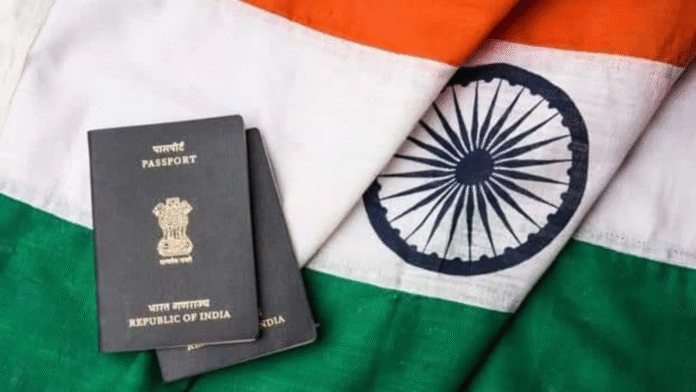
In a remarkable leap on the global mobility scale, the Indian passport has surged eight places to secure the 77th rank on the Henley Passport Index 2025, marking a significant milestone for Indian citizens and international travelers. The latest report reveals that holders of an Indian passport can now enjoy visa-free or visa-on-arrival access to 59 countries—reflecting growing diplomatic strength and global partnerships. The Henley Passport Index, published quarterly by London-based Henley & Partners, is a globally recognized ranking of the world’s most travel-friendly passports. It evaluates passports based on the number of destinations their holders can enter without needing to apply for a visa beforehand.
Strategic Diplomatic Wins
Experts attribute the surge to India’s proactive diplomacy and strategic alliances forged in recent years. Bilateral agreements with countries across Southeast Asia, Africa, and parts of Latin America have opened new doors for leisure and business travel. “This is more than just a numeric rise—it’s a reflection of India’s expanding global footprint,” commented a senior official from the Ministry of External Affairs.
What It Means for Travelers
From serene beaches in Thailand to cultural escapes in Serbia and tech hubs in Kenya, Indian travelers now have more options at their fingertips—with fewer bureaucratic hurdles and quicker travel planning. As global mobility becomes increasingly crucial in today’s interconnected world, the strengthened ranking comes as a boost not only for tourists but also for entrepreneurs, professionals, and students seeking international opportunities. India’s performance on the index continues to improve steadily over the years, signaling a broader trend of progress. While still far from the top-tier passports of countries like Japan or Germany, the momentum is unmistakable—and encouraging.
Have you ever wondered how different life would be if humans had never invented certain things? Imagine a world with no medium to share information or entertainment—a life devoid of stories, news, and voices from distant corners. Among the countless inventions, one stands out: radio broadcasting. Not just a device for amusement, it became a bridge to knowledge.
Through a simple voice travelling via airwaves, we began to hear updates from remote villages, learn about tribal customs, cultural rituals, local festivals, and diverse languages. Broadcasting transformed our ordinary lives, adding depth, excitement, and awareness we never knew we needed. On National Broadcasting Day, we honor the invention that sparked this transformation. From radio crackles to HD screens, our journey has been extraordinary. But what made broadcasting necessary in the first place? It was the need to exchange information—open, inclusive, and far-reaching. It gave India a voice and helped every citizen feel heard.
Every year on 23rd July, National Broadcasting Day is celebrated in India. This day commemorates the historic beginning of radio broadcasting in the country. On this day in 1927, the Indian Broadcasting Company initiated its first radio transmission from Mumbai. That single broadcast marked the start of a new era, becoming a foundational medium for information, culture, and communication.
History and Development
Radio broadcasting in India began unofficially in 1923 by the Radio Club of Bombay. However, the first official broadcast was made on 23rd July 1927, when the Indian Broadcasting Company aired news and music from Mumbai. In 1930, the government took over and renamed the service as the Indian State Broadcasting Service. Later in 1936, it was officially called All India Radio (AIR), and in 1957, it adopted the popular name Akashvani.
As of 2025, this institution has completed 98 years, and its contributions have grown immensely over time.
Why Broadcasting Day Was Needed
In a diverse country like India, a medium was necessary that could unite and deliver information equally to all. Radio rose to this challenge by: Reaching remote areas where newspapers or television couldn’t penetrate, Educating farmers, workers, and rural populations about health, agriculture, and development, Playing a vital role in the freedom movement by broadcasting messages of unity and awareness Serving as a source of entertainment and cultural preservation through music and drama
Importance in Today’s Context
Even in today’s digital age, radio continues to hold relevance: It remains a reliable source during disasters, elections, and public welfare campaigns, Plays a major role in preserving regional languages, folk music, and literary traditions Through mobile apps, podcasts, and online streaming, radio has evolved with modern technology and gained new energy
National Broadcasting Day is not just a historic date—it’s a moment of pride when India first heard its own voice echoing through the airwaves. This day reminds us how powerful communication can be in shaping a nation. Radio has uniquely contributed to India’s thought, identity, and direction, and continues to be a medium that binds the country togethe
In a major boost to its combat capabilities, the Indian Army has received three AH-64E Apache attack helicopters from the United States. These state-of-the-art machines arrived at Hindon Air Base aboard a massive Antonov transport aircraft and are set to be deployed near Jodhpur, close to India’s western border with Pakistan. This delivery marks the first batch of a six-helicopter deal approved by India’s Defence Ministry in 2017, valued at ₹4,168 crore. The remaining three Apaches are expected to arrive by the end of 2025.
What Makes the Apache Special?
All-weather capability: Can operate day and night, in extreme conditions.
Advanced weaponry: Equipped with Hellfire missiles, 30mm chain gun, and Hydra rockets.
Survivability: Known as a “tank in the air” for its armor and battlefield resilience.
High-tech sensors: Includes Longbow radar and night vision systems for precision targeting.
Multi-role use: Ideal for anti-armor missions, close air support, and reconnaissance.
The Apache helicopters will be inducted into the 451 Army Aviation Squadron, which was raised in March 2024 specifically to operate these platforms. Their deployment near the western frontier is strategic, enhancing India’s readiness for high-altitude and armored warfare scenarios. This acquisition follows the Indian Air Force’s earlier procurement of 22 Apache helicopters, delivered between 2019 and 2020. With this addition, India now operates 25 Apaches, solidifying its aerial strike capabilities.
In a surprising turn, India has emerged stronger in global safety perception, securing the 66th spot among 147 countries in the Numbeo Safety Index 2025. With a safety score of 55.7, India has edged past traditionally safer Western nations like the United Kingdom (ranked 87th, score 51.7) and the United States (ranked 89th) — reflecting a boost in public confidence and perceived law enforcement efficiency.
Andorra: The World’s Safest Nation
At the top of the global list stands Andorra, a small European country nestled in the Pyrenees Mountains between France and Spain. With an impressive safety score of 84.7, Andorra has been declared the world’s safest nation, thanks to its low crime rate and high public security standards.
China Leads the Asian Rankings
In Asia, China leads the pack with a score of 76.0, becoming the safest country in the region. Meanwhile, Middle Eastern countries like UAE, Qatar, and Oman have all landed in the top five, demonstrating their continued focus on public safety infrastructure and governance.
A Mixed Bag in South Asia
Within South Asia, Sri Lanka outperformed regional peers at 59th place, while Pakistan, at 65th, trailed just behind India. On the other hand, Bangladesh lagged significantly, ranking 126th, pointing to concerns about public security.
Beyond Statistics — Perception Matters
The Numbeo Safety Index doesn’t rely solely on statistical crime data—it takes into account public perception, citizen-reported experiences, trust in law enforcement, and the overall feeling of safety within urban environments. Through this lens, the report offers more than just numbers—it reflects how people genuinely experience their surroundings.
India’s Progress Reflects a Changing World
India’s rise in the ranks tells an optimistic story of progress and resilience in managing its complex safety challenges. As global perceptions shift, rankings like these continue to challenge preconceived notions and highlight emerging leaders in public security.
The online casino industry has undergone a dramatic transformation in recent years, emerging as a global entertainment powerhouse. With advancements in technology, shifting consumer preferences, and innovative gaming platforms, online casinos are more accessible and engaging than ever. This article examines key trends shaping the industry, offers practical tips for players, and explains why platforms like those found on ebnw.net are rising the charge. Whether you’re a seasoned player or a curious newcomer, understanding these dynamics can enhance your gaming experience.
Mobile Gaming: The Future of Casino Entertainment
Mobile gaming has revolutionized the way players interact with online casinos. In 2025, over 70% of online casino traffic is generated by mobile devices, driven by the convenience of playing anytime, anywhere. Modern platforms optimize their interfaces for seamless gameplay on smartphones and tablets, offering apps or responsive websites that rival desktop experiences. For instance, games like slots or live poker are now designed with touch-friendly controls and high-quality graphics.
To make the most of mobile gaming, ensure your device is up to date and use a secure Wi-Fi connection to minimize disruptions. Platforms featured on sites like ebnw.net often provide dedicated apps for a smoother experience. For example, accessing games through a streamlined 1xbet login process enables players to quickly and securely dive into their favorite titles.
Live Dealer Games: Bridging the Gap Between Virtual and Real
Live dealer games have surged in popularity, offering an immersive experience that mimics the atmosphere of a physical casino. These games, such as live blackjack, roulette, or baccarat, are streamed in real-time with professional dealers, allowing players to interact via chat. This trend appeals to those seeking authenticity without havingg toleave home. In 2025, platforms are enhancing live games with VR elements and multi-angle streams for a more engaging experience.
For newcomers, start with low-stakes live tables to get comfortable with the platform. Always check the platform’s reputation for fair play—resources like ebnw.net highlight trusted sites with robust live dealer offerings. A quick 1xbet login can connect you to a variety of live games, ensuring a reliable and interactive experience.
Gamification and Player Engagement
Gamification is transforming the way online casinos retain players. Beyond traditional bonuses, platforms now incorporate leaderboards, missions, and reward systems to keep users engaged and motivated. For example, completing a set number of spins might unlock a bonus round or exclusive tournament entry. This approach not only makes gaming more interactive but also fosters a sense of achievement.
To leverage gamification, look for platforms that offer loyalty programs or daily challenges that align with your goals. Check sites like ebnw.net for recommendations on casinos with strong gamification features. Pro tip: Set a budget before engaging in gamified challenges to avoid overspending while chasing rewards.
Cryptocurrency and Secure Transactions
The adoption of cryptocurrency in online casinos has skyrocketed, with Bitcoin, Ethereum, and stablecoins becoming standard payment options in the industry. Crypto transactions offer faster processing, lower fees, and enhanced privacy, making them appealing to tech-savvy individuals. In 2025, many platforms will also integrate blockchain for transparent game outcomes, building trust.
When choosing a crypto-friendly casino, verify its licensing and security protocols. Always store your crypto in a secure wallet and double-check transaction details. Platforms listed on ebnw.net often support crypto payments, making it easier to find reliable options for seamless deposits and withdrawals.
Top Places to Explore in 2025
Here’s a quick overview of popular casino games. It’s ending this year:
Game
Why It’s Popular
Tips for Players
Slots
Vibrant themes, progressive jackpots
Start with low-variance slots for steady wins
Live Blackjack
Interactive, strategic gameplay
Learn basic strategy charts to improve odds
Roulette
Simple rules, multiple betting options
Try European roulette for better odds
Poker
Skill-based, high-stakes tournaments
Practice in free games before betting big
Industry Statistics
Market Growth: The global online gambling market is projected to reach $127 billion by 2027, growing at a CAGR of 11.5% (source: industry reports).
Mobile Dominance: By 2025, over 70% of casino players are expected to prefer mobile platforms.
Crypto Adoption: Approximately 25% of online casino transactions now involve cryptocurrencies.
Player Retention: Casinos with gamification features report 30% higher user retention rates. Industry figures highlight the industry’s rapid evolution and the growing importance of mobile and secure platforms.
Conclusion
The online casino landscape in 2025 is dynamic, driven by mobile gaming, live dealer experiences, gamification, and the adoption of cryptocurrencies. Players can maximize their enjoyment by choosing reputable platforms, setting budgets, and exploring trending games. Websites like ebnw.net are invaluable for discovering trusted casinos that align with these trends. Whether you’re spinning slots or joining a live poker table, staying informed and strategic will enhance your experience. Dive in, play responsibly, and explore the exciting world of online casinos today!
Indian players no longer need to rely on local games with limited jackpots. TheLotter site – a global lottery provider – is now within reach. Still, it’s hard to make an informed choice with so many options on the table.
This guide breaks down proven strategies to help you play better, with less guesswork and more structure.
Choose Lotteries with Better Odds via TheLotter
TheLotter gives you access to over 50 global lotteries. But bigger isn’t always better. It’s smart to balance jackpot size with winning odds.
Lottery
Jackpot Odds
Typical Jackpot
EuroMillions
1 in 139 million
€100M+
Powerball (USA)
1 in 292 million
$500M+
SuperEnalotto (Italy)
1 in 622 million
€200M+
Australia Saturday Lotto
1 in 8 million
AU$5M–AU$20M
Austria Lotto
1 in 8 million
€1M–€10M
French Loto
1 in 19 million
€2M–€24M
Polish Mini Lotto
1 in 850,000
PLN 500K–1M
Tip: Use TheLotter’s filters to sort lotteries by odds, jackpot size, or draw frequency.
Types of Lotteries on TheLotter
TheLotter provides you with a wide range of international lotteries such as:
Weekly Jackpots – Classic formats like Powerball and Mega Millions.
Daily Lotteries – Fast-paced options such as Mexico Chispazo or Australia Monday Lotto.
Raffles & Special Draws – Including Spain’s Lotería Nacional and El Gordo with guaranteed prizes.
Multi-National Lotteries – Massive pooled games like EuroMillions and EuroJackpot.
National Lotteries – Traditional draws from countries like the USA, UK, Australia, and France.
This variety lets users pick based on jackpot size, draw frequency, or win probability.
Join a Syndicate on TheLotter
A lottery syndicate pools funds from several players to buy more tickets. You get more lines for less money.
Benefits:
Much higher odds of winning
Small stake, big reach
Win shares in multiple prize tiers
TheLotter offers curated syndicates across major lotteries like EuroMillions, Powerball, and Mega Sena. You can even join multiple groups at once for broader coverage.
Use Systematic Forms
Systematic forms on TheLotter let you select more numbers and automatically generate all valid combinations. This expands your odds without manual guesswork.
Available options:
6–12 number systems
Key-number strategies
Abbreviated wheels for budget play
These forms help you target secondary prize tiers more effectively, not just the jackpot.
Try Bundle Play for a Smart Mix
Bundle Play is a mix of personal entries and syndicate shares.
Why it works:
You get the best of both worlds: independence + group power.
A diversified strategy reduces total risk.
TheLotter’s bundles include top games like EuroMillions and Mega Millions
Ideal for players who want consistent engagement without manually managing everything.
Use Multi-Draws & Subscriptions
TheLotter lets you book entries for multiple draws in advance.
Subscriptions: Auto-renew weekly or monthly.
Multi-draws: One-time purchase, up to 52 draws.
Why it helps:
Never miss a draw.
Access loyalty discounts (up to 25%).
Set and forget approach for disciplined play.
Stay Updated with Alerts & Notifications
With TheLotter’s mobile app and email system, you’ll always know when:
Results are in
You’ve won
New jackpot boosts or superdraws are coming
Push notifications make it easy to track everything without logging in daily.
Understand Tax Implications for Indian Players
Winnings from TheLotter may be taxed twice:
At source (depending on the lottery country).
In India (flat 30% rate under Sec. 115BB of the Income Tax Act).
Tips:
Always check the local tax rules of the lottery’s origin country.
Consider consulting a CA for high-value prizes.
TheLotter does not withhold taxes for you — this is your responsibility.
TheLotter Is Safe and Transparent
Operating since 2002, TheLotter provides:
Scanned ticket proof in your account.
Secure payment systems.
Internationally recognized trust from sites like LottoAnalyst and TrustPilot.
It’s one of the few platforms that buy actual tickets (not bets on outcomes).