
Home Blog Page 227

When Should Beginners Start NABARD Grade A Preparation?

0

When you look at the NABARD Grade A syllabus, you might think how vast and detailed it is, especially if you are new to the world of competitive exams. Someone new to the world of government exams, the syllabus of the NABARD Grade A might even make you feel overwhelmed and stressed because you will get acquainted with it all at once. And this is exactly why you will get questions like, “When should beginners start NABARD Grade A preparation?”

Starting your NABARD Grade A preparation at the right time can make all the difference you need. Many of the beginners start preparing without understanding the exam first, but what you genuinely need is time to settle into a rhythm of understanding the exam inside out, and then start preparation.

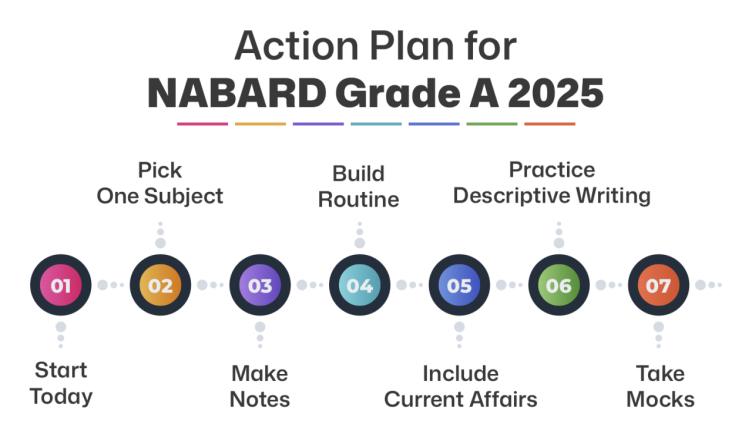
Now, when we talk about the NABARD Grade A 2025, as a beginner, you need to focus on the entire exam process and not just when the dates when the exams are happening. Putting your focus on the entire exam process will help you strategize for the NABARD Grade A exam better. Also, let me reassure you that starting early gives you an edge in the NABARD Grade A preparation, and you will not feel rushed once the notification is announced for the NABARD Grade A exam.
When Should Beginners Start NABARD Grade A Preparation?

Understanding NABARD Grade A Exam Structure

Before we talk about when to start, let me help you understand what you are preparing for. NABARD Grade A has two written phases and one interview. NABARD Grade A Phase 1 has a qualifying and merit sections, then comes the Phase 2 of NABARD Grade A, which contains objective and descriptive types of questions, and then comes the interview.

NABARD Grade A Syllabus
PhaseSubjects
Phase-1Qualifying SectionsReasoning EnglishComputer Knowledge Quantitative AptitudeDecision Making Merit SectionGeneral AwarenessEconomic and Social IssuesAgriculture and Rural Development
Phase-2Paper-1General English Paper-2Economic and Social Issues & Agriculture and Rural Development

If you are from a non-agricultural background, do not get intimidated by the NABARD Grade A syllabus; there have been so many aspirants who have cleared the exam without an agriculture degree. You will just have to create a strong base by making sure that you understand the basic concepts of these subjects.

Why Timing Matters for Beginners

As a beginner, you have to build everything from scratch. You do not just need to memorize facts, but also understand concepts deeply. NABARD looks for candidates who genuinely understand the rural economy, government policies, and developmental programs. All of this takes time.

If you start too late, you will end up chasing the syllabus without actually absorbing it. On the other hand, if you start too early without a plan, you may lose momentum midway. That is why timing it right is crucial.

Ideal Timeline for Beginners

Now the big question: When should you ideally start? The best answer is at least 9 to 12 months before the expected notification. This gives you enough time to go through every subject at a comfortable pace.

If you have 6 months, your study plan needs to be tighter. You will have to mix concept building and practice from the beginning. Prioritize the most important topics from the syllabus and be very consistent.

Breaking Down the NABARD Grade A Syllabus for a Beginner

The NABARD Grade A syllabus can be divided into three simple phases for a beginner:

  1. Concept Phase: Start with static subjects like agriculture basics, ESI theory, and finance fundamentals. Even if you are from a non-agricultural background, you can easily pick up the basic topics with the right sources.
  2. Current Affairs Phase: Once your basics are done, start building your current affairs notes regularly. Government schemes, reports, PIB releases, and budget-related updates are extremely important.
  3. Practice Phase: This is where you polish your preparation with mocks, answer writing, and time management. You should simulate real exam conditions regularly to improve your speed and accuracy.

Mistakes Beginners Make in the Preparation Timeline

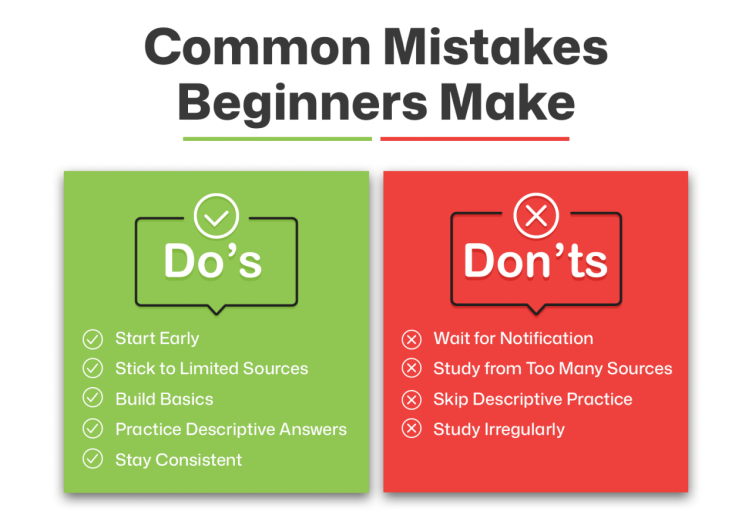
Many beginners either delay starting or start too casually. Some wait for the notification, thinking they have enough time after it comes out. That is a big mistake because you will not get enough time to cover everything once the clock starts ticking. This is a common problem when it comes to practicing and preparing for any government exams.

Another common mistake is trying to study everything from too many sources. The problem is not the lack of information; it is choosing the right material and sticking to it. Beginners often waste precious time jumping from one source to another, thinking they might be missing out.
When Should Beginners Start NABARD Grade A Preparation?

Conclusion

So, when should beginners start NABARD Grade A preparation? As early as possible, but with a clear plan. 9 to 12 months gives you a safe and smooth preparation journey. The NABARD Grade A syllabus may look huge at first, but when broken down into simple, daily goals, it becomes completely manageable.

Start slow, stay consistent, and keep refining your preparation. By the time nabard grade a 2025 arrives, you will feel confident and ready to take on the exam calmly. Success is not about rushing; it is about smart, steady steps.

Now, Merit-based Scholarship Available For Rajasthan Students

0

The Sarojini Damodaran Foundation (SDF), under the Shibulal Family Philanthropic Initiatives, formally launched the Vidyadhan-Rajasthan scholarship programme recently in Jaipur, marking the first expansion of its acclaimed initiative into the state.

This merit-based scholarship targets students from economically weaker sections (annual family income ≤ ₹2 lakh) who have successfully completed Class 10 and are presently enrolled in Class 11. The flagship programme aims to support students through graduation in their chosen field.

At the launch event, Pankaj Tripathi, principal consultant, stated that at least 100 students from Rajasthan will be awarded scholarships in its debut year, with plans to expand in coming years

The initiative joins a broader Vidyadhan project already active in 20 states and Union Territories including Kerala, Karnataka, Tamil Nadu, Andhra Pradesh, Maharashtra, Gujarat, Delhi, West Bengal, Ladakh, Odisha, Bihar, Jharkhand, Uttar Pradesh, Himachal Pradesh, Punjab, Haryana, Chandigarh, and Goa. By 2030, the foundation aims to scale its outreach to 100,000 scholarships nationwide

To date, the Vidyadhan programme has granted over 63,000 scholarships, with approximately 13,000 students currently receiving support

Programme Overview

  • Selection Criteria: Academic excellence post-Class 10, validated socio-economic status, and performance in written assessments and interviews.
  • Scholarship Value: Class 11–12 students receive up to ₹10,000 yearly; for undergraduate studies, the aid ranges between ₹10,000 and ₹75,000 annually based on state, course, and student profile
  • Each One, Teach One Model: Launched in 2016, this digital platform connects sponsors directly with students, ensuring transparency. Alumni increasingly contribute by sponsoring current students, fostering an ecosystem of sustained mentorship and giving back
  • Impact: An IIM-Kozhikode assessment highlights that students join the workforce earning nearly three times their annual scholarship within their first employment year, with many families rising above the poverty line within two years. Vidyadhan alumni are now working in leading firms, serving as doctors, engineers, chartered accountants, agricultural scientists, government professionals, and armed forces members

Rajasthan Specifics

The scholarship is initially open to at least 100 Class 11 students from Rajasthan; future years may extend to 100–150 recipients depending on application volume. The effort will focus particularly on reaching remote areas and government school students across the state

Applications for the following program are open now-

  1. Rajasthan 11th standard program
  2. Rajasthan – Neemuch & Mandsaur Degree program

Students can apply by going to: www.vidyadhan.org or by downloading the SDF vidya App.

For further help, please feel free to reach out on vidyadhan.rajasthan@sdfoundationindia.com or on 8068333500

How to Combat Pigmentation and Dullness During the Humid Monsoon Season

0

The monsoon season brings relief from the summer heat but also introduces challenges for your skin. The constant humidity, frequent rains, and changes in temperature can cause various skin issues like pigmentation, dullness, and uneven skin tone. However, with the right skincare routine, you can keep these concerns at bay and enjoy healthy, radiant skin all season long. In this blog, we will explore how to combat pigmentation and dullness during the monsoon season, and the best ingredients and products to incorporate into your skincare routine.

Understanding Pigmentation and Dullness During the Monsoon

Pigmentation occurs when melanin production is triggered in response to skin irritation, sun exposure, or hormonal changes. During the monsoon, the humidity can lead to clogged pores, excessive sweating, and an imbalance in the skin’s natural oils. This can cause breakouts, which often result in dark spots or pigmentation. On the other hand, dull skin can occur when the skin struggles to maintain its natural glow due to the lack of proper exfoliation and hydration.

To combat these concerns effectively, it’s essential to use products that can balance the skin, reduce pigmentation, and enhance the overall complexion.

Skincare Ingredients That Help with Pigmentation and Dullness

1. Niacinamide for Pigmentation

Niacinamide, also known as Vitamin B3, is one of the most effective ingredients for treating pigmentation. It works by inhibiting melanin transfer to the skin’s surface, preventing dark spots and uneven skin tone. Niacinamide also strengthens the skin’s barrier, improving hydration and reducing inflammation, which is essential during the humid monsoon months when the skin is more prone to sensitivity.

A niacinamide serum for pigmentation can be a game-changer for your skincare routine. By regularly incorporating this ingredient into your regimen, you can expect to see a noticeable reduction in dark spots and a more even complexion. Niacinamide also helps control oil production, which is particularly beneficial during the monsoon season when humidity can make the skin feel greasy.

2. Cica Moisturizer for Hydration and Soothing

Cica, short for Centella Asiatica, is a powerful plant extract known for its healing properties. A cica moisturizer can soothe irritated skin, reduce redness, and promote faster skin repair. During the monsoon, your skin can easily become compromised due to the increased moisture in the air, leading to inflammation and sensitivity. Cica works by calming the skin and helping to restore its natural barrier function, preventing further damage.

Besides its soothing effects, cica is also known to improve skin texture and promote collagen production, which is key for maintaining a youthful appearance. Opt for a lightweight, hydrating cica moisturizer that won’t feel heavy on the skin, yet will provide long-lasting moisture to combat the effects of humidity.

The Perfect Skincare Routine for Monsoon Skin

To address pigmentation and dullness effectively during the monsoon, it’s important to adopt a well-rounded skincare routine. Here’s a simple yet effective routine that incorporates key products to combat these concerns:

Step 1: Cleanse with a Gentle Cleanser

Start with a gentle, hydrating cleanser to remove dirt, oil, and impurities from your skin without stripping it of essential moisture. Choose a cleanser that is suitable for your skin type – whether oily, dry, or combination. Avoid harsh cleansers that can disrupt the skin’s natural barrier.

Step 2: Apply a Niacinamide Serum

After cleansing, apply a niacinamide serum for pigmentation to help brighten and even out your skin tone. Niacinamide helps reduce the appearance of dark spots and pigmentation while strengthening the skin’s barrier.

Step 3: Use a Cica Moisturizer

Once your serum has absorbed into the skin, follow up with a cica moisturizer to provide much-needed hydration and soothe the skin. Look for a lightweight formula that hydrates without making the skin feel greasy or weighed down.

Step 4: Apply Sunscreen

Even though the monsoon season brings clouds and rain, protecting your skin from UV rays is still essential. Choose a broad-spectrum sunscreen with SPF 30 or higher. Sunscreen helps prevent pigmentation and protects your skin from harmful UV radiation, even on cloudy days.

Step 5: Exfoliate Weekly

Exfoliating once a week is key to removing dead skin cells and promoting cell turnover. This helps combat dullness and ensures that your skin remains fresh and glowing. Use a gentle exfoliator with mild acids, like AHA or BHA, to avoid irritating the skin during the monsoon.

Additional Tips to Protect Your Skin in the Monsoon

  • Stay Hydrated: Drink plenty of water to keep your skin hydrated from within. Proper hydration helps maintain the skin’s elasticity and reduces the appearance of dullness.
  • Avoid Touching Your Face: Excess moisture and humidity can make your skin more prone to bacterial growth, leading to breakouts. Avoid touching your face frequently to minimize the risk of infections.
  • Keep Skin Dry: While it’s important to hydrate your skin, it’s also crucial to keep your skin dry in areas where sweat can accumulate. This helps prevent clogged pores and the formation of acne.
  • Opt for Lightweight Products: Choose lightweight, non-comedogenic skincare products to avoid clogging your pores during the humid season. Heavy creams can exacerbate the issue of greasy, clogged pores.

Conclusion

The humid monsoon season doesn’t have to take a toll on your skin. By incorporating the right ingredients into your skincare routine, such as a niacinamide serum for pigmentation and a cica moisturizer, you can combat pigmentation, dullness, and dryness, and keep your skin glowing and healthy. A consistent routine, along with proper hydration and sun protection, will ensure that your skin remains radiant and rejuvenated throughout the season.

By choosing products with proven, effective ingredients and making slight adjustments to your skincare regimen, you can enjoy beautiful, clear skin even during the humid, rainy days of the monsoon.

The Enigmatic Kakanmath Temple: A 1000-Year-Old Marvel of Morena Mdhya pradesh

0

Nestled in the quaint town of Sihoniya in Madhya Pradesh’s Morena district, the Kakanmath Temple stands as a testament to ancient architectural brilliance and mystical folklore. Believed to have been constructed in a single night by supernatural forces, this 11th-century Shiva temple, perched 115 feet above the ground, continues to captivate devotees and historians alike. Built in the Nagara style of North Indian temple architecture, the temple is not only a spiritual hub but also a remarkable example of intricate craftsmanship. Here’s an exploration of its history, architecture, and the legends that surround it.

A Historical Gem of the Kachwaha Dynasty

The Kakanmath Temple was commissioned by King Kirti Raj of the Kachwaha dynasty in the 11th century. Named after Queen Kakanavati, a devoted follower of Lord Shiva, the temple reflects the royal patronage of the era. While many smaller structures in the region have succumbed to the ravages of time and weather, this majestic temple has endured, standing tall as a symbol of devotion and architectural prowess.

The Legend of the Ghostly Builders

One of the most intriguing tales associated with the Kakanmath Temple is the belief that it was constructed in a single night by supernatural beings, often referred to as “bhoot” (ghosts). According to local folklore, these otherworldly entities worked tirelessly to erect the temple, but as dawn broke, they were forced to abandon the construction, leaving the structure seemingly incomplete. This unfinished appearance adds to the temple’s mystique, earning it the moniker “Temple of Ghosts.” While no definitive evidence supports this legend, it continues to spark curiosity and wonder among visitors.

Architectural Splendor in Nagara Style

The Kakanmath Temple is a fine example of Nagara-style architecture, characterized by its towering shikhara (spire) and intricate carvings. The temple complex consists of a sanctum sanctorum (garbhagriha), which houses the deity of Lord Shiva, and a mandapa, an open hall where devotees gather for prayers and rituals. The walls and pillars of the temple are adorned with detailed carvings depicting scenes from Hindu mythology and various deities, showcasing the exceptional skill of artisans from the era.In front of the temple lies the Kakanai Reservoir, a large rectangular water tank that adds to the site’s grandeur. A massive statue of Nandi, Lord Shiva’s sacred bull, stands proudly at the temple’s entrance, welcoming devotees and symbolizing devotion.

A Hub of Spiritual Celebrations

The Kakanmath Temple comes alive during the festivals of Mahashivratri and the Mondays of the Shravan month. Thousands of devotees flock to the temple during these occasions to offer prayers and participate in rituals dedicated to Lord Shiva. The vibrant atmosphere, filled with chants and devotion, transforms the ancient site into a hub of spiritual energy.

A Timeless Wonder

Despite the passage of centuries, the Kakanmath Temple remains an architectural and cultural marvel. Its blend of history, mythology, and intricate craftsmanship makes it a must-visit destination for those exploring Madhya Pradesh’s rich heritage. Whether you’re drawn by its spiritual significance, architectural beauty, or the eerie legend of its ghostly builders, the Kakanmath Temple promises an experience that lingers in the heart and mind.As you stand before this 1000-year-old structure, gazing at its towering presence and intricate details, you can’t help but feel a connection to the past—a past where devotion, artistry, and perhaps a touch of the supernatural converged to create something truly extraordinary.

City of Dreams Sri Lanka: Redefining Luxury and Leisure in Colombo

0

Nestled in the vibrant heart of Colombo, City of Dreams Sri Lanka, formerly known as Cinnamon Life, is poised to transform the landscape of luxury hospitality and entertainment in South Asia. Spanning an impressive 4.5 million square feet, this integrated resort, designed by the visionary architect Cecil Balmond, is Sri Lanka’s first of its kind. Seamlessly blending global standards with the island’s rich cultural heritage, it promises an unparalleled experience for travelers, event organizers, and locals alike. From world-class hotels to cutting-edge MICE facilities, City of Dreams Sri Lanka is set to become a beacon of tourism and economic growth in the region.

A Visionary Architectural Marvel

Designed by the renowned Cecil Balmond, known for his bold and innovative architectural creations, City of Dreams Sri Lanka is a masterpiece of contemporary design. The resort’s striking aesthetic harmonizes modern elegance with elements of Sri Lankan culture, creating a visually stunning landmark in Colombo. Every facet of the development, from its sleek lines to its thoughtfully curated spaces, reflects Balmond’s commitment to pushing architectural boundaries while honoring local traditions.

Unrivaled Luxury Accommodations

At the heart of the resort are its two flagship hotels, offering a spectrum of upscale experiences. The 687-room Cinnamon Life hotel caters to discerning travelers seeking comfort and sophistication, with spacious rooms and world-class amenities. Complementing it is the exclusive 113-room Nüwa hotel, a haven of opulence designed for those who crave an intimate, ultra-luxury experience. Both hotels are crafted to meet global hospitality standards, ensuring guests enjoy unparalleled service and comfort.A Hub for Global Events and ConventionsCity of Dreams Sri Lanka is poised to become a premier destination for international events, thanks to its state-of-the-art MICE (Meetings, Incentives, Conferences, and Exhibitions) infrastructure. With expansive, versatile spaces equipped with cutting-edge technology, the resort is ideal for hosting global conferences, corporate retreats, and large-scale exhibitions. This makes it a catalyst for positioning Sri Lanka as a leading destination for business tourism in South Asia.

A Fusion of Entertainment, Dining, and Retail

Beyond its accommodations and event facilities, City of Dreams Sri Lanka offers a dynamic mix of entertainment, dining, and retail experiences. The resort features an array of gourmet restaurants showcasing both international cuisines and authentic Sri Lankan flavors, curated to delight the most discerning palates. Its retail spaces house a curated selection of high-end brands, while entertainment options, from live performances to immersive attractions, ensure there’s something for every visitor. This vibrant ecosystem makes the resort a one-stop destination for leisure and indulgence.

City of Dreams Sri Lanka: Redefining Luxury and Leisure in Colombo

Commitment to Sustainability

City of Dreams Sri Lanka is not just about luxury—it’s about responsibility. The resort integrates sustainable practices into its operations, from energy-efficient designs to eco-friendly initiatives, ensuring a minimal environmental footprint. This commitment reflects a broader vision to contribute positively to Sri Lanka’s future while delivering world-class experiences.

Driving Economic and Cultural Growth

As one of the largest private investments in Sri Lanka, City of Dreams Sri Lanka is more than a resort—it’s a catalyst for economic transformation. The project is expected to generate thousands of jobs, boost tourism, and elevate Sri Lanka’s profile on the global stage. By blending international sophistication with local cultural elements, it celebrates the island’s heritage while attracting a diverse, global audience.

A New Era for South Asian Hospitality

City of Dreams Sri Lanka is redefining luxury, leisure, and business travel in the region. With its iconic architecture, world-class facilities, and commitment to sustainability, it stands as a symbol of innovation and ambition. Whether you’re a traveler seeking an unforgettable escape, a business professional planning a global event, or a local looking to experience the best of Colombo, City of Dreams Sri Lanka promises to deliver extraordinary moments that linger long after your visit.

Hidden in the serene Satpura ranges of Pachmarhi lies the sacred Nagdwar Temple—often revered as the “Amarnath of Madhya Pradesh.”

0

The “Amarnath of Madhya Pradesh.” This rare pilgrimage site opens its doors to devotees for only ten days each year. Starting today, 19th July, the annual Nagdwar Yatra has begun and will continue till the 29th. It’s estimated that nearly 5 to 6 lakh worshippers will participate this time.

The temple is a mystical confluence of faith and mystery, nestled deep within dense forests and towering cliffs. Devotees undertake a grueling 20-kilometer trek across seven rugged hills to reach this cave-like abode of Lord Shiva. The journey is not just physical—it’s a testament to spiritual endurance and devotion. Echoing with chants of “Har Har Mahadev,” the yatra during the holy month of Shravan transforms the region into a vibrant tapestry of religious fervor. Over the years, the tradition of Nagdwar has evolved into a profound symbol of devotion, not just for Madhya Pradesh but for spiritual seekers across India.

Hidden in the serene Satpura ranges of Pachmarhi lies the sacred Nagdwar Temple—often revered as the “Amarnath of Madhya Pradesh.”

Origins and Mythical Significance

  • The Nagdwar Temple, often called Madhya Pradesh’s Amarnath, is believed to be centuries old and steeped in legends. It’s said to have been founded by Shri Krishna Dass Ji Maharaj, a devout follower of Lord Krishna. The name Nagdwar translates to “serpent’s gateway,” symbolizing the belief that a sacred serpent guards the temple’s sanctum.
Hidden in the serene Satpura ranges of Pachmarhi lies the sacred Nagdwar Temple—often revered as the “Amarnath of Madhya Pradesh.”

Spiritual Legacy

  • The temple is dedicated to Lord Shiva, and opens only once a year for ten days during the holy month of Shravan. Pilgrims undertake a 20-kilometer trek through seven rugged hills and dense forests to reach this cave-like shrine. The journey is considered a test of both faith and endurance, echoing the trials of ancient sages and devotees.

Natural and Cultural Harmony

  • Nestled within the Satpura National Park, the temple is surrounded by lush greenery, deep ravines, and wildlife, creating a rare blend of spirituality and ecology. The annual Nagdwari Yatra transforms the region into a vibrant spiritual hub, drawing lakhs of devotees from across India.

Architectural and Ritual Highlights

  • Though modest in structure, the temple’s gufanuma (cave-like) design adds to its mystique. Devotees chant “Har Har Mahadev” as they ascend, and the air is filled with the scent of incense and echoes of bhajans

Sundar Pichai: A Non-Founder CEO Who Became A Billionaire Purely Through Leadership And Performance

0

In the bustling city of Chennai, Tamil Nadu, where dreams often mingle with the hum of local trains and temple chants, a boy named Sundar Pichai grew up in a humble two-room home. He didn’t own a computer until college, and the family’s first telephone arrived when he was twelve. Yet even in this modest setting, Pichai’s sharp memory for numbers and quiet determination hinted at a remarkable future.

Early Life and Education

Pichai’s academic brilliance earned him a seat at IIT Kharagpur, where he studied metallurgical engineering. But destiny had bigger plans. A scholarship took him to Stanford University, launching his journey into the world of technology—despite the cost of the flight ticket being more than his father’s annual salary. He later earned an MBA from Wharton School, where he was recognized as a Siebel Scholar for academic excellence.

Google and the Rise of a Tech Leader

In 2004, Pichai joined Google, quietly contributing to lesser-known products like the Google Toolbar. His breakthrough came with Google Chrome, which he spearheaded into becoming the most popular browser worldwide. His leadership style—calm, strategic, and visionary—earned him steady promotions.

By 2015, Pichai was named CEO of Google, and in 2019, he became CEO of Alphabet Inc., Google’s parent company. Under his stewardship, Alphabet sharpened its focus on AI innovation, acquiring companies like DeepMind and investing billions into infrastructure. In 2024 alone, the company spent $50 billion on AI, fueling a meteoric rise in market value.

Becoming a Billionaire Without Founding

Unlike most tech billionaires, Sundar Pichai isn’t a founder. His wealth—currently estimated at $1.1 billion—comes from relentless dedication and performance. He holds a 0.02% stake in Alphabet, valued at around $440 million, and has sold more than $650 million worth of shares.

Beyond the Boardroom

True to his Indian roots, Pichai is a lifelong cricket fan. In 2023, he made headlines by purchasing a 49% stake in the London Spirit cricket team for $182 million, blending sports passion with business savvy. Sundar Pichai’s story is not just about ascending the corporate ladder—it’s a modern-day epic of perseverance, intellect, and global impact. From navigating the streets of Chennai to steering one of the world’s largest tech companies, Pichai’s journey inspires a generation to believe that dreams, no matter where they begin, can change the world.

How an Ancient Hindu Shrine Became the Epicenter of a Modern War,Thailand–Cambodia Tensions Flare Over “Preah Vihear Temple” Amid Renewed Border Disput…

0

The Preah Vihear Temple, a 900-year-old Hindu shrine dedicated to Lord Shiva, sits atop a cliff in Cambodia’s Dangrek Mountains. Built during the Khmer Empire, it’s a sacred site for both Cambodians and Thais. Nearby lies the Ta Muen Thom temple complex, also Shaivite in origin, with a naturally formed Shivling and Sanskrit inscriptions — a testament to ancient Indian influence.

These temples are more than relics. They’re symbols of cultural pride, national identity, and historical grievance. The conflict stems from colonial-era maps drawn by the French, which placed Preah Vihear within Cambodia. Thailand disputes this, arguing the maps were flawed and the surrounding land — especially a 4.6 sq km patch — remains unresolved.

Why Thailand and Cambodia Are Fighting

  • Border Dispute: The temples lie in rugged terrain with undemarcated boundaries, making them flashpoints for military tension.
  • ICJ Rulings: In 1962 and again in 2013, the International Court of Justice ruled in favor of Cambodia’s sovereignty over Preah Vihear and its surrounding area. Thailand has resisted full compliance.
  • Recent Escalation: In July 2025, clashes erupted again — drones, rocket fire, and airstrikes have left dozens dead and over 100,000 displaced.
  • Cultural Provocations: Cambodian troops singing their national anthem at Ta Muen Thom triggered confrontations with Thai forces.

What Is the Emerald Triangle?

The Emerald Triangle refers to the forested, mountainous region where Thailand, Cambodia, and Laos converge. It’s a strategic zone with overlapping territorial claims, ancient temples, and dense jungle — a place where borders blur and nationalism flares.

Emerald Triangle Cooperation (2000–2008)

  • The term “Emerald Triangle” was coined in 2000 as part of a trilateral initiative to promote tourism and economic development across border provinces. Projects included joint eco-tourism ventures, infrastructure upgrades, and even a proposed international golf course — though some plans were halted due to landmine risks and local opposition. The Pakse Declaration (2003) formalized cooperation, but tensions over temple sovereignty soon overshadowed the initiative.

Its Impact

  • Geopolitical Tensions: The Triangle is now a military flashpoint, threatening regional stability and drawing international concern.
  • Cultural Heritage at Risk: Temples like Preah Vihear and Ta Muen Thom are caught in the crossfire, risking damage to irreplaceable monuments.
  • Diplomatic Fallout: Both nations have expelled ambassadors, closed borders, and banned imports — even Thai soap operas and fruit in Cambodia.
  • Political Turmoil: Thailand’s Prime Minister faces mounting pressure, and Cambodia has taken the dispute to the UN and ICJ again.

Should Know About Your Home Loan EMI: Top 5 Takeaways

0

Buying a home is a huge financial step. And for most of us, that dream home becomes attainable with a home loan. But before you sign the final loan agreement, it’s important to understand how your home loan EMI works. The good news is that with tools like a home loan calculator, you can easily plan your EMIs and repayment schedule.

Should Know About Your Home Loan EMI: Top 5 Takeaways

Let’s break down five key things every homebuyer in India should know about EMIs before applying for a housing loan.

1. Understand How EMI is Calculated

Your Equated Monthly Instalment (EMI) is a mix of two parts—principal and interest. In the early years of your loan tenure, a bigger chunk of your EMI goes toward paying the interest, while the principal gets a smaller share. Over time, this balance shifts.

Here’s what affects your EMI:

  • Loan amount: The total money you borrow
  • Interest rate: Usually between 8% to 11% depending on the lender
  • Loan tenure: Longer tenure may have lower EMI, but more total interest paid

Use a home loan calculator to estimate your EMI in seconds. Just enter the loan amount, interest rate, and tenure. It’s the easiest way to plan your finances smartly.

2. Pre-EMI vs Full EMI: Know the Difference

If you’re buying an under-construction property, your lender may offer the pre EMI option. With pre EMI, you pay only the interest part of your loan until the construction is complete. This reduces your monthly outgo in the initial phase. However, the principal remains untouched, and the full EMI starts only after possession.

Key things to remember:

  • Pre-EMI keeps cash flow light in the short term
  • Full EMI starts after final loan disbursement or project completion
  • Ideal for buyers who are renting and paying a loan simultaneously

So, if your income is tight at the beginning, pre EMI could help manage expenses better.

3. Pre-Closure and Part-Payment Can Save Big on Interest

Want to reduce your interest burden? Consider pre-closing your home loan or making part-payments when possible. When you pay off a portion of your loan ahead of time, your outstanding principal reduces, which in turn cuts down your future interest.

Some lenders may charge a fee for this, especially on fixed-rate loans. But some allow zero pre-payment penalties—which makes it a smart financial move.

Advantages of pre-closure:

  • You become debt-free sooner
  • Save lakhs in interest
  • Lower EMIs or shorter loan tenure

Before going for pre-closure, check your lender’s policy and make sure your finances are in place.

4. EMI Bounce? Act Immediately

Missed an EMI? Don’t wait. A bounced EMI can attract penalties, impact your credit score, and lead to legal complications if ignored.

Common reasons for EMI bounce:

  • Insufficient bank balance
  • Technical error in mandate
  • Expired bank details in the ECS system

Here’s what happens:

  • Late payment fee and bounce charges apply
  • It affects your repayment history and loan eligibility
  • Continuous defaults may invite action under the SARFAESI Act

If your EMI has bounced, talk to your bank right away. Set up an auto-debit option to avoid missing payments again. It’s safe, fast, and ensures you’re always on time.

5. Use Home Loan Calculators & Eligibility Tools Smartly

Before applying for a loan, always check your home loan eligibility. Your salary, age, current EMIs, job stability, and credit score all play a role. Use an online home loan eligibility calculator to see how much loan you can get.

Benefits of these tools:

  • Estimate EMIs based on real inputs
  • Compare multiple loan offers
  • Understand your loan affordability
  • Avoid over-borrowing or under-budgeting

By using a home loan calculator, you can adjust your tenure, try different interest rates, or plan for part-payments. This helps you make informed decisions—no surprises later.

Conclusion

Your Home Loan EMI isn’t just a monthly figure—it’s a long-term commitment that impacts your overall financial health. By understanding how EMIs are calculated, the pros and cons of pre-EMI, and the benefits of timely part-payments or pre-closure, you gain better control of your finances. Tools like home loan calculators simplify decision-making, reduce risk, and help you stay prepared. Remember, a home loan should be a step toward security, not stress. Therefore, plan smartly, compare offers, and stay informed before you sign up. The right EMI plan can bring you one step closer to your dream home.

Now, Hrithik Roshan Will Grace The City of Dreams Sri Lanka’s Debut As Shahrukh Remains Busy With Dates…

0

In a surprising turn of events, the much-awaited grand opening of City of Dreams Sri Lanka has undergone a sudden change at the top. Originally expected to be graced by Bollywood’s King Khan, Shah Rukh Khan, the spotlight will now fall on India’s charismatic dance icon—Hrithik Roshan.

Shah Rukh’s sudden withdrawal due to scheduling conflicts sent ripples across South Asia’s entertainment community. But like a true cinematic twist, the organizers pulled off the perfect comeback: Hrithik Roshan, known for his electrifying presence and global fan following, will now headline the gala event on August 2, 2025, as the exclusive guest of honour.

SUPERSTAR HRITHIK ROSHAN TO GRACE THE GRAND OPENING OF CITY OF DREAMS SRI LANKA AS SPECIAL GUEST

The Celebration Begins

Marking the official launch of the “Let’s Go, Let Go” campaign, this event isn’t just a party—it’s a movement. It calls on dreamers, travellers, and luxury seekers to leave behind the ordinary and embrace indulgence, joy, and reinvention. As South Asia’s first integrated resort, City of Dreams Sri Lanka is poised to elevate Colombo into the ranks of top-tier global destinations.

Andre Timmins, Co-Founder and Director at Wizcraft Entertainment, expressed his thrill about the event, stating,

“It’s an exhilarating moment for Wizcraft to be part of the grand unveiling of City of Dreams Sri Lanka—a game-changing destination that reshapes the landscape of luxury and entertainment in South Asia. Having the legendary Hrithik Roshan as our celebrated guest adds a layer of glamour and emotion to this monumental event. His presence embodies the joy, vibrance, and magnificence of this historic launch. This isn’t just a celebration—it’s a spectacle that promises to etch itself in memory.”

Much more than just an upscale resort, City of Dreams Sri Lanka stands as an engineering and design masterpiece poised to position Colombo at the forefront of elite tourism and business retreats. As South Asia scripts its next chapter, this opening marks the dawn of a dazzling legacy. City of Dreams Sri Lanka is more than a luxurious escape—it’s a symbol of ambition, architectural excellence, and South Asia’s rising global appeal. From curated experiences to breathtaking designs, the resort sets a new benchmark in leisure and business travel. As countdown begins, the stage is set, the lights are warming up, and the star has arrived. This isn’t just an opening—it’s cinematic history in the making.