Home Blog Page 212

“Madhapar” World’s Richest Village, Where rural prosperity doesn’t require urban migration..

0

When most people hear the word village, a familiar image springs to mind: dusty roads winding through fields, modest homes with tiled roofs, cattle grazing lazily under the sun, and a pace of life untouched by the rush of modernity. Villages are often seen as places of simplicity—rich in culture, but poor in opportunity. They’re where dreams are born, but rarely where fortunes are made.

But then there’s Madhapar.

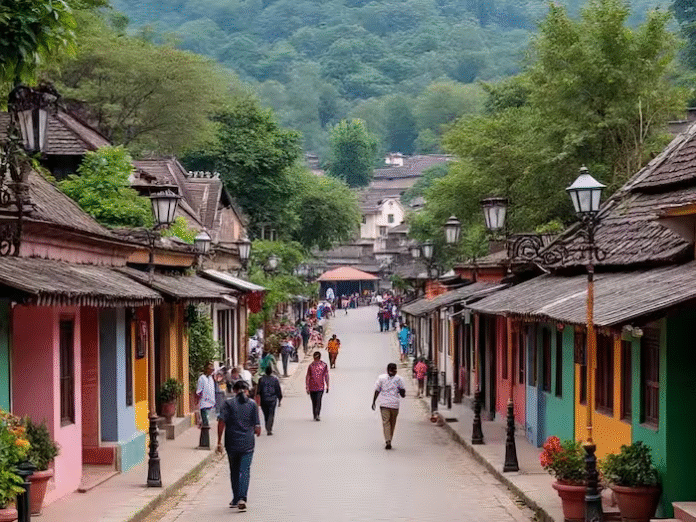
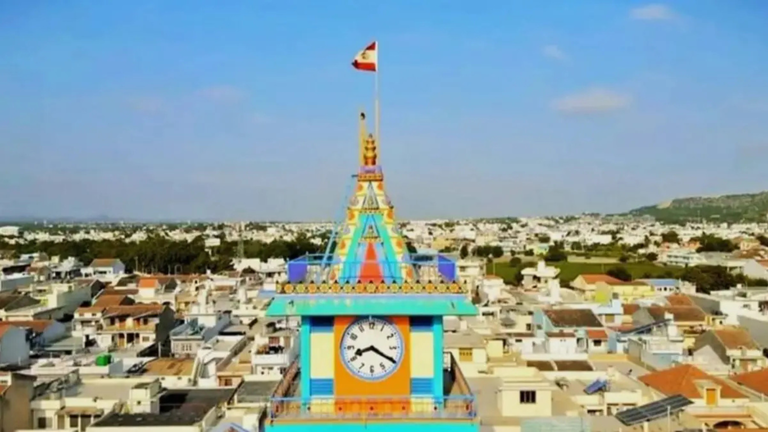
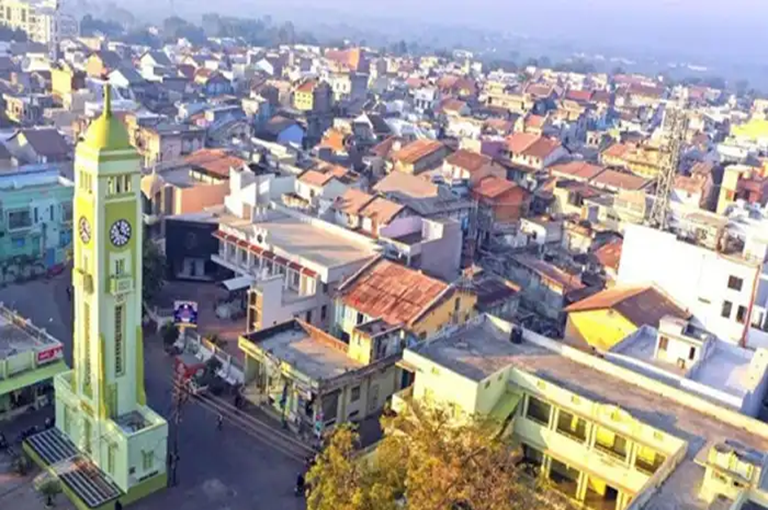
Nestled in Gujarat’s Kutch district, Madhapar doesn’t just challenge the image of a typical Indian village—it shatters it. With ₹5,000 crore in bank deposits, 17 bank branches, and nearly every household a lakhpati or crorepati, Madhapar has earned its title as the richest village in the world. And it didn’t get there by accident.
"Madhapar" World's Richest Village, Where rural prosperity doesn’t require urban migration..

Global Roots, Local Loyalty

Madhapar’s prosperity flows from its people—especially those who ventured abroad. Families from this village have settled in the UK, USA, Canada, Africa, and the Gulf, building successful lives in trade, construction, and business. But instead of severing ties, they’ve turned their hometown into a financial and infrastructural powerhouse. These NRIs send more than money home; they send vision, values, and a fierce commitment to uplift their roots. Their contributions have transformed Madhapar into a model of rural development.
"Madhapar" World's Richest Village, Where rural prosperity doesn’t require urban migration..

A Village Built by Its Own

Founded in the 12th century by the Mistri community, known for their architectural brilliance, Madhapar has always had a foundation of craftsmanship and pride. Today, that legacy lives on—not just in temples, but in:

  • Urban-style housing
  • Modern schools and colleges
  • Multi-specialty hospitals
  • Parks, lakes, and dams
  • Digitized banking and high-speed internet

It’s a village where luxury cars glide past traditional homes, and where elders speak of heritage while youth dream of innovation.

More Than Money: A Spirit of Unity

Madhapar isn’t just rich—it’s resilient. Its story is one of collective pride, where wealth is not hoarded but shared. The village thrives on community bonds, cultural preservation, and a shared commitment to progress. In a country where rural distress often dominates headlines, Madhapar stands as a counter-narrative—a place where global success and local loyalty walk hand in hand.

A Blueprint for Rural India’s Future

Madhapar offers a replicable model for other villages:

  • Diaspora engagement as a development strategy
  • Community-led governance with transparency
  • Cultural preservation alongside modernization

Now UPI From Your Fridge, Car and Smartwatch; NPCI’s IoT-Enabled UPI 3.0 Set to Redefine Digital Payments

0

The National Payments Corporation of India (NPCI) is gearing up for a game-changing leap in digital payments. Its upcoming upgrade—UPI 3.0—is designed to bring Internet of Things (IoT) integration into the Unified Payments Interface (UPI) ecosystem, enabling automated, device-to-device payments through smart appliances and gadgets.

In simpler terms, you may soon be able to make UPI payments not just from your smartphone—but from your fridge, smartwatch, car, washing machine, or even your TV.

How It Works: UPI Meets IoT

The Internet of Things (IoT) allows connected devices with embedded sensors and software to communicate and perform tasks over the internet without human input. NPCI plans to leverage this technology by building on existing UPI features such as UPI Autopay and UPI Circle.

Under the new framework, users will be able to:

  • Assign mandates to smart devices via their primary UPI app.
  • Generate secondary UPI IDs tied to each device.
  • Enable automated, permission-based payments for recurring services (e.g., monthly groceries from a smart fridge, or EV charging from your car).

Launch Timeline: Expected by October 2025

The official announcement of UPI 3.0 is expected during the Global Fintech Fest 2025, to be held in Mumbai in October, pending final regulatory approvals.

According to NPCI sources, each smart device will be able to transact autonomously within predefined transaction limits, which are currently under discussion.

Enhanced User Experience and Privacy

The goal is to simplify and secure daily transactions by:

  • Enabling hands-free payments
  • Allowing distinct UPI IDs per device for better traceability
  • Offering mandate-based controls for added security

Recognizing the potential privacy concerns, NPCI is also working closely with regulators to ensure compliance, data encryption, and fraud prevention measures are baked into the system architecture.

UPI’s Growth: A Strong Foundation for Innovation

UPI continues to dominate India’s digital payments landscape. In FY 2024-25, the platform processed 185.8 billion transactions, marking a 41.7% year-on-year increase. According to the RBI, UPI now accounts for 83% of all retail payments in the country.

Globally, the autonomous payments market is also on a sharp growth trajectory, with projections from Global Market Insights estimating a CAGR of over 40% from 2024 to 2032.

Conclusion: A Glimpse Into the Future of Payments

With UPI 3.0, India is not just innovating—it’s redefining how digital payments can seamlessly integrate into everyday life. If successful, NPCI’s vision could turn homes, cars, and wearables into financial tools, making autonomous payments a new normal in one of the world’s most dynamic fintech ecosystems.

Robot Olympics Wraps Up in Beijing: A Dazzling Display of Tech, Talent, and Tomorrow

0

(PC: India today)

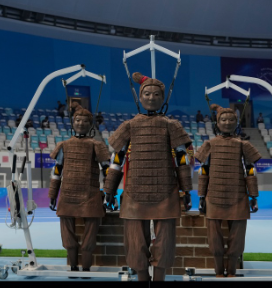
The inaugural World Humanoid Robot Games concluded yesterday after three electrifying days of competition, innovation, and spectacle at Beijing’s iconic Olympic venues — the Bird’s Nest and the Ice Ribbon. More than 500 humanoid robots from 280 teams across 16 countries battled it out in a futuristic celebration of athleticism, artistry, and artificial intelligence.

A New Kind of Athlete

The Games featured 19 events across three categories:

  • Athletic Competitions: Robots sprinted, jumped, and even played soccer in 2×2, 3×3, and 5×5 formats. The Unitree H1 series stole the spotlight by clinching the 1500m track final in just 7 minutes and 10 seconds.
  • Performance Showcases: Robots danced in coordinated routines, played musical instruments, and performed martial arts, dazzling audiences with their agility and expressive motion control.
  • Scenario-Based Challenges: Robots tackled real-world tasks like sorting medicine in hospital simulations, handling materials in industrial setups, and performing cleaning and hospitality services in hotel environments.

Global Stage, Local Impact

The event drew massive international attention, with over 97 overseas media outlets and hundreds of reporters covering the spectacle. Participating teams ranged from elite universities like Tsinghua and Peking University to tech startups and middle school robotics clubs. China’s government backed the event with over $20 billion in subsidies and announced plans for a ¥1 trillion ($137 billion) fund to support AI and robotics startups — signaling its ambition to lead the global robotics race.

Robot Olympics Wraps Up in Beijing: A Dazzling Display of Tech, Talent, and Tomorrow

More Than Just Competition

The Games weren’t just about winning medals. They were a showcase of embodied AI — robots interacting with the world in dynamic, human-like ways. From robot-run cafés to impromptu street performances at the Panda Eye venue, the event brought cutting-edge tech to the public in playful, accessible formats.

A Milestone for Humanoid Robotics

As the curtain falls on this historic event, one thing is clear: the World Humanoid Robot Games have redefined what it means to compete, collaborate, and create in the age of intelligent machines. Organizers hailed it as a “milestone in human–robot interaction,” and spectators left with a glimpse of a future where robots aren’t just tools — they’re teammates, performers, and even entertainers.

Singapore Leads the World in Longevity Through Policy, Innovation, and Cohesion

0

Few places on Earth have seen such a dramatic transformation in life expectancy as Singapore. In 1960, just before gaining independence, a child born in this small Southeast Asian island nation could expect to live to around 65. Today, that figure has risen to over 86 years, making Singapore one of the longest-living nations globally. Even more striking, the number of centenarians doubled between 2010 and 2020.

This remarkable rise in longevity is no accident—it is the result of decades of deliberate government policy, investment in public health, and a national focus on quality of life.

Singapore: The World’s First Urban “Blue Zone 2.0”

In August 2023, Singapore was named the sixth Blue Zone—a term coined by National Geographic journalist Dan Buettner to describe regions where people live significantly longer lives. Unlike traditional Blue Zones such as Ikaria (Greece) or Nicoya (Costa Rica), where longevity is rooted in ancient traditions and lifestyle, Singapore is considered a “Blue Zone 2.0”: a place where long life is engineered through policy, planning, and innovation.

Key Drivers of Longevity in Singapore

1. World-Class Healthcare Infrastructure

Singapore’s healthcare system consistently ranks among the world’s best for both quality and efficiency. The 2023 Legatum Prosperity Index ranked Singapore #1 globally for health, recognizing its blend of:

  • Universal healthcare coverage
  • Efficient public-private care systems
  • Mandatory medical savings accounts (Medisave)
  • Subsidies to control out-of-pocket costs

This structure ensures accessibility, affordability, and sustainability.

2. Environment that Encourages Healthy Living

Policy extends far beyond hospitals and clinics:

  • Green spaces and parks are embedded throughout the city, encouraging walking and outdoor activity.
  • Robust public transport reduces reliance on cars, promoting daily physical movement.
  • Cleanliness and hygiene are national priorities, enforced through laws and civic responsibility.
  • Strict public health laws (e.g., on smoking, littering, and drug use) contribute to a safe and clean environment.

3. Social Cohesion and Mental Wellbeing

Singapore’s diverse population lives under a policy framework that emphasizes unity and harmony. Laws are strict, but many citizens believe they contribute to a sense of safety, calm, and shared identity, all of which play into mental wellbeing—a crucial component of longevity.

Quality Over Quantity

For Singaporeans, it’s not just about living longer—it’s about living better. Residents often cite:

  • Security
  • Access to quality food
  • Well-maintained infrastructure
  • Efficient services
  • Social safety nets

as reasons for their high quality of life.

However, this does come with a cost. Singapore is one of the most expensive cities globally, ranked second only to Hong Kong by Mercer’s 2023 cost of living index.

Lessons for the World

Singapore proves that longevity isn’t just cultural or genetic—it can be built. Its success shows how:

  • Policy can create healthy environments
  • Access and affordability matter
  • Urban design can foster physical activity
  • Social order and cohesion support mental health

In an aging global population, Singapore stands as a case study in how governments can intentionally design longer, healthier lives.

In Germany’s Fuggerei, Rent Hasn’t Changed Since 1521 — Just $1 a Year, in World’s Oldest Social Housing Complex

0

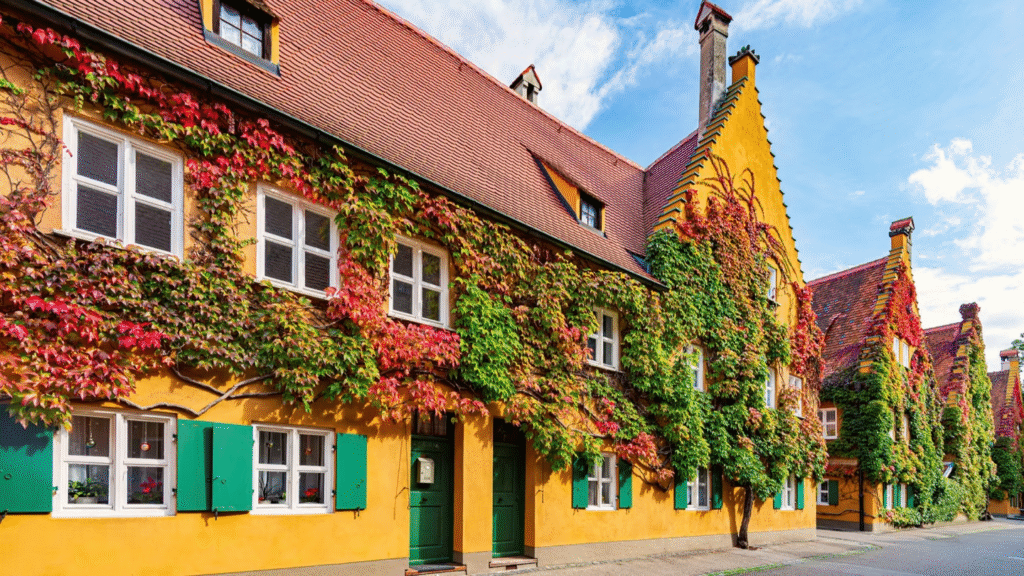
In a quiet corner of Augsburg, Germany, time seems to stand still—at least when it comes to rent. In Fuggerei, the world’s oldest social housing complex, residents still pay the same annual rent set over 500 years ago: the equivalent of just $1.

Founded in 1521 by Jakob Fugger, one of history’s wealthiest individuals, Fuggerei was established as a charitable housing project for people in need. Fugger’s vision was simple yet profound: to offer those facing financial hardship a safe, dignified place to live within a supportive community.

In Germany’s Fuggerei, Rent Hasn’t Changed Since 1521 — Just $1 a Year, in World's Oldest Social Housing Complex

Remarkably, the original rules for residency still apply today. Tenants must be Catholic, debt-free, and commit to praying three times daily for the Fugger family. In exchange, they receive a private, modest apartment within a charming, walled village that feels untouched by time.

Fuggerei is picturesque and serene, with rows of yellow homes, well-kept gardens, a central church, and even a centuries-old nightly curfew that residents still observe.

Through wars, revolutions, and global change, Fuggerei has endured—remaining true to its founding principles of faith, community, and compassion. While the world outside modernized, this unique enclave quietly preserved one of the most remarkable housing legacies in history.

Who Created Bitcoin Remains to Be A Mystery Even When It Crosses ₹1 Crore Mark. Know Its Origin and History…

0

Bitcoin has achieved a remarkable milestone—crossing ₹1.08 crore in value for the first time. Back in 2009, its value was practically zero. Since then, the cryptocurrency has not only revolutionized finance but also generated countless fascinating stories.

Perhaps the most intriguing is the mystery of its creator. To this day, no one knows who actually invented Bitcoin. The only clue is a name—Satoshi Nakamoto—a pseudonym used by the person or group behind it. Their identity remains unknown.

And then there’s the famous pizza story.

In 2010, a software engineer named Laszlo Hanyecz made the first real-world Bitcoin transaction by buying two pizzas. The price? 10,000 bitcoins—worth about $41 at the time.

Had he held onto those bitcoins, their current value would be over ₹10,000 crore. That means each slice of those two pizzas, assuming 6 slices per pizza, would now be worth around ₹833 crore per slice.

The Birth of Bitcoin

It was 2008. A global financial crisis was shaking the world. Confidence in banks and governments was at an all-time low. People were losing faith in the traditional financial system—many even lost their life savings due to poor decisions made by banks.

Amid this turmoil, someone using the name Satoshi Nakamoto released a concept paper online. It proposed a revolutionary idea: a digital currency that could work without the control of banks or governments.

On January 3, 2009, the first block of Bitcoin—the “Genesis Block”—was mined. Bitcoin was born. Its goal? To be decentralized—free from the control of any single institution.

The ₹10,000 Crore Pizza

Fast forward to May 22, 2010. Florida-based programmer Laszlo Hanyecz posted on a Bitcoin forum:

“I want to buy two pizzas for 10,000 bitcoins.”

At the time, Bitcoin was so new and obscure that 10,000 bitcoins were worth just about $41.

A man named Jeremy Sturdivant saw the post, accepted the offer, and ordered two Papa John’s pizzas for Laszlo. Laszlo sent him the 10,000 bitcoins in return.

This simple act became a landmark moment—the first time Bitcoin was used in a real-world transaction.

Today, those 10,000 bitcoins would be worth over ₹10,000 crore, making those arguably the most expensive pizzas in history. That day is now celebrated as Bitcoin Pizza Day.

The Anonymous Founder

Despite being one of the most valuable and talked-about creations in modern history, the identity of Bitcoin’s creator is still a mystery.

In October 2008, a whitepaper titled “Bitcoin: A Peer-to-Peer Electronic Cash System” appeared on a cryptography mailing list, authored by Satoshi Nakamoto. That was the world’s first introduction to the name.

Satoshi remained active for a few years, posting on forums, collaborating with developers, and even mining the first coins himself. But by 2011, he vanished.

In one of his final messages, he simply said:

“I am now working on other things. Bitcoin is in good hands.”

Since then, he has never been heard from again.

Some believe Satoshi was a lone genius, possibly from Japan. Others suggest it was a team of developers hiding behind a single name. What’s known is that his digital wallet contains around 1 million bitcoins—worth billions today. Yet, these bitcoins have never been moved or spent.

To this day, Bitcoin remains a symbol of financial innovation—and the enigma surrounding its origins only adds to its legend.

Shri Krishna Janmashtami 2025: 25 Lakh Devotees Visit Mathura, Thakur Ji Adorned in Golden Attire

0

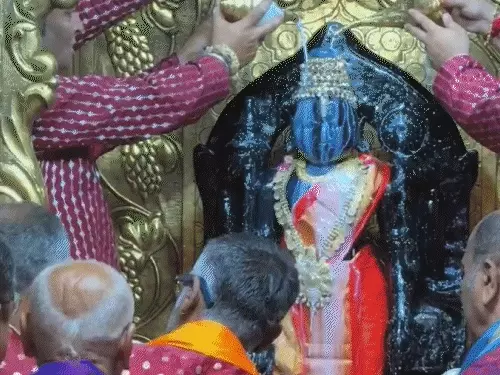
Shri Krishna Janmashtami is being celebrated with grandeur across the country today. Mathura-Vrindavan, the heart of Krishna devotion, witnessed an overwhelming influx of devotees. By evening, nearly 25 lakh pilgrims visited the Krishna Janmabhoomi temple in Mathura, while 10 lakh devotees thronged Vrindavan, forming long queues outside the famous Banke Bihari temple.

Thakur Ji’s Golden Attire and Special Decorations

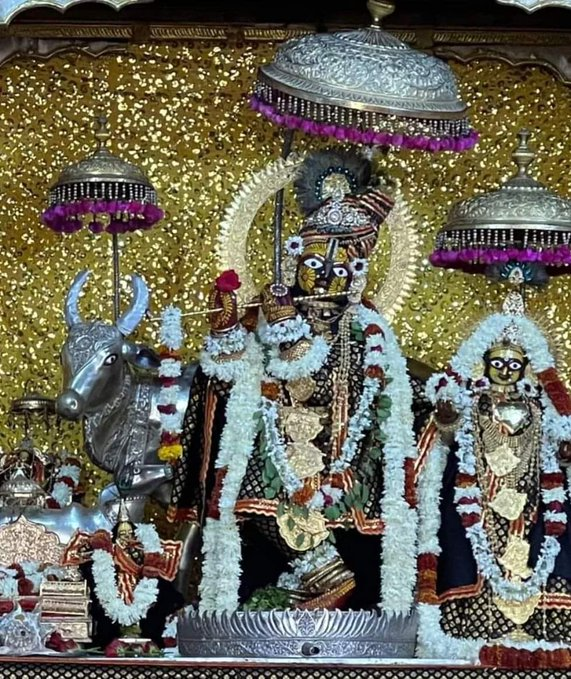
The attire offered to Thakur Ji at Shri Krishna Janmabhoomi was meticulously crafted over six months by local artisans. The outfit, woven with gold and silver threads and adorned in the seven colors of the rainbow, reflects divine splendor.

The Janmabhoomi temple was decorated on the theme of “Operation Sindoor”, with a stunning flower bungalow made of vermilion-hued blossoms brought from Kolkata and Bengaluru. Illuminations lit up the temple complex, while a board honoring the valor of the armed forces with the words “Operation Sindoor” was prominently displayed.

Festivities Across India

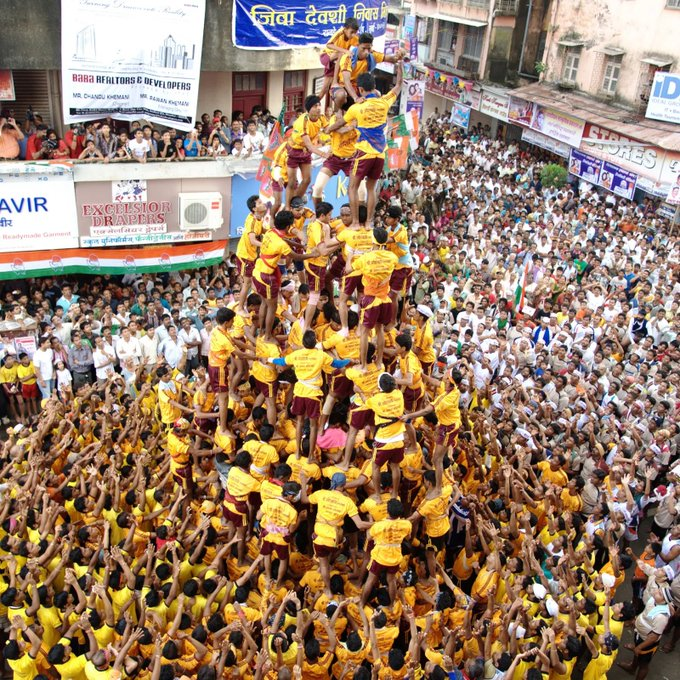
  • Pune: Govinda Mandali celebrated Dahi Handi with a grand “Operation Sindoor” banner, saluting the bravery of Indian soldiers.
Shri Krishna Janmashtami 2025: 25 Lakh Devotees Visit Mathura, Thakur Ji Adorned in Golden Attire
  • Jaipur: Devotees thronged the Govinddev Ji Temple since morning for special darshan.
Shri Krishna Janmashtami 2025: 25 Lakh Devotees Visit Mathura, Thakur Ji Adorned in Golden Attire
  • Nathdwara: At Shrinathji Temple, Janmashtami began with a Panchamrit abhishek. A 21-gun salute will mark the midnight birth of Lord Krishna.
  • Mumbai (Dadar): Dahi Handi celebrations were held with enthusiastic participation from youth.
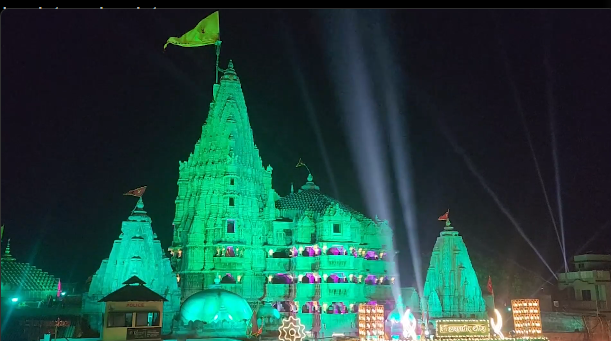
  • Dwarka, Gujarat: Devotees enjoyed Shringar Aarti darshan of Lord Dwarikanath.
Shri Krishna Janmashtami 2025: 25 Lakh Devotees Visit Mathura, Thakur Ji Adorned in Golden Attire
  • Bengaluru: Huge crowds gathered at the ISKCON temple for Janmashtami celebrations.
  • Indore: Even prisoners in the Central Jail observed Janmashtami with devotion.
  • Srinagar, J&K: A Shobha Yatra was taken out at Lal Chowk.
  • Puri, Odisha: Traditional Nand Utsav rituals were performed at Jagannath Temple.
  • Badrinath, Uttarakhand: Special puja was performed in the sacred shrine.
  • Patna, Bihar: The ISKCON temple was decorated with 80 quintals of flowers sourced from Thailand, Kolkata, Bangalore, and Bangkok. The Lord will be anointed with 251 silver urns and conches, followed by a Mahabhog of 501 dishes.
Shri Krishna Janmashtami 2025: 25 Lakh Devotees Visit Mathura, Thakur Ji Adorned in Golden Attire
  • Raipur, Chhattisgarh: A 3-day festival began at the ISKCON temple, where devotees prepared 1,100 kg of Malpua as prasad.
  • Uttar Pradesh: Chief Minister Yogi Adityanath visited Mathura Janmabhoomi for darshan.
  • Rajgarh, Madhya Pradesh: A historic procession brought Shrinathji’s idol on a decorated elephant, continuing a centuries-old tradition of devotion.

A Festival of Faith and Heritage

From Mathura to Raipur, Jaipur to Puri, and from temples to prisons, Janmashtami 2026 is being celebrated with unmatched fervor. The festivities reflect not just devotion to Lord Krishna but also India’s deep cultural heritage, where traditions blend with patriotic pride and community spirit.

NYSA President Meets Maharashtra Chief Minister, Showcases Global Initiatives and Contributions

0

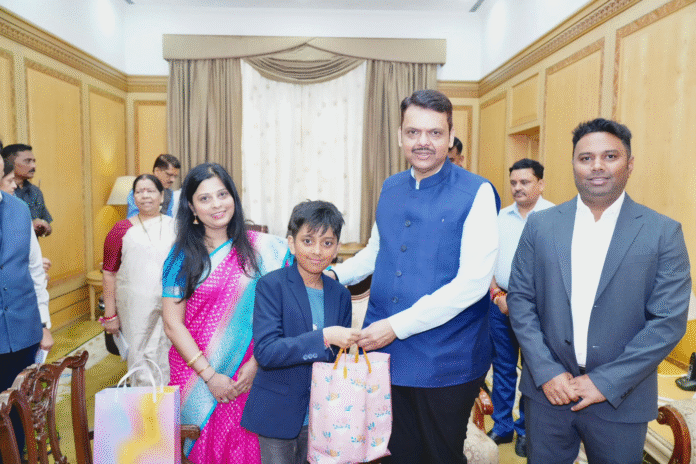
Adv. Pranita Adwait Deshpande, President of the Netherlands Yogasana Sports Association (NYSA), held a significant meeting with the Hon’ble Chief Minister of Maharashtra, Devendra Fadnavis, at Mantralaya, Mumbai. She was accompanied by her husband, Adwait Deshpande—an esteemed ICC/KNCB Umpire (ESPNCricinfo Profile)—and their son, Ansh Deshpande.

During the interaction, Adv. Deshpande presented the Chief Minister with her three published books, along with a replica of the iconic Dutch Golden Age painting “Girl with a Pearl Earring” by Johannes Vermeer (c. 1665), symbolizing her connection to the Netherlands. She also offered a special memento from NYSA, highlighting the association’s growing impact under her leadership.

Adv. Deshpande briefed the Chief Minister on NYSA’s initiatives in promoting Yogasana as a sport in the Netherlands. She emphasized her role in founding the association to propagate Yoga as an ancient Indian discipline on an international platform. The discussion also touched on her contributions to global justice and human rights through her work with the International Criminal Court (ICC).

In addition, she spoke about her entrepreneurial venture, Ansh Overseas B.V., an import-export company established in the Netherlands that represents Indian agricultural products across Europe. She shared her journey of building a life abroad since 2017, including her successful acquisition of the Dutch language and cultural integration.

On a personal note, Adv. Deshpande fondly recalled her grandfather, the Late Shri Vasudeorao Manbhekar, former Vidarbha Pramukh of the RSS, underscoring the cultural roots and traditional values that continue to inspire her global work and achievements.

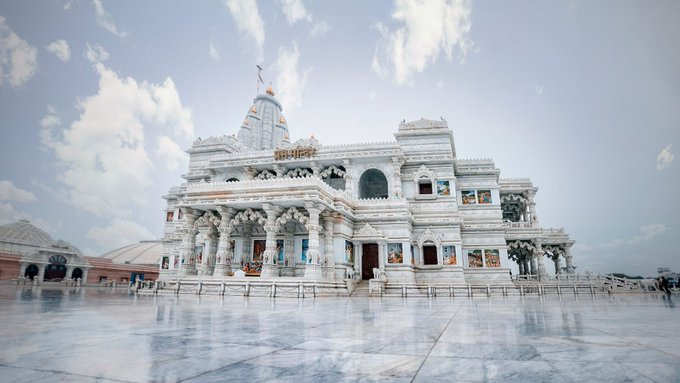
Janmashtami 2025 in Pics: Watch Out Pretty Temples Decorated With Lights, Flowers and Amazing Decor…

0

Janmashtami 2025: Temples across India have been beautifully decorated with lights, flowers, and vibrant decorations for the Janmashtami festival. Devotees are seen gathering in large numbers to celebrate, participate in midnight aartis, and offer prayers. Watch in pics how these temples are decked up to celebrate the birth of Kanha…

Janmashtami 2025 in Pics: Watch Out Pretty Temples Decorated With Lights, Flowers and Amazing Decor...

Mountains in Peril: Growing Climate and Geological Threats in the Indian Himalayas

0

The Indian Himalayan region is witnessing an alarming increase in climatic and geological disasters, transforming once-rare events into frequent and devastating occurrences. From glacial lake outbursts and flash floods to landslides, avalanches, and cloudbursts, the Himalayan landscape is becoming increasingly unstable. The impact extends from Ladakh to Arunachal Pradesh, and beyond into Nepal, Bhutan, and Sikkim, raising serious concerns for infrastructure safety, local livelihoods, and national security.

Recent Disasters in the Himalayas: A Pattern Emerges

Since 2021, the Himalayas have experienced a series of destructive events:

  • February 2021 (Chamoli, Uttarakhand): A glacier fragment collapse triggered flash floods that destroyed a hydroelectric power project.
  • October 2023 (Sikkim): The South Lhonark glacial lake burst, severely damaging the Chungthang dam.
  • August 2025 (Harsil): Flash floods disrupted key military and civilian transit routes.

These disasters often set off chain reactions, such as secondary landslides, road collapses, and community isolation, compounding their impact and hampering emergency response.

Geographical and Geopolitical Fragility

The Himalayan region’s vulnerability spans both ecological and strategic dimensions:

  • Ladakh is grappling with glacier retreat and thawing permafrost.
  • Jammu & Kashmir face landslides that frequently block essential border highways.
  • Himachal Pradesh and Uttarakhand struggle with over-tourism and erratic weather patterns.
  • Nepal and Sikkim are exposed to cross-border glacial lake outburst floods (GLOFs).
  • Bhutan and Arunachal Pradesh endure flash floods exacerbated by limited early warning systems.

This regional fragility demands coordinated interstate and international collaboration to mitigate shared climate threats.

Development Pressures and Environmental Risks

Rapid infrastructure development often ignores the seismically active and geologically young nature of the Himalayas:

  • Roads, tunnels, and dams are sometimes built without thorough hazard assessments.
  • Construction destabilizes fragile slopes, increasing the risk of landslides and erosion.
  • For the Indian armed forces, disasters can disrupt supply chains and strategic connectivity along sensitive borders.

Balancing development with environmental safety is essential for long-term strategic and civilian resilience.

India’s Policy Shift Toward Climate Resilience

A key milestone was the 15th Finance Commission (2021–26), which embedded climate resilience into fiscal planning:

  • Introduced a Mitigation Fund under the State Disaster Risk Management Funds
  • Allocated ₹1.6 lakh crore for:
    • Hazard mapping
    • Early warning systems
    • Climate-proof infrastructure
  • States like Sikkim and Uttarakhand have already begun implementing these interventions.

The upcoming 16th Finance Commission (2026–31) is expected to further link fiscal transfers to resilience performance, incentivizing long-term disaster preparedness.

Empowering Local Governance and Innovation

Strengthening local governance is key to Himalayan resilience:

  • Direct access to mitigation funds by panchayats and municipalities is being considered.
  • Innovations include:
    • Green infrastructure incentives
    • Disaster insurance schemes
    • Climate-responsive budgeting

These tools aim to empower remote mountain communities to manage risks from glaciers, earthquakes, and monsoon floods.

Global Recognition and Cross-Border Cooperation

India’s G20 Presidency in 2023 elevated Disaster Risk Resilience as a global priority:

  • Advocated for financial tools like insurance pools
  • Emphasized cross-border data sharing
  • Proposed joint response drills and integrated early warning systems across national boundaries

Given the shared river basins and hazard zones, regional cooperation between India, Nepal, Bhutan, and China is critical to building a resilient Himalayan ecosystem.

Sustainable Development in the Himalayas: A Delicate Balance

Safeguarding the Himalayas requires an integrated approach that respects ecology, security, and cultural heritage:

  • Promote low-impact tourism and renewable energy
  • Mandate risk assessments before approving infrastructure
  • Strengthen community preparedness and scientific monitoring

The Himalayas are the source of major river systems, host to unique biodiversity, and crucial to regional stability. Protecting them is not only an environmental imperative but a strategic national priority.