Home Blog Page 210

Where Krishna Became the Teacher: Madhya Pradesh’s Sacred Schools of Thought

0

When we speak of Shri Krishna, our minds often drift to the vibrant lanes of Mathura, the divine pastures of Vrindavan, or the majestic shores of Dwarka. But nestled in the heart of India lies Madhya Pradesh—a land where Krishna’s presence is not loud, but profound. Here, the echoes of his leela are woven into the soil, the rivers, and the ancient stones that have witnessed centuries of devotion.

This is not just geography. It’s sacred memory.

1. Ujjain: The City Where Krishna Became a Disciple

Long before Shri Krishna became the divine strategist of Kurukshetra or the beloved flautist of Vrindavan, he walked the sacred streets of Ujjain—not as a god, but as a humble student.

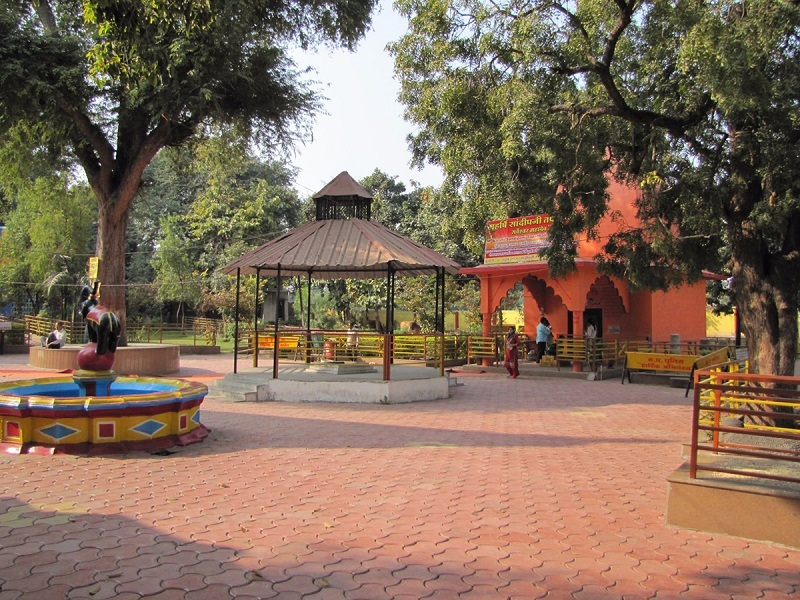
Maharishi Sandipani Ashram: The Gurukul of the Divine

Nestled along the serene banks of the Shipra River, the Maharishi Sandipani Ashram is where Krishna, Balarama, and Sudama received their formal education. This ancient gurukul still stands today, radiating the quiet wisdom of Vedic learning. Guru Sandipani, a revered sage, taught Krishna the scriptures, warfare, mathematics, and spiritual philosophy. As guru dakshina, Krishna performed a miracle—he retrieved Sandipani’s lost son from the depths of the ocean, defeating the demon Panchajanya. This act wasn’t just divine—it was deeply human, reflecting Krishna’s devotion and gratitude.
Where Krishna Became the Teacher: Madhya Pradesh’s Sacred Schools of Thought

2. Maheshwar: The Narmada’s Whisper of Krishna’s Visit

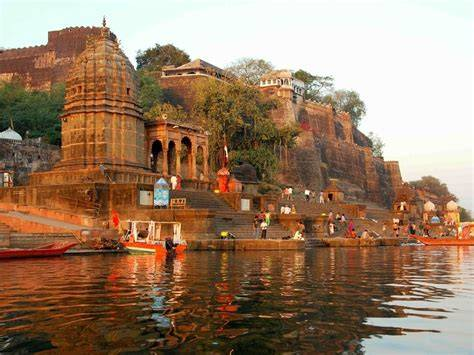
Maheshwar, known for its majestic ghats and Ahilyabai Holkar’s spiritual legacy, also holds a lesser-known connection to Krishna. While not a primary site of his leela, oral traditions and local lore suggest that Krishna passed through this region during his travels. Maheshwar may not be the stage of Krishna’s grand battles or romantic escapades, but it is a place of pause, prayer, and purity. It reminds us that even the divine takes moments to reflect, to honor nature, and to connect with the eternal

Sahastrarjun Ghat:

This ghat is named after King Sahastrarjun, who once defeated Ravana here. Krishna’s lineage, as an avatar of Vishnu, intersects with these tales of cosmic balance and dharma. The Narmada River here is seen as a silent witness to divine journeys, including Krishna’s.The spiritual energy of Maheshwar resonates with Krishna’s role as a restorer of dharma.
Where Krishna Became the Teacher: Madhya Pradesh’s Sacred Schools of Thought

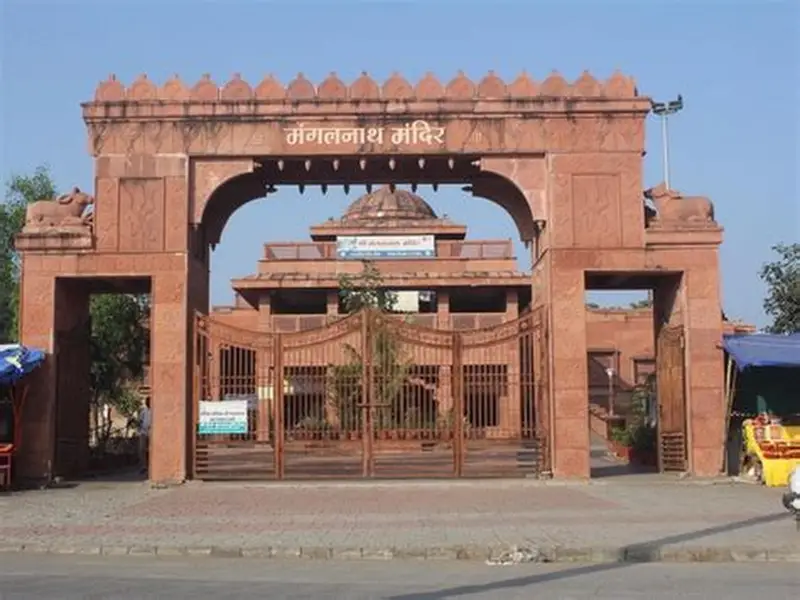
3. Mangalnath Temple, Ujjain: Krishna and the Cosmic Order

This temple, dedicated to Mars (Mangal), is believed to be the birthplace of the planet according to ancient texts. While not directly a Krishna temple, it holds astrological significance tied to Krishna’s divine role.
Where Krishna Became the Teacher: Madhya Pradesh’s Sacred Schools of Thought

4. Vidisha: The Legacy of Bhakt Prahlad and Vishnu’s Promise

Vidisha, though more closely associated with Bhakt Prahlad and Vishnu’s earlier avatars, carries the spiritual lineage that culminates in Krishna. Temples here honor Vishnu in various forms, and Krishna’s presence is felt in the devotion that flows through the region.

Why These Places Matter Today

In a world rushing toward modernity, these sacred sites offer a pause—a moment to reconnect with dharma, devotion, and divine memory. They remind us that Krishna was not just a mythological figure, but a living presence in the cultural and spiritual landscape of Madhya Pradesh.
Trump Tariff: Exporters Call It a ‘Big Shocker’, Seek Urgent Government Support

0

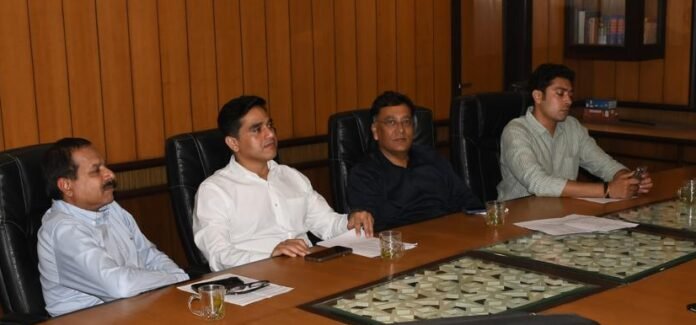
At a time when the Trump Tariff is being widely debated across the world, office bearers of FORHEX in Jaipur have termed it a “big shocker” and described it as a deliberate attempt to derail India’s dream of becoming a larger economy. While they accepted that they stand strong and will find newer markets being in New India, they also requested to handhold them in this crisis time to ensure they continue going ahead with workforce and work to explore new markets.

Urging the government for immediate handholding, the officials said they are not sitting idle and have already started exploring newer markets. However, they cautioned that such an exercise will take time and requested the introduction of more business-friendly policies to help the export community survive this difficult period.

Ravi Utmani –CEO Laxmi Ideal , Secretary FORHEX , added, “It’s shocking and unjustified that India has been put under 50% tariff just because we are buying oil from Russia. China and Europe are doing the same, yet their tariffs are far lower. There is no logical reason; this looks political. It seems like an attempt to kill our ambition of becoming a major economy. We have already lost 52% share in isometrics, and finding new markets is not easy. Around 500,000 people may lose jobs. We need government assistance to help exporters survive.”

Atul Poddar, Founder, Partner Poddar Associates who is VP, Forhex, said, “First of all, it was shocking — we were not prepared for it. It is not justified. Earlier, 10% tariff was manageable, but 25% came as a shocker, and now another 25% makes it a double shocker. We are trying to figure out strategically how to survive in this scenario. Orders will not flow, and that is a dangerous condition unless the government gives full support. A tariff of 15–20% would be more reasonable.

We have learnt a lesson. Dont put all eggs in one basket. Now we will put eggs in different baskets in latin america, uk, gulf countries and so on, he concluded.

Rajat Mathur from Credence International also said that it is a par of geopolitics which has been deliberated on India. However, what we need is to stand strong intact to battle this crisis.

Karan Meel, Partner, Hasthkala: Forhex Young Brigade echoed similar concerns: “This looks more like a political tactic than economic logic. With 50% of exports impacted, nearly 1 million workers will suffer. It satisfies someone’s ego, but we need survival support from the government.”

Despite the challenges, exporters emphasized resilience. Poddar said, “This is a lesson for us — we will not put all eggs in one basket again. We must diversify into Europe, the UK, Japan, Australia, and the Gulf. Enhancing productivity and designing market-specific products is the way forward.”

Sunit also stressed, “Rhetoric aside, business runs on facts. We will rise to the occasion, explore new markets, and prove our strength through quality products. But this transition needs time. Right now, there is panic, but we must think strategically. The U.S. wants a bigger share of India’s market, but why shouldn’t we expand in our own domestic market as well?”

Ravi concluded, “It’s good to stay positive and see this as an opportunity. Latin America and other regions may open up, though economies of scale and ease of doing business differ. The ‘Make in India’ initiative has given us growth, but exporters with heavy loans need urgent relief. This could be a blessing in disguise in the long run, but survival in the short term requires government support. Innovation, cost easing, and compassionate policies are critical now.”

Exporters have already sent representations to the Rajasthan government seeking intervention. With September approaching, they warn that without immediate measures, the industry could face a severe crisis.

Happy Krishna Janmashtami 2025 Live Updates: Celebrating Lord Krishna’s 5252nd Birth Anniversary

0

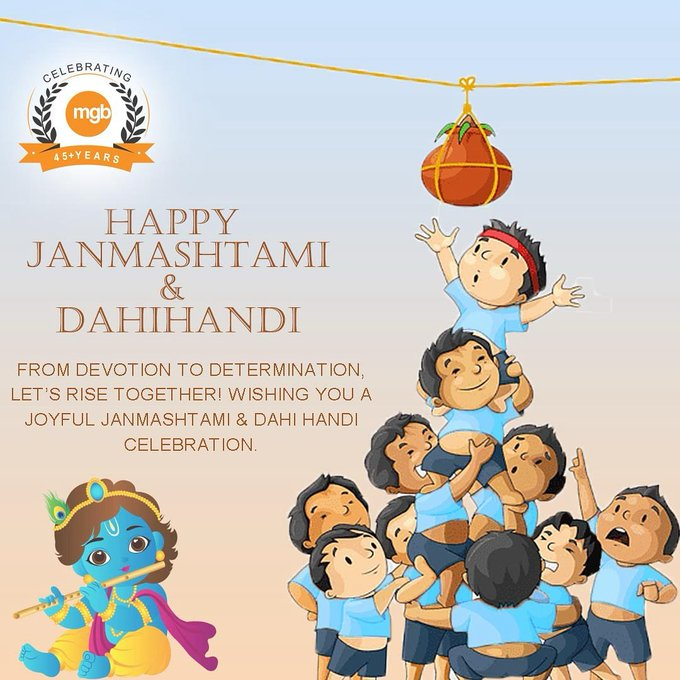
Krishna Janmashtami will be celebrated across India on Saturday, August 16, 2025, marking the birth of Lord Krishna, believed to be the eighth incarnation of Lord Vishnu. The festival also coincides with Dahi Handi celebrations this year.

According to tradition, Lord Krishna was born in Mathura, Uttar Pradesh. This year marks his 5,252nd birth anniversary. The festival is also known by names such as Krishnashtami, Gokulashtami, Ashtami Rohini, Srikrishna Jayanti, and Sree Jayanthi.

Devotees will observe the occasion with fasting, devotional singing, vibrant temple decorations, and cultural festivities. The highlight will be the midnight puja, symbolizing the divine moment of Krishna’s birth, followed by joyous community celebrations.

Wishes to Share on Janmashtami


On this auspicious occasion, here are heartfelt wishes to share with your loved ones:

  1. May Lord Krishna’s flute fill your life with joy and harmony.
  2. Wishing you a Janmashtami as sweet as Krishna’s butter and as colorful as his peacock feather.
  3. May the blessings of Shri Krishna bring happiness and prosperity to your home.
  4. Celebrate Janmashtami with the music of love, peace, and devotion.
Happy Krishna Janmashtami 2025 Live Updates: Celebrating Lord Krishna’s 5252nd Birth Anniversary

Greetings to Mark the Occasion

  • Wishing you divine blessings, eternal joy, and peace on Janmashtami.
  • Let’s welcome Nandlal into our hearts with devotion and love.
  • May Lord Krishna’s presence bring light, hope, and happiness into your life.
Happy Krishna Janmashtami 2025 Live Updates: Celebrating Lord Krishna’s 5252nd Birth Anniversary

Trump–Putin Meet in Alaska: Know Significance of First Direct Talks in 7 Years on Ending Ukraine War

0

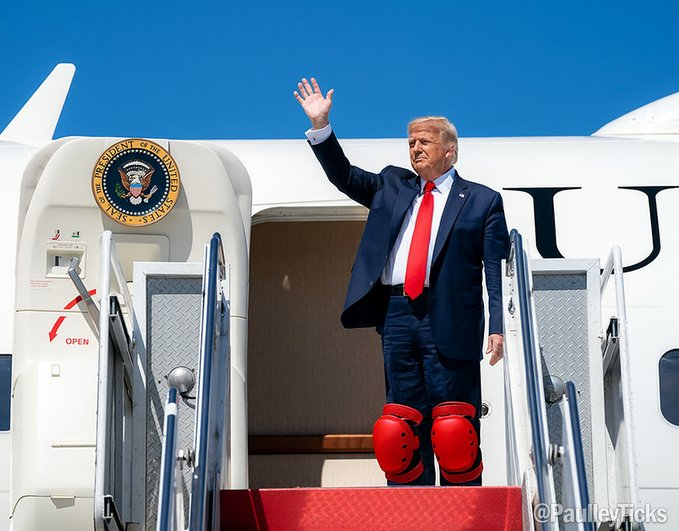
US President Donald Trump and Russian President Vladimir Putin will meet on August 15 at Elmendorf-Richardson Military Base in Anchorage, Alaska — their first meeting in seven years. The main agenda is to explore ways to end the ongoing Russia–Ukraine war.

The leaders will hold a one-on-one closed-door session with only a single translator present. Discussion details will remain confidential, but both will address the media afterward.

This base last hosted a historic meeting in 1971 between US President Richard Nixon and Japan’s Emperor Hirohito — the first visit of a Japanese emperor to foreign soil.

Extraordinary Security Measures
Before Putin’s arrival, his armored limousine Aurus Senat was flown in aboard a Russian cargo plane. His team has also transported sealed water bottles and cups for the meeting. Russian fighter jets are positioned in Anadyr, just 88 km from Alaska.

Putin will be accompanied by Russia’s Federal Protective Service (FSO). The US has deployed 32,000 troops at the base, dubbed the “Ice Fortress.” Trump’s security detail includes KH-11 reconnaissance satellites and a fully air-gapped communications network for cybersecurity. A 300 km no-fly zone will be enforced, with double-layer security: military police and National Guard in the first ring, Special Forces and Secret Service counter-assault teams in the second. Air Force One will be under constant military guard.

How the Meeting Came About
During his 2023–24 campaign, Trump promised to end the Russia–Ukraine war within 24 hours of becoming president. Over six months into his term, the war continues, with Russia intensifying airstrikes. Trump gave Moscow 50 days to negotiate a peace deal, warning of tougher sanctions if no ceasefire was agreed. The deadline expired on August 8.

Two days earlier, US special envoy Steve Witkoff met Putin in Moscow, paving the way for this Alaska summit. The White House has already said it does not expect an immediate ceasefire; the goal is to explore possible paths toward ending the war.

Why Alaska?
According to the BBC, security is the main reason. Alaska’s mainland lies just 90 km from Russia’s Chukotka region, allowing Putin to reach it without flying over “enemy” territory. The distance from Ukraine and Europe also aligns with Putin’s preference to speak directly with the US, avoiding EU or Kyiv intermediaries.

Security Risks and Strategic Stakes
Retired Indian Rear Admiral Girish Kumar Garg believes the US will ensure Putin’s safety, as any harm could severely damage US–Russia relations and impact the war. He suggests Putin’s choice to meet on American soil may indicate a willingness to improve ties with Washington.

Irreconcilable Demands
Russia currently controls about 20% of Ukraine — including Crimea, Donetsk, Luhansk, Kherson, and Zaporizhia — and insists these territories must be recognized as Russian. Putin also demands Ukraine abandon plans to join NATO.

Ukraine’s President Volodymyr Zelensky refuses to cede any land, arguing that doing so would weaken national sovereignty and invite further aggression.

Indian National Flag: History, Meaning, and Rules You Should Know

0

Indian National Flag has an interesting history. What we call Tiranga earlier had a different version. Let’s know the history, meaning and rules of Indian National Flag.

1. When was the National Flag adopted?
The present form of the National Flag of India was officially adopted on July 22, 1947, just weeks before independence from British rule on August 15, 1947.

2. What is it called?
In India, the flag is popularly known as the Tiranga (Tricolour).

3. What do the colours represent?
The flag is a horizontal tricolour of deep saffron at the top, white in the middle, and dark green at the bottom, in equal proportions. In the centre of the white band is the navy-blue Ashoka Chakra with 24 spokes, representing the “Wheel of Law” from Emperor Ashoka’s Sarnath Lion Capital.

  • Saffron – Strength and courage
  • White – Peace and truth
  • Green – Fertility, growth, and auspiciousness of the land

4. Ashoka Chakra – Design and Meaning
The wheel’s diameter matches the width of the white band and has 24 spokes, symbolising life in movement and the rule of law.

5. Official Size and Ratio
The flag must be rectangular with a length-to-height ratio of 3:2.

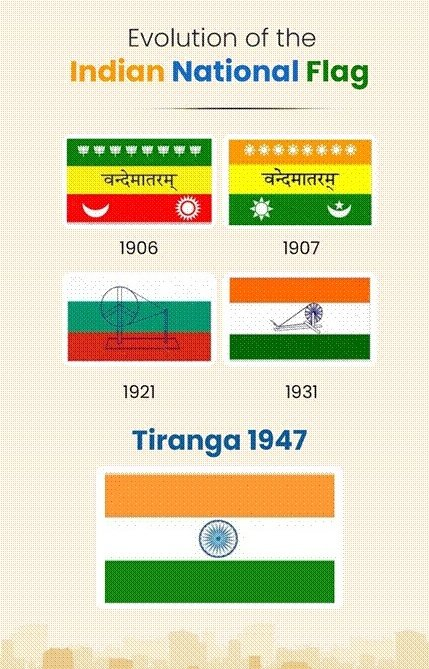
6. Evolution of the Flag

  • 1904: Sister Nivedita designed an early flag with yellow and red, a white lotus, the phrase Bonde Mataram, and the ‘Vajra’ symbol.
  • 1921: Mahatma Gandhi asked Pingali Venkayya to design a flag with a Charkha (spinning wheel) for self-reliance.
  • 1931: A flag committee replaced the Charkha with Ashoka’s Dharma Chakra.
  • 1947: The Constituent Assembly adopted the current Tiranga.

7. Rules for Display (Flag Code of India, 2002 & Prevention of Insults to National Honour Act, 1971)

  • Must never be inverted, damaged, or allowed to touch the ground or water.
  • No lettering, decoration, or use as clothing below the waist.
  • Must not be used to wrap, cover, or drape objects/vehicles.
  • Always occupy the position of honour when displayed.

8. Disposal of the Flag
Damaged flags must be destroyed privately, preferably by burning, with dignity. Paper flags should also be disposed of respectfully.

9. Permissible Materials
Since December 2021, flags can be handspun, handwoven, or machine-made from cotton, polyester, wool, silk, or khadi.

Independence Day 2025: Let’s Bask Under Freedom While Exchanging these Wishes and Videos

0

This 15th August, let’s celebrate the strength that comes from standing together — trust, solidarity, and the shared will to protect what we hold dear. When we unite, freedom stands strong. Here comes interesting posters which can be exchanged with family and friends to soak the spirit of freedom which we attained in 1947 on August 15,

#

Independence Day 2025: Let's Bask Under Freedom While Exchanging these Wishes and Videos

Apple to Launch AI-Powered Robots, Smart Displays, and Next-Gen Siri by 2027

0

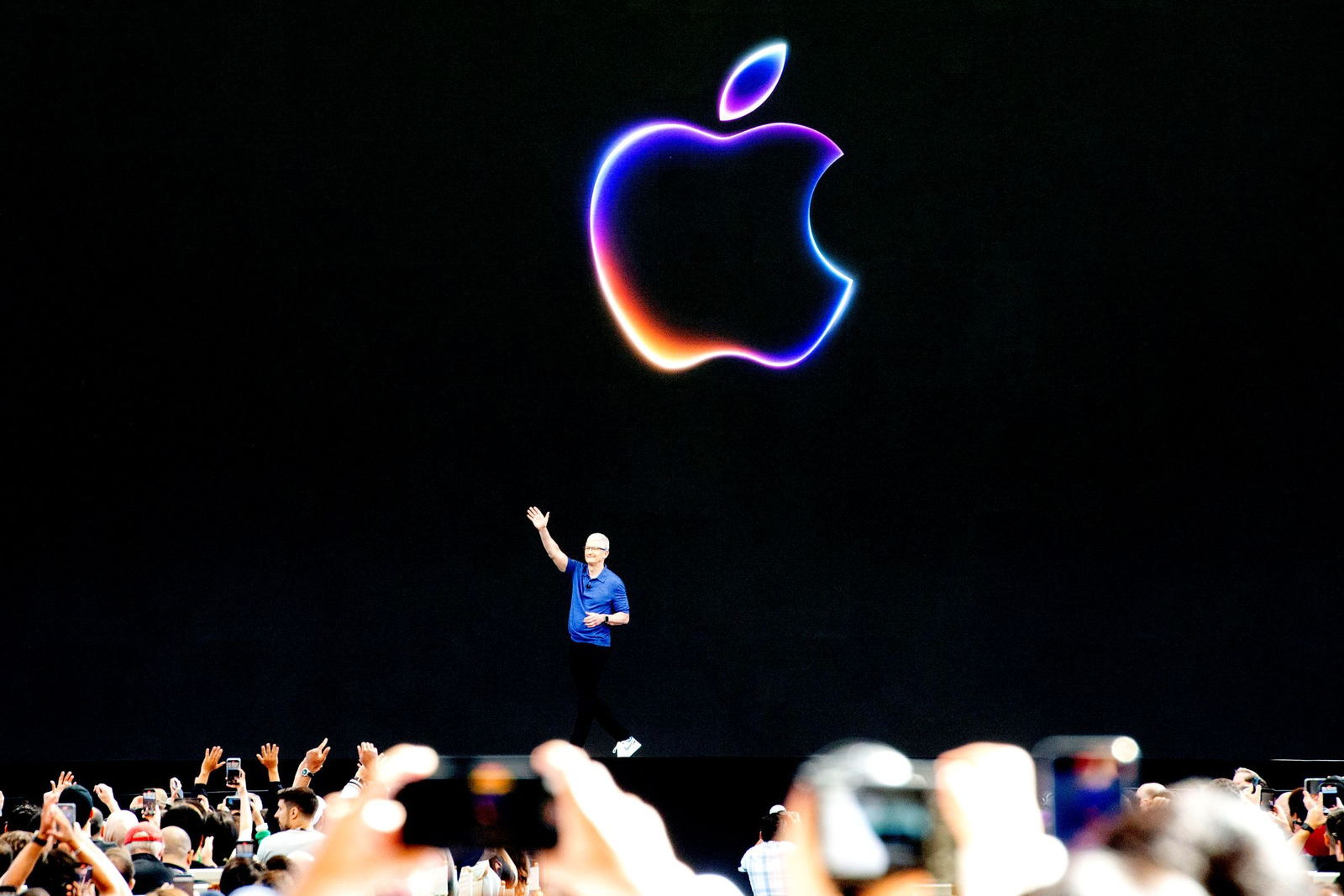
Apple is gearing up for a major leap into the world of AI-powered gadgets. According to Bloomberg, apart from the next-generation iPhone, the tech giant is developing a tabletop AI robot that could become a part of homes and simplify everyday life. Alongside this, Apple is working on AI-enabled home robots, smart displays, and advanced home security cameras.

Apple’s voice assistant Siri is also set for a complete overhaul, emerging in a hyper-realistic avatar by 2026. Other AI-powered devices are expected to debut by 2027. The move comes as Apple tries to catch up with Samsung and other rivals in the generative AI race, while also tackling slow sales of its Vision Pro headset.

The company has made big changes in its AI division, forming a new ‘Answers’ team to develop a ChatGPT-like AI product. It is also focusing on strengthening on-device AI to enhance privacy and security.

Tabletop AI Robot (2027) – This special home assistant will feature a 7-inch iPad-like rotating display on a mobile arm, capable of shrinking to 6 inches. It will converse with users, help plan trips, set reminders, suggest recipes, and handle daily chores. Designed as the hub of Apple’s smart home ecosystem, it will track and focus on people during video calls, making it a useful companion for both homes and offices.

Smart Display Speaker (2026) – A compact device to manage home controls, music, notes, browsing, and video calls via a revamped Siri interface. Competing with Amazon Echo and Google Nest Hub, it will focus on seamless home automation, from controlling lights to adjusting AC settings.

AI-Powered Home Security – Apple is developing security cameras that connect with its smart displays and robots. With facial recognition and suspicious activity detection, these devices aim to boost home safety. They could also automate tasks like switching off lights or playing music for specific family members.

Next-Gen Siri – Siri will sound and respond more like a human, with emotion detection, contextual understanding, and a personal touch. Integrated into Apple’s AI devices, it will offer smarter, friendlier interactions—like suggesting outfits when telling you the day’s weather.

Bitcoin Makes Historic Rise of Rs 57 Lakh in One Year; Crosses ₹1.08 Crore for the First Time

0

Bitcoin, the world’s largest cryptocurrency, touched an all-time high of ₹1.08 crore today, marking a gain of nearly ₹57 lakh in just the past year. In 2009, when it was created by the mysterious Satoshi Nakamoto, its value was close to zero — meaning an investment of less than one rupee back then would be worth over ₹1 crore today.

The first notable price jump came in October 2010, when Bitcoin rose from about $0.10 (₹8) to $0.30. By 2013, it had crossed the $1,000 mark (about ₹87,000 at today’s rate). Since then, its growth has been meteoric.

Why the surge now?
Experts attribute the current rally to several factors. U.S. President Donald Trump has implemented crypto-friendly policies, including lifting restrictions on banks working with crypto companies. Institutional investment has also surged, with billions flowing into Bitcoin Exchange-Traded Funds (ETFs). Additionally, approval of such ETFs in markets like London and Thailand has boosted global acceptance.

What is Bitcoin?
Often dubbed “digital gold,” Bitcoin is a decentralized digital currency that operates without any central bank or government. It exists as encrypted code in a digital wallet and can be transferred instantly across the globe over the internet. Its supply is capped at 21 million coins, making it scarce and valuable.

Blockchain Technology
Bitcoin transactions are recorded on a public ledger called the blockchain. This ledger is stored across thousands of computers, making it transparent, secure, and nearly impossible to tamper with. Miners, using powerful computers, validate these transactions in exchange for newly minted bitcoins.

Why ‘digital gold’?
Like gold, Bitcoin’s limited supply protects it from inflation caused by excessive issuance. This rarity underpins its value and appeal as a hedge against traditional currency risks.

Risks Involved
Despite its surge, Bitcoin remains volatile. Prices can swing 10–20% in a single day. There’s also the risk of losing access to funds if a wallet password is forgotten. Regulatory crackdowns in certain countries add another layer of uncertainty.

Bitcoin’s journey from obscurity to the ₹1 crore mark reflects both the potential and risks of the cryptocurrency revolution — a phenomenon reshaping global finance.

The Sacred Heart of Mini Vrindavan and Its Janmashtami Glory

0

(PC:MP breaking news)

Panna, the Mini Vrindavan nestled in the heart of Bundelkhand, is renowned as the “City of Temples” due to its numerous ancient and world-famous temples, many of which were established by the royal family of Panna. Often referred to as “Mini Vrindavan,” this sacred city is a spiritual hub where devotees flock to experience its divine ambiance. Among its many revered temples, the Shri Jugal Kishore Ji Temple stands out as a globally celebrated site, particularly during the vibrant festival of Krishna Janmashtami.

The Sacred Shri Jugal Kishore Ji Temple

The Shri Jugal Kishore Ji Temple, dedicated to Lord Krishna, is the spiritual centerpiece of Panna. This magnificent temple, constructed between 1758 and 1778 by the Bundela king, Maharaja Hindupat Judev, is a stunning example of Bundeli architecture. Even after 300 years, the temple’s intricate design and beauty remain undiminished, captivating visitors with its timeless charm. The temple serves as the focal point for the grand celebrations of Krishna Janmashtami, drawing thousands of devotees from across Bundelkhand and beyond.

Krishna Janmashtami: A Two-Day Divine Celebration

The Krishna Janmashtami festival at Shri Jugal Kishore Ji Temple is a two-day extravaganza filled with devotion, joy, and grandeur, mirroring the celebrations of Vrindavan. On the first day, from early morning, throngs of devotees gather to catch a glimpse of Lord Jugal Kishore. The atmosphere is charged with spiritual fervor as the crowd eagerly awaits the midnight celebration marking Lord Krishna’s birth. Devotees chant, sing, and immerse themselves in the divine energy of the occasion.The second day features a grand Bhandara (community feast), where devotees offer donations such as chocolates, sweets, dates, and other items. These offerings are joyously distributed among the gathered crowd, creating a festive scene of sharing and celebration. The air resonates with the collective chants of “Nand ke Anand Bhayo, Jai Kanhaiya Lal Ki, Hathi Ghoda Palki,” as devotees express their devotion with exuberant cheers and slogans in praise of Lord Krishna.

The Sacred Heart of Mini Vrindavan and Its Janmashtami Glory

(PC:ETV Bharat)

A Legacy of Faith and Architectural Splendor

The Shri Jugal Kishore Ji Temple is not only a spiritual landmark but also a testament to the rich cultural heritage of Panna. Its construction, overseen by Maharaja Hindupat Judev, showcases the exquisite craftsmanship of Bundeli architecture. The temple’s enduring beauty, even after three centuries, continues to inspire awe and reverence among visitors. The Janmashtami celebrations further enhance Panna’s reputation as a sacred destination, uniting devotees in a shared expression of faith and festivity.

Panna, with its divine temples and vibrant celebrations, truly lives up to its title as the “Mini Vrindavan.” The Shri Jugal Kishore Ji Temple and its grand Krishna Janmashtami festivities embody the city’s spiritual essence, drawing thousands to partake in its sacred traditions. This blend of architectural magnificence, cultural heritage, and unwavering devotion makes Panna a must-visit destination for spiritual seekers and cultural enthusiasts alike.

Janmashtami 2025 Special – The Miraculous Tale of Naughty Krishna from Ratlam Speaks of Living Miracle. Read The Story Here…

0

As Janmashtami approaches, the narrow lanes of Ratlam’s Sunar Gali come alive with devotion. At the heart of it stands the Dwarkadhish Temple, where Lord Krishna is worshipped not just as a deity, but as the mischievous Kanha—whose miracles continue to enchant even in the age of modernity.

The Vanishing Idol

Nearly 300 years ago, the temple was founded by Kashiram Paliwal. According to local lore, the idol of Dwarkadhish was brought from a revered saint. But every night, the idol mysteriously disappeared—only to reappear at the saint’s place. By morning, it would be returned to the temple. This divine cycle continued until Kashiram ji decided to spiritually bind the idol. It is said that a consecrated golden nail was placed in Lord Krishna’s feet, ensuring He would remain in the temple permanently.

When Krishna Visited the Sweet Shop

One of the most beloved legends tells of a day when the temple priest forgot to offer bhog (sacred food). That night, Lord Krishna himself walked to a nearby sweet shop, pawned his golden bangles, and enjoyed the sweets. The next morning, the priest found the idol’s ornaments missing. Later, the temple’s founder received a divine dream—Krishna revealed, “Your priest forgot to feed me. I went to the sweet shop and left my bangles there. Please redeem them.”

A Living Miracle

To this day, devotees believe the idol of Dwarkadhish is not just sacred—it’s alive. The Paliwal family and countless worshippers feel a deep spiritual connection, believing that Kanha still performs his leelas (divine plays). On Janmashtami, the temple overflows with faith, music, and celebration, as thousands gather to honor the Lord who once walked their streets.