Home Blog Page 21

New Financial Year 2026–27: 16 Major Changes from April 1 That Will Directly Impact Your Money

0

New Financial Year 2026–27: Starting April 1, 2026, a new financial year begins in India, bringing a host of important changes that will directly affect your savings, investments, and spending habits. Key reforms introduced by the Government of India and the Reserve Bank of India aim to simplify taxation, strengthen digital security, and promote transparency.

From the new Income Tax framework to stricter digital payment rules, here are 16 major changes you must know about:

New Income Tax Act 2025 Comes into Effect

The old Income Tax Act of 1961 will be replaced by the Income Tax Act, 2025, designed to simplify and modernize the tax system. While tax slabs remain largely unchanged, processes and terminology have been streamlined.

One major change: the dual concept of Assessment Year (AY) and Financial Year (FY) is removed. Income earned from April 1 will now be reported under a single “Tax Year 2026–27.”

2. PAN–Aadhaar Linking Mandatory

PAN cards not linked with Aadhaar will become inoperative from April 1. Without an active PAN:

  • You cannot open a bank account
  • Transactions above ₹50,000 will be restricted
  • Reactivation may involve penalties

3. New Income Tax Forms Introduced

Tax filing forms have been renamed:

  • Form 16 → Form 130
  • Form 16A → Form 131

This aligns with the new simplified tax structure.

4. Stronger Digital Payment Security

The Reserve Bank of India has made multi-factor authentication mandatory. For large transactions:

  • OTP alone will not be sufficient
  • Biometric authentication (fingerprint/face ID) or PIN will be required

This enhances security but may slightly increase transaction time.

5. Cashless Toll Payments on Highways

National highway tolls are moving toward a fully digital system:

  • Cash lanes may be discontinued
  • UPI payments may attract up to 25% extra charge
  • Vehicles without FASTag may face double penalties

6. New Tax Regime: ₹12 Lakh Tax-Free Limit

Under the new tax regime:

  • Income up to ₹12 lakh is tax-free
  • With ₹75,000 standard deduction, effective exemption becomes ₹12.75 lakh

7. LPG Prices and ATM Charges

  • LPG cylinder prices will be revised monthly
  • Banks may reduce free ATM withdrawal limits
  • Charges may exceed ₹23 per extra transaction

8. More Cities Added for HRA Benefits

Cities like Bengaluru, Pune, Hyderabad, and Ahmedabad are now classified as metro cities for HRA:

  • Eligible for 50% HRA exemption (earlier limited to 4 metros)

9. Higher Children’s Education Allowance

Under the old tax regime:

  • Education allowance increased from ₹100 → ₹3,000/month
  • Hostel allowance increased from ₹300 → ₹9,000/month

10. Meal Voucher Tax Exemption Increased

Corporate employees benefit as:

  • Tax-free meal allowance increased from ₹50 → ₹200 per meal

11. Gift Voucher Tax Relief

Annual tax-free gift vouchers increased from:

  • ₹5,000 → ₹15,000

12. New PAN Card Rules

  • Aadhaar-only PAN issuance discontinued
  • New category-based forms required
  • PAN mandatory for deposits above ₹10 lakh

13. FASTag Annual Pass Cost Increased

The National Highways Authority of India has increased FASTag annual pass:

  • From ₹3,000 → ₹3,075
  • Valid for 1 year or 200 trips

14. Automatic PF Transfer

Under the Employees’ Provident Fund Organisation:

  • PF accounts will auto-transfer when you change jobs
  • No manual form submission required

15. Easier PF Withdrawals

PF withdrawal rules are simplified:

  • Up to ₹5 lakh withdrawal
  • Auto-settlement within 3 days
  • Allowed for illness, education, or marriage

16. Tax on Sovereign Gold Bonds (SGB)

If SGBs are bought from the secondary market:

  • Maturity gains will attract 12.5% capital gains tax
  • Tax exemption now limited to bonds purchased directly from RBI

Conclusion: What This Means for You

The new financial year brings a mix of tax relief, stricter compliance, and enhanced digital security. While some changes may require adjustment—like stricter payment authentication or PAN compliance—others, such as higher tax-free income limits and allowances, offer clear financial benefits.

Action Tip: Review your PAN-Aadhaar status, update your tax planning, and prepare for increased digital compliance to avoid penalties

Happy Mahavir Jayanti 2026 Wishes, Quotes, Images and Status: Heartfelt Messages to Share with Family and Friends

0

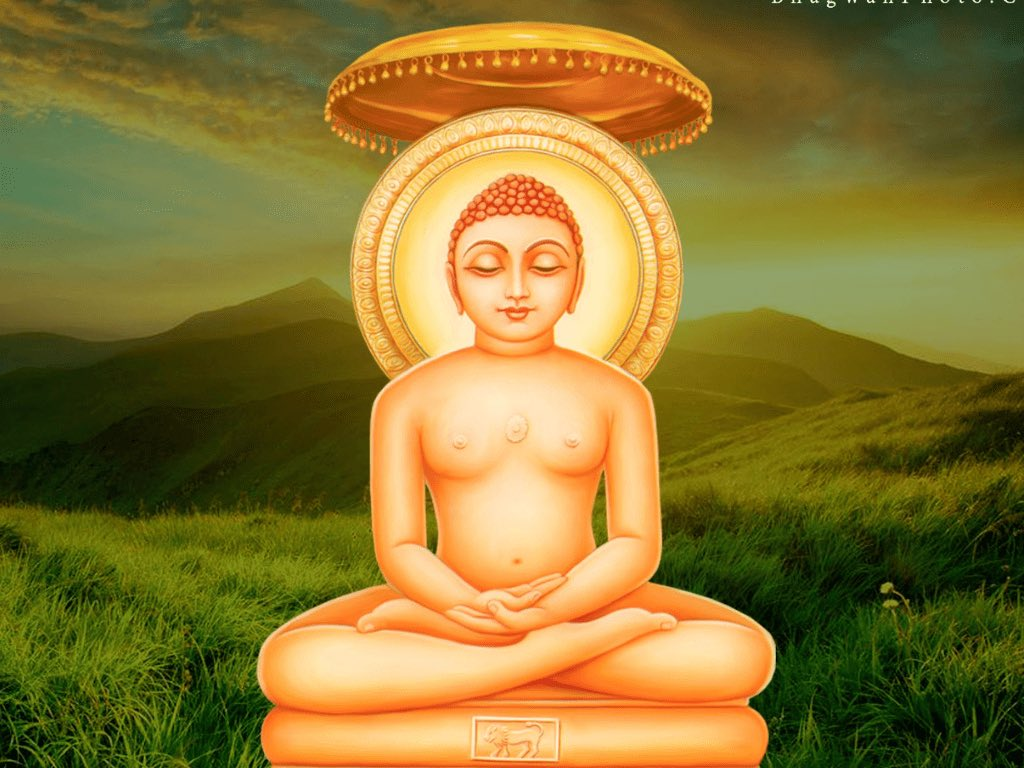
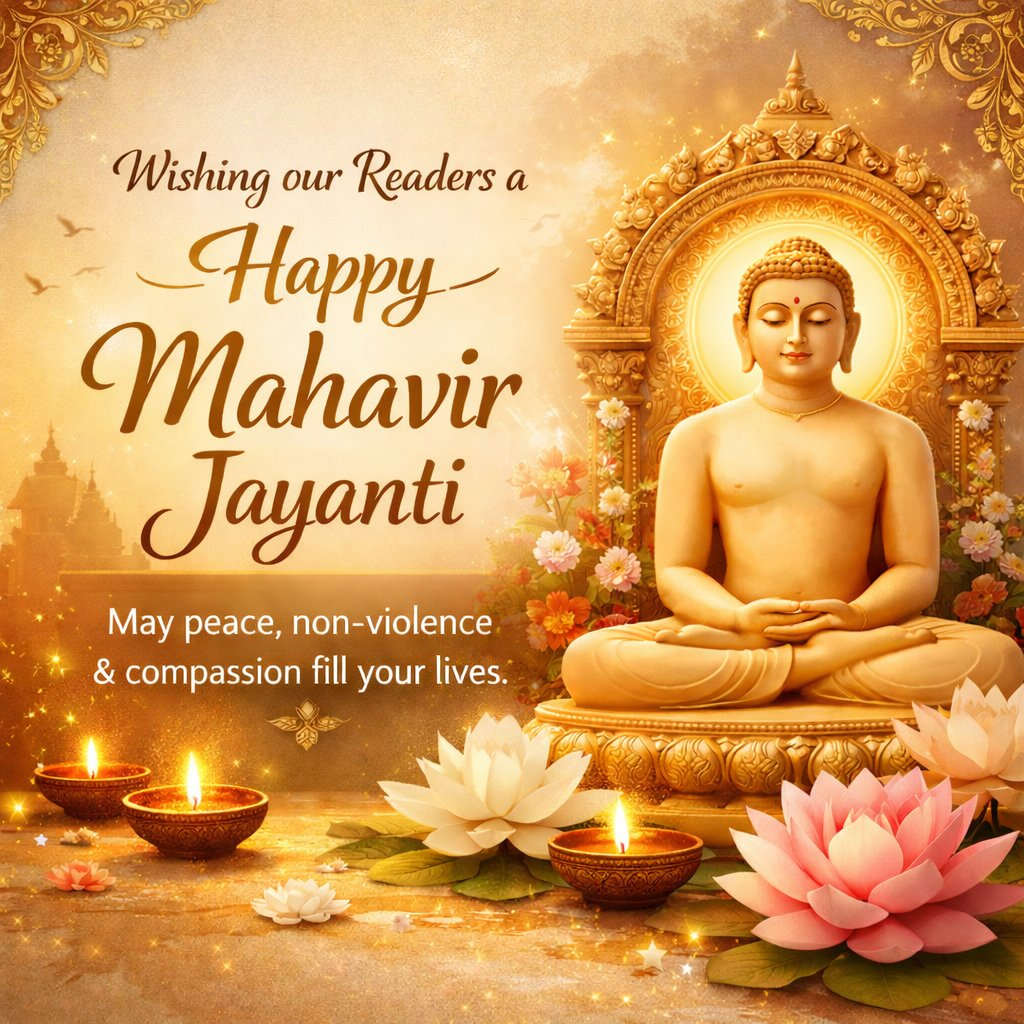
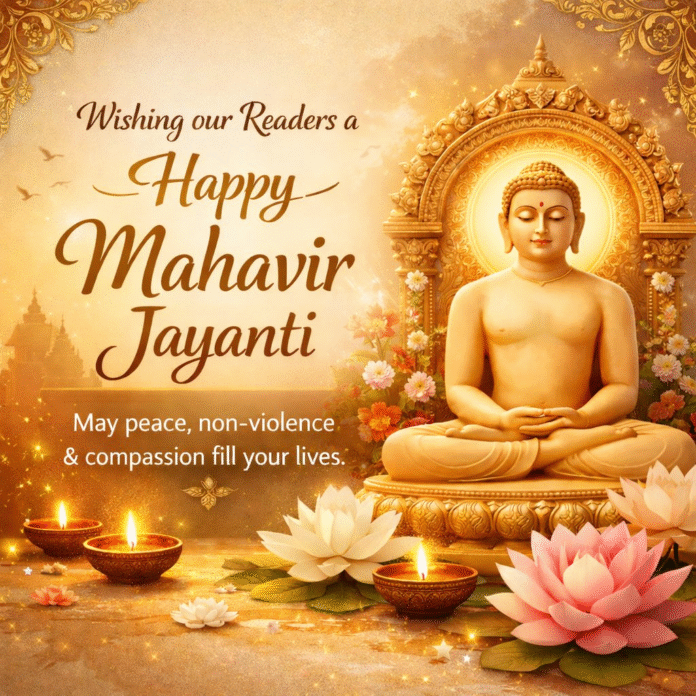
Happy Mahavir Jayanti 2026 Wishes, Quotes, Images and Status: Warm wishes on Mahavir Jayanti to share with your friends and family.

Happy Mahavir Jayanti 2026 Wishes, Quotes, Images, Messages, and WhatsApp Status: Mahavir Jayanti, also known as Mahaveer Janma Kalyanak, is a significant festival in Jainism, celebrated by the community in India, Nepal, the United States, and the United Kingdom. This year marks the 2624th birth anniversary of Lord Mahavir, the 24th and last Tirthankara, falling on Tuesday, March 31, 2026. With the festival just around the corner, indianexpress.com has curated these heartfelt wishes to convey to friends and family.

Happy Mahavir Jayanti 2026: Wishes

Happy Mahavir Jayanti 2026 Wishes, Quotes, Images and Status: Heartfelt Messages to Share with Family and Friends

Wishing you peace, happiness, and spiritual growth this Mahavir Jayanti.

May Lord Mahavir bless you with wisdom and compassion. Happy Mahavir Jayanti!

Let this auspicious day of Mahavir Jayanti bring harmony and positivity into your life

Warm wishes to you and your family on this sacred occasion of Mahaveer Janma Kalyanak.

Happy Mahaveer Janma Kalyanak! May your heart be filled with kindness and your actions with purity.

Wishing you a life of peace and spiritual enlightenment on Mahavir Jayanti!

May Lord Mahavir’s teachings illuminate your path always. Happy Mahavir Jayanti to you and your family!

Celebrate this day with love, forgiveness, and joy. Happy Mahavir Jayanti!

Happy Mahavir Jayanti 2026: Quotes

Happy Mahavir Jayanti 2026 Wishes, Quotes, Images and Status: Heartfelt Messages to Share with Family and Friends

“All souls are equal and deserve respect and compassion.”

“Non-violence is the greatest religion.”

“Silence and self-control are the paths to inner peace.”

“Conquer anger with forgiveness and pride with humility.”

“Right faith, right knowledge, and right conduct lead to liberation.”

“Peace comes from within; do not seek it outside.”

“The greatest wealth is a peaceful mind.”

Happy Mahavir Jayanti 2026: Messages

Happy Mahavir Jayanti 2026 Wishes, Quotes, Images and Status: Heartfelt Messages to Share with Family and Friends

Let us honour Lord Mahavir by embracing forgiveness and humility. Blessed Mahaveer Janma Kalyanak!

On this Mahavir Jayanti, may you follow the path of truth and kindness. 

Let us promise to practice non-violence and spread love everywhere. Jai Mahavir!

May your life be filled with harmony and spiritual joy. Happy Mahavir Jayanti

Wishing you strength to walk the path of righteousness on this occasion of Mahavir Jayanti.

May this day inspire you to live a life of discipline and compassion. Happy Mahaveer Janma Kalyanak!

Let this Mahavir Jayanti bring new hope and positivity to your life. Jai Mahavir!

Happy Mahavir Jayanti! Spread kindness, practice patience, and stay true to your values.

India to Ban Chinese CCTV Cameras from April 1: Report

0

India is set to bar Chinese companies, including Hikvision and Dahua, from selling internet-connected CCTV cameras in the country starting April 1, according to a report.

The move comes as new certification rules for surveillance equipment come into force, mandating stricter security and compliance standards.

Under the revised framework, the government is reportedly refusing to certify products manufactured by Chinese firms or those using Chinese chipsets. This effectively blocks such devices from entering or being sold in the domestic market.

The decision is aimed at addressing national security concerns linked to surveillance infrastructure and data integrity, the report added.

The decision is a part of a broader government push to strengthen security standards for internet-connected devices. The security concern has been building for several years. The concerns for Made in China surveillance hardware are not just about the trade but also about the security concerns, as these devices could be used remotely to record sensitive footage.

According to the new rules, manufacturers are bound to disclose the country of origin of products, specifically System-on-Chip. They should also submit devices for vulnerability testing.

Why Does the US Have Iran’s Kharg Island in Its Sights?

0

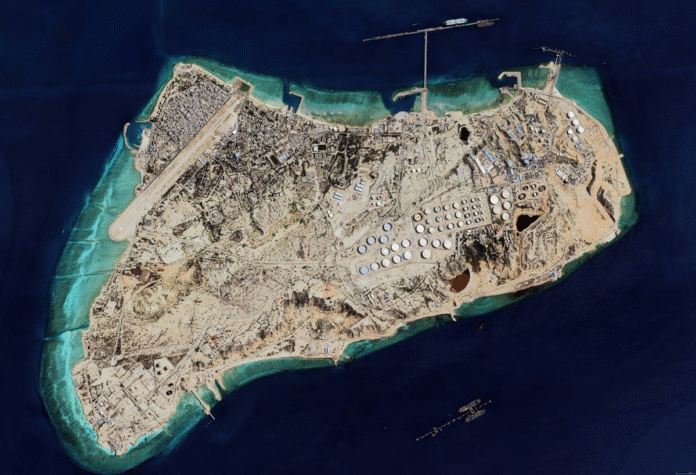
Tensions between the United States and Iran have intensified after Donald Trump signaled that Washington may consider further action against Kharg Island—a small but strategically vital island in the Persian Gulf. Despite its size, Kharg Island plays a central role in Iran’s economy, oil exports, and regional geopolitics, making it a high-value target in any escalation.

What Did Trump Say About Kharg Island?

In a recent interview, Donald Trump stated that the US is considering multiple options, including potentially seizing Kharg Island to increase pressure on Iran. He indicated that while military strikes have already targeted key installations, the US has so far avoided hitting oil infrastructure to prevent long-term economic fallout.

At the same time, American officials have not ruled out further escalation, and reports suggest that military planning and troop deployments in the region are underway.

Why Kharg Island Is Strategically Critical

Kharg Island is located about 24 km off Iran’s coast, yet it handles around 90% of Iran’s crude oil exports. This makes it the backbone of the country’s economy.

Key reasons for its importance include:

  • It serves as Iran’s largest oil export terminal
  • Connected to mainland oil fields through pipelines
  • Equipped to handle massive oil tankers due to deep surrounding waters
  • A major revenue source for the Islamic Revolutionary Guard Corps (IRGC)

Targeting Kharg Island is often described as striking Iran’s economic lifeline.

Could the US Attempt to Seize the Island?

Speculation is growing that the US may attempt to occupy or blockade Kharg Island as leverage against Iran. Such a move could:

  • Disrupt Iran’s oil exports entirely
  • Pressure Tehran to keep the Strait of Hormuz open
  • Provide a strategic military base near Iran’s mainland

However, experts warn that even a limited operation would be logistically complex and militarily risky, requiring naval or airborne deployments over long distances.

Iran’s Response and Military Preparations

Iran has responded strongly to the threat, warning of severe retaliation. Officials have stated that any US attempt to enter Iranian territory would be met with force.

Recent intelligence reports suggest that Iran has:

  • Reinforced air defence systems on the island
  • Deployed surface-to-air missiles
  • Planted naval mines and defensive traps in surrounding waters

The Islamic Revolutionary Guard Corps has also warned that regional energy infrastructure could be targeted if Iran’s facilities are attacked.

What Happened in the March 13 US Strikes?

On March 13, US forces carried out a major strike on Kharg Island, targeting over 90 military sites, according to US Central Command.

The operation reportedly:

  • Destroyed missile storage and naval facilities
  • Avoided oil infrastructure
  • Aimed to weaken Iran’s military presence without escalating into economic warfare

Iran, however, claimed that oil exports continued uninterrupted, signaling resilience despite the attacks.

Why the US Avoided Oil Infrastructure

While destroying oil facilities could cripple Iran economically, it carries global consequences. Avoiding such targets helps prevent:

  • A sharp spike in global oil prices
  • Wider conflict across the Middle East
  • Disruptions to international shipping via the Strait of Hormuz

Iran still retains the ability to retaliate through drones and attacks on regional infrastructure, including oil facilities and critical utilities.

Conclusion: A High-Stakes Strategic Flashpoint

Kharg Island has emerged as a focal point in US-Iran tensions due to its unmatched economic and strategic value. Any move to seize or disable the island could reshape regional dynamics, disrupt global energy markets, and escalate into a broader conflict.

As the situation evolves, Kharg Island remains not just a geographic location, but a symbol of economic power, military strategy, and geopolitical risk in the Middle East.

April 2026 Brings Spring’s First Full Moon and the Lyrids Meteor Shower

0

Step outside on Wednesday, April 1, 2026 – ! The first full moon of spring, known as the Pink Moon, will rise and reach its peak at 10:12 p.m. EDT (around 3:12 a.m. BST on April 2). While it won’t actually glow pink, this luminous event marks renewal, growth, and the vibrant awakening of nature after winter. The name “Pink Moon” comes from the early blooming of pink moss phlox (also called creeping phlox), a wildflower that signals the arrival of spring. It is also the Paschal Moon in 2026, which helps determine the date of Easter (falling on Sunday, April 5 this year).

When and How to Watch the Pink Moon. The moon will appear full, bright, and impressively large on the nights surrounding April 1 – from Tuesday evening through Thursday morning. For the best view head to an open area away from city lights. Look toward the eastern horizon just after sunset. As it rises, the Moon illusion will make it look extra large and often take on a beautiful golden or orange hue. It will stay bright and striking throughout the night, offering perfect photo opportunities. Other Traditional Names for April’s Full Moon. Different cultures have their own poetic names for this moon, reflecting the season’s changes Breaking Ice Moon (Algonquin), Budding Moon of Plants and Shrubs (Tlingit), Moon of the Red Grass Appearing (Oglala) Other names include Seed Moon, Awakening Moon, and Budding Moon.
These names celebrate the thawing of rivers, sprouting plants, and the return of life to the landscape.

April Moon Phases at a Glance Full Moon (Pink Moon): April 1 at 10:12 p.m. EDT. Last Quarter Moon: April 10 at 12:51 a.m.
New Moon: April 17 at 7:52 a.m. First Quarter Moon: April 23 at 10:32 p.m.

Celestial Bonus: The Lyrids Meteor Shower. April doesn’t stop at the full moon! Later in the month, the Lyrids meteor shower will light up the skies. This is one of the oldest known meteor showers, observed for over 2,700 years. It is caused by debris from Comet Thatcher, which orbits the Sun every 415 years. Active period: April 15 to 29, 2026 Peak Night of April 22 into the early morning of April 23 Best viewing After midnight until dawn, under dark skies (the moon will be favorable this year, with only a slim crescent interfering).

Expect 10-15 meteors per hour under ideal conditions, sometimes with bright fireballs and persistent glowing trails. Some years bring surprise surges of up to 100 meteors per hour. No telescope or binoculars needed – just a comfortable blanket, a dark location, and patience while looking toward the constellation Lyra. The Lyrids are visible worldwide, though observers in the Northern Hemisphere will see more activity. Looking Ahead: May’s Flower Moon. The next full moon in May 2026 will be the Flower Moon on May 1, symbolizing the burst of blooms across the landscape. It is also known as the Milk Moon, Mothers’ Moon, Hare Moon, and Planting Moon in various traditions.

April 2026 is shaping up to be a fantastic month for skywatchers – starting with a bright Pink Moon on April Fools’ Day and ending with a classic meteor shower. Whether you’re a casual stargazer or a dedicated astronomer, grab a blanket, head outdoors, and enjoy the wonders of spring in the night sky.

HBO Drops First Teaser Trailer for ‘Harry Potter and the Philosopher’s Stone’ TV Series – Set for Christmas 2026 Premiere

0

PC(Instagram)

Listen up, muggles – the magic is back! HBO has released the first official teaser trailer for its highly anticipated television adaptation of J.K. Rowling’s beloved Harry Potter books, offering fans an exciting glimpse into a fresh take on the wizarding world. The two-minute video, which debuted this week, follows young Harry Potter from his miserable life with the Dursleys to his arrival at Hogwarts School of Witchcraft and Wizardry. It faithfully recreates many iconic moments while introducing subtle new twists, promising a more detailed and immersive adaptation than the original film franchise.

A Fresh Young Trio Steps Into Iconic Roles. The trailer introduces the new generation of stars who will lead the series across multiple seasons. Dominic McLaughlin as Harry Potter. Alastair Stout as Ron Weasley arabella Stanton as Hermione Granger. Supporting adult cast members visible or confirmed in the teaser include John Lithgow as Albus Dumbledore. Nick Frost as Rubeus Hagrid. Paapa Essi Edu as Severus Snape. Janet McTeer as Minerva McGonagall (among others). Super fans are already zooming in on the details: the school uniforms (which stay close to the classic look), a glimpse of what appears to be the Gryffindor common room, and Quidditch players striding out onto a snowy pitch in full uniform, brooms in hand.

HBO Drops First Teaser Trailer for 'Harry Potter and the Philosopher's Stone' TV Series – Set for Christmas 2026 Premiere

What the Trailer Shows. The teaser takes viewers on a whirlwind journey Harry’s cramped cupboard under the stairs at the Dursleys’ house on Privet Drive. Aunt Petunia’s dismissive words (“There’s nothing special about you”) just as the Hogwarts letter arrives. Hagrid guiding Harry through London (including a new scene on the Underground) to Platform Nine and Three-Quarters. The lightning scar, circular glasses, and a flash of red hair as Harry spots the Weasleys on the Hogwarts Express.

Key Hogwarts moments: the Sorting Hat (which looks suitably frayed and wise), Professor McGonagall’s welcome, a meeting with wandmaker Garrick Ollivander, and the first meeting between Harry, Ron (complete with dirt on his nose), and Hermione on the train. While most elements feel reassuringly familiar – from the green cursive on the Hogwarts letter to the carriages of the Express there are fresh additions.

These include more time spent in the Muggle world (Harry facing off with cousin Dudley at a non-magic school) and updated Quidditch uniforms and brooms. The series will use the original UK title, Harry Potter and the Philosopher’s Stone, for the first season rather than the US Sorcerer’s Stone. Release Date and Production Details The first season is scheduled to premiere on Christmas 2026 (December 25) on HBO and stream on HBO Max. This marks an earlier arrival than some previous reports suggesting 2027.The ambitious project plans to adapt each of Rowling’s seven books into its own season, spanning roughly a decade of filming. Production is underway at Warner Bros. Studios in Leavesden, UK, where a temporary school has even been approved for the young actors’ education between scenes.

The series is directed (for multiple episodes) by Game of Thrones and Succession veteran Mark Mylod, with Francesca Gardiner (also from Succession) serving as showrunner and writer. It aims for a faithful yet potentially darker and richer exploration of the books.

Early reactions highlight the attention to detail in costumes, sets, and character introductions. While the core magic remains intact, the extra runtime of a TV format allows for deeper storytelling, expanded subplots, and more time with beloved locations like the Herbology greenhouse and the common room. Whether you grew up with the books or the films, this new series promises to bring Hogwarts to life in a whole new way. A new era of wizarding adventures is just around the corner – wands at the ready!

Mahavir Jayanti 2026: Date, History, Significance and Celebrations of the Jain Festival

0

Mahavir Jayanti in 2026 will be celebrated on March 31 (Tuesday), marking one of the most sacred occasions for the Jain community across the globe. Observed as per the Hindu calendar, this auspicious festival falls between March and April each year. Devotees eagerly await this day to honor the birth anniversary of Lord Mahavira and immerse themselves in spiritual practices, prayers, and acts of compassion.

What is Mahavir Jayanti?

Mahavir Jayanti, also known as Mahaveer Janma Kalyanak, is a major religious festival that commemorates the birth of Lord Mahavira. It is considered the most significant festival in Jainism, symbolizing the arrival of a spiritual leader who guided humanity toward the path of righteousness, non-violence, and truth. The day is celebrated with devotion, highlighting the enduring relevance of his teachings in modern life.

Who Was Lord Mahavira?

Lord Mahavira was born in 599 BC in Kundagram (present-day Bihar, India) into a royal family. Despite living a life of privilege, he chose to renounce worldly comforts at the age of 30 in search of spiritual truth. After years of deep meditation and penance, he attained Kevala Jnana (ultimate knowledge) and became a guiding force for millions. His life journey from a prince to a spiritual leader continues to inspire followers to seek inner peace and enlightenment.

Core Teachings of Lord Mahavira

The teachings of Lord Mahavira form the foundation of Jain philosophy and emphasise living a life rooted in ethics and compassion. His core principles—Ahimsa (non-violence), Aparigraha (non-attachment), and Satya (truth)—encourage individuals to respect all living beings and detach from material desires. These teachings remain highly relevant today, offering a path toward a peaceful, balanced, and mindful lifestyle.

Significance of Mahavir Jayanti

Mahavir Jayanti holds immense spiritual and cultural significance as it celebrates not just the birth of a महान spiritual leader but also the timeless values he propagated. The festival serves as a reminder to adopt a life of simplicity, compassion, and self-discipline. It inspires people to reflect on their actions, embrace non-violence, and contribute positively to society, making it deeply meaningful beyond religious boundaries.

How Mahavir Jayanti is Celebrated

Celebrations of Mahavir Jayanti are marked by devotion, rituals, and community participation, reflecting the teachings of Lord Mahavira. Devotees organize grand Rath Yatras (chariot processions), perform Abhisheka (ceremonial bathing of idols), and gather in temples for prayers and bhajans. Acts of charity and kindness are also an integral part of the celebrations, as followers strive to embody the values of compassion and service emphasized by Lord Mahavira.

Conclusion

Mahavir Jayanti is more than a religious celebration—it is a powerful occasion to reconnect with the teachings of Lord Mahavira and apply them in daily life. As Mahavir Jayanti 2026 approaches, it offers a meaningful opportunity to embrace non-violence, truth, and simplicity, guiding individuals toward a more harmonious and conscious way of living.

Ancient Copper-Plate Manuscripts Highlighted in PM’s Mann Ki Baat: A Deep Analytical Insight into India’s Knowledge Heritage

0

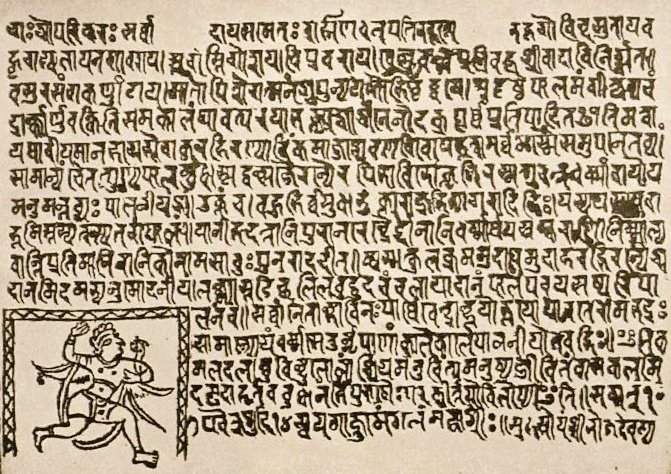
In a recent address during Mann Ki Baat, Narendra Modi brought national attention to the immense historical value of ancient manuscripts preserved at the Abhay Jain Granthalaya. His remarks were not merely ceremonial—they underscored a larger cultural and intellectual movement aimed at rediscovering and preserving India’s civilizational knowledge.

What Are Copper-Plate Manuscripts?

Copper-plate manuscripts are inscriptions engraved on sheets of copper, widely used in ancient and medieval India as a durable medium for recording important information. Unlike palm-leaf or paper manuscripts, copper plates were designed to withstand time, climate, and decay, making them one of the most reliable historical sources available today.

Historical and Cultural Significance

These manuscripts serve as a primary source of authentic historical data, offering deep insights into:

1. Governance and Administration

Copper plates frequently recorded:

  • Royal land grants
  • Taxation systems
  • Administrative structures

They reveal how kingdoms functioned and how rulers exercised authority.

2. Religious and Philosophical Traditions

A significant portion of the manuscripts at Abhay Jain Granthalaya relates to Jainism, including:

  • Agamas (canonical scriptures)
  • Teachings of Jain Acharyas
  • Biographies of Tirthankaras

These texts provide a window into India’s spiritual and ethical frameworks.

3. Socio-Economic Systems

The inscriptions often document:

  • Land ownership patterns
  • Donations to temples and institutions
  • Community structures

This makes them invaluable for understanding ancient Indian society and economy.

Role of Abhay Jain Granthalaya in Preservation

The Abhay Jain Granthalaya has emerged as one of Rajasthan’s most important repositories of manuscripts. Built through decades of dedicated effort, it houses a vast collection that reflects India’s intellectual and cultural diversity.

Today, it stands as:

  • A research hub for historians and scholars
  • A model institution for manuscript preservation in India
  • A bridge connecting traditional knowledge with modern technology

Bharatam Gyan Mission: A Nationwide Initiative

PM Modi also emphasized the importance of the Bharatam Gyan Mission, a large-scale effort to:

  • Survey ancient manuscripts across India
  • Digitize and catalog them
  • Make them accessible to future generations

Key Achievements in Rajasthan:

  • Survey of over 1.25 million manuscripts
  • Digital uploading to a centralized portal
  • Collaboration among scholars, archivists, and institutions

This initiative represents a systematic revival of India’s knowledge systems.

Why Preservation and Digitization Matter

The Prime Minister highlighted that preservation alone is not enough—digitization is essential. Here’s why:

  • Prevents physical deterioration of fragile manuscripts
  • Enables global access for researchers and students
  • Helps integrate ancient wisdom into modern academic discourse
  • Strengthens cultural identity and continuity

Analytical Perspective: Beyond Heritage

From an analytical standpoint, these manuscripts are not just relics—they are data archives of ancient India. Their study can contribute to:

  • Rewriting historical narratives with primary evidence
  • Understanding indigenous systems of knowledge in fields like governance, ethics, and ecology
  • Enhancing India’s position in global intellectual history

Conclusion

The mention of copper-plate manuscripts in Mann Ki Baat signals a broader shift toward recognizing and revitalizing India’s intellectual heritage. Institutions like the Abhay Jain Granthalaya, supported by initiatives such as the Bharatam Gyan Mission, are playing a pivotal role in this transformation.

These manuscripts are not just artifacts of the past—they are living knowledge systems, waiting to be explored, understood, and integrated into the future.

Khalsa and March 30: The Historic Connection

0

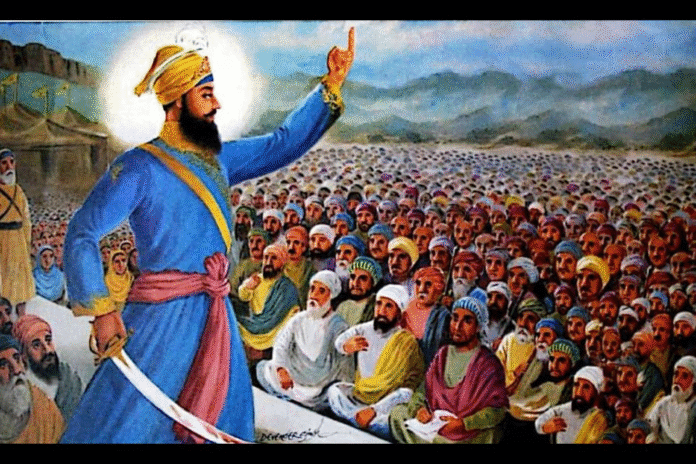
The Khalsa, the casteless Sikh order founded by Guru Gobind Singh, traces its origins to a defining moment in history that is often linked to March 30, 1699, in historical accounts using the Gregorian calendar.

What Happened on March 30, 1699?

On this day, which coincided with Baisakhi, Guru Gobind Singh gathered thousands of Sikhs at Anandpur Sahib. In a dramatic and transformative event, he called upon devotees to prove their faith by offering their lives.

Five men stepped forward—later known as the Panj Pyare (Five Beloved Ones). They were initiated into a new spiritual order through the sacred Amrit Sanskar ceremony. This marked the birth of the Khalsa, a unified community bound by discipline, equality, and devotion.

Why the Date Varies

While some records align the founding with March 30, 1699, the event is traditionally commemorated on Baisakhi (April 13 or 14) every year. The variation arises due to differences between the Gregorian calendar and the traditional solar Punjabi calendar.

Why the Khalsa Matters

The creation of the Khalsa was a turning point in Sikh history:

  • It eliminated caste distinctions, promoting equality
  • It established a distinct Sikh identity
  • It combined spiritual strength with the duty to fight injustice

Guru Gobind Singh also introduced:

  • The surnames Singh (for men) and Kaur (for women)
  • The Five Ks, symbols of faith and discipline
  • A code of conduct centered on courage, morality, and service

A Legacy That Endures

Today, the Khalsa continues to represent the core ideals of Sikhism—fearlessness, unity, and faith. While its birth is celebrated annually on Baisakhi, the historical association with March 30, 1699 highlights the enduring legacy of that transformative day.

Rajasthan Diwas 2026: Date, Significance, History and Wishes

0

Rajasthan state was established on March 30, 1949. Here comes the history, cultural significance, and formation of India’s largest state.

Today, on March 30th, 2026, Rajasthan is celebrating its 77th Sthapana Divas, or Formation Day! This vibrant state in India is known for its majestic forts, colorful culture, and rich history. Back in 1949, four regions—Jodhpur, Jaipur, Bikaner, and Jaisalmer—joined together to create the larger state of Rajasthan.

Before this merger, Rajasthan was known as Rajputana, meaning “The Country of the Rajputs.” Rajasthan, which translates to “The Abode of the Rajas,” is located in the northwest part of India and boasts a rich cultural diversity.

The state is adorned with ancient ruins, temples, and forts scattered across its many cities. Divided into nine regions, each with its own unique history and artistic traditions, Rajasthan offers a glimpse into India’s diverse heritage.

One of its famous attractions is Keoladeo National Park, home to a plethora of bird species. Additionally, the state hosts two tiger reserves, Ranthambore National Park and Sariska Tiger Reserve. Rajasthan Day celebrates the state’s history, geography, and cultural significance.

But when and how did Rajasthan come to be? Let’s dive in!

Formation of a Grand State

Rajasthan wasn’t always a single state. In 1949, several princely states and smaller chiefdoms came together to form the greater state of Rajasthan. This unification is credited to Sardar Vallabhbhai Patel, also known as the “Iron Man of India.”

A day reflecting culture

Rajasthan Diwas is a time for the people of Rajasthan to reflect on their heritage and celebrate their unique identity. Cultural programs, parades, and traditional performances fill the streets with color and joy.

Wishes for Rajasthan Diwas

Here are some wishes you can share to celebrate Rajasthan Diwas:

  • Happy Rajasthan Diwas! May the spirit of Rajasthan continue to shine brightly.
  • Wishing you a joyous Rajasthan Diwas filled with cultural pride and festivities.
  • Here’s to celebrating the rich history and vibrant culture of Rajasthan!

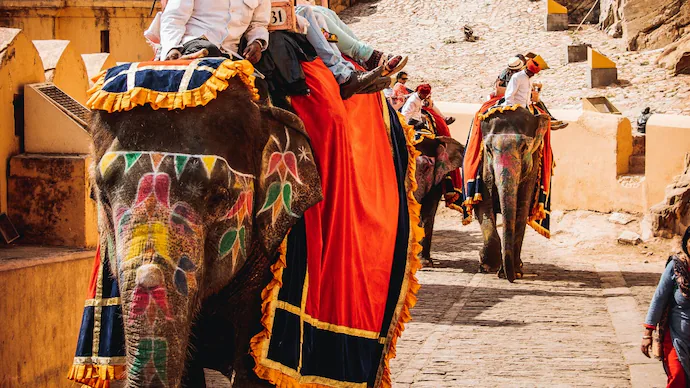
Rajasthan is a treasure trove for tourists. From the majestic Hawa Mahal (Palace of Winds) in Jaipur to the sprawling Thar Desert, there’s something for everyone. If you’re ever planning a trip to India, Rajasthan should be on your list.

It is said that, historically, on March 30, 1949, numerous princely states—including Jaipur, Jodhpur, Jaisalmer, and Bikaner—were merged, leading to the formation of the Greater Rajasthan Union. Prior to this, the region was known as Rajputana. However, following the merger of 19 princely states, it was officially named Rajasthan. The unification of Rajasthan took place in seven distinct phases. Initially, in 1948, the princely states of Alwar, Dholpur, Karauli, and Bharatpur were merged. Subsequently, other princely states were integrated over several successive phases. Finally, in 1949, the merger of the princely states of Jaisalmer, Jodhpur, Jaipur, and Bikaner resulted in the region being designated as the Greater Rajasthan Union. It is in commemoration of this specific day that Rajasthan Diwas (Rajasthan Day) began to be celebrated.

Rajasthan Foundation Day is Celebrated on November 1st
In addition to Rajasthan Diwas, Rajasthan Foundation Day is also observed, which is celebrated on November 1st. This is because the state of Rajasthan—as it exists today—was formally established on November 1, 1956. The modern state of Rajasthan came into existence in 1956 following the merger of the final princely territory, Ajmer-Merwara.

Heritage is Showcased on Rajasthan Diwas
In essence, since the Greater Rajasthan Union was formed following the merger of numerous princely states—including Jaipur, Jodhpur, Jaisalmer, and Bikaner—Rajasthan Diwas is celebrated annually based on this historical process. The state government observes this day as an opportunity to promote the region’s cultural identity, historical heritage, and tourism. On the occasion of Rajasthan Diwas, special decorations, illuminations, and cultural programs are organized at the state’s tourist destinations, historical monuments, and major cities, with the aim of showcasing the region’s rich traditions and heritage on a broad scale.