Home Blog Page 199

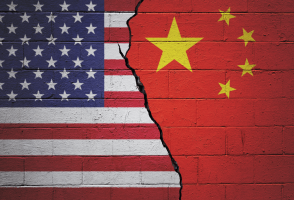
Impact of US De Minimis Rule on India-US Trade

0

The United States has officially ended its century-old De Minimis exemption from 29 August 2025, a move that has disrupted postal and e-commerce trade between India and the US. The rule earlier allowed shipments valued under $800 per person per day to enter duty- and tax-free. With its withdrawal, all consignments must now undergo stricter customs checks and duties, affecting exporters, businesses, and consumers alike.

What Was the De Minimis Exemption?

The De Minimis exemption simplified customs clearance for small parcels, encouraging cross-border e-commerce. Goods valued below $800 per person per day entered the US duty-free, reducing compliance costs and ensuring faster delivery. In FY 2024, the US Customs and Border Protection processed over 1.36 billion such shipments.

Why the US Withdrew It

The exemption was removed to boost tariff revenues, curb undervaluation, and tighten import monitoring. Announced by President Donald Trump on 30 July 2025, the decision took effect from 29 August. The government cited revenue, security, and trade compliance as key reasons.

Disruption for India Post

Anticipating the change, India Post suspended most mail services to the US from 25 August 2025, except for documents and gifts below $100. Without a clear framework for duty collection and data sharing, carriers were unable to process US-bound parcels. The suspension has hit millions of Indians sending gifts and goods abroad. In cities like Coimbatore, nearly 15% of parcels were destined for the US, highlighting the scale of impact.

Blow to Indian MSMEs and E-commerce

Indian MSMEs—major exporters of textiles, jewellery, pharmaceuticals, and electronics—are among the worst hit. These sectors contribute over 60% of India’s exports to the US. With the exemption gone, all shipments now attract duties. The simple Entry Type 86 process has been replaced by the more complex Entry Type 11, requiring detailed product codes, valuation, and higher compliance costs, increasing delays and reducing profit margins.

Challenges and the Road Ahead

Exporters now face a dilemma: absorb higher costs or pass them on to US buyers, risking reduced demand. While the transition is disruptive, it also pushes businesses to adopt stronger compliance and digital trade systems.

The Department of Posts is monitoring developments and exploring solutions to resume services. Industry stakeholders are seeking clearer duty frameworks and improved data exchange protocols. As US customs evolves, Indian businesses will need to adapt swiftly to safeguard market access and sustain growth.
India, China, and Russia Making A New World Order While Uniting for a Multipolar Future Amid US Tariffs

0

The SCO Summit Signals a Shift Toward a Multipolar Global Order

By Nirjala Goud

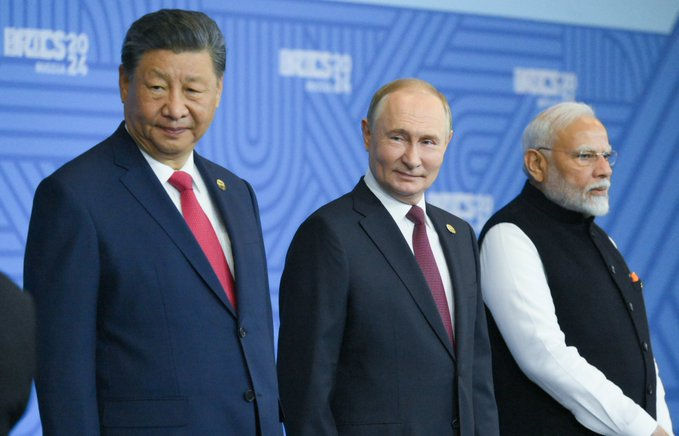
In the face of escalating U.S. tariffs under President Donald Trump, India, China, and Russia are forging a formidable alliance, leveraging their collective economic and strategic might to counter American trade pressures. The recent Shanghai Cooperation Organization (SCO) Summit has emerged as a pivotal platform for these nations to showcase unity and explore regional solutions. With a combined GDP of $53.9 trillion, a population of 3.1 billion, and a shared vision for a multipolar world, this trilateral partnership could reshape global economic dynamics.

A United Front Against U.S. Tariffs

The SCO Summit, held at a time when Trump imposed a steep 50% tariff on Indian goods, underscored the growing alignment among India, China, and Russia. This coalition, representing nearly one-third of global GDP and 38% of the world’s population, is positioning itself as a counterweight to Western dominance. Their combined economic clout is staggering: over $5 trillion in exports, $4.7 trillion in foreign reserves (38% of the global total), and a military expenditure of $549 billion, accounting for one-fifth of the world’s defense budget. Together, these nations consume 35% of global energy, with each bringing unique strengths to the table—China’s manufacturing prowess, Russia’s energy dominance, and India’s dynamic service economy.

The summit highlighted a shared resolve to mitigate the impact of U.S. tariffs, widely perceived as unfair across Asia. Gaurav Goyal, Founder and Director of Finocrat Technologies, noted that the summit reflects India’s shift away from reliance on U.S. concessions toward regional partnerships. “India no longer wants to depend solely on the U.S. but is instead collaborating with neighboring countries,” Goyal stated. This strategic pivot is fostering deeper economic ties, with China and Russia opening their markets to India to offset the effects of American tariffs.

Economic and Strategic Synergies

The SCO Summit has paved the way for enhanced cooperation in critical sectors such as energy, infrastructure, and digital payments. India is actively improving trade relations with China to bolster economic resilience, while also collaborating with Russia and other SCO members on energy and infrastructure projects. These efforts aim to create a robust regional framework that can withstand external economic pressures.

The combined economic indicators of India, China, and Russia paint a picture of immense potential. Their $53.9 trillion GDP (PPP) and $5 trillion in exports position them as a powerhouse capable of challenging the U.S.-led unipolar world order. By promoting Eurasian trade corridors and exploring local currency transactions, this alliance could reduce dependence on the U.S. dollar, fostering a multipolar economic system.

The Double-Edged Sword for India

While the India-China-Russia partnership offers a buffer against U.S. tariffs, it is not without challenges. India’s economic ties with the U.S. remain significant, with bilateral trade reaching $212.3 billion in 2024, an 8.3% increase from the previous year. U.S. consumers continue to drive demand for Indian goods, with exports to the U.S. totaling $77.5 billion in 2024, according to the U.S. Trade Representative.

This deep economic interdependence complicates India’s alignment with China and Russia.Moreover, India faces security concerns due to ongoing border disputes with China and Pakistan’s role within the SCO. These tensions highlight the delicate balance India must maintain as it navigates this trilateral partnership. While the alliance provides a platform to counter U.S. pressures, it also requires India to tread cautiously to safeguard its strategic interests.

A New Global Economic Equation

The SCO Summit signals a broader shift toward a multipolar world, where India, China, and Russia are poised to play a pivotal role. By leveraging their collective economic and military strength, these nations are challenging the dominance of Western-led institutions and fostering regional integration. The emphasis on Eurasian trade routes and local currency transactions could diminish the U.S. dollar’s global hegemony, paving the way for a more balanced international order.For investors, the summit is a positive development. The unity displayed by SCO members offers opportunities for enhanced trade and investment in Asia, particularly in energy and infrastructure. As Goyal aptly noted, “China and Russia are opening their economies to India, which will boost trade and help mitigate the impact of U.S. tariffs.”

A Strategic Pivot for India

The India-China-Russia alliance, forged in the crucible of U.S. tariff pressures, represents a bold step toward a multipolar global order. While the partnership offers India a chance to diversify its economic dependencies and strengthen regional ties, it must carefully navigate security concerns and its substantial trade relationship with the U.S. As the SCO Summit demonstrates, this trilateral coalition is not just a response to immediate economic challenges but a strategic move to redefine the global economic landscape. With their combined resources and shared vision, India, China, and Russia are laying the foundation for a new era of global cooperation and resilience.

Ancient Treasure Unearthed: The 952-Year-Old Sakya Monastery Library

0

By Nirjala Gaur

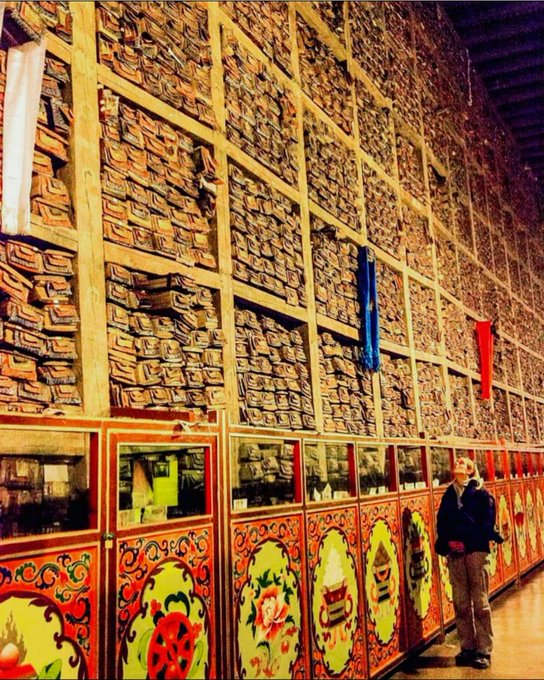
In a remarkable discovery, a 952-year-old library concealed behind a massive 60-meter-long and 10-meter-high wall in Tibet’s Sakya Monastery has unveiled a treasure trove of ancient wisdom. Housing over 84,000 meticulously preserved manuscripts, this library is a monumental archive of Buddhist philosophy, medicine, astronomy, art, and history, making it a cornerstone of global cultural and spiritual heritage.

A Legacy Preserved Through Time

First uncovered in 1073 CE, the Sakya Monastery Library in the Tibet Autonomous Region of China stands as a testament to the enduring legacy of Buddhist scholarship. The collection includes sacred texts such as the Kangyur and Tengyur, alongside rare manuscripts that span centuries of intellectual exploration. These handwritten documents, wrapped in cloth and stored on specially designed wooden racks, have been safeguarded against the ravages of time, preserving invaluable knowledge for future generations.

A Diverse Repository of Wisdom

The library’s vast collection covers an array of disciplines, from Buddhist philosophy to traditional medicine, astronomy, and historical records. Each manuscript, carefully crafted by ancient scholars, offers a glimpse into the intellectual and spiritual life of the era. Among its most extraordinary treasures is a scripture believed to be the heaviest in the world, weighing an astonishing 500 kilograms (1,100 pounds), symbolizing the immense weight of knowledge it holds.

A Cultural and Spiritual Marvel

The Sakya Monastery Library is not just a regional treasure but a global heritage site, encapsulating centuries of human thought and creativity. Its preservation reflects the dedication of generations to protect this repository of knowledge, ensuring that its profound insights remain accessible to scholars, researchers, and spiritual seekers worldwide. This extraordinary discovery underscores the timeless value of cultural heritage and the enduring power of ideas.

Educate Girls Honored with 2025 Ramon Magsaysay Award for Transforming Lives Through Girls’ Education

0

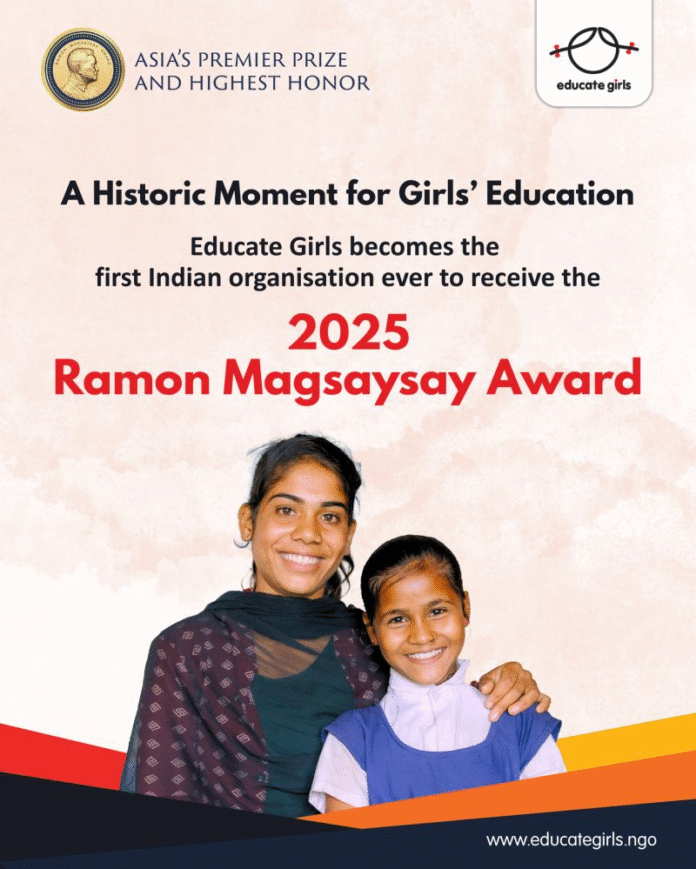
In a historic moment for Indian non-profits, the Foundation to Educate Girls Globally, widely known as Educate Girls, has been named a 2025 Ramon Magsaysay Awardee. The announcement, made by the Ramon Magsaysay Foundation on September 1, 2025, recognizes the organization’s transformative work in mobilizing community and government resources to advance girls’ education in rural and educationally disadvantaged areas of India. Often dubbed Asia’s Nobel Prize, the award celebrates Educate Girls’ relentless commitment to empowering young girls through education, breaking the cycle of illiteracy and poverty—one girl at a time.

A Journey Rooted in Rajasthan

Founded in 2007 by Safeena Husain in Rajasthan, Educate Girls has grown into a beacon of hope for millions of girls across India. Over the past 18 years, the organization has worked tirelessly in over 30,000 villages, enrolling more than 2 million girls back into school and supporting 2.4 million children with remedial learning programs. By forging strong partnerships with communities and government bodies, Educate Girls has addressed systemic barriers such as poverty, household responsibilities, and societal biases that often prevent girls from accessing education.

The organization’s motto, “one girl at a time,” encapsulates its grassroots approach. Through community mobilization, personalized support, and innovative programs, Educate Girls ensures that each girl receives the opportunity to learn, grow, and thrive. This mission has not only transformed individual lives but also sparked a broader societal shift toward recognizing girls’ education as a fundamental right

A Personal Mission, A Global Impact

For Safeena Husain, the founder of Educate Girls, the Ramon Magsaysay Award is both a professional milestone and a deeply personal triumph. Reflecting on the announcement, Husain shared, “When they announced Educate Girls had been chosen, I was crying. The last 18 years flashed before my eyes. It was emotional and overwhelming,” she told The Times of India. Her own journey fuels her passion for the cause. “My schooling was interrupted for three years, but a woman supported me, took me into her home, and encouraged me to return. That changed my life—I became the first in my family to study abroad at the London School of Economics.”Husain’s personal experience of overcoming educational barriers drives Educate Girls’ mission to ensure no girl is left behind. By addressing challenges like household chores, early marriage, and financial constraints, the organization creates tailored solutions that empower girls to reclaim their right to education.

Scaling Dreams for a Brighter Future

The Ramon Magsaysay Award, set to be presented in Manila on November 7, 2025, is not just a recognition of past achievements but a catalyst for bigger dreams. Husain, with characteristic humor, noted, “The bad news of winning an award like this is that it makes you dream bigger.” Educate Girls has set an ambitious goal to reach 10 million learners over the next decade, including older girls who missed earlier opportunities for education. The organization also plans to expand into new regions, including India’s Northeast, to bring its transformative model to even more underserved communities.By deepening government partnerships and embedding community-led solutions, Educate Girls aims to scale its impact while staying true to its core mission. “We remain committed to breaking the cycle of illiteracy and poverty for girls,” Husain said. “By scaling our programs and fostering a societal shift in valuing girls’ education, we strive to create a brighter, more equitable future.”

A Legacy of Change, One Girl at a Time

The 2025 Ramon Magsaysay Award marks a historic achievement for Educate Girls, making it the first Indian non-profit to receive this prestigious honor. The award celebrates the organization’s unwavering dedication to empowering girls through education and its ripple effect on communities across India. As Educate Girls continues to grow, its vision remains clear: to transform lives, uplift communities, and build a more inclusive future, one girl at a time.With its bold ambitions and proven impact, Educate Girls is not just changing the narrative for girls’ education in India—it is rewriting the future for millions.

Tianjin: A Vibrant Fusion of History, Modernity, and Global Trade

0

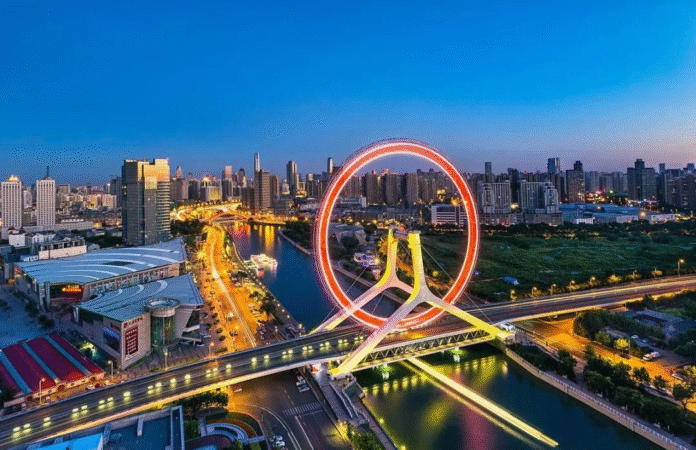
Nestled along the shores of the Bohai Sea, approximately 120 kilometers southeast of Beijing, Tianjin stands as a dynamic testament to China’s ability to blend its rich historical heritage with cutting-edge modernity. As China’s fourth-largest city and a centrally administered municipality, Tianjin is a bustling metropolis that serves as a vital economic and cultural hub in northern China. Often referred to as the “Gateway to the North,” this coastal city has played a pivotal role in shaping China’s global trade and industrial landscape. From its ancient roots to its towering skyscrapers, Tianjin is a city of contrasts, where tradition and innovation coexist harmoniously.

A Historical Crossroads of Cultures

Tianjin’s history stretches back thousands of years, but it gained prominence in the 19th century as a key port and a hub for international trade. During the Boxer Rebellion of 1900, the city became a focal point for foreign influence, with several Western powers establishing concessions. This colonial legacy is still visible today in the city’s architectural tapestry, particularly in the iconic Five Great Avenues (Wudadao), a district renowned for its stunning European-style buildings. These structures, ranging from British Victorian to French Renaissance designs, offer a glimpse into Tianjin’s cosmopolitan past and attract visitors from around the world.The city’s Ancient Culture Street (Gu Wenhua Jie) provides a stark yet complementary contrast, immersing visitors in traditional Chinese culture. This vibrant street is a treasure trove of local art, intricate handicrafts, and authentic culinary delights, showcasing Tianjin’s deep-rooted heritage. From hand-painted calligraphy to delicate porcelain, the street is a celebration of China’s artistic traditions.

A Powerhouse of Industry and Innovation

Tianjin’s strategic location along the Bohai Sea has cemented its status as a cornerstone of global trade. The Port of Tianjin, China’s largest man-made port and one of Asia’s most significant maritime gateways, handles an immense volume of cargo, connecting China to markets worldwide. The port’s efficiency and scale have made it a linchpin in the country’s economic framework.Beyond its maritime prowess, Tianjin has emerged as a leader in modern industries. The city is a major hub for manufacturing, aerospace, automotive, and high-tech industries, with cutting-edge facilities driving innovation and economic growth. Tianjin’s rapid development has transformed it into a global city, characterized by sleek skyscrapers, state-of-the-art infrastructure, and a fast-paced lifestyle that rivals other metropolitan giants like Shanghai and Beijing.

Culinary and Cultural Delights

Tianjin’s cultural offerings extend beyond its architecture and history to its celebrated culinary scene. The city is famous for its Goubuli Baozi, delectable steamed buns stuffed with savory fillings that have earned a reputation across China. These buns, along with other local delicacies, reflect Tianjin’s ability to marry tradition with flavor, delighting food enthusiasts and visitors alike.The city’s cultural vibrancy is further highlighted by its festivals, markets, and community events, which bring together locals and tourists in a celebration of Tianjin’s unique identity. Whether strolling through the bustling Ancient Culture Street or exploring the elegant Five Great Avenues, visitors are captivated by the seamless blend of Chinese and Western influences that define the city.

A Global City with a Timeless Soul

Today, Tianjin stands as a beacon of progress, with its towering skyline and modern infrastructure symbolizing China’s rapid ascent on the global stage. Yet, it remains deeply connected to its historical and cultural roots, preserving the traditions and stories that have shaped its identity. This harmonious blend of old and new makes Tianjin a must-visit destination for those seeking to experience the multifaceted essence of modern China.From its role as a vital trade hub to its rich cultural tapestry, Tianjin is a city that continues to evolve while honoring its past. Whether you’re drawn to its historical landmarks, industrial achievements, or culinary treasures, Tianjin offers a captivating journey through time and progress—a true gateway to the heart of northern China.

Important Days in September 2025: National and International Dates List

0

September 2025 is filled with significant festivals, awareness days, and global observances that highlight culture, health, education, environment, and history. From Onam and Vishwakarma Puja to World Literacy Day, International Day of Peace, and World Heart Day, this month carries special meaning both in India and across the world.

Key Dates in September 2025

September 1–7 – National Nutrition Week
A week dedicated to spreading awareness about healthy food and nutrition for a better lifestyle.

September 2 – World Coconut Day
Marks the foundation of the Asian Pacific Coconut Community and highlights the coconut’s role in poverty reduction.

September 3 – Skyscraper Day
Celebrates the engineering brilliance of tall buildings that shape modern skylines.

September 4 – Eid Milad-un-Nabi
Commemorates the birth of Prophet Muhammad and his teachings of compassion and charity.

September 5 – Teachers’ Day (India) & International Day of Charity
Honours teachers on Dr. Sarvepalli Radhakrishnan’s birth anniversary, while also promoting acts of kindness and donations worldwide.

September 5 – Onam
Kerala’s vibrant festival marked with boat races, floral carpets, feasts, and cultural programs.

September 6 – Ananta Chaturdashi
The concluding day of Ganesh Chaturthi, with idol immersion and sacred rituals.

September 7 – Brazilian Independence Day
Marks Brazil’s independence from Portuguese rule in 1822.

September 8 – International Literacy Day, World Physical Therapy Day & Grandparents’ Day
Highlights the importance of literacy, the role of physiotherapists, and the bond with grandparents.

September 10 – World Suicide Prevention Day
Raises awareness about suicide prevention globally.

September 11 – 9/11 Remembrance Day, National Forest Martyrs Day, World First Aid Day & Digvijay Diwas
Honours victims of terrorism, environmental martyrs, first-aid awareness, and Swami Vivekananda’s 1893 speech in Chicago.

September 13 – International Chocolate Day
A sweet celebration dedicated to chocolate lovers worldwide.

September 14 – Hindi Diwas
Marks the adoption of Hindi as India’s official language in 1949.

September 15 – Engineer’s Day (India) & International Day of Democracy
Celebrates M. Visvesvaraya’s legacy and democratic values.

September 16 – Malaysia Day & World Ozone Day
Remembers Malaysia’s formation (1963) and spreads awareness about protecting the ozone layer.

September 17 – Vishwakarma Puja, World Patient Safety Day & PM Narendra Modi’s Birthday
A day for workers and artisans, healthcare awareness, and the Prime Minister’s birth anniversary.

September 18 – World Bamboo Day
Promotes bamboo as a sustainable resource.

September 19 – International Talk Like a Pirate Day
A fun cultural observance encouraging pirate lingo.

September 20 – International Red Panda Day
Focuses on red panda conservation.

September 21 – International Day of Peace & World Alzheimer’s Day
Advocates for peace and raises awareness about Alzheimer’s disease.

September 22 – Rose Day (Cancer Patients) & World Rhino Day
Spreads hope for cancer patients and awareness of rhino conservation.

September 23 – International Day of Sign Languages
Supports deaf communities and the importance of sign language.

September 25 – World Pharmacists Day & Antyodaya Diwas
Honours pharmacists and marks Pandit Deendayal Upadhyaya’s birth anniversary.

September 26 – European Day of Languages, World Contraception Day & World Environmental Health Day
Encourages language learning, safe contraception practices, and environmental health.

Last week of September – International Week of the Deaf
Highlights the rights and achievements of deaf people worldwide.

September 27 – World Tourism Day & Google’s Anniversary
Celebrates tourism’s role in development and Google’s founding in 1998.

September 28 – World Rabies Day, Durga Puja, World Rivers Day & International Day for Universal Access to Information
Spreads awareness about rabies prevention, celebrates Durga Puja, protects rivers, and promotes the right to information.

September 29 – World Heart Day
Encourages heart health and prevention of cardiovascular diseases.

September 30 – International Translation Day
Honours translators and language professionals who connect cultures globally.

Assam King Prithu: Reclaiming a Forgotten Legacy

0

The Assam Cabinet’s recent decision to name a flyover in Guwahati after Maharaja Prithu, a 13th-century ruler credited with resisting Turko-Afghan incursions, has sparked renewed public interest in a largely forgotten chapter of Indian history. The move is not just about infrastructure naming—it reflects a larger attempt to weave Prithu into Assam’s cultural memory alongside icons like Lachit Borphukan, the celebrated 17th-century Ahom general.

The Historical Backdrop

Prithu is believed to have ruled Kamrup in the early 13th century, during a time of political fragmentation in Assam. His significance arises from accounts of his resistance against Bakhtiyar Khilji, the infamous Turko-Afghan general who destroyed Nalanda University and attempted to extend his campaign into eastern India around 1206 CE.

While Khilji’s Bengal victories are well documented, his defeat in Assam remains a less clear episode. The Persian chronicle Tabaqat-i-Nasiri and inscriptions from North Guwahati mention a ruler called “Bartu” or “Prithu” who successfully checked Khilji’s advance. However, Assamese records from this period are sparse, leaving historians to rely heavily on external texts and oral traditions.

Evidence and Controversy

The historical evidence for Prithu comes primarily from:

  • A rock inscription near Guwahati,
  • References in Persian chronicles, and
  • Oral traditions that link him to forts and battle sites.

Yet, doubts remain. The Persian term “rae” used for Prithu may suggest he was a local chieftain rather than a sovereign monarch. Some scholars argue his victory was more of a regional skirmish than a decisive geopolitical event. The lack of indigenous written records makes it difficult to establish his precise status or the scale of his resistance.

Renewed Scholarship

In recent years, historians such as Raktim Patar have attempted to elevate Prithu’s profile, presenting him as a heroic defender of Assam and Indian civilisation. The narrative is being amplified by cultural organisations, seminars, and educational campaigns, aiming to position Prithu as an Assamese equivalent of Lachit Borphukan. This reflects a broader movement in India to reclaim regional heroes from relative obscurity and integrate them into the national imagination.

Why Prithu Matters Today

The recognition of Maharaja Prithu goes beyond historical curiosity. It symbolizes:

  • Assam’s role as a frontier resisting early Islamic incursions,
  • An effort to assert regional identity within the larger canvas of Indian history,
  • The challenges of reconstructing medieval history where evidence is fragmentary and contested.

By naming a prominent flyover after him, the Assam government has turned Prithu into more than just a historical figure—he is now a cultural symbol of resistance and pride, reminding us that even obscure rulers played a role in shaping India’s civilisational story.

‘Soon, India to See Skyscrapers Near Airports; Govt Study to Mirror New York, London and Hong Kong Models’

0

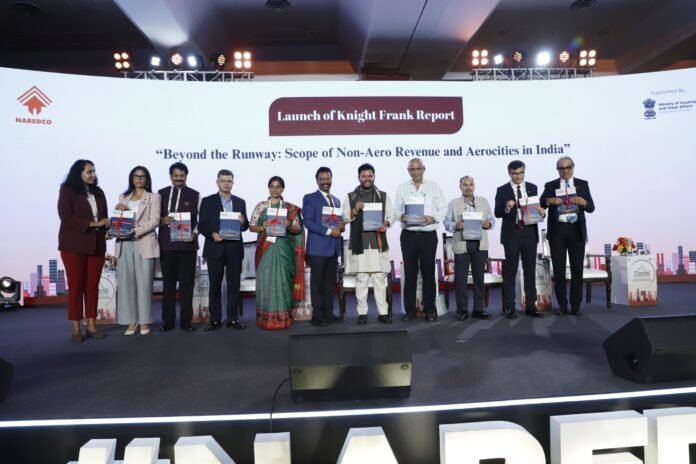
Kinjarapu Ram Mohan Naidu, Minister of Civil Aviation, Government of India, on Saturday announced that the Government would make serious efforts to amplify real estate activities within close proximity to upcoming and new airports in order to ensure sectoral growth to an intended level of 15% in the near future.

Addressing the second day of the NAREDCO 17th National Convention here today, the Minister indicated that a study is being undertaken to draw development cues from leading airports of the world such as those in New York, London, and Hong Kong, so that multiple large-scale economic activities can be ensured around upcoming airports in the country.

He pointed out that airports generate huge footfalls not only for recreation but also for diverse economic activities in and around their vicinity. Hence, the Government intends to encourage the creation of convention centers and hotels close to such airports for multiple economic gains.

The Minister emphasized that airports around New York, London, and Hong Kong operate at very high economies of scale with multiple associated activities, including real estate development. India, he said, would take a cue from these examples to develop similar utilities around new greenfield airports.

According to the Minister, the Government plans to add hundreds of airports to its civil aviation trajectory because of the sector’s potential for growth. He noted that in the recent past, the Government has already operationalized 88 airports, with many more in the pipeline.

“Since I come from the State of Andhra Pradesh, I would like the Members of NAREDCO to proactively come forward to build the new capital, Amravati, which will be a huge smart city with world-class facilities and infrastructure of the highest standards,” said Mr. Naidu.

Earlier, Kuldip Narayan, Joint Secretary, Ministry of Housing & Urban Affairs, Government of India, urged real estate developers to expand their horizons from building 4–5 lakh houses each year to 40–50 lakh annually so that the real estate and housing sector grows substantially and contributes critically to national GDP.

According to him, funding for such activities should come through institutionalized arrangements such as Real Estate Investment Trusts (REITs) and HUDCO. He added that the future challenge for the builder community is to manage housing—particularly affordable housing—through innovative housing management techniques, with a focus that goes beyond retail loans.

In his welcome remarks,  G Hari Babu, President, NAREDCO, assured the Minister that NAREDCO would come forward to participate in building the proposed Amravati capital city in close cooperation with the Government of Andhra Pradesh, with all its strength and resources.

Niranjan Hiranandani, Chairman, NAREDCO, in his address, pointed out that the growth of the real estate sector must be aligned with national requirements, and the industry must rise to deliver on those expectations.

India’s First Floating Ganpati Mandal Adds Spark to Surat’s Tapi River

0

By Nirjala Gaud

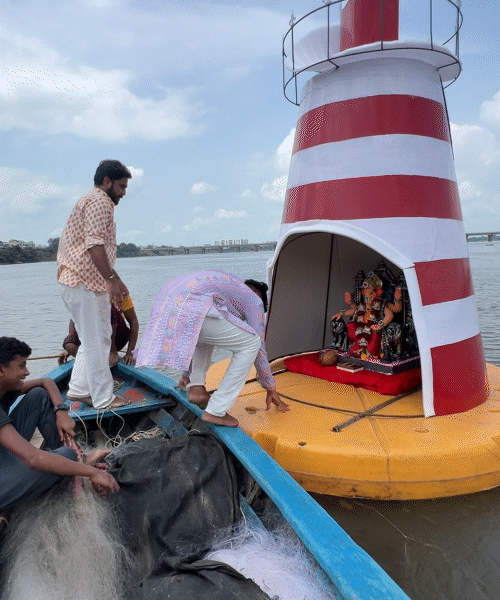
This Ganesh Chaturthi, Surat has unveiled a breathtaking spectacle with India’s first floating Ganpati Mandal on the Tapi River. Located at Panjpipla Street in Rander, the pandal, designed as a towering lighthouse, has captured hearts nationwide. Complete with a glowing torch at its peak, symbolizing guidance and light, the structure houses a cave-like chamber where a beautifully adorned idol of Lord Ganesha resides, appearing to glide gracefully on the water.

A Lighthouse of Devotion

The pandal’s unique lighthouse design is both a visual marvel and a feat of engineering. Built on a circular floater, the structure creates the illusion of a serene drift along the Tapi River. Inside, the Ganpati idol is enshrined in a cave-like chamber, blending artistry with spiritual reverence. The lighthouse motif serves as a powerful symbol of hope and direction, resonating deeply with devotees.

A Tradition Born from Resilience

The floating Ganpati Mandal traces its origins to 2007, established by the Rander community in the wake of devastating floods that struck Surat the previous year. The initiative was a heartfelt prayer for the city’s safety and to appease the Tapi River’s fury. Though paused during the pandemic, this cherished tradition has returned with renewed vigor, showcasing the community’s resilience and devotion.

Viral Sensation and Public Admiration

A video shared by the local Instagram page Kemcho Surat has catapulted the floating pandal to viral fame. The clip, showcasing devotees arriving by boat for darshan, has sparked widespread curiosity and admiration. Social media users have hailed the mandal as a stunning blend of faith, innovation, and artistry, setting a new benchmark for Ganesh Chaturthi celebrations.

A Celebration of Creativity and Spirituality

In a nation where Ganesh Mandals are renowned for their creativity, Surat’s floating Ganpati stands out as a unique marvel. Combining devotion with cutting-edge design and engineering, this lighthouse-inspired pandal not only honors Lord Ganesha but also reflects the indomitable spirit of Surat’s people. As the festival continues, the floating Ganpati Mandal shines as a beacon of inspiration, drawing devotees and onlookers to the banks of the Tapi River.

Lollapalooza India 2026: Linkin Park, Playboi Carti, and More to Headline Mumbai’s Music Extravaganza

0

By Nirjala Gaud

A Star-Studded Lineup at Mahalaxmi Racecourse

Lollapalooza India is set to electrify Mumbai’s Mahalaxmi Racecourse on January 24–25, 2026, with its fourth edition, featuring a powerhouse lineup headlined by Linkin Park, Playboi Carti, YUNGBLUD, Kehlani, and Knock2. Over 40 artists will perform across four stages, blending global superstars with India’s finest talent, promising an unforgettable two-day musical celebration.

Global Icons Meet Indian Talent

The 2026 edition marks the India debut of rock legends Linkin Park, who will perform as part of their “From Zero” World Tour. Fans can expect a setlist packed with classics like “Numb” and “In the End,” alongside tracks from their recent comeback album, From Zero. American rapper Playboi Carti, joined by his Opium labelmates Ken Carson, Destroy Lonely, and Homixide Gang, will also make their first-ever appearance in India. British punk-pop sensation YUNGBLUD and Grammy-nominated R&B star Kehlani, known for her soulful blend of R&B, neo-soul, and pop, add further star power to the lineup. Electronic music fans are in for a treat with Knock2, alongside other international acts like LANY, Fujii Kaze, The Midnight, Mother Mother, Sammy Virji, and Calum Scott.India’s vibrant music scene will shine through with performances from folk-metal pioneers Bloodywood, Ankur Tewari & The Ghalat Family, electronic fusion maestro Karsh Kale, and the dynamic duo OAFF-Savera. Emerging artists such as MXRCI, Sen, Zoya, and Gauley Bhai will also take the stage, showcasing the country’s next generation of musical talent.

Lollapalooza India’s Growing Legacy

Since its debut in 2023, Lollapalooza India has solidified its place as a global music festival, blending international heavyweights with homegrown artists. The inaugural edition featured Imagine Dragons, The Strokes, and Jackson Wang, while 2024 saw performances from The Jonas Brothers, Sting, Halsey, and OneRepublic. Last year’s event brought Green Day, Shawn Mendes, and Glass Animals to Mumbai, cementing the festival’s reputation for diverse, high-energy lineups. Produced by BookMyShow Live in partnership with Perry Farrell and C3 Presents, Lollapalooza India continues to elevate the country’s live music scene.

A Weekend of Music and Memories

With its eclectic mix of genres—spanning rock, rap, R&B, punk, and electronic—Lollapalooza India 2026 is poised to deliver a spectacular experience. As Mumbai gears up to host this global phenomenon, fans can look forward to a weekend of iconic performances, cultural fusion, and unforgettable moments under the city’s vibrant skyline.