Home Blog Page 198

Hyperion: World’s Tallest Tree, Soaring Past Statue of Liberty, Hides in Secret Redwood Haven

0

By Nirjala Goud

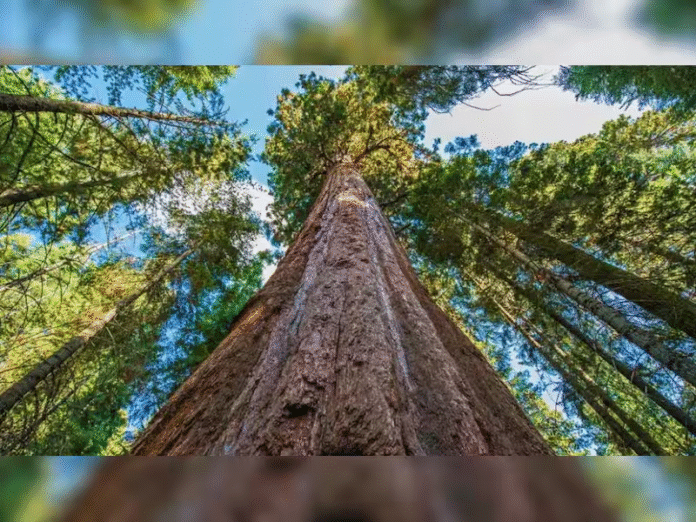
Discover the World’s Tallest Tree, a Centuries-Old Marvel! Hidden in California’s Wilderness hidden deep within the lush expanse of Redwood National Park in California stands Hyperion, the world’s tallest living tree. This majestic coast redwood (Sequoia sempervirens), discovered in 2006, soars to an awe-inspiring height of 379.7 feet (115.9 meters), surpassing iconic landmarks like the Statue of Liberty and Big Ben. Its age, estimated at 600–800 years, and its secret location make it one of nature’s most extraordinary wonders.

A Record-Breaking Redwood

Hyperion’s staggering height sets it apart as the tallest known tree on Earth. Measuring taller than the Statue of Liberty (305 feet) and London’s Big Ben (316 feet), this coast redwood is a testament to nature’s ability to create giants. Discovered in August 2006 by naturalists Chris Atkins and Michael Taylor, Hyperion has since captivated scientists and nature enthusiasts alike. Its towering presence in the dense redwood forest is a reminder of the enduring power of the natural world.

A Mini-Ecosystem in the Sky

Beyond its height, Hyperion is a thriving hub of life. Its lofty branches, stretching far above the forest floor, support a miniature ecosystem teeming with mosses, lichens, insects, and birds. These organisms, some of which rarely touch the ground, have adapted to life in Hyperion’s canopy, creating a vibrant, self-sustaining world high above the earth. This unique ecosystem underscores the ecological significance of coast redwoods, a species known for its resilience and longevity.

A Centuries-Old Survivor

Estimated to be between 600 and 800 years old, Hyperion has endured centuries of storms, wildfires, and droughts. While its age is impressive, scientists note that some coast redwoods have the potential to live for over 2,000 years, making Hyperion a relatively young member of its species. Its ability to thrive through environmental challenges highlights the remarkable durability of these ancient giants.

A Closely Guarded Secret

To protect Hyperion and its fragile surroundings, the U.S. National Park Service has kept its precise location a closely guarded secret. The influx of visitors could damage the tree’s delicate root system and disrupt the surrounding forest ecosystem. By limiting access, park officials ensure that Hyperion continues to thrive, hidden away in the heart of Redwood National Park.

The Legacy of Hyperion

Hyperion is more than just a record-breaking tree; it’s a symbol of nature’s grandeur and resilience. Its discovery in 2006 marked a significant moment in the study of coast redwoods, a species renowned for its towering height and long lifespan. As scientists continue to monitor Hyperion and its environment, this magnificent tree stands as a reminder of the importance of preserving our planet’s natural wonders.In a world of modern marvels, Hyperion’s quiet majesty in the secluded forests of California offers a humbling perspective on the power and beauty of the natural world. While its exact location remains a mystery, its legacy as the world’s tallest tree continues to inspire awe and wonder.
GST Council Meeting Begins Today: 5% and 18% Slabs May Get Approval, Daily-Use Items to Become Cheaper

0

The 56th meeting of the GST Council begins today in New Delhi under the chairmanship of Finance Minister Nirmala Sitharaman. The two-day meeting is expected to finalize major reforms in the Goods and Services Tax (GST) structure.

At present, GST has four slabs – 5%, 12%, 18% and 28%. The government is proposing to simplify it to just two slabs – 5% and 18%, while luxury items may attract 40% tax.

The meeting will conclude on September 4, and decisions are likely to be announced soon after.

New Rates May Apply from September 22

If approved, the revised GST rates may come into effect from September 22, just before the festive season. The government hopes this reform will boost consumer demand and sales during Navratri and Diwali.

According to reports, the Centre has urged the GST Council to approve the changes at the earliest, while also addressing states’ concerns about possible revenue loss.

Approval from Group of Ministers

Last week, the Group of Ministers (GoM) cleared the proposal for a two-slab system. Bihar Deputy CM Samrat Chaudhary confirmed on August 21 that the group had approved the new 5% and 18% GST structure, removing the 12% and 28% slabs.

What Will Get Cheaper?

From 12% → 5%

  • Dry fruits, branded namkeen, toothpaste, soap, hair oil
  • Common antibiotics, painkillers, processed food, snacks
  • Frozen vegetables, condensed milk
  • Some mobiles, computers, sewing machines, geysers, pressure cookers
  • Non-electric water filters, electric irons, vacuum cleaners
  • Readymade clothes (above ₹1,000), shoes (₹500–₹1,000)
  • Most vaccines, HIV/TB diagnostic kits, bicycles, utensils
  • Geometry boxes, maps, globes, glazed tiles, vending machines, solar water heaters, agricultural machinery, public transport vehicles

From 28% → 18%

  • Cement, beauty products, chocolates
  • Ready-mix concrete
  • TVs, refrigerators, washing machines, ACs, dishwashers
  • Private planes
  • Protein concentrate, sugar syrup, coffee concentrate
  • Plastic goods, rubber tyres, aluminium foil, tempered glass
  • Printers, razors, manicure kits, dental floss

PM’s Independence Day Announcement

Prime Minister Narendra Modi, in his Independence Day address, had promised “next-generation GST reforms”, calling it a Diwali gift for the people. He said the changes would reduce taxes on everyday items and make life easier for the common man.

If implemented, the new GST structure will simplify taxation, bring down prices of essentials, and potentially give a strong push to India’s consumption-driven economy during the festive season.

Anant Chaturdashi 2025 Date: 6 or 7 September? Know Importance, Auspicious Yoga, Puja Vidhi & Ganesh Visarjan Muhurat

0

Anant Chaturdashi 2025 Date: The festival of Anant Chaturdashi is observed on the Chaturdashi Tithi of Shukla Paksha in Bhadrapada month. On this day, devotees worship the infinite forms of Lord Vishnu, which is why it is called Anant Chaturdashi. The festival also marks the farewell of Lord Ganesha, as Ganesh Visarjan is performed with devotion and grandeur.

According to scriptures, by observing this fast and worshipping Lord Narayana with rituals, devotees are freed from worldly bondages and attain Baikunth Dham.

Importance of Anant Chaturdashi

  • The fast is dedicated to Lord Vishnu in his infinite form (Anant Roop).
  • As per Vishnu Purana, fasting on this day blesses devotees with wealth, child happiness, prosperity, and liberation from troubles.
  • Since in 2025 it falls on Saturday, it holds even greater significance. Worshipping Lord Vishnu on this day is believed to reduce the malefic effects of Shani (Saturn) including Dhaiyya and Sadesati.

Anant Chaturdashi 2025 Date & Time

  • Chaturdashi Tithi begins: 6 September, 3:14 AM
  • Chaturdashi Tithi ends: 7 September, 1:41 AM
  • As per Udaya Tithi, Anant Chaturdashi will be celebrated on Saturday, 6 September 2025.

Ganesh Visarjan on Anant Chaturdashi

Ganeshotsav, which begins on Ganesh Chaturthi, culminates on Anant Chaturdashi. On this day, devotees bid farewell to Lord Ganesha through Visarjan, immersing the idol in rivers, ponds, or seas with the belief that Bappa returns next year with blessings.

Auspicious Muhurat for Ganesh Visarjan (6 September):

  • Shubh Choghadiya: 7:36 AM – 9:10 AM
  • Laabh Choghadiya: 1:54 PM – 3:28 PM
  • Amrit Choghadiya: 3:29 PM – 5:03 PM
  • Laabh Choghadiya: 6:37 PM – 8:03 PM

Anant Chaturdashi 2025 Shubh Yogas

This year, rare auspicious yogas enhance the importance of the day:

  • Budhaditya Rajyoga (Sun + Mercury)
  • Trigrahi Yoga (Sun + Mercury + Ketu in Leo)
  • Sukarma Yoga
  • Ravi Yoga

Worshipping Lord Vishnu during these yogas brings infinite happiness, prosperity, and peace.

Anant Chaturdashi Puja Vidhi

  1. Take a vow of fasting after an early bath.
  2. Place an idol/picture of Lord Vishnu seated on Sheshnag.
  3. Worship the Anant Sutra (thread with 14 knots) using turmeric and kumkum, then tie it on the right hand (men) or left hand (women).
  4. Recite Vishnu Sahasranama, Anant Chaturdashi Vrat Katha, and chant “Om Anantaya Namah”.
  5. Eat satvik food, perform charity, and light a lamp in the evening for Lord Vishnu.

In 2025, Anant Chaturdashi falling on Saturday makes it especially powerful for Vishnu’s blessings, Shani Shanti, and removal of financial and karmic obstacles.

At 91, Chennai’s BM Viswanathan Smashes Age Barriers with Badminton Passion

0

By Nirjala Goud

In the quiet dawn hours of Chennai’s Adyar neighborhood, 91-year-old BM Viswanathan steps onto the badminton court with a vigor that belies his age. For over three decades, this remarkable nonagenarian has made the Indira Nagar Sports Club his second home, proving that passion and dedication can defy the limitations of time. Recently, Viswanathan made headlines as the oldest participant at the National Badminton League in Tambaram, where he and his partner clinched the runners-up title. His story is a testament to the power of fitness, discipline, and an unwavering love for the game.

A Morning Ritual of Energy and Enthusiasm

Every day at 6 a.m., while most of Chennai is still stirring, Viswanathan arrives at the Indira Nagar Sports Club, racket in hand, ready to chase the shuttlecock. A resident of Karpagam Gardens, he has been a badminton enthusiast since the late 1970s, when he represented the Indian Oil Corporation until his retirement in 1993. For over 30 years, he has maintained an unbroken streak of morning games, undeterred by rain or shine. “Playing badminton keeps me fit and energetic,” Viswanathan says with a radiant smile, his health a glowing endorsement of his lifestyle—no blood pressure, no diabetes, no cholesterol issues, just boundless vitality.

Defying Age at the National Stage

Viswanathan’s passion for badminton reached a new milestone when he competed in the National Badminton League in Tambaram. As the oldest participant, he stunned spectators and younger competitors alike with his agility and skill. Partnered with a teammate, he secured the runners-up position, a remarkable feat that left the audience in awe. His performance was not just a display of athletic prowess but a powerful reminder that age is merely a number when it comes to pursuing what you love.

More Than a Game: A Way of Life

For Viswanathan, badminton is more than a sport—it’s a lifeline to health, happiness, and community. His daily routine at the Indira Nagar Sports Club fosters not only physical fitness but also mental resilience and social bonds. The court is where he finds joy, challenges himself, and inspires those around him. His story resonates with people of all ages, showing that staying active and engaged can lead to a fulfilling, healthy life well into one’s later years.

Inspiring a Generation

Viswanathan’s dedication is a beacon of inspiration in an era where sedentary lifestyles are increasingly common. His commitment to fitness challenges stereotypes about aging and encourages others to embrace physical activity, no matter their age. As he continues to swing his racket with precision and enthusiasm, Viswanathan proves that passion and perseverance can keep the spirit young and the body strong.

Oil Diplomacy Foils Trump’s Plans, Brings Russia, India and China Closer

0

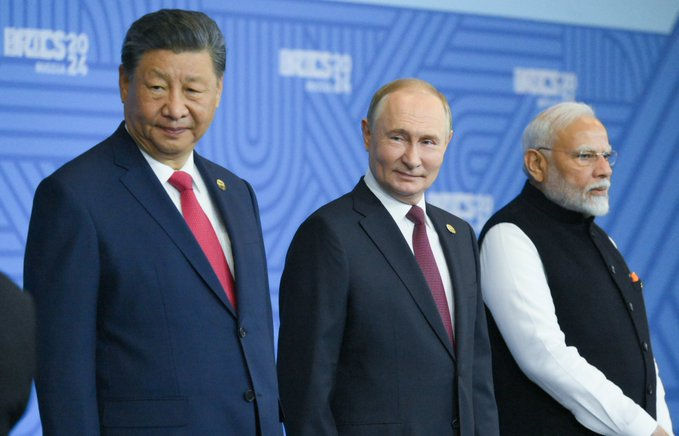
Monday’s meeting between Russia’s Vladimir Putin, China’s Xi Jinping, and India’s Narendra Modi at the Shanghai Cooperation Organisation (SCO) summit marked a rare display of unity among the three powers — with oil at the heart of their growing alignment.

Oil: The Glue Binding Moscow, Delhi and Beijing

Russia’s invasion of Ukraine in 2022 and subsequent Western sanctions turned India and China into Moscow’s most vital energy customers. Both nations have capitalised on discounted Russian crude, even as Washington responded with punitive tariffs.

  • China imported over 100 million tonnes of Russian crude last year, nearly 20% of its total energy needs.
  • India’s imports from Russia, negligible before 2022, have surged to around $140bn since the war.

Together, they now account for the majority of Russia’s oil exports, keeping Moscow’s economy afloat.

Public policy expert Mandar Oak notes that Moscow may offer “further discounts to ensure India doesn’t back away under US pressure.”

Modi’s Defiance and Washington’s Wrath

For Prime Minister Modi, doubling down on Russian oil brings political dividends. “It is almost beneficial for Modi to snub the US,” says Prof Oak. “It signals India will not bow to Trump’s tariffs.”

India, once dependent on the Middle East for energy, now saves billions by tapping Russia’s cheaper supplies. But this shift has strained relations with Washington, which slapped an additional 25% duty on Indian imports. New Delhi condemned the move as “unjustified.”

“We will buy energy from where we get the best deal,” Indian officials have insisted.

Trade expert Peter Draper said China is eager to secure energy supplies, but noted that Moscow might favour India with deeper discounts if Delhi commits to higher volumes.

A Strategic Triad

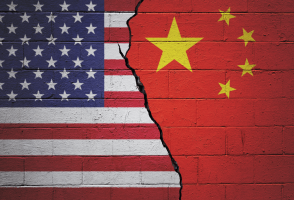
Despite long-standing geopolitical frictions, analysts say the trio now share a common antagonist in Washington. Trump’s tariffs and sanctions have provided fresh incentives for Moscow, Delhi and Beijing to close ranks.

As Prof Oak summed up: “In the face of US economic pressure, their strong interests in energy and trade make cooperation almost inevitable.”

Aviant Brings Drone Food Delivery to Scandinavia

0

Pic Courtesy: BBC

Hot food delivery, a service city dwellers take for granted, is now reaching Scandinavia’s island communities — thanks to Norwegian start-up Aviant.

The company has launched the region’s first drone-based food delivery service on Värmdö, an island just 13 km from Stockholm. Home to around 46,000 residents — swelling to nearly 100,000 in summer — the island has long lacked reliable food delivery options.

Since February, locals in Gustavsberg and nearby areas have been able to order freshly made burgers from Bastard Burgers, dropped at their doorsteps by drone. Delivery costs are comparable to car or bike services, but without driver expenses.

“There are 87,000 people near Stockholm who don’t have access to food delivery,” says Aviant co-founder and CEO Lars Erik Fagernæs. “They live in suburban areas where demand exists, but services don’t reach.”

From Trials to Takeoff

Developing the service wasn’t easy. Drones can fly up to 10 minutes across a six-mile radius, but keeping food hot was a challenge.

“At first, we had soggy fries,” Fagernæs admits. “But with improved insulated containers, food now arrives warm — even in winter.”

Residents have welcomed the innovation enthusiastically. “People think it’s like a UFO delivering their food,” he laughs.

Next Stop: Norway

Aviant is also preparing to launch in Nesodden, near Oslo. Though only four miles away by air, the road journey stretches to 29 miles — making drone delivery a game changer for its 100,000 residents.

Looking ahead, Aviant has identified 40 potential drone bases across Scandinavia and sees expansion opportunities in Canada and the northeastern US, where similar geographies exist.

Weather remains a hurdle — high winds can ground drones — but the company expects 90% uptime. Currently in beta, deliveries are capped at 10 items per week, with plans to scale up by 2026.

Aviant’s vision is clear: bridging the gap between urban convenience and rural reality — one hot meal at a time.

From Frozen Lakes to Olympic Dreams: India’s First High-Altitude Sports Hub Rises in Ladakh

0

By Nirjala Goud

High up in Ladakh’s rugged mountains, where the air is thin and the silence is broken only by the whistle of the wind, India is preparing to carve out a new sporting destiny. At 11,000 feet above sea level, the High-Altitude National Center of Excellence (HANCE) is set to open its doors—an advanced training hub designed to give Indian athletes the endurance, stamina, and resilience once only honed in faraway camps abroad.

For decades, world champions trained in Kenya’s Rift Valley, Colorado’s peaks, or Mexico’s highlands. Indian athletes, too, have traveled overseas to seek that elusive edge. But now, with HANCE in Ladakh, the mountains of India will become the training ground for its future champions.

From Frozen Lakes to Olympic Dreams

For 16-year-old Stanzin, a budding ice hockey player from Leh, the arrival of HANCE is nothing short of a dream. Until now, her training rink was a frozen pond, carved out by winter’s mercy and village effort. Skates were borrowed, sticks were improvised, and coaching was rare. “We love the sport, but we never imagined we could train like professionals,” she says with a shy smile.

At HANCE, Stanzin and 49 other youngsters—25 girls and 25 boys—will train under expert coaches in India’s first high-altitude ice hockey program. Every dash across the ice at 11,000 feet will build endurance that rivals the best in the world. The hope: one day, to see India competing fiercely on international rinks.

Beyond Ice Hockey: A Multi-Sport Revolution

HANCE isn’t just about ice hockey. It will host 250 athletes across five disciplines—boxing, athletics, archery, football, and ice hockey.

  • Boxing: 30 boys, 30 girls
  • Athletics: 30 boys, 30 girls
  • Archery: 30 boys, 30 girls
  • Ice Hockey: 25 boys, 25 girls
  • Football: 20 boys

This mix ensures that India’s fighters, runners, archers, and footballers, too, will benefit from the high-altitude advantage—an adaptation of the body to low oxygen that translates into unmatched endurance at sea level.

The Science of Survival, the Spirit of Sport

Every training session here will be as much about science as sweat. At this altitude, the body learns to fight for every breath, producing more red blood cells and carrying more oxygen. When these athletes descend to compete nationally or internationally, they’ll carry the mountains’ strength within them.

From Kargil to Global Arenas

The idea of Ladakh as a sports powerhouse isn’t new. A smaller SAI center in Kargil has already produced athletes who’ve competed nationally and internationally. Building on that success, HANCE aims to be the launchpad for future champions—equipped with world-class facilities, expert coaching, and the natural advantage of Ladakh’s terrain.

Breathing New Life into Indian Sport

As the first batch of athletes prepare to arrive, there’s a sense of history in the making. For Stanzin, for hundreds of boxers, runners, and archers, and for millions of Indians watching, HANCE represents more than just a training facility—it’s a promise. A promise that the road to Olympic glory may very well begin in the thin air of Ladakh.

Here, at the top of the world, India is learning to dream bigger, breathe deeper, and run faster.

Impact of US De Minimis Rule on India-US Trade

0

The United States has officially ended its century-old De Minimis exemption from 29 August 2025, a move that has disrupted postal and e-commerce trade between India and the US. The rule earlier allowed shipments valued under $800 per person per day to enter duty- and tax-free. With its withdrawal, all consignments must now undergo stricter customs checks and duties, affecting exporters, businesses, and consumers alike.

What Was the De Minimis Exemption?

The De Minimis exemption simplified customs clearance for small parcels, encouraging cross-border e-commerce. Goods valued below $800 per person per day entered the US duty-free, reducing compliance costs and ensuring faster delivery. In FY 2024, the US Customs and Border Protection processed over 1.36 billion such shipments.

Why the US Withdrew It

The exemption was removed to boost tariff revenues, curb undervaluation, and tighten import monitoring. Announced by President Donald Trump on 30 July 2025, the decision took effect from 29 August. The government cited revenue, security, and trade compliance as key reasons.

Disruption for India Post

Anticipating the change, India Post suspended most mail services to the US from 25 August 2025, except for documents and gifts below $100. Without a clear framework for duty collection and data sharing, carriers were unable to process US-bound parcels. The suspension has hit millions of Indians sending gifts and goods abroad. In cities like Coimbatore, nearly 15% of parcels were destined for the US, highlighting the scale of impact.

Blow to Indian MSMEs and E-commerce

Indian MSMEs—major exporters of textiles, jewellery, pharmaceuticals, and electronics—are among the worst hit. These sectors contribute over 60% of India’s exports to the US. With the exemption gone, all shipments now attract duties. The simple Entry Type 86 process has been replaced by the more complex Entry Type 11, requiring detailed product codes, valuation, and higher compliance costs, increasing delays and reducing profit margins.

Challenges and the Road Ahead

Exporters now face a dilemma: absorb higher costs or pass them on to US buyers, risking reduced demand. While the transition is disruptive, it also pushes businesses to adopt stronger compliance and digital trade systems.

The Department of Posts is monitoring developments and exploring solutions to resume services. Industry stakeholders are seeking clearer duty frameworks and improved data exchange protocols. As US customs evolves, Indian businesses will need to adapt swiftly to safeguard market access and sustain growth.

India, China, and Russia Making A New World Order While Uniting for a Multipolar Future Amid US Tariffs

0

The SCO Summit Signals a Shift Toward a Multipolar Global Order

By Nirjala Goud

In the face of escalating U.S. tariffs under President Donald Trump, India, China, and Russia are forging a formidable alliance, leveraging their collective economic and strategic might to counter American trade pressures. The recent Shanghai Cooperation Organization (SCO) Summit has emerged as a pivotal platform for these nations to showcase unity and explore regional solutions. With a combined GDP of $53.9 trillion, a population of 3.1 billion, and a shared vision for a multipolar world, this trilateral partnership could reshape global economic dynamics.

A United Front Against U.S. Tariffs

The SCO Summit, held at a time when Trump imposed a steep 50% tariff on Indian goods, underscored the growing alignment among India, China, and Russia. This coalition, representing nearly one-third of global GDP and 38% of the world’s population, is positioning itself as a counterweight to Western dominance. Their combined economic clout is staggering: over $5 trillion in exports, $4.7 trillion in foreign reserves (38% of the global total), and a military expenditure of $549 billion, accounting for one-fifth of the world’s defense budget. Together, these nations consume 35% of global energy, with each bringing unique strengths to the table—China’s manufacturing prowess, Russia’s energy dominance, and India’s dynamic service economy.

The summit highlighted a shared resolve to mitigate the impact of U.S. tariffs, widely perceived as unfair across Asia. Gaurav Goyal, Founder and Director of Finocrat Technologies, noted that the summit reflects India’s shift away from reliance on U.S. concessions toward regional partnerships. “India no longer wants to depend solely on the U.S. but is instead collaborating with neighboring countries,” Goyal stated. This strategic pivot is fostering deeper economic ties, with China and Russia opening their markets to India to offset the effects of American tariffs.

Economic and Strategic Synergies

The SCO Summit has paved the way for enhanced cooperation in critical sectors such as energy, infrastructure, and digital payments. India is actively improving trade relations with China to bolster economic resilience, while also collaborating with Russia and other SCO members on energy and infrastructure projects. These efforts aim to create a robust regional framework that can withstand external economic pressures.

The combined economic indicators of India, China, and Russia paint a picture of immense potential. Their $53.9 trillion GDP (PPP) and $5 trillion in exports position them as a powerhouse capable of challenging the U.S.-led unipolar world order. By promoting Eurasian trade corridors and exploring local currency transactions, this alliance could reduce dependence on the U.S. dollar, fostering a multipolar economic system.

The Double-Edged Sword for India

While the India-China-Russia partnership offers a buffer against U.S. tariffs, it is not without challenges. India’s economic ties with the U.S. remain significant, with bilateral trade reaching $212.3 billion in 2024, an 8.3% increase from the previous year. U.S. consumers continue to drive demand for Indian goods, with exports to the U.S. totaling $77.5 billion in 2024, according to the U.S. Trade Representative.

This deep economic interdependence complicates India’s alignment with China and Russia.Moreover, India faces security concerns due to ongoing border disputes with China and Pakistan’s role within the SCO. These tensions highlight the delicate balance India must maintain as it navigates this trilateral partnership. While the alliance provides a platform to counter U.S. pressures, it also requires India to tread cautiously to safeguard its strategic interests.

A New Global Economic Equation

The SCO Summit signals a broader shift toward a multipolar world, where India, China, and Russia are poised to play a pivotal role. By leveraging their collective economic and military strength, these nations are challenging the dominance of Western-led institutions and fostering regional integration. The emphasis on Eurasian trade routes and local currency transactions could diminish the U.S. dollar’s global hegemony, paving the way for a more balanced international order.For investors, the summit is a positive development. The unity displayed by SCO members offers opportunities for enhanced trade and investment in Asia, particularly in energy and infrastructure. As Goyal aptly noted, “China and Russia are opening their economies to India, which will boost trade and help mitigate the impact of U.S. tariffs.”

A Strategic Pivot for India

The India-China-Russia alliance, forged in the crucible of U.S. tariff pressures, represents a bold step toward a multipolar global order. While the partnership offers India a chance to diversify its economic dependencies and strengthen regional ties, it must carefully navigate security concerns and its substantial trade relationship with the U.S. As the SCO Summit demonstrates, this trilateral coalition is not just a response to immediate economic challenges but a strategic move to redefine the global economic landscape. With their combined resources and shared vision, India, China, and Russia are laying the foundation for a new era of global cooperation and resilience.

Ancient Treasure Unearthed: The 952-Year-Old Sakya Monastery Library

0

By Nirjala Gaur

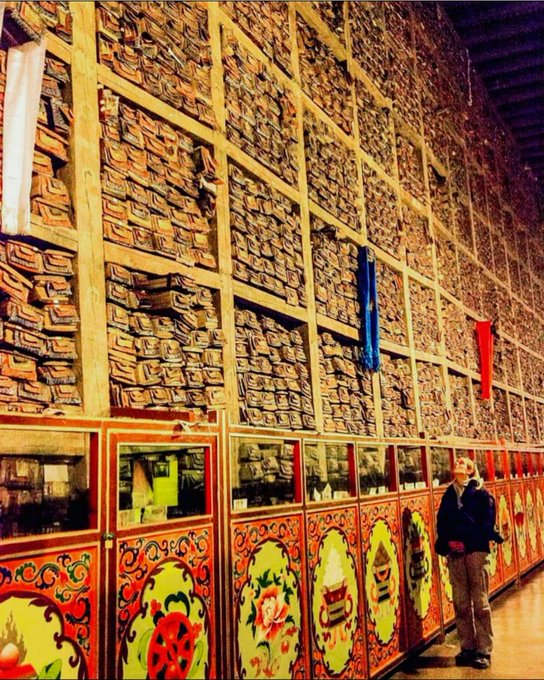
In a remarkable discovery, a 952-year-old library concealed behind a massive 60-meter-long and 10-meter-high wall in Tibet’s Sakya Monastery has unveiled a treasure trove of ancient wisdom. Housing over 84,000 meticulously preserved manuscripts, this library is a monumental archive of Buddhist philosophy, medicine, astronomy, art, and history, making it a cornerstone of global cultural and spiritual heritage.

A Legacy Preserved Through Time

First uncovered in 1073 CE, the Sakya Monastery Library in the Tibet Autonomous Region of China stands as a testament to the enduring legacy of Buddhist scholarship. The collection includes sacred texts such as the Kangyur and Tengyur, alongside rare manuscripts that span centuries of intellectual exploration. These handwritten documents, wrapped in cloth and stored on specially designed wooden racks, have been safeguarded against the ravages of time, preserving invaluable knowledge for future generations.

A Diverse Repository of Wisdom

The library’s vast collection covers an array of disciplines, from Buddhist philosophy to traditional medicine, astronomy, and historical records. Each manuscript, carefully crafted by ancient scholars, offers a glimpse into the intellectual and spiritual life of the era. Among its most extraordinary treasures is a scripture believed to be the heaviest in the world, weighing an astonishing 500 kilograms (1,100 pounds), symbolizing the immense weight of knowledge it holds.

A Cultural and Spiritual Marvel

The Sakya Monastery Library is not just a regional treasure but a global heritage site, encapsulating centuries of human thought and creativity. Its preservation reflects the dedication of generations to protect this repository of knowledge, ensuring that its profound insights remain accessible to scholars, researchers, and spiritual seekers worldwide. This extraordinary discovery underscores the timeless value of cultural heritage and the enduring power of ideas.