Home Blog Page 196

Retirement Planning in India: Strategies, Schemes, and Benefits for a Financially Secure Future

0

Most retired people will say one of the best things about leaving the job life is that work stress just stops. No deadlines, no bosses, no office drama. Another big plus is time—you suddenly have all the freedom to follow passions, travel, spend time with family, or pick up hobbies you once left behind during your busy working years.

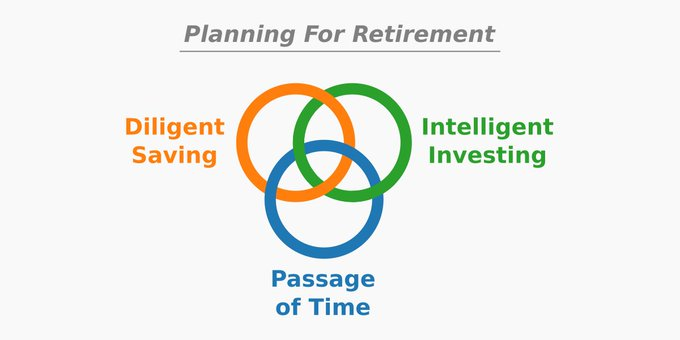
But here’s the thing… while the stress ends, the steady income also stops. That’s where retirement planning really matters. If you don’t plan your money properly, your golden years might feel more like restrictions than freedom. The solution? Simple—investing in retirement plans or even a money back policy that gives financial independence and peace of mind.
Retirement Planning in India: Strategies, Schemes, and Benefits for a Financially Secure Future

What is Retirement Planning?

Retirement planning is basically preparing for life after you stop working for money. It’s not just about saving cash—it’s making sure you can live the life you want when a job becomes optional, not necessary.

Some main parts of retirement planning are:

  • Financial Independence: Building an income stream so you don’t stress about money.
  • Lifestyle Planning: Deciding how you’ll spend your time—travelling, hobbies, or maybe staying closer to family.
  • Healthcare Prep: Keeping aside money for medical expenses (trust me, they go up with age).
  • Security & Legacy: Protecting your assets and leaving something for your loved ones.

It usually starts with looking at your finances, estimating what you’ll need, setting goals, and creating a mix of investments to reach them.

Types of Retirement Plans in India

India has quite a few retirement schemes for different needs. Depending on your income, risk appetite, and goals, you can choose the best retirement plan in India that suits you. Some of the most common ones are:

  1. Employee Provident Fund (EPF)
    • A compulsory saving scheme for salaried employees.
    • Both you and your employer contribute a % of your salary.
    • Money grows over time, and you can take it when you retire.
  2. Public Provident Fund (PPF)
    • A 15-year government-backed scheme can extend in 5-year blocks.
    • Tax-free returns, super safe.
    • Good for people who like guaranteed returns.
  3. National Pension System (NPS)
    • Open for all citizens, a voluntary scheme.
    • Mix of equity, debt, and govt securities.
    • Extra tax benefits, too.
  4. Senior Citizens Savings Scheme (SCSS)
    • Only for people 60+.
    • Higher interest and quarterly payouts.
    • Great for regular post-retirement income.
  5. Atal Pension Yojana (APY)
    • Made for unorganized sector workers.
    • Fixed pension depending on contribution and age.
    • Ensures basic financial backup for those without pensions.

How Do Retirement Plans Work?

Retirement plans are basically long-term money strategies that make sure you’ve got a steady income and some financial safety when you stop working. They usually go through a certain process:

Contributions
Employees, and sometimes even the employer, keep putting money into the plan regularly. Over the years, this money piles up and becomes your retirement fund. How much goes in depends on what type of plan you have and your own choices.

Investments
The money collected doesn’t just sit there—it’s usually put into a mix of stuff like stocks, bonds, mutual funds, or other financial things. The idea is to grow that money over time, and compounding really helps in this part.

Tax Benefits
Lots of retirement plans also give you some tax benefits. Like, contributions can lower your taxable income. Some plans even let your money grow tax-deferred or sometimes tax-free, which means your savings grow quicker.

Accumulation Phase
While you’re still working, you just keep adding to the fund, and with compounding, it grows steadily in the background.

Withdrawal Phase
When you finally retire, you start pulling money out to pay for daily expenses. This stage needs good planning, though, so that the savings don’t finish too early.

Social Security
In some countries, there’s also social security from the government, which adds extra income support for retirees. It kinda works along with your retirement savings.

Employer Involvement
Many times, employers offer retirement benefits, too. Some even match what you put in up to a limit, which really boosts your retirement fund over the long run.

Why is Retirement Planning Important?

It’s not just about having money. It’s about freedom, dignity, and peace of mind. Some reasons:

  • Financial Stability: You won’t have to depend on the government.
  • Lifestyle Maintenance: Keeps your living standards the same.
  • Inflation Protection: Helps your money keep up with rising costs.
  • Healthcare: You’ll be ready for medical bills.
  • Peace of Mind: Just knowing your future is safe reduces stress.

Benefits of Retirement Planning

  1. Emergency Safety Net – For medical or sudden expenses.
  2. Better Returns – Start early, compounding works magic.
  3. Tax Advantages – Save money on taxes now and later.
  4. Cost Discipline – Encourages saving regularly.
  5. Peace of Mind – Secure retirement = less stress.
  6. Beats Inflation – Your savings won’t lose value.
  7. Private Sector Backup – No pensions? This is your pension.
  8. Legacy Building – Leave something for family.
  9. Option for Early Retirement – Stop working sooner if you want.
  10. Safeguards Assets – No need to sell gold or property in hard times.

Conclusion

Retirement should be about joy, freedom, and living life your way—not worrying about bills. With the right retirement plan, you can travel, relax, spend time with family, or just enjoy hobbies in peace.

The earlier you start, the better your future looks. Don’t delay—begin your retirement planning today.


What Are the Advantages of Using Glass Vials for Medical and Pharmaceutical Purposes?

0

The medical and pharmaceutical industries most commonly use glass vials. These are tough, chemically resistant and very good at maintaining the purity of their content. They are indispensable for packaging, storage and transportation. These vials are critical to holding pharmaceutical products, like life-saving medicines, as well as laboratory samples. This guide discusses the advantages of glass vials and their role in ensuring safety, quality, and reliability.

The Material Advantage: Why Glass Vials?

Glass is a versatile material that has stood the test of time in the pharmaceutical industry. It has the following unique properties, making it ideal for sensitive applications:

  • Chemical Stability: Borosilicate glass is chemically inert, meaning it does not interact with the substances it holds. This property is critical for medications, especially injectable drugs.
  • Resistance to contamination: Glass, unlike plastics, does not contaminate products and does not leach unhealthy chemicals into them.
  • Durability: Borosilicate glass vials are strong and can withstand most manipulation and storage conditions without affecting the integrity of their contents.
  • Versatility: It is available in clear or amber variants and is suitable for light-sensitive products.

Laboratory vials are available in a range of volumes, from 1 ml to 100 ml, which meet a wide variety of medical and laboratory needs.

Types of Glass Used in Pharmaceutical Vials

The quality and effectiveness of glass vials largely depend on the type of glass used in their manufacturing. Leading manufacturers like Borosil Scientific use high-quality global tubing sources like Schott glass tubing in their production. Here are the different types of glass used for making vials:

  • USP Type I Glass: This type is borosilicate glass. It has high resistance to thermal shock and chemical reactions. It is ideal for sensitive products such as vaccines, injectable drugs and biologics.
  • USP Type II and III Glass: This type is soda-lime glass. It is suitable for less reactive substances and is mainly used in oral medications. Syrups, tablets and powders.

Picking the right glass type ensures that the glass is compatible with the content and helps extend the shelf life of the product.

Applications of Glass Vials in Pharmaceuticals

Glass vials are used in a variety of pharmaceutical applications where the material is required to have specific properties. Listing some of the common use cases below:

Injectable Drugs

Glass vials are essential containers for injectable drugs, like vaccines, biologics, and antibiotics. To remain effective and safe for use on humans, such substances must remain completely sterile; otherwise, external contaminants may find their way into the chemical compound, threatening medical treatments. The non-reactive nature of glass ensures the stability of these complex compounds, preserving their chemical composition over time. This makes glass vials ideal for use in pharmaceuticals, where dependability and accuracy are of extreme importance.

Sample Storage in Laboratories

The safe storage of analytical samples and solutions in laboratories relies on glass vials. Analytical samples are sensitive to contamination, and the integrity of the sample must be preserved. In this regard, glass vials protect against cross-contamination and can withstand many environmental factors that might otherwise compromise the stored materials. The range of solvents and reagents to which they are compatible adds to their utility. They have, therefore, become a preferred choice for most sampling requirements in the laboratory where accuracy is important.

Chemical and Biochemical Research

The safe transportation and storage of volatile compounds are necessary for chemical and biochemical research. These materials require packaging that is highly resistant to chemicals and durable to stabilise the material while being handled. Amber-coloured glass vials are ideal for this application. The amber tint protects sensitive compounds from UV light, thus preserving their molecular integrity. This characteristic mainly makes amber glass vials especially useful for photodegradable compounds and an asset in highly advanced research applications.

Advantages of Glass Vials

Here’s a quick recap of the several advantages of using glass vials.

  • Good Strength: Glass vials are strong and resistant to mechanical stress and thermal fluctuations. This ensures that the product is safe from damage during transport and storage.
  • Sterility: Their impermeability to air and moisture keeps them sterile, which is vital for sensitive pharmaceuticals.
  • Protection from Light: Amber glass vials provide excellent protection against UV light, extending the shelf life of photosensitive medications.
  • Environmental Benefits: Unlike single-use plastics, glass vials can be recycled and reused, which contributes to sustainability objectives.

Special Treatments for Increased Performance

Some drugs, especially those that are sensitive to changes in pH, require special vials.


  • pH Resistance: Special treatments minimise interactions with acidic or basic contents.
  • Customisation Options: Vials can be equipped with identification bands or ceramic printing for easy traceability.

The use of high-quality treated glass ensures compatibility with various pharmaceutical formulations.

Tips for Easy Maintenance and Handling of Glass Vials

Handling glass vials with care is crucial to maximise their utility and maintain sterility. Follow the tips below to get the most out of your vials.

  • Regular examination for chips or cracks that could breach sterility is a given.
  • Rinse the vials in sterilised water before autoclaving, ensuring no residues remain.
  • Store in designated racks or compartments to prevent breakages during transfer.

Challenges of Using Glass Vials

Some of the challenges of using glass vials are:

  • Fragility: Even though glass is relatively strong, it can break if not handled properly.
  • Higher Costs: Glass vials cost more than plastics initially, but the benefit outweighs the price in the long run.
  • Heavier Weight: Glass is heavier than other materials, which raises transportation costs.

Glass Vials vs Other Packaging Materials

PropertyGlass Laboratory VialsPlastic Vials
Chemical ResistanceHigh, non-reactive with contentsModerate, can leach substances
DurabilityRobust but fragile under impactImpact-resistant but less durable
SterilityExcellent, impermeable to air and moistureLimited, prone to environmental exposure
Recyclability100% recyclable and reusableLimited, often single-use

Conclusion

Glass vials are a vital part of pharmaceutical and laboratory set ups. They provide chemical stability, sterility, and durability. This makes glass vials the best choice for storing and transporting sensitive materials. Their reliability is unparalleled, from injectable medications to laboratory research and chemical storage. Browse the range of tubular glass laboratory vials and other packaging materials that premium distributors such as Borosil Scientific offer before purchasing.

How to Choose the Right Kurta-Bundi Colour for Your Body Type?

0

When it comes to traditional Indian wear, nothing feels as graceful and versatile as a Kurta Bundi Set. The kurta gives comfort, while the bundi (waistcoat) adds an extra layer of style and elegance. But the secret to looking truly impressive lies in choosing the right colour that flatters your body type. Just like western wear, ethnic outfits also follow a few style rules. The right shade can make you look taller, slimmer, or more vibrant. The wrong one can do just the opposite.

If you’ve ever admired how a cream kurta looks on someone else, you can achieve the same charm by picking colours that suit your style and body type. With the right shade, your kurta-bundi can make you stand out effortlessly at any festive or wedding occasion.

Understanding Body Type and Colour

Body type isn’t just about size; it’s about proportion, height, and how you carry yourself. Pairing the right colours with your body type creates balance.

  • Dark shades: Known for their slimming effect. Ideal for broader builds.
  • Light shades: Add freshness and brightness. Great for leaner frames.
  • Contrasts: A light kurta with a dark bundi (or vice versa) can enhance height and structure.
  • Muted tones: Softer colours suit tall or broad men who don’t want to look overpowering.
  • Bright tones: Perfect for lean or average builds to add vibrancy and volume.

Once you grasp these basics, the kurta pajama set for men becomes more than just clothing; it becomes a statement.

Best Kurta-Bundi Colours for Slim Body Types

Men with a lean or slim body often look great in lighter or brighter colours. These tones give a fuller look, balancing the frame.

  • Pastels like mint green, powder blue, or peach add width visually.
  • Bright shades such as mustard yellow, turquoise, or even coral bring energy to the outfit.
  • Contrast bundis in darker hues like navy, maroon, or bottle green create structure, making the frame appear more defined.

Imagine a powder-blue kurta with a navy bundi—it instantly adds presence without being too loud. Slim men can also experiment with printed bundis since patterns make the body look broader.

Best Colours for Broad or Heavier Body Types

For men with broader shoulders or a stocky build, the aim is to create a balanced, sharp silhouette. Darker, deeper colours work best here.

  • Classic dark tones: Black, charcoal grey, deep blue, and maroon naturally slim down the frame.
  • Earthy hues: Olive, rust, or deep brown add richness without highlighting bulk.
  • Monotone sets: Wearing a kurta and bundi in similar shades, like a dark grey kurta with a charcoal bundi, elongates the look.

Avoid very shiny or bright colours, as they may exaggerate body width. Instead, focus on matte or textured fabrics in deeper shades.

Best Colours for Tall Men

If you’re tall, you have the luxury to play with both dark and light colours. The trick is to break the height with contrast so that you don’t look “too tall.”

  • Light kurtas: Light coloured kurtas like ivory, beige, or sky blue paired with bold bundis add balance.
  • Two-toned styling: A pastel kurta with a darker bundi works wonders for tall men, creating visual breaks.
  • Bold bundis: Bundis with embroidery or prints give proportion to a tall frame.

For example, a beige kurta with a deep maroon embroidered bundi is classy yet balanced for tall men.

Best Colours for Short Men

If you’re on the shorter side, choosing the right colours can help you look taller and sharper, making every outfit work in your favour!

  • Single-tone outfits: Wearing the kurta and bundi in similar shades, like navy-on-navy or grey-on-grey, helps create a longer, seamless look.
  • Vertical patterns: Striped or textured bundis add height visually.
  • Medium to dark shades: Colours like deep blue, black, bottle green, or steel grey elongate the frame.

Avoid too much contrast, like a very light kurta with a very dark bundi, as it cuts your height into sections. Instead, try pairing close-toned combinations.

Playing with Seasonal Colours

Festivals and weddings are often tied to seasons, and choosing colours with the season can enhance your appearance.

  • Summer weddings: Light shades like pastel yellow, mint green, peach, or ivory with floral bundis keep things cool and refreshing.
  • Winter events: Rich, darker shades like royal blue, wine, deep green, or black bring warmth and elegance.
  • Festive occasions: Don’t shy away from brighter tones like saffron, fuchsia, or emerald green; they bring vibrancy and stand out in gatherings.

Your Kurta Bundi Set can thus reflect not only your body type but also the festive mood.

Matching Bundi Colours with Skin Tone

Your skin tone can really change how a colour looks on you, so picking the right shades can make your Bundi pop!

  • Fair complexion: Almost all shades work well, but bright tones like turquoise, coral, and royal blue pop beautifully.
  • Wheatish complexion: Earthy shades like beige, rust, olive, and maroon add warmth. Avoid pale pastels that may wash out the skin.
  • Dusky complexion: Deep jewel tones like emerald, navy, and burgundy create a striking effect. Lighter neutrals like cream or ivory also work, especially when paired with a bold bundi.

Styling Tips Beyond Colour

While colour is the focus, styling your kurta pajama set with the right accessories makes a huge difference.

  • Footwear: Mojaris or leather juttis in complementary shades elevate the outfit.
  • Pocket squares: A contrasting pocket square adds a pop of colour.
  • Brooches and buttons: Small metallic accents on bundis make the look more festive.
  • Dupattas: A matching or contrasting dupatta can complete the traditional charm.

These little touches allow you to personalise the outfit even more.

When in Doubt, Go Neutral

Sometimes, simplicity wins. Neutral shades like cream, beige, and white never fail. Pair them with bold bundis in maroon, navy, or emerald to create a timeless look. Neutral kurtas are also highly versatile; you can mix and match them with multiple bundis to create fresh looks every time.

Why Brand Quality Matters?

Choosing the right colour is important, but so is the fabric, tailoring, and finishing of your outfit. Renowned brands like ETHNIX BY RAYMOND bring together heritage craftsmanship and modern designs, ensuring that every kurta and bundi feels as good as it looks at any festival or function. A well-made piece in the right shade not only complements your body type but also stays stylish for years to come.

Conclusion

The beauty of the Kurta Bundi Set lies in its adaptability. By selecting colours that match your body type, whether you’re slim, broad, tall, or short, you can create a look that enhances your natural frame. Slim men glow in lighter pastels, broad men look sharp in dark, earthy hues, tall men balance their height with contrasts, and shorter men benefit from monotone and vertical patterns.

Your kurta pajama outfit isn’t just a festive outfit; it’s a reflection of who you are and how you present yourself. And with the right colour choice, every celebration can be your runway.

Where Will India’s First Hydrogen-Based Train Run?

0

India has successfully tested its first hydrogen-powered train, developed at the Integral Coach Factory (ICF) in Chennai. The train will soon operate on the Jind–Sonipat route in Haryana, making India the fifth country after Germany, France, Sweden, and China to deploy this clean-energy transport system. This landmark achievement is part of the National Green Hydrogen Mission, which aims to produce 5 million metric tonnes of green hydrogen annually by 2030 to support India’s target of net zero emissions by 2070.

Where Will India’s First Hydrogen-Based Train Run?

Hydrogen Train Technology

The train runs on hydrogen fuel cells, which generate electricity by combining hydrogen and oxygen, emitting only water as a byproduct. Hydrogen for the train will be produced at Jind using a 1-MW polymer electrolyte membrane electrolyser powered by renewable energy sources like solar and wind.

Electrolyser and Fuel Cell Mechanism

  • Electrolyser: Splits water into hydrogen and oxygen using renewable electricity.
  • Fuel Cell: Reverses the process, using hydrogen and oxygen to produce electricity for the train’s motors, with zero carbon dioxide emissions.

Green Hydrogen Production

To ensure sustainability, hydrogen is produced exclusively with renewable energy. India is also exploring innovative technologies such as microbial electrolytic cells, which use microbes to generate hydrogen from organic waste.

Cost and Material Challenges

Hydrogen technology currently depends on costly metals like platinum and iridium as catalysts. Indian scientists are developing alternatives such as nickel-based electrodes, which could reduce costs and make large-scale adoption feasible.

Significance and Future Prospects

  • First hydrogen train to run on Jind–Sonipat route.
  • Capacity: 2,638 passengers.
  • Speed: Up to 110 km/h with a 1,200 HP engine.
  • Government allocation: ₹2,800 crore to develop 35 hydrogen trains by 2024-25.

This initiative marks a major step in India’s journey towards sustainable rail transport and achieving its zero-carbon emissions target by 2070.

What Are Landmark Tax Reforms Unveiled by GST Council : Simplified Rates, Relief for Consumers and Farmers

0

The 56th meeting of the Goods and Services Tax (GST) Council on Tuesday approved sweeping reforms to India’s indirect tax system, marking one of the most significant overhauls since GST was rolled out in 2017. The changes aim to simplify tax rates, ease compliance, and spur growth, in line with the government’s vision of making India a developed nation by 2047.

Key Changes in GST Rates

The Council rationalised multiple GST slabs into three main categories:

  • 18% standard rate for most goods and services
  • 5% merit rate for essentials
  • 40% de-merit rate for harmful products

Officials said the move will bring clarity in pricing, reduce disputes, and make it easier for businesses to forecast tax liabilities.

Relief for Households

Several consumer items have been brought under lower tax slabs:

  • Soap, shampoo, toothpaste, bicycles, and kitchenware now attract 5% GST.
  • UHT milk, paneer, chapati, and paratha are exempted.
  • Packaged foods, noodles, chocolates, and beverages have been made cheaper with reduced rates.
  • Life and health insurance products are exempt from GST, while essential drugs and cancer treatments are also tax-free, reducing healthcare costs.

Boost for Farmers and Labour-Intensive Sectors

To support agriculture and employment-heavy industries, the Council cut rates on:

  • Farm machinery and inputs to 5%
  • Fertilisers and chemicals from 18% to 5%
  • Handicrafts, marble, granite, and leather goods, helping preserve jobs and promote exports

Correction of Anomalies

The Council also addressed inverted duty structures:

  • Man-made fibre and yarn will now attract 5%, improving competitiveness of textiles.
  • Cement reduced from 28% to 18%, supporting construction and infrastructure.
  • Renewable energy equipment and auto components saw rate cuts to back India’s green growth push.

Institutional Reforms

The government announced that the Goods and Services Tax Appellate Tribunal (GSTAT) will be operational by the end of 2025 to ensure quicker and uniform dispute resolution. Other measures include provisional refunds in inverted duty cases, risk-based compliance checks, and harmonised valuation rules.

Implementation and Industry Response

The reforms will be implemented in a phased manner starting 22 September 2025, ensuring revenue stability while delivering immediate benefits.

Industry groups, including the Confederation of Indian Industry (CII), hailed the reforms as “growth-oriented and responsive”, saying they would boost demand, investment, and job creation.

Watch Out MS Dhoni Turns Actor in The Chase With R Madhavan, Teaser Out…

0

Team India’s most successful captain, Mahendra Singh Dhoni, is set to begin a new innings—this time in the world of acting. He will soon be seen alongside R. Madhavan in a project titled The Chase.

On Sunday, Madhavan shared its teaser, where both he and Dhoni appear in black outfits and sunglasses, firing guns in an action-packed sequence. Whether The Chase is a film or a web series has not yet been revealed. The project is directed by Vasan Bala, who also helmed Alia Bhatt’s Jigra.

Sharing the teaser, Madhavan wrote:
“One mission. Two fighters. Get ready, the explosive chase is about to begin. ‘The Chase’ teaser is now out. Directed by Vasan Bala. Coming soon.”

Madhavan was recently seen in Aap Jaisa Koi and will appear next in Dhurandhar, releasing on December 5. Directed by Aditya Dhar (Uri: The Surgical Strike), the film also stars Ranveer Singh, Akshaye Khanna, and Sanjay Dutt.

A film on Dhoni’s life, MS Dhoni: The Untold Story (2016), had earlier captured his journey, with Sushant Singh Rajput playing the cricketer. The film, made on a budget of ₹104 crore, earned about ₹216 crore at the box office.

Dhoni’s Cricketing Legacy

Dhoni, who retired from international cricket in 2020, still plays for Chennai Super Kings (CSK) in the IPL. Since debuting in 2004, he led India to the 2007 T20 World Cup and the 2011 ODI World Cup, making him one of cricket’s most iconic leaders.

  • Most IPL matches played: 278
  • Runs scored: 5439 at an average of 38.30 (24 fifties)
  • Wicketkeeping record: 154 catches, 47 stumpings
  • Titles with CSK: 5
  • Only captain with 100 IPL wins (136 victories in 235 matches)

He last led CSK to the title in 2023, cementing his status as the most successful captain in IPL history.

Last Lunar Eclipse of the Year Begins, First Visible in Tamil Nadu: Will Last 3 Hours 28 Minutes in India; Watch pics

0

The second and final lunar eclipse of the year has begun, visible from all parts of India. This is a total lunar eclipse (Blood Moon) and the longest such event seen in the country since 2022.

The eclipse started at 9:56 pm and will last for 3 hours 28 minutes, out of which 82 minutes will be a total eclipse. During this phase, the Earth will come between the Sun and the Moon, casting its shadow and giving the Moon a red-orange glow, commonly known as the Blood Moon.

This is the first time since July 27, 2018, that the entire country can witness the phenomenon. It can be viewed safely with the naked eye, though binoculars or telescopes will enhance the experience.

Visible Across the World

The lunar eclipse is visible in many regions, including India, Asia, Western Australia, and Europe. Experts say the best and longest views will be in Asia and Australia, as the Moon will be high in the sky. In Europe and Africa, it will be visible briefly during moonrise.

  • Bangkok: 12:30 am – 1:52 am
  • Beijing & Hong Kong: 1:30 am – 2:52 am
  • Tokyo: 2:30 am – 3:52 am
  • Sydney: 3:30 am – 4:52 am

AI-Powered Graphene Jackets to Warm Soldiers in Himalayan Winters

0

For soldiers braving the unforgiving Himalayan winters, survival often hinges on resilience and reliable gear. Now, a breakthrough in wearable technology promises to make their mission a little less harsh. Engineers Neel Panchal and Khushboo Patel have developed a lightweight, AI-powered jacket made of graphene — a “wonder material” that could redefine winter wear for India’s armed forces.

A Collaboration Born of Vision and Research

The idea took shape in October 2019, when Surat-based engineering graduate Khushboo Patel joined forces with Neel Panchal, co-founder of LHP Nanotechnologies, a startup specializing in graphene production. Neel envisioned a garment that could shield soldiers from extreme cold, and Khushboo’s prior research on smart textiles during her exchange semester in the Netherlands made her an ideal collaborator.

Within weeks, the pair created a preliminary design. Khushboo brought insights from her academic project, while Neel applied his expertise in graphene’s versatile properties. Together, they immersed themselves in research papers, testing concepts that would soon evolve into a potentially life-saving innovation.

Why Graphene? The Game-Changing Material

At the heart of their design lies graphene, a single layer of carbon atoms arranged in a honeycomb lattice. Despite being only one atom thick, graphene is 200 times stronger than steel, yet remarkably light and flexible. Its high thermal conductivity makes it ideal for efficiently trapping and distributing heat — perfect for sub-zero environments.

The jacket doesn’t stop at advanced materials. By integrating artificial intelligence, it adapts to external temperatures and the wearer’s body heat, regulating warmth intelligently while conserving energy. This blend of material science and AI ensures not just durability, but also comfort and efficiency in extreme conditions.

Empowering Soldiers, Inspiring Innovation

For troops stationed in icy Himalayan outposts, mobility and warmth are vital. Traditional heavy gear often restricts movement, but the graphene jacket provides both insulation and flexibility. “It’s more than clothing — it’s a shield designed for resilience,” the engineers note.

Their work underscores the power of interdisciplinary collaboration: merging nanotechnology, wearable design, and artificial intelligence to solve pressing real-world challenges. As the jacket edges closer to deployment, it offers hope of improving not just survival, but also the quality of life for soldiers who stand guard in some of the world’s toughest terrains.

This innovation is more than a milestone for military gear — it’s a glimpse into the future of smart textiles and the transformative potential of graphene in everyday life.

Against Time and Odds: 102-Year-Old Sets Guinness Record on Mount Fuji

0

When most people his age are content with quiet days and gentle routines, Kokichi Akuzawa set his sights on the clouds. At 102, the Japanese mountaineer has etched his name in history as the oldest person ever to summit Mount Fuji, Japan’s sacred 3,776-meter (12,388-foot) peak. His climb on August 5, 2025, not only earned him a Guinness World Record but also reaffirmed his indomitable spirit.

A Grueling Journey with Family by His Side

This was not Akuzawa’s first triumph on Fuji. He had previously captured the record at 96, but this latest ascent tested him like never before. Accompanied by his 70-year-old daughter Motoe, his granddaughter, her husband, and four friends from a local climbing club, the team camped two nights on the trail before pushing to the summit.

The journey was grueling. “I was really tempted to give up halfway through,” Akuzawa admitted. “Reaching the summit was tough, but my friends encouraged me, and it turned out well. I managed to get through it because so many people supported me.”

Despite battling heart problems, shingles, and a prior injury, Akuzawa trained rigorously for three months — rising early for walks and climbing smaller peaks every week. Yet doubts lingered. “I’ve never felt this weak,” he reflected. “I didn’t have pain, but I kept wondering why I was so slow, why I had no stamina.”

More Than a Climb — A Testament to Spirit

For Akuzawa, Fuji is more than a mountain; it’s a canvas for perseverance. “Mount Fuji isn’t a difficult mountain, but this time was harder than six years ago. Harder than any mountain before,” he told the Associated Press. Still, reaching the summit at 102 became a metaphor for resilience and the power of companionship.

A Record with Meaning

Mount Fuji welcomes over 220,000 climbers every year, but few embody the mountain’s spirit as deeply as Akuzawa. “People who climb mountains, people who paint — if they can create something whole on that path, that’s the most fulfilling thing,” he said.

Having surpassed his own record, Akuzawa’s story is now a beacon for dreamers of all ages. “I’d long since passed my physical limit, and it was only thanks to everyone else’s strength that I made it,” he said. His victory reminds us that with grit, preparation, and the support of loved ones, even the steepest paths can be conquered.

Aahan Prajapati: A Teen’s Vision Redefines Inclusive Learning

0

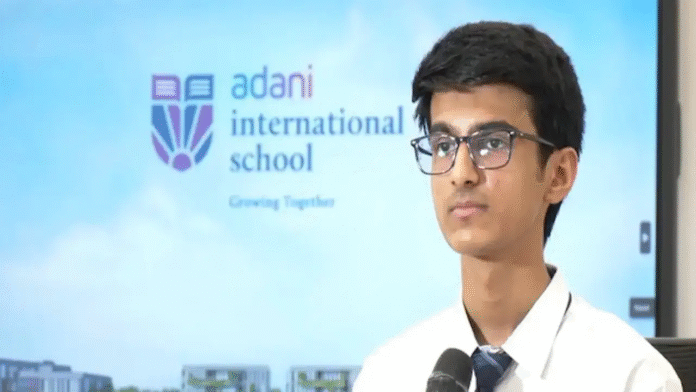
In a remarkable display of resilience and ingenuity, Aahan Prajapati, a 17-year-old student at Adani International School, has transformed his personal challenge with red and green color blindness into a groundbreaking solution for education. His pioneering work earned him the prestigious UK’s Crest Gold Award, a coveted recognition that celebrates exceptional young scientific talent. This achievement, coupled with widespread acclaim on global academic platforms, marks Aahan as a rising star in the field of inclusive education.

A Technological Breakthrough with 99.7% Accuracy

Aahan’s innovation is a sophisticated machine-learning model designed to revolutionize the learning experience for students with color vision deficiency. Diagnosed with color blindness in Grade Four, he identified the struggles of deciphering textbook diagrams and maps—challenges that often go unnoticed. His model adapts these visual materials, rendering them accessible and comprehensible with an astonishing 99.7% accuracy. This technology not only bridges a critical gap in education but also sets a new standard for accessibility, proving that limitations can inspire extraordinary advancements.

Expanding Impact Through Awareness and Action

Aahan’s vision extends far beyond the classroom. Driven by empathy, he has led color blindness screening camps across Gujarat, testing over 10,000 students and uncovering numerous undiagnosed cases. His initiative, enriched with awareness materials and inclusive stationery, aims to empower educators and students alike. With a bold ambition to scale this project nationwide, Aahan is advocating for transformative policy changes, including mandatory health check-ups and revised textbooks tailored for color-blind learners. His work promises to reshape educational equity on a grand scale.

Nurtured by a Supportive Ecosystem

The journey of this young innovator owes much to the nurturing environment at Adani International School. Aahan credits the unwavering support from the school and its promoter, Namrata Adani, who champions the development of “changemakers.” The school’s ethos of turning challenges into opportunities provided Aahan with the platform, resources, and encouragement to refine his project. This collaborative spirit has been instrumental in amplifying his impact, transforming a personal struggle into a collective triumph.

Gaining Global Recognition

Aahan’s contributions have transcended borders, earning him a spotlight at the Indo-French Conference on AI and Healthcare at IIT-Delhi, where his work was showcased to an international audience. His research is also slated for publication in the prestigious International Journal of High School Research, New York, further cementing his status as a global influencer in educational technology. These milestones reflect the profound potential of his innovation to inspire change worldwide.

A Beacon of Hope for the Future

Aahan Prajapati’s story is more than a tale of personal success—it’s a beacon of hope for students facing similar challenges. By converting his color blindness into a force for good, he exemplifies how adversity can fuel innovation. With the continued backing of his school and a clear vision for the future, Aahan is poised to leave a lasting legacy, ensuring that education becomes a truly inclusive space for all. His journey reminds us that the greatest breakthroughs often emerge from the courage to embrace and overcome one’s own limitations.