Home Blog Page 192

Surya Grahan 2025: The Last Solar Eclipse of the Year Will Begin Tonight; Know Where Will it be Visible and Will It Be Visible in India?

0

Surya Grahan 2025 – Overview

The last solar eclipse of 2025 is set to occur tonight, Sunday, September 21, 2025. Eclipses hold special significance in both religious and astrological traditions. Just two weeks ago, on September 7, the last lunar eclipse of the year was visible in India. Unlike that, however, tonight’s solar eclipse will not be visible from India.

This celestial event will be a partial solar eclipse, during which the Moon will cover a portion of the Sun.

Timing of the Solar Eclipse

  • Date: September 21–22, 2025
  • Start Time (IST): 10:59 PM, September 21
  • End Time (IST): 3:23 AM, September 22
  • Duration: ~4 hours 24 minutes

Since the eclipse begins late at night in India, it will remain invisible to Indian viewers.

Will the Solar Eclipse Be Visible in India?

No. The eclipse begins around 11 PM IST, when it is already night in India. Therefore, it will not be visible from any part of the country.

Will the Sutak Period Be Applicable?

In Hindu tradition, the Sutak period is observed 12 hours before the start of a solar eclipse, during which all auspicious activities are avoided and temple doors are closed. However, since this eclipse is not visible in India, the Sutak period will not be valid here.

Where Will the Solar Eclipse Be Visible?

The last solar eclipse of 2025 will be visible from:

  • The Americas
  • Samoa
  • Australia
  • New Zealand
  • Fiji
  • Atlantic Ocean regions

What Causes a Solar Eclipse?

A solar eclipse occurs when the Moon, while orbiting Earth, comes directly between the Sun and Earth, blocking sunlight for a short duration. There are three types of solar eclipses:

  1. Total Solar Eclipse – The Moon completely covers the Sun.
  2. Partial Solar Eclipse – The Moon covers only a portion of the Sun.
  3. Annular Solar Eclipse – The Moon covers the center of the Sun, leaving a ring-like structure (the “Ring of Fire”).

H-1B: Trump’s $100,000 Visa Fee Rule Comes into Effect Today; White House Clears Confusion

0


US President Donald Trump’s decision to raise the H-1B visa fee to $100,000 has sparked widespread concern among Indian professionals. After initial confusion, the White House has clarified that the hefty charge is a one-time fee applicable only to new application.

H-1B Visa Fee Hike: Trump’s $100,000 Rule Takes Effect

The United States will now charge $100,000 (around ₹8.8 crore) for new H-1B visa applications, starting today (September 21, US time). President Donald Trump signed the executive order at the White House on Saturday, triggering anxiety among immigrants and tech workers, especially Indian professionals who make up the largest group of H-1B beneficiaries.

White House Clarification

White House Press Secretary Caroline Levitt clarified on Saturday that the $100,000 fee is a one-time charge, not an annual fee. The fee applies only to new applications, not to renewals or existing visa holders.

Key clarifications include:

  • The rule applies only to new H-1B applications.
  • Existing H-1B visa holders will not be charged again for re-entry.
  • Renewals and extensions of current visas are not affected.
  • The fee will be implemented starting with the upcoming H-1B lottery cycle.

USCIS Statement

The US Citizenship and Immigration Services (USCIS) also issued a clarification on X (formerly Twitter), stating:

“President Trump’s new H-1B visa rules apply only to new, prospective applications that have not yet been filed. Applications submitted before September 21, 2025, will not be affected.”

This announcement has stirred debate globally, particularly in India, where thousands of IT professionals depend on the H-1B program to work in the US.

Navratri 2025: FAQs (Frequently Asked Questions) On Dates, Significance and Greetings…

0

Photo courtesy: freepic

Navratri is a celebration of feminine power (Shakti). Each of the nine days is dedicated to a different form of Goddess Durga, each with its own unique significance. From the prayers and fasting to the vibrant Garba and Dandiya nights, Happy Navratri 2025 promises to be a time of devotion and cultural celebration across India and around the world.

Q1: What is the main significance of Navratri?
Ans: Navratri is a nine-night Hindu festival dedicated to the nine forms of Goddess Durga. It signifies the victory of good over evil, especially Maa Durga’s triumph over the demon Mahishasura.

Q2: When does Navratri 2025 start?
Ans: Navratri 2025 begins on Monday, September 22, 2025 (Ghatasthapana) and concludes on Wednesday, October 1, 2025, followed by Dussehra celebrations.

Q3: Can I share these wishes on WhatsApp and Instagram?
Ans: Yes, all the Navratri wishes, quotes, and messages in this article are perfect for sharing on WhatsApp, Instagram, Facebook, and Twitter to spread festive joy.

Q4: Is Navratri the same as Durga Puja?
Ans: Not exactly. While both festivals honor Maa Durga, Navratri is celebrated across India with fasting, Garba, and Dandiya, whereas Durga Puja is a grand celebration in West Bengal, Assam, Odisha, and eastern states, with elaborate pandals and cultural programs.

Happy Navratri 2025: Warm Wishes, Quotes, Greetings and Messages in Hindi & English for Social Media

0

The air is filled with the fragrance of fresh flowers, the rhythm of devotional songs, and the spirit of new beginnings—it can only mean one thing: Navratri is here!

This nine-night festival is one of the most vibrant celebrations in India, dedicated to honoring Maa Durga and her nine divine forms. Whether you’re observing a fast, spending time with loved ones, or dancing the night away with Garba and Dandiya, this is the perfect occasion to share festive joy and blessings.

To make your celebrations brighter, we’ve curated beautiful Navratri wishes, quotes, greetings, and messages in both Hindi and English that are perfect for WhatsApp, Instagram, Facebook, and other social media.

This year, Navratri will be celebrated from September 22 to October 1, 2025.

Happy Navratri 2025: Short & Sweet Wishes in English

  • Wishing you a Navratri filled with joy, devotion, and blessings.
  • May Maa Durga’s divine energy fill your life with happiness. Shubh Navratri!
  • A very Happy Navratri 2025 to you and your family!
  • May Maa Durga bless you with wisdom, strength, and prosperity. Jai Mata Di!
  • Here’s to nine nights of dance, devotion, and celebration.
  • Happy Navratri 2025: Warm Wishes, Quotes, Greetings and Messages in Hindi & English for Social Media

Heartfelt Wishes in English for Family & Friends

  • May the nine forms of Maa Durga bless you with strength, wisdom, and prosperity. Happy Navratri 2025!
  • As we celebrate the triumph of good over evil, may Maa Durga remove all obstacles from your life.
  • May the blessings of Maa Shailputri, Maa Mahagauri, and all the divine forms of the Goddess be with you always. Shubh Navratri!
  • Sending warm wishes and prayers on this auspicious occasion.

Happy Navratri 2025 Wishes in Hindi

Sending greetings in Hindi adds a heartfelt touch:

  • आप सभी को नवरात्रि की हार्दिक शुभकामनाएँ। माँ दुर्गा आपके जीवन में सुख, शांति और समृद्धि लाए।
  • माँ दुर्गा के नौ रूप आपके जीवन को शक्ति, ज्ञान और समृद्धि से भर दें। शुभ नवरात्रि 2025!
  • माँ का आशीर्वाद आपके परिवार पर सदा बना रहे। जय माता दी!
  • यह नवरात्रि आपके जीवन में नए रंग और खुशियाँ लाए।
Happy Navratri 2025: Warm Wishes, Quotes, Greetings and Messages in Hindi & English for Social Media

Hindi Messages for WhatsApp & Facebook

  • नवरात्रि के पावन पर्व पर, देवी माँ का आशीर्वाद आपके घर-आंगन में खुशियां लाए।
  • माँ दुर्गा की शक्ति से आपका जीवन सफलता से भर जाए। आपको और आपके परिवार को शुभ नवरात्रि 2025।
  • या देवी सर्वभूतेषु शक्ति-रूपेण संस्थिता। नमस्तस्यै, नमस्तस्यै, नमस्तस्यै नमो नमः॥

Quotes & Captions for Instagram & WhatsApp

  • “This Navratri, awaken the Shakti within you and shine with divine energy.”
  • “Celebrate the power of Maa Durga and the triumph of good over evil.”
  • “Let Maa Durga’s blessings bring peace to your heart and prosperity to your life.”
  • “Navratri reminds us that with faith and courage, we can conquer anything.”

What’s Special About Navratri 2025?

Navratri is not just a festival, it’s a celebration of Shakti—the feminine divine power. Each of the nine days honors a different form of Maa Durga, symbolizing courage, wisdom, strength, and compassion. From fasting and prayers to dazzling Garba and Dandiya nights, Navratri 2025 will be a vibrant mix of devotion and culture across India and the world.

Tips for Sharing Your Navratri Wishes

  • Add a personal touch: Mention a fond memory or bless a specific person.
  • Use hashtags: #Navratri2025 #ShubhNavratri #DurgaPuja #Jaigarbadi.
  • Post with visuals: Share a festive rangoli, puja thali, or a cultural selfie.

May this Navratri bring peace, prosperity, and divine blessings into your life. Happy Navratri 2025!

Is This The Ancient Civilization That Inspired U.S. Democracy?

0

(Pic Courtesy: Alastair Gill)

Along Turkey’s rugged Mediterranean coast, a 540km trail weaves through pine forests, remote villages, and ruins of a lost world—Lycia, an ancient maritime republic and the birthplace of the world’s first democratic union. Long forgotten by history, Lycia’s political legacy lives on in the U.S. Constitution itself.

Along the Lycian Way, there are dozens of tombs—some with Gothic-style lids—strewn across hillsides and buried in thickets. From Simena Castle to the necropolis above Kaleüçağız, the eerie presence of these relics served as a ghostly reminder: others once called this land home.

A Legacy Etched in Stone—and Politics

Immortalized by Homer in The Iliad as the land of the “swirling river Xanthos,” Lycia was home to a fiercely independent seafaring people. Though Herodotus claimed their ancestors came from Crete, modern historians believe they were native Anatolians who became Hellenised after Alexander the Great conquered the region in 333 BCE.

The Lycians may have vanished long ago, but their political model lived on. In June 1787, during the Constitutional Convention in Philadelphia, James Madison cited the Lycian League—a federation of 23 city-states—as a compelling example of proportional representation.

The Lycians formed a union where larger cities had three votes, medium cities had two, and smaller ones had one,” said a local. That very principle became the foundation of the U.S. House of Representatives.

The Lycian League: The World’s First Democratic Union

Formed in the 2nd Century BCE, the Lycian League is recognized as the world’s earliest democratic federation. Though Rome retained control over foreign affairs, the League elected its own executive (a Lyciarch), judges, and even managed taxation. French philosopher Montesquieu once called it “the most perfect constitution of antiquity.”

Dr Anthony Keen, a Lycia expert at the University of Notre Dame, describes the League as “a fusion of Greek democratic ideas and local Lycian traditions.”

Walking Through Ghosts

Today, hikers like follow ancient roads that once connected Lycia’s city-states. The Lycian Way, developed in the 1990s by British historian Kate Clow, retraces these routes—many lost to time—through oak groves, mountain villages, and archaeological sites.

Despite the trail’s beauty, the land feels haunted. As explorer Freya Stark once wrote, this is “the most haunted coast in the world.” Lycian tombs—empty now, their treasures long plundered—appear in every grove, their sarcophagi raised high to honor the dead.

“There’s this idea in Lycia of literally elevating important people in death,” said Dr Catherine Draycott of Durham University. In multi-tiered tombs, the deceased were often placed in an upper sarcophagus, while family or slaves were buried below.

From Ruins to Revival

One of the Lycian Way’s most powerful stops is Patara, once the League’s capital. Now mostly ruins, its greatest treasure is the restored Council Chamber, a semi-circular auditorium that once hosted debates on governance and law.

Sitting there, it was easy to imagine robed delegates arguing policy under the eye of the Lyciarch. From these very stones came an idea so powerful it would echo across millennia, influencing a new nation an ocean away.

Today, the U.S. House of Representatives reflects that Lycian ideal—apportioning seats according to state populations. In the end, what survived Lycia was not just stone and script, but something far more enduring: an idea about how people could govern themselves.

The Lycian Way At a Glance:

  • Length: 540km (760km with alternate routes)
  • Route: Fethiye to Geyikbayırı, near Antalya
  • Duration: ~30 days
  • Accommodation: Guesthouses, wild camping
  • Best Time to Visit: March–May or September–November

(Article inspired from BBC.com’s story which was written by Alastair Gill)

Trump Signs Executive Order Imposing $100,000 Annual H-1B Visa Fee; Amitabh Kant Reacts…

0

President Donald Trump signed an executive order on September 19, 2025, requiring companies to pay $100,000 annually for each H-1B visa holder, effective September 21, with exceptions for national interest cases. The policy also raises minimum wage requirements for H-1B roles and introduces a $1 million ‘gold card’ visa for wealthy foreigners. Tech companies like Amazon and Microsoft, reliant on H-1B workers primarily from India and China, anticipate higher costs and potential talent retention challenges.

Meanwhile former Niti Aayog CEO Amitabh Kant said that this announcement of Trump gives an opportunity to Indian doctors, engineers and others to help in building Viksit Bharat. Here Comes its impact…

Know Why Badami Stands Synonymous To the Timeless Heritage of Karnataka’s Ancient Capital

0

PC:(asatours.com.au,Darter Photography)

Nestled in the heart of Karnataka’s Bagalkot district, Badami stands as a testament to India’s rich history, architectural brilliance, and breathtaking geography. Once known as Vatapi, this ancient town served as the capital of the Badami Chalukya dynasty from 540 to 757 CE, leaving behind a legacy of stunning rock-cut temples, a formidable hill fort, and a surreal landscape that continues to captivate visitors. With its 1,500-year-old history and millions of years of geological marvels, Badami invites travelers to explore the hidden gems of ancient India.

A Glimpse into Badami’s Historical Grandeur

Badami’s historical significance is deeply tied to the Chalukya dynasty, which rose to prominence in the 6th century under the leadership of Pulakeshin I. He established Vatapi as the capital around 543 CE, laying the foundation for a dynasty that would shape the Deccan region’s cultural and political landscape. The empire reached its zenith under Pulakeshin II, one of the greatest Chalukyan emperors, whose conquests expanded the dynasty’s influence across southern India. The reign of the Chalukyas came to an end with Kirtivarman II, when the dynasty was overtaken by the Rashtrakutas and Pandyas.

The Badami Fort, perched atop a hill, served as the stronghold of this mighty empire. Constructed in the mid-6th century, it symbolizes the Chalukyas’ military prowess and architectural ingenuity. The fort, combined with the nearby cave temples, showcases the region’s enduring cultural and historical significance.

The Marvel of Badami Cave Temple

Adjacent to the fort lies the iconic Badami Cave Temples, a cluster of rock-cut shrines carved into the red sandstone cliffs. Commissioned by Chalukya king Mangalesa (598-610 CE), these temples are a masterpiece of Indian rock-cut architecture. The four main caves are dedicated to Hindu deities Shiva and Vishnu, as well as Jain Tirthankaras, reflecting the region’s religious diversity. Adorned with intricately carved pillars, sculptures, and reliefs, these temples offer a window into the spiritual and artistic heritage of ancient India.
The caves are not only architectural wonders but also a celebration of the Chalukyan commitment to blending art with spirituality. Alongside the cave temples, structural monuments like the Bhutanatha Temples further enhance Badami’s reputation as a hub of Chalukyan architecture.

A Landscape Shaped by Time

Badami’s surreal beauty is as much a product of its geography as its history. Nestled in a ravine between two rugged red sandstone hills, the town is surrounded by dramatic cliffs that create a natural fortress. At the heart of this landscape lies Agastya Lake, a serene water reservoir that encircles the town on three sides, adding to its picturesque charm and historical significance as a vital water source.
The red sandstone cliffs, sculpted by millions of years of geological activity, give Badami its distinctive and otherworldly appeal. This unique combination of ravines, hills, and water makes Badami a visual spectacle, drawing visitors who seek both history and natural beauty.

A Call to Discover Ancient India

Badami’s blend of history, architecture, and geography makes it a must-visit destination for those eager to uncover the hidden gems of ancient India. Recognized as a heritage city under the Indian government’s HRIDAY scheme, Badami continues to be preserved and celebrated for its cultural importance. The town’s rock-cut monuments, hill fort, and serene lake offer a journey back in time, inviting travelers to explore the legacy of the Chalukyas and the timeless allure of Karnataka’s heritage.

Badami’s Enduring Legacy

Badami is more than a historical site; it is a living testament to the ingenuity, artistry, and resilience of ancient India. From the towering fort to the intricately carved cave temples and the stunning red sandstone cliffs, every corner of Badami tells a story of a bygone era. Whether you’re a history enthusiast, an architecture lover, or a nature seeker, Badami promises an unforgettable experience. Come to Karnataka’s ancient capital and discover the treasures of a civilization that continues to inspire awe.

Breaking Barriers: Surekha Yadav, Asia’s First Woman Loco Pilot, Set to Retire After 36 Years

0

pc:(The Hindu)

Surekha Yadav, a trailblazer who etched her name in history as Asia’s first woman loco pilot, is preparing to retire at the end of September 2025, concluding an illustrious 36-year career with Indian Railways. Her journey, marked by determination and groundbreaking achievements, stands as a powerful symbol of women’s empowerment and resilience in a male-dominated field.

A Historic Journey Begins

Born in Maharashtra’s Satara district, Surekha Yadav embarked on her remarkable career with a diploma in electrical engineering. Joining Indian Railways in 1989, she quickly rose through the ranks, becoming an assistant driver the following year. In a field dominated by men, her ascent was nothing short of extraordinary. By 1996, she was driving freight trains, and by 2000, she earned the designation of “Motor Woman,” a testament to her skill and perseverance.

A decade later, Surekha qualified as a ghat driver, navigating challenging terrains, and eventually took on the responsibility of operating mail and express trains. Her ability to break barriers while mastering the complexities of locomotive operations made her a pioneer in every sense.

Driving Iconic Trains

Surekha’s career is studded with milestones, including her operation of some of India’s most prestigious trains. On March 13, 2023, she made history again by piloting the inaugural Vande Bharat Express from Solapur to Mumbai’s Chhatrapati Shivaji Maharaj Terminus (CSMT). Her final assignment, in keeping with tradition, was equally significant. On Thursday, September 18, 2025, she drove the iconic Rajdhani Express on the Hazrat Nizamuddin (Delhi)-CSMT route between Igatpuri and CSMT, marking a fitting end to her distinguished career.
A senior Central Railway official noted that Surekha’s contributions have left an indelible mark on Indian Railways, both as a skilled professional and an inspiration to countless women.

A Legacy of Empowerment

Surekha Yadav’s journey is more than a personal triumph; it is a beacon of hope for women aspiring to break into traditionally male-dominated fields. Her career reflects the power of determination and the impact of challenging societal norms. Central Railway celebrated her legacy in a post on X, stating, “Asia’s first woman train driver, Surekha Yadav, will retire on September 30 after 36 years of stellar service. A true trailblazer, she shattered barriers, inspired countless women, and proved that any dream can be achieved. Her journey will forever remain a symbol of women’s empowerment in Indian Railways.”

A Trailblazer’s Farewell

As Surekha Yadav prepares to step away from her role, her legacy as a pioneer and a symbol of empowerment will continue to inspire generations. From driving freight trains to commanding the Vande Bharat Express, she has shown that no obstacle is too great when met with courage and dedication. Her retirement marks the end of an era, but her story will remain a proud chapter in the history of Indian Railways and a testament to the strength of women breaking new ground.

Switzerland’s Curious Nighttime Rule: The Truth Behind the Toilet Flush Ban

0

PC:(Condé Nast Traveller India)

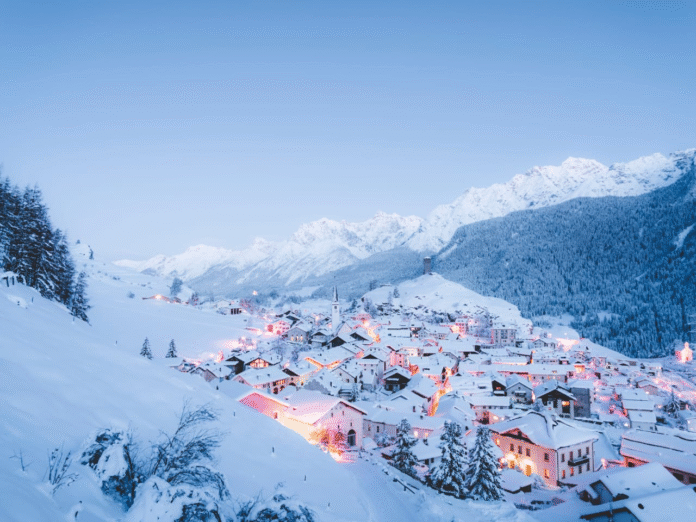
Switzerland, often celebrated for its breathtaking landscapes and serene lifestyle, has a lesser-known quirk that surprises many: a supposed ban on flushing toilets after 10 p.m. This peculiar notion, tied to the country’s deep-rooted emphasis on peace and communal harmony, has sparked curiosity and confusion worldwide. But is it really illegal to flush a toilet at night in Switzerland? Let’s dive into the truth behind this unusual practice and explore how cultural norms shape everyday life in this Alpine nation.

The Myth of the Late-Night Flush Ban

The idea that Switzerland prohibits toilet flushing after 10 p.m. often surfaces in travel blogs and online discussions, leaving readers baffled. The belief stems from the country’s strict approach to noise control, particularly in residential areas. Switzerland is renowned for its tranquility, and this quietude becomes even more pronounced at night. The sound of a toilet flush, which can reverberate through thin apartment walls, is considered disruptive to neighbors. As a result, some interpret this as a legal restriction.

In reality, there is no national law in Switzerland that bans flushing toilets at night. Instead, this practice is often outlined in Hausordnung—the “house rules” set by landlords for tenants. These rules, while not legally binding at a national level, carry significant weight in individual apartment buildings and are designed to maintain harmony among residents.

The Role of Hausordnung in Swiss Society

In Switzerland, landlords have the authority to establish detailed regulations for their properties, known as Hausordnung. These rules cover a range of behaviors, from waste disposal to noise levels, and are intended to ensure a peaceful living environment. The so-called “toilet flush ban” is one such rule that some landlords include in their agreements, particularly in older buildings with thinner walls where noise travels easily.

While these rules are not enforceable by law, they are taken seriously by tenants. Violating them could strain relationships with landlords or neighbors, as respect for communal living is deeply ingrained in Swiss culture. The emphasis on minimizing noise pollution reflects a broader societal value: consideration for others. For instance, many Swiss avoid loud activities like vacuuming or playing music late at night to maintain this peaceful coexistence.

Cultural Norms and Noise Sensitivity

Switzerland’s reputation as a “quiet country” is no exaggeration. The Swiss are highly sensitive to noise, especially after dark, when even minor sounds can feel amplified. A flushing toilet, which produces a distinct and sometimes loud noise, is seen by some as a breach of this unspoken code of tranquility. This cultural norm may seem unusual to outsiders, but it underscores Switzerland’s commitment to fostering a harmonious community.
For many Swiss residents, adhering to these norms is second nature. Newcomers, however, may find such expectations surprising or even restrictive. Yet, embracing these practices is often key to integrating smoothly into Swiss society, where mutual respect and consideration are paramount.

Debunking the Myth: No Law, Just Etiquette

To clarify, there is no government-enforced law prohibiting toilet flushing at night in Switzerland. The restriction is more of a social and landlord-imposed guideline than a legal mandate. Many apartments, especially in urban areas like Zurich or Geneva, include these rules in rental contracts to promote a quiet living environment. Tenants are generally advised to avoid flushing late at night, though the extent to which this is enforced varies.
For visitors or new residents, this cultural quirk serves as a reminder of Switzerland’s unique approach to community living. While it may not be illegal to flush a toilet after 10 p.m., doing so could raise eyebrows among neighbors or landlords who prioritize peace and quiet.

A Lesson in Cultural Adaptation

Switzerland’s rumored toilet flush ban may sound bizarre, but it reflects the country’s deep respect for tranquility and communal harmony. While not a law, the practice highlights how cultural norms can shape everyday behavior, even in seemingly mundane acts like flushing a toilet. For those planning to visit or relocate to Switzerland, understanding and respecting these unwritten rules can make all the difference in adapting to life in this serene and orderly nation.
So, the next time you hear about Switzerland’s “no-flush” rule, you’ll know it’s not about breaking the law but about honoring a cultural commitment to peace and quiet.

Why Aryan Mann, New DU President, Was Backed by Sanjay Dutt and Sonu Sood? Know More on His Family…

0

Aryan Mann, the Akhil Bharatiya Vidyarthi Parishad (ABVP) candidate, has emerged victorious in the 2025 Delhi University Students’ Union (DUSU) elections, winning the post of President in one of the most closely watched student elections in the country.

A resident of Bahadurgarh, Haryana, Mann is a graduate of Hansraj College and is currently pursuing a Master’s degree in Library Science at the University of Delhi. Known as an active and vocal student leader, he campaigned on promises of subsidised metro passes, free Wi-Fi, improved sports infrastructure, and scholarships for PhD students — issues that resonated with the student body.

Star Power: Bollywood Backs Aryan Mann

What set Aryan Mann’s campaign apart was the high-profile backing he received — most notably from Bollywood actors Sanjay Dutt and Sonu Sood.

In a video that went viral during the campaign, Sanjay Dutt referred to Aryan as his “bhatija” (nephew) and urged students to vote for him. Actor and philanthropist Sonu Sood also released a message in support of Mann, praising his leadership potential and calling on DU students to stand behind him. Their endorsements sparked widespread attention on social media, giving Mann’s campaign a celebrity edge rarely seen in student politics.

A Campaign Marked by Influence and Luxury

Mann’s campaign wasn’t just high-profile; it was also visually striking. Videos and photos surfaced online showing him campaigning in luxury vehicles, which attracted both admiration and scrutiny. Sources close to the campaign say his elder brother Virat Mann, CEO of ADS Group, played a key role in supporting Aryan throughout the election.

Aryan’s father, Sikander Mann, is the Executive Director of the ADS Group, a major business house based in Barhi, Haryana, and is associated with the popular Royal Green liquor brand. The family’s business background brought Aryan both visibility and resources that clearly made an impact during the campaign.

From Football Field to DU President’s Office

Aside from politics and academics, Aryan is also known among peers as a passionate football player and an advocate for improved campus sports facilities. He has previously participated in student-led protests and movements spearheaded by ABVP, including campaigns against fee hikes and demands for better infrastructure at DU.

With over 1.55 lakh students casting their votes this year, the DUSU 2025 elections saw intense competition and high engagement across campuses. Vote counting took place on Friday at the University Sports Stadium in North Campus.

Aryan Mann’s win marks a powerful moment not just for ABVP, but also for student politics in Delhi — where campaign style, social media influence, and star endorsements now seem to play as big a role as manifestos.