Home Blog Page 188

Chess Champion Viswanathan Anand Remembers PM Modi for His Warmth and Discipline

0

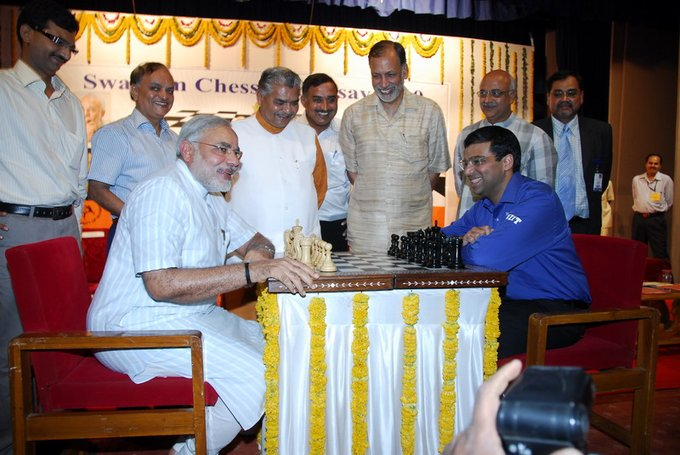
World Chess Champion Viswanathan Anand recalled his cherished memories with Prime Minister Narendra Modi, highlighting the Prime Minister’s rare blend of efficiency, discipline, and personal warmth.

Anand shared that during a casual conversation, he once mentioned his fondness for Gujarati Thalis. Modi ji immediately responded by taking him to the State Guest House in Ahmedabad, where they enjoyed a Gujarati Thali together. “I want to give you the best Thali you can remember,” the Prime Minister had said—a gesture Anand described as humbling and unforgettable.

The chess legend noted that while Modi ji is known for his efficiency, professionalism, and disciplined leadership, he is equally approachable, light-hearted, and caring, making those around him feel at ease.

Anand also praised the Prime Minister’s innovative vision for chess. It was Modi ji who suggested that the Chess Olympiad should have its own torch relay, similar to the Olympics. For the very first time, this tradition was introduced, and it has since become a proud global feature of the sport.

Reflecting on these experiences, Anand said that for him, Narendra Modi ji is not just a leader of India but an inspiration to the world—someone who leads with both heart and mind, leaving behind lessons of humility, innovation, and warmth.

Narendra Modi’ 75th birthday: R Madhavan Remembers PM Modi’s Attentiveness

0

Actor R. Madhavan recalled a special memory with Prime Minister Narendra Modi while preparing for his film Rocketry. Sharing the experience on the occasion of the PM’s 75th birthday, Madhavan said that Modi ji’s extraordinary attentiveness left a deep impression on him.

Narendra Modi' 75th birthday: R Madhavan Remembers PM Modi’s Attentiveness

He narrated that the incident took place in Mumbai, soon after Uri had become a huge success. Modi ji was attending an event with members of the film fraternity, and Madhavan was present too—but in full makeup and beard as scientist Nambi Narayanan, the role he was portraying in Rocketry.

“I genuinely doubted whether Modi ji would even recognize me,” Madhavan said. “But to my absolute surprise, the moment he saw me, he said—‘Madhavan ji, you look like Nambi Narayan. Has the shooting of the film started?’ I was stunned.”

The actor added that despite the immense responsibilities of leading the nation, the Prime Minister instantly recognized him and remembered his ongoing project. “That day, I took my very first selfie with him. Coincidentally, both of us had similar beards. It remains one of my most cherished memories,” Madhavan shared.

Extending his wishes, the actor said that PM Modi is not just a visionary leader but also a human being who notices, remembers, and values people in a deeply personal way. “On your 75th birthday, I wish you happiness, health, and continued strength to guide our nation,” he added.

From Vadnagar to New Delhi: Narendra Modi at 75

0

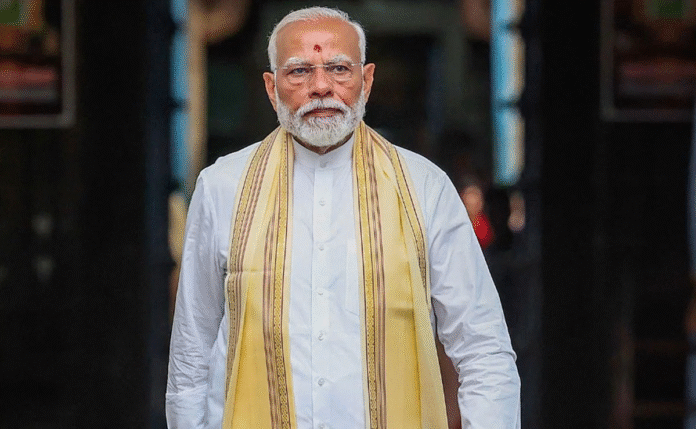
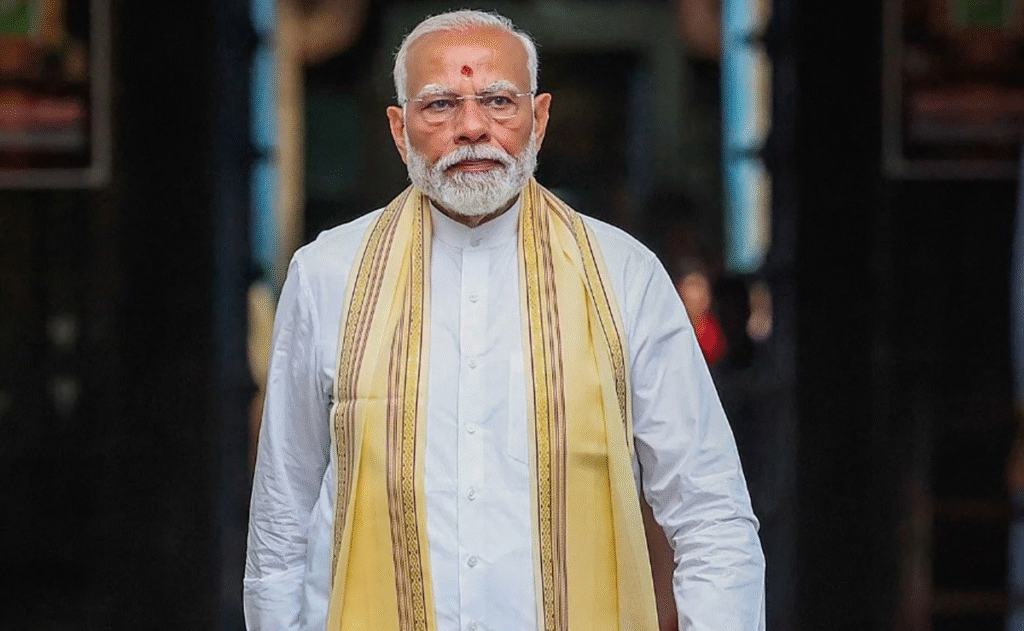
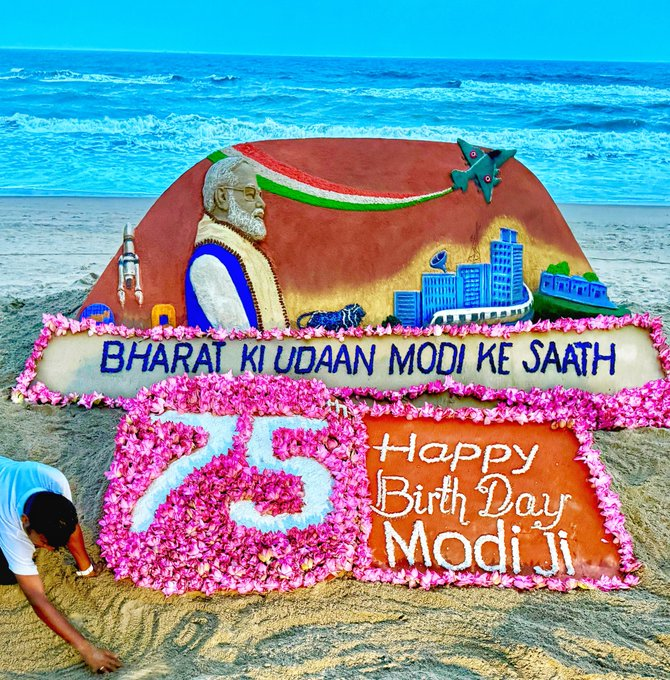
Kala Vasudev Chowk in Vadnagar, Gujarat—a modest house with a tiled roof where Damodardas and Hiraba once ran a tea stall. It was here, on September 17, 1950, that Narendra Modi was born. Today, as he turns 75, the story of the child who grew up in a one-room house that leaked during monsoons continues to define the image of India’s most powerful leader.

From Vadnagar to New Delhi: Narendra Modi at 75

Growing up in poverty, Modi often helped his father at the tea stall near Vadnagar railway station, while his mother supplemented the family income by washing utensils in neighbors’ homes. He received his early education at Kumarshala-1 and by the age of eight was attending RSS shakhas. In 1958, when RSS pracharak Laxmanrao Inamdar—“Vakil Saheb”—visited Vadnagar, young Narendra took his first oath as a swayamsevak.

That moment, Modi has often said, sowed the seeds of discipline and service in his life. His mother Hiraba sensed early on that her son was destined for a different path. With her blessing, he left home as a teenager, inspired by Swami Vivekananda. His years of wandering—at Belur Math, in the Himalayas, and across India—shaped his austere personality.

Returning to Gujarat, Modi immersed himself in the RSS. By the 1980s he was a full-time pracharak, and in 1985, he formally entered politics through the BJP. His organizational skills shone during the Ram Rath Yatra (1990) and Ekta Yatra (1992), bringing him closer to the party’s national leadership.

The turning point came in 2001 when Atal Bihari Vajpayee summoned him to Gujarat as Chief Minister. Modi’s mother, overjoyed yet mindful of his sacrifices, welcomed him home with the question: “Will you live here now?” On October 7, 2001, he was sworn in.

The 2002 Gujarat riots tested his leadership and left an indelible mark on his legacy. Yet, riding on the “Gujarat Model” of development and his image as Hindu Hriday Samrat, he rose to national prominence. In 2014, he led the BJP to a historic majority, repeated it in 2019, and in 2024 secured a third consecutive term as Prime Minister.

As Modi turns 75, the arc of his life—from helping at a tea stall in Vadnagar to shaping policies that influence global geopolitics—remains both extraordinary and contentious. His journey embodies ambition, discipline, and resilience, with Vadnagar still standing as the symbolic root of a leader who redefined Indian politics.

Listen to his full story here…

Five Kitchen Staples to Supercharge Your Immune System

0

Your kitchen is a treasure trove of immune-boosting foods that can help you stay healthy and resilient. Turmeric, garlic, ginger, citrus fruits, and honey are not only delicious but also packed with powerful compounds that support your body’s defenses. Here’s how these everyday ingredients can fortify your immune system and how to incorporate them into your daily routine.

Turmeric: The Golden Anti-Inflammatory Powerhouse


Turmeric, with its active compound curcumin, is renowned for its potent anti-inflammatory and antioxidant properties. Adding a pinch of turmeric to warm milk for a soothing “golden milk” or sprinkling it on roasted vegetables or curries can help reduce inflammation and bolster your immune system. Pair it with a dash of black pepper to enhance curcumin absorption for maximum benefits.

Garlic: Nature’s Antimicrobial Warrior


Garlic owes its immune-boosting prowess to allicin, a compound with strong antibacterial and antiviral properties. To unlock its full potential, crush or chop fresh garlic and let it sit for a few minutes before adding it to soups, stir-fries, or sauces. This simple step maximizes allicin’s release, helping your body fight off infections more effectively.

Ginger: The Soothing Anti-Inflammatory Ally


Ginger is a versatile root with powerful anti-inflammatory and antiviral properties that can soothe and strengthen your immune system. Steep fresh ginger slices in hot water for a comforting tea, add grated ginger to soups, or chew a small piece daily to harness its immune-supporting benefits. Its warming effect also aids digestion, further supporting overall health.

Citrus Fruits: Vitamin C-Packed Immune Boosters


Citrus fruits like lemons, oranges, and Indian gooseberry (amla) are rich in Vitamin C, a key nutrient that stimulates white blood cell production to combat infections. Incorporate these fruits into your diet through fresh juices, smoothies, or salads. A daily dose of citrus can help keep your immune system primed and ready to fight off pathogens.

Honey: The Sweet Antioxidant Shield


Honey is more than just a natural sweetener—it’s a powerhouse of antioxidants and antimicrobial compounds that support immune health. Stir a spoonful into warm water, herbal tea, or drizzle it over yogurt to enjoy its soothing and infection-fighting benefits. Opt for raw, unprocessed honey for the best results.

The Power of Synergy: Why They Work Better Together


When combined, these five ingredients create a synergistic effect, amplifying their individual immune-boosting properties. Their combined antimicrobial and antiviral powers help fend off bacteria and viruses, while their anti-inflammatory compounds reduce chronic inflammation that can weaken immunity. Packed with antioxidants, they protect cells from free radical damage, promoting overall health and resilience.

Creative Ways to Incorporate These Foods

  • Immune-Boosting Tea: Combine fresh ginger, garlic, turmeric, lemon juice, and a spoonful of honey in hot water for a soothing, nutrient-packed tea that supports your immune system.Morning Wellness Shots blend ginger, turmeric, lemon, orange juice, and a touch of honey for a quick, daily immunity shot that’s both refreshing and potent.Flavorful Cooking incorporate garlic, ginger, and turmeric into your daily meals—think stir-fries, soups, or curries—to naturally enhance your diet with immune-supporting nutrients.

A Simple Path to Stronger Immunity


Turmeric, garlic, ginger, citrus fruits, and honey are readily available kitchen staples that pack a powerful punch for your immune system. By incorporating these ingredients into your daily routine through teas, shots, or cooking, you can harness their synergistic benefits to fight infections, reduce inflammation, and protect your body from harm. Start small, get creative, and let these natural powerhouses help you stay healthy year-round.

Indian Army’s First Freight Train on USBRL Delivers Winter Supplies, Boosts Kashmiri Apple Trade”

0

The Indian Army has achieved a significant milestone by successfully operating its first dedicated freight train on the Udhampur-Srinagar-Baramulla Rail Link (USBRL), delivering 753 metric tonnes of winter supplies to Anantnag, Kashmir. This innovative dual-use logistics initiative not only strengthens the Army’s preparedness for the harsh Himalayan winters but also supports local farmers by transporting Kashmiri apples to markets across India on the return journey. This landmark effort underscores the Army’s commitment to both national security and socio-economic development in the region.

Strategic Winter Stocking for Harsh Conditions

The freight train transported 753 metric tonnes of Advance Winter Stocking (AWS) to Anantnag, ensuring that the Indian Army is well-equipped to face the challenging winter conditions in the Himalayan region. The reliable and efficient rail link guarantees that essential supplies reach forward bases, enhancing operational readiness in an area prone to heavy snowfall and road blockages.

Empowering Kashmiri Farmers

On its return journey, the train carried Kashmiri apples, providing local farmers with a vital link to broader Indian markets. Previously, farmers faced significant losses due to road closures during adverse weather. The USBRL freight service mitigates these challenges, enabling farmers to transport their produce efficiently and boosting the local economy. This initiative highlights the transformative potential of military infrastructure in supporting civilian livelihoods.

Dual-Use Logistics: A Model of Civil-Military Cooperation

The USBRL freight train exemplifies a unique model of dual-use logistics, seamlessly integrating military and civilian needs. By leveraging the rail network for both defense supplies and agricultural produce, the Indian Army demonstrates a powerful example of civil-military fusion. This synergy not only enhances logistical efficiency but also fosters trust and collaboration between the Army and local communities.

Strengthening Regional Connectivity and Resilience

The Udhampur-Srinagar-Baramulla Rail Link plays a pivotal role in improving connectivity in the region, offering a reliable alternative to road transport, which is often disrupted by weather and terrain. The successful operation of the freight train underscores the rail link’s importance in building regional resilience, ensuring uninterrupted supply chains for both military and civilian purposes.

A Commitment to Nation-Building

Beyond its core defense responsibilities, the Indian Army’s engagement in this initiative reflects its broader commitment to nation-building. By facilitating the transport of Kashmiri apples, the Army contributes to the socio-economic development of the region, providing economic relief to farmers and strengthening community ties. This effort showcases the Army’s role as a catalyst for progress in Kashmir.

Cost Efficiency Through Rail Logistics

Utilizing the USBRL for military logistics offers potential cost savings by ensuring reliable, long-distance transportation of goods. The rail network’s efficiency reduces dependency on road transport, which can be costly and unpredictable in the region’s challenging terrain. This strategic use of infrastructure optimizes resources while supporting both military and civilian objectives.

A New Era of Military-Civil Synergy

The Indian Army’s first dedicated freight train on the USBRL marks a significant step forward in integrating military logistics with civilian economic needs. By ensuring winter preparedness and providing Kashmiri farmers access to national markets, this initiative strengthens regional connectivity, resilience, and prosperity. The operation stands as a testament to the Army’s multifaceted role in safeguarding the nation while fostering socio-economic growth in Kashmir.

India Inaugurates First Bamboo-Based Bioethanol Plant in Assam

0

India has inaugurated its first bamboo-based bioethanol plant in Golaghat, Assam, marking a major step toward green energy, rural empowerment, and industrial growth. The plant will source bamboo from across Assam and other northeastern states, creating new income avenues for farmers and tribal communities. Alongside, the foundation stone of a polypropylene plant was also laid, strengthening regional manufacturing.

Why This Matters

Bioethanol is a renewable, high-octane fuel produced from biomass such as bamboo, sugarcane, and grains. Bamboo, with its fast growth and abundance in the Northeast, is an ideal feedstock. The new facility will process nearly 5 lakh tonnes of bamboo annually, helping reduce dependence on fossil fuels while promoting cleaner, greener energy sources.

Policy Reforms Driving Change

Until recently, bamboo was classified as a tree under the Indian Forest Act, 1927, restricting its harvest. Amendments have since removed this classification, lifting the ban and enabling farmers and forest communities to cultivate and trade bamboo legally. This reform aligns with the government’s vision of boosting rural livelihoods and sustainable resource use.

Economic and Social Impact

The bamboo bioethanol project is expected to inject ₹200 crore into Assam’s rural economy, directly benefiting farmers, tribal groups, and small entrepreneurs. It also supports the ‘Make in Assam’ and ‘Make in India’ initiatives by creating jobs and driving local industrialisation. The upcoming polypropylene plant will further strengthen industrial output by supplying key raw materials for the plastics sector.

How Bioethanol Is Made

The production process involves pretreatment of bamboo to release fermentable sugars, followed by microbial fermentation, distillation, and dehydration to obtain fuel-grade ethanol. The end product can be blended with petrol or used in modified engines. Thanks to its high cellulose content, bamboo offers an efficient and sustainable option for large-scale bioethanol production.

India’s Renewable Push

Over the past decade, India has emerged among the top five nations in solar power generation. With the Golaghat bioethanol plant, the country has taken another leap by diversifying into alternative fuels beyond solar and wind. This milestone strengthens India’s pursuit of energy security, environmental sustainability, and inclusive rural development.

Gyan Bharatam Portal: Digitising India’s Manuscript Heritage

0

Prime Minister Narendra Modi launched the Gyan Bharatam portal at the International Conference on Gyan Bharatam in New Delhi, marking a landmark step in preserving and promoting India’s manuscript tradition. The portal, announced during the 2025 Budget session, seeks to digitise and catalogue nearly one crore manuscripts in about 80 languages, making them accessible worldwide while safeguarding against intellectual piracy.

Gyan Bharatam Mission

The mission envisions a central digital platform for manuscripts located across India and abroad. It will not only provide open access for researchers and the public but also foster collaboration with global institutions for preservation, training, and research. The initiative highlights India’s civilisational wealth while positioning it as a knowledge leader in the 21st century.

India’s Manuscript Wealth

India holds the largest manuscript collection in the world, covering disciplines from philosophy and astronomy to medicine, metallurgy, and art. Notable works include the Gilgit texts on Kashmir’s history, Kautilya’s Arthashastra, Buddhist manuscripts from Sarnath, Ayurvedic classics like the Charaka and Sushruta Samhitas, and the Bakhshali manuscript, which contains the earliest recorded use of zero.

Gyan Bharatam Portal: Digitising India’s Manuscript Heritage

Knowledge Traditions and Cultural Legacy

India’s knowledge tradition rests on four pillars: preservation, innovation, addition, and adaptation. From the oral transmission of the Vedas to innovations in Ayurveda and metallurgy, and from evolving Ramayana traditions to intellectual debates (shastrarth), these practices ensured constant renewal. The mission encourages citizens, universities, and cultural institutions to join this effort.

Institutional and Global Collaboration

Institutions such as the Asiatic Society of Kolkata, Saraswati Mahal Library, and Dharohar Udaipur are playing pivotal roles, with more than 10 lakh manuscripts digitised so far. India has signed MoUs with universities in Thailand and Vietnam to train scholars in languages like Pali, Lanna, and Cham. Manuscripts from Mongolia have been digitised and repatriated, while those preserved in Japan’s Horyu-ji Monastery reflect India’s historic global outreach.

Technology, Youth, and Cultural Diplomacy

The mission leverages AI and advanced digital tools to support preservation and innovation in the $2.5 trillion global cultural and creative industries. Youth engagement remains central, with 70% of participants being young scholars and researchers. The effort also enhances India’s cultural diplomacy, complementing recent successes in repatriating hundreds of ancient idols.

Led by the Ministry of Culture, the conference discussed manuscript preservation, legal frameworks, decipherment, and heritage diplomacy. With Gyan Bharatam, India positions itself as a trusted global custodian of knowledge and heritage.

Thaaragai Aarathana: The 11-Year-Old Ocean Hero Cleaning Up Chennai’s Sea’s

0

PC:(THE HINDU

At just 11 years old, Thaaragai Aarathana from Karapakkam, Chennai, is making waves as one of the world’s youngest PADI-certified junior open water divers. With a passion for marine conservation, she dives into the sea two to three days a week to remove plastic waste and protect endangered species like the dugong (sea cow). Inspired by her father, Aravind Tharunsri, a professional scuba diving instructor and environmental activist, Aarathana is on a mission to safeguard the oceans, one clean-up at a time.

Aarathana and Team Swim for Ocean Conservation”

India’s Youngest PADI-Certified Diver: AarathanaChennai-based Aarathana, India’s youngest PADI-certified diver, is a passionate environmental activist advocating for beach and underwater clean-ups to protect marine life. On April 3, Aarathana, her father S.B. Aravind Tharunsri, and seven-year-old volunteer Nishvik swam from Thalaimannar, Sri Lanka, to Dhanushkodi, India, to raise awareness about marine plastic pollution.Inspired by her father, a professional scuba diver and environmentalist, Aarathana began diving at five. Aravind, who fell in love with the ocean during his first dive in the Andamans in 1997, introduced her to water just three days after her birth. By nine months, she was floating, and by two-and-a-half, she was swimming confidently. Aravind, supported by his parents, conducts seminars to educate divers, fisherfolk, and locals on marine conservation.Nishvik, a young environmental enthusiast from Chennai, joined the swim. Despite his age, he actively participates in beach clean-ups and community initiatives, proving that dedication to environmental causes knows no age limit. Together, Aarathana, Aravind, and Nishvik inspire the next generation to protect our oceans.

A Family Legacy of Ocean Love

Aarathana’s love for the sea runs in her family. Her father, Aravind Tharunsri, discovered his passion for marine life during his first dive in the Andamans in 1997. That experience, supported by his parents, led him to become a full-time scuba diving instructor and advocate for environmental conservation. Through seminars and educational sessions with residents, scuba divers, fisherfolk, and social workers, Tharunsri has inspired many—including his daughter—to protect the oceans. Aarathana, growing up surrounded by her father’s dedication, found her calling early, earning her PADI certification and diving headfirst into marine conservation.

Swimming for a Cause

Aarathana’s commitment to the environment goes beyond local clean-ups. On April 3, she, her father, and seven-year-old volunteer Nishvik swam from Thalaimannar in Sri Lanka to Dhanushkodi in India to raise awareness about marine plastic pollution. This remarkable feat was part of her ‘Save the Ocean’ initiative, which also included an 11-hour, 30-minute swim to highlight the urgent need for ocean conservation. Through these efforts, Aarathana has removed over 1,200 kg of plastic waste from beaches and underwater, making a tangible impact on Chennai’s coastal ecosystems.

Inspiring Communities, One Talk at a Time

Despite her young age, Aarathana is a powerful voice for change. Sporting pigtails and a floral frock, she has led over 70 community talks, inspiring both young and old to join her mission of marine conservation. Her enthusiasm and dedication have mobilized communities to take action against plastic pollution and protect marine life. A student who loves sports—scuba diving being her favorite—Aarathana balances her schoolwork with her environmental activism, proving that age is no barrier to making a difference.

A Bright Future for Ocean Conservation

Thaaragai Aarathana is a shining example of how passion and determination can drive meaningful change. As India’s youngest PADI-certified diver, she is not only cleaning up Chennai’s seas but also inspiring others to care for the environment. With her father’s guidance and her unwavering commitment, Aarathana is paving the way for a cleaner, healthier ocean, proving that even the youngest among us can be heroes for our planet.

The Significance of Shraddha: Honoring Ancestors During Pitru Paksha

0

PC:( Webduniya)

Shraddha, also known as Pitru Paksha, is a significant Hindu ritual dedicated to honoring and appeasing the souls of departed ancestors. Observed from the full moon day (Purnima) of the Bhadrapada month to the new moon day (Amavasya) of the Ashwin month, this 16-day period holds immense spiritual importance in Hindu tradition. During this time, families perform rituals to express gratitude, offer food, water, and other essentials, and seek blessings from their forefathers. The practice is rooted in the belief that ancestors visit the earthly realm during Pitru Paksha, accepting offerings and bestowing blessings on their descendants.

The Meaning and Purpose of Shraddha

The Sanskrit word Shraddha embodies the essence of faith, trust, or devotion, but in its ritualistic context, it refers to the formal act of paying homage to departed ancestors. This significant practice, observed in Hinduism, Buddhism, and Jainism, aims to honor forefathers, seek their blessings, and ensure the peaceful journey of their souls in the afterlife. Shraddha is a deeply spiritual tradition that reflects gratitude and reverence for those who have shaped one’s lineage, fostering a connection between the living and the departed.

Rituals of Pitru Paksha: Nourishing Ancestral Souls

During Pitru Paksha, a 16-day period dedicated to ancestors, Shraddha rituals involve offering food, water, and prayers to appease and nourish the souls of pitaras (ancestors), believed to reside in other realms after death. These rituals, performed with devotion, facilitate the ancestors’ journey toward higher realms or moksha (liberation) while expressing gratitude for their legacy. Practices like tarpan (offering water) and pindadan (offering rice balls) sustain the subtle forms of ancestors, ensuring their peaceful transition and fulfilling the sacred debt owed to those who came before. By seeking blessings for the family’s prosperity and well-being, Shraddha strengthens the eternal bond between generations

The Historical Roots of Shraddha

The tradition of Shraddha finds its origins in ancient texts, particularly the Mahabharata. According to the Anushasana Parva of the Mahabharata, the concept of Shraddha was established during this era. Sage Atri and Maharishi Nimi played pivotal roles in shaping this ritual. Legend has it that Maharishi Nimi, grieving the loss of his son, was the first to perform Shraddha under the guidance of Sage Atri. This act was aimed at invoking and honoring ancestors, ensuring their peace and blessings. The ritual underscores the importance of familial bonds and the sacred duty of descendants to honor their lineage.

The Legend of Karna: A Lesson in Ancestral Reverence

A popular tale associated with Pitru Paksha revolves around Karna, a prominent figure from the Mahabharata. After his death, when Karna’s soul reached heaven, he was offered gold and jewels instead of food. Perplexed, he questioned Lord Indra, who explained that while Karna had generously donated gold during his lifetime, he had never offered food to his ancestors. Unaware of his ancestral lineage, Karna had not performed Shraddha. To rectify this, Indra granted Karna 16 days to return to Earth, during which he performed Shraddha, offering food and water to his ancestors through tarpan (ritual offerings). This period came to be known as Pitru Paksha, symbolizing the importance of honoring one’s forefathers.

The Spiritual Essence of Pitru Paksha

Pitru Paksha is a deeply spiritual practice aimed at ensuring the peace and salvation of departed souls. Hindus believe that during these 16 days, ancestors descend to the earthly plane to receive offerings from their descendants. By performing Shraddha rituals, which include offering food, water, and donations, families express their devotion and gratitude. These acts are believed to satisfy the ancestors, who, in turn, bless their families with prosperity, health, and happiness. The ritual also reinforces the cultural value of filial duty, emphasizing the eternal bond between generations.

A Tradition of Gratitude and Blessings

Shraddha or Pitru Paksha is more than a religious observance; it is a heartfelt expression of respect and gratitude toward one’s ancestors. Through rituals rooted in ancient scriptures and enriched by stories like Karna’s, this tradition highlights the importance of remembering and honoring those who came before us. As families come together to perform these sacred rites, they not only seek the spiritual well-being of their ancestors but also strengthen the bonds of love and duty that connect the past, present, and future.


Haritha Karma Sena: Kerala’s Women-Led Revolution in Waste Management

0

(PC: Open digest )

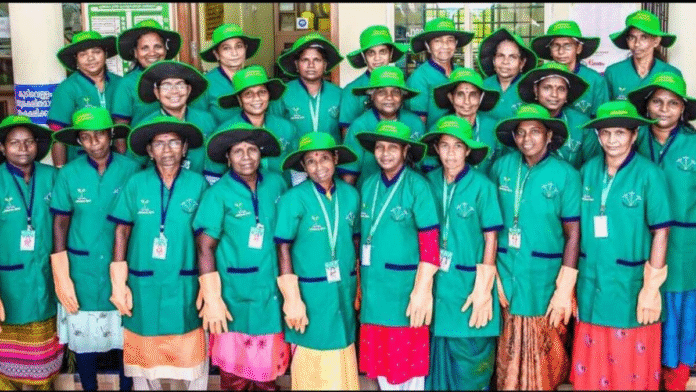
Kerala’s Haritha Karma Sena (HKS), a formidable network of over 37,000 women, has emerged as the backbone of the state’s waste management system, driving sustainability and economic empowerment as of September 2025. With remarkable achievements in waste collection, technological integration, and women’s entrepreneurship, the initiative is reshaping Kerala’s environmental landscape while uplifting thousands of lives. Despite its successes, challenges like public awareness and participation persist, prompting innovative solutions to ensure a cleaner, greener future.

A Milestone in Waste Collection

In the financial year 2024–2025, the Haritha Karma Sena collected an impressive 1.52 lakh tonnes of non-biodegradable waste, covering 95% of households and shops across Kerala. This extensive doorstep collection effort underscores the initiative’s efficiency and reach. A standout achievement comes from Perinthalmanna, the first municipality in Malappuram district to achieve 100% doorstep waste service. Adding to its success, the municipality generates electricity from organic waste through a Bio Shakti plant, setting a model for sustainable waste-to-energy solutions.

Empowering Women, Building Entrepreneurs

At its core, the HKS is more than a waste management program—it’s a movement for women’s economic empowerment. Employing over 37,000 women, the initiative has transformed lives by providing stable incomes ranging from ₹10,000 to ₹25,000 per month for many members. The state government has further bolstered this effort with a new scheme promoting entrepreneurial ventures, such as producing cloth bags and organic fertilizers, enabling HKS members to turn waste into viable income streams. This focus on entrepreneurship is fostering financial independence and creating role models for women across Kerala.

A heartwarming example of the Sena’s integrity came from Kochi’s Kumbalangi, where two HKS workers found and returned diamond jewelry worth over ₹4.5 lakh, earning widespread praise for their honesty and dedication.

Technological and Policy Innovations

The HKS has embraced technology to streamline operations, with the Haritha Mitram app now fully implemented in select areas to enhance waste management and monitoring. This digital tool ensures transparency and efficiency, allowing real-time tracking of collection efforts. On the policy front, the state has cracked down on littering, collecting ₹9.55 crore in fines over the past five months, as confirmed by Minister M.B. Rajesh. These funds are being reinvested to strengthen waste management infrastructure.

Addressing Challenges, Scaling New Heights

While Kerala’s solid waste management system is maturing, challenges remain in managing liquid and sanitary waste. To address this, the state is establishing regional treatment plants to ensure comprehensive waste processing. Additionally, Minister Rajesh has emphasized the need for greater public awareness and participation, which remain low despite the HKS’s widespread success. Campaigns are underway to educate communities and encourage active involvement in waste segregation and disposal.

A Vision for a Sustainable Future

The Haritha Karma Sena stands as a shining example of how environmental goals and social empowerment can converge. By combining waste management with women’s economic upliftment, Kerala is setting a global benchmark for sustainable development. As the state continues to innovate with technology, expand treatment facilities, and engage communities, the HKS is poised to lead Kerala toward a cleaner, more equitable future, proving that waste can indeed be transformed into wealth.